A 6 Pin Charger can look simple: a compact plug, six contacts, and a cable leading to a familiar device. But the details behind that connector matter. Pin layout, rated voltage, current capacity, insulation, and strain relief all affect compatibility and everyday reliability. Buyers comparing global manufacturers need more than a polished product photo. They need clear specifications, traceable quality checks, and answers about testing.
W. Edwards Deming, a quality-management expert, is often quoted as saying, “Quality is everyone’s responsibility.” That principle is useful when evaluating charger suppliers, though Deming was not a 6 Pin Charger specialist. Ask who verifies contact alignment, how manufacturers check cable durability, and whether test reports match the exact model offered. A sample that fits one device may not fit another. Small detail. Big consequence.
This guide introduces ten manufacturers for global buyers and focuses on practical comparison points: product range, customization, documentation, production capacity, and communication. A supplier’s catalog can be helpful, but it cannot prove performance on its own. Request precise drawings and confirm connector dimensions before placing a large order. Some information may still be difficult to compare across vendors. That is worth noticing. The right choice depends on the device, operating conditions, and buyer’s own inspection process.
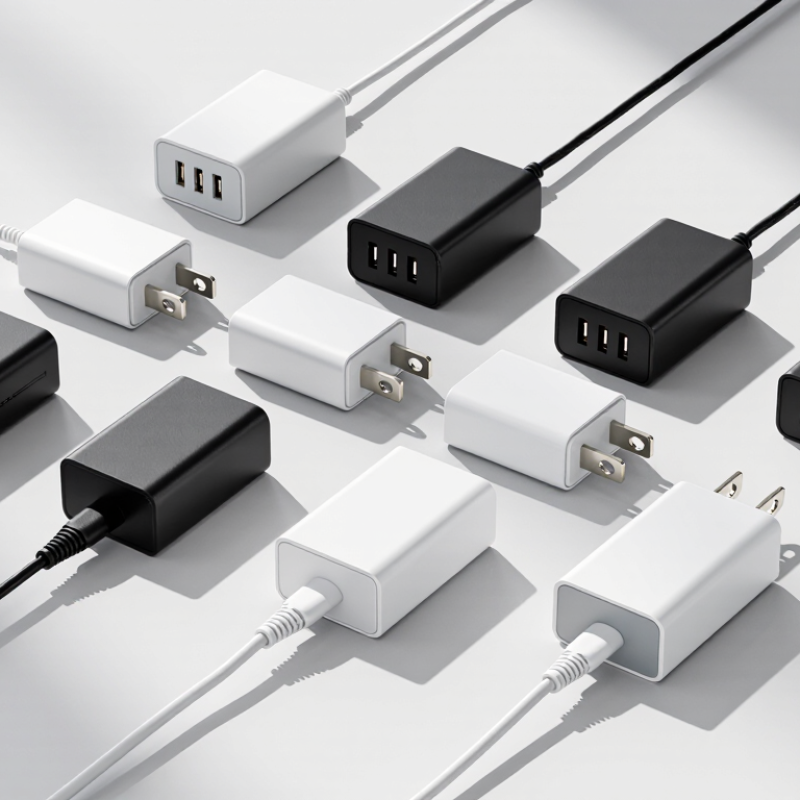
Understanding 6-Pin Chargers and Their Common Applications
A 6-pin charger uses six electrical contacts, but the pin count alone does not define its voltage, current, or wiring. Depending on the device, contacts may carry charging power, temperature readings, or communication signals. These connectors appear in some rechargeable battery packs, handheld equipment, mobility accessories, and charging docks. They are not universal. Two plugs that look alike can use different pin assignments.
The IEA’s Global EV Outlook 2025 reports that electric car sales exceeded 17 million in 2024, reflecting wider electrification across transport. That figure is not a measure of 6-pin charger use. It does, however, underline why accurate charging specifications matter. A mismatched charger can fail to charge, or may damage equipment. On a workbench, check the device label and technical datasheet before connecting anything. Small details matter.
Tips: Confirm polarity, rated voltage, current, and pin layout with the manufacturer’s documentation. Never identify a connector by appearance alone. If a pin’s function is unclear, stop and ask a qualified technician. One overlooked contact can matter.
Key Criteria for Evaluating 6-Pin Charger Manufacturers
A six-pin charger should be judged by how well its connector, electronics, and production process work together. Ask manufacturers for a clear pinout drawing, rated current for each pin, and connector retention data. Check that the cable fits the intended device without wobbling or requiring unusual force. Fit matters. A drawing alone cannot confirm that a plug will remain secure after repeated use, so request samples for physical evaluation.
Request test records for charging performance under load, temperature rise, insulation, and protection against overcurrent and short circuits. The test conditions should match the charger’s intended use, including its operating temperature and cable length. Ask which safety approvals apply in each target market, and verify that documents cover the exact model and revision. Ask for evidence. A certificate with a similar product name may not establish that the unit being offered was assessed.
Review the manufacturer’s quality controls, including incoming component checks, production inspections, and traceable batch records. Ask how design changes are communicated and whether replacement units retain the same pin assignment and electrical ratings. A polished sample is useful, but it does not prove consistent mass production. It is easy to overvalue a tidy datasheet; compare it with test results and real sample measurements, and note any gaps before placing an order.
Profiles of 10 6-Pin Charger Manufacturers for Global Buyers
For global buyers, a six-pin charger is not a single universal specification. Pin layout, voltage, current, polarity, and temperature limits must match the device. The International Energy Agency’s Global EV Outlook 2024 reported that public charging points grew by more than 40% in 2023. That growth highlights expanding charging demand, but it does not prove any particular six-pin charger is compatible. Fit still matters.
A useful shortlist can profile ten supplier types without relying on brand claims:
a high-volume OEM for stable production runs;
an industrial supplier for continuous-duty use;
a cable specialist for flexible leads;
a compact-adapter maker for travel kits;
a rugged-housing producer for dusty workplaces;
a low-voltage specialist for small electronics;
a battery-system supplier for matched charging profiles;
an export-focused factory for multilingual documentation;
an engineering-led firm for custom pinouts; and
a value-focused producer for simple replacement units.
Compare actual samples, not category labels.
Ask each manufacturer for pin diagrams, rated output, protection details, and test records. Check connector fit by hand; a loose pin can interrupt charging. Request temperature-rise results under the intended load, plus batch traceability and warranty terms. These checks are practical, but imperfect: public reports rarely break charger markets down by six-pin connector type. Treat supplier data as claims until verified, and confirm the final sample with the equipment it will power.
Comparing Product Range, Quality, and Manufacturing Capabilities
Choosing a six-pin charger manufacturer requires more than comparing catalog sizes. Some suppliers offer compact wall adapters, vehicle chargers, and multi-port units, while others focus on replacement charging assemblies. That difference matters when buyers need consistent connectors, cable lengths, and output ratings across a product line. Check whether product sheets clearly state pin assignments, voltage, current limits, and protection features. Small details matter.
Quality depends on repeatable testing, not polished product photos. Ask how incoming components, solder joints, strain relief, and finished units are inspected. A capable factory can provide sample reports, traceable production batches, and evidence of electrical and temperature testing. Manufacturing capacity also deserves scrutiny: tooling, assembly methods, and realistic lead times should match expected demand. A large monthly output figure means little if quality shifts between pilot runs and bulk orders. This is easy to miss. Compare warranty terms and defect handling, too; vague answers may suggest weak process control, though they are not proof. No supplier is flawless. A practical shortlist balances product range, documented quality, and transparent production limits, then verifies claims with samples before committing.
Verifying Suppliers and Managing International Sourcing
For a six-pin charger, verify the interface before comparing prices. Request a pinout drawing and confirm voltage, current, polarity, and connector dimensions against your device. Ask for test reports tied to the exact model and production site, not a similar sample. Check whether the supplier controls component changes and can identify production batches. A small pilot order can reveal loose pins, poor strain relief, or inconsistent labeling. Paperwork helps, but it can miss real production variation.
International sourcing also needs time and logistics checks. UNCTAD’s Review of Maritime Transport 2024 reports that over 80% of global trade by volume moves by sea, making shipping schedules and packaging relevant to landed cost. McKinsey’s 2020 supply-chain survey found that 93% of surveyed leaders planned to make supply chains more resilient. These figures describe broad supply chains, not charger vendors. Still, they support practical safeguards: qualify a backup source, agree on inspection criteria, and document responsibility for defective lots. Request carton dimensions, shipping terms, and lead-time ranges in writing. Then compare those details with a sample shipment. Delays happen. Your forecast may still be wrong.
Conclusion
This guide explains what a 6 Pin Charger is, how its six-pin connection supports power and communication, and where chargers of this type are commonly used. It outlines practical criteria for assessing manufacturers, including electrical performance, safety features, connector compatibility, customization options, production capacity, quality-control processes, and technical support. These factors help buyers compare suppliers beyond price alone and identify products suited to their equipment and operating requirements.
The guide also presents a framework for comparing ten manufacturer profiles by product range, quality practices, and manufacturing capabilities, without relying on brand names. For international sourcing, buyers should verify company credentials, request relevant product documentation and samples, clarify specifications and lead times, and agree on inspection, packaging, and after-sales arrangements. Careful supplier checks and clear communication can reduce purchasing risks and support a more reliable sourcing decision.

 Rongqiangbin