7 Tips for Choosing Digikey Pogo Pins for Global Buyers?

Time:2026-10-23 Author:Isabella
0%

Selecting Digikey Pogo Pins for global projects involves more than matching a part number to a drawing. Engineers must balance stroke, spring force, current rating, contact resistance, and mating cycles. A pin that performs well in a test fixture may fail inside a vibrating handheld device. Small details matter. Gold plating thickness, barrel size, and working travel can influence long-term stability. Global buyers also face different lead times, packaging requirements, and production schedules. This guide presents seven practical tips for evaluating options with technical evidence and purchasing discipline. It focuses on fit, reliability, documentation, and supplier communication. No catalog filter replaces engineering judgment.

Experienced teams usually begin with the application, not the brand name. They define board spacing, compression range, alignment tolerance, and environmental exposure. Then, they compare manufacturer datasheets, drawings, test conditions, and lifecycle ratings. Independent samples can reveal problems that specifications hide, such as uneven compression or difficult soldering. I have seen suitable-looking pins create intermittent contact after repeated assembly. That lesson is easy to overlook. Buyers should verify availability, approved substitutions, regional shipping conditions, and traceable quality records before placing orders. They should question unclear ratings instead of filling gaps with assumptions. This approach supports informed decisions across regions. Still, real testing may challenge the original plan. That is acceptable. A reliable selection process allows redesign when field evidence demands it.
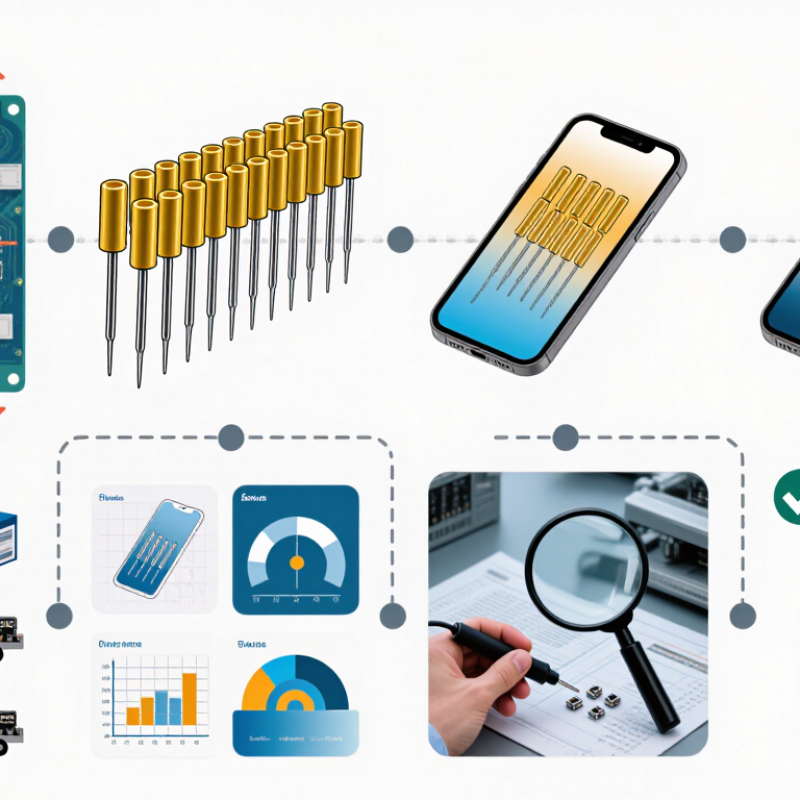
7 Tips for Choosing Digikey Pogo Pins for Global Buyers?

Understand Pogo Pin Types and Their Intended Applications

Choosing the right pogo pin begins with understanding its type and intended application. A standard spring-loaded pin suits battery contacts, test fixtures, and removable modules. Its travel absorbs small alignment errors. A threaded pin works better in a fixed panel assembly, where secure installation matters. For compact circuit boards, surface-mount versions can save space but demand accurate placement.

High-current pogo pins use larger bodies and stronger springs. They fit charging docks, power interfaces, and industrial equipment. Magnetic pogo pins connect quickly, although their magnetic force may not replace mechanical locking. Waterproof designs help outdoor devices, but sealing quality depends on the complete connector structure. Do not judge protection from the pin alone.

I have seen prototypes fail because engineers checked current ratings but ignored contact resistance after repeated compression. Measure force, stroke, resistance, and cycle life under realistic conditions. Check plating compatibility with the mating surface, especially in humid environments. A gold-plated contact may resist corrosion, yet its performance still depends on thickness and wear. Small details matter.

Global buyers should request dimensional drawings, tolerance data, test conditions, and traceable inspection records. Confirm whether the pin is for signal, power, charging, or temporary testing. Mixed functions often need different pin types. Keep a sample log.

One overlooked issue is cleaning. Flux residue, dust, and fingerprints can reduce reliability. A supplier’s datasheet is useful, but independent sample testing is safer. Mistakes happen. The design should allow them to be found early.

Pogo Pin Types and Typical Continuous Current by Application

Typical continuous-current capability varies with pin diameter, contact force, plating, temperature rise, and PCB design. Signal and test pins generally prioritize compact size and low resistance, while power, battery-charging, and industrial pins use larger contact areas and higher spring forces. The values shown are representative engineering ranges for initial global component selection, not universal ratings.

Check Electrical, Mechanical, and Environmental Specifications

7 Tips for Choosing Digikey Pogo Pins for Global Buyers

Check rated current, working voltage, and contact resistance before comparing prices. IEC 60512-2-1 defines methods for measuring contact resistance, often in milliohms. A low initial value can still rise after repeated compression. Ask for resistance data after the stated durability cycle, not only new-part results. Confirm insulation resistance and dielectric withstand values under the intended voltage. Derating matters. A pin carrying two amps in open air may require less current inside a sealed fixture.

Measure the mechanical details carefully. Verify stroke, spring force, working travel, and compression limit. A 0.5 mm mismatch can create intermittent contact. Check alignment tolerance and mounting stability, especially for blind-mate assemblies. The IEC 60512 series includes mechanical and endurance testing, but supplier reports may use different cycles. Compare test conditions line by line. I have seen buyers compare “30,000 cycles” without checking load, speed, or travel. That comparison is weak.

Review temperature, humidity, vibration, and corrosion requirements. IEC 60068-2-78 covers damp-heat testing, while ISO 9227 defines salt-spray procedures. Salt-spray hours do not equal service life. For outdoor equipment, check sealing, plating, and condensation risks together. IEC 60529 IP ratings describe enclosure protection, not automatic pogo-pin reliability. Request RoHS and REACH declarations, material details, and traceable test reports. Leave margin. Real assemblies rarely operate in laboratory-perfect conditions.

7 Tips for Choosing Digikey Pogo Pins for Global Buyers? - Check Electrical, Mechanical, and Environmental Specifications

Tip Selection Dimension Typical Data or Target Why It Matters Buyer Verification Checklist
1
Contact Resistance
Electrical performance
Typically ≤50 mΩ initial for a clean, correctly compressed contact. Lower values may be required for precision power or signal applications. Lower resistance reduces voltage drop, heat generation, and signal loss at the mating interface. Request the test current, measurement method, force condition, and maximum resistance after cycling. Do not compare values measured under different conditions.
2
Rated Current and Voltage
Electrical load capability
Common compact designs are often used around 0.5–3 A per contact; larger power contacts may support higher current. Voltage rating is application-specific and commonly falls in the 12–60 V DC range for low-voltage equipment. Current capacity is affected by contact size, temperature rise, parallel contacts, and duty cycle. Voltage capability depends on spacing, insulation, and the complete assembly. Check continuous current, peak current, allowable temperature rise, derating curves, insulation spacing, and whether the rating applies to one contact or multiple contacts used together.
3
Stroke, Preload, and Spring Force
Mechanical compliance
Typical working stroke: 0.5–2.0 mm. Typical working spring force: approximately 30–150 gf, depending on pin diameter and compression. Adequate stroke compensates for tolerance, flatness, and assembly variation. Excessive force can damage the mating pad or housing. Confirm minimum and maximum stroke, free height, working height, initial force, final force, and the recommended compression percentage. Keep the design within the specified stroke range.
4
Size, Alignment, and Mounting
Mechanical integration
Common barrel diameters are approximately 1.0–3.5 mm; installation options may include through-hole, surface-mount, press-fit, or threaded mounting. Final dimensions must match the PCB and housing design. A pin that is too small may not provide sufficient current or stability, while a pin that is too large can reduce routing space and create assembly interference. Compare body diameter, total height, mounting footprint, contact tip diameter, positional tolerance, mating-pad diameter, and keep-out area with the mechanical drawings.
5
Durability and Contact Life
Repeated mating performance
Many general-purpose designs are tested for approximately 10,000–100,000 cycles. Actual life depends on stroke, force, alignment, load, contamination, and surface finish. Repeated compression and sliding can increase resistance, wear the plating, and weaken the spring. Ask for cycle-test conditions, electrical-load conditions during cycling, resistance limits, force retention, and inspection criteria after the test.
6
Temperature, Humidity, and Corrosion
Environmental suitability
A common commercial operating range is about −40°C to +85°C; some designs support wider ranges. Gold-plated contact surfaces are commonly selected for oxidation resistance, but plating thickness and base materials vary. Temperature changes affect spring force, resistance, dimensional fit, and solder-joint reliability. Moisture, salt, and sulfur exposure can accelerate corrosion. Verify operating and storage temperature, humidity test results, salt-spray or mixed-gas requirements, plating material and thickness, and compatibility with the intended enclosure environment.
7
Quality, Compliance, and Global Supply
Purchasing and validation
Require controlled drawings, lot traceability, inspection records, and documented material information. Confirm applicable requirements such as RoHS, REACH, and halogen restrictions where required by the destination market. Consistent dimensions, plating, spring force, and electrical performance are essential when sourcing from different regions or changing production lots. Review datasheets, certificates, sample measurements, packaging protection, minimum order quantity, lead time, customs documentation, and an approved change-notification process before mass purchasing.
The values shown are representative selection ranges rather than universal ratings. Always use the specific component drawing, derating information, environmental test data, and application-level validation before approval.

Evaluate DigiKey Listings, Availability, and Manufacturer Information

Tip 1: Read every distributor listing carefully before choosing pogo pins. Check the stroke length, spring force, contact resistance, and compressed height. A polished product photo proves little. The technical table matters more. Compare the listed part number with the downloadable drawing, because small differences can affect fit. I once overlooked a one-millimeter height change. It caused unnecessary redesign work.

Tip 2: Treat availability as a design factor, not a purchasing detail. Review current stock, minimum order quantities, lead times, and regional shipping options. A listing marked “available” may still show limited quantities or delayed replenishment. For global projects, check whether the same item is stocked in multiple warehouses. Keep at least one technically compatible alternative. This is not always easy.

Tip 3: Verify the manufacturer information behind each listing. Look for a complete datasheet, material specifications, plating details, operating temperature, and stated test conditions. Confirm that the distributor’s description matches the manufacturer’s documentation. If information is missing, contact technical support before approving samples. Ask for traceability records when quality control requires them. Also review regional conformity requirements, such as environmental declarations and import documentation. These details can influence customs clearance and product acceptance.

During evaluation, test the pins under realistic compression and repeated mating cycles. Measure electrical stability, not only initial continuity. Dust, vibration, and slight misalignment may change performance. Record your findings with the exact listing revision and purchase date. Online information can change. That record protects your later decisions.

Compare Pricing, Minimum Orders, and International Shipping Options

Choosing Pogo Pins for Global Buyers: Pricing, Minimum Orders, and Shipping

Start with a landed-cost comparison, not the unit price. Request quotes at sample, 100-piece, and production quantities. Include plating, spring force, tolerance, tooling, packaging, and inspection fees. A low quote can become expensive after setup charges. I learned this the hard way. A spreadsheet can still lie.

Check minimum order quantities carefully. Some suppliers offer low MOQs but charge more for custom lengths or contact finishes. Ask whether unused components can be reordered later. Confirm lead time at each quantity break, because a cheaper bulk order may tie up cash for weeks. Use ISO 2859-1 sampling guidance when comparing inspection terms. It creates a clearer quality discussion, although it does not replace functional testing.

International freight needs equal attention. The World Bank’s 2023 Logistics Performance Index compares 139 economies across customs, infrastructure, and timeliness. Use that framework when judging delivery risk. Ask for air, courier, and consolidated freight options, then compare transit time, tracking, insurance, duties, and destination taxes. The UNCTAD Review of Maritime Transport 2023 also documented significant freight-rate volatility, so an old shipping quote may mislead you. Clarify whether pricing uses DAP or DDP terms. Request written confirmation of customs responsibility. I sometimes overlook payment fees and currency movement; both can change the final cost. Allow a small contingency.ಿದ್ದಾರೆ

Verify Compliance, Documentation, and Long-Term Supply Reliability

Global buyers should treat pogo pins as controlled components, not simple metal contacts. Start by defining stroke, travel force, current rating, contact resistance, and operating temperature. Ask for drawings with tolerances, plating details, and test conditions. Then match those details against your board layout and mating cycle. Fit matters. Even a strong sample can fail after repeated compression.

Use seven practical checks before placing a volume order. Verify applicable safety and environmental compliance for each destination market. Request current declarations, material information, certificates, and test reports. Review revision dates, product scope, and issuing laboratories. Confirm lot traceability and quality procedures. Do not accept vague files. A missing page can delay customs or internal approval.

Supply reliability needs equal attention. Ask about standard lead times, minimum order quantities, production capacity, and planned product life. Request written notice periods for design changes or discontinuation. Check whether equivalent parts require new validation. Keep approved samples from multiple lots for comparison. I have seen teams trust one excellent sample too quickly. That judgment can be expensive. A realistic forecast and a documented backup plan reduce surprises, although neither removes every risk.

FAQS

Which specifications should I check in a pogo pin listing?

Check stroke length, spring force, contact resistance, and compressed height. Compare the part number with the downloadable drawing. A polished photo proves little.

Why should availability affect my component choice?

Check current stock, minimum order quantity, lead time, and warehouse location. “Available” may mean only a few pieces remain. Keep one compatible alternative.

What manufacturer information should I request?

Request datasheets, material details, plating information, operating temperatures, and test conditions. Confirm the listing matches official technical documents. Missing information deserves questions.

How can I test pogo pins realistically?

Test them under actual compression and repeated mating cycles. Measure electrical stability, not only initial continuity. Add dust, vibration, and slight misalignment where relevant.

What should a global cost comparison include?

Compare landed cost, not unit price alone. Include setup fees, plating, tolerances, packaging, inspection, freight, duties, taxes, and payment charges.

How should I evaluate minimum order quantities?

Request quotes for samples, 100 pieces, and production quantities. Ask whether custom lengths increase costs. Confirm lead times at every quantity level.

What shipping details should international buyers confirm?

Compare courier, air, and consolidated freight options. Check transit time, tracking, insurance, duties, and destination taxes. Confirm who handles customs.

Which documents support compliance and long-term supply?

Request current declarations, material information, certificates, test reports, and lot traceability records. Review revision dates and product scope. Keep samples from multiple lots.

How can I reduce future supply risk?

Ask about production capacity, standard lead times, product life, and design-change notices. Approve backup parts only after new validation. One excellent sample is not enough.

What records should I keep after purchasing?

Record the listing revision, purchase date, test results, and lot details. Online information changes. My spreadsheet may still miss something.

Conclusion

Choosing Digikey Pogo Pins for global projects requires more than comparing product prices. Start by identifying the appropriate pogo pin type and confirming that its design suits the intended application, such as testing, charging, signal transmission, or compact board-to-board connections. Carefully review electrical ratings, contact resistance, stroke length, spring force, mechanical durability, operating temperature, and resistance to moisture or corrosion. These details help ensure reliable performance under real working conditions.

Next, examine product listings, technical drawings, datasheets, stock status, manufacturer information, and estimated lead times. Compare unit pricing, minimum order quantities, packaging options, and international shipping costs to determine the true purchasing expense. Before ordering, verify compliance documentation, quality certifications, traceability, and material information. It is also important to assess whether replacement parts and consistent supply will remain available over the product’s expected service life. A structured evaluation can help global buyers select dependable Digikey Pogo Pins while reducing compatibility, procurement, and long-term supply risks.


Isabella

Isabella

Isabella is a dedicated marketing professional with a sharp focus on driving brand growth and engagement through strategic content creation. With an extensive background in digital marketing, she combines her passion for storytelling with her keen understanding of industry trends to deliver......