12 Best 12V Magnetic Connectors for Global Buyers

Time:2026-11-06 Author:Amelia
0%

A 12V Magnetic Connector can simplify low-voltage power connections, especially where frequent attachment, limited space, or quick servicing matters. Yet the magnetic interface is only one part of a dependable connection. Buyers should check rated voltage and current, polarity, contact layout, cable gauge, retention force, and environmental protection. A plug that clicks neatly into place can still run hot or disconnect under vibration. Small details matter.

Grand View Research’s Connector Market report valued the global connector market at US$84.03 billion in 2023 and projected 6.1% compound annual growth from 2024 to 2030. This report covers connectors broadly, not the 12V magnetic segment alone. Its figures offer useful market context, but they do not prove every magnetic design will succeed. This guide compares 12 options for global buyers using practical criteria, including electrical ratings, contact materials, mating life, cable construction, mounting style, and supplier documentation. Where available, manufacturer datasheets should outweigh attractive product photos. Confirm polarity before ordering samples, then test real loads, temperature rise, and repeated mating. Fit is everything. A ranking cannot replace application testing, though it can make shortlisting more disciplined. Suppliers may also describe “12V” differently, so request exact operating limits and tolerances. The strongest choice is rarely the one with the most polished listing.
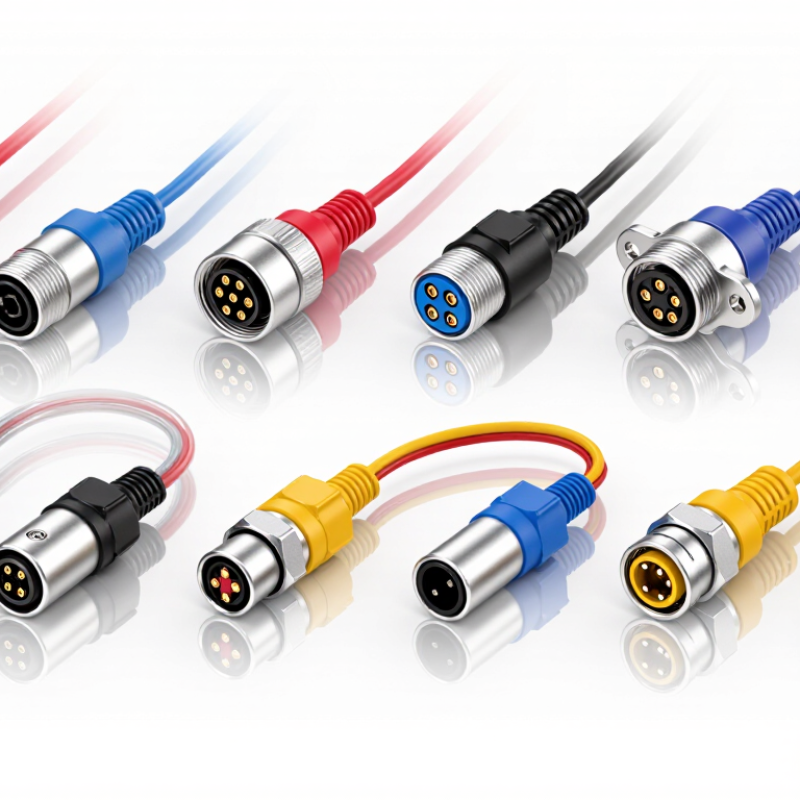
12 Best 12V Magnetic Connectors for Global Buyers

What 12V Magnetic Connectors Are and How They Work

A 12V magnetic connector carries low-voltage direct current through exposed or recessed metal contacts. Small magnets guide the two halves together and provide holding force; they do not conduct electricity. As the connector faces meet, matching contacts complete the circuit and power flows to the device. Polarity, contact spacing, and rated current matter: a connector that looks aligned may still be wired incorrectly or unsuitable for the load. Not magic. It is a compact electrical interface, and its performance depends on sound contact design.

The USB Implementers Forum’s USB Power Delivery 3.1 specification allows up to 240 W at 48 V and 5 A. That figure is useful context, not a rating for 12V magnetic connectors; buyers should check each product’s stated voltage and current limits. For water protection, IEC 60529 defines IPX7 testing as temporary immersion in water up to 1 meter for 30 minutes. A magnetic connection alone does not establish an IP rating. The practical detail is easy to miss: dust, metal filings, or a slightly loose fit can interrupt contact. Also, disconnecting a DC connector under load may cause sparking, depending on its design. A cautious buyer checks the datasheet, cable gauge, contact material, and intended environment—not just the satisfying snap.

Key Features That Define Connector Performance and Safety

A 12V magnetic connector should do more than snap into place. Its contacts need stable alignment, low resistance, and a current rating suited to the device. A loose fit can cause intermittent power, while undersized contacts may heat during sustained use. Check temperature rise at the intended load, not just the voltage printed on a product sheet.

Heat is a warning. Fit matters.

Polarity protection helps prevent damage when users connect the parts incorrectly. Recessed or guarded contacts can also reduce accidental shorts, especially when a cable is unplugged near metal objects. Look for clear information on retention force, contact materials, and tested mating cycles.

If the connector will face dust or splashes, verify its sealing performance under realistic conditions; a magnetic face alone does not make a connection weather-resistant. It is easy to overvalue a satisfying magnetic click, but that feeling is not a test result.

Ask for test data, inspect the connector under load, and check for wear or debris on its contact surfaces. A small design detail can matter.

Common 12V Magnetic Connector Types and Applications

12V magnetic connectors commonly use spring-loaded pogo pins, two- or four-contact layouts, and magnetic USB-style tips. Pogo-pin designs suit compact charging docks; multi-contact versions can carry power and signals together. IDC’s Worldwide Quarterly Wearable Device Tracker estimated 506.9 million wearable-device shipments in 2023. This points to a large accessory ecosystem, though it does not measure magnetic connector use. Fit matters.

Typical applications include handheld test instruments, portable speakers, LED fixtures, and selected wearable charging cradles. In workshops, magnetic tips can simplify one-handed docking when a device has to be charged repeatedly. For outdoor equipment, sealed connectors may help resist dust or splashes, but sealing depends on the complete assembly, not just the connector. Check rated voltage and current, polarity, contact spacing, and retention force. A magnetic joint can disconnect too easily under vibration; that detail is often overlooked.

Tips: Match the contact layout to the device before ordering. Test the connector under real load, then check for heat, intermittent power, and accidental separation. A 12V rating alone says little about current capacity or environmental protection. One limitation remains: convenient docking does not replace careful strain relief and enclosure design.

12 Best 12V Magnetic Connectors for Global Buyers

For global buyers, choosing among 12V magnetic connectors starts with the device, not the connector’s appearance. Check the required current, pin layout, polarity, and cable length against the equipment specification. A compact plug may fit neatly, yet still overheat if its rated current is too low. Small details matter. Compare contact materials and housing dimensions, especially when the connector will be used in a tight enclosure. A clear product drawing helps reveal pin spacing and mating direction before samples are ordered.

Magnetic connectors can make frequent charging easier, but magnetic attraction alone does not guarantee a dependable connection. Ask suppliers for retention-force data, cycle-life results, and operating-temperature ranges. For example, a connector on a handheld device may face repeated drops and quick cable pulls. A connector inside a stationary instrument has different demands. Confirm whether the cable includes strain relief, and test the assembled parts under the expected load. It is easy to overlook polarity when comparing similar-looking options; mark it clearly in purchasing documents. Also check whether documentation uses millimeters or inches. That small mismatch can slow a sample review. No single design suits every market or device, so verify specifications with the manufacturer before placing a volume order.

How to Choose a Connector for Your Device and Market

Choosing among 12V magnetic connectors starts with the device’s real electrical demand, not the connector’s appearance. Check the continuous current rating and leave reasonable headroom, especially for motors, heaters, or devices with brief startup surges. Confirm polarity, contact spacing, and cable gauge against the product design. A connector that fits neatly can still overheat if its contacts are undersized. Small detail, big consequence.

Next, match the connector to its environment and users. For a handheld device, consider whether the cable releases easily when pulled. For equipment used near dust or moisture, inspect the stated protection level and test the complete assembly, not just the connector. Magnetic alignment can simplify attachment, but exposed contacts may need careful handling. Fit matters. A useful bench check is to measure temperature rise under the expected load and repeat the test after frequent mating cycles.

The target market also shapes the choice. Compare local plug conventions, cable lengths, packaging needs, and documentation language before approving a design. Ask suppliers for test data and clear ratings; verify critical claims independently when possible. I would not select a connector from a catalog photo alone. Even a tidy specification sheet can leave practical questions unanswered. The first sample may feel slightly loose, and that deserves investigation rather than wishful thinking.

FAQS

What types of 12V magnetic connectors are common?

Common options include spring-loaded pogo pins, two- or four-contact layouts, and magnetic USB-style tips. Pogo pins often suit compact charging docks. Fit matters.

What devices may use these connectors?

They can serve handheld test instruments, portable speakers, LED fixtures, and selected wearable charging cradles. The right choice depends on the device’s needs.

How do I check electrical compatibility?

Confirm the voltage, continuous current rating, polarity, contact spacing, and cable gauge. A 12V rating alone does not show current capacity.

How can I reduce the risk of overheating?

Choose contacts rated for the device’s expected current, with reasonable headroom. Test under real load and measure temperature rise. Small detail, big consequence.

Are magnetic connectors suitable for dusty or damp settings?

Some designs may resist dust or splashes, but protection depends on the complete assembly. Check its stated rating and test the assembled device.

Can a magnetic connection come loose during use?

Yes, vibration or a cable pull may separate it. Test retention during repeated use, and consider how easily the cable should release.

What should I check before approving a sample?

Inspect its fit, then test for heat, intermittent power, and accidental separation. Repeat checks after frequent connection cycles. I might be overchecking this, but a loose first sample deserves attention.

What else matters when choosing for a target market?

Review plug conventions, cable lengths, packaging, and documentation language. Ask for clear ratings and test data; a catalog photo is not enough.

Conclusion

This guide explains what a 12v Magnetic Connector is and how magnetic alignment and contact points provide a convenient way to connect power. It outlines the features that influence performance and safety, including voltage and current ratings, contact quality, polarity, connection strength, temperature tolerance, and protection from dust or moisture. It also introduces common connector styles and their uses in devices such as portable electronics, lighting, and other low-voltage equipment.

The article reviews 12 connector options for global buyers and offers a practical framework for choosing among them. Buyers can compare connector type, electrical requirements, size, durability, ease of use, and compatibility with the device and its intended environment. Considering the needs of the target market and the product’s safety requirements can help narrow the choices and support a reliable, convenient connection.


Amelia

Amelia

Amelia is a seasoned marketing professional with a wealth of expertise in our company’s core offerings. With an unwavering passion for driving growth and innovation, she plays a pivotal role in shaping our marketing strategies and enhancing brand visibility. A key aspect of her responsibilities......