How to Buy Pogo Pins on DigiKey?

Time:2026-09-10 Author:Liam
0%

Buying pogo pins through DigiKey looks simple. It is not always simple.

The global connector industry exceeded approximately $84 billion in 2023, according to Bishop & Associates. Market reports also identify stronger demand for spring-loaded contacts in testing equipment, medical devices, wearables, and compact electronics. These figures explain the interest in Pogo Pins Digikey searches. They do not replace engineering judgment.

DigiKey offers many variations, including spring force, travel distance, plating, barrel size, mounting style, and current rating. A pin that fits a drawing may still fail under vibration, repeated compression, or contamination. Check the datasheet carefully. Tiny differences matter.

DigiKey President and CEO Dave Doherty has described the distributor’s value this way: “Our goal is to make it as easy as possible for engineers to find the products they need.” That principle is useful when selecting pogo pins, but convenience should not become the only criterion. Availability, price, and same-day shipping are attractive. Contact resistance, mechanical life, and tolerance remain more important.

A practical search begins with the application. Measure the compressed and extended heights. Estimate the actual operating force. Then compare manufacturer specifications on DigiKey’s product pages. Testing two or three candidates is wiser than trusting one attractive listing.

This guide has a limitation. Market reports often group pogo pins within wider connector categories, so exact market figures vary. Treat them as direction, not proof. The safest purchase decision combines DigiKey’s inventory data, the manufacturer’s datasheet, and a small verification test.
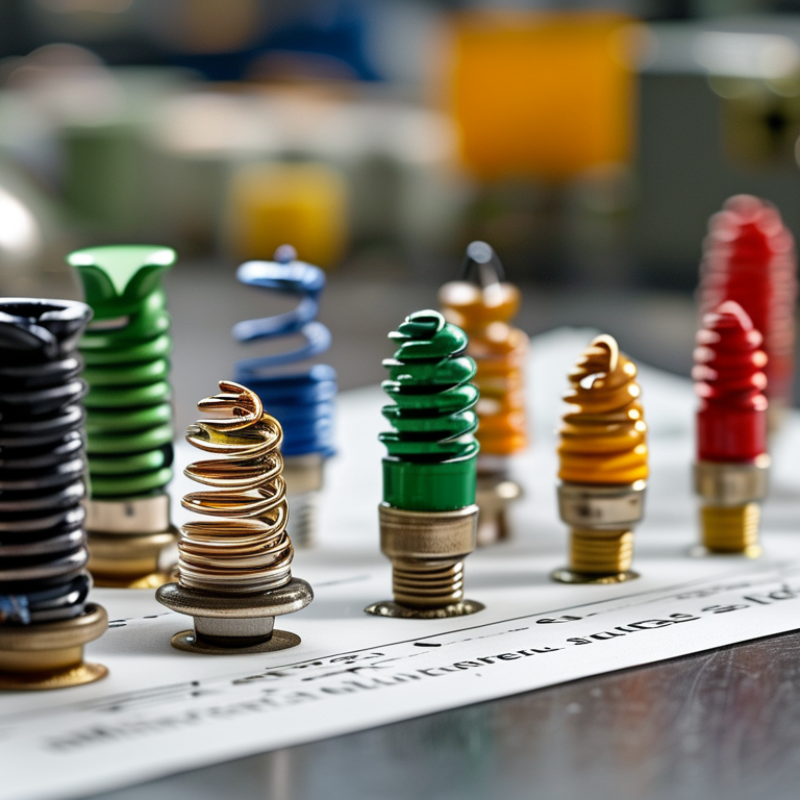
How to Buy Pogo Pins on DigiKey?

Define Pogo Pins and Identify Your Application Requirements

Pogo pins are spring-loaded electrical contacts designed to maintain pressure against a mating surface. A typical pin contains a barrel, spring, and plunger. This structure supports repeated connections in test fixtures, charging docks, battery contacts, and removable modules. Unlike fixed connectors, pogo pins tolerate small alignment changes. They are compact, but not automatically suitable for every design.

Define the application before opening a distributor’s catalog. Measure the available pitch, mounting height, and maximum compressed length. Then identify the required current, voltage, contact resistance, and operating cycles. Spring force matters too. A weak spring may lose contact under vibration, while excessive force can damage a plated pad. Check whether the contact will face dust, moisture, heat, or frequent manual insertion.

Small details decide reliability. Compare working stroke with the real travel in your assembly, not only the advertised maximum. Review terminal shape, plating, soldering method, and recommended land pattern. For high-current paths, calculate heat and voltage drop under continuous load. For signal paths, examine electrical noise and contact stability. Request drawings, specifications, and samples when possible. A catalog value is useful evidence, not a guarantee. I would test the pin in the finished enclosure, because tolerances often behave differently than expected. Leave room for wear. That part is easy to overlook.

Open DigiKey and Locate the Pogo Pin Product Category

Open the distributor’s website and use the main search field. Type “pogo pin” or “spring-loaded contact.” Select the connector or electromechanical category, then check the product family filters. Some catalogs place pogo pins under test probes, which can slow the search.

Industry data supports careful filtering. Grand View Research reported that the global electrical connectors market reached about USD 84.7 billion in 2023. Its analysis also expects continued growth through 2030. This wider market includes spring contacts used in testing, charging, and compact electronics. After opening a product page, compare pitch, travel distance, working force, current rating, contact material, and mounting method. A tiny 1.0 mm pitch can change assembly difficulty. Datasheets matter more than thumbnail images.

Tips: Save two or three candidate parts before choosing. Check the recommended stroke, not only the maximum stroke. I still double-check this detail. Also review the package quantity and regional stock status. A report from Bishop & Associates notes that connector performance depends strongly on application requirements and specification control. That sounds obvious, but it is often missed. If the catalog search feels confusing, try related terms such as “spring contact,” “battery contact,” or “test probe.” Then verify the drawing, tolerance, and electrical ratings against your board design.

Filter Products by Electrical, Mechanical, and Environmental Specifications

When buying pogo pins through an online electronics distributor, begin with electrical filters. Set the rated current above your real load, not just its average value. Check contact resistance, rated voltage, and insulation details for nearby circuits. Low resistance matters in battery contacts and compact power paths. A small margin helps.

Mechanical specifications decide whether the pin will survive repeated compression. Compare plunger diameter, overall height, working travel, and spring force. Confirm the recommended stroke in the technical drawing. Excessive compression may shorten service life. I once focused only on package height and overlooked the mounting tolerance. That mistake caused uneven contact pressure during testing.

Environmental filters deserve equal attention. Check the operating temperature range, humidity limits, corrosion resistance, and allowable mating cycles. For outdoor or industrial equipment, review sealing information and plating details. Match the terminal material to the enclosure and surrounding metals. Datasheets are useful, but drawings and test conditions matter more than marketing language. Request samples when tolerances are tight. Test them with the actual board, housing, and contact surface. Measure resistance before and after repeated cycling. Do not assume a higher spring force always improves reliability. It can increase wear, assembly stress, and power loss. Record every selected filter and recheck the specification table before ordering. Small omissions can become expensive revisions.

Compare Datasheets, Stock Status, Pricing, and Available Alternatives

How to Buy Pogo Pins Online

Buying pogo pins requires more than matching a product photo. I begin with the datasheet and record the pin diameter, compressed height, working stroke, spring force, and rated current. These details affect contact reliability inside a test fixture or charging dock. Pay attention to tolerance values. A small height mismatch can create uneven pressure across a connector.

Stock status should be checked beside the technical specifications. An item marked available may still have limited quantities or a long replenishment date. Compare the required quantity with the supplier’s current inventory, packaging units, and estimated shipping time. Pricing also needs careful review. A low unit price may exclude tooling, minimum order quantities, or replacement parts. Ask for clarification when the listing is vague.

Available alternatives can prevent project delays. Compare pins with different mounting methods, contact materials, spring forces, and stroke lengths. A stronger spring is not always better; it may damage a delicate mating surface. Check electrical resistance and mechanical life under your actual operating conditions. I also test a small sample before committing to production. It is easy to trust a familiar specification table too quickly. My own comparison sheets sometimes miss stack-up tolerances, especially when several pins share one housing. Rechecking the assembly drawing is slower, but it often exposes the real risk.

How to Buy Pogo Pins on DigiKey? - Compare Datasheets, Stock Status, Pricing, and Available Alternatives

The chart compares commonly specified pogo-pin parameters using representative catalog ranges: 0.5–2.0 mm working stroke, 0.5–2.0 N spring force, 1–5 A current rating, 20–100 mΩ contact resistance, and 10,000–100,000 mating cycles. Actual values, stock status, pricing, and alternative parts must be verified in the current product datasheet and listing.

The bars show each parameter's representative lower and upper catalog limits normalized to its own range. When comparing alternatives, first confirm the required stroke, force, current, resistance, mounting style, and cycle life; then check live inventory and quantity pricing.

Review Your Selection and Complete the DigiKey Ordering Process

Buying pogo pins online requires more than matching a product photo. I begin by confirming the required travel distance, compressed height, working stroke, and spring force. These details affect contact stability inside a test fixture or charging dock. I also check the pin diameter, barrel size, contact material, and plating specification. A gold-plated contact may suit repeated low-voltage connections, but the application still needs verification.

Before ordering, I review the complete selection page carefully. The quantity, unit price, packaging method, stock status, and estimated delivery date should match the project plan. I compare the selected part number with the manufacturer’s datasheet, especially the electrical rating and recommended working travel. One small mismatch can create assembly problems. It happened to me once. I selected the correct diameter but overlooked the mounting height.

The ordering process should remain deliberate. I confirm the shipping address, delivery preference, tax details, and project quantity before payment. For production work, I may order a small sample quantity first. This allows practical testing with the actual mating pad, fixture pressure, and cleaning process. I record the final part number and revision date in the project file. That record supports traceability if specifications change later. I also inspect the confirmation email immediately. An incorrect quantity is easier to correct before fulfillment begins.

FAQS

: What specifications should I compare when buying pogo pins?

: Check pin diameter, barrel size, compressed height, working stroke, spring force, and rated current. Small differences matter. Review tolerance values carefully.

Why is compressed height important?

Incorrect compressed height can create uneven pressure across a connector or test fixture. The assembly may look correct. It may still fail under pressure.

How should I evaluate stock status?

Compare available quantity with your project requirement, packaging units, and estimated shipping time. “Available” may mean limited stock. Replenishment can take longer than expected.

What should I verify about pricing?

Check unit price, minimum quantities, tooling charges, packaging, and replacement parts. A low price may exclude important costs. Ask when the listing seems vague.

How can available alternatives prevent delays?

Compare mounting methods, contact materials, spring forces, and stroke lengths. Different pins may fit the same general purpose. They may not fit your housing.

Is a stronger spring always better?

No. A stronger spring can damage a delicate mating surface. Choose force based on actual contact pressure and surface durability. More force is not automatically safer.

Should I test samples before production?

Yes. Test a small quantity with the actual mating pad, fixture pressure, and cleaning process. Measure stability and resistance. My comparison sheets sometimes miss stack-up tolerances.

What should I confirm before placing an online order?

Match the part number with the datasheet, including electrical ratings and recommended working travel. Confirm quantity, price, packaging, stock, delivery date, address, taxes, and shipping preference. Check the confirmation email immediately.

Conclusion

Buying Pogo Pins Digikey requires a clear understanding of your application before selecting any product. Start by defining the required contact function, current and voltage ratings, pin travel, contact force, mounting style, dimensions, and expected mating cycles. Environmental factors such as temperature, humidity, vibration, and corrosion exposure should also be considered to ensure reliable performance in the intended device or assembly.

After identifying these requirements, open the supplier’s website and navigate to the pogo pin category. Use the available filters to narrow products by electrical, mechanical, and environmental specifications. Compare technical datasheets carefully, then review stock availability, unit pricing, lead times, and suitable alternatives. Before placing an order, confirm the part number, quantity, specifications, shipping details, and any applicable purchasing information. This process helps reduce selection errors and ensures that the chosen pogo pins match both the design requirements and production schedule.


Liam

Liam

Liam is a dedicated marketing professional with a profound expertise in the industry, where he excels at highlighting the unique advantages of our core products. With a keen understanding of market trends and consumer needs, Liam frequently updates our company’s professional blog, providing......