Essential Tips for Selecting the Right RF Pogo Pins?

Time:2026-08-31 Author:Ethan
0%

Selecting the right RF Pogo Pins is crucial for the success of your electronic projects. These pins play an essential role in ensuring reliable connections, particularly in compact devices. Factors like material and design influence performance and durability.

When choosing RF Pogo Pins, consider conductivity. High-quality materials, such as gold plating, enhance signal integrity. It's also important to assess the pin's mechanical reliability. A design that can withstand wear and tear will serve you better in the long run. Additionally, think about the size. Smaller pins may fit into tight spaces but might lack strength.

Understanding your project's specific needs is vital. If the application is high-frequency, you may need specialized RF Pogo Pins. Reflecting on these aspects ensures you select pins that won't let you down. Making informed choices can prevent costly mistakes.
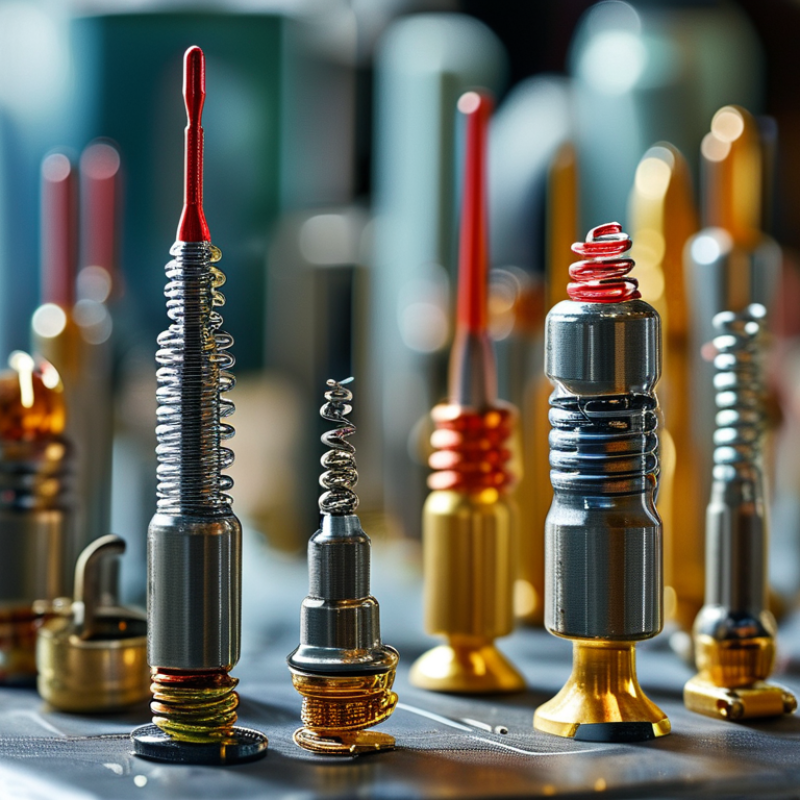
Essential Tips for Selecting the Right RF Pogo Pins?

Understanding RF Pogo Pins and Their Applications

RF pogo pins are crucial in various applications, including telecommunications and consumer electronics. Their design allows for reliable connections while maintaining a compact form factor. Understanding these components helps in selecting the right pins for specific needs. Therefore, it's essential to consider their applications thoroughly.

When selecting RF pogo pins, pay attention to the frequency specifications. Different applications may require different frequency ranges. Choosing the wrong pin can lead to signal degradation. Additionally, consider the number of pins required for your device. More pins can provide better connectivity, but they also increase the complexity of the design.

Another key aspect is the material used in the pogo pins. Certain materials can impact durability and performance. Copper alloys are common, but they may not be suitable for every environment. Corrosion resistance is vital for longevity, especially in challenging conditions. Evaluate your requirements critically and adjust choices accordingly.

Key Factors to Consider When Selecting RF Pogo Pins

Choosing the right RF pogo pins involves careful consideration. The first key factor is the pin geometry. Different shapes affect electrical connectivity and performance. You should assess your application's specific requirements. Next, think about the materials. Some offer better conductivity, while others improve durability. Common choices include gold and nickel plating.

Another significant aspect is the current and voltage ratings. Each application has unique demands. Ensure the pins can handle the required specifications. Environmental factors also play a role. If the pogo pins will be used in harsh conditions, select options with suitable corrosion resistance.

Finally, consider the mating surface. The quality of connection is crucial for performance. Mismatched surfaces can lead to intermittent connections, causing device failures. It's essential to reflect on your needs. Thorough research helps avoid mistakes. Remember, a poor choice could lead to costly issues later on.

Essential Tips for Selecting the Right RF Pogo Pins

Material Selection for Durability and Performance

Choosing the right RF pogo pins involves understanding the materials used in their construction. The durability and performance of these pins are heavily influenced by their material composition. Common materials include gold, nickel, and various alloys. Gold plating, for example, provides excellent conductivity and resistance to corrosion. However, it can be cost-prohibitive for some applications. Nickel is often used as a base layer to enhance durability but may not offer the same conductivity as gold.

When selecting materials, consider the application environment. High humidity or exposure to chemicals can accelerate wear. In such cases, opting for a more resilient alloy may provide better longevity. Zinc-nickel alloys are popular for harsh conditions due to their excellent corrosion resistance. However, they may not conduct electricity as well as precious metals.

Pay attention to the manufacturing process too. The precision in fabrication can impact the pin's performance and lifespan. Look for providers with a strong track record in quality assurance. Some manufacturers may promise high-performance pins, but checking their past work is crucial. It's essential to balance performance with cost and practical application. Understanding these material dynamics can help ensure you make informed decisions for your project.

Evaluating Electrical Specifications for RF Pogo Pins

When choosing RF pogo pins, evaluating electrical specifications is crucial. Start by assessing the contact resistance. Low resistance ensures efficient signal transfer. Test data sheets to find the optimal values suited for your application. Higher resistance can lead to signal loss and performance issues.

Next, consider the current rating. It indicates how much current the pogo pin can handle. Make sure this aligns with your device’s requirements. Overloading can lead to overheating and failure. Determine the voltage rating as well, as it affects insulation and safety.

Lastly, analyze the frequency response. Some applications demand high-frequency performance. Verify if the pogo pin can deliver the required bandwidth. Pay close attention to the impedance as well; mismatched impedance can significantly affect signal integrity. These factors are often overlooked but are key to ensuring reliable performance.

Essential Tips for Selecting the Right RF Pogo Pins

Parameter Description Typical Values
Contact Resistance The resistance offered by the contact point of the pogo pin. < 10 mΩ
Insulation Resistance Resistance between the pin and the casing to prevent short circuits. ≥ 1 GΩ
Operating Temperature Range The range of temperatures that the pogo pin can safely operate within. -40°C to +125°C
Spring Force The force needed to compress the pogo pin's spring. 150-500 g
Plating Material The material used to plate the pogo pin for improved conductivity and corrosion resistance. Gold, Nickel
Cycle Life The number of mating cycles the pin can endure before failure. > 10,000 cycles

Testing and Reliability Standards for RF Pogo Pins

When selecting RF pogo pins, understanding testing and reliability standards is crucial. These standards ensure the pins can perform under various conditions. Testing often involves measuring electrical conductivity, mechanical durability, and environmental resilience. A well-defined testing process helps identify potential failure points early in the design phase. This proactive approach provides valuable insights into the long-term reliability of the components.

Different applications may demand specific reliability criteria. For example, high-frequency applications require robust pin designs that can maintain signal integrity. It's essential to examine the standards governing these performance metrics. Often, the most reliable components are those that have passed rigorous testing protocols. However, even products meeting standards may not perform as expected in every scenario, which requires careful consideration of the intended use.

Environmental factors play a significant role in the performance of RF pogo pins. Exposure to moisture and temperature variations can affect their lifespan. Choose materials that can withstand these conditions. Regular evaluations of the pins can help detect wear and tear before issues arise. Inconsistencies in performance might indicate a need for redesign or material changes. A focus on testing and reliability standards can lead to more effective solutions.

FAQS

: What are RF pogo pins used for?

: RF pogo pins are used in telecommunications and consumer electronics for reliable connections in compact designs.

How does pin geometry affect performance?

The shape of the pin impacts electrical connectivity and overall performance in various applications.

Why is material choice important for pogo pins?

The material affects durability and conductivity, influencing the pin's performance in different environments.

What should I check about electrical specifications?

Evaluate contact resistance, current rating, voltage rating, and frequency response for optimal performance.

How does the number of pins influence design?

More pins can improve connectivity, but they also complicate the design and increase potential failure points.

What happens if the wrong pin is selected?

Choosing the wrong pin can lead to signal degradation and unreliable device performance.

Why is corrosion resistance crucial?

Corrosion resistance extends the longevity of pogo pins, especially in harsh environmental conditions.

How does the mating surface affect device performance?

Mismatched mating surfaces can cause intermittent connections, leading to device failures.

What details should I focus on in datasheets?

Look for contact resistance, current ratings, and impedance values critical for your application.

How can poor choices lead to future issues?

Wrong selections may result in overheating or signal loss, creating costly problems later on.

Conclusion

Selecting the right RF pogo pins is crucial for ensuring optimal performance in various applications. Understanding the fundamentals of RF pogo pins allows designers to appreciate their role in ensuring reliable electrical connections in compact spaces. When choosing these components, key factors such as material selection play a significant role in determining their durability and performance.

Evaluating the electrical specifications is equally critical, as the pins must meet the specific requirements for frequency, impedance, and current capacity in a given application. Moreover, adhering to testing and reliability standards ensures that the RF pogo pins maintain their performance over time, minimizing the risk of failure in critical electronic systems. By considering these aspects, users can make informed decisions that enhance their product's performance and longevity.


Ethan

Ethan

Ethan is a seasoned marketing professional with a deep expertise in our company's innovative product line. With a passion for sharing knowledge and insights, he takes the lead in regularly updating our corporate blog, where he explores industry trends, product features, and effective marketing......