China Top Magnetic Breakaway Connector Suppliers

Time:2026-11-13 Author:Oliver
0%

China’s magnetic connector sector includes manufacturers serving consumer electronics, medical equipment, wearable devices, and industrial applications. A Magnetic Breakaway Connector joins through magnetic attraction and separates when the cable is pulled. That simple action can reduce strain on a port, but it does not guarantee safety or durability by itself.

A useful product-design reference comes from Apple co-founder Steve Jobs, who described MagSafe: “If somebody trips over the cord, it pulls right out and your computer stays put.” The principle is clear. A connector should release predictably while maintaining dependable electrical contact during normal use. Buyers comparing Chinese suppliers should examine contact materials, rated current, mating cycles, magnetic retention, temperature limits, and test documentation. Ask for samples. Check the connector under realistic conditions, including repeated attachment and cable movement.

Supplier comparisons should go beyond catalog photos and quoted prices. Request drawings, inspection criteria, and traceable test results. Confirm that the proposed model fits the application’s voltage, current, and environmental requirements. Some suppliers may offer customization, but changes to dimensions or materials can affect performance. No supplier is perfect, and a polished datasheet cannot replace independent validation. This overview will help readers assess leading Chinese manufacturers with practical criteria, while recognizing that rankings and product suitability depend on each project’s needs.
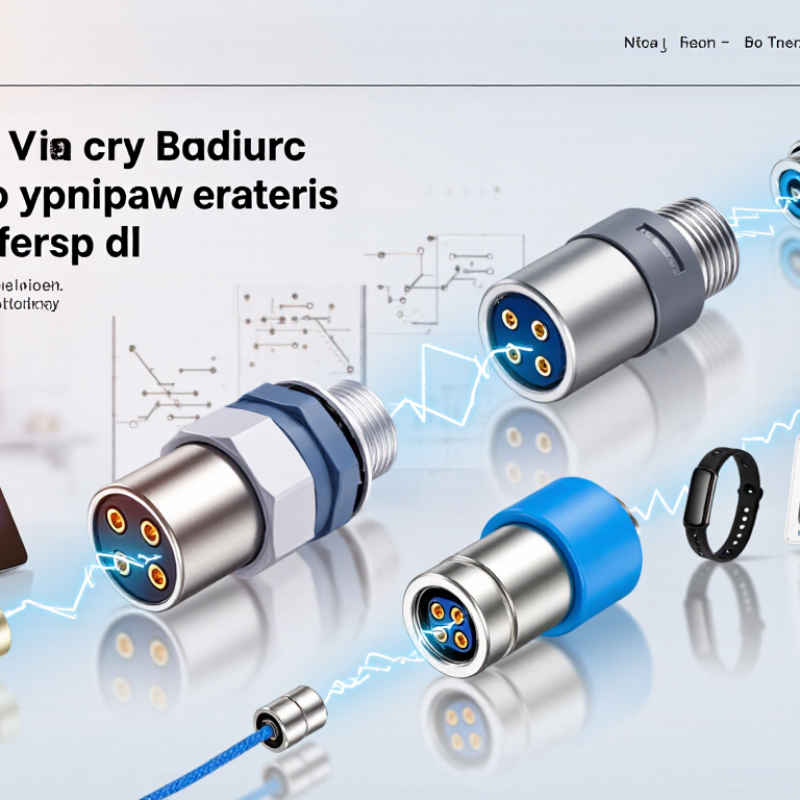
China Top Magnetic Breakaway Connector Suppliers

What Magnetic Breakaway Connectors Are and How They Work

What Magnetic Breakaway Connectors Are and How They Work

A magnetic breakaway connector joins two electrical parts using magnetic attraction rather than a locking latch. One side holds magnets; the other carries matching contacts. Bring the ends close, and they align and connect. A gentle pull can separate them. That matters when a cable catches on a sleeve, chair, or equipment edge. The connector may release before the cable or device takes the full force. It is a useful design choice, not a guarantee against damage.

Inside the connector, conductive pins or pads transfer power or signals across the joined surfaces. Their number, layout, and polarity depend on the application. Small magnets guide the faces together, but they do not replace careful electrical design. Check the rated current, voltage, and intended environment before selecting a connector. Dust, moisture, worn contacts, or poor alignment can affect performance. A close fit is helpful. Still, magnetic strength alone tells you little about electrical reliability. In practice, inspect the contact surfaces and test repeated connections under realistic cable tension. One detail is easy to miss: some models are designed only for charging, while others support data transfer. Don’t assume.

USB Power Delivery Voltage Levels for Magnetic Breakaway Connectors

A magnetic breakaway connector separates when pulled, helping reduce strain on a cable or device. The voltage it can carry depends on its electrical design and supported charging protocol. This chart shows standard USB Power Delivery fixed voltage levels, not a rating shared by all magnetic connectors.

USB PD Standard Power Range (SPR) includes fixed 5 V, 9 V, 15 V, and 20 V levels. Extended Power Range (EPR) adds 28 V, 36 V, and 48 V. Device and connector support varies.

Key Components, Design Features, and Safety Benefits

Magnetic breakaway connectors combine a magnet, aligned contacts, an insulating shell, and cable strain relief. Small parts matter. Magnets guide mating, while pogo-pin or flat-pad contacts carry power and signals. Correct polarity, steady contact pressure, and smooth housing edges help limit misalignment and wear. Supplier drawings should specify current rating, voltage, mating cycles, contact resistance, and release force. Grand View Research’s Connector Market Size, Share & Trends Analysis Report valued the global connector market at USD 84.7 billion in 2023. It projects a 6.2% compound annual growth rate from 2024 to 2030. This broad market estimate is not specific to magnetic breakaway products, but it highlights the expanding connector sector.

In equipment design, magnetic separation can release a cable when someone catches it, reducing a sudden tug on the device. It is not a substitute for electrical protection. Designers should assess exposed contacts, debris attraction, heat, moisture, and accidental separation under load. Insulation, recessed live contacts, current limiting, and clear polarity control can improve practical safety. IEC 62368-1 applies a hazard-based safety approach to audio/video and information technology equipment; connector assemblies still need system-level evaluation. Ask suppliers for test reports, material declarations, and repeatable pull-force results, not just a polished sample. Samples can mislead. Small dimensional differences may change release force or contact alignment, so production tooling deserves another review.

China Top Magnetic Breakaway Connector Suppliers - Key Components, Design Features, and Safety Benefits

A brand-neutral overview of common magnetic connector components and supplier evaluation points. Electrical ratings and performance depend on the specific design and must be confirmed for each product.

Component or Evaluation Area Typical Design Features Key Specification to Confirm Potential Safety or Usability Benefit Supplier Verification
Magnetic alignment system Permanent magnets align the plug and receptacle; keyed shapes or asymmetric magnet layouts can help prevent incorrect orientation. Magnet material, holding force, alignment tolerance, and polarity arrangement. Supports easier connection and can reduce misalignment during mating. Magnetic attraction alone does not guarantee correct electrical polarity. Request drawings, polarity details, and mating-cycle test results.
Contact pins Spring-loaded pogo pins are commonly used to maintain contact when the two connector halves are held together magnetically. Pin count, contact resistance, stroke, plating, rated current, and permitted temperature rise. Spring action can accommodate small variations in mating position. Proper current and temperature limits help reduce overheating risk. Check the rated load, resistance data, and temperature-rise results for the intended application.
Contact plating Conductive contact surfaces may use nickel underplating and a gold or other specified finish, depending on the design and cost target. Plating material, thickness, coverage, and corrosion or durability test method. A suitable finish can help maintain electrical contact over repeated use; performance depends on materials, thickness, and operating environment. Ask for material declarations and test reports rather than relying on a finish description alone.
Housing and insulation Molded insulating housings separate conductive contacts; the housing material is selected for the product's mechanical and thermal requirements. Insulation material, flammability rating where applicable, dielectric withstand, and clearance or creepage design. Appropriate insulation and spacing can help limit unintended contact and electrical breakdown when designed for the operating voltage. Confirm material records and electrical test conditions for the final assembled connector.
Breakaway connection force Magnetic retention allows the connection to separate when an external pull exceeds the designed holding force. Mating and separation force, pull direction, tolerances, and variation after repeated mating cycles. May reduce cable strain or the chance of equipment being pulled from a surface, but does not eliminate trip, impact, or disconnection hazards. Request force-test data using the intended cable, mounting arrangement, and pull direction.
Electrical protection and exposed contacts Protection can be implemented in the host device, power supply, or connector assembly; connector geometry alone may not provide short-circuit protection. Short-circuit and overcurrent protection, contact accessibility, polarity control, and power-off behavior when disconnected. Appropriate system-level protection can reduce the risk of damage or overheating. Exposed energized contacts require particular attention. Review the connector together with the complete power system and applicable product safety requirements.
Ingress protection and environment Sealing features such as gaskets or overmolding may be included in designs intended for dusty or wet environments. Ingress-protection rating, test configuration, operating temperature, and chemical or corrosion resistance. Verified sealing can help limit dust or water entry under the specified test conditions. A magnetic connection is not inherently waterproof. Request test evidence for the fully mated assembly and the actual installation conditions.
Cable termination and strain relief Cable assemblies may use crimped, soldered, or molded terminations with strain relief designed to reduce stress at the cable entry. Conductor size, cable rating, termination method, bend radius, and pull or flex test results. Suitable strain relief and cable selection can improve durability and help prevent conductor damage during normal use. Confirm cable and assembly tests against the product's expected motion and service life.
Quality and production controls Typical controls may include incoming-material checks, dimensional inspection, electrical continuity testing, and final visual inspection. Inspection plan, traceability, sampling method, defect handling, and production-change notification process. Consistent documented controls can help identify manufacturing variation and support repeatable product quality. Review sample inspection records, change-control procedures, and validation results for the production version.

Note: No universal current, voltage, breakaway-force, or ingress rating applies to all magnetic connectors. Validate the selected model against its datasheet, test evidence, and end-product requirements.

China’s Magnetic Breakaway Connector Supplier Landscape

China’s magnetic breakaway connector supplier landscape includes specialized component makers, cable assemblers, and factories that combine both roles. Their capabilities vary. Some focus on compact, low-current connectors for handheld devices, while others build larger assemblies for industrial equipment. A polished catalog does not reveal how consistently a supplier controls magnet strength, contact alignment, or cable strain relief.

When comparing suppliers, ask for drawings, material specifications, and test records tied to the exact connector configuration. A useful sample check includes repeated connection cycles, a gentle side pull, and inspection for loose contacts or uneven separation. Details matter. Confirm whether the quoted price includes the cable, molding, and connector testing; these items are not always included. Ask how production batches are traced and how rejected parts are handled. Not every sample passes.

Factory visits or live production reviews can help clarify whether a supplier’s stated process matches its actual setup. Look closely at contact finishing, assembly fixtures, and inspection methods. For custom designs, agree on measurable acceptance criteria before tooling begins. One weak point in sourcing is assuming that a successful prototype guarantees stable mass production. It does not. Clear specifications and documented checks make comparisons more reliable, though smaller suppliers may provide less formal paperwork and require closer follow-up.

How to Evaluate and Compare Chinese Suppliers

China Top Magnetic Breakaway Connector Suppliers
How to Evaluate and Compare Chinese Suppliers

Compare suppliers against the same technical brief, not polished catalog claims. Specify current, voltage, contact resistance, cable length, and required breakaway force. Ask how the connector behaves when pulled at an angle, since real installations rarely stay perfectly aligned. Request samples and test them with your own cable and device. Check whether the contacts reconnect consistently after repeated separation. Small details matter. A connector that feels smooth once may loosen after many cycles.

Review the supplier’s quality controls as carefully as the product. Ask for inspection records, material specifications, and a clear method for tracing production batches. Confirm how the factory tests magnet retention, electrical continuity, and surface finish. Ask about sample lead time, production capacity, and how defects are handled; get answers in writing. If possible, compare the same test results across several suppliers. Ask for evidence. A factory visit or independent inspection can add confidence, but neither replaces practical testing. One weakness in this comparison is that sample performance may not match every later batch. Keep that risk visible, and agree on acceptance criteria before placing an order.

Common Applications and Sourcing Considerations

China Top Magnetic Breakaway Connector Suppliers

Common Applications and Sourcing Considerations

Magnetic breakaway connectors are used where cables may be tugged or need frequent removal. Common examples include wearable devices, portable lights, charging docks, and compact consumer electronics. A clean release can reduce strain on a device’s port. Fit matters. For equipment exposed to dust or moisture, check the complete assembly’s sealing design; a magnetic connection alone does not provide protection.

Before requesting quotes, define the connector’s pin count, rated voltage and current, polarity, cable length, and mounting space. Ask suppliers for drawings and electrical test data, including contact resistance and temperature rise under the intended load. Retention force also deserves attention. Too little may cause accidental separation; too much can pull a lightweight device from its position. There is no universal best value, so test samples in the actual setup.

Compare sample performance, production controls, and traceability, not just unit price. Request details on cycle-life testing and inspection criteria, and confirm which certifications apply to your target market. Test it. Repeatedly connect and disconnect samples, then check for looseness, heating, or intermittent power. A bench test helps, but it may not reproduce real cable pulls or daily handling. That gap is easy to underestimate.

FAQS

What types of suppliers make magnetic breakaway connectors in China?

Some make connector components, while others assemble cables or handle both tasks. Their production controls can vary.

What details should a quote request include?

Specify pin count, voltage, current, polarity, cable length, and mounting space. Ask whether the price includes molding, cable assembly, and testing.

Which documents help compare suppliers?

Request drawings, material specifications, electrical test data, and batch traceability details. Paperwork may be limited, so follow up carefully.

How should connector samples be checked?

Connect and disconnect them repeatedly. Try a gentle side pull, then inspect contacts for looseness, uneven separation, or intermittent power.

Why does retention force matter?

Weak magnets may release during ordinary use. Strong ones may pull a lightweight device out of place. Test the sample in its real setup.

Do magnetic connectors protect against dust or moisture?

Not by themselves. Check the complete assembly’s sealing design, especially for equipment used around dust or moisture.

What production details are worth reviewing?

Look at contact finishing, assembly fixtures, and inspection methods. A factory visit or live review can reveal differences between stated and actual processes.

Does a successful prototype prove mass-production quality?

No. Production batches can vary. Agree on measurable acceptance criteria and documented checks before tooling begins.

What can bench tests miss?

They may not reproduce daily handling or real cable pulls. That gap is easy to underestimate.

Conclusion

This article explains how a Magnetic Breakaway Connector works: magnetic force holds two mating halves together, while a pull or sudden strain allows them to separate. It reviews the main components and design features, including contacts, housing, alignment, retention strength, and protection against wear. These details influence connection reliability and can help reduce damage to cables or equipment when an accidental tug occurs.

The article also surveys China’s supplier landscape and outlines practical ways to compare manufacturers. Buyers can assess product specifications, material quality, production consistency, customization options, communication, and sample performance. It also considers common uses in consumer electronics, charging systems, and industrial equipment, along with sourcing factors such as connector compatibility, operating conditions, order quantities, lead times, and quality checks. Together, these points provide a practical framework for selecting a suitable supplier and connector for a project’s needs.


Oliver

Oliver

Oliver is a seasoned marketing professional with a wealth of expertise in driving brand awareness and engagement. With a deep understanding of our company's product offerings, he consistently delivers high-quality content that enriches our professional blog. His insights not only shed light on......