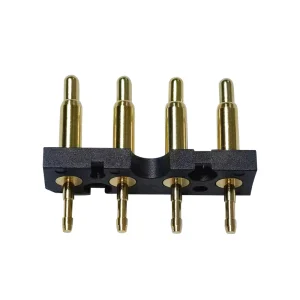
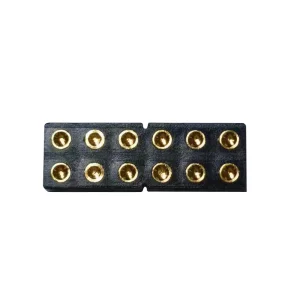
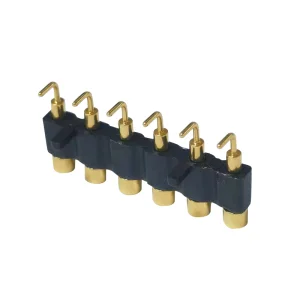
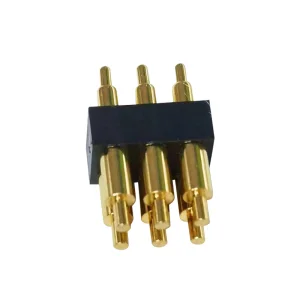
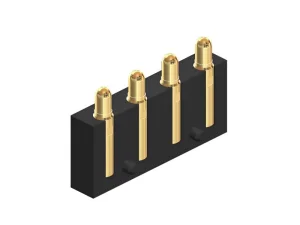
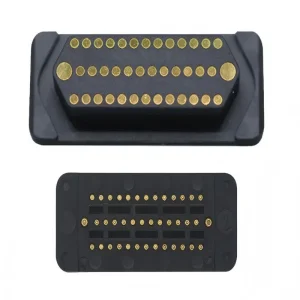
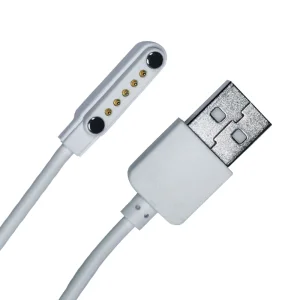
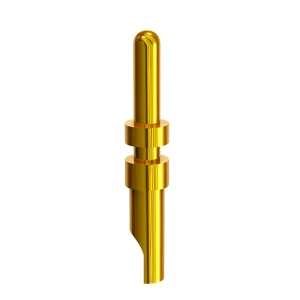
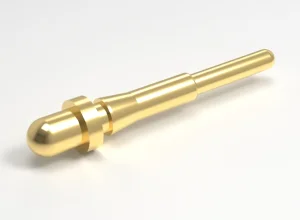
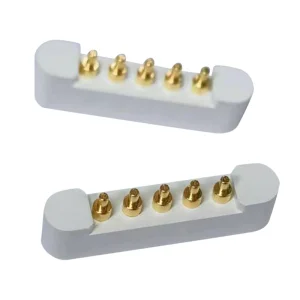
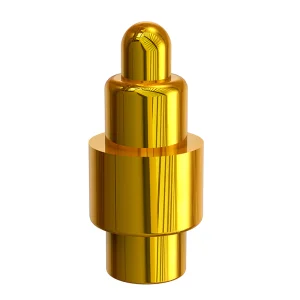
In the heart of the world’s most advanced technological cluster—stretching from the laboratories of Cambridge to the industrial innovation belts of Route 128—the demand for high-reliability electrical components has never been higher. As a premier Pogo pin connector supplier and factory for the Boston market, we bridge the gap between Shenzhen’s massive manufacturing efficiency and Boston’s rigorous engineering standards.
Boston is not just a city; it is a global epicenter for Life Sciences, Robotics (MassRobotics), and Defense Technology. These sectors require interconnect solutions that offer more than just a connection—they require signal integrity, extreme durability, and space-saving architecture. Our Pogo pin solutions are designed to meet these "Mission Critical" requirements, providing Information Gain through advanced metallurgy and proprietary spring-force testing.
Years of R&D Excellence
Certified Quality Mgmt
Cycle Life Testing
Customization Capability
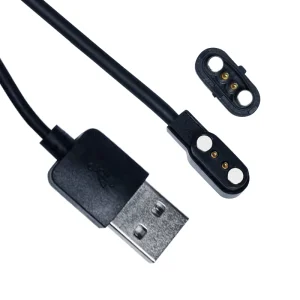
The transition from traditional leaf-spring connectors to Pogo Pin (Spring-Loaded) technology is a defining trend in Boston's tech scene. Whether it is a surgical robot developed in Waltham requiring high-frequency data transmission or a wearable health monitor from a Kendall Square startup needing a waterproof charging interface, the Pogo pin's small footprint and high tolerance for misalignment make it the superior choice.
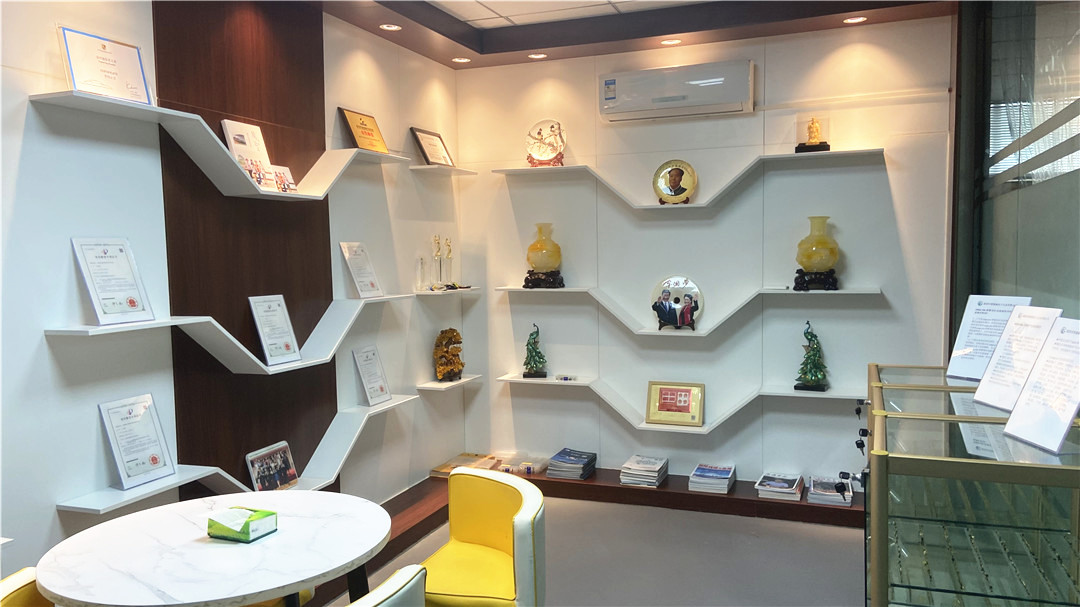
Located in the leading city of the Guangdong-Hong Kong-Macao Greater Bay Area, Shenzhen Rongqiangbin Electronic Hardware Co., Ltd. has been at the forefront of connector technology since February 2011. Our 13-year journey has led us to become a trusted partner for global giants like Samsung, Honeywell, Siemens, and Amphenol.
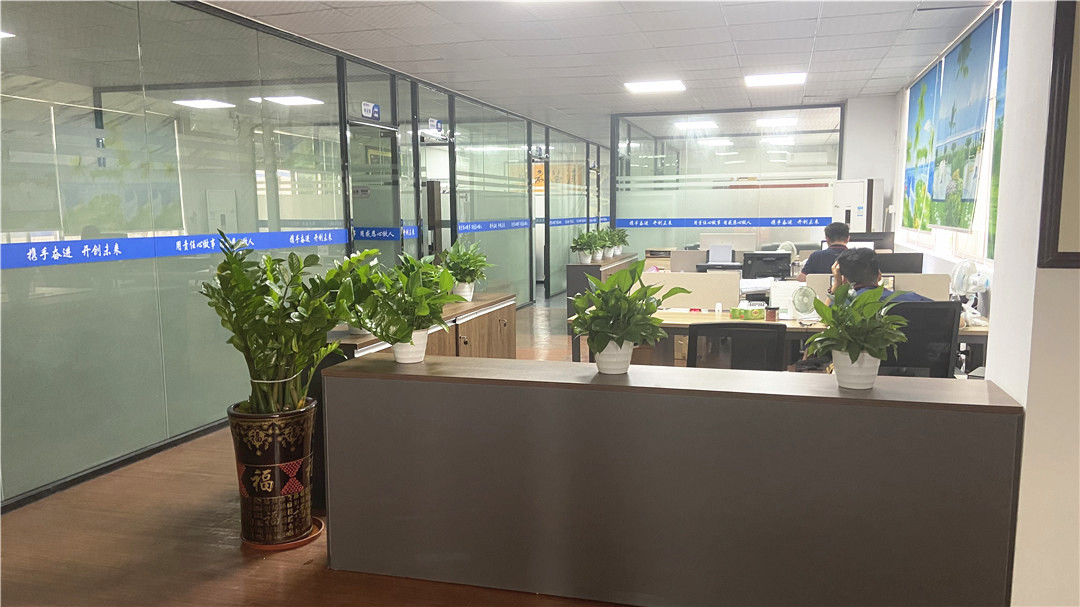
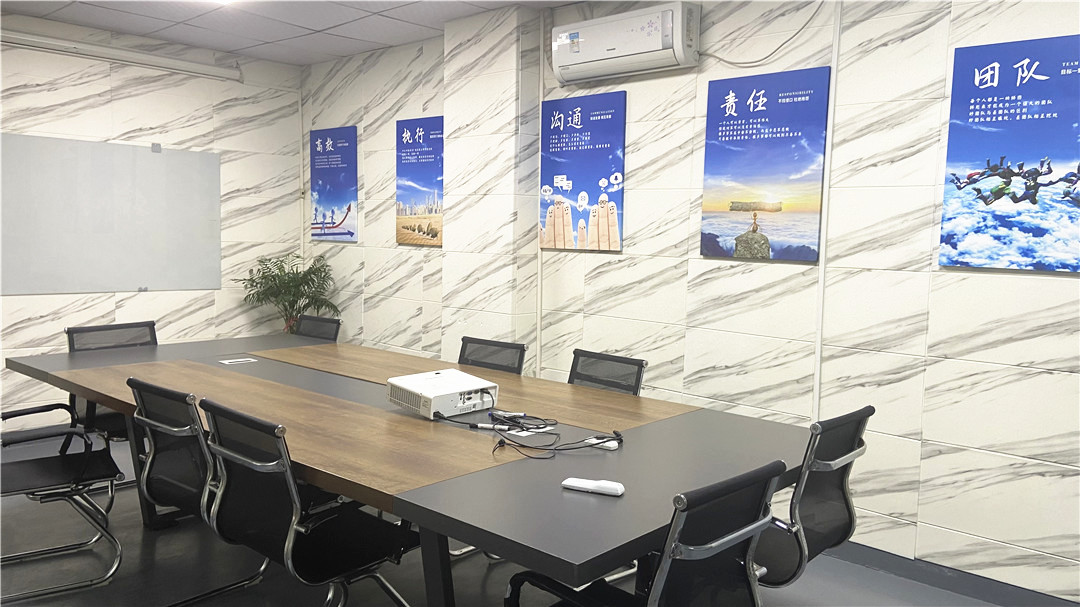
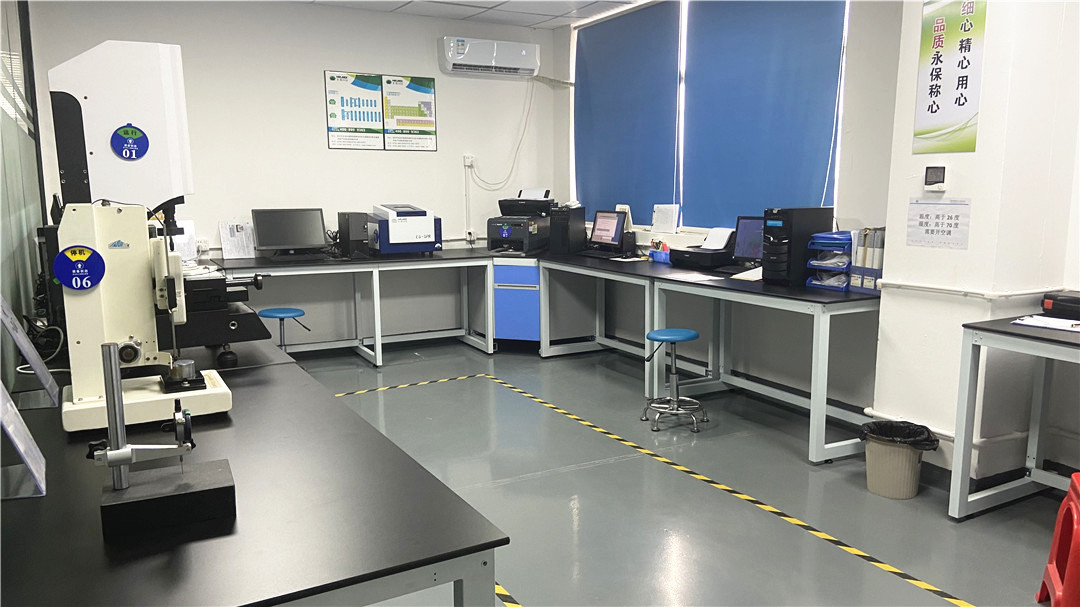
Our facility is not just a factory; it is an integrated R&D hub where precision lathes meet rigorous quality control labs. For our Boston clients, this means having a direct line to the manufacturer, ensuring that the "Boston Market" specifications are met without middle-man communication gaps.
Request a Factory Tour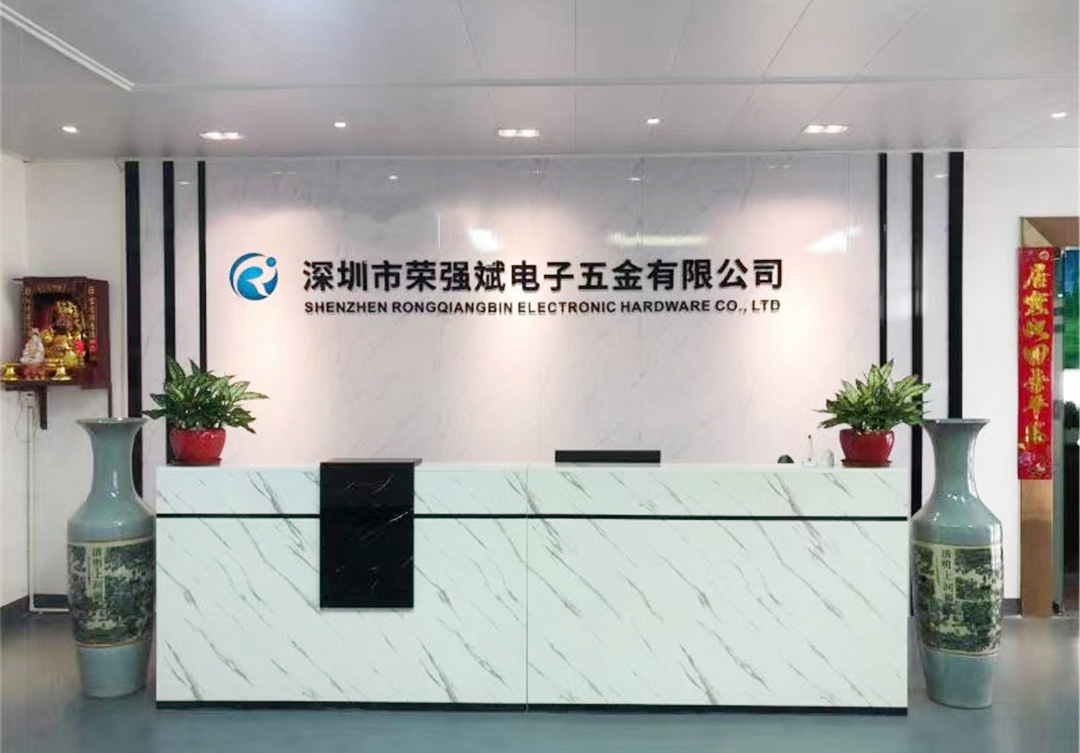
As a senior SEO Growth Director would analyze—the search intent for "Pogo pin connector Supplier" is no longer just about finding a part; it's about finding a long-term engineering partner. Here is the technical evolution we are driving:
Traditional brass pins are being replaced by high-conductivity tellurium copper or beryllium copper alloys for Boston's high-current applications (such as EV charging and industrial drones). We utilize advanced gold plating (up to 30u") to ensure zero corrosion in humid or coastal environments—a crucial factor for Boston's maritime and research submersibles.
With 5G and the upcoming 6G research happening at institutions like MIT, Pogo pins are now being engineered for controlled impedance. Our R&D team is developing pins that can handle data rates previously only possible via standard USB-C or HDMI ports, but with the modular convenience of magnetic blind-mating.
The "Boston Market" demand for smaller medical wearables requires Pogo pins with a pitch as small as 0.5mm, yet capable of carrying 2A to 5A of current. Our internal spring design optimization allows for higher compression cycles without fatiguing the metal, maintaining a consistent contact resistance of < 30mΩ.
Globally, the Pogo pin market is projected to grow by 6.5% CAGR. This growth is driven by the "everything is charging" movement. From electric toothbrushes to micro-satellites, the Pogo pin is the interface of choice due to its high tolerance for mechanical vibration and its ability to support "blind mating." Our factory is ready to scale production to meet this global surge while maintaining the precision required by the Boston elite tech sector.
A: For standard modifications, we offer a rapid prototyping cycle of 7-10 days. For fully custom engineered solutions involving new housing molds, the timeline typically ranges from 3-4 weeks, followed by expedited air shipping to Logan International Airport.
A: We utilize advanced simulation software to model impedance and crosstalk. By adjusting the internal spring material and the dielectric constants of the plastic housing, we can achieve high-speed data transmission rates that meet USB 3.1 or even custom high-frequency protocols.
A: Yes. We offer specialized plating options including Palladium-Nickel and thickened Gold (Au) layers, which are tested through 48-hour to 96-hour Salt Spray Tests (ASTM B117) to ensure no oxidation occurs in coastal or high-humidity environments.
A: Absolutely. We value the innovation coming out of Boston's university ecosystem. While we are a high-capacity factory, we have a dedicated "Pilot Line" to support startups with low-volume, high-complexity manufacturing needs during their initial funding rounds.
Connect with our senior engineering team today for a technical consultation or a rapid quote.
Send Inquiry Now Rongqiangbin