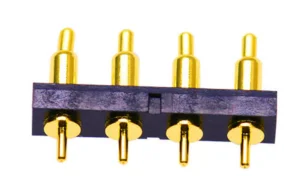
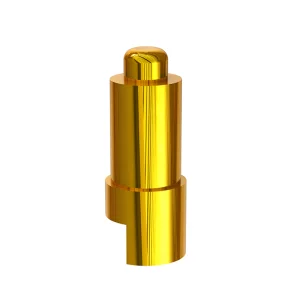
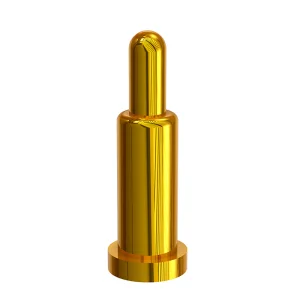
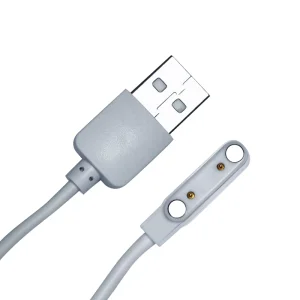
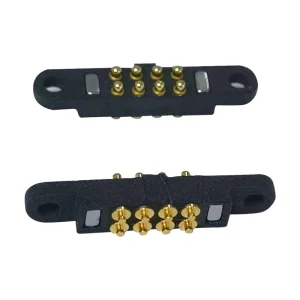
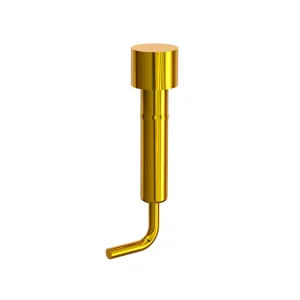
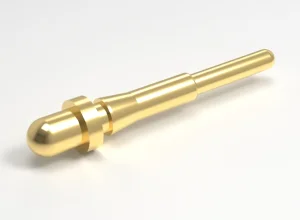
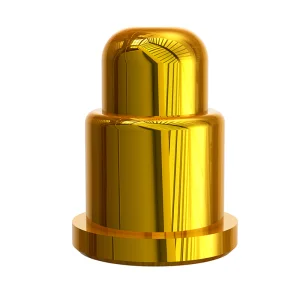
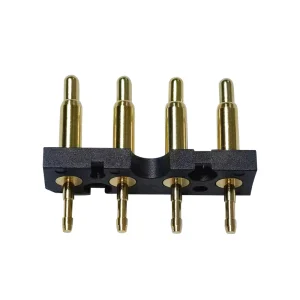
Explore our core high-precision components designed for wearables, smart home systems, and high-density PCB layouts.
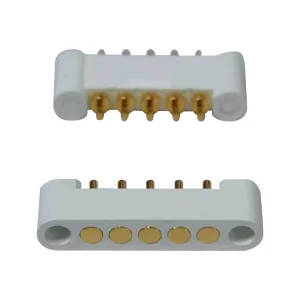
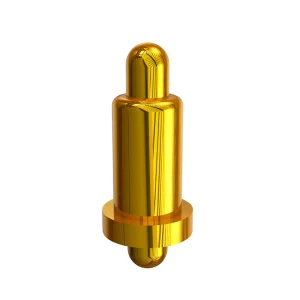
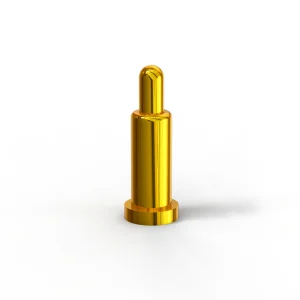
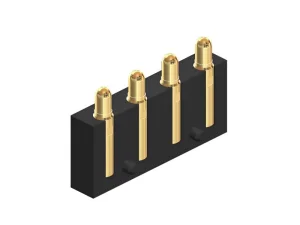
From aerospace communications to wearable consumer electronics, global manufacturers require cost-efficient, high-yield manufacturing lines and absolute mechanical precision.
Modern product cycles demand massive scalability. Companies sourcing high-reliability components need consistent surface finishes, strict co-planarity tolerances, and reliable automated tape-and-reel packaging compatible with high-speed surface-mount technology (SMT) machines.
Developing interconnect systems involves coordinating pin configuration with environmental exposure requirements. Standard materials like brass alloyed with copper and gold plating must withstand cyclic thermal loads during soldering processes and chemical resistance in real-world use.
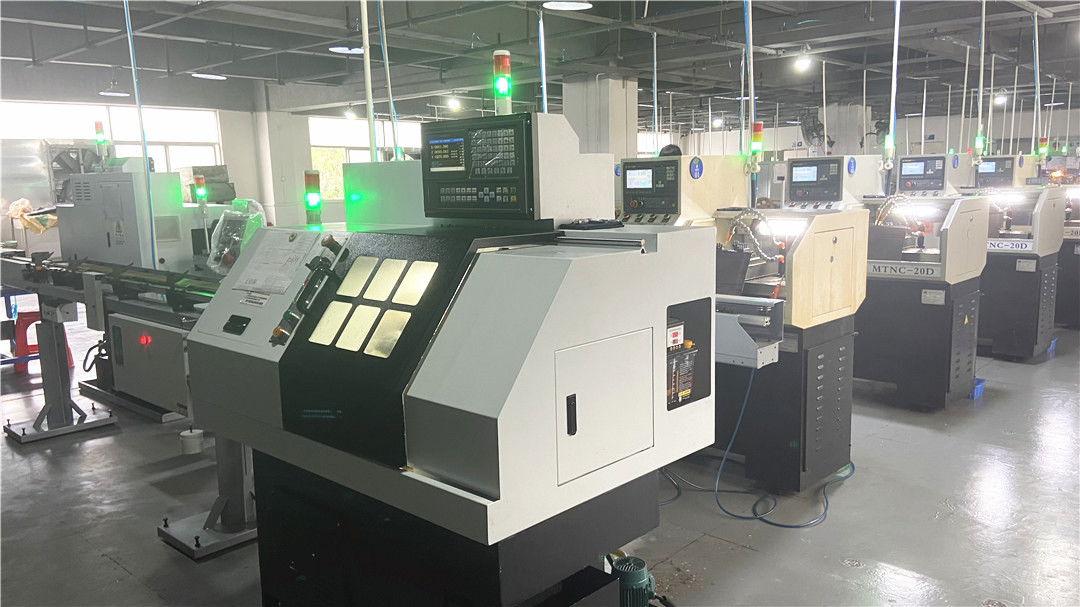
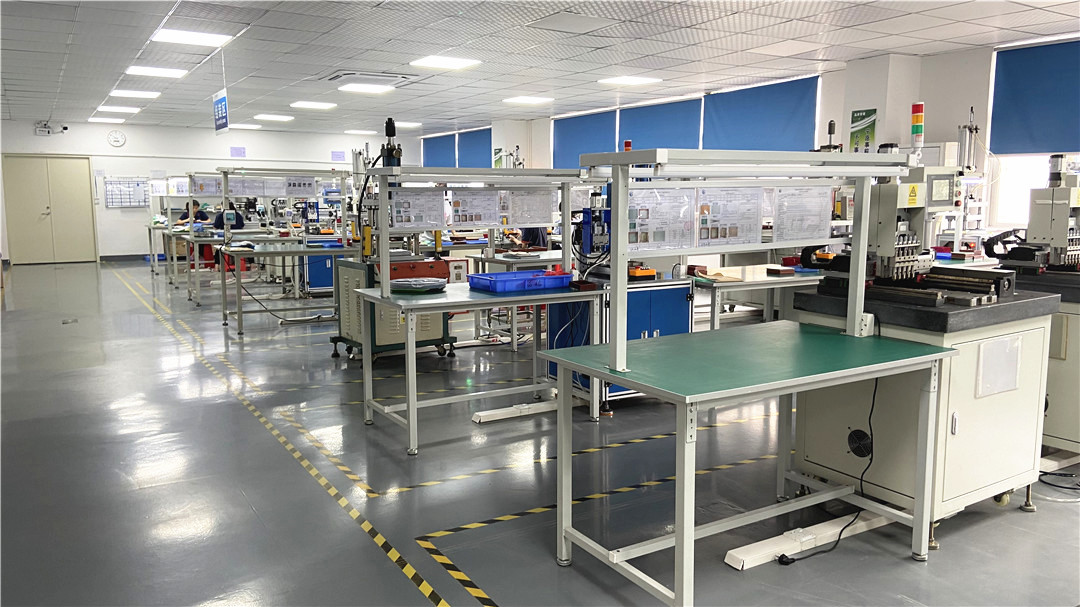
By balancing precision Swiss-style CNC turning with high-efficiency automated assembly and quality control pipelines, manufacturers achieve cost efficiency without sacrificing electrical characteristics, such as contact resistance below 30mΩ.
The inner spring mechanism of pogo pins is highly sensitive to excessive heat. Learn the technical procedures for SMT reflow, manual soldering, and wire attachment.
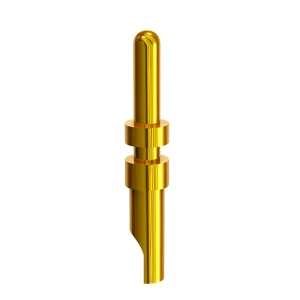
A pogo pin is a precision assembly comprising three main components: a plunger, an internal spring, and a barrel. The internal spring is typically composed of stainless steel wire or music wire, which loses its structural integrity (anneals) when subjected to prolonged temperatures above 260°C. Once a spring is annealed, the pin will fail to rebound, resulting in intermittent connections or total open circuits. Therefore, controlled thermal management is critical during the soldering process.
Automated assembly is the preferred process for SMT-type pogo pins. To ensure a high-yield, reliable solder joint without degrading the spring's mechanical tension:
When hand soldering pogo pins for prototypes or wire-terminal connections, follow these rules strictly to safeguard the spring:
Apply flux to the target wire or PCB land. Pre-tin the contacts and position the pogo pin using a high-temperature alignment fixture to prevent drift during heating.
Apply the soldering iron tip to the joint, introduce solder wire, and let the solder flow smoothly around the base. Complete this step within 3 seconds to protect the spring.
Allow the assembly to cool naturally. Inspect the joints for voiding and verify mechanical spring compliance and electrical continuity.
Located in Shenzhen, the leading city of the Guangdong-Hong Kong-Macao Greater Bay Area, our company was founded in February 2011 in Songgang Street, Shenzhen.
Specializing in the development and manufacturing of Pogopin connectors, our company has grown through years of focused efforts and technical sedimentation to become an industry leader. We are primarily engaged in the research, development, production, and sales of various models of POGO PIN (also known as spring thimble) products.
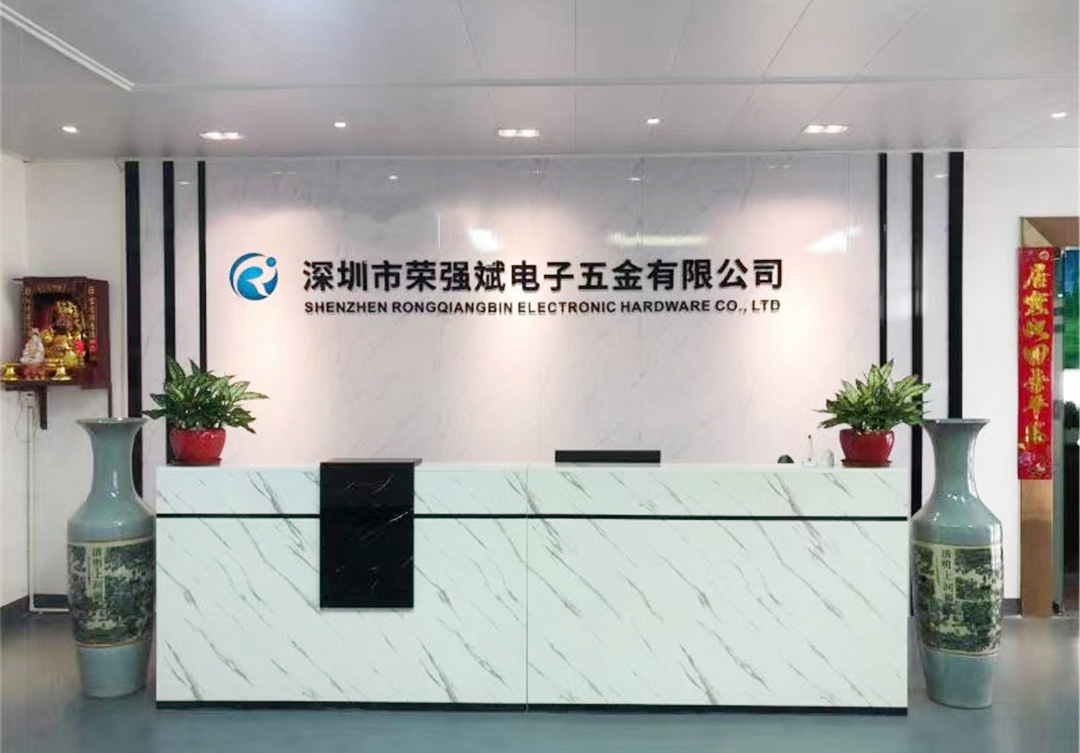
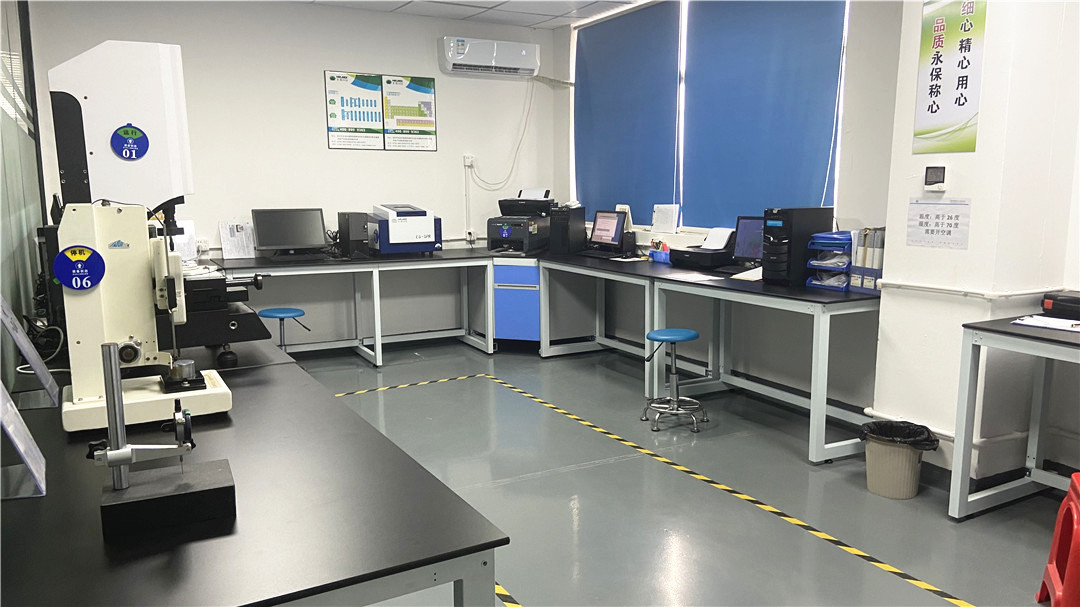
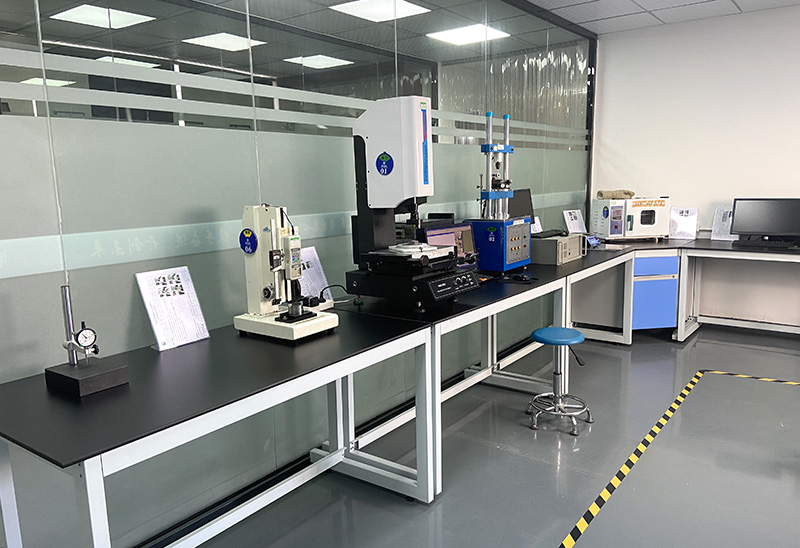
Inside our vertically integrated production and quality control facilities.


 RONGQIANGBIN
Rooted in our core principle of "customer first, integrity first," our company has built a strong technical production team within the POGO PIN industry, establishing long-term partnerships with a wide range of enterprises.
We have obtained the ISO9001:2015 version of the international authoritative quality management system certification. Backed by an experienced quality management team and a robust environmental management system, we provide high-quality products that align with environmental standards.
Our major customers include: Honeywell, Samsung, SIEMENS AG, ZTE, 360, QCY, HAYLOU, Shanghai Laimu, Luxshare Group, Aoni Electronics, Amphenol Group, and other well-known enterprises.
Providing critical interconnect technology across diverse consumer, commercial, and industrial markets.
Smart wearable products (wristbands, watches), mobile phones (mobile antenna), digital cameras, laptops, Bluetooth headsets, learning machines, game products, handheld game consoles, GPS satellite navigation, aerospace electronics, medical equipment, military communications, toys, and portable electronic products.
"Excellent quality, intimate service" concept, "customer-centric, create more value for customers" core values.
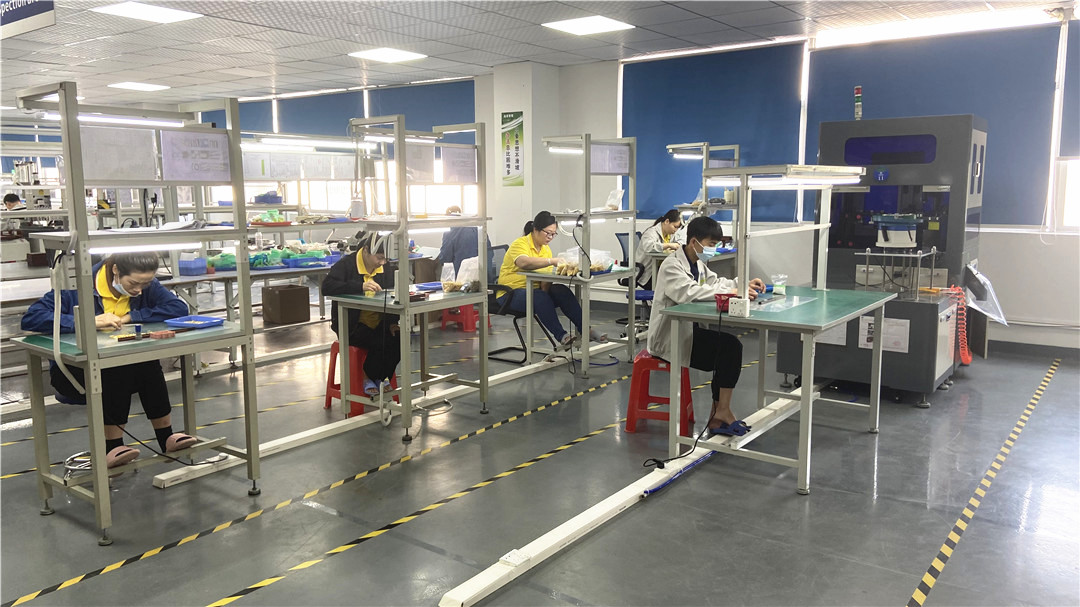
We conduct automated optical inspection (AOI), insertion force tests, and contact resistance checks to ensure every pogo pin performs reliably.
Adapting to miniaturization, high data rates, and high-frequency communication protocols.
Consumer electronics, electric vehicles, and charging docks require solutions that can handle increased power. We design custom pins capable of supporting up to 15A continuous current without thermal runaway or pin deterioration.
For smartwatches and outdoor industrial devices, pogo pins must maintain their seal. Our designs feature IPX7 and IPX8 waterproofing via direct over-molding, O-rings, and specialized potting processes.
With PCB real estate decreasing, we offer engineering support for pitches down to 0.4mm. These require microscopic turning accuracy and advanced spring wire materials to sustain high resilience.
Ensuring compliance with international trade and environmental regulations.
All plating configurations and base copper alloys used in our components comply with RoHS 3 and REACH regulations. This ensures environmental safety and simplifies importing into North American and European markets.
We source gold, tin, and cobalt only from verified conflict-free smelters. This aligns with modern supply chain transparency requirements and meets the standards of global clients like Siemens and Samsung.
Our Shenzhen engineering team works directly with your R&D team to optimize pad layout designs, verify mechanical clearances, and assist with custom tape-and-reel packaging designs.
Expert answers to common engineering questions regarding pogo pin design, selection, and assembly.
Explore our specialized magnetic interfaces, custom vehicle charging connectors, and flexible cable assemblies.
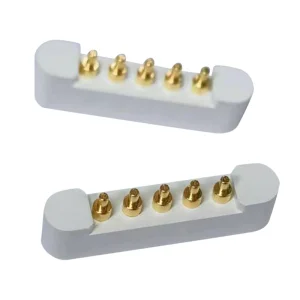
 Rongqiangbin