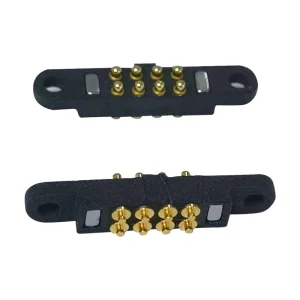
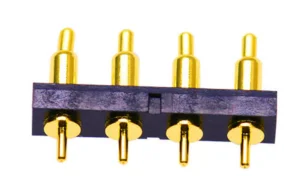
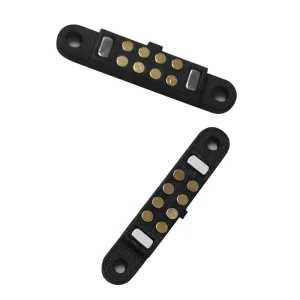
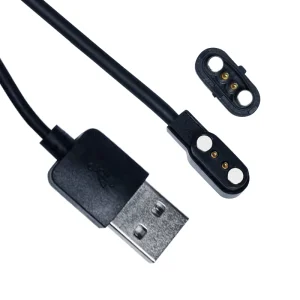
Explore our core engineering components manufactured to strict international quality benchmarks.
Analyzing B2B procurement trends, mechanical efficiency, and the rise of Topk-compatible systems.
In modern electronic design, the physical connection interface remains one of the most common failure points. Conventional micro-USB, USB Type-C, and custom DC barrel jacks are prone to mechanical degradation over thousands of insertion cycles, debris accumulation, and physical strain that can tear solder joints from the printed circuit board (PCB). This operational vulnerability has catalyzed the global B2B procurement paradigm shift toward magnetic connector assemblies and pogo-pin based magnetic interfaces.
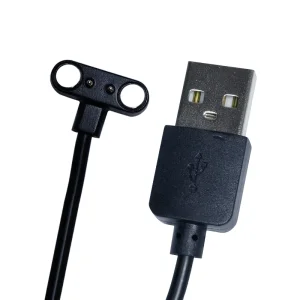
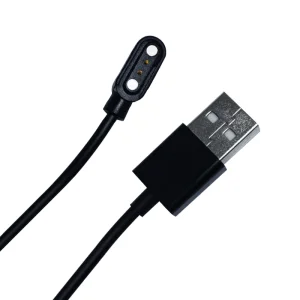
Originally popularized in consumer laptops and wearables, the magnetic cable topology—widely commercialized under names like Topk magnetic cables—is no longer limited to basic retail phone chargers. Across industrial automation, medical telemetry, smart grid infrastructure, and consumer electronics, engineers are integrating customized magnetic pogo pin connectors to achieve seamless charging, high-speed data transmission, and reliable blind mating.
From a B2B sourcing perspective, finding "cheap" or cost-effective Topk magnetic cable manufacturers requires a deep understanding of manufacturing processes, raw material costs (such as NdFeB magnet grades and gold-plating thickness), and production localization. The key is balance: identifying manufacturers who optimize manufacturing overhead without compromising critical electrical parameters, spring longevity, or corrosion resistance.
Established in February 2011, Shenzhen Rongqiangbin Electronic Hardware Co., Ltd. is situated in Songgang Street, Bao'an District, Shenzhen, within the heart of the Guangdong-Hong Kong-Macao Greater Bay Area. Over the past decade, the enterprise has evolved into a premier design-in engineering manufacturer specializing in custom POGO PIN (spring-loaded contacts) and magnetic connector assemblies.
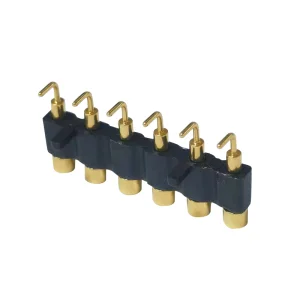
Our core mission revolves around the R&D, design, structural validation, and high-volume fabrication of spring thimbles, multi-pin pogo connectors, and bespoke magnetic charging cables. By maintaining absolute control over CNC machining, assembly, and quality assurance, we offer an optimal balance of structural reliability and cost efficiency, helping procurement teams locate highly competitive, factory-direct manufacturing partnerships.
With certification under the ISO9001:2015 international quality management standard, Rongqiangbin implements rigorous environmental protection protocols. Our advanced quality management infrastructure enables us to serve leading international hardware brands, including Honeywell, Samsung, Siemens, ZTE, 360, QCY, Haylou, Shanghai Laimu, Luxshare Group, Aoni Electronics, and Amphenol Group.
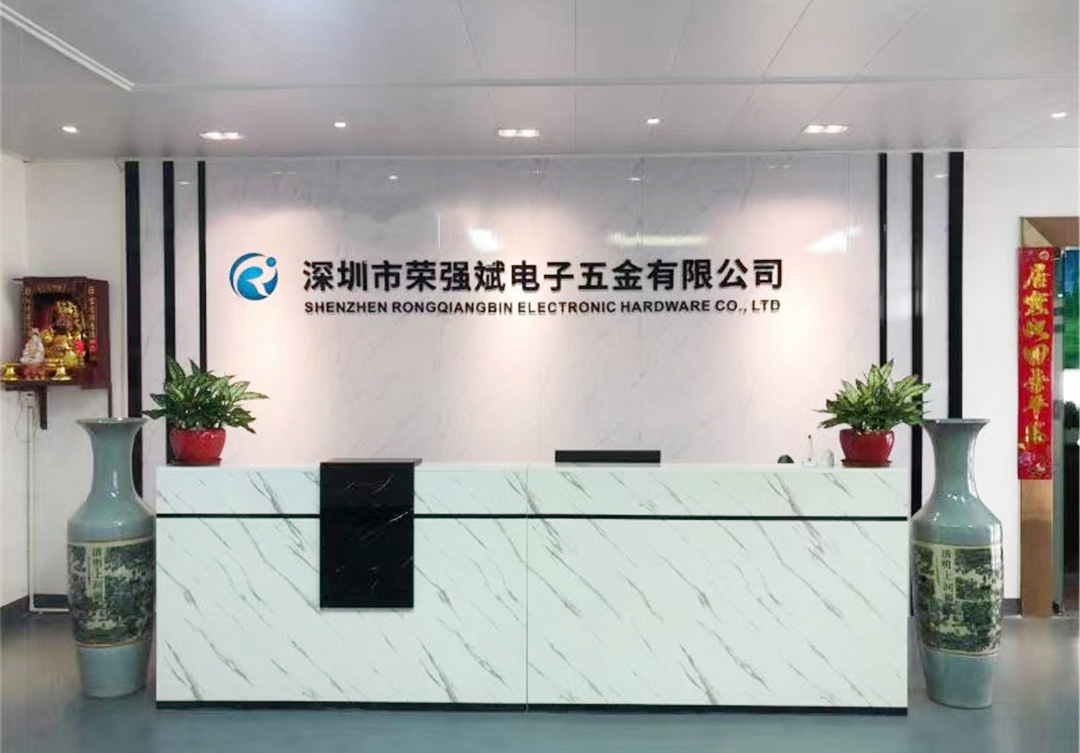
Explore our engineering laboratories, offices, and client meeting facilities in Shenzhen.

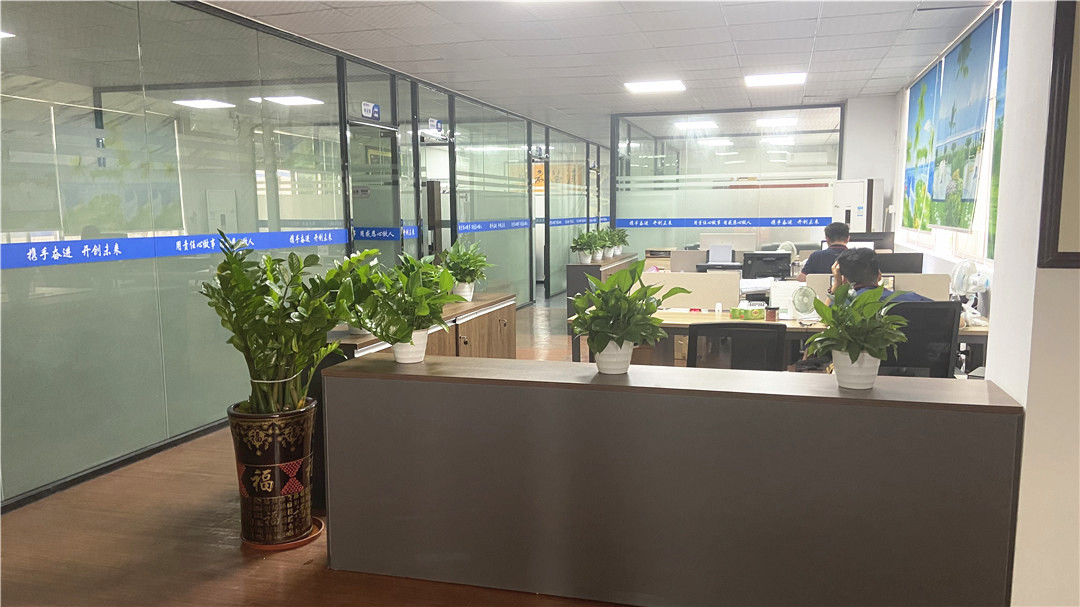
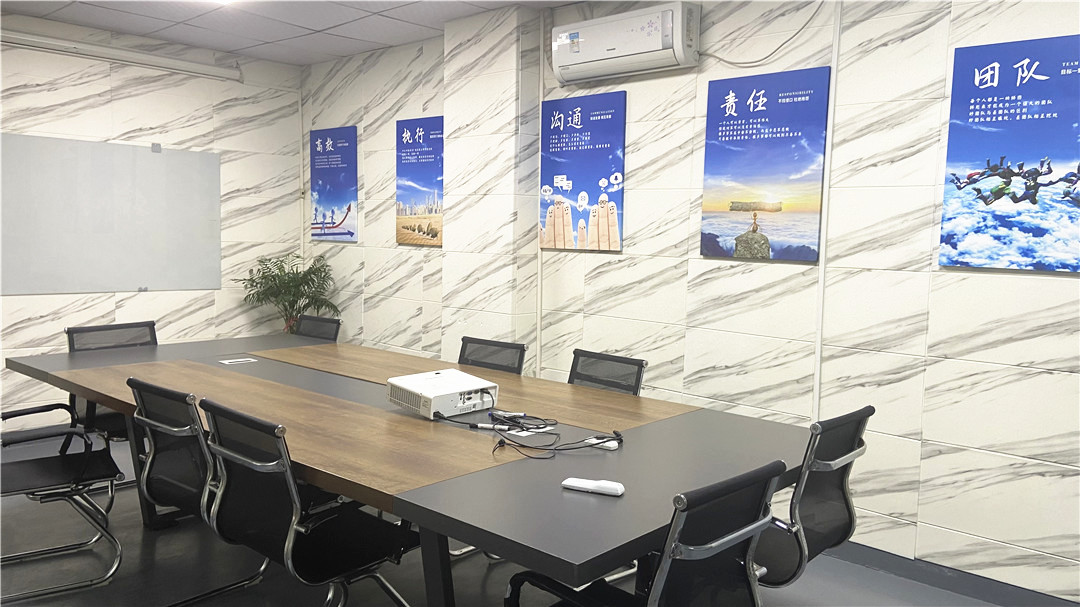
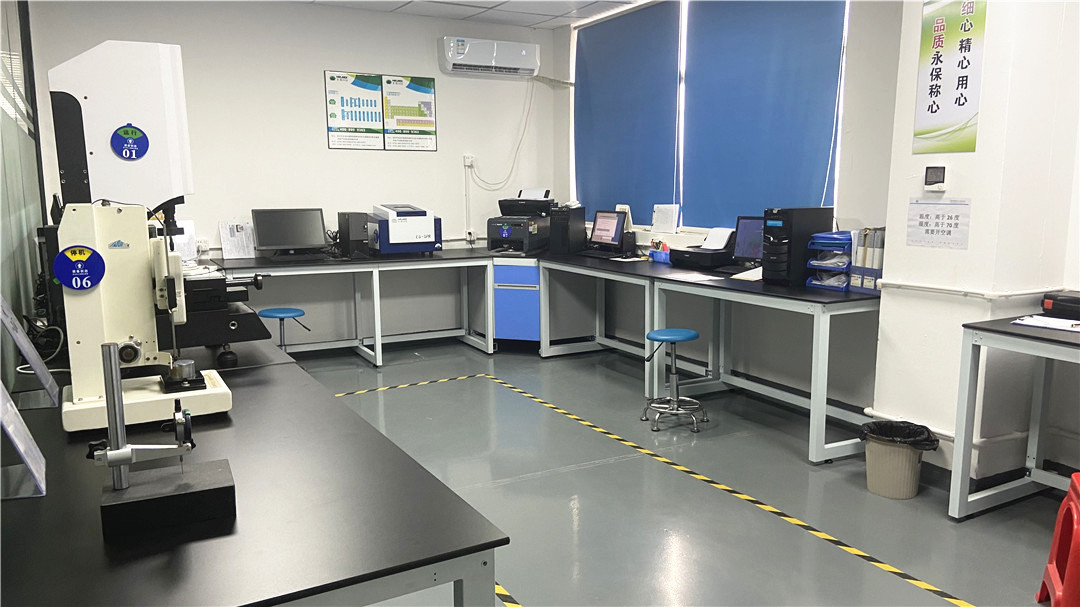
The global sourcing community frequently refers to "cheap" manufacturing, but in the precision electronics industry, low cost must never equate to substandard manufacturing tolerances. China's dominance in the Topk magnetic cable market stems from a dense industrial ecosystem, particularly in Shenzhen and the wider Pearl River Delta.
At our Songgang manufacturing center, efficiency is achieved through highly integrated supply chains. Raw materials—specifically raw brass rods, stainless steel springs, and neodymium magnets—are sourced from local component clusters. This proximity reduces transit latency, optimizes raw material pricing, and allows for rapid prototyping cycles. Additionally, our high degree of automation in CNC machining, spring winding, and electroplating maximizes production yield and minimizes labor overhead.
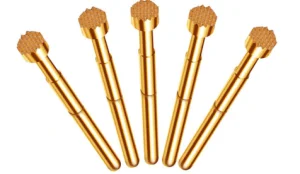
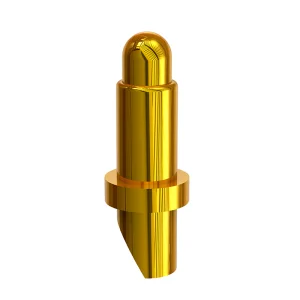
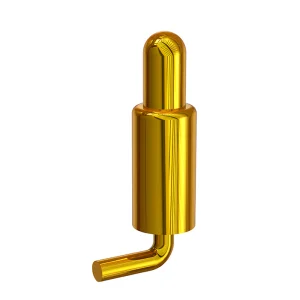
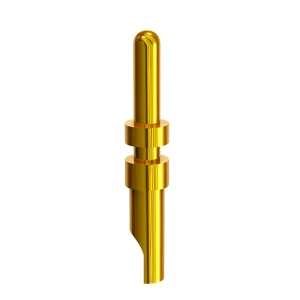
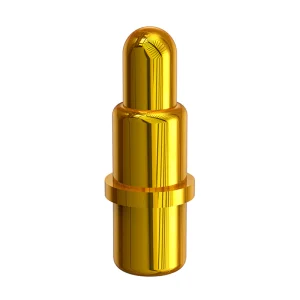
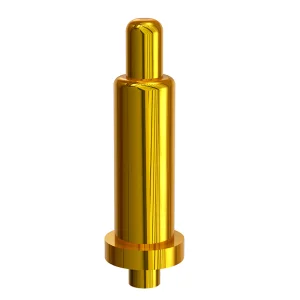
To understand the longevity of a magnetic charging cable, one must analyze the physical layers of the spring-loaded pogo pin contact. A standard pogo pin consists of three critical components:
When coupled with a magnetic housing, the contact mechanism is self-aligning. The magnets on the cable head and the device receptacle are polarized so they only connect when correctly aligned. This prevents reverse polarity damage, provides a self-mating interface, and allows the cable to break away safely if tripped over.
Ultra-low contact resistance (<30mΩ) ensures efficient power transmission and supports high-current fast charging up to 5A+.
Multi-layer plating configurations passing up to 48-hour continuous salt spray testing for reliable performance in harsh environments.
Precision-engineered spring rates ensure reliable connection force across more than 10,000 mating cycles without spring fatigue.
Take a look inside the CNC precision lathe workshop, quality inspection line, and assembly facility.
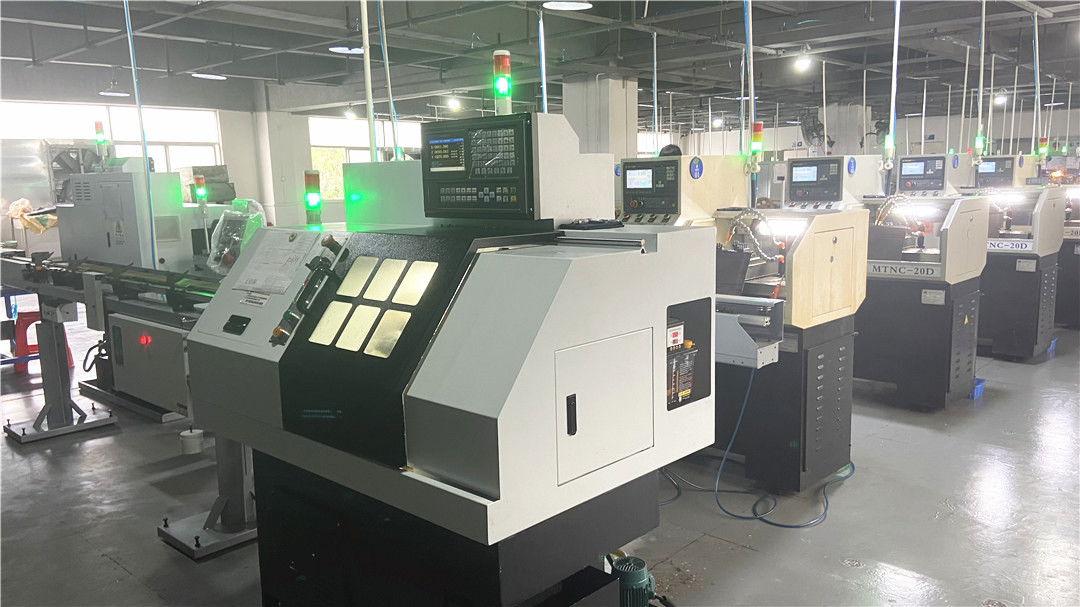
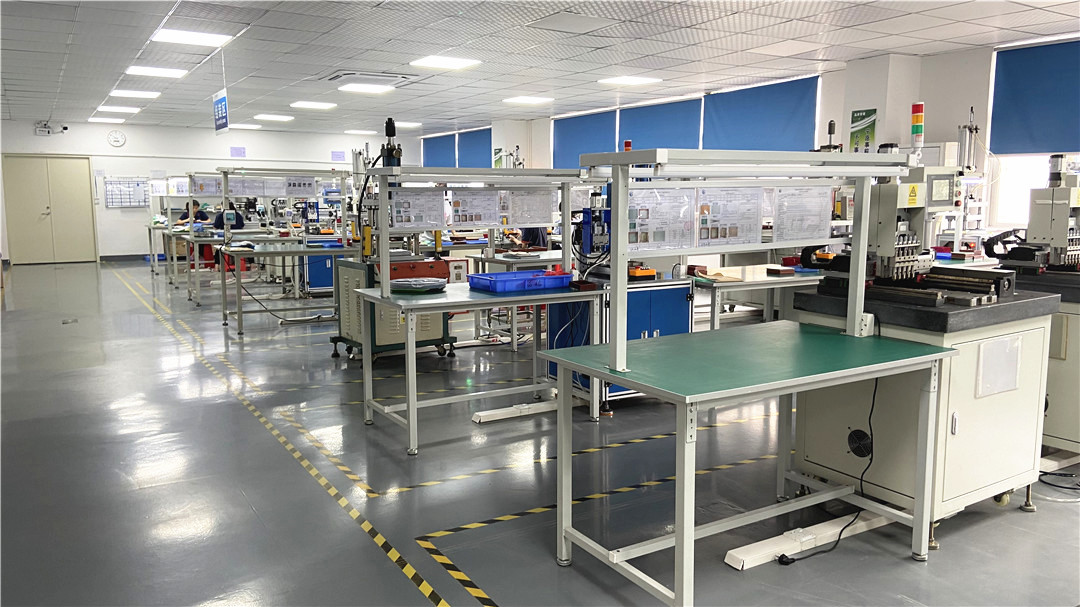
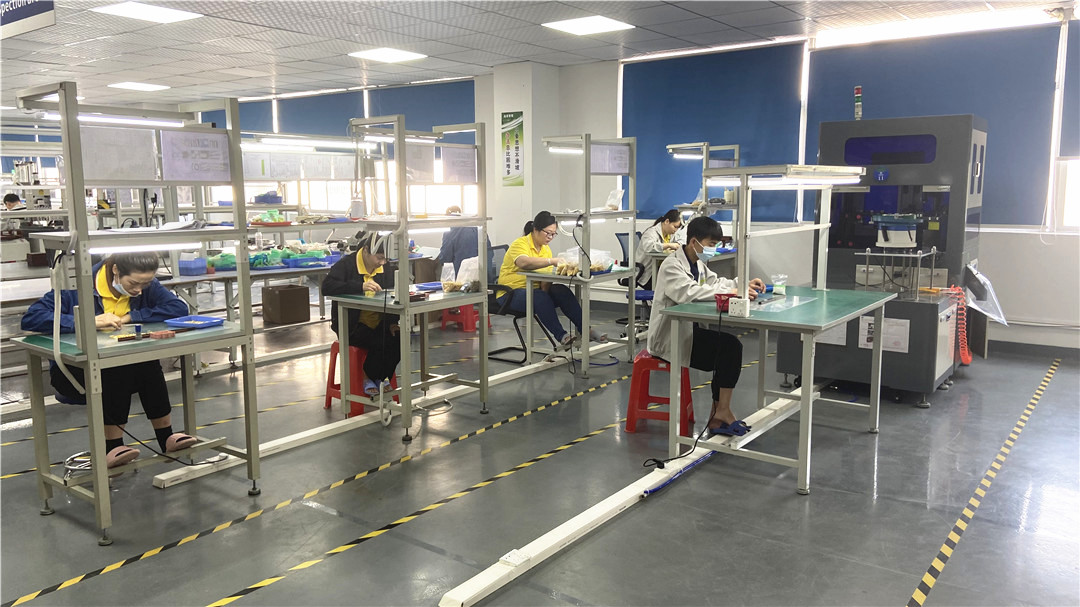
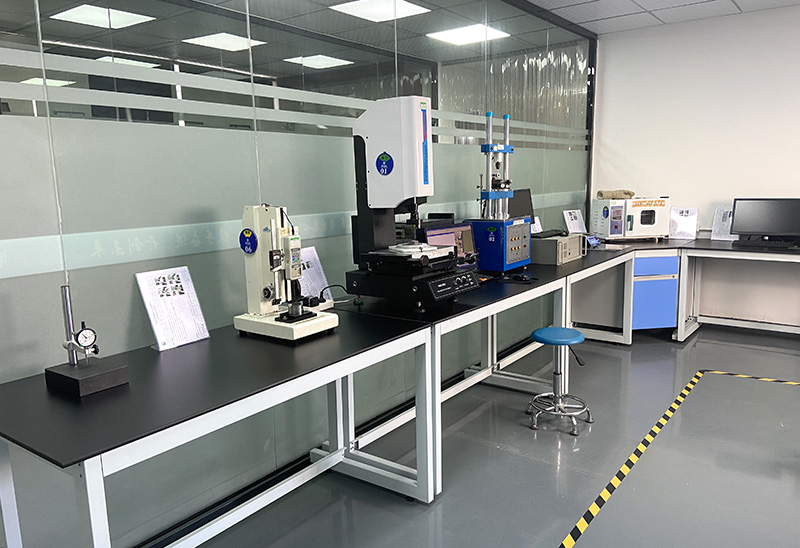
The magnetic connection paradigm goes beyond consumer-grade mobile phone accessories. Today, industrial designers implement magnetic interfaces across diverse fields:
When sourcing from Topk magnetic cable manufacturers, overseas procurement teams need to look beyond unit pricing. To ensure supply chain reliability, keep these key technical factors in mind during your evaluation:
1. Plating Quality Control: The thickness of the gold (Au) layer directly affects the corrosion resistance and contact longevity of the connector. While consumer cables may only require 1–3 micro-inches of gold, demanding industrial applications often specify 10–30 micro-inches over a robust nickel underplate.
2. Magnetic Force Specification: The magnetic attraction must match the weight and usage of the device. Neodymium (NdFeB) magnets are standard. Sourcing managers should specify the magnetic force in grams or Newtons to prevent accidental disconnection during operation.
3. Environmental Compliance: All materials, including plastics, copper alloys, and magnets, must comply with RoHS and REACH standards. Compliance is essential for importing products smoothly into North American and European Union markets.
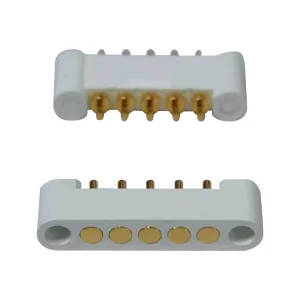
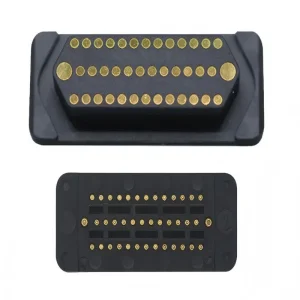
The industry is moving quickly beyond simple 2-pin power delivery. Modern smart devices require high-speed USB 2.0/3.0 data transfer alongside fast charging. This demand has spurred the development of 5-pin, 8-pin, and 12-pin magnetic charging systems.
By integrating USB Type-C protocols into magnetic cable interfaces, manufacturers can deliver up to 100W of power (20V/5A) and support high-definition video output. Looking ahead, magnetic interfaces will continue to feature lower profile designs, increased magnetic density, and auto-alignment configurations, positioning them to replace legacy physical port standards in many hardware designs.
Technical and procurement clarifications for buyers looking to partner with Rongqiangbin.
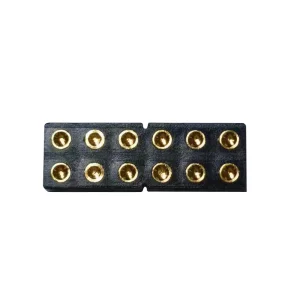
Explore our advanced pogo pin sockets, USB-C adapters, and multi-pin magnetic charging designs.
 Rongqiangbin