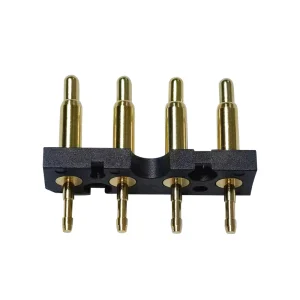
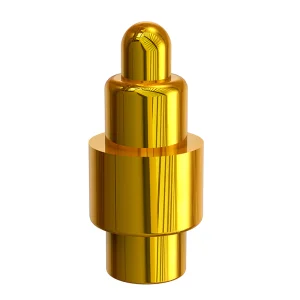
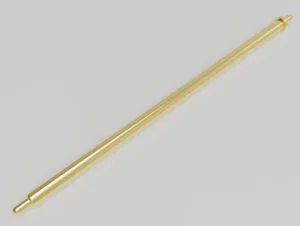
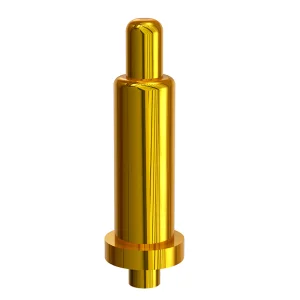
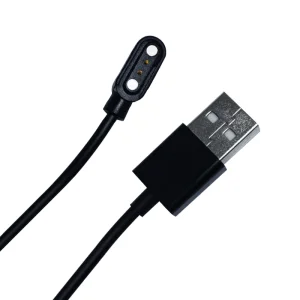
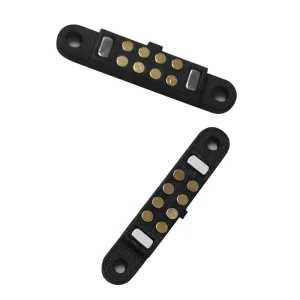
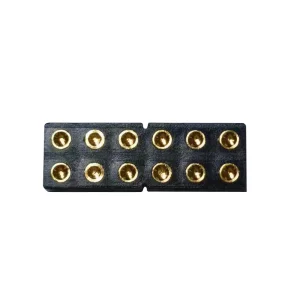
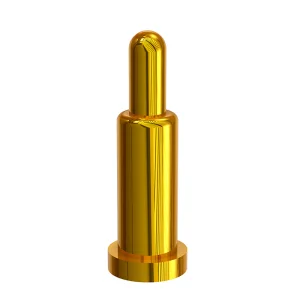
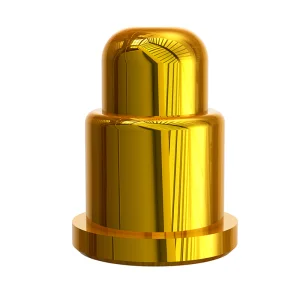
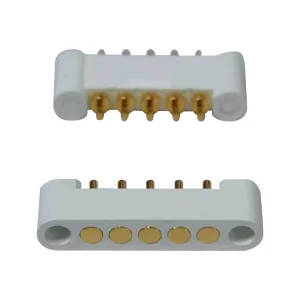
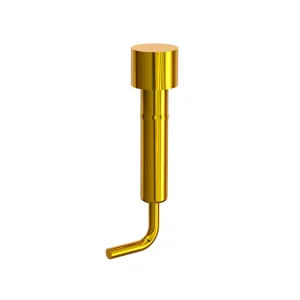
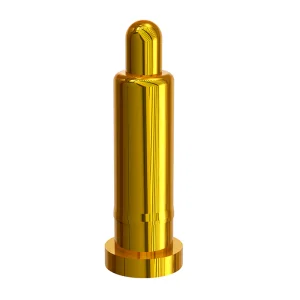
Explore our premium product portfolio designed for high-frequency testing, reliable charging interfaces, and robust electrical connections.
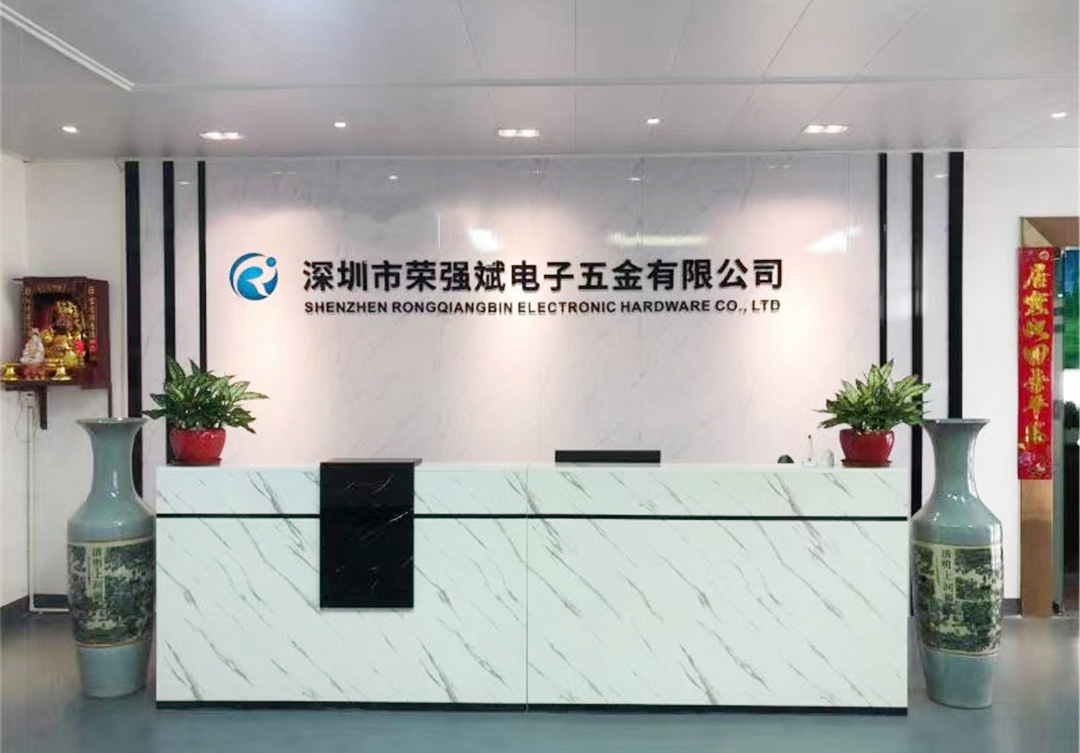
Shenzhen Rongqiangbin Electronic Hardware Co., Ltd. is strategically located in Shenzhen, the leading technology hub of the Guangdong-Hong Kong-Macao Greater Bay Area (GBA). Since our inception in February 2011 in Songgang Street, Shenzhen, we have dedicated ourselves to the development, manufacturing, and global supply of high-performance Pogo Pin connectors and precision test probe components. Through over a decade of continuous technological innovation and rigorous quality control, our organization has established itself as an authoritative leader in the electronic connector and test probe industry.
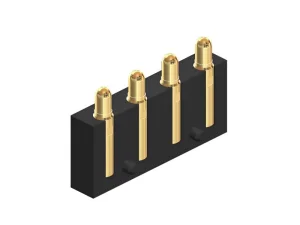
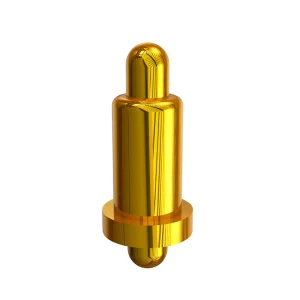
Our comprehensive research and development pipelines focus on spring-loaded thimbles (POGO PIN) that serve critical roles in electrical test testing, consumer electronics interfaces, high-current charging systems, and ruggedized industrial connectors. By implementing state-of-the-art manufacturing processes and micro-precision engineering, we ensure that every test probe and connector pin delivered maintains exceptional signal integrity and durability.
Our Strategic Vision: Committed to being an excellent POGO PIN and test probe manufacturer globally, driving optimization in both quality and cost while leading the vanguard of connector technology development.
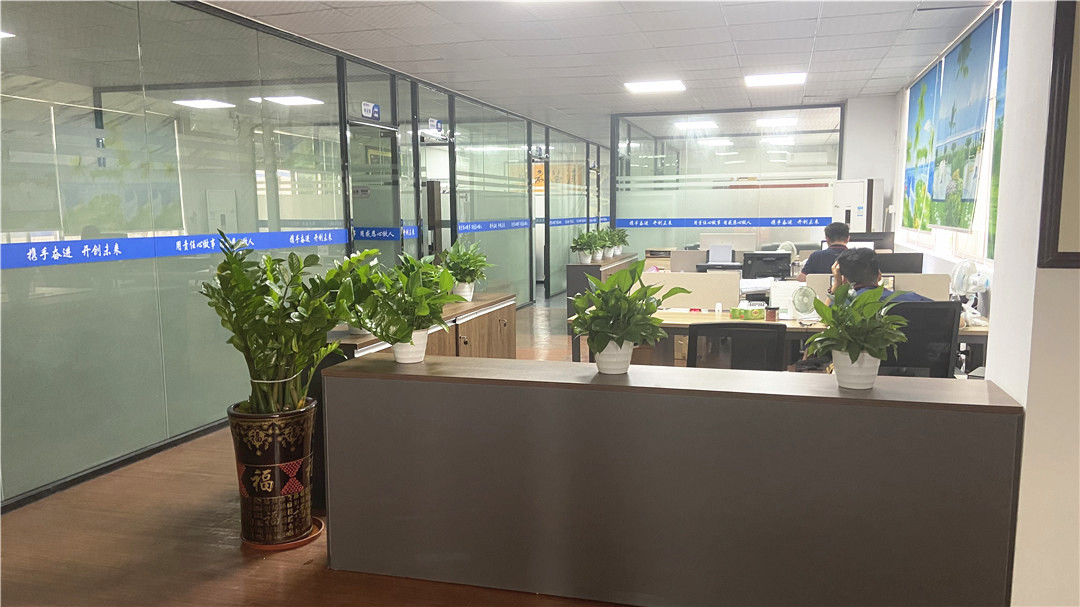
A comprehensive tour of our production, inspection, and verification facilities designed to guarantee the highest level of mechanical and electrical performance.
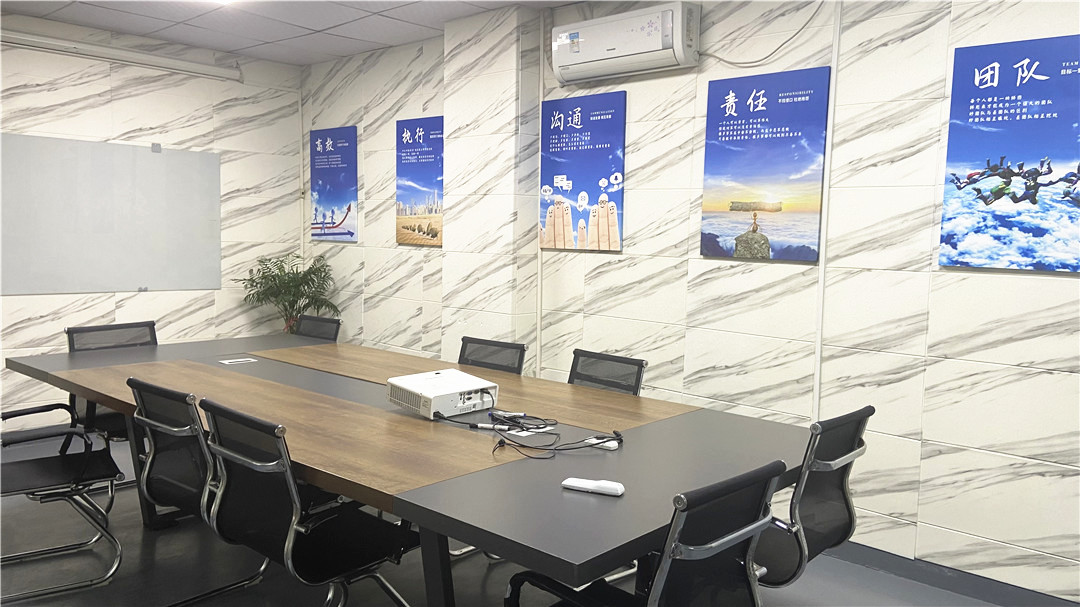
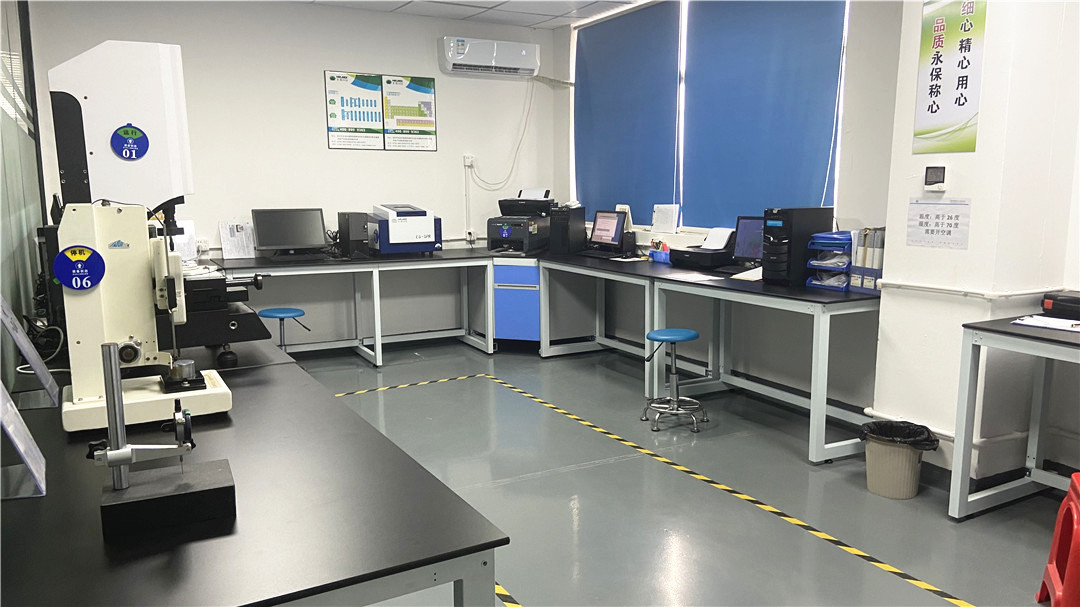
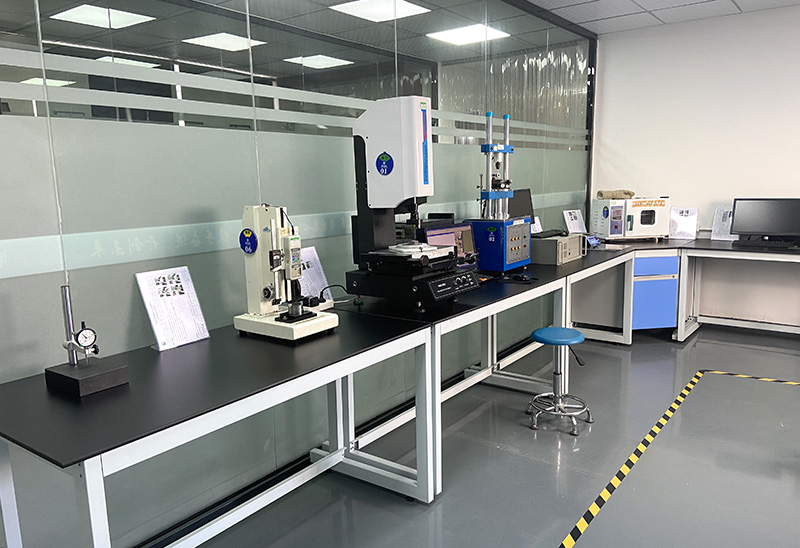
 RONGQIANGBIN
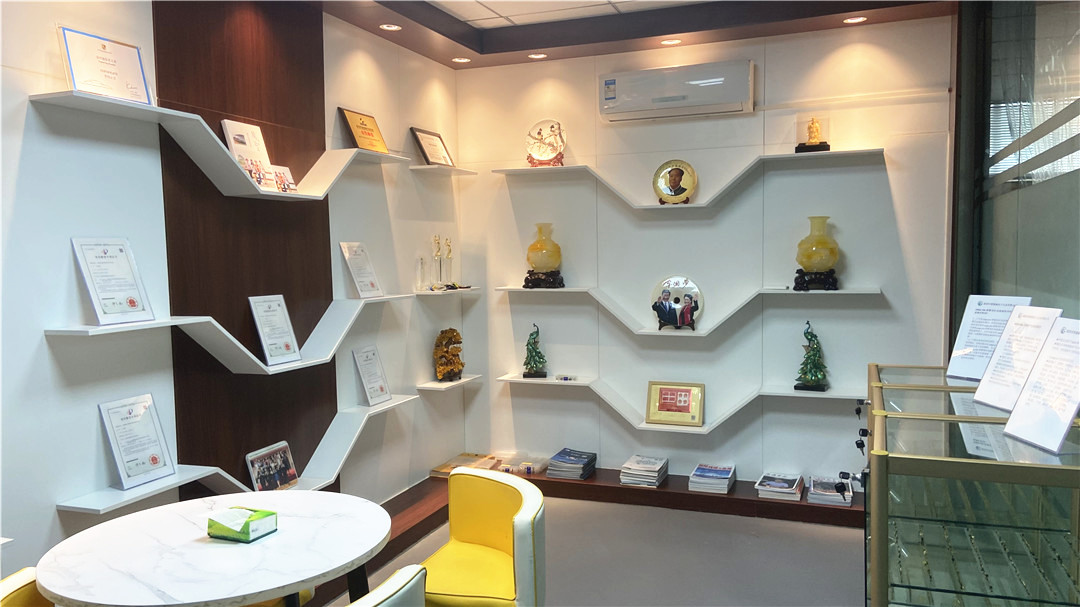
Rooted in our core corporate philosophy of "Customer First, Integrity First," Rongqiangbin has nurtured a highly sophisticated technical team specializing in design for manufacturing (DFM) of spring-loaded contacts and test probes. Our company operates under the stringent guidelines of the ISO9001:2015 international quality management system certification. We maintain a robust quality assurance framework and environmental controls to deliver components that comply with global environmental directives (such as RoHS and REACH).
Our commitment to defect-free production and reliable mechanical endurance has earned us partnerships with some of the world's most prestigious technology conglomerates and OEM/ODM manufacturers, including:
An objective analysis of structural advantages, manufacturing ecosystems, and supply chain efficiencies in the Guangdong-Hong Kong-Macao Greater Bay Area.
The concentration of raw material processors, high-precision plating facilities, and automated packaging suppliers in Shenzhen allows for unmatched production velocity. Test probe manufacturing requires specialized raw materials such as Beryllium Copper (BeCu), Phosphor Bronze, and music wire, along with specialized surface treatments (e.g., Gold over Nickel plating). The proximity of these upstream partners dramatically reduces lead times and minimizes logistics-induced component oxidation risks.
Modern Chinese electronics manufacturing clusters leverage advanced multi-axis CNC Swiss-type automatic lathes. These tools are capable of machining miniature barrels and plungers down to outer diameters of less than 0.20 mm, with dimensional tolerances within ±0.005 mm. Combined with automatic visual inspection systems (AOI), this hardware base guarantees exceptional repeatability across multi-million unit production runs.
Unlike rigid, slower-turnover manufacturing setups elsewhere, Chinese factories like Rongqiangbin offer highly flexible design engineering services (DFM). Custom prototype tooling and modifications to spring pre-loads, tip styles (serrated, cup, crown, chisel, pointed), or contact lengths can be analyzed, simulated, and deployed into physical samples in a fraction of the time, lowering R&D risks for global buyers.
How the evolution of semiconductors, IoT, and electric vehicles is shaping the requirements of modern electromechanical test probe systems.
As operating frequencies surge into the millimeter-wave (mmWave) spectrum, test probes must function with minimal insertion loss and return loss. Sourcing parameters have evolved from simple DC continuity to complex impedance matching (typically 50 ohms). Designers look for specialized coaxial probes and ultra-short spring contacts that minimize parasitic inductance and capacitance.
Smartphones and electric vehicles are pushing current limits. Standard spring probes struggle to handle high currents without overheating, leading to annealing and spring failure. High-current pin designs now utilize optimized internal plunger designs (e.g., ball-point or biased-plunger configurations) and custom alloys to ensure low contact resistance (< 20 mΩ) under continuous load.
With smart wearables and TWS headsets continually shrinking, contact pitches are moving below 1.0mm. This requires Pogo Pin connectors to have microscopic footprints while still maintaining a robust mechanical lifecycle (>100,000 compressions) and ingress protection ratings (IPX7/IPX8 waterproofing).
Supply Chain Mitigation tip: When evaluating suppliers, request empirical data on dynamic contact resistance, spring force-versus-stroke curves, and plating thickness measurements (measured via X-Ray Fluorescence spectroscopy).
A closer look at Rongqiangbin's manufacturing and testing operations, where precision components are machined and certified.
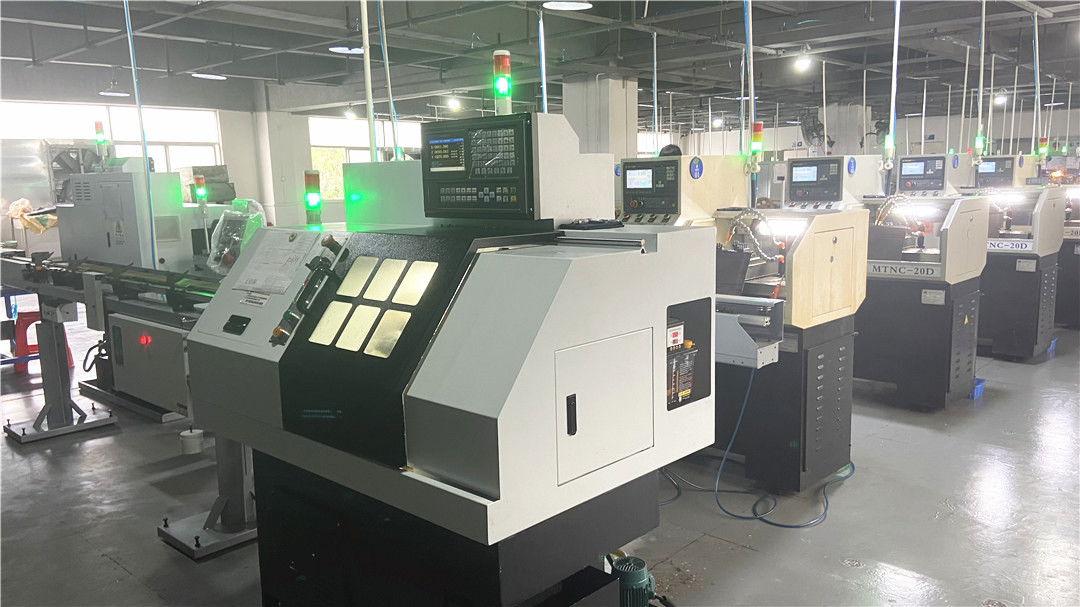
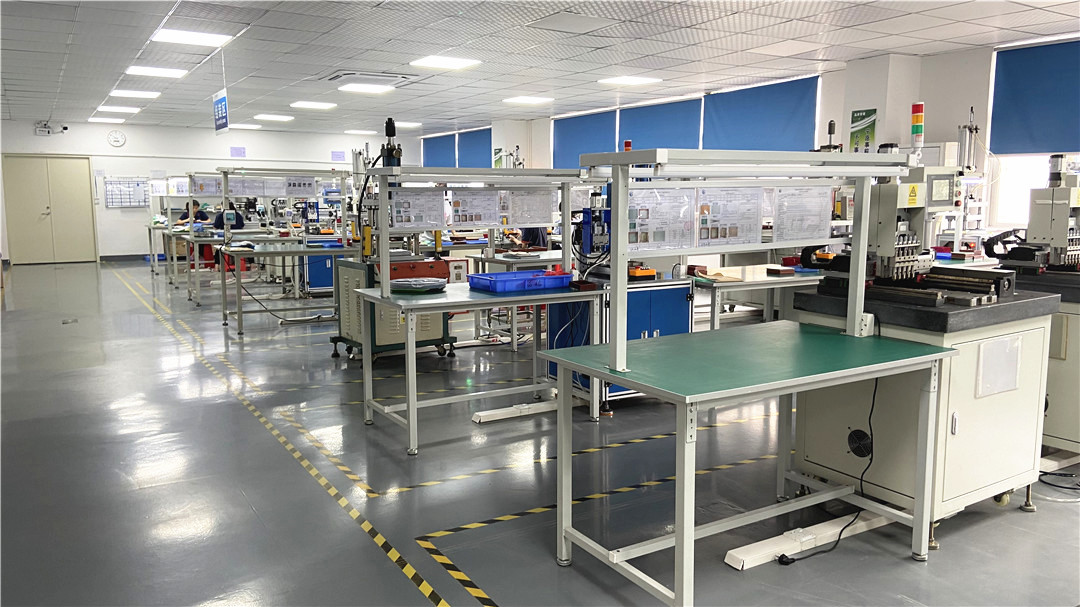
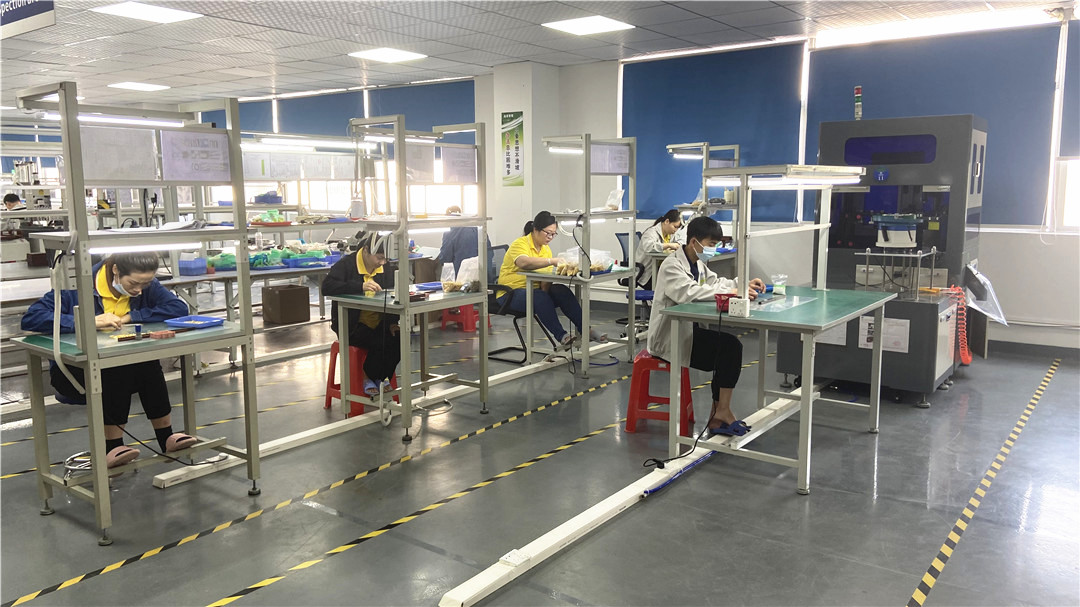
Since the establishment of our company, we have adhered to the operating concepts of "Excellent Quality, Intimate Service" and "Customer-Centric, Creating Value." Our advanced lathe workshop operates 24/7 to produce precision thimbles, plungers, and barrels. Our state-of-the-art laboratory features automated inspection machines, spring fatigue testers, salt spray corrosion testing chambers, and contact resistance analyzers to guarantee that all manufactured batches perform flawlessly under demanding conditions.
How our spring-loaded connectors and test probes integrate seamlessly into diverse industrial verticals.
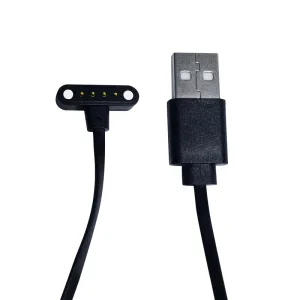
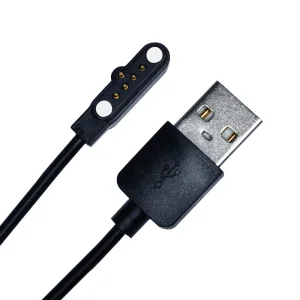
Our ultra-miniature pogo pins and custom magnetic cables provide reliable charging and data transmission interfaces for smart wristbands, health-monitoring watches, and Bluetooth headsets. These applications leverage our corrosion-resistant plating and waterproof sealing technologies (up to IP68) to protect the device from sweat, dust, and moisture.
In medical fields, accuracy is critical. Our test probes and pogo pins are used in portable diagnostic devices, patient monitoring systems, and disposable sensor interfaces. These applications demand high mechanical reliability and consistent contact resistance over hundreds of thousands of duty cycles.
For high-reliability sectors, we deliver rugged spring contacts capable of withstanding extreme vibration, shock, and thermal cycles. These probes are engineered using robust materials such as Beryllium Copper plungers and heavy-duty stainless steel springs, ensuring stable communication links under harsh physical conditions.
Addressing the core technical considerations of procurement managers, design engineers, and QA directors.
A: Plungers are usually machined from Beryllium Copper (BeCu) or tool steel, which are then hardened and plated with Gold over Nickel to maximize conductivity and wear resistance. Springs are typically wound from stainless steel or music wire. Music wire provides high spring forces, while stainless steel is preferred for high-temperature and highly corrosive applications.
A: A biased plunger design forces the plunger to make lateral contact with the inner wall of the barrel. This direct contact bypasses the high electrical resistance path of the spring, resulting in low, stable contact resistance and eliminating signal interruptions during vibration.
A: Waterproofing is achieved by overmolding or press-fitting the pogo pins with custom elastomer O-rings, or by utilizing specialized potting resins within the connector housing. This keeps the internal device dry and protected from liquid ingress.
A: Plating thickness and composition directly determine contact resistance, corrosion resistance, and mechanical life. Thin or low-quality plating layers wear down quickly, exposing base metals to oxidation and leading to increased resistance and eventual signal failure.
A: The most common failure modes are spring fatigue (loss of spring force over time), surface contamination (accumulation of dust or flux residues), and plating wear-through. Regular maintenance, proper dust protection, and specifying the correct spring force for the target environment help mitigate these risks.
A: High-frequency signals require controlled impedance. We design custom coaxial structures where the signal pogo pin is surrounded by ground pins or a ground shield at a precise distance, maintaining a 50-ohm characteristic impedance to prevent signal reflections.
A: Thanks to our integrated design-for-manufacturing (DFM) processes and extensive in-house tooling, we can typically deliver custom engineering samples within 7 to 10 working days after design sign-off.
A: Yes, all materials used in our manufacturing facility are fully verified to comply with RoHS and REACH directives. We maintain comprehensive material declarations and certifications to support our global clients' regulatory filings.
Explore our high-performance SMT contacts, waterproof connectors, and custom magnetic charging interfaces designed for reliable field service.
 Rongqiangbin