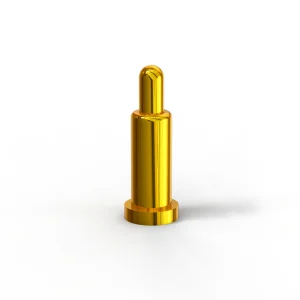
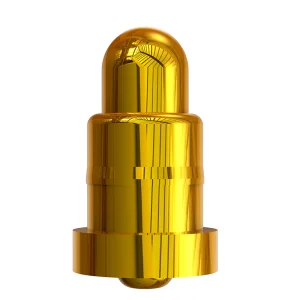
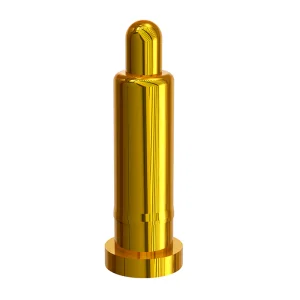
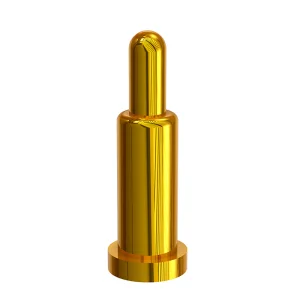
 Rongqiangbin
1 / 2
| Material |
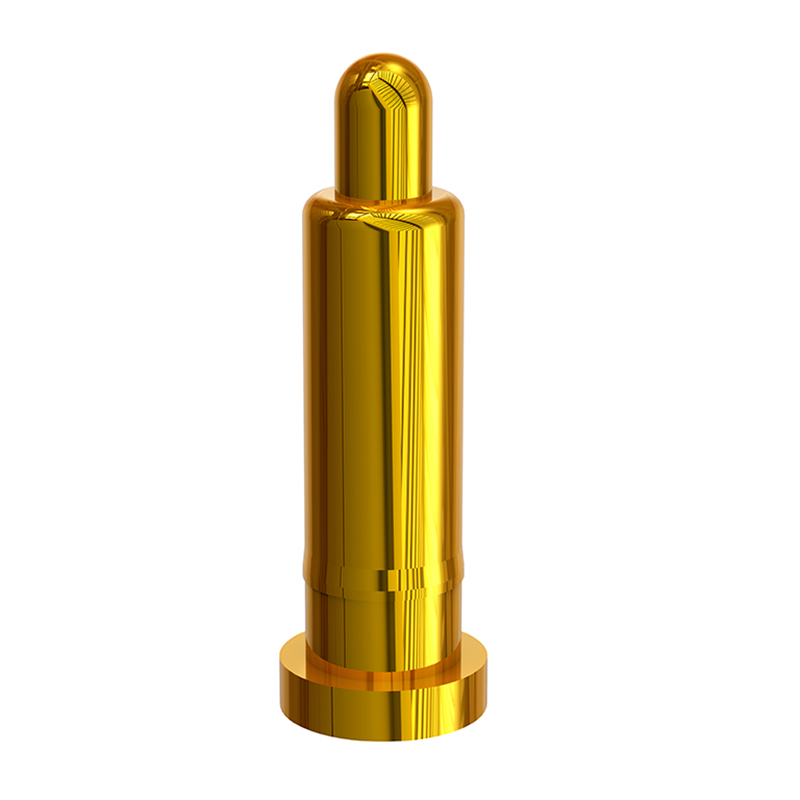
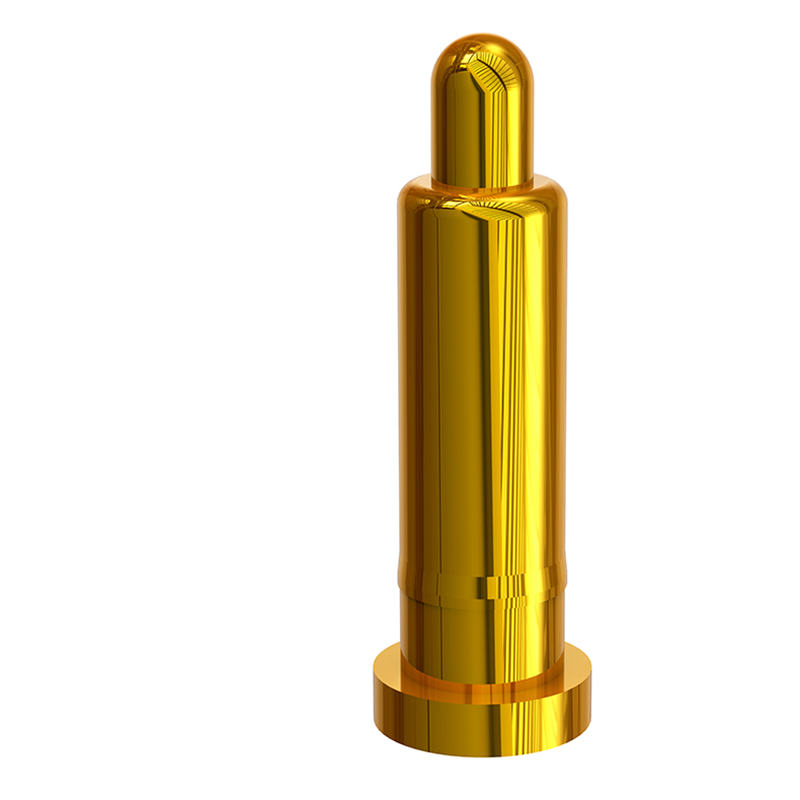
Plunger: Brass Barrel: SUS316F Spring: Stainless steel |
| Electroplating |
Plunger: 5 micro-inch minimum Au over 50-120 micro-inch nickel Barrel: 50-100 micro-inch minimum Cu over 100-150 micro-inch nickel Spring: 1 micro-inch minimum Au over 30-50 micro-inch nickel |
| Electrical specification |
Contact electrical resistor: 100 mOhm Max. Rated voltage: 12V DC Max Rated current: 1.0A |
| Mechanical performance |
Life: 10,000 cycle min. |
Remark: Considering the difference between test spot and actual work spot, the impedance test condition is defined based on the whole working stroke. This is generally referred to as dynamic impedance testing, which differs from the static test condition of EIA-364-23. The durability test standard is also based on this test condition.
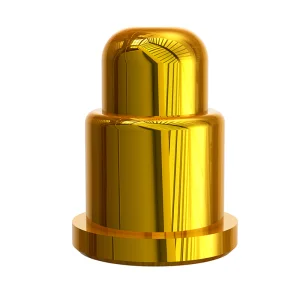
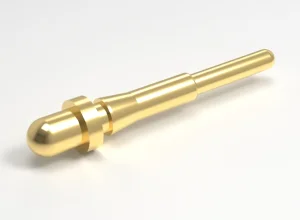
The plunger is made of high-quality Brass, the barrel is made of SUS316F stainless steel, and the spring is manufactured from Stainless steel to ensure optimal durability and performance.
The plunger features a minimum of 5 micro-inch Au over 50-120 micro-inch nickel. The barrel is plated with a minimum of 50-100 micro-inch Cu over 100-150 micro-inch nickel, and the spring has a minimum of 1 micro-inch Au over 30-50 micro-inch nickel plating.
The contact electrical resistance is capped at a maximum of 100 mOhm. The system supports a rated voltage of up to 12V DC Max and a rated current of 1.0A.
These components are engineered for longevity, supporting a mechanical durability performance rating of 10,000 mating cycles minimum.
Unlike static tests governed by EIA-364-23, dynamic impedance testing is defined across the entire working stroke. This accounts for differences between initial test spots and real-world working conditions.
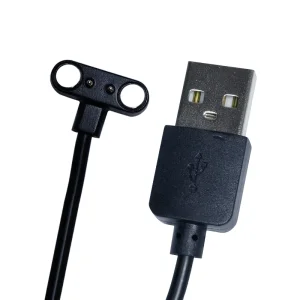
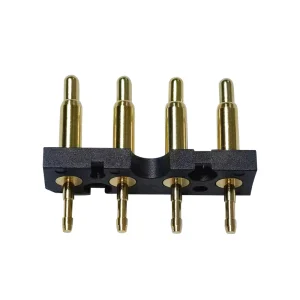
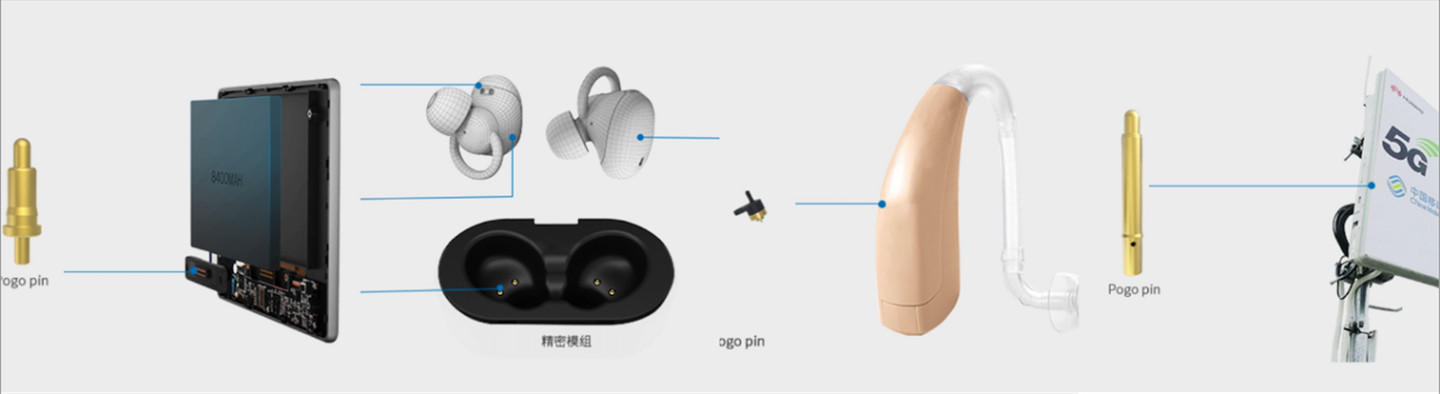
They are highly versatile and widely integrated into consumer wearables, mobile devices, GPS electronics, aerospace mechanisms, medical devices, and other compact portable communication electronics.