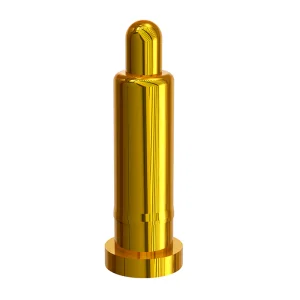
Custom SCFB038 Supplier, Factories

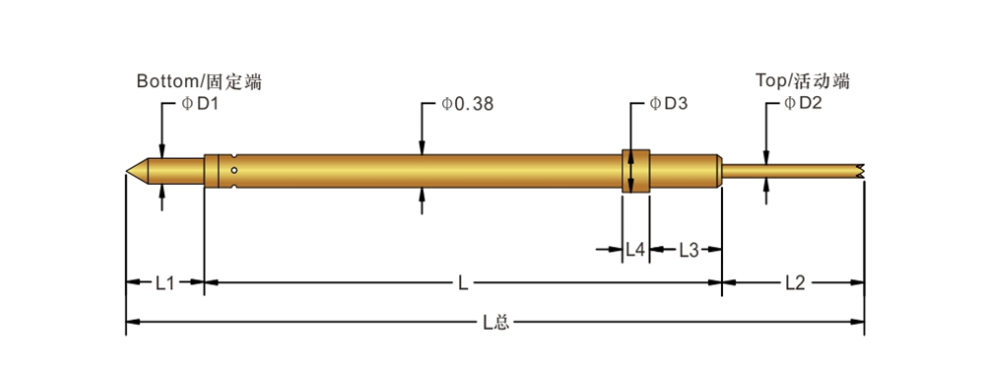
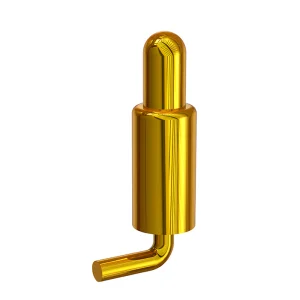
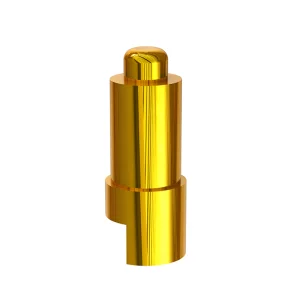
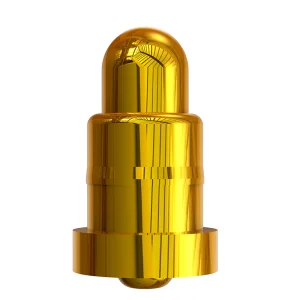
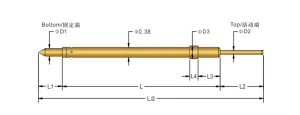
SCFB038 Series ProductParameters Materials & Plated: Needle Tube (Barrel): Ph, Au on Ni Plated Needle 1 (Plunger): SK4/Becu, Auon Ni Plated; PD, No PlatedNeedle 2 (Plunger): SK4/Becu, Au on Ni Plated; PD,No PlatedSpring (Spring): SWP /SUS, Au on Ni Plated Electrical Specifications: Frontal Static Current (Current Rating): 3 Amps Bandwidth: -1 dB @ 13.1 GHzInductace (Inductace):1.20 nHCapacitance:1.55 pF ProductIntroductior nign est ctort ehen n ltucuranl ae d. auarea mingl ao rbe cnel uon ad doube ation pro esth eml volume and Mainly used for extremely low contact resistance and utra -high bandwidth in various communication power electronic components,semiconductor wafer testing, chip packaging testing, etc, meeting requirements for 5-40G high-frequency signal testing. Currently, Xindeli can process small probe diameter: head p: 0.06 mm / needle tube q: 0.10 mm.

Product Description

Product Introduction: Semiconductor test probes, also known as dual-head probes, are designed with small sizes to meet high testing accuracy requirements. These probes are engineered for high-performance testing environments.

Structural Classification

  • Dual-head - single-action probe series
  • Dual-head - double-action probe series

Probe Dimensions

  • Commonly used internal needle types: B, J1, U, U1, etc.
  • Processed probe dimensions: Head 0.06mm / Needle tube φ 0.10mm

Application Fields & Key Benefits

  • Engineered for extremely low contact resistance and ultra-high bandwidth in communication power electronic components.
  • Optimized for semiconductor wafer testing and chip packaging testing.
  • Fully meets the requirements of 5-40GHz high-frequency signal testing.

Frequently Asked Questions

Q1: What are semiconductor test probes also known as?

Semiconductor test probes are also commonly referred to as "dual-head probes".

Q2: What are the common internal needle types for these probes?

The commonly used internal needle types include B, J1, U, U1, and other customized configurations to support high testing accuracy requirements.

Q3: How are dual-head probes structurally classified?

Structurally, they are divided into dual-head - single-action probe series and dual-head - double-action probe series to fit different testing scenarios.

Q4: What frequency range can these probes test?

These test probes are capable of meeting the strict requirements of 5-40GHz high-frequency signal testing.

Q5: What are the primary applications of these test probes?

They are mainly used for semiconductor wafer testing, chip packaging testing, and managing contact resistance and ultra-high bandwidth in communication power electronic components.

Q6: What is the minimum probe diameter that can be processed?

The minimum processable small probe dimensions currently reach a head diameter of 0.06mm and a needle tube diameter of φ 0.10mm.
Related Products