 Rongqiangbin
1 / 2

| Specification Category | Details & Parameters |
|---|---|
| Material |
Plunger/barrel: Brass Spring: Stainless steel |
| Electroplating |
Plunger: 10 micro-inch minimum Au over 50-120 micro-inch nickel Barrel: 10 micro-inch minimum Au over 50-120 micro-inch nickel |
| Electrical specification |
Contact electrical resistor: 100 mOhm Max. Rated voltage: 12V DC Max Rated current: 3.0A |
| Mechanical performance |
Life: 10,000 cycle min. |
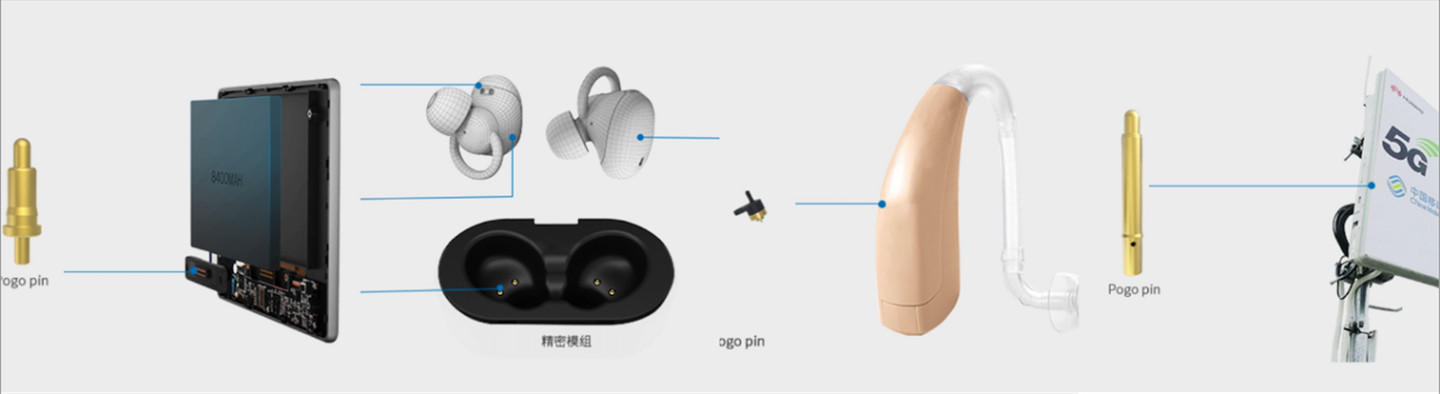
When choosing the right material for your pogo pin product, it is important to consider several key factors. The first and most important factor is the intended use of the product. Will it be used in high temperature or corrosive environments? Will it be used in a harsh outdoor environment or a controlled laboratory environment?
Typically, pogo pins are made of materials such as brass, stainless steel, and beryllium copper. Each of these materials has its own unique set of properties that make it suitable for different applications.
Ultimately, the material you choose for your pogo pin product will depend on the specific requirements of your application. Consulting with a knowledgeable pogo pin manufacturer can help you make the best decision for your needs.
In summary, when choosing a material for your pogo pin product, please consider factors such as intended use, cost, conductivity, and durability. By understanding the properties of different materials and their suitability for different applications, you can make informed decisions that will help ensure the longevity and effectiveness of your products.
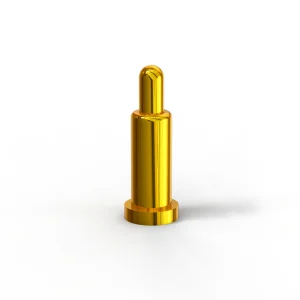
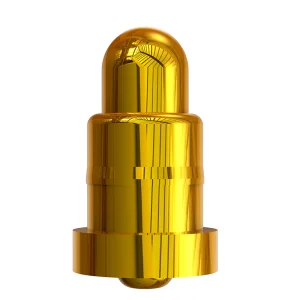
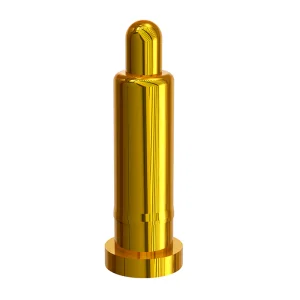
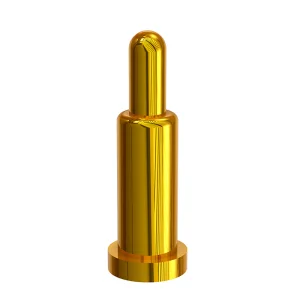
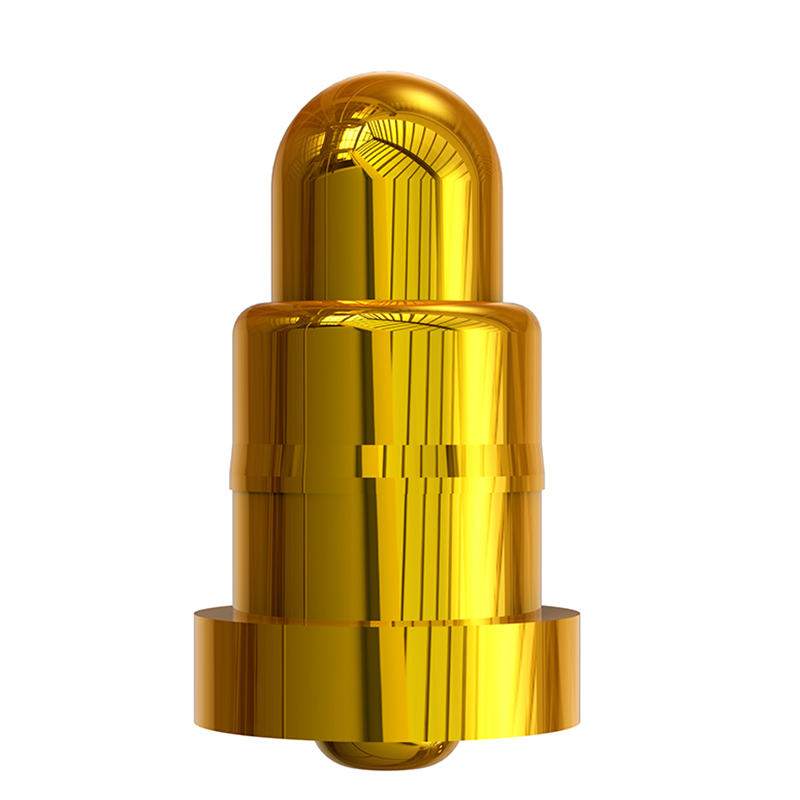
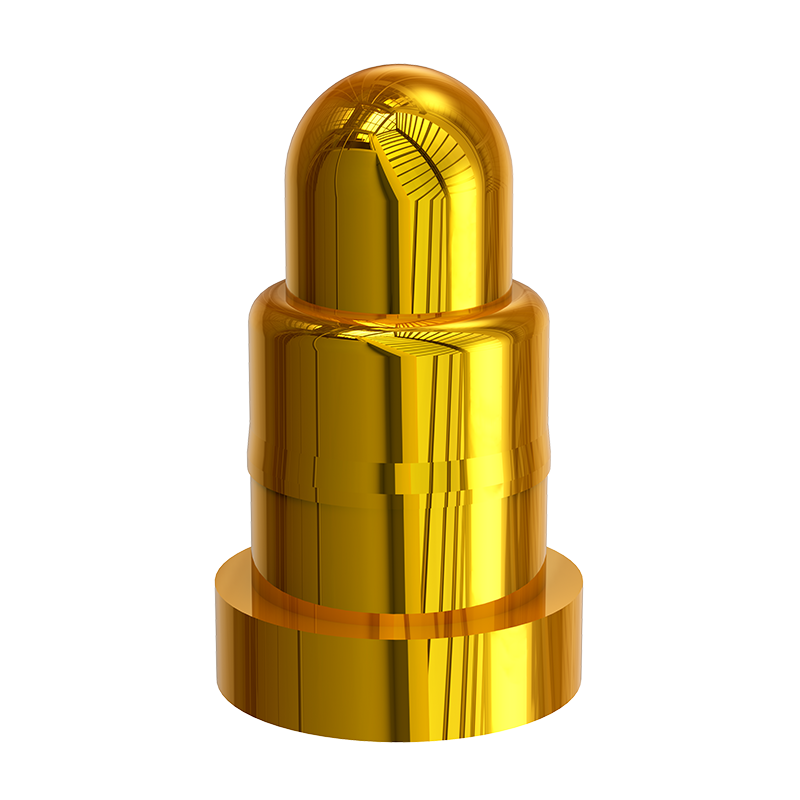
Pogo pins are generally constructed from brass for the plunger and barrel due to its excellent machinability and conductivity. The internal spring is usually made of stainless steel to provide durability and structural resilience.
Both the plunger and the barrel feature high-quality electroplating consisting of a minimum of 10 micro-inch Gold (Au) over 50-120 micro-inch Nickel, ensuring exceptional conductivity and anti-corrosion performance.
The electrical specifications define a maximum rated voltage of 12V DC and a rated current capability of up to 3.0A, with a maximum contact resistance of 100 mOhm.
These components are designed for high durability and are rated for a mechanical life cycle of at least 10,000 insertion/compression cycles.
Key parameters include the working environment (such as high temperatures or exposure to corrosive elements), target electrical conductivity, mechanical durability requirements, and budget constraints.