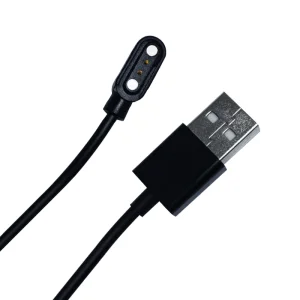
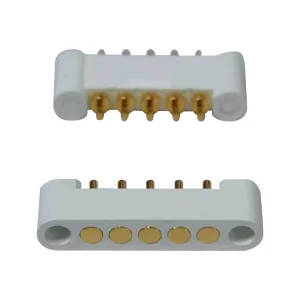
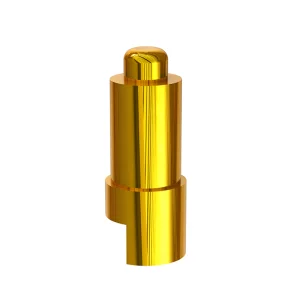
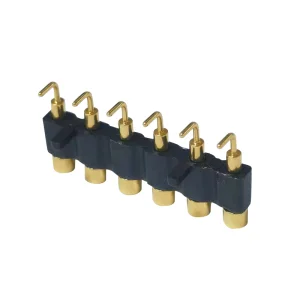
Explore our premium product portfolio designed for high-performance data transfer, fast charging, and robust magnetic coupling.
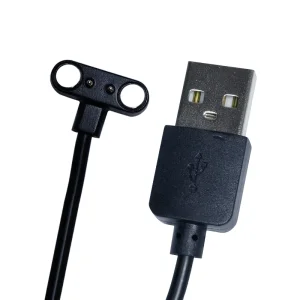
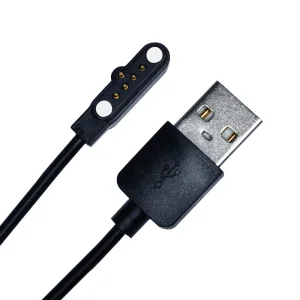
In high-reliability electronics, standard interface structures often fall short due to mechanical limitations, contamination, and user error. Custom ODM magnetic DC connectors solve these challenges by combining spring-loaded (pogo pin) connection configurations with precise magnetic coupling systems. These systems automate alignments, deliver rapid connection breaks when subjected to tension (preventing terminal damage), and lock interfaces with reliable spring contact force.
Originally engineered for laptop power ports, magnetic DC connections have evolved into high-performance pathways for power and data transmission. By integrating a spring-loaded design, these connectors allow millions of compression cycles without structural deformation. Standard plug-and-play USB connectors suffer from friction-based degradation; conversely, magnetic connectors touch on a flat contact plane, effectively dropping the wear rate to near zero. Our development team works directly at the component level to design spring-loaded pins that meet strict electrical limits, mechanical stroke specifications, and magnetic retention requirements.
Established
Daily Output
Waterproof Capacity
ISO9001 Compliant
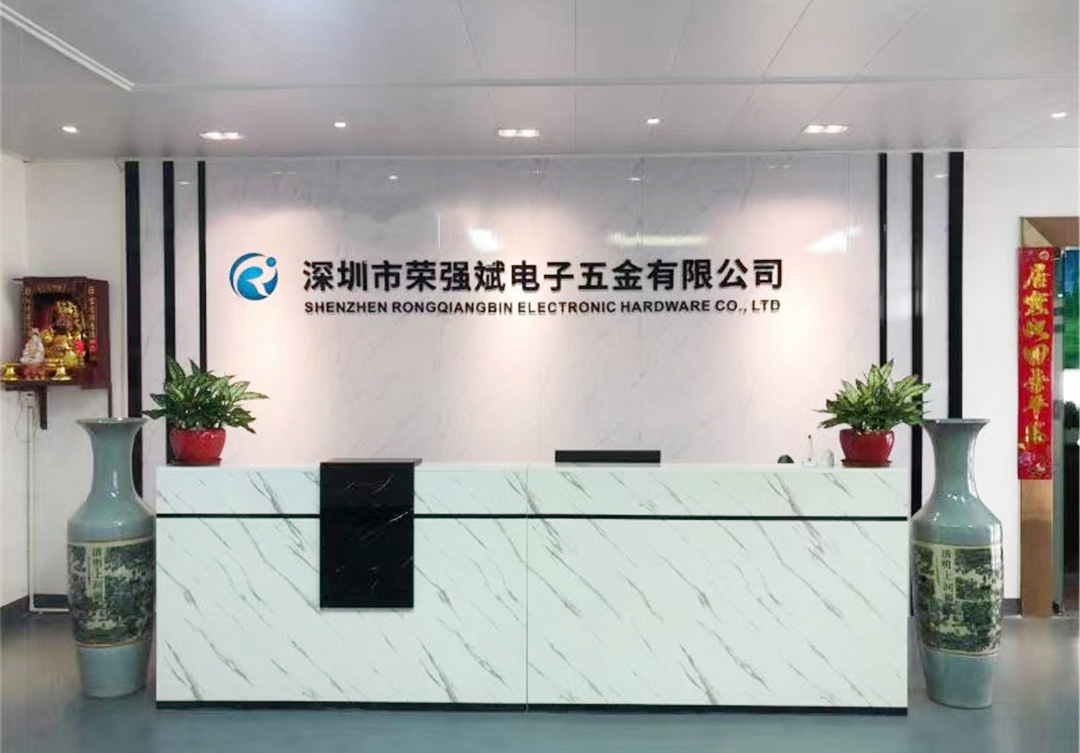
A leading connector developer and manufacturer located in Songgang Street, Shenzhen, within the Guangdong-Hong Kong-Macao Greater Bay Area.
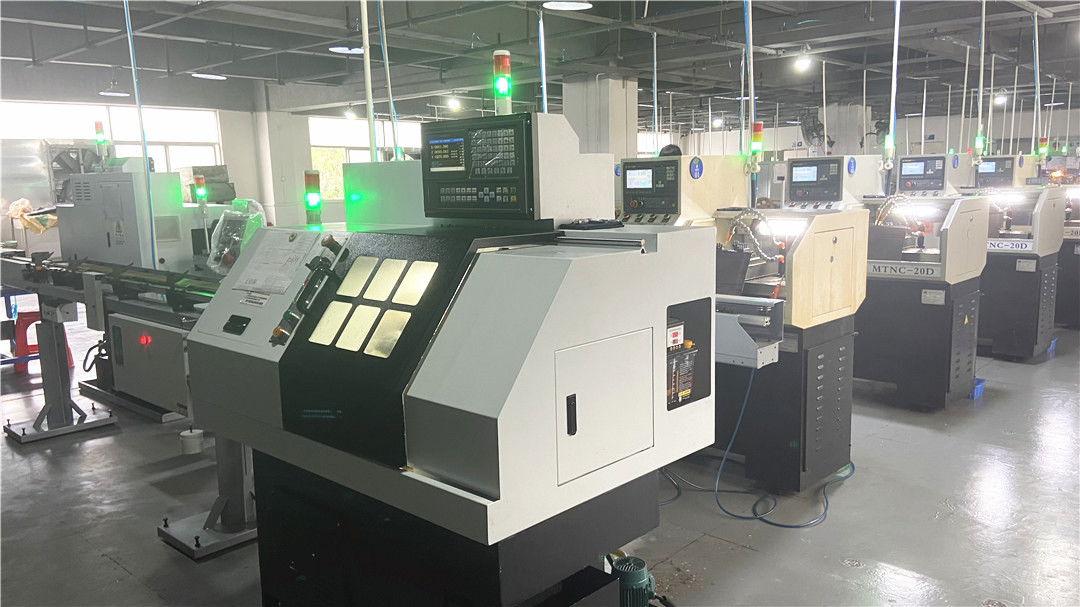
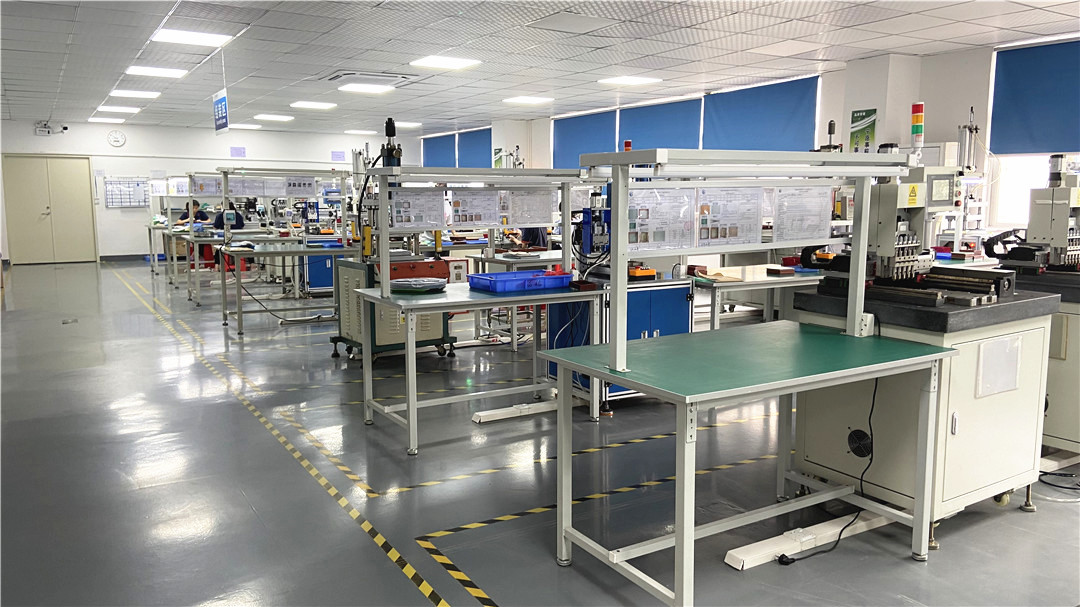
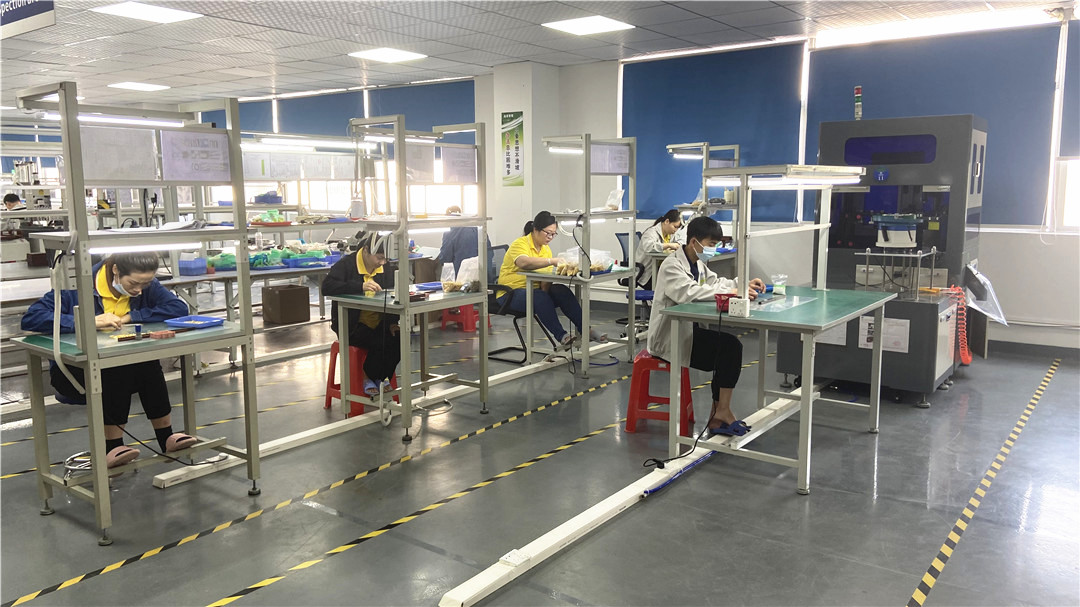
Founded in February 2011, Shenzhen Rongqiangbin Electronic Hardware Co., Ltd. has grown from a specialized local engineering shop into a globally recognized leader in the design and production of customized POGO PIN connectors and magnetic charging solutions. Guided by our foundational value—"committed to be excellent POGO PIN manufacturers for both quality and cost at home and abroad, and leading connector technology development"—we focus on addressing complex high-current and waterproof electrical connection challenges.
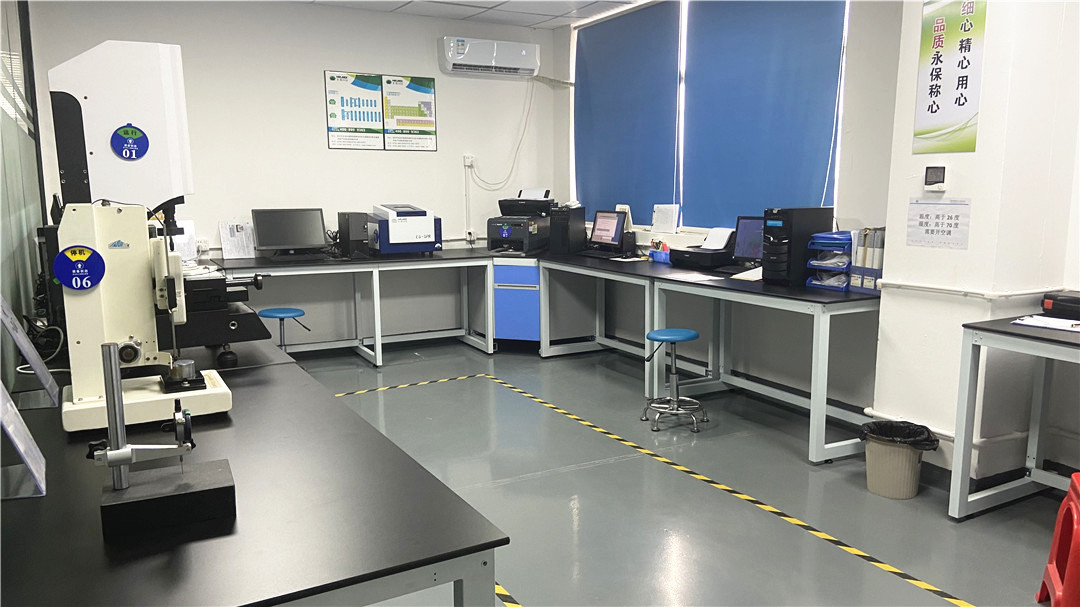
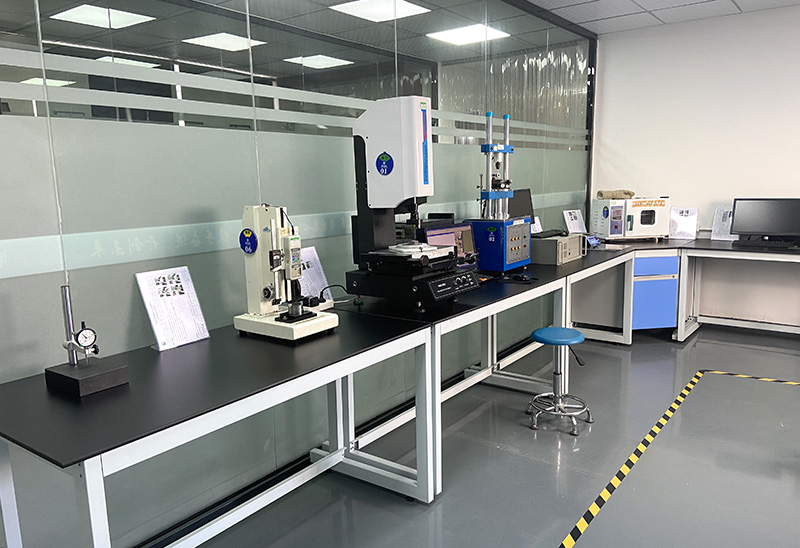
We maintain a rigorous quality ecosystem, operating under ISO9001:2015 version certification. Our state-of-the-art laboratory features performance verification systems, cross-sectional thickness measurement tools, and force-stroke testing apparatuses. This infrastructure enables us to maintain partnerships with leading global enterprises, including Honeywell, Samsung, SIEMENS AG, ZTE, 360, QCY, HAYLOU, Shanghai Laimu, Luxshare Group, Aoni Electronics, and Amphenol Group.

A closer look at how plating alloys, spring dynamics, and magnet configuration affect power and signal transmission.
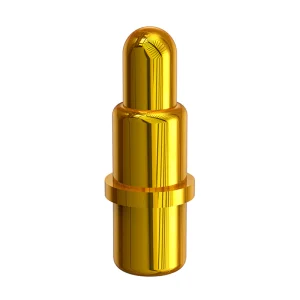
We apply high-grade gold (Au) plating over nickel (Ni) barriers. For corrosive environments like sports wearables exposed to sweat, we engineer customized palladium-nickel (Pd-Ni) or platinum-gold alloy barriers to prevent chemical erosion.
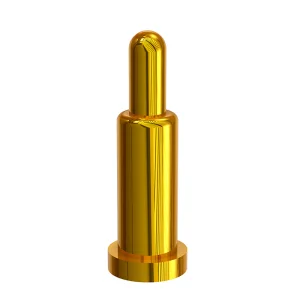
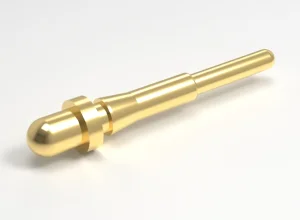
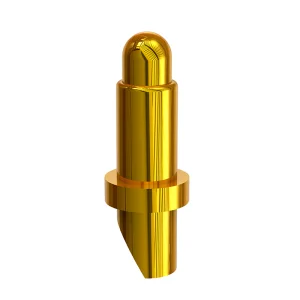
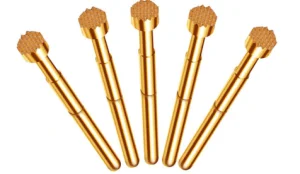
Standard pins support 1A to 2A currents. For fast charging in modern electronics, we design pins with integrated interior balls or beveled spring contact points, reducing internal resistance and reliably handling currents up to 15A.
We use high-flux Neodymium (NdFeB) magnets, typically N52 grade, paired with magnetic pole isolation blocks. This layout delivers strong retention forces while preventing field interference with nearby sensors and components.
Developing magnetic connector solutions requires close coordination between mechanical engineers, mold makers, plastic molders, and metal lathe operators. Establishing this layout in isolated markets can slow down development cycles. Relying on a manufacturer situated in the heart of China’s electronics supply chain offers several distinct advantages:
Magnetic connectors are widely used across diverse industries, offering unique advantages by eliminating traditional mechanical ports that are prone to wear, dust build-up, and moisture ingress.
Medical Tech: Medical monitoring devices require reliable waterproof seals and easy sterilization. By using sealed magnetic contacts with gold plating, engineers create flush, gap-free housings that prevent fluid entry and handle harsh chemical wipe-downs.
Industrial IoT: Handheld warehouse scanners and rugged outdoor tablets require reliable docking systems that survive repeated drop cycles. Magnetic connections prevent the mechanical fatigue typical of standard USB ports, keeping devices operational on the factory floor.
When starting an ODM project, procurement managers and hardware design engineers should focus on several key parameters to ensure high performance and long-term reliability:
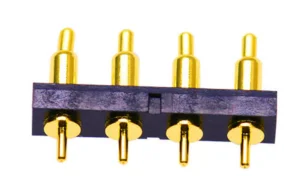
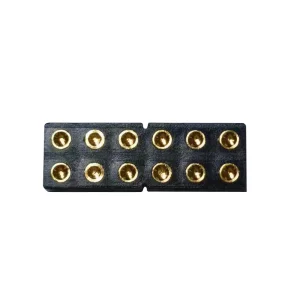
Determine the number of lines required for power and data. Designs range from basic 2-pin setups for basic charging to complex 5-pin, 6-pin, or 12-pin configurations that support USB 2.0/3.0 data speeds.
We customize spring preload and full stroke resistance (typically between 30g and 150g) to ensure reliable contact, offset device tolerance stack-ups, and absorb drops without losing connection.
Align mechanical detents with the magnet's physical properties. An extraction force of 300g to 800g is typical for wearables, while industrial docks can require over 1500g of force.
Answers to common questions from electrical engineers and global procurement managers.
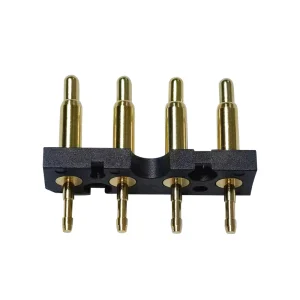
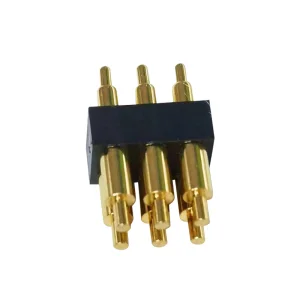
From high-current terminal pins to multi-pin PCB sockets, explore more of our high-quality custom connector designs.
 Rongqiangbin