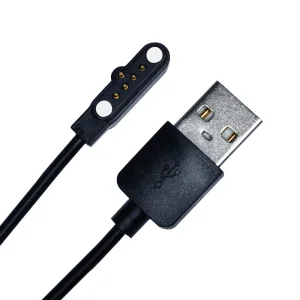
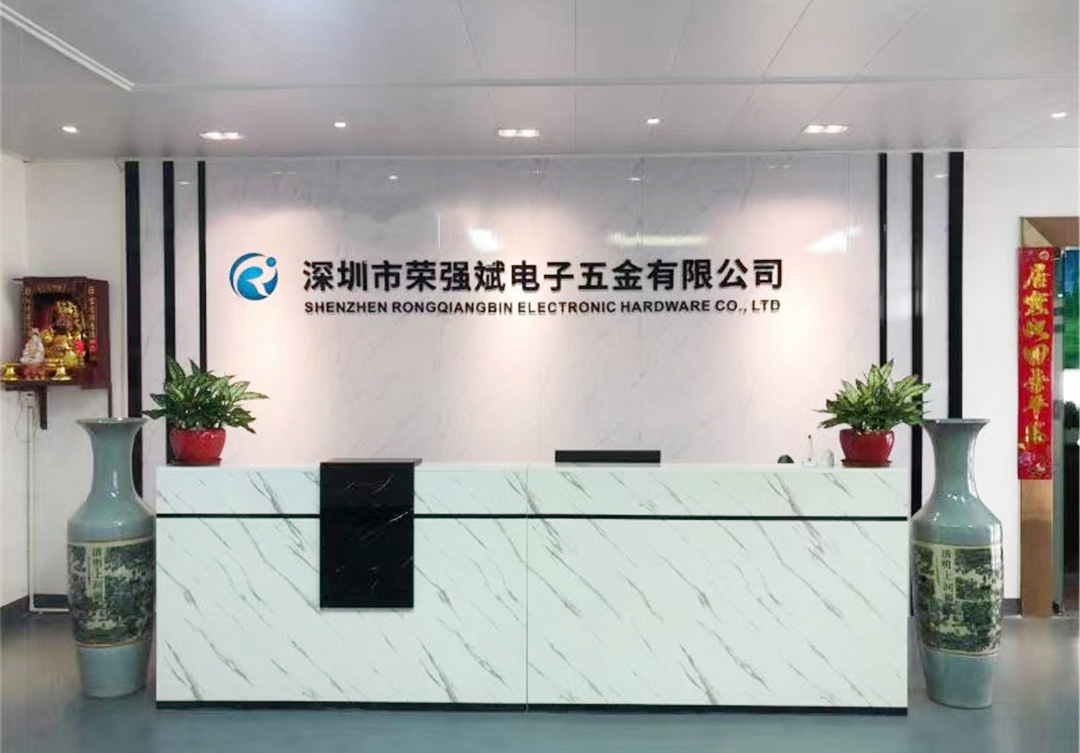
In the rapidly advancing landscape of micro-electronics, the Pogo Pin (spring-loaded connector) has emerged as a cornerstone for reliable, high-cycle, and space-efficient connectivity. Shenzhen Rongqiangbin Electronic Hardware Co., Ltd., established in 2011, stands at the forefront of this evolution in Shenzhen, the heart of the Guangdong-Hong Kong-Macao Greater Bay Area.
Our commitment to excellence in ODM and OEM manufacturing has allowed us to support industry giants like Honeywell, Samsung, Siemens, and ZTE. As a leader in the industry, we specialize in high-precision POGO PIN solutions that bridge the gap between complex engineering requirements and cost-effective mass production.
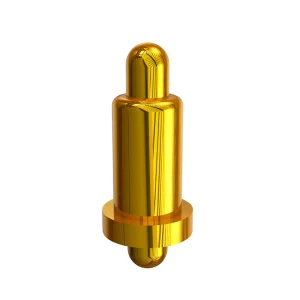
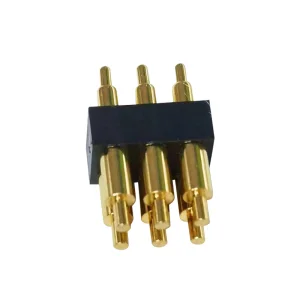
Surface Mount Technology (SMT) pogo pins are designed for automated PCB assembly. These pins feature a flat base or "flange" to ensure stability during soldering. They are ideal for high-density electronic designs where space is at a premium.
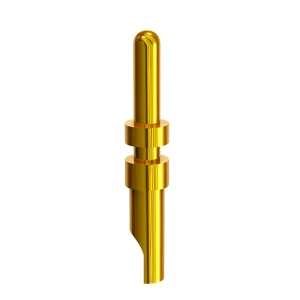
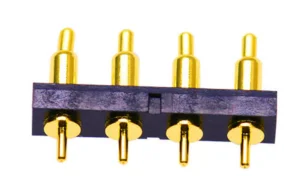
Featuring a "tail" that inserts into PCB holes, through-hole pins provide superior mechanical strength. This type is preferred for applications undergoing high physical stress or frequent docking cycles.
Engineered for side-entry connections, right-angle pins allow for low-profile horizontal docking, common in foldable devices and side-charging peripherals.
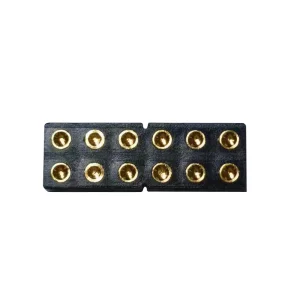
Utilized primarily for Board-to-Board (B2B) connections, these pins feature plungers on both ends, allowing for a flexible "sandwich" connection between two parallel PCBs.
Specialized internal structures (such as ball-in-plunger or biased-tail designs) allow these pins to carry 5A to 30A+ of current without overheating, essential for New Energy Vehicles (EV) and fast-charging systems.
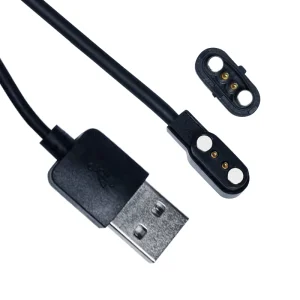
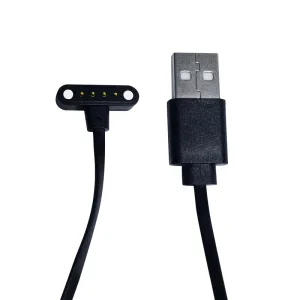
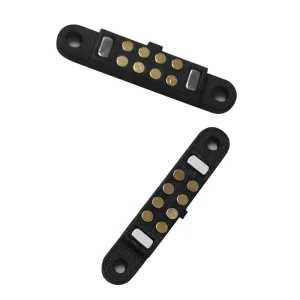
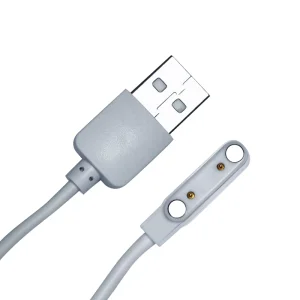
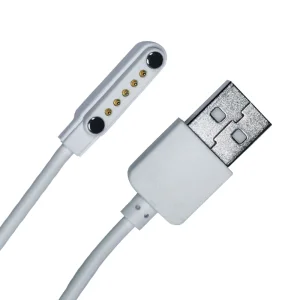
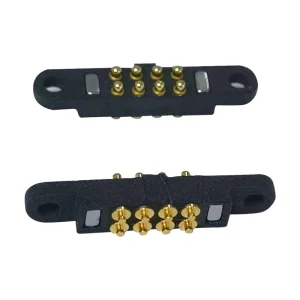
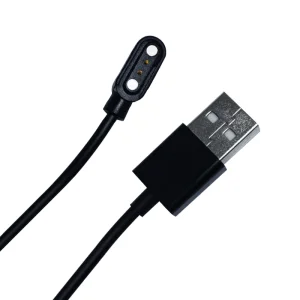
Combining Pogo pins with N52 neodymium magnets, these connectors offer a self-aligning, break-away feature that enhances user experience and protects devices from accidental cable pulls.
Years Experience
Quality Certified
Global Brand Partners
RoHS Compliant
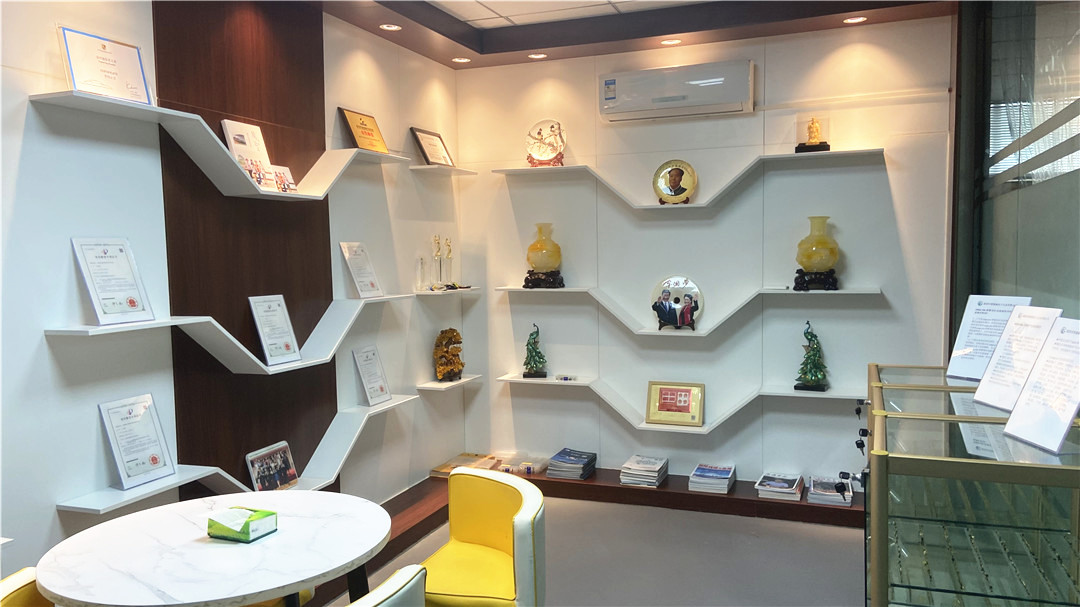
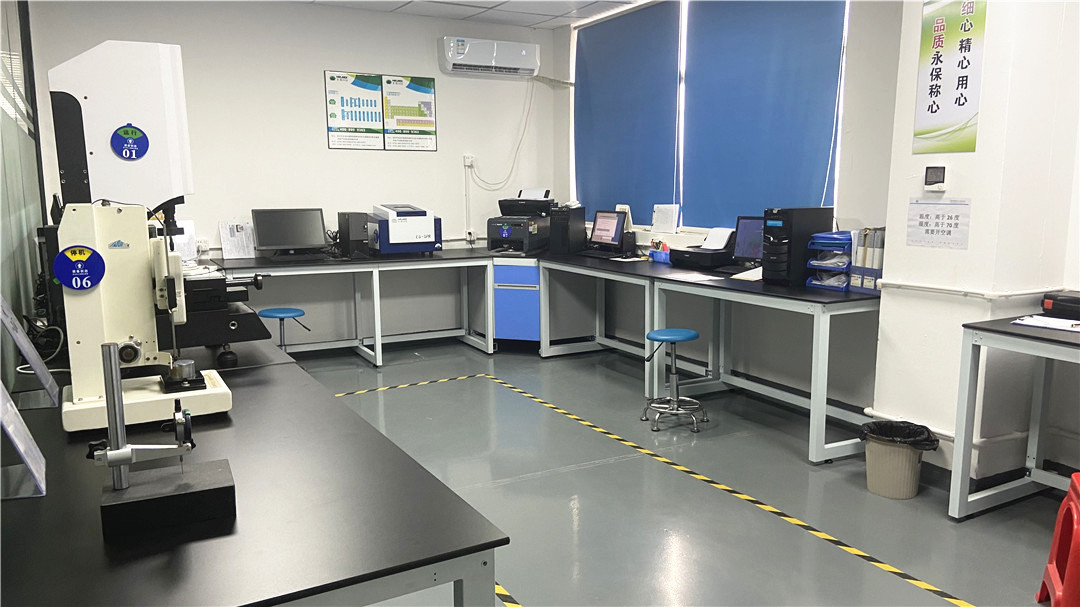
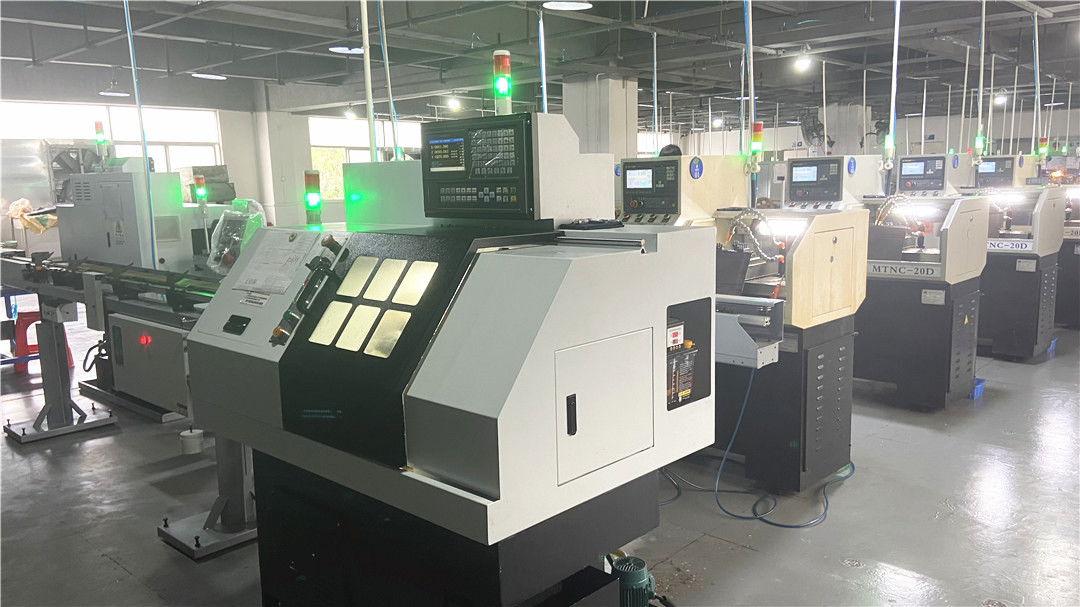
Our facility integrates high-precision lathes, advanced assembly workshops, and a state-of-the-art Inspection LAB. We implement rigorous quality control protocols following the ISO9001:2015 version of the international authoritative quality management system certification.
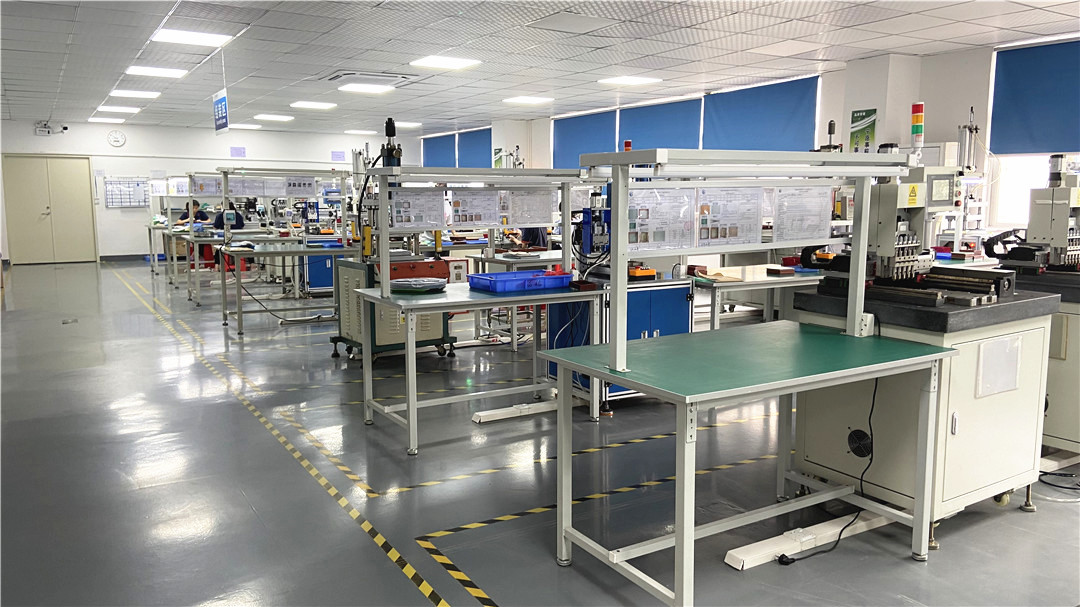
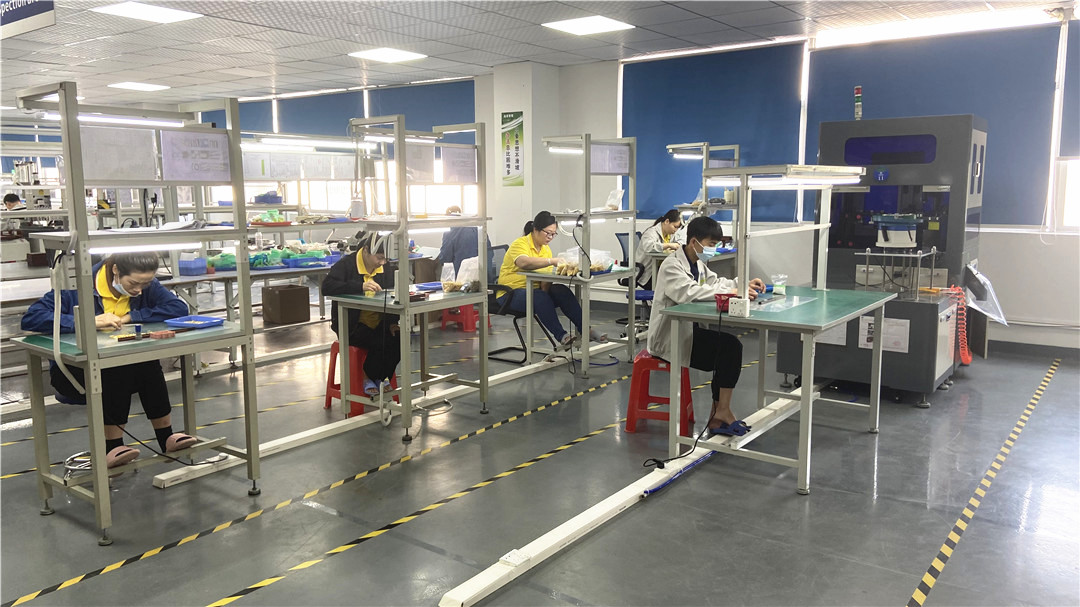
Located in Songgang Street, Shenzhen, we leverage the world's most dense electronic component ecosystem. This allows for rapid prototyping (DFM) and incredibly fast lead times for bulk ODM orders.
We adhere to strict international standards including RoHS, REACH, and HF (Halogen-Free). Our internal quality management team ensures every pin meets the fatigue life, salt spray resistance, and conductivity requirements of global markets.
Recognizing the procurement needs of global enterprises, we provide 24/7 engineering support and DFM (Design for Manufacturing) feedback to bridge cultural and technical gaps, ensuring seamless integration into your local assembly lines.
The versatility of pogo pins makes them indispensable across a wide range of sectors. As an industry-leading manufacturer, we see a growing demand in these key areas:
With the rollout of 5G and the growth of AI-driven IoT devices, the demand for signal integrity and low-impedance pogo pins is skyrocketing. We are currently developing next-generation pins with advanced plating materials (like Palladium-Cobalt) to enhance wear resistance and conductivity for the next decade of electronics.
 Rongqiangbin