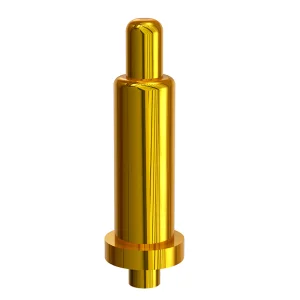
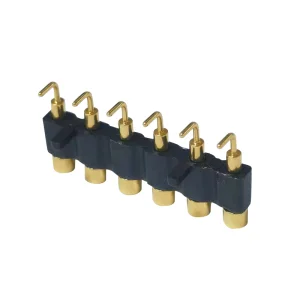
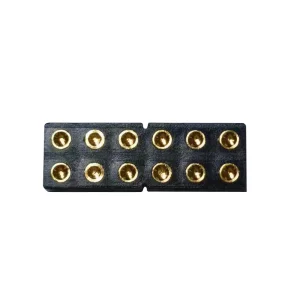
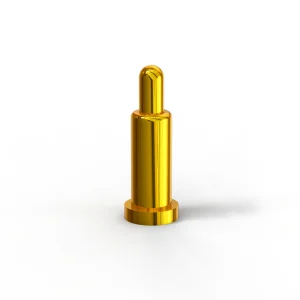
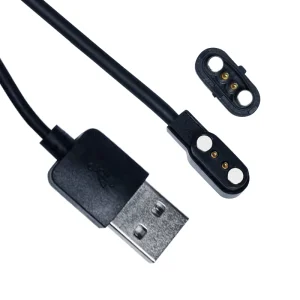
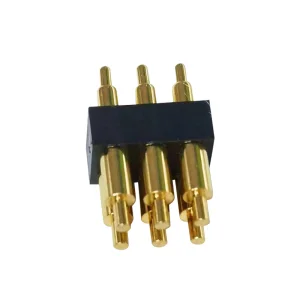
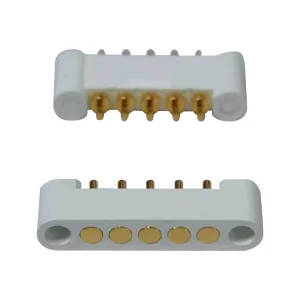
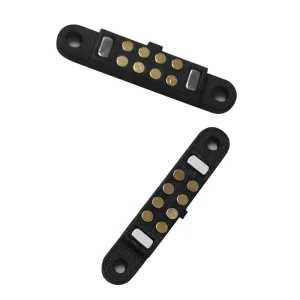
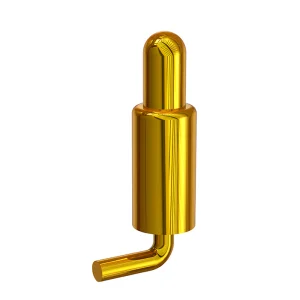
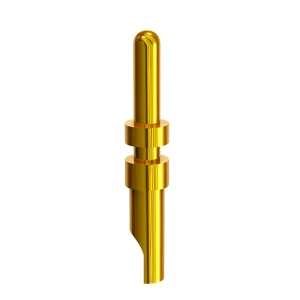
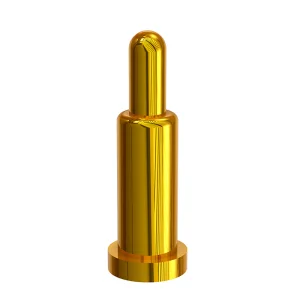
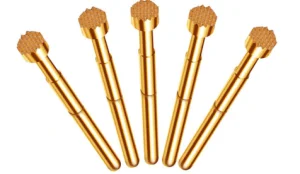
Shenzhen Rongqiangbin Electronic Hardware Co., Ltd. is strategically located in Shenzhen, the leading technology and industrial city of the Guangdong-Hong Kong-Macao Greater Bay Area. Founded in February 2011 in Songgang Street, Shenzhen, our enterprise has dedicated over a decade to the advanced engineering, development, and high-precision manufacturing of Pogo Pin connectors, RF coaxial interfaces, and High-Frequency Probes.
Through continuous technological refinement, research, and vertical production integration, the company has transformed into a leading force within the domestic and international connector sectors. Specializing in standard and custom structural layouts, RQB produces highly reliable components engineered to withstand extreme electrical and environmental conditions.
Our modern factory boasts comprehensive R&D divisions, precision machining units utilizing Swiss-type automatic CNC lathes, clean-room assembly, and state-of-the-art laboratory facilities ensuring complete signal integrity and quality compliance.
Established Year
Annual Pin Output
Certified Quality System
Global Brands Served
Shenzhen, and specifically Songgang Street, represents the global epicenter of precision electro-mechanical hardware component manufacturing.
Operating from the Greater Bay Area provides immediate proximity to high-grade raw material refiners, surface treatment (electroplating) facilities, and micro-precision tool suppliers. This allows us to rapidly prototype and scale high-frequency RF probe assemblies.
Our workshops operate high-end CNC precision lathe systems capable of achieving tight tolerances (+/-0.01mm) on needle shafts and external barrels. This precision is crucial for managing coaxial alignment and impedance properties at high frequencies.
By keeping structural design, engineering simulation, and testing in-house, we eliminate intermediate trading margins. We pass these cost benefits directly to our OEM and ODM clients worldwide, ensuring high performance at optimal budgets.
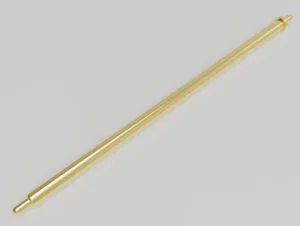
High Frequency Probes (often configured as coaxial pogo structures or RF spring probes) are highly specialized testing interfaces designed to transmit high-speed analog and digital signals with minimal distortion.
Unlike standard charging spring needles, high-frequency probes require strict impedance matching (commonly 50 Ohm or 75 Ohm) to prevent signal reflection. Any impedance mismatch in the connection path leads to return loss and limits the measurement accuracy of the automated testing equipment (ATE).
| Feature Parameter | Standard High-Frequency Probe Specification | Advanced Custom Configuration |
|---|---|---|
| Operating Frequency | DC to 6 GHz | Up to 40 GHz (Coaxial Design) |
| Nominal Impedance | 50 Ω / 75 Ω | Custom Geometric Configurations |
| Return Loss (S11) | < -15 dB at 3 GHz | < -20 dB up to high operational bandwidths |
| Insertion Loss (S21) | < 0.5 dB at 3 GHz | < 0.2 dB custom optimized |
| Contact Resistance | ≤ 50 mΩ | ≤ 15 mΩ (Highly conductive alloys) |
| Mechanical Life Cycle | 100,000 Cycles | Up to 500,000 Cycles (Duralloy Plating) |
To maintain signal integrity, high-frequency probes are designed with a coaxial layout containing a central signal conductor (the central pogo pin) surrounded by a dielectric insulator sleeve and an external grounding shield (ground barrel). This concentric construction shields the signal pathway against external electromagnetic interference (EMI) and guarantees stable RF behavior.
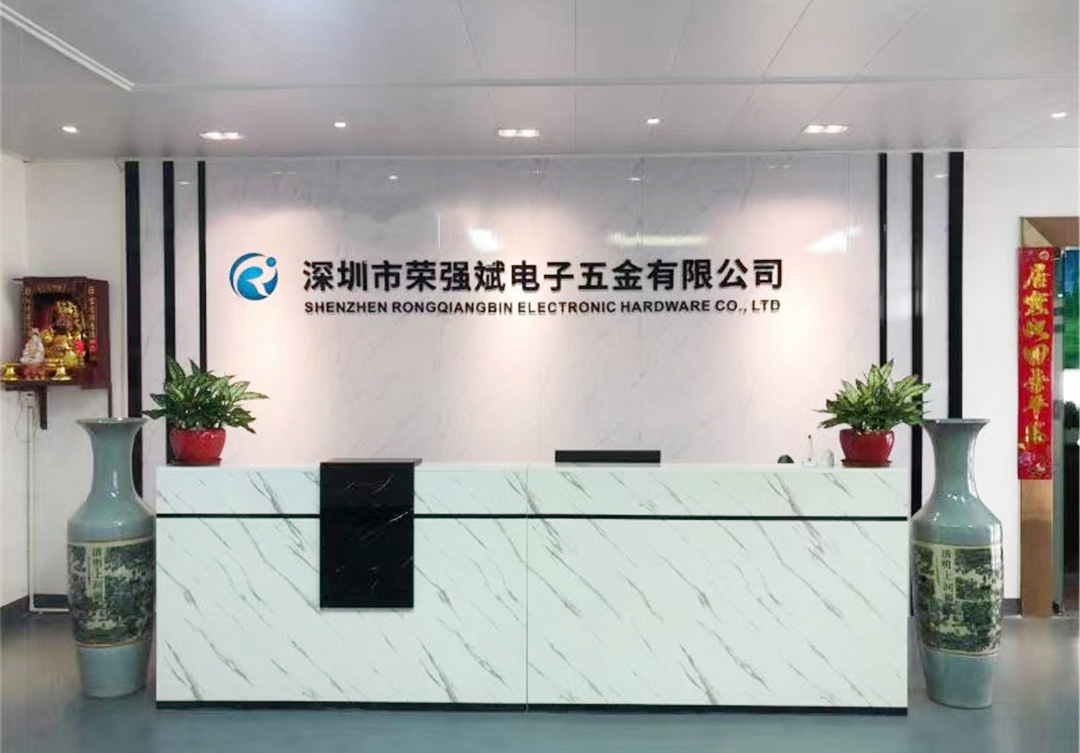
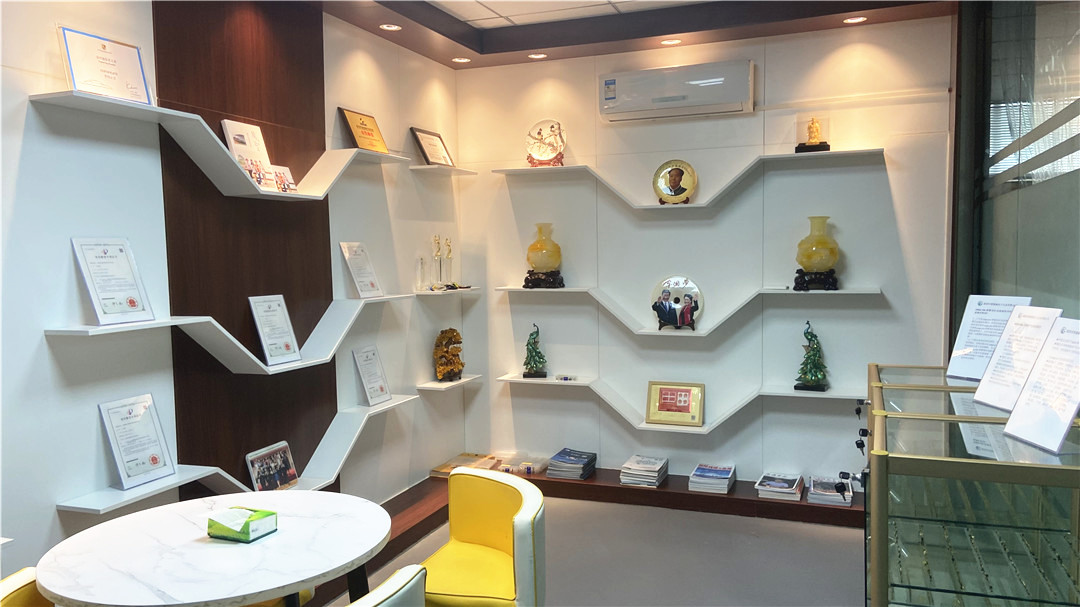
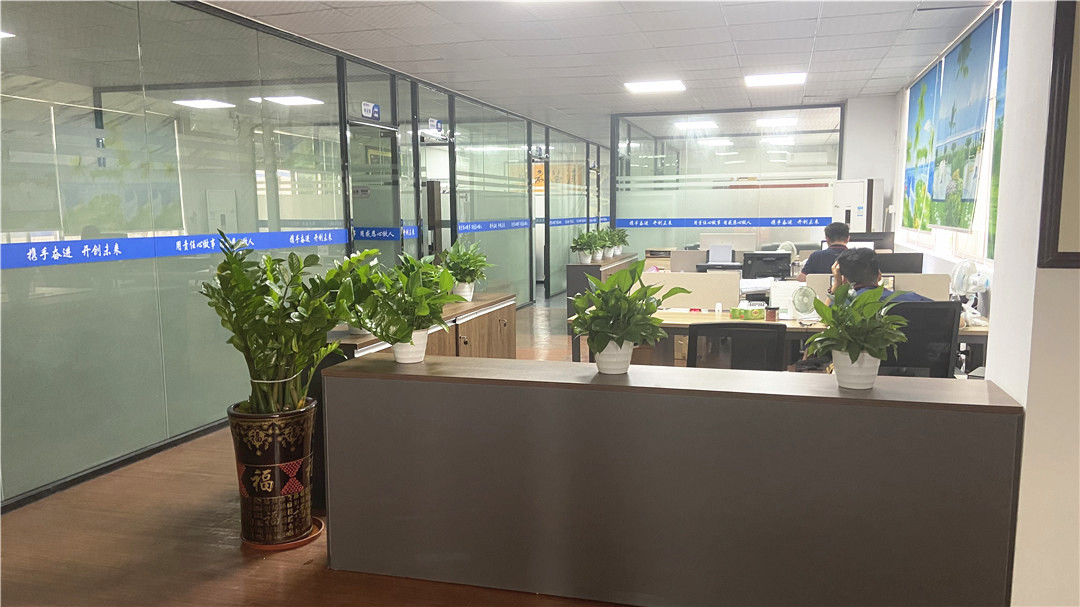
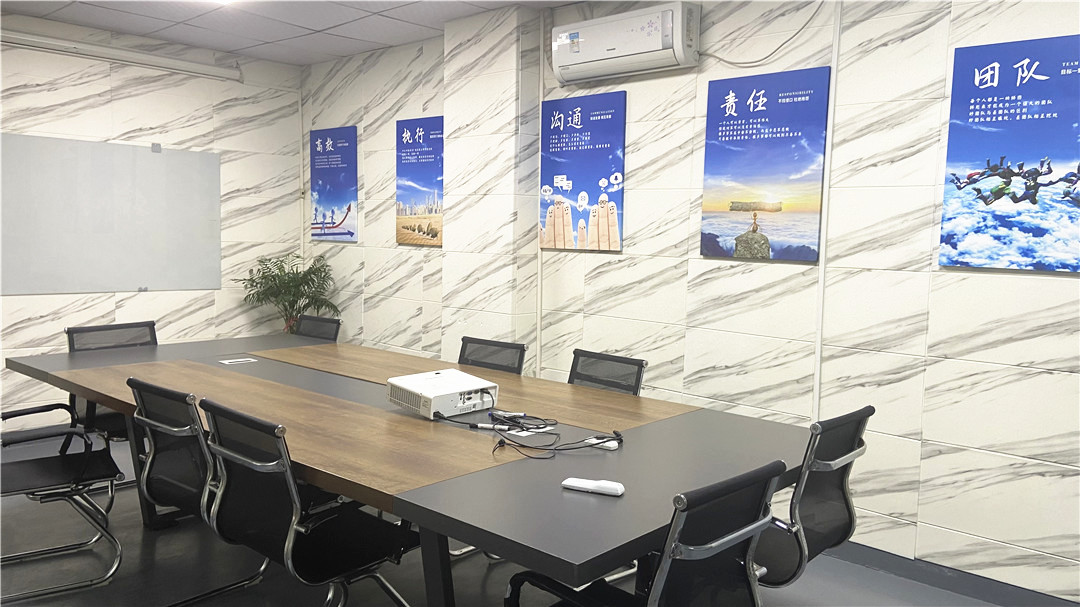
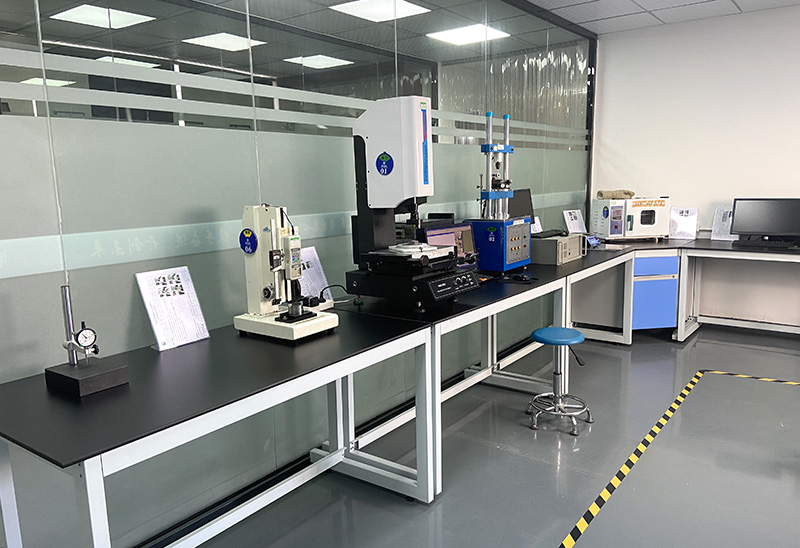
A glimpse into Rongqiangbin's professional operating environments, highlighting our commitment to quality and institutional reliability.
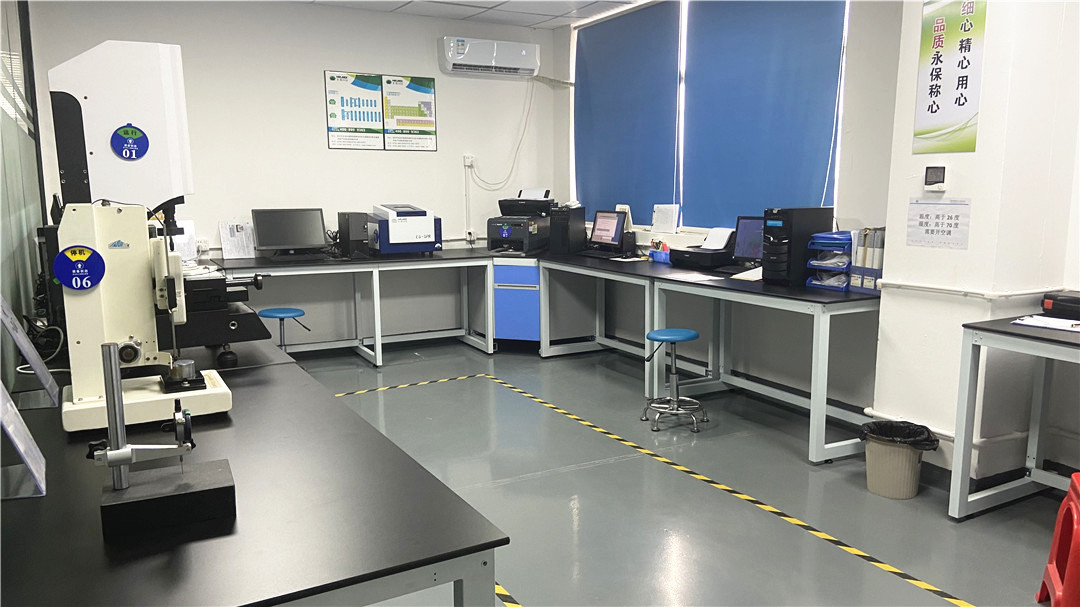
Our dedicated in-house LAB is equipped with Vector Network Analyzers (VNAs), high-speed digital oscilloscopes, micro-ohm meters, and mechanical force-stroke testers. This allows our team to run real-time diagnostic checks on S-parameters (insertion loss, return loss, isolation), propagation delay, and phase stability.
Having an in-house lab ensures that every OEM batch matches the specifications provided in the initial design files, minimizing delays during the product development phase.
"Committed to be an excellent POGO PIN manufacturer for both quality and cost at home and abroad, and leading connector technology development."
We drive value through quality assurance and product design. Driven by the philosophy of "customer first, integrity first," Rongqiangbin maintains a large team of POGO PIN engineers, product developers, and quality technicians. Over the years, we have built stable, long-term partnerships with leading companies across various industries.
We are certified under the ISO9001:2015 international quality management standard. Our environmental management system ensures that all materials used in production meet local and global environmental standards, including RoHS and REACH compliance.

Rongqiangbin products are trusted by some of the world's most recognizable brands for consumer electronics, automotive components, and testing systems.
Our components are integrated into the product lines of industry leaders, including Honeywell, Samsung, SIEMENS AG, ZTE, 360, QCY, HAYLOU, Shanghai Laimu, Luxshare Group, Aoni Electronics, and Amphenol Group, among other leading technology corporations.
Our precision connections and customized high-frequency probes are deployed across multiple industries, including:
Integrated into smart bands, smartwatches, and smart glasses for charging and high-speed data transmission.
Used in smartphone antenna testing, 5G internal connections, and mobile routing equipment.
Applied in semiconductor IC testing, automated circuit board checks, and medical instrumentation.
Deployed in automotive infotainment, ADAS radar sensing modules, and avionics electronics.
Engineered for secure, rugged radio equipment demanding reliable signal transmission under vibration.
Laptops, digital cameras, Bluetooth headsets, learning systems, and portable electronic accessories.
Our manufacturing capabilities allow us to control quality and throughput, ensuring we meet delivery schedules for high-volume orders.
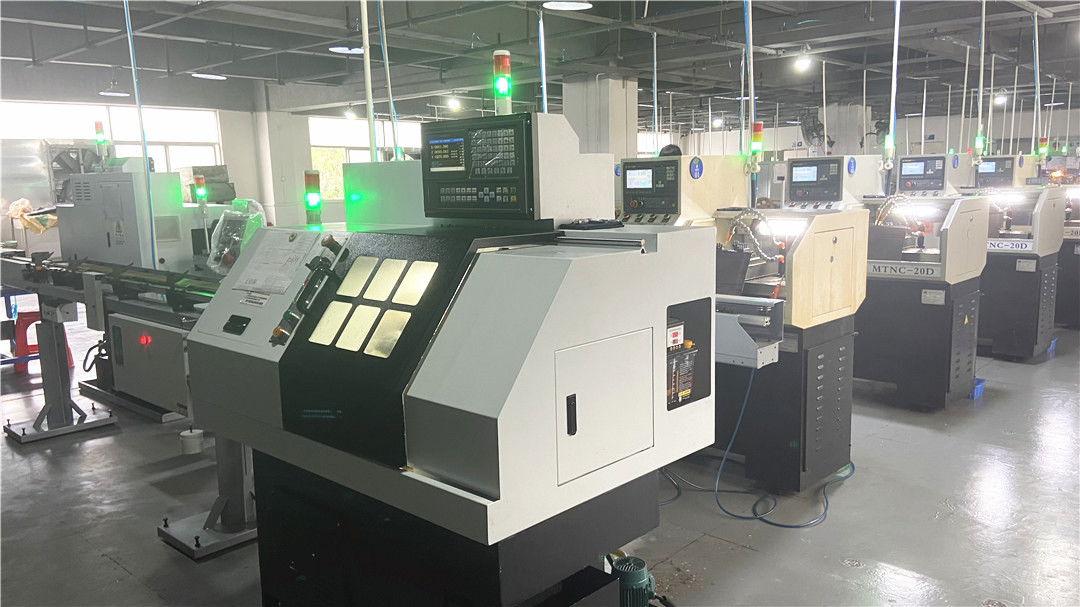
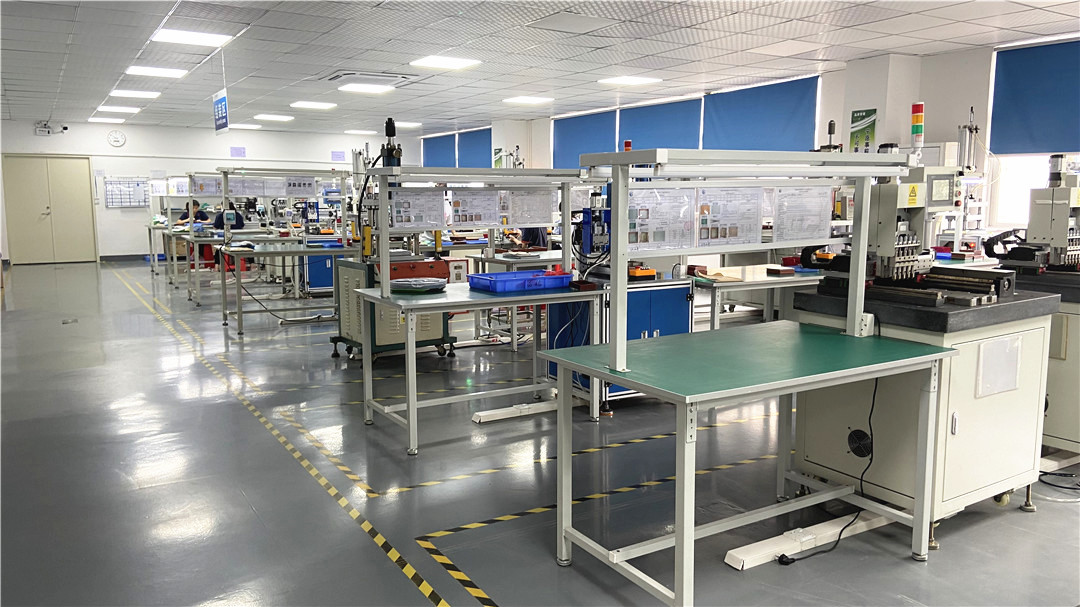
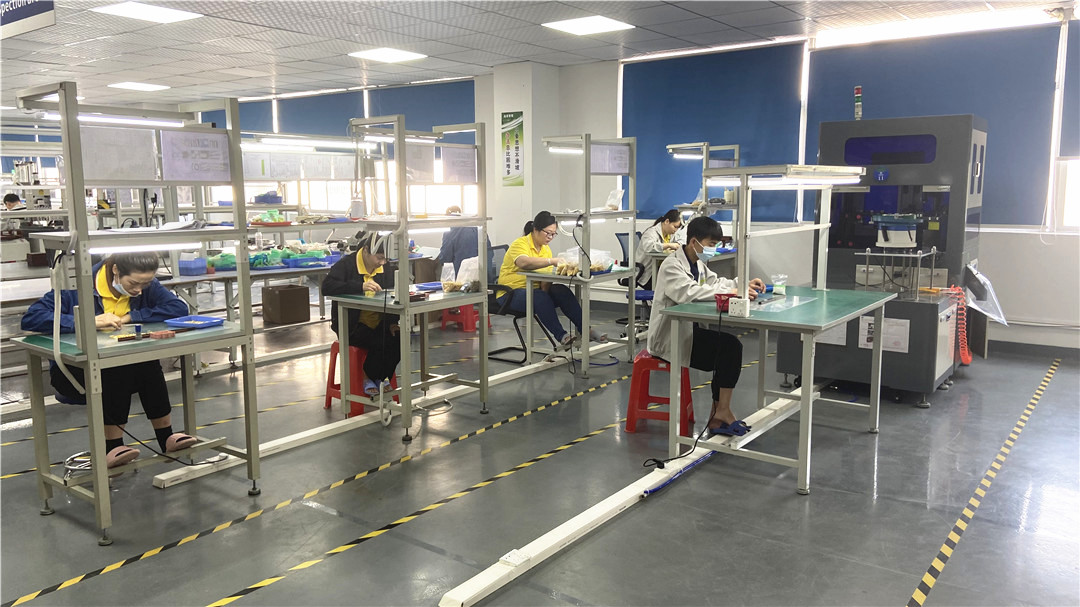
Our manufacturing division is equipped with high-speed automated lathe systems that operate continuously. This setup enables consistent tolerances during the machining of copper, brass, and beryllium copper raw materials.
Once the raw pins are machined, they undergo a custom surface treatment process (gold plating over nickel) to prevent oxidation, reduce contact resistance, and ensure durability over extended cycle lives.
Finally, the parts are assembled in our clean workshop. We use automated assembly machines that check the spring force and height of each component in real-time, filtering out any parts that do not meet specification.
As technology pushes toward 5G-Advanced, 6G, and high-frequency radar, testing setups must evolve to handle higher speeds and tighter spacings.
With board space decreasing, hardware designs require probe pitches to shrink from 2.54mm down to 0.4mm or 0.3mm. Standard spring-loaded designs must transition to high-precision micro-pogo pins that maintain electrical and structural integrity without buckling under compression.
Modern devices often require interfaces that can transmit both power and high-frequency data simultaneously. Our customized high-current pogo pins and RF blocks are engineered to handle multi-amp current loads alongside high-frequency signals, all within a single integrated housing.
For automated testing applications where cycles can run into the hundreds of thousands, standard gold plating can experience wear, leading to performance degradation. We offer specialized alloy plating, such as palladium-cobalt and hard-gold coatings, to prolong probe life and reduce contact resistance over extended testing runs.
Detailed answers to common engineering and sourcing questions regarding RF spring probes, testing interfaces, and manufacturing processes.
Impedance matching (typically at 50 Ohm) ensures that the high-frequency probe behaves as a continuous transmission line. If the probe's impedance deviates from this design point, a portion of the signal reflects back to the source. This mismatch leads to high return loss (S11) and distorts measurements, making it difficult to verify the performance of the device under test.
We use high-grade beryllium copper (BeCu) and brass for our needle shafts to balance electrical conductivity and mechanical strength. For high-wear applications, we offer customized plating configurations, including thick gold layers over nickel, or specialized palladium-alloy plating.
Our quality process starts with inspecting incoming materials and includes in-line inspection during CNC machining. In our testing lab, we measure key performance metrics such as spring force profile, contact resistance under compression, and high-frequency signal characteristics using Vector Network Analyzers.
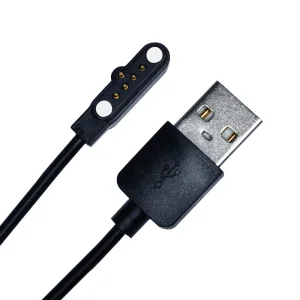
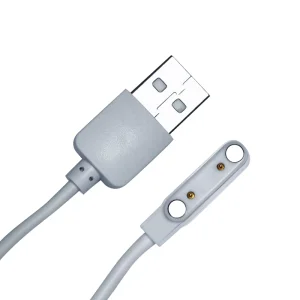
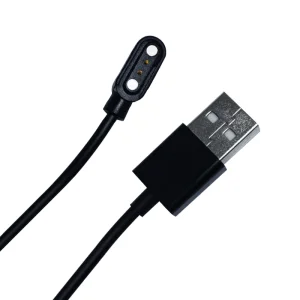
Yes, we provide ODM and OEM design services for magnetic high-frequency charging and data cables. This includes custom magnet configurations and contact layouts to ensure reliable connections and shielding for high-speed signal lines.
 Rongqiangbin