Industrial-grade engineering and custom-designed spring-loaded Pogo Pin contact systems for mission-critical electronic interfaces.
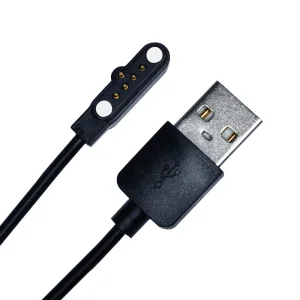
Modern interconnect architectures require decoupling safety, durability, and user experience. The global commercial market for magnetic breakaway connectors has evolved from simple consumer charging cables into high-precision, heavy-duty industrial, military, and medical-grade data/power transmission assemblies.
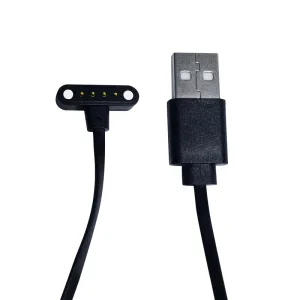
Unlike traditional barrel jacks or USB-C interfaces that rely on friction fits prone to wear, spring-loaded magnetic systems achieve connection without housing abrasion. This guarantees operating lifetimes exceeding 100,000 mating cycles.
The defining feature of a breakaway connector is its predictable decoupling force. When subjected to cross-axial stress or tension, the magnetic attraction breaks away, protecting the host system from drops and socket damage.
Through advanced molding techniques and custom gasket designs, magnetic breakaway interfaces achieve hermetic sealing, supporting waterproof ratings of IP67, IP68, and even IP69K.
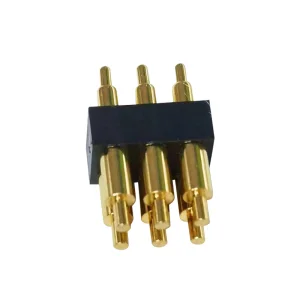
Worldwide industrial development trends indicate a surging demand for multi-pin (2-pin to 30-pin plus) configurations. These enable concurrent high-speed data protocols and rapid power delivery. Global supply chains lean towards manufacturers capable of performing micro-precision turning, plating engineering, and custom magnetic simulation in-house. This minimizes signal attenuation and cross-talk at the mating interfaces.
Established in February 2011, located in Songgang Street, Shenzhen—the core of the Guangdong-Hong Kong-Macao Greater Bay Area—Shenzhen Rongqiangbin Electronic Hardware Co., Ltd. has established itself as an authoritative leader in the development and manufacturing of high-reliability POGO PIN connectors and customized magnetic breakaway interface technologies.
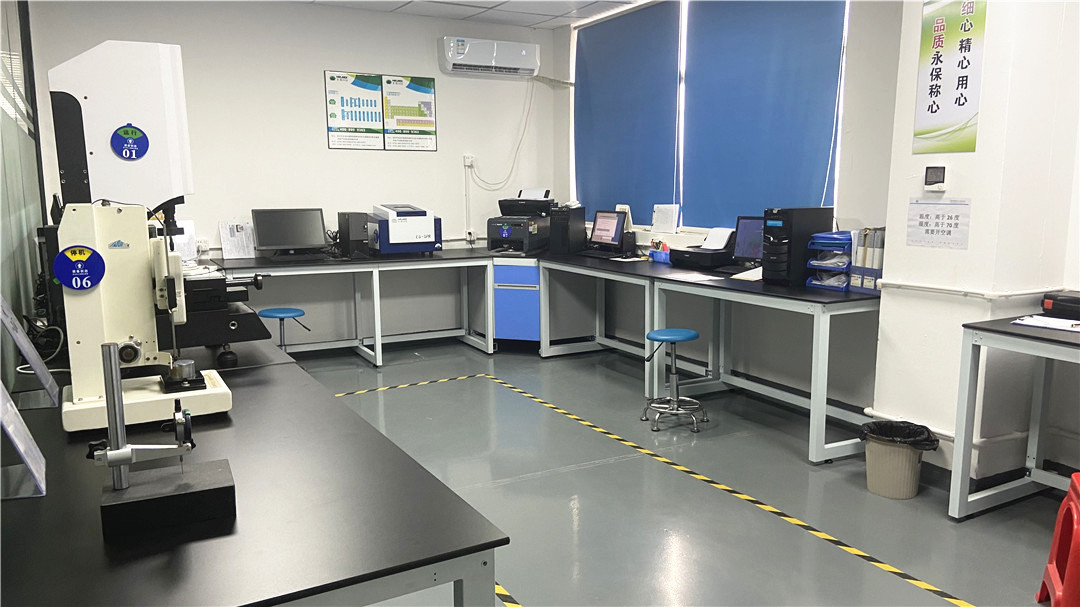
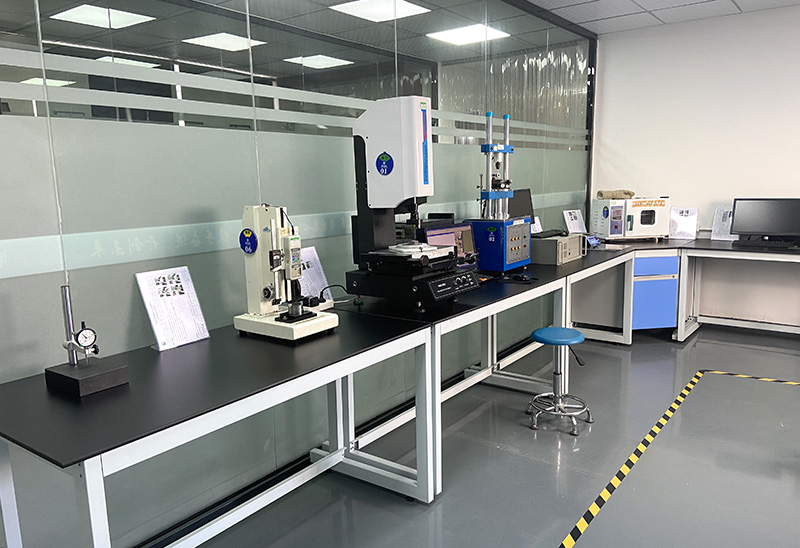
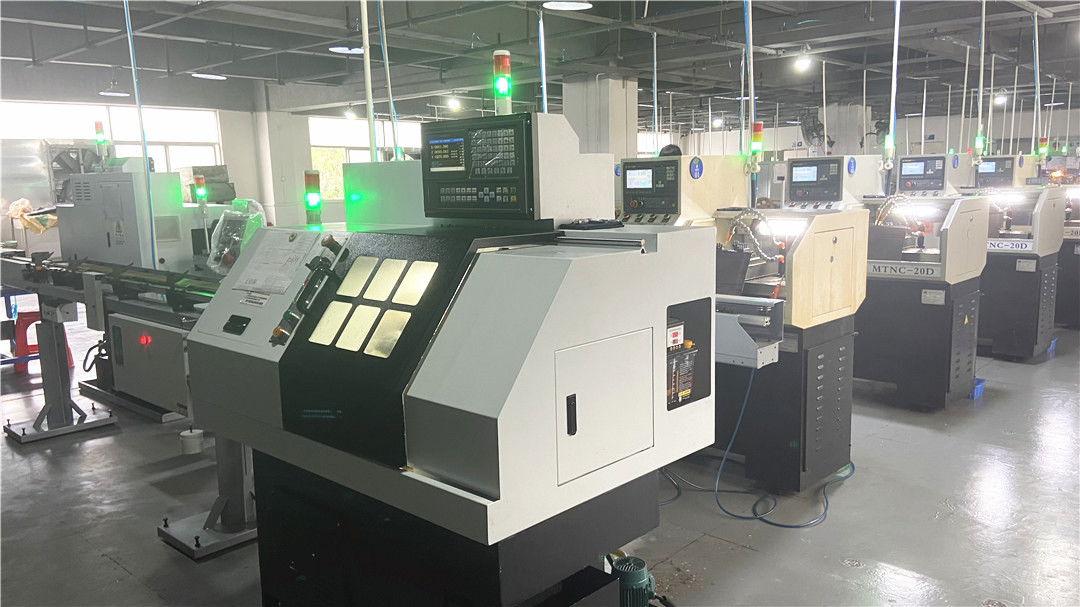
Through decades of research and continuous capital investment in state-of-the-art lathes and inspection equipment, the company delivers vertically integrated production from initial design concepts to finished mechanical assemblies. Holding the globally recognized ISO9001:2015 international quality management certification, we implement stringent testing systems to fulfill the most demanding requirements of environmental protection, electrical stability, and mechanical tolerance controls.


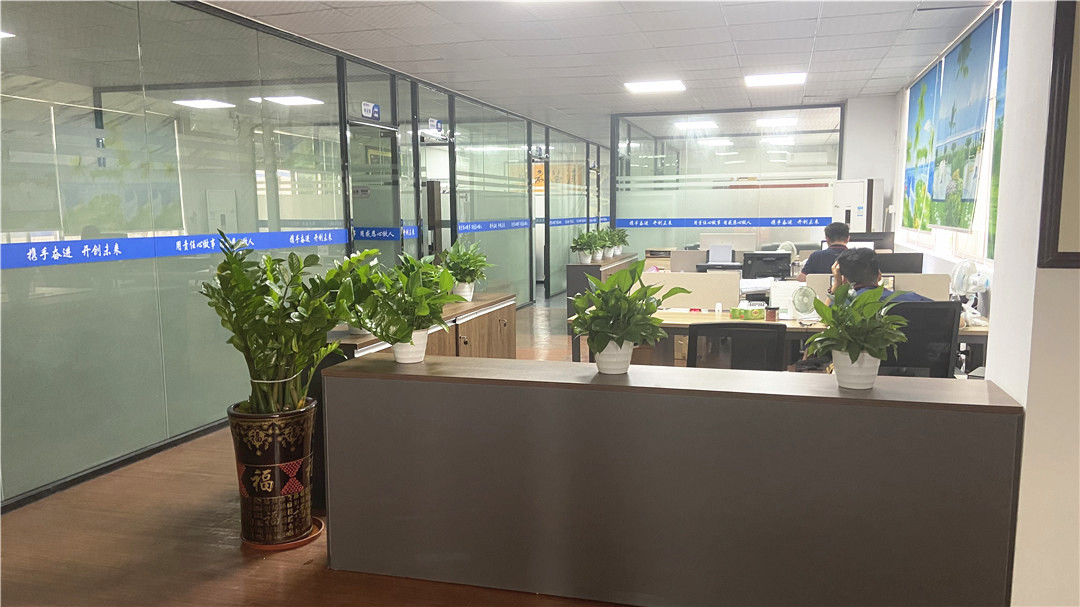
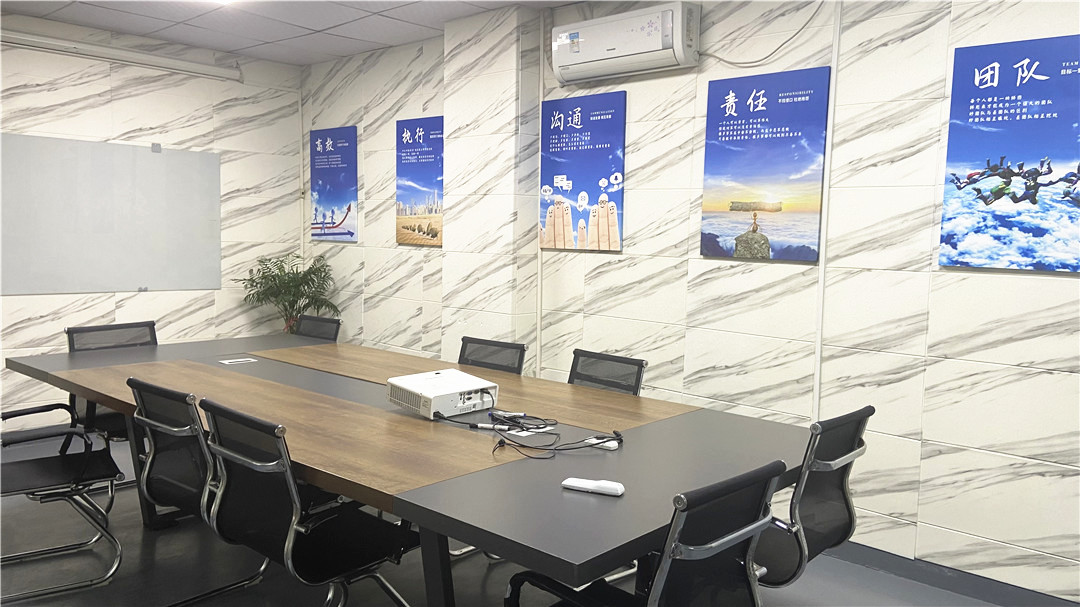

Guided by the philosophy of "customer first, integrity first", Rongqiangbin has formed a robust engineering team dedicated to Pogo Pin design, magnetic interface optimization, and precision tooling. We provide tailored solutions to a prestigious group of global enterprise partners, including:
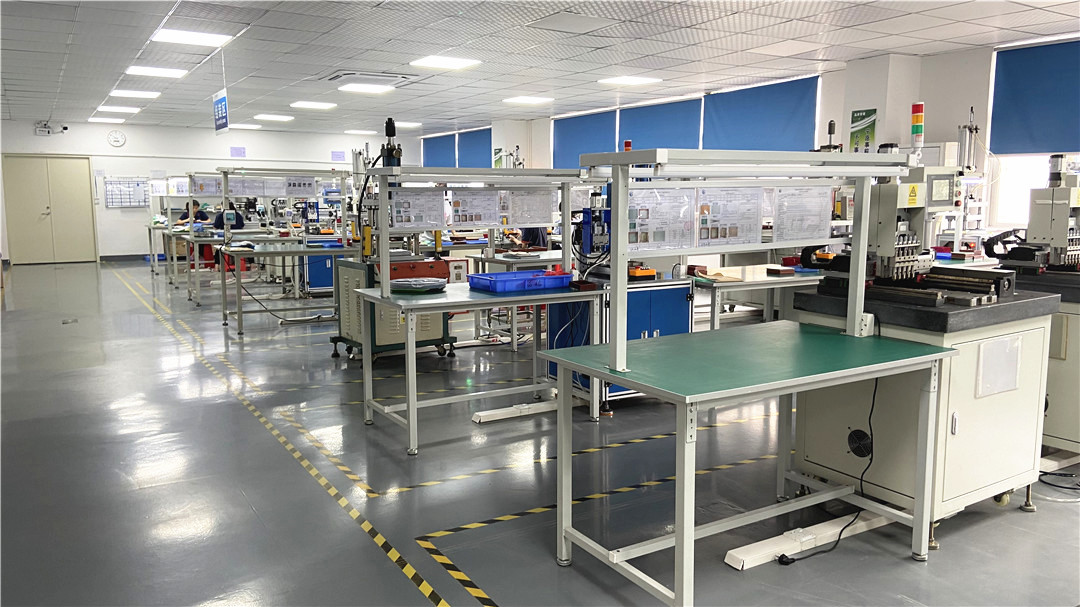
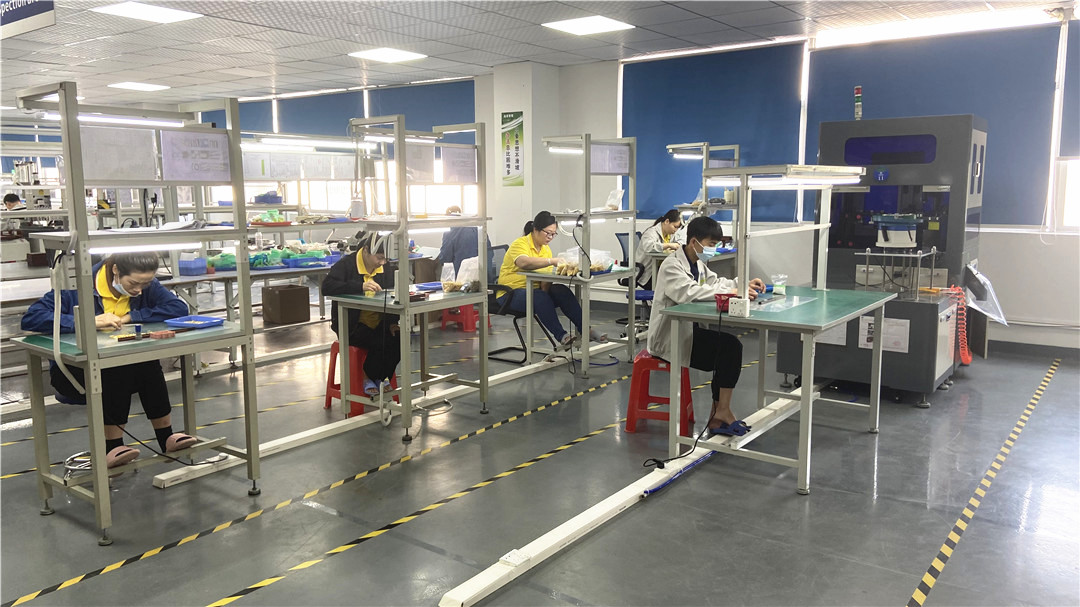
By controlling every step—from internal lathe machining to cleanroom assembly—we ensure consistency, fast lead times, and reliable manufacturing for high-density magnetic contact arrays.
To build a high-performance magnetic breakaway system, engineering teams must address material sciences, electrical configurations, and mechanical structures. Below is our engineering blueprint for designing magnetic breakaway connectors.
We use high-grade N52 Neodymium (NdFeB) permanent magnets. These deliver maximum magnetic flux density within miniature profiles. Coatings feature multi-layer plating, typically Nickel-Copper-Nickel (Ni-Cu-Ni) or customized gold layers. This enhances chemical resistance in corrosive, humid, or maritime environments.
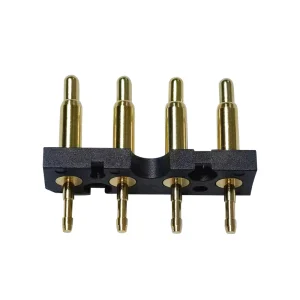
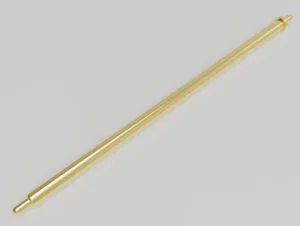
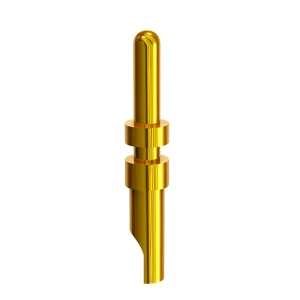
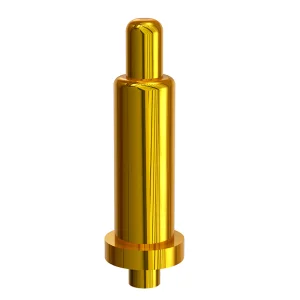
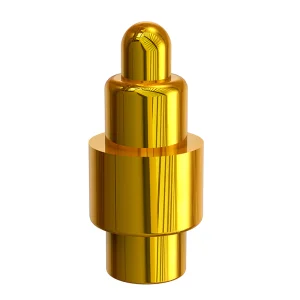
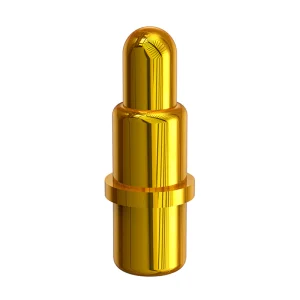
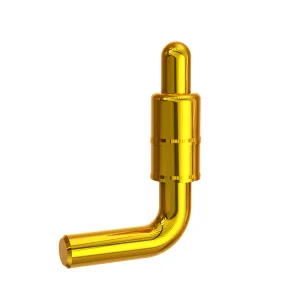
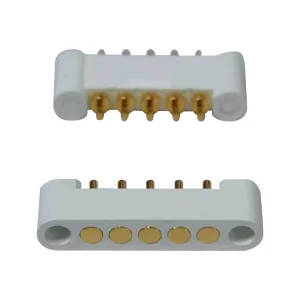
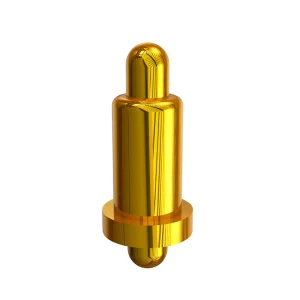
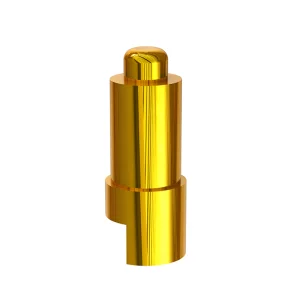
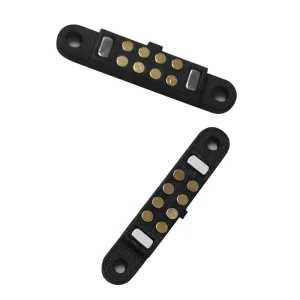
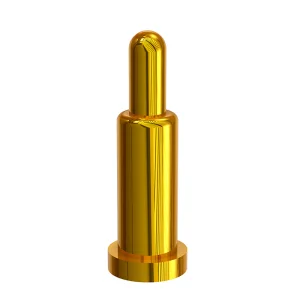
We optimize electrical interfaces using custom spring-loaded pogo pins. Plunger designs use high-purity brass alloys. They are plated with deep gold (Au) over nickel (Ni) diffusion barriers. This configuration keeps contact resistance under 20 milliohms, preventing signal dropouts under shock or vibration.
To prevent mating polarity faults, we design our connectors with asymmetrical housings or magnetically indexed configurations. These polarities guide self-mating and block wrong connections. This protects system logic boards from short circuits and reverse current spikes.
Quality Commitment
"Excellent quality, intimate service" and "customer-centric, create more value."
For high-current charging systems, standard spring pins can experience excessive heating at the contact point. Our custom solutions feature integrated solid pins and dedicated grounds. These are coupled with bias-plunger mechanisms that maintain a constant force. As a result, they can continuously carry up to 15 Amperes per pin without compromising the spring assembly or surrounding thermoplastic housings.
Different industries require unique engineering approaches. As a dedicated OEM/ODM manufacturer, Rongqiangbin tailors magnetic breakaway systems to meet the technical standards of diverse industries.
Medical equipment, such as patient monitors, wearable diagnostic sensors, and handheld tools, requires foolproof, self-aligning connections. Our magnetic interfaces allow medical personnel to connect systems in zero-light or high-stress environments. If a patient moves unexpectedly, the connector detaches instantly without pulling down expensive diagnostic consoles.
Smartwatches, fitness bands, and AR/VR headsets operate in environments exposed to skin oils, perspiration, and dust. We address these conditions by combining high-grade gold plating (up to 30 micro-inches) with sealed overmolding. This setup prevents sweat-induced electrolysis and contact corrosion.
Military communications, tactical field equipment, and aerospace telematics need connections that resist high vibration. We engineer specialized spring pins with high spring tension (150g+). We pair them with strong N52 NdFeB magnets to prevent micro-interruptions during operation.
In automated factories, robotics, and remote telemetry stations, cables are subjected to repetitive movements. Standard connectors can experience fatigue failure. Our magnetic breakaway systems decouple safely when target stress thresholds are exceeded, preventing cabling failure and reducing maintenance overhead.
To ensure a reliable development cycle for magnetic connectors, we follow a rigorous five-step engineering process:
We define core parameters: pin count, pitch, operational voltage, current thresholds, signal bandwidth, and desired breakaway force (measured in Newtons).
Using Finite Element Analysis (FEA), we model magnetic fields. This ensures reliable mating pull and alignment force while minimizing stray fields that could affect internal circuitry.
We machine components using high-speed CNC lathes. Applying advanced plating (Ni/Au/Pd-Ni), we build prototypes for environmental and lifecycle verification.
All custom batches are subjected to automated verification systems in our laboratories:
Key technical answers for hardware designers, sourcing managers, and systems architects evaluating magnetic breakaway interfaces.
Polarization is achieved using physical housing indexing, opposing magnetic orientations (North/South arrangements), or offset contact arrays. This prevents wrong mating attempts, protecting logic circuits from damage.
Depending on housing designs and potting technologies, we can achieve IP67, IP68, or IP69K ratings. Standard configurations use overmolding and epoxy sealants to protect internal pins and PCB components.
The static magnetic field does not typically cause signal attenuation. However, layout geometry and impedance matching are critical for high-speed protocols. We simulate layouts during design to ensure stable transmission.
Custom prototype design and 3D modeling typically take 7 to 10 days. Once models are approved, we fabricate custom tooling and production samples within 3 to 4 weeks. Mass production starts immediately after confirmation.
 Rongqiangbin