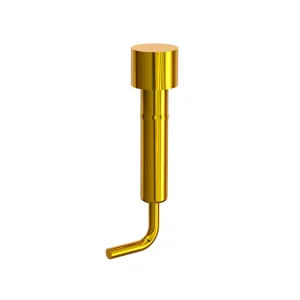
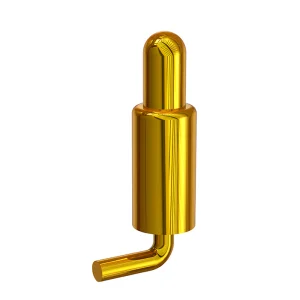
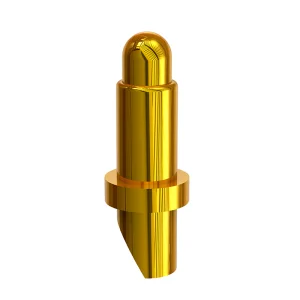
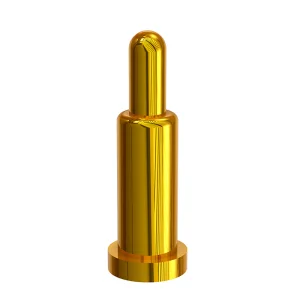
Founded in February 2011, Rongqiangbin has solidified its footprint in Songgang Street, Shenzhen—positioning itself at the epicenter of the Guangdong-Hong Kong-Macao Greater Bay Area. We specialize in the research, development, custom engineering, and mass-scale production of high-performance POGO PIN (spring-loaded probe) connectors.
Over a decade of meticulous manufacturing optimization has empowered us to serve technology leaders globally. Driven by the philosophy of "customer first, integrity first," we hold certified operations under the international ISO9001:2015 Quality Management System, deploying a rigorous quality management architecture that ensures all finished lots strictly satisfy ecological and mechanical compliance directives.
Targeted mechanical configurations engineered for advanced testing, validation, and micro-charging interfaces.
Mapping high-speed engineering needs of the Silicon Valley Corridor and San Francisco Bay Area.
San Francisco's proximity to tech clusters makes it a critical hub for silicon R&D. Semiconductor design houses utilize double-head pogo pins in IC sockets and probe cards to perform repeatable, high-frequency signal validation.
Startups and enterprises in Mission Bay and South of Market (SoMa) develop complex medical diagnostics and consumer wearables. Double-head pins resolve space-saving, board-to-board configurations under extreme vibration profiles.
Bay Area test labs demand interconnect components with high resilience. Our double-ended spring-loaded contacts enable secure, solderless modular docking, minimizing machine downtime during high-volume production testing.
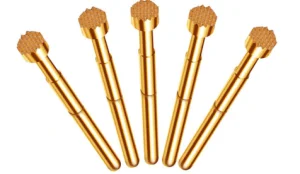
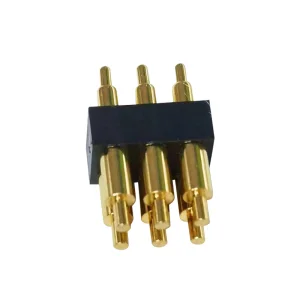
Unlike single-headed pogo pins that rely on a soldered termination tail, a double-head pogo pin features spring-loaded plungers on both extremities. This creates a floating, solderless mechanical bridge between parallel circuits.
The mechanical architecture is composed of:
By eliminating permanent solder joints on both interfaces, double-head designs dramatically simplify component swaps and preserve system durability in automated test systems.
Driving miniaturization and high data-rate integrity for next-generation hardware designs.
As microchips shrink, interconnect grids must match high-density requirements. We are pushing the limits of microscopic CNC machining to build double-head pins operating reliably at sub-0.4mm pitches.
To support fast battery charging and power delivery, our designs utilize specialized contact structures to sustain up to 15 Amps without thermal fatigue.
For high-frequency applications like PCIe Gen 6 and 5G test setups, our engineering laboratory configures custom shielding blocks around the pogo structures to maintain 50-ohm impedance matching.
Connecting the engineering demands of San Francisco's design centers with the high-volume production capabilities of Shenzhen creates a powerful competitive edge. At Rongqiangbin, we optimize this cross-border integration to eliminate supply chain friction:
Partnering with us allows hardware teams to iterate designs quickly, scaling from prototype validation to high-volume manufacturing without typical supply chain delays.
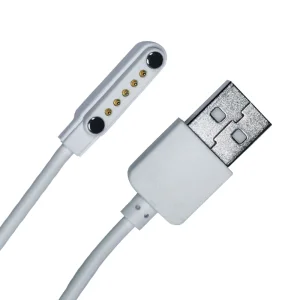
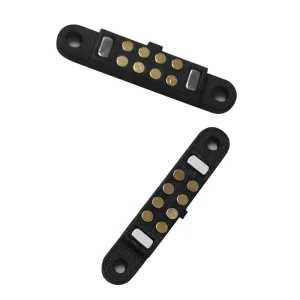
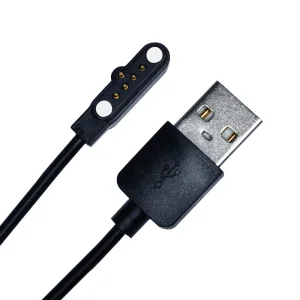
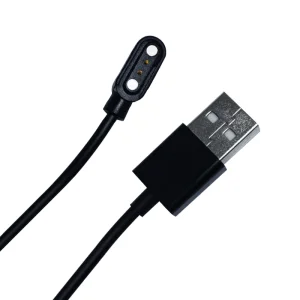
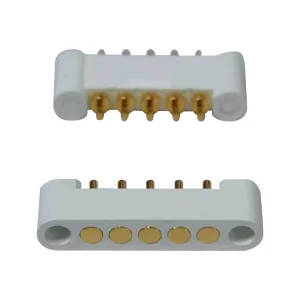
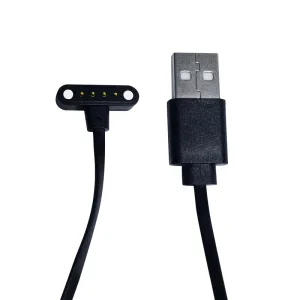
A versatile portfolio of magnetic, multi-pin, and ruggedized configurations for power, charging, and data transfer.
Ensuring compliance with international electronics packaging and safety mandates.
Our entire workflow—from incoming raw material inspection to final dynamic contact resistance testing—is managed under certified Quality Management protocols, ensuring batch-to-batch consistency.
Every pogo pin we manufacture meets European Union and California RoHS/REACH environmental requirements. Lead-free alloys and non-toxic plating options come standard.
Our quality assurance labs utilize force-stroke displacement testers, X-ray plating thickness analyzers, and environmental salt-spray chambers to verify mechanical resilience before components leave the factory.
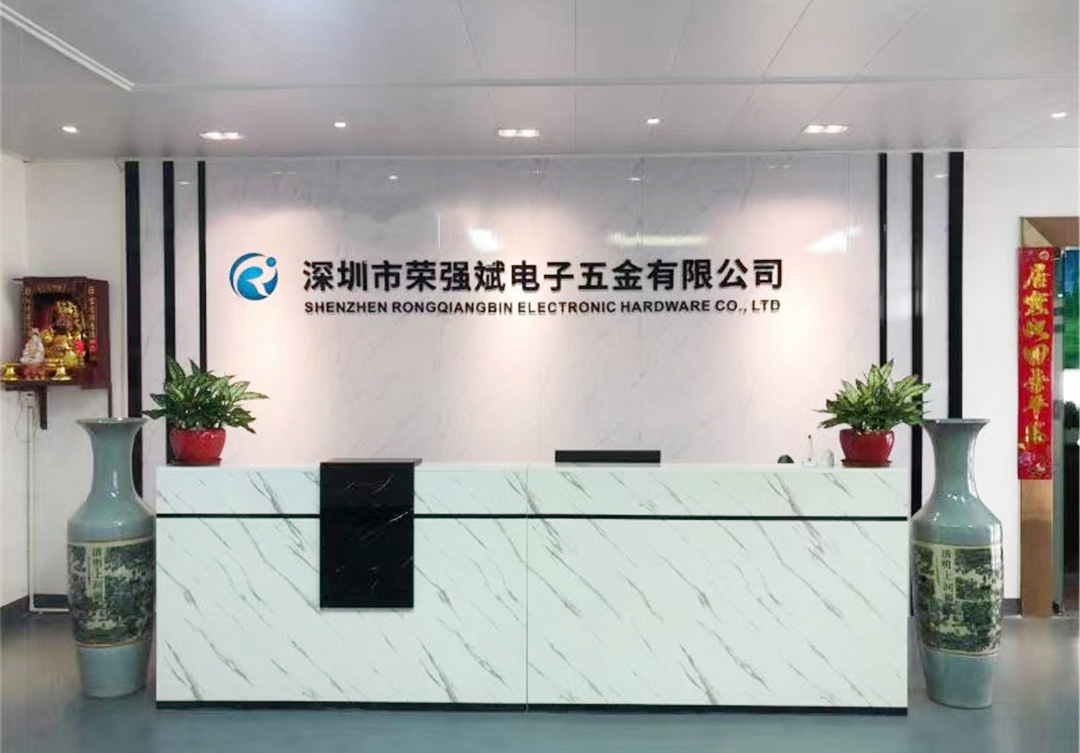
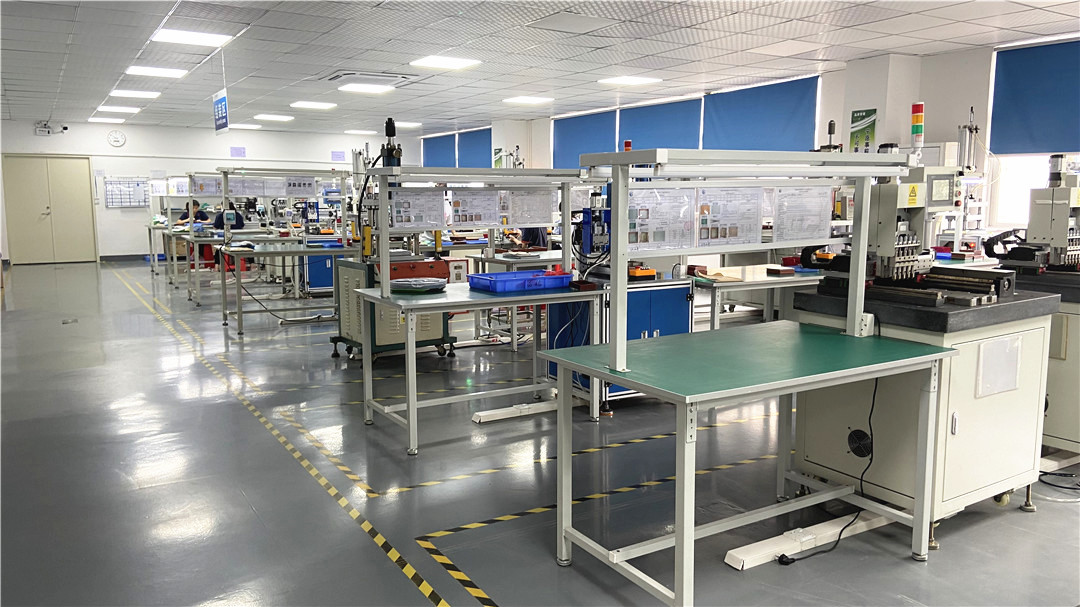
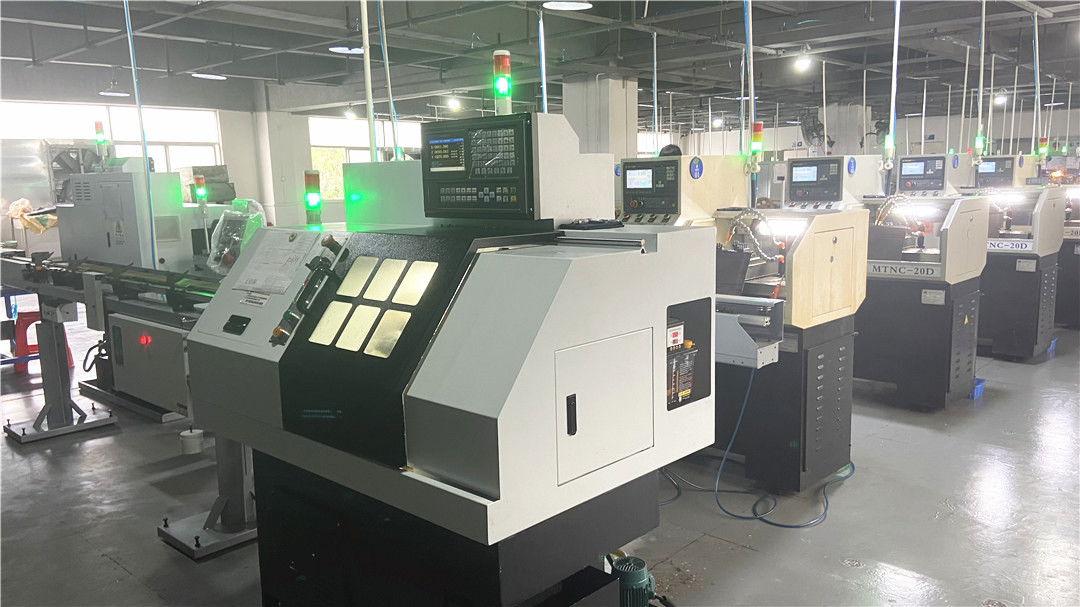
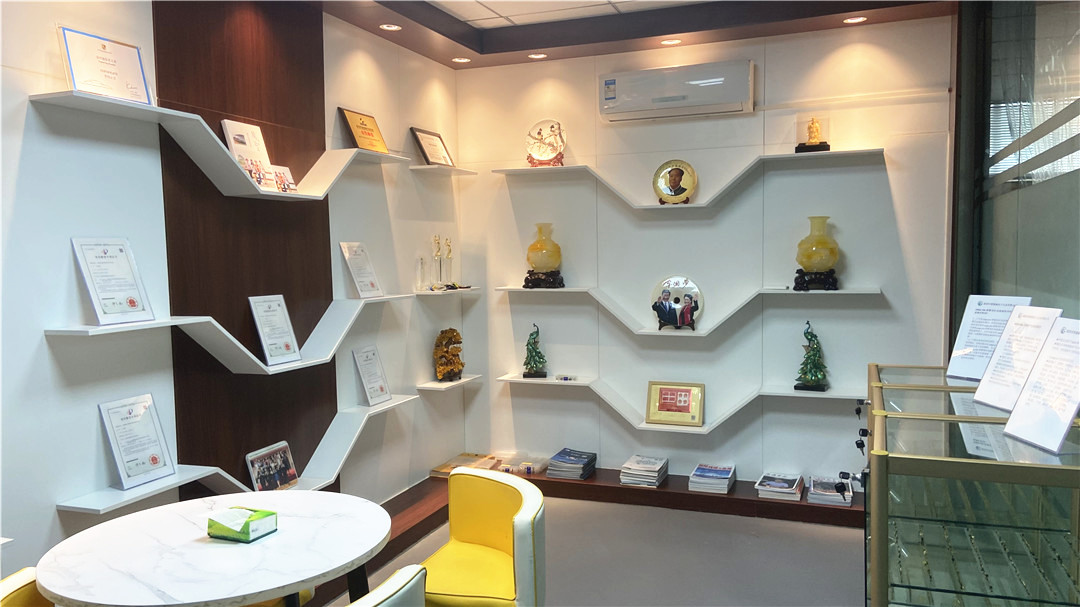
Our testing labs, corporate offices, and precision engineering zones in Shenzhen.
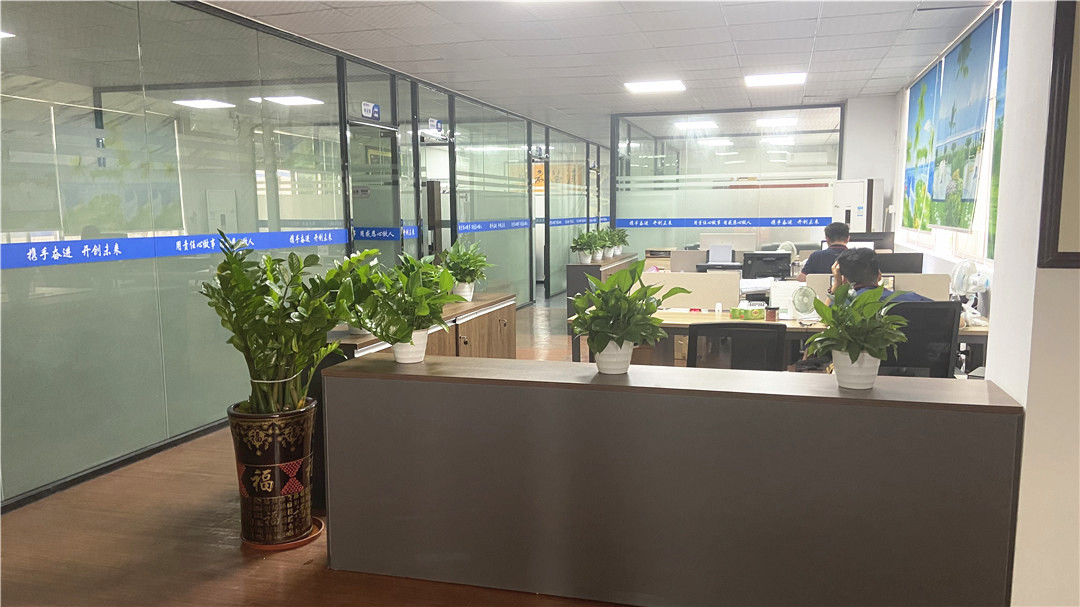
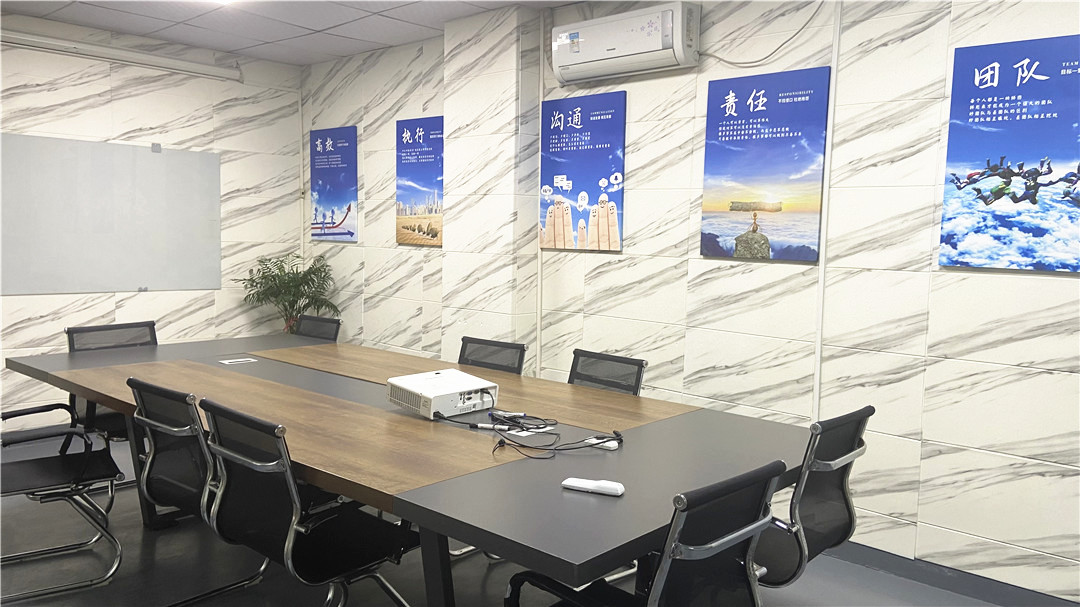
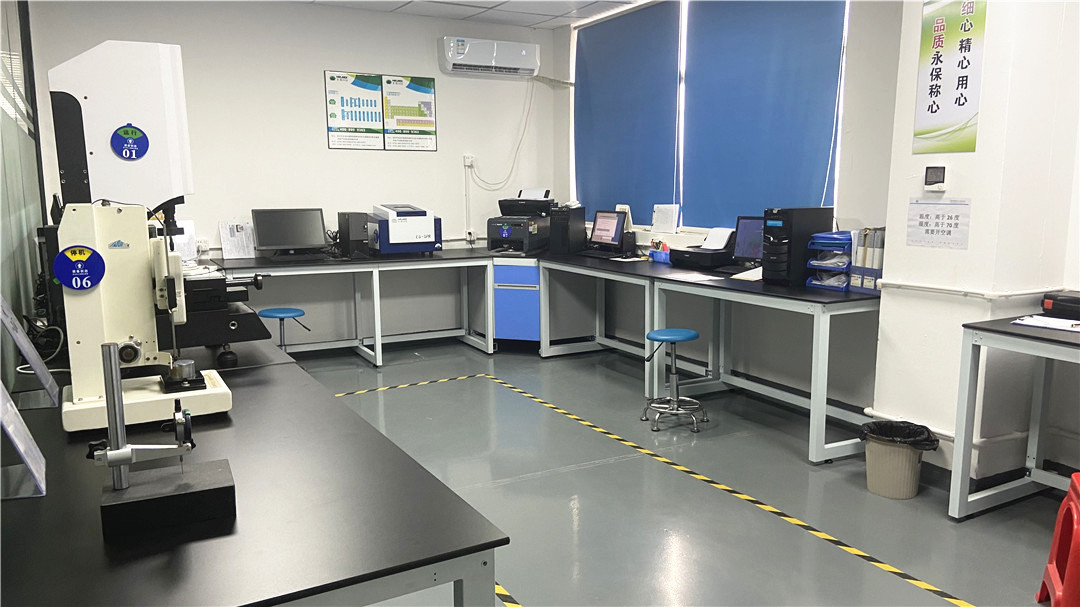
We work alongside world-renowned technology brands including Honeywell, Samsung, Siemens AG, ZTE, 360, QCY, Haylou, Shanghai Laimu, Luxshare Group, Aoni Electronics, and Amphenol Group, delivering custom spring-loaded connector components tailored to their demanding quality standards.
Answers to key technical questions from hardware architects and procurement managers.
A double-head pogo pin features dual spring-loaded plungers on both sides. This enables temporary, solderless board-to-board connections on both contact points, simplifying disassembly, maintenance, and high-frequency testing compared to single-headed pins requiring soldered tails.
Yes. By tuning the internal spring material and utilizing custom barrel layouts, we manage impedance mismatch to enable stable data transfer. We also offer custom co-axial ground shielding blocks for designs with strict high-frequency requirements.
We typically construct the plungers from beryllium copper (BeCu) or high-grade brass, finished with gold plating (ranging from 3 to 30 micro-inches) over nickel. The internal springs are wound from stainless steel or music wire to prevent fatigue over high-cycle testing.
Yes. Our in-house precision lathe and engineering departments allow us to manufacture custom double-ended pins. We can produce ultra-fine pitches below 0.4mm and adjust length, stroke, and spring force to match your layout requirements.
After finalizing the CAD blueprints, custom prototypes are generally manufactured and shipped within 7 to 10 working days. Mass production timelines typically range from 2 to 3 weeks depending on the order size.
We utilize automated testing stations to cycle the pins through repeated compressions while monitoring mechanical wear, spring degradation, and contact resistance. Standard pins are rated for 10,000 to 100,000 cycles, with test probe variants reaching up to 1,000,000 cycles.
Yes. All of our production processes and finished products comply with RoHS and REACH regulations, making them suitable for eco-conscious markets including California and the European Union.
Yes. We offer pogo pins designed for elevated temperatures, which are commonly required during semiconductor burn-in testing or reflow processes. These utilize specialized spring materials and plating to prevent mechanical deformation under high heat.
 Rongqiangbin