Australia’s industrial sector is undergoing a massive transformation, fueled by advancements in automation, heavy-machinery monitoring, precision defense technology, and harsh-environment mining systems. As a critical component of testing rigs, board-to-board interfaces, and modular device linkages, the double-head pogo pin (double-ended spring-loaded contact) has emerged as an indispensable technology. In cities like Sydney, Melbourne, Perth, Brisbane, and Adelaide, engineers demand high-durability electrical interconnects that can survive mechanical shock, moisture, dust, and corrosive environments.
Western Australia's Pilbara region and Queensland's coal mines rely heavily on automated haulage, seismic monitoring, and remote telemetry. Double-head spring probes enable reliable board-to-board testing and robust floating connections in rugged sensor nodes.
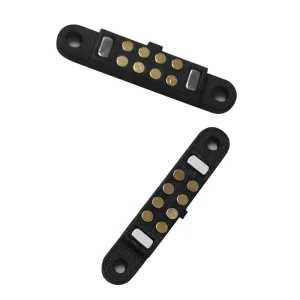
Deploying environmental sensors across expansive Australian farmlands requires highly stable, low-power connectors. Double-headed pogo pins facilitate tool-free blind mating and magnetic charging in outdoor solar-powered trackers.
Adelaide and Melbourne's aerospace engineering clusters mandate components with zero-fail tolerance. Double-ended pins ensure precise electrical path contact during critical RF testing, high-vibration simulation, and high-frequency circuit evaluation.
Shenzhen Rongqiangbin Electronic Hardware Co., Ltd. provides Australia's industry leaders with customized, high-precision double-head pogo pin connectors designed to withstand these diverse and severe conditions. From custom gold-plating thickness options (up to 30 micro-inches) to specialized spring forces, our engineered solutions directly address the challenges of local commercial and defense operations.
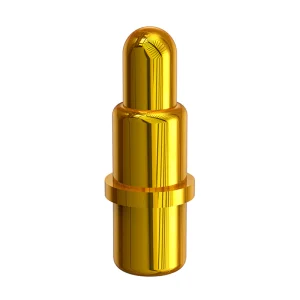
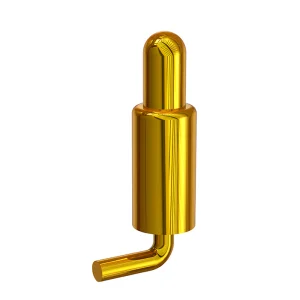
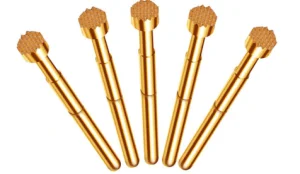
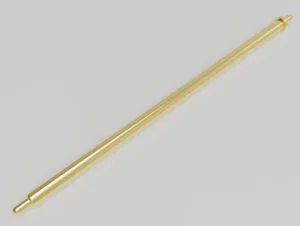
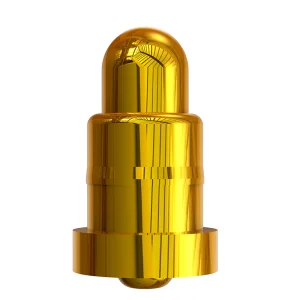
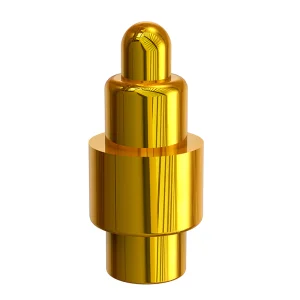
A double-headed pogo pin contains two independent spring-loaded plungers inside a single barrel. Unlike single-ended variants, which are soldered to one printed circuit board (PCB) and touch a pad on the other, a double-head pogo pin acts as a floating bridge between two parallel surfaces or interfaces. This design offers distinct engineering advantages:
By using premium raw materials (C3604 brass for barrels, SUS304 or music wire for springs, and Beryllium Copper for plungers), we guarantee electrical contact resistance of under 30mΩ throughout a long lifecycle.
| Feature Parameter | Standard Single-Ended Pogo Pin | Double-Head Pogo Pin (Rongqiangbin Engineered) |
|---|---|---|
| Mounting Methodology | SMT, DIP, or hand-soldered onto one PCB surface. | Solderless compression fit, floating between two interfaces. |
| Z-Axis Tolerance Absorption | Limited to single-plunger travel (typically 0.5mm - 1.5mm). | Dual-plunger compression (up to 3.0mm combined travel). |
| Mechanical Vibration Dampening | Good, but dependent on PCB solder joint integrity. | Excellent; the barrel floats, absorbing shocks from both ends. |
| Maintenance & Field Service | Requires desoldering/re-soldering if pin damage occurs. | Tool-less drop-in replacement, reducing machine downtime. |
| Applications | Consumer devices, smart docks, static board contacts. | Automated test fixtures, heavy-duty machinery, modular rigs. |
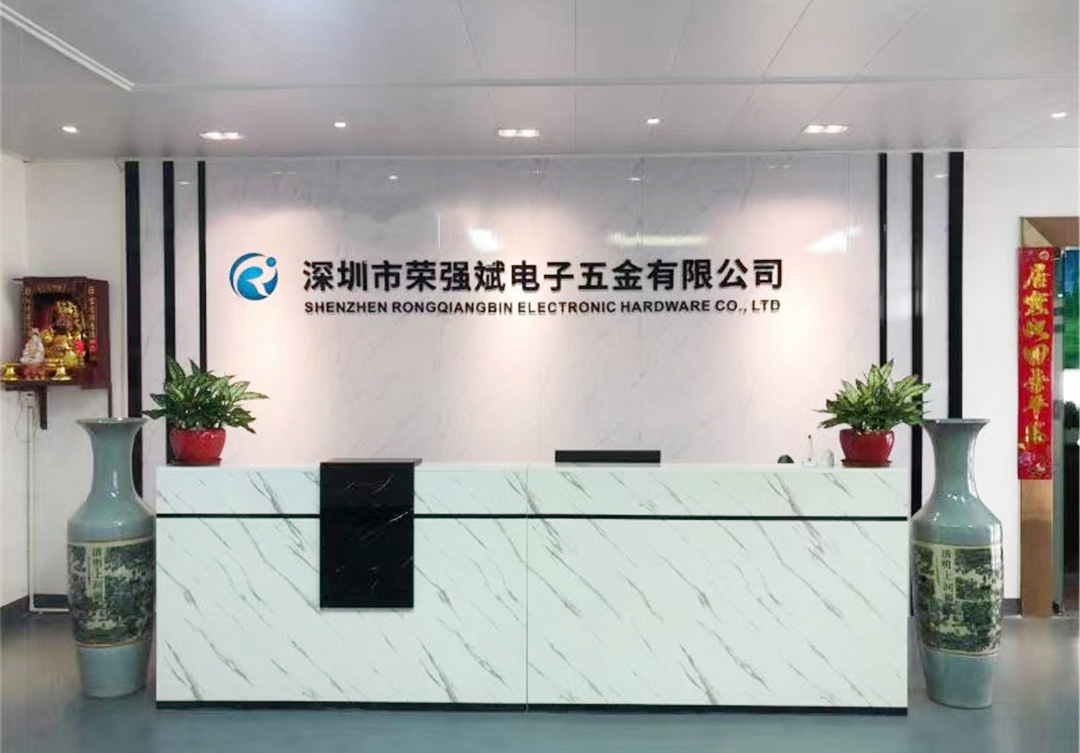
Shenzhen Rongqiangbin Electronic Hardware Co., Ltd. is located in Shenzhen, the leading city of the Guangdong-Hong Kong-Macao Greater Bay Area. Founded in February 2011 on Songgang Street, Shenzhen, we specialize in the development and manufacturing of premium Pogopin connectors. Through years of dedicated engineering and technical sedimentation, our company has grown into a leader in the global interconnect industry.
Our core mission is the research, development, production, and sales of high-performance POGO PIN (spring thimble) products. Operating under our core corporate philosophy of "excellent quality, intimate service" and "customer-centric, creating more value for customers," we have earned the trust of global industrial giants and research institutions alike.
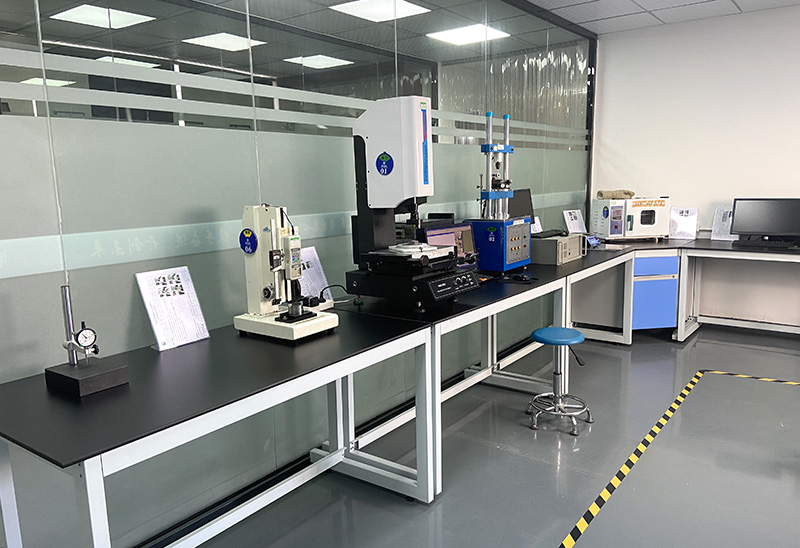
Our company follows the "customer first, integrity first" principle. Backed by a strong R&D team and skilled production personnel, we establish long-term partnerships with leading companies worldwide. RQB is certified under the ISO9001:2015 international quality management system. Our robust quality control team and strict environmental protocols ensure that all components comply with RoHS and REACH standards—crucial for Australian buyers facing strict local safety and environmental compliance audits.
Our key clients include industry leaders such as Honeywell, Samsung, Siemens AG, ZTE, 360, QCY, Haylou, Shanghai Laimu, Luxshare Group, Aoni Electronics, and Amphenol Group.
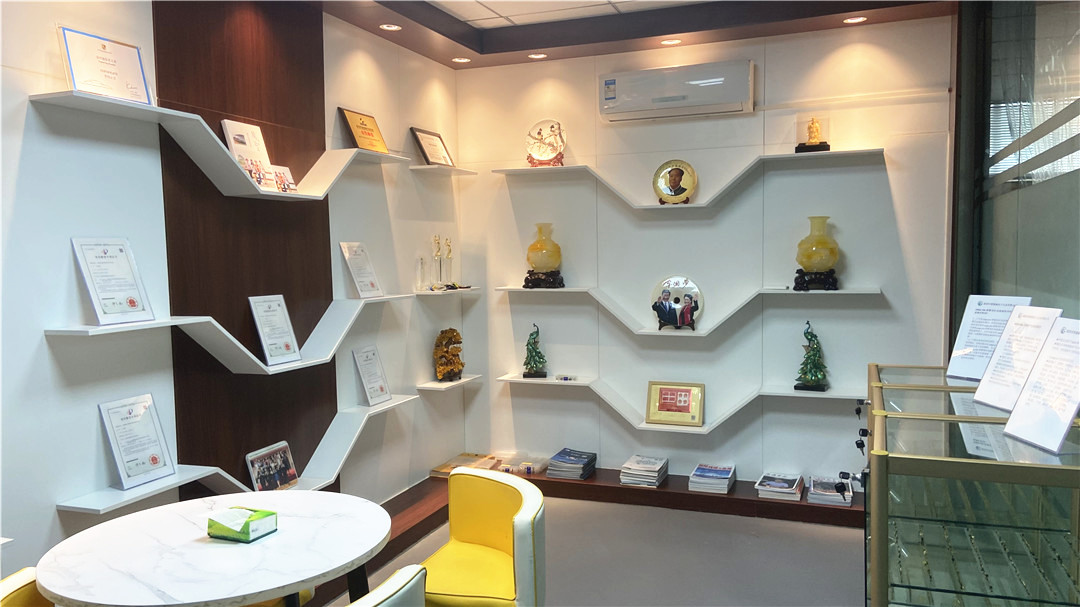
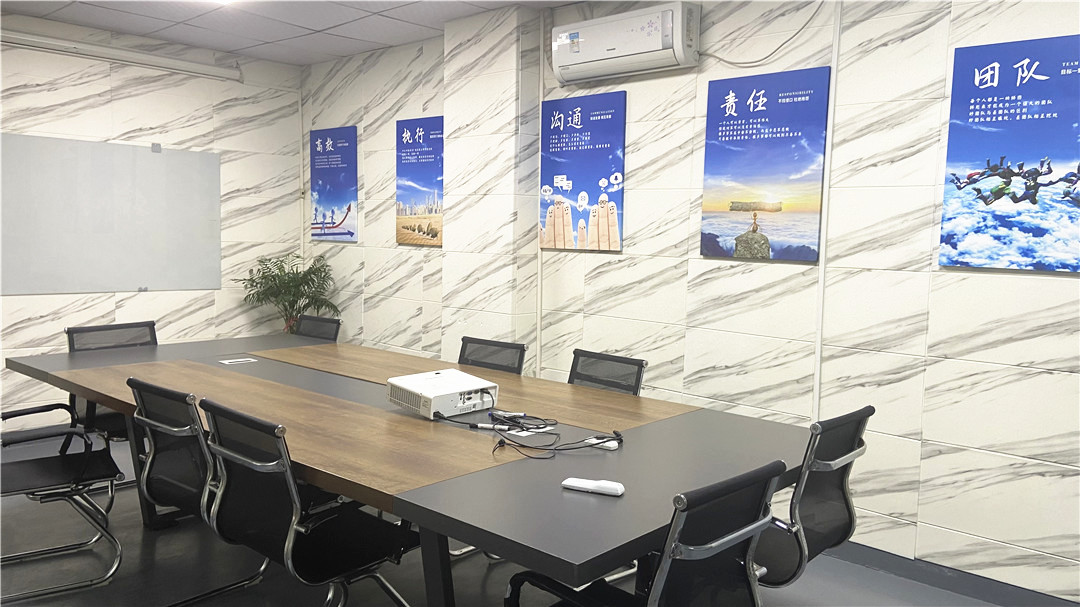
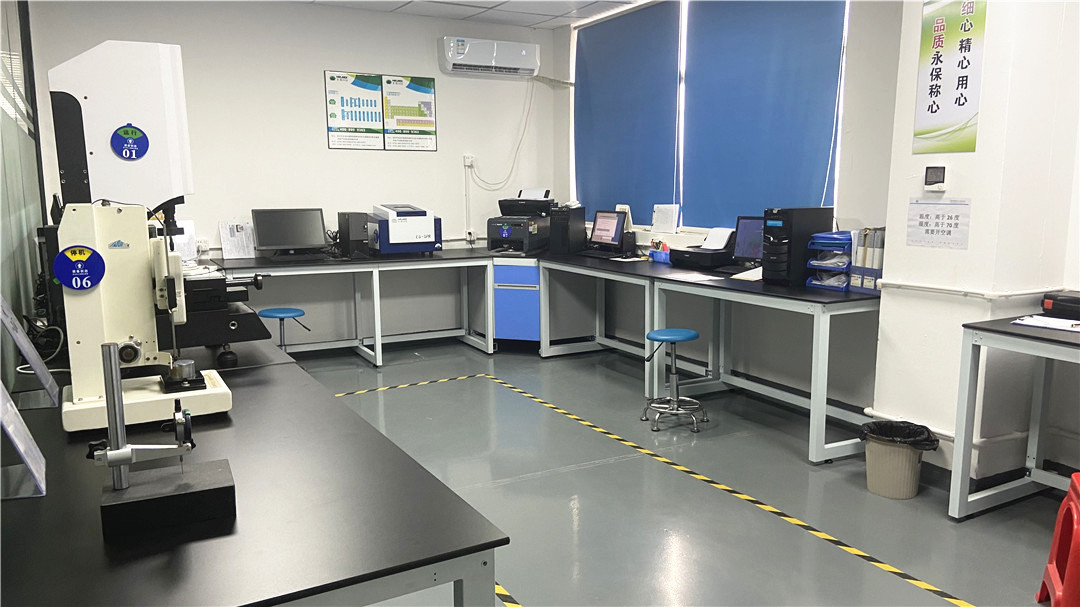
Consistent pogo pin quality depends on high-precision machining. Shenzhen Rongqiangbin uses advanced automatic CNC lathes and high-speed precision inspection tools. This enables us to maintain tolerances of ±0.01mm on barrel and plunger diameters, which prevents pin jams and guarantees uniform spring force over hundreds of thousands of cycles.
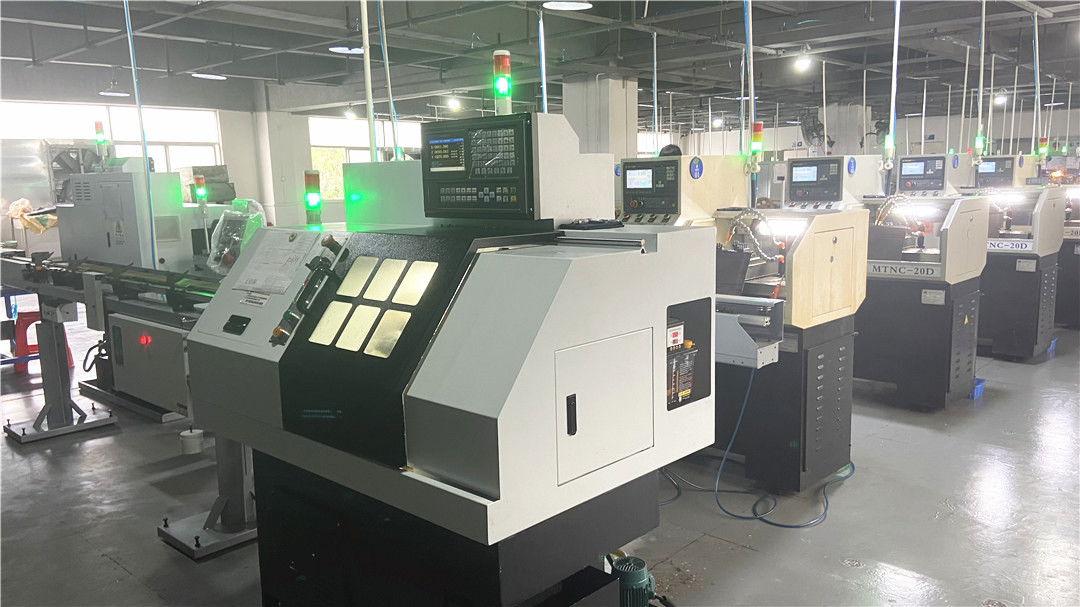
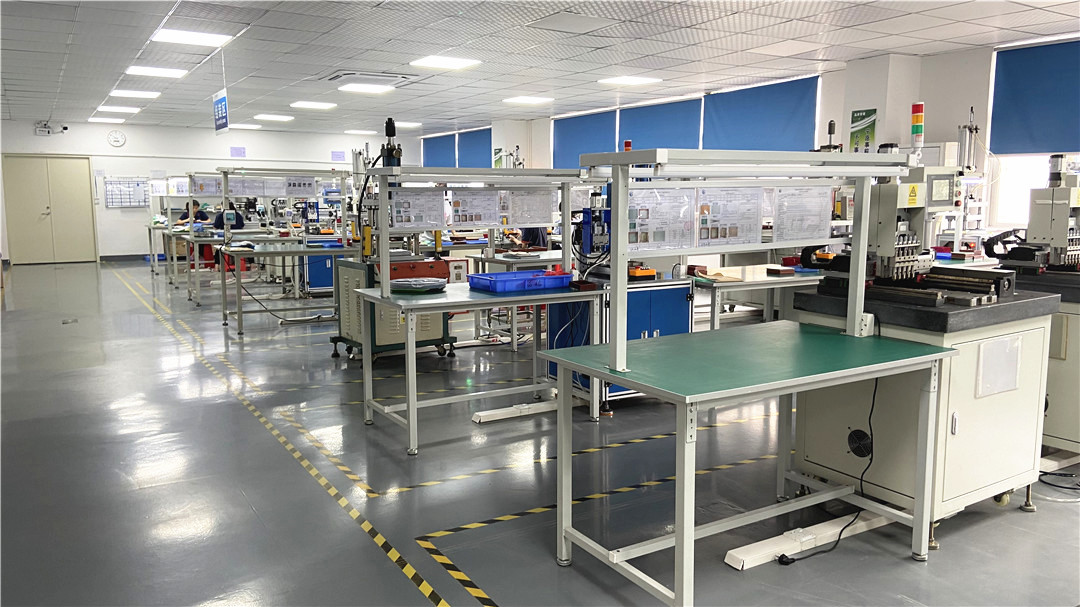
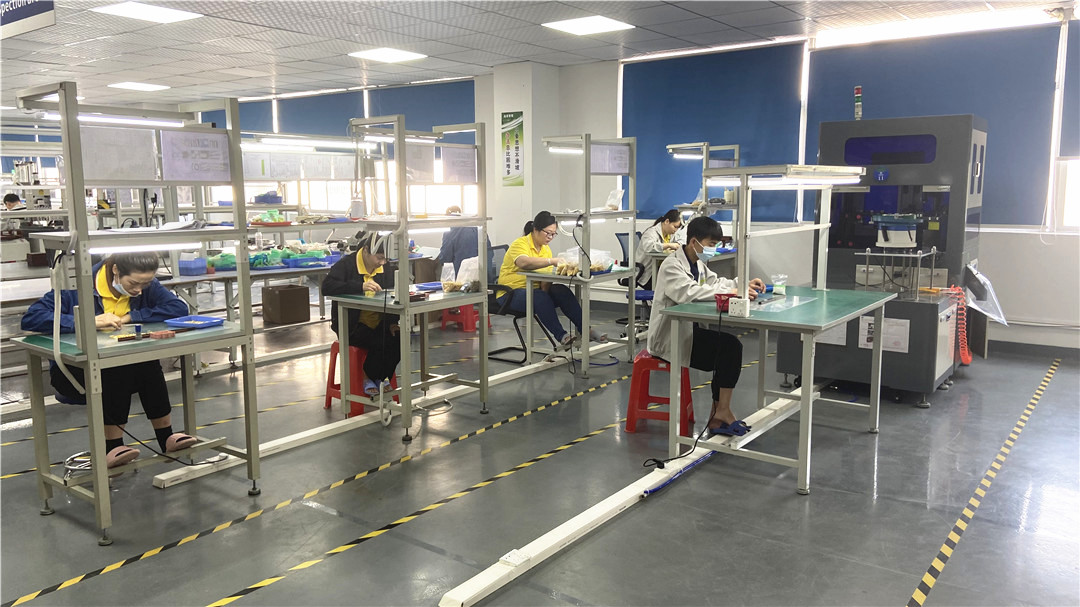
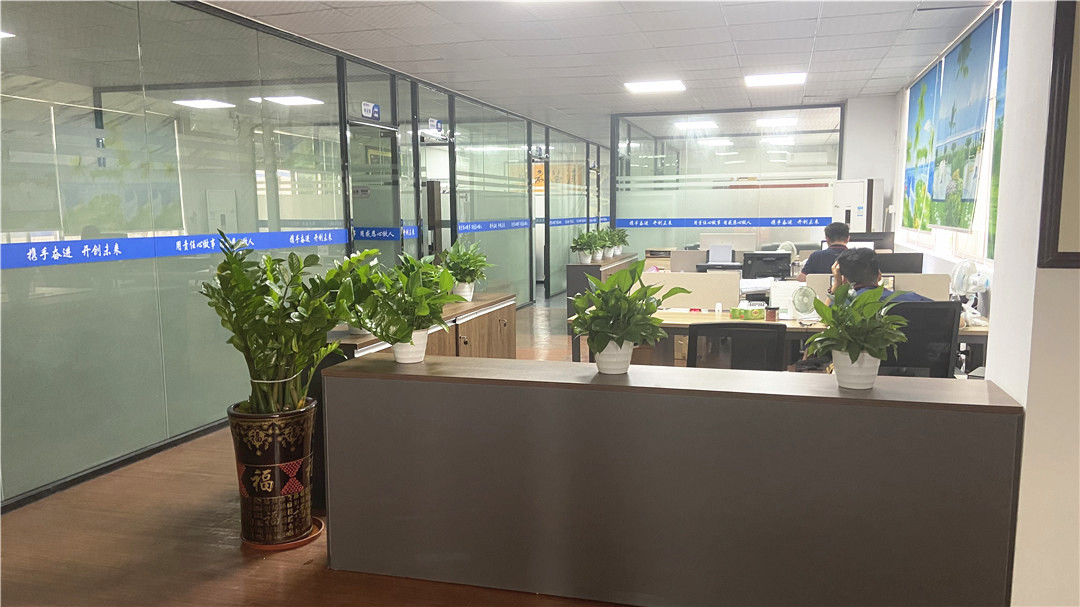
Our factory processes are structured to support both prototype custom batches for small Australian R&D labs and high-volume rollouts for global consumer electronics, medical diagnostics, and telematics systems.
Our connectors and custom spring pins operate reliably across a wide range of fields. From consumer convenience to mission-critical infrastructure, our double-head and magnetic solutions deliver clean power and data paths:
Smart wearable products (wristbands, watches), mobile phones (mobile antenna), digital cameras, laptops, Bluetooth headsets, learning machines, games products, handheld game consoles, GPS satellite navigation, aerospace electronics, medical equipment, military communications, toys, and portable electronic products.
Securing electronic components for Australian projects can introduce supply chain risks, including shipping delays, customs challenges, and non-compliance with Australian and New Zealand Standards (AS/NZS). At Rongqiangbin, we address these challenges through optimized logistics and technical support tailored for Australian businesses:
Leveraging Shenzhen's logistics network, we offer flexible shipping options directly to Sydney, Melbourne, Brisbane, Adelaide, and Fremantle ports, providing clear customs documentation for smooth entry.
Australia’s coastal and mining regions feature high humidity and salinity. We offer custom plating formulations (up to 30u" Gold over Nickel) to prevent oxidation and contact degradation in coastal installations.
We bridge time-zone differences between eastern/western Australia and China with responsive online engineering support. Simply share your STEP/IGES CAD files, and we will return structural modifications within 48 hours.
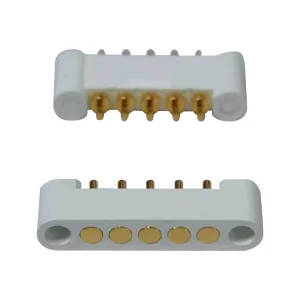
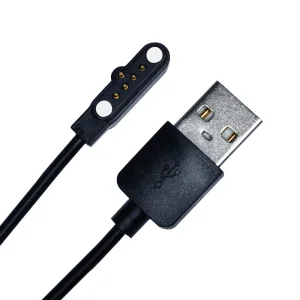
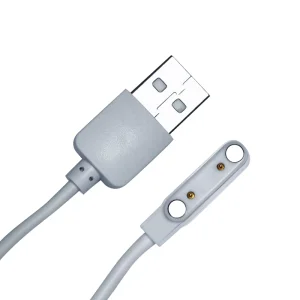
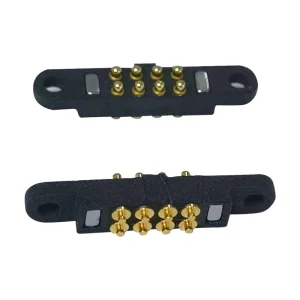
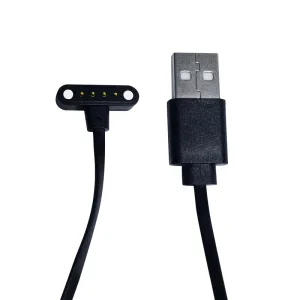
Browse our catalog of custom-engineered spring pins, magnetic cables, and SMT/DIP connectors, optimized for industrial and commercial projects in Australia.
 Rongqiangbin