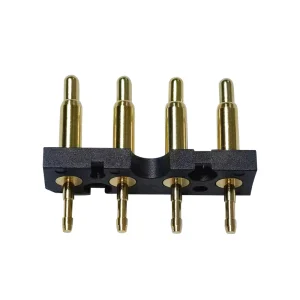
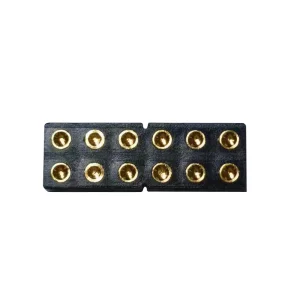
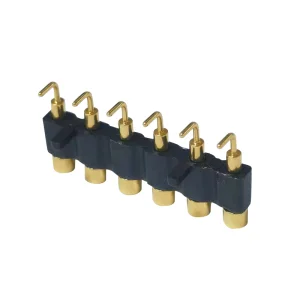
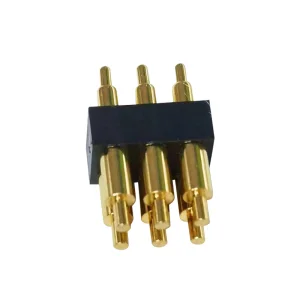
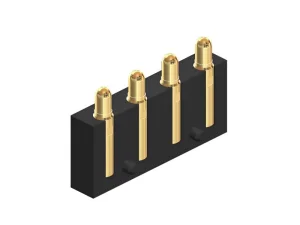
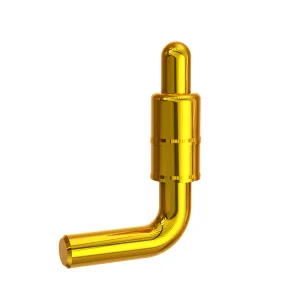
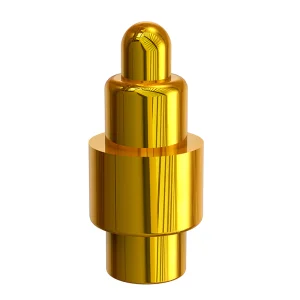
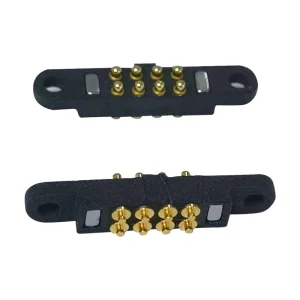
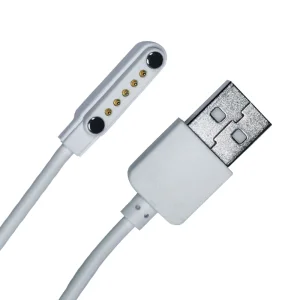
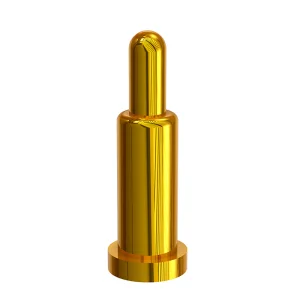
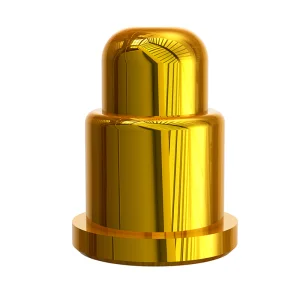
Select high-reliability connector formats calibrated for European electrical infrastructure and automated assembly lines.
As microelectronics demand reaches inflection points driven by electrification, autonomous driving, IoT networks, and smart medical technologies, the reliance on high-durability contact systems has intensified. In Paris and the broader Île-de-France region, precision engineering is shifting toward modular components capable of handling high cycles without performance degradation. Spring-loaded connectors, commonly known as pogo pin connectors, represent the pinnacle of this architecture, replacing traditional blade or leaf spring contacts in critical interfaces.
Paris acts as a major procurement and design hub for European defense, aviation, and high-performance rail systems. Aerospace leaders like Thales Group and automotive giants require components that withstand high vibrations and wide thermal ranges. Pogo pins offer superior benefits compared to rigid alternatives:
On a global scale, the pogo pin market is driven by high-speed data transmission (5G, USB4, Thunderbolt architectures) and fast-charging interfaces. In Paris, localized industrial clusters dictate specialized technical parameters:
| Application Area (Paris) | Primary Technical Metric | Required Contact Plating / Material | Key Compliance Standards |
|---|---|---|---|
| Saclay Biomedical Sensors | Low contact resistance (<30mΩ), low force | Au (Gold) plating over Ni (Nickel) barrier | ISO 13485 biocompatibility |
| Île-de-France Smart Grid / IoT | High cycles (up to 100k insertions) | Beryllium Copper plungers, high preload springs | RoHS, REACH compliance |
| Commercial Aviation Systems | High mechanical vibration tolerance | Custom bias-cut plungers with high spring pressure | MIL-STD-810H environmental resistance |
| Automotive Electric Vehicle Subsystems | High current capabilities (up to 15A per pin) | Solid brass body structure, active internal ball elements | IATF 16949 production quality |
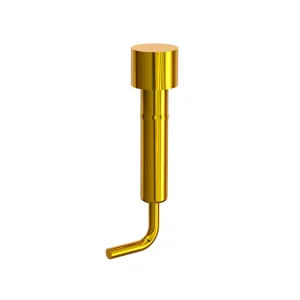
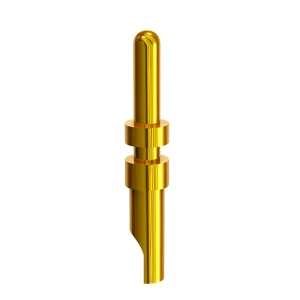
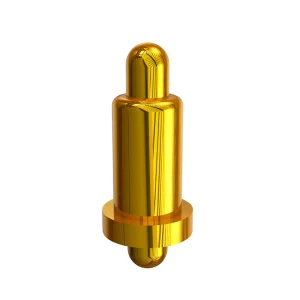
Standard pogo pins typically support currents up to 2 Amperes. When designing for the Paris EV sector or battery pack testing rigs, we employ specialized internal structures such as bias-cut plungers and ball-point designs. By angling the plunger base, we force the plunger into permanent lateral contact with the inner barrel wall. This lowers current path resistance and prevents internal arcing, extending connection lifespan under load.
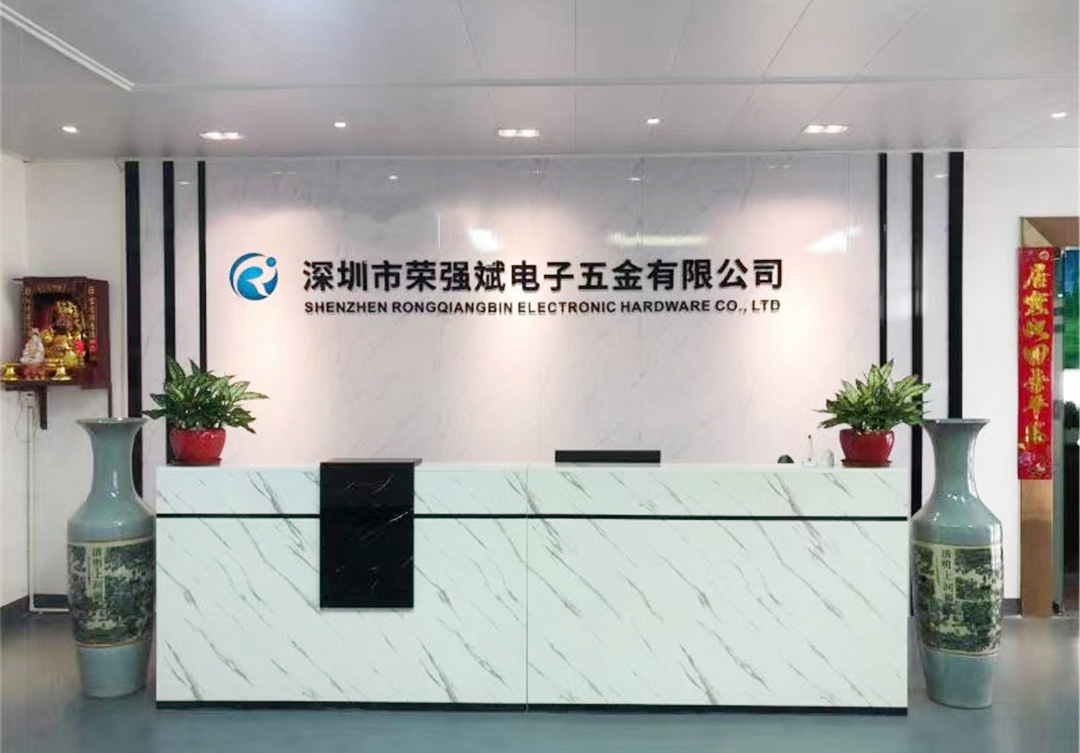
Founded in February 2011 | Shenzhen High-Tech Bay Leader
Our company is located in Songgang Street, Shenzhen, the core area of the Guangdong-Hong Kong-Macao Greater Bay Area. We specialize in the research, development, production, and distribution of high-performance POGO PIN spring-loaded connectors and customized structural micro-contacts.
Through systematic quality engineering, we have achieved international quality standard certifications, including the prestigious ISO9001:2015 version. Our focus on quality and environmental protection allows us to meet strict EU market entry requirements (RoHS and REACH) required by our Western European and French client partners.
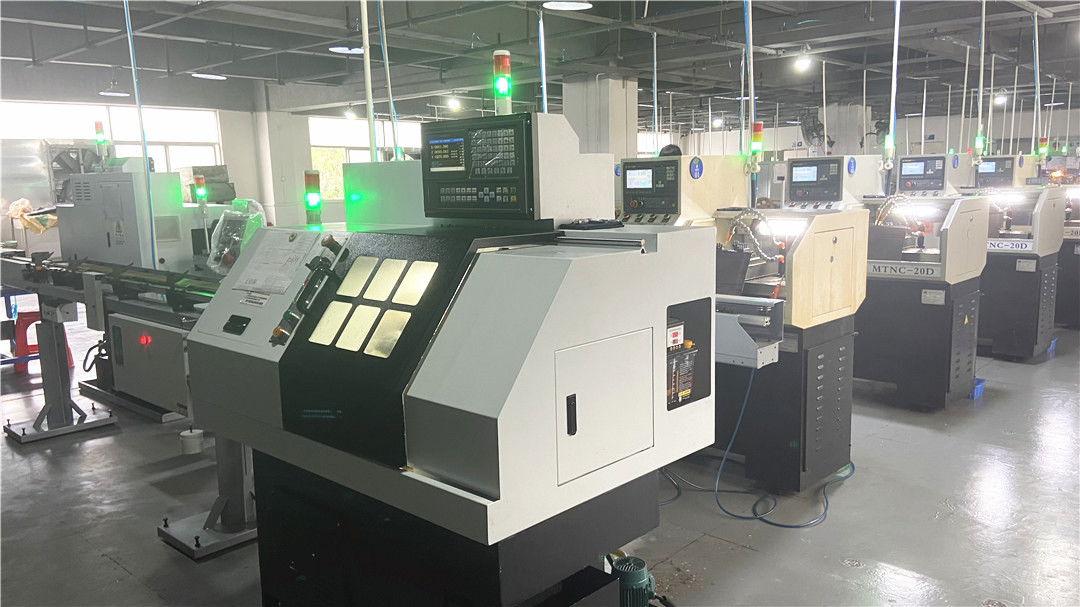
Our strategic manufacturing base features state-of-the-art high-speed Japanese CNC lathes, precision mold development machinery, and fully automated packaging lines, ensuring zero-defect batch delivery for global buyers.
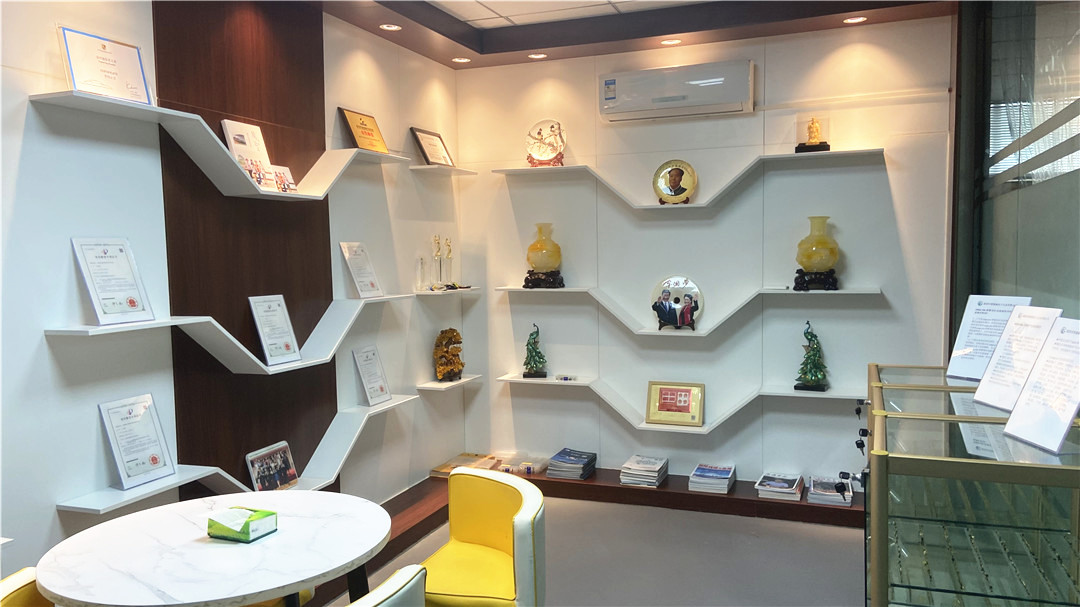
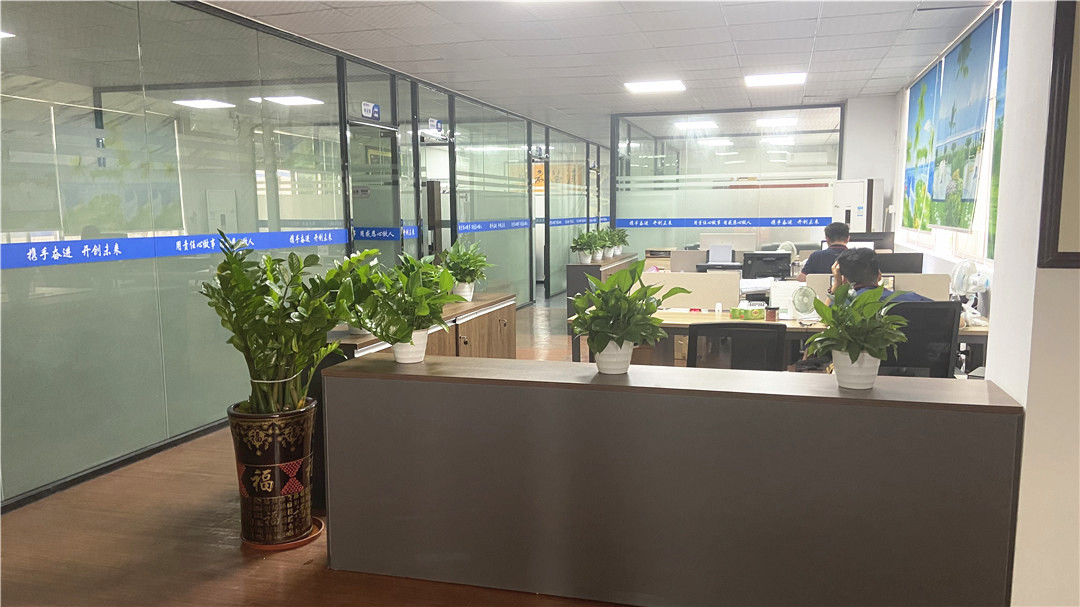
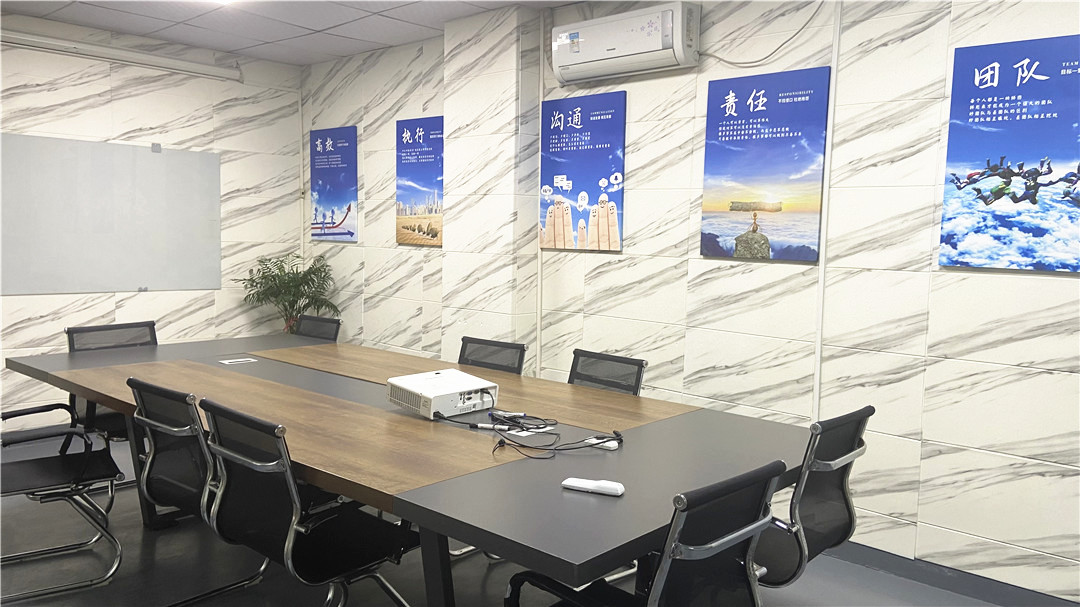
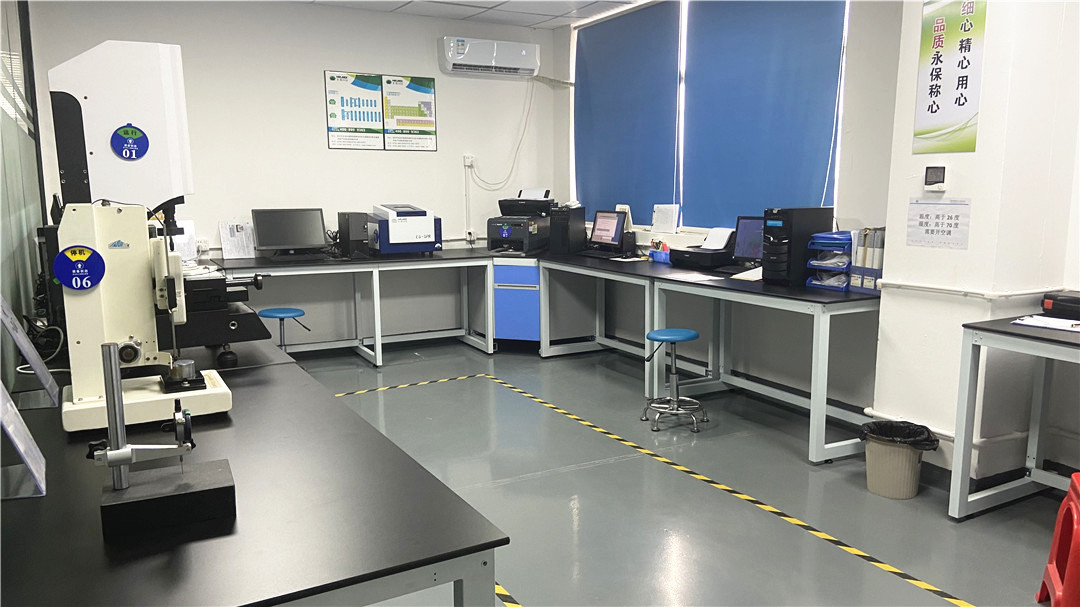
"Committed to being an excellent global POGO PIN manufacturer for both quality and cost, leading connector technology development."
 RONGQIANGBIN
Rooted in our core operating philosophy of "customer first, integrity first", we maintain a powerful design and production team. Through direct supply chain solutions and local custom support networks, we assist engineers worldwide. Our product portfolio satisfies strict European environmental directives, and we proudly serve premium tech entities worldwide.
We design and manufacture high-durability contact pins for industry-leading organizations.
Additional enterprise clients include: 360, QCY, HAYLOU, Shanghai Laimu, Aoni Electronics, and other recognized electronic manufacturers.
The lifetime and reliability of a pogo pin connector depend on plunger material properties. Standard models utilize Lead-Free Brass (C3604) for barrels, while high-wear environments use BeCu (Beryllium Copper) plungers for structural elasticity and low dynamic resistance.
Our typical custom plating processes apply Ni (Nickel) barrier layers (1.27 to 2.54 µm) with solid Au (Gold) top finishes (0.075 to 0.75 µm). Gold plating protects against electrochemical corrosion while ensuring constant impedance values over high numbers of mating cycles.
We implement statistical process control across key metrics, including:
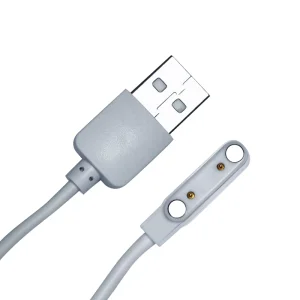
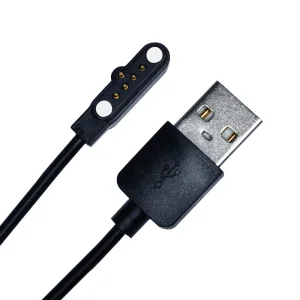
Explore specialized connector styles, SMT contacts, magnetic cable chargers, and custom spacing designs for industrial platforms.
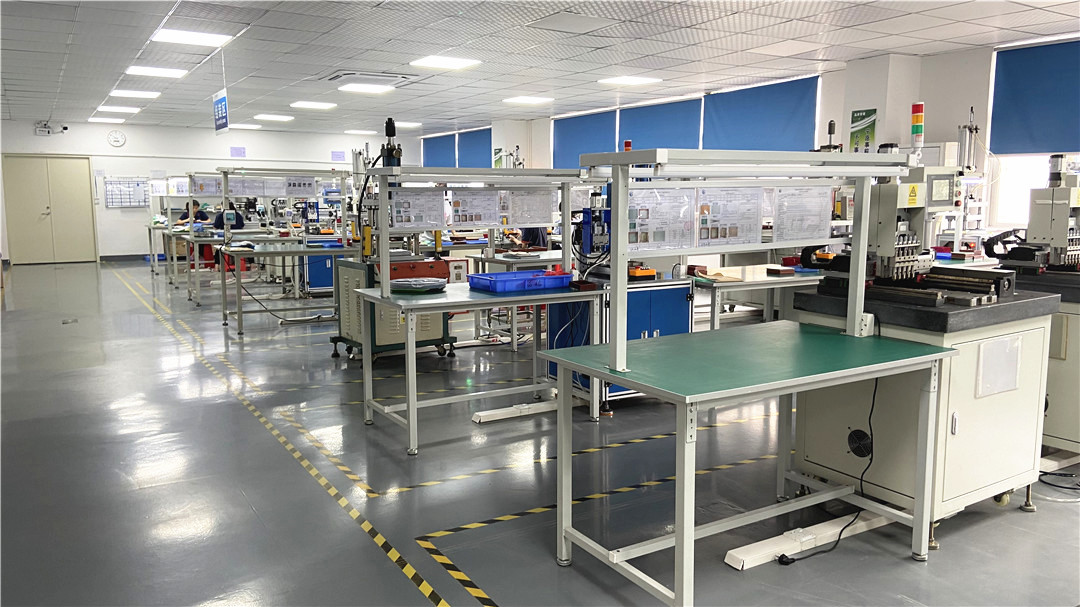
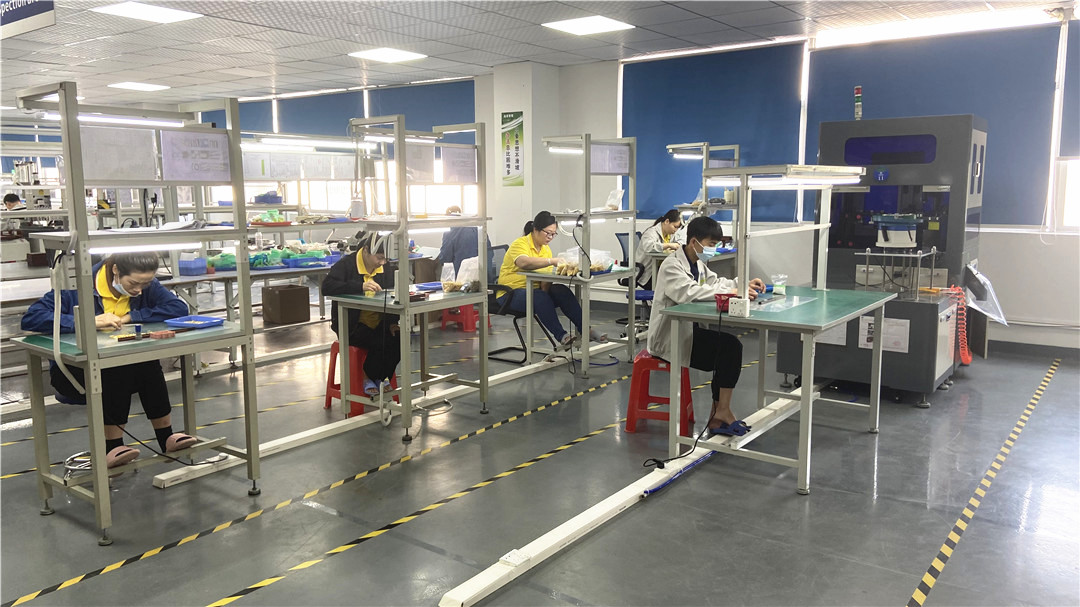
Continuous process optimization, precision CNC turnings, and multi-stage optoelectronic checks ensure zero-defect distribution.
Precision spring contacts serve as a key enabling component in modern smart product ecosystems. Our connectors support engineering projects across diverse industrial domains:
Smartwatches, fitness wristbands, low-power IoT tracking systems, Bluetooth headsets, learning accessories, and custom handheld gaming devices.
Automated guided vehicles (AGVs) charging docks, custom positioning encoders, military communications gears, rugged outdoor equipment, and aerospace telematics.
Reusable diagnostic sensor heads, modular patient monitoring devices, magnetic charging systems for physical therapy gear, and wearable glucose sensors.
Professional specifications and custom guidelines compiled by our engineering directors.
Unlike standard blade or leaf style socket connections, spring-loaded pins maintain a constant axial contact force. When vibration occurs, the internal precision spring dynamically dampens movement, maintaining continuous pressure at the mating point. For high-speed digital signals, we design with internal ball interfaces or angled plungers to prevent contact gaps, ensuring error-free transmission.
Gold thickness directly affects the mating cycle lifetime. For low-cost consumer wearables, 1 to 3 micro-inches (u") of gold is standard, supporting up to 10,000 mating cycles. For high-reliability applications, we recommend 10 to 30 u" of gold plating over a nickel diffusion barrier. This protects against oxidation and corrosion, extending contact lifetime past 100,000 cycles.
Yes. By configuring multi-pin array designs (e.g., 5-pin or 9-pin layouts), we can segregate power pins (larger contact surface area to handle higher currents) from high-speed differential signal pins. The magnetic housing ensures secure keying and alignment, preventing short circuits during blind mating.
We maintain pin coplanarity tolerances under 0.10mm by using precision assembly fixtures and optical detection systems. During the header molding process, we monitor injection parameters to prevent thermal warp. This guarantees high assembly yields during customer reflow soldering processes.
Standard custom modifications (changing pin lengths, spring force, or pitch dimensions) take approximately 7 to 10 business days for technical drawings and prototype fabrication. Once prototypes are approved by your engineering team, high-volume production typically requires 15 to 20 days, with express air cargo shipping to Paris/EU taking 3 to 5 business days.
Get in touch with our design engineers. We offer complimentary mechanical CAD drawings, material testing reports, and custom engineering support.
Send Inquiry Now Rongqiangbin