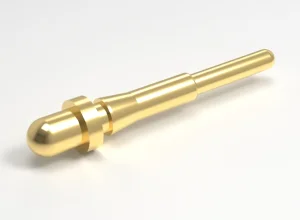
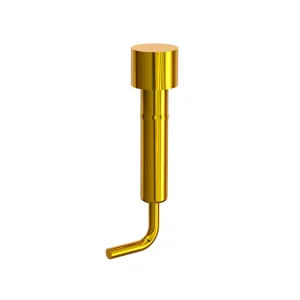
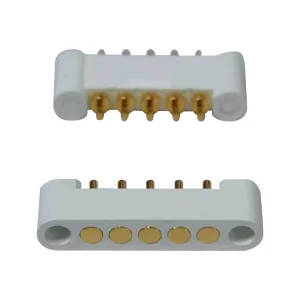
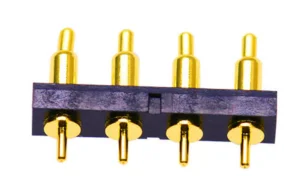
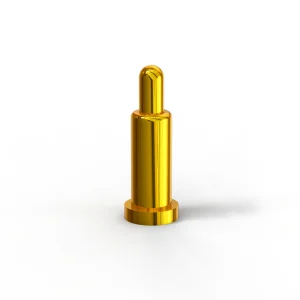
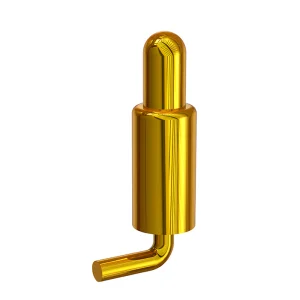
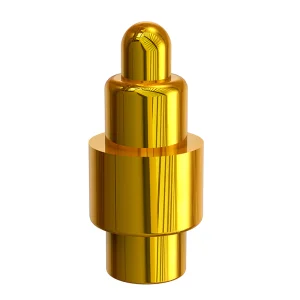
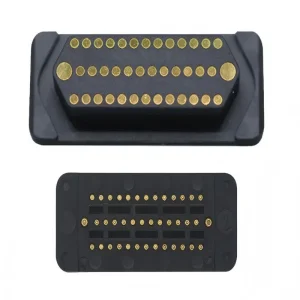
Explore our high-precision electrical interfaces designed for extreme longevity and reliability under rigid engineering tolerances.
Analysis of global engineering benchmarks, cost-efficiency drivers, and material sciences in advanced socket systems.
In the rapidly advancing landscape of digital technology, smart infrastructure, and high-frequency communication systems, the reliability of modular hardware rests heavily on structural interconnects. A socket connector serves as the critical junction point that facilitates the transfer of electrical currents, signals, and high-speed data between distinct circuit boards or peripheral modules. The demand for reliable, high-durability, and cost-effective interconnect structures has prompted a massive push towards advanced socket architectures.
As global manufacturers design increasingly compact devices, the parameters governing contact force, contact resistance, and mating cycles have become tighter. Engineers face the constant challenge of optimizing the contact interface while keeping costs competitive. Achieving this balance requires deep technical knowledge of alloy materials, precision electroplating techniques, and mechanical spring designs. This whitepaper analyzes how high-volume Chinese manufacturing ecosystems make these high-reliability components globally accessible.
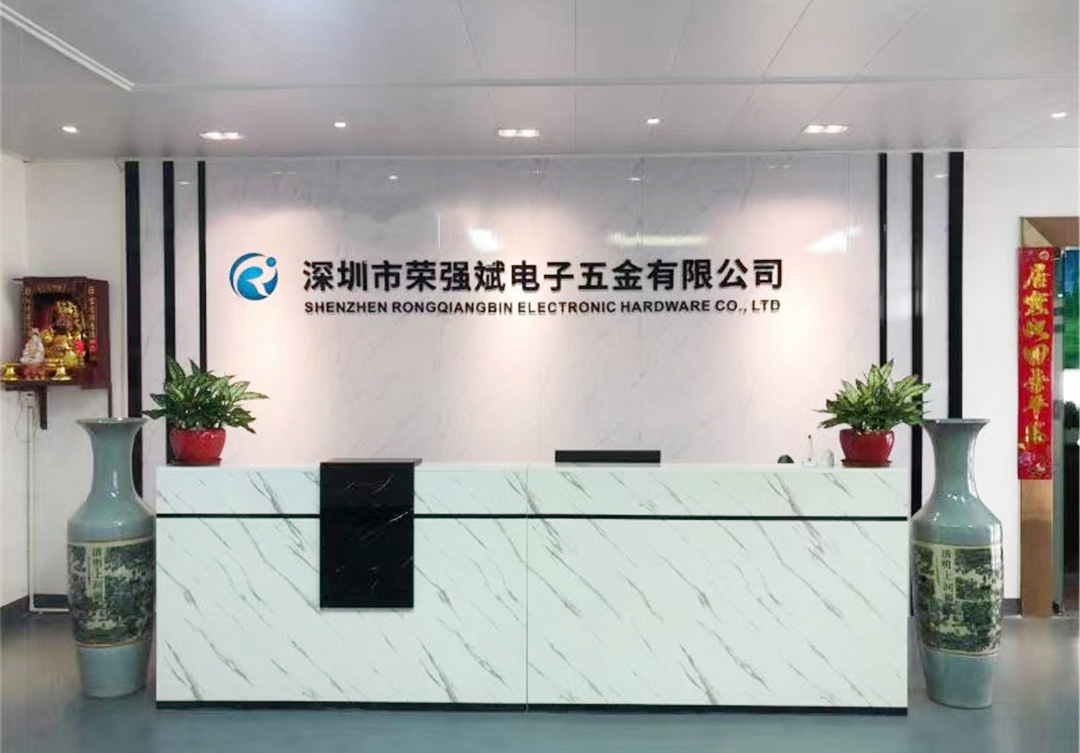
Shenzhen Rongqiangbin Electronic Hardware Co., Ltd. is strategically located in Songgang Street, Shenzhen, the core industrial node of the highly integrated Guangdong-Hong Kong-Macao Greater Bay Area. Founded in February 2011, the enterprise committed early to specialized research, development, and high-volume fabrication of advanced POGO PIN connectors and customized spring-loaded sockets.
Over more than a decade of focused technological iterations and continuous asset reinvestment, the organization has progressed from a regional manufacturer into an internationally recognized brand in the micro-interconnect sector. Specializing in high-precision, customized spring-loaded contacts, Rongqiangbin manages the complete product life-cycle, including design, tooling, CNC turning, assembly, and strict automated optical sorting.
The company's core philosophy centers on "customer-first, integrity-first." Operating under the internationally recognized ISO9001:2015 quality management standard, RQB maintains a robust quality department and a comprehensive environmental compliance matrix, ensuring all outgoing components fulfill strict environmental regulations like RoHS and REACH.
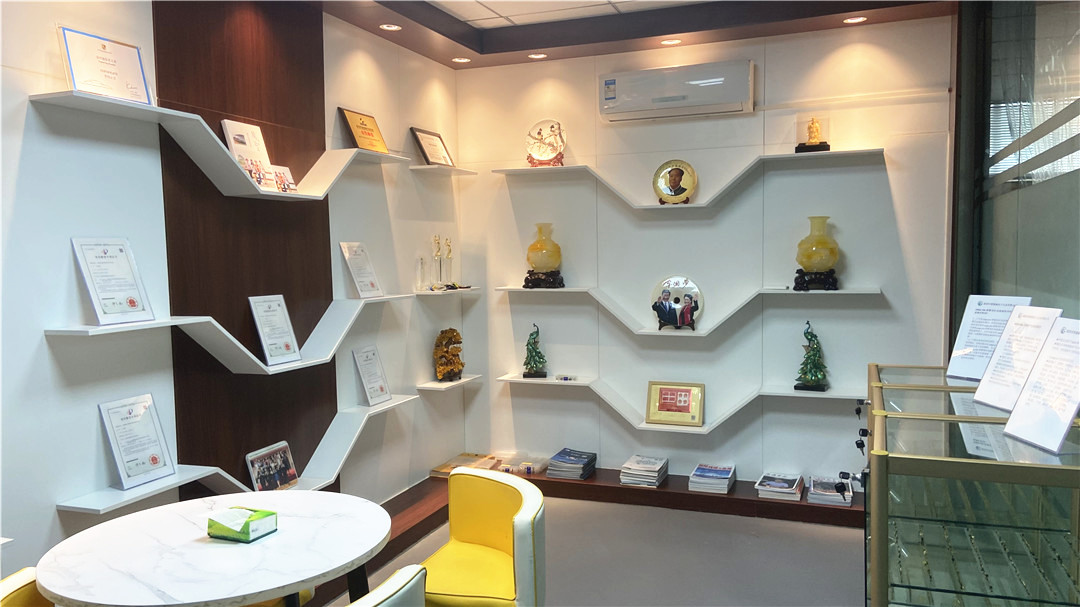
Rongqiangbin's technical capabilities have earned the trust of global tech companies and Tier-1 suppliers. RQB's client portfolio includes industry leaders such as Honeywell, Samsung, Siemens AG, ZTE, 360, QCY, Haylou, Shanghai Laimu, Luxshare Group, Aoni Electronics, and the Amphenol Group. This track record demonstrates RQB's ability to consistently meet tight engineering specifications and demanding delivery timelines.
In global electronics purchasing, the term "cheap" is often associated with lower quality. However, in the context of China's advanced industrial clusters, cost-competitiveness is driven by structural and supply chain efficiencies rather than compromised standards.
Shenzhen's industrial ecosystem co-locates copper refineries, electroplating facilities, plastic injection molders, and automated packaging suppliers. This localized clustering eliminates international transit lag and minimizes sub-component freight costs.
By leveraging high-speed automated lathes and proprietary processing equipment, RQB reduces labor costs per unit while ensuring exceptional mechanical consistency across production runs of millions of units.
Advanced tooling design minimizes raw material waste during brass cutting and copper forming. Combined with direct control over scrap metal recycling, this keeps unit costs low without downgrading material chemistry.
Rather than cutting corners on quality, Rongqiangbin achieves cost efficiency by minimizing manufacturing waste, leveraging high economies of scale, and utilizing automated in-line quality inspections.
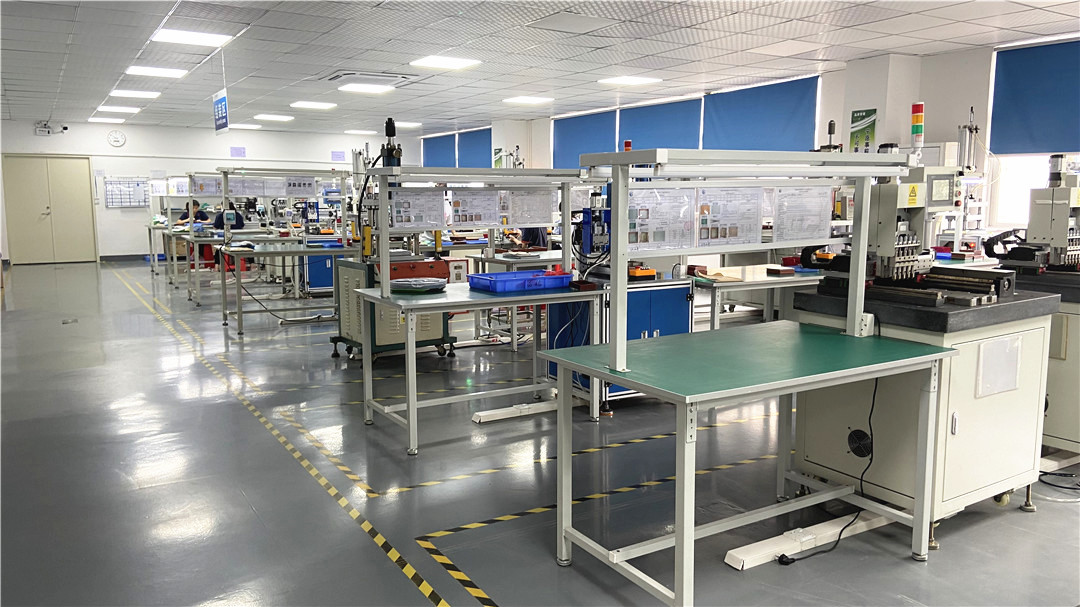
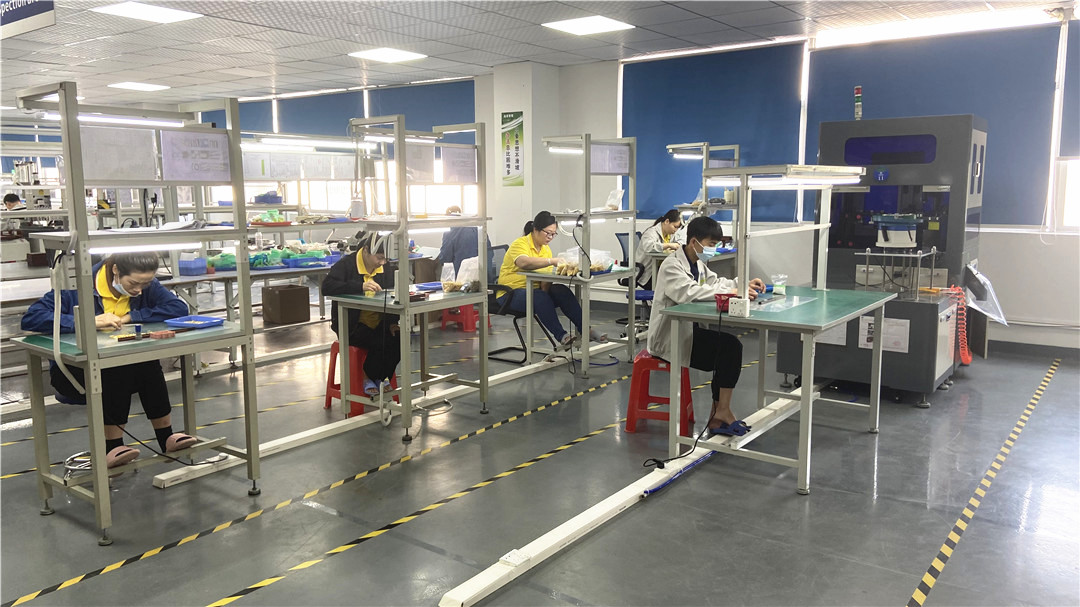
To consistently meet strict quality standards, Rongqiangbin maintains vertically integrated workshops for machining, assembly, and testing. This end-to-end control allows RQB to monitor quality throughout the entire manufacturing cycle.

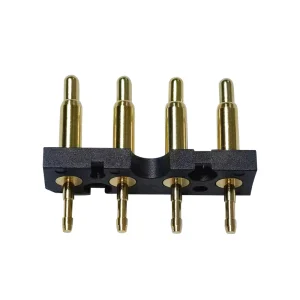
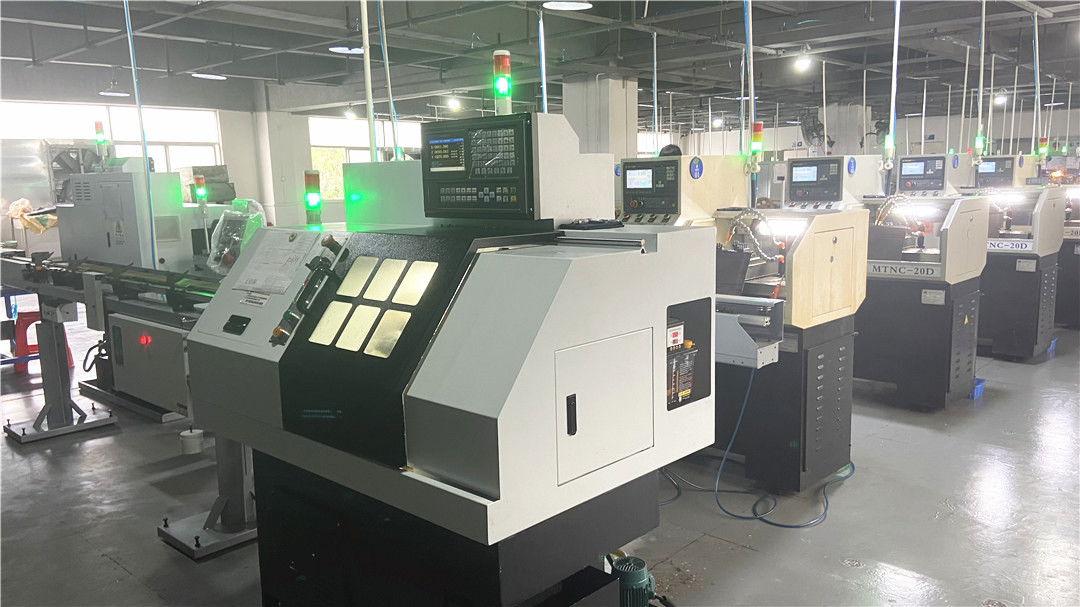
The company's production facility features an array of automated lathes and high-speed CNC machinery capable of maintaining outer diameter tolerances as tight as ±0.005mm. This level of precision is critical for the micro-plungers and barrels used in consumer electronics.
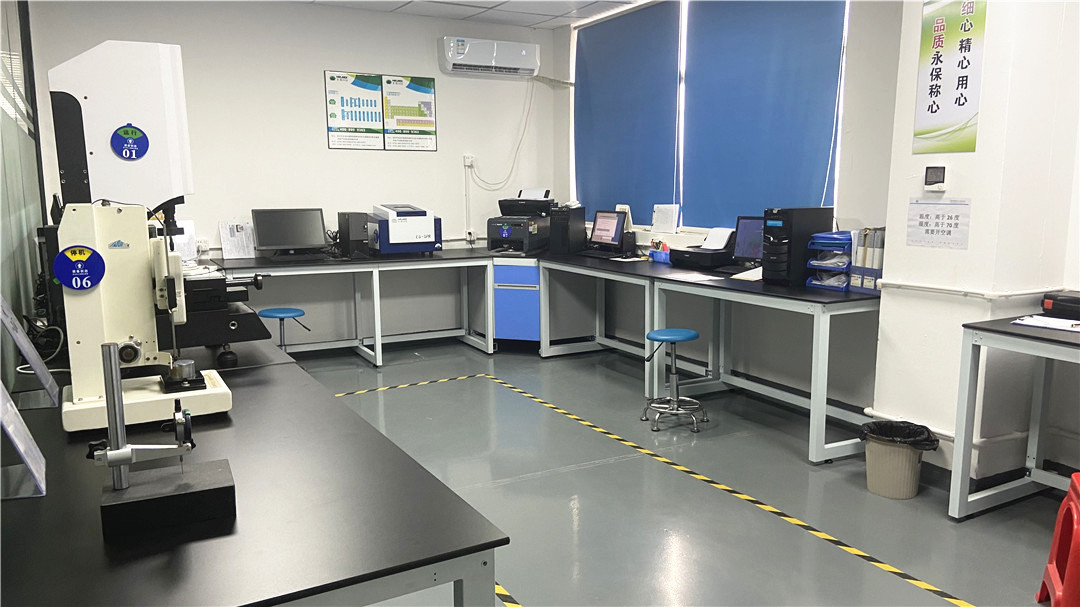
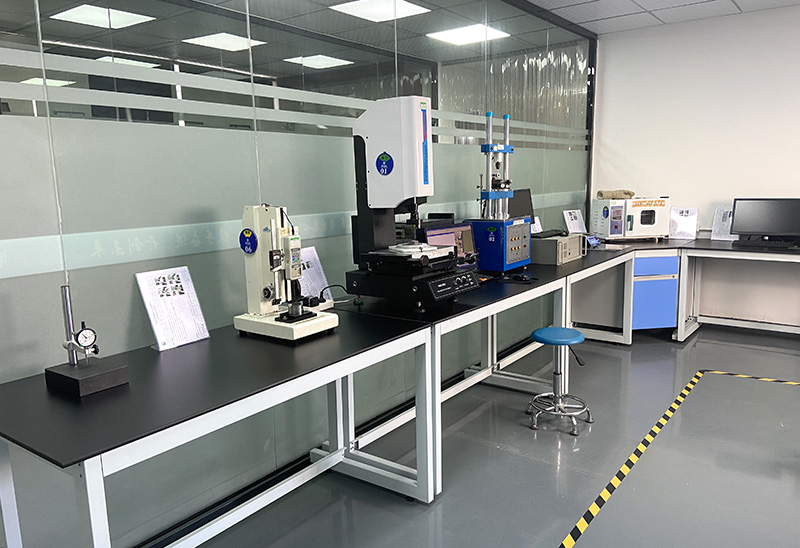
Rongqiangbin’s testing laboratory is equipped with analytical instruments to verify material composition and performance, including:
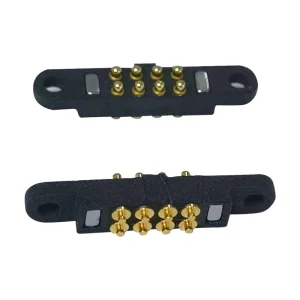
The versatility of spring-loaded contact pins and socket modules enables their use in a wide range of fields. RQB's components are designed for:
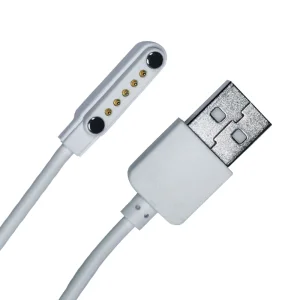
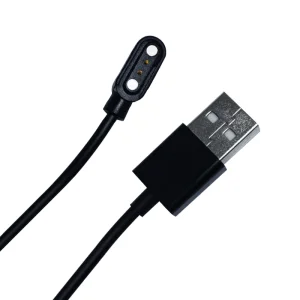
Used in smartwatches, fitness trackers, and TWS Bluetooth earbuds, where waterproof connections and small, gold-plated contacts are required for skin contact charging.
Designed for battery management systems (BMS), high-power charging receptacles, and vehicle control units that require resistance to mechanical shock and vibration.
Engineered for industrial telemetry, test fixtures, modular medical monitors, and avionics. These environments demand low contact resistance and high electrical reliability.
The interconnect industry is evolving to meet the demands of higher data rates, compact form factors, and harsh operating environments. Key technical trends include:
Expert answers addressing the primary engineering and commercial concerns of global sourcing specialists.
Explore our spring-loaded pogo pins, high-current charging cables, and customized mating systems for electronics manufacturing.
 Rongqiangbin