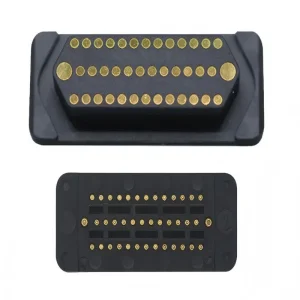
Within high-performance semiconductor testing, procurement officers frequently search for "cheap wafer probe manufacturers". In this highly sophisticated market, "cheap" does not imply compromised durability or loose engineering tolerances. Rather, it represents the pursuit of a highly optimized Cost-of-Test (CoT) structural model.
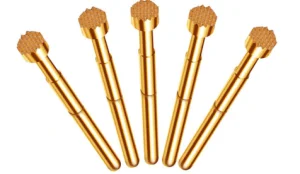
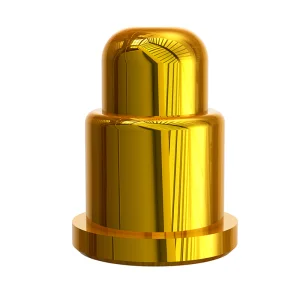
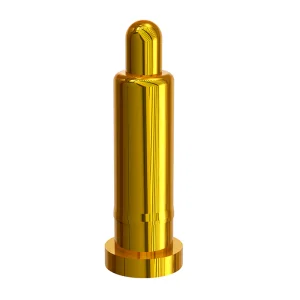
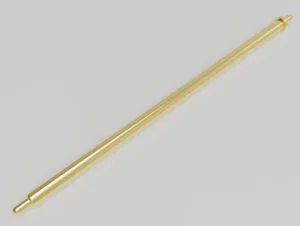
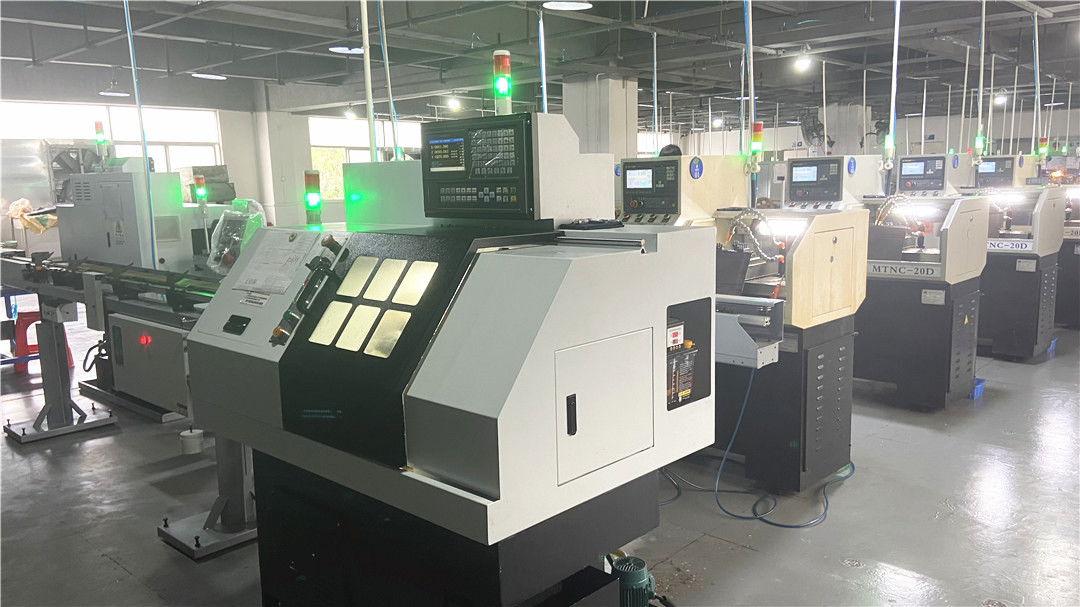
True cost efficiency in wafer probing requires reducing the amortization per contact cycle, improving probe card yield, and shortening delivery lead times. By leveraging advanced internal machinery such as high-speed automated lathes, integrated inspection lines, and local manufacturing advantages, suppliers like Shenzhen Rongqiangbin (RQB) deliver premium grade Pogo Pins and probe connectors at highly competitive market rates.
By implementing a vertical production method that spans from raw metallic materials to automated SMT packaging, we minimize intermediate margins. This gives global chip packaging labs, consumer hardware developers, and silicon test houses access to highly durable contact solutions without premium pricing.
1. Automated Precision Micro-Turning: CNC lathes running 24/7 without manual intervention to reduce human labor overhead.
2. Structural Material Innovations: Implementing alloy variants like SWP165 or beryllium copper with optimized gold plating thickness to extend contact life up to 1,000,000 cycles.
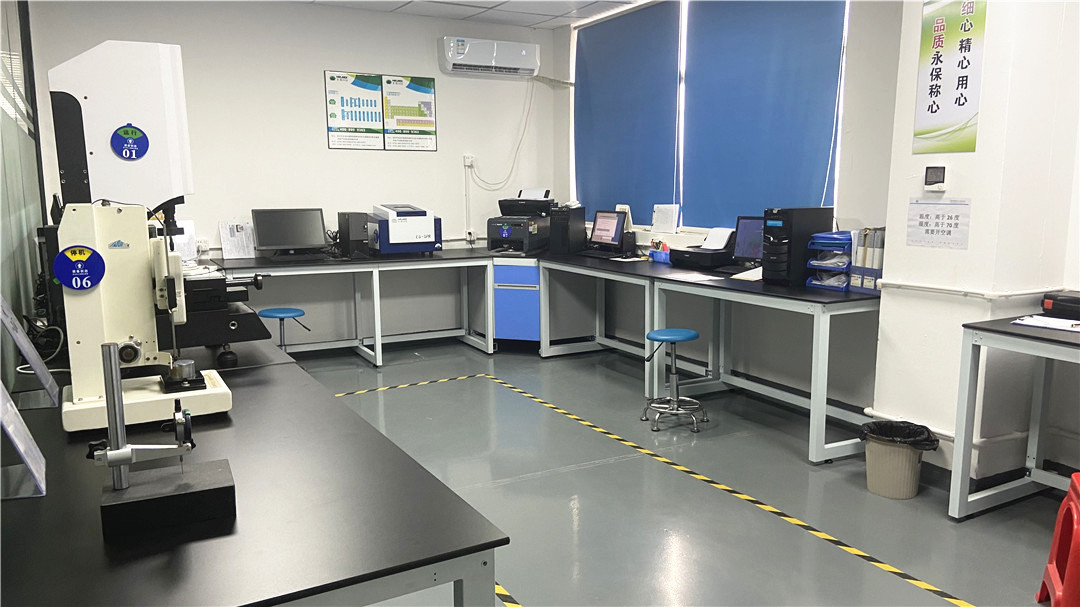
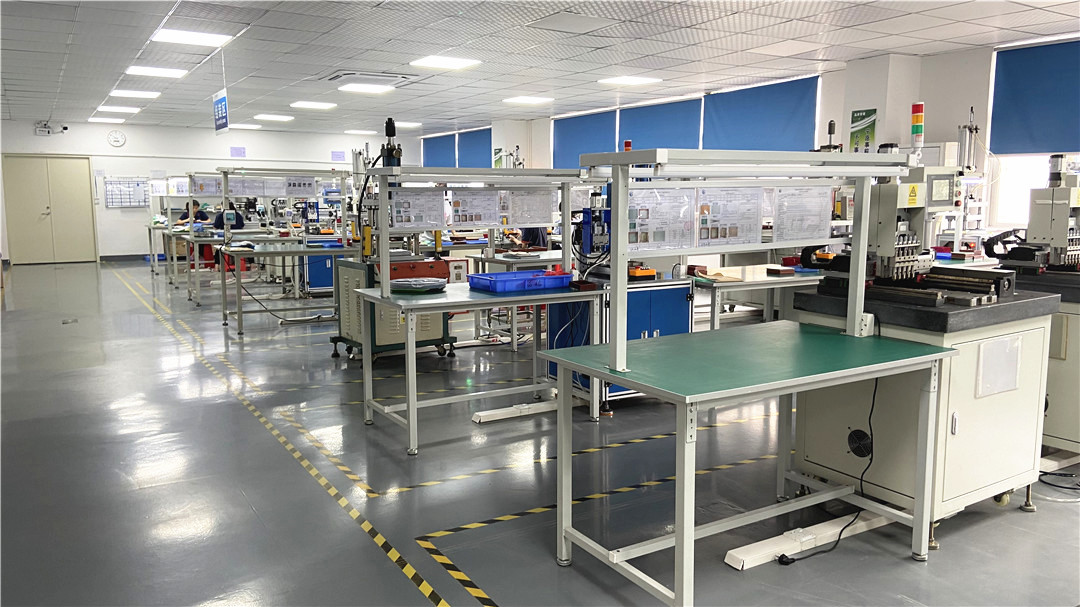
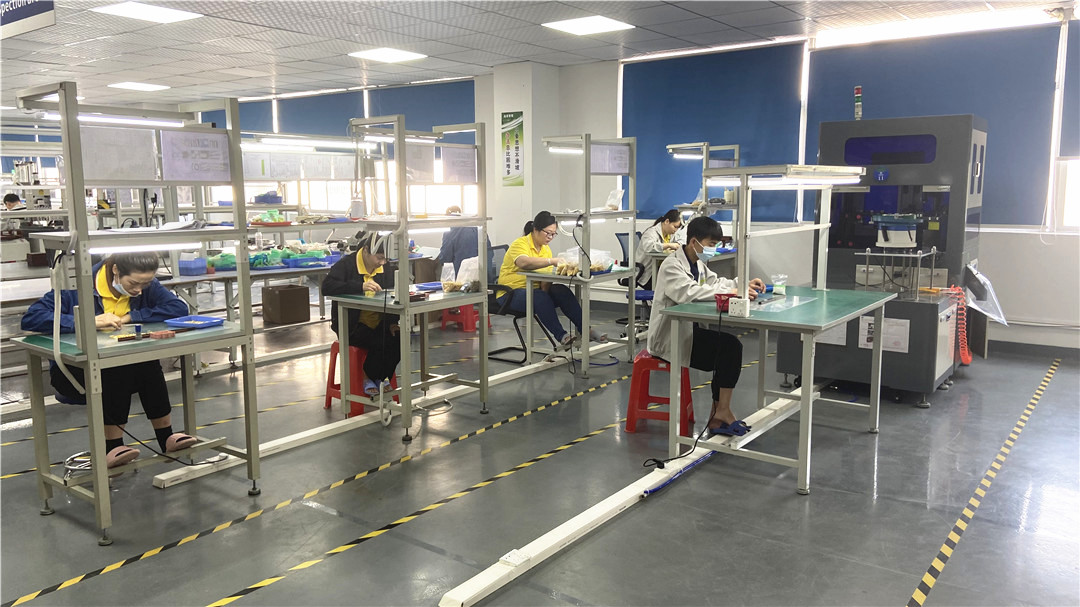
3. Streamlined In-House Testing: Eliminating third-party inspection steps by performing force-stroke and contact resistance characterizations directly inside RQB labs.
The global wafer testing and validation market is undergoing structural shifts. As silicon manufacturing advances to 5nm, 3nm, and smaller chiplet architectures, the demand for wafer probe cards has expanded beyond high-end computing to include automotive ADAS, 5G IoT microcontrollers, and smart wearable system-on-chips (SoCs). High-density probing arrays require extremely precise pin pitches (often sub-100µm), necessitating structural resilience and excellent thermal dissipation capabilities.
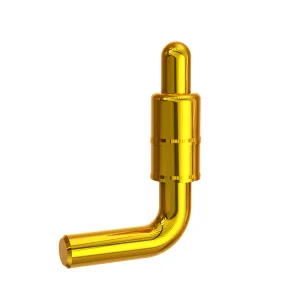
Currently, Asia-Pacific dominates the global semiconductor testing arena. Regional industrial hubs in South Korea, Taiwan, mainland China, and Southeast Asia require billions of precision micro-contacts annually. As global microchip demand surges, OEMs are diversifying their supply chains to secure reliable, high-yield wafer probe manufacturers. This diversification shifts focus toward agile manufacturers who can swiftly customize spring thimbles, bending pogo pins, and high-frequency RF contacts without charging prohibitive tooling fees.
With chip packaging moving towards 2.5D and 3D stacking configurations, wafer level chip scale packaging (WLCSP) demands high density probe pins that can withstand repeated load stresses without alignment drift.
Automotive electronics require thermal cycling checks ranging from -40°C to 150°C. Probes must maintain mechanical stability and stable electrical resistance profiles during these temperature transitions.
Using proprietary gold-cobalt, gold-nickel, or rhodium alloys protects probe tips from oxidation, reducing clean-cycle frequencies and maximizing tester uptime.
Choosing the correct micro-contact interface directly impacts overall yield, signal integrity, and cost per touchdown. Below is an engineering comparison between traditional architectures and spring-based Pogo Pin technologies:
| Probe Structure | Typical Pitch Limit | Current Carrying Capacity | Avg. Lifespan (touchdowns) | Primary Suitability | Relative Cost Factor |
|---|---|---|---|---|---|
| Cantilever Probes | > 50 µm | Up to 1.5A | ~ 500,000 | Analog/Legacy IC Testing | Moderate |
| Vertical Probe Cards | > 80 µm | Up to 2.0A | ~ 1,000,000 | High-Density Logic, SoC | Very High |
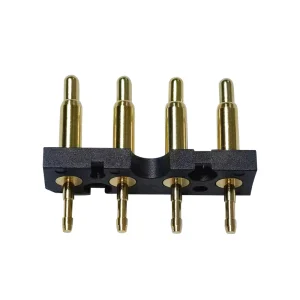
| Spring Pogo Pin (RQB Style) | > 150 µm | Up to 10.0A (High Current) | ~ 1,500,000+ | SMT/SMD, Magnetic Chargers, WLCSP | Highly Cost-Effective |
| Bending Type Pogo Pins | > 120 µm | Up to 3.0A | ~ 1,200,000 | Edge Card Connection, PCB Socket | Economical |
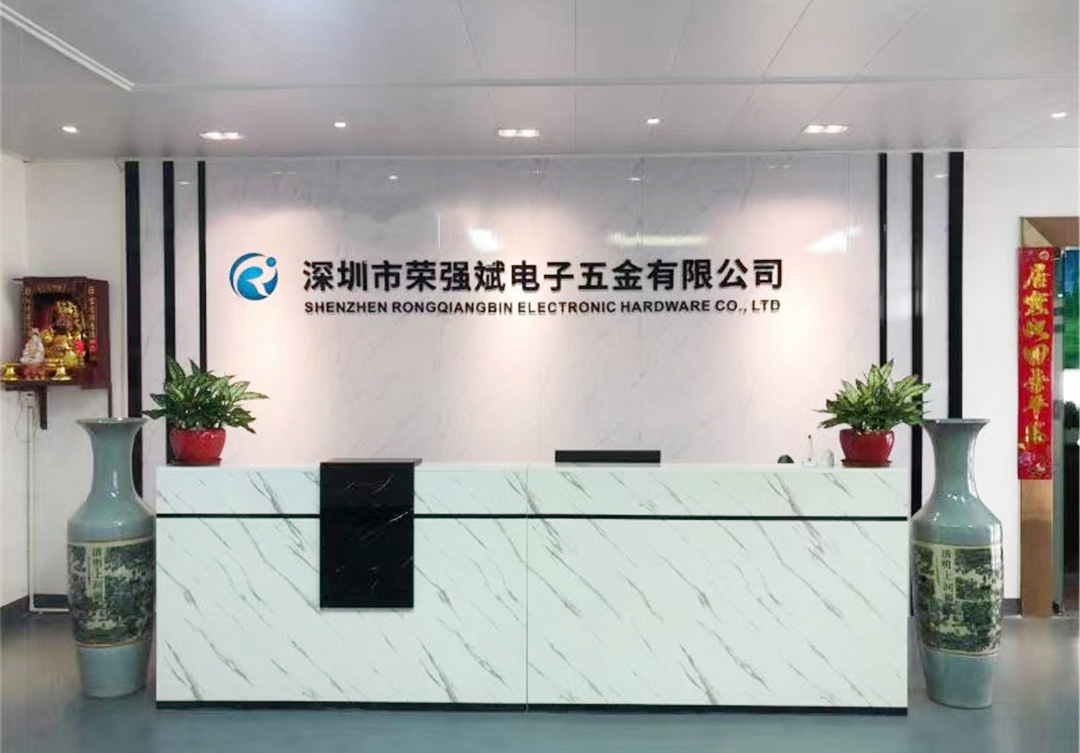
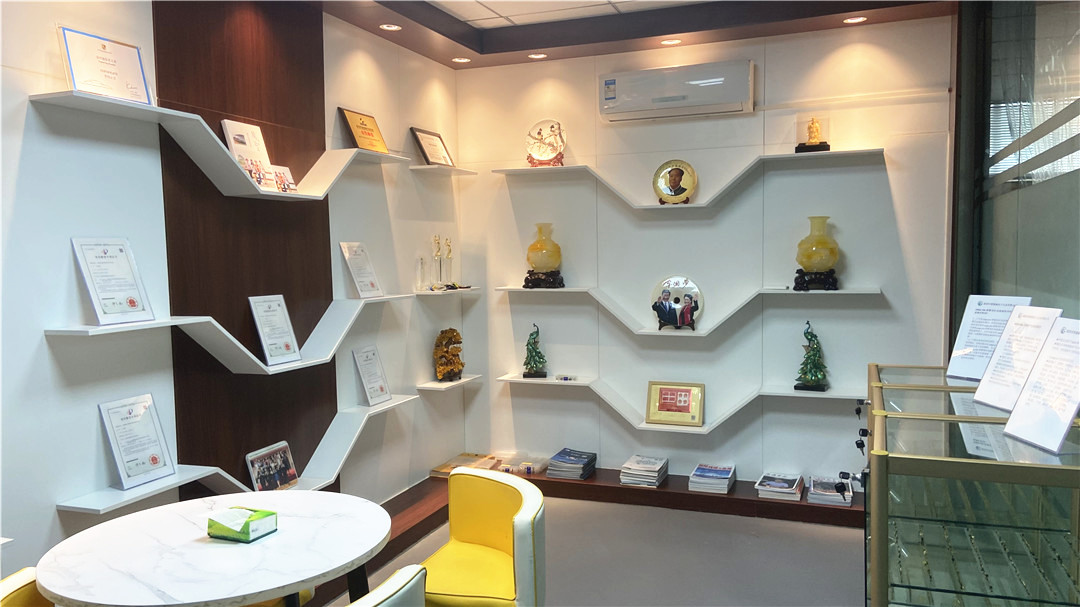
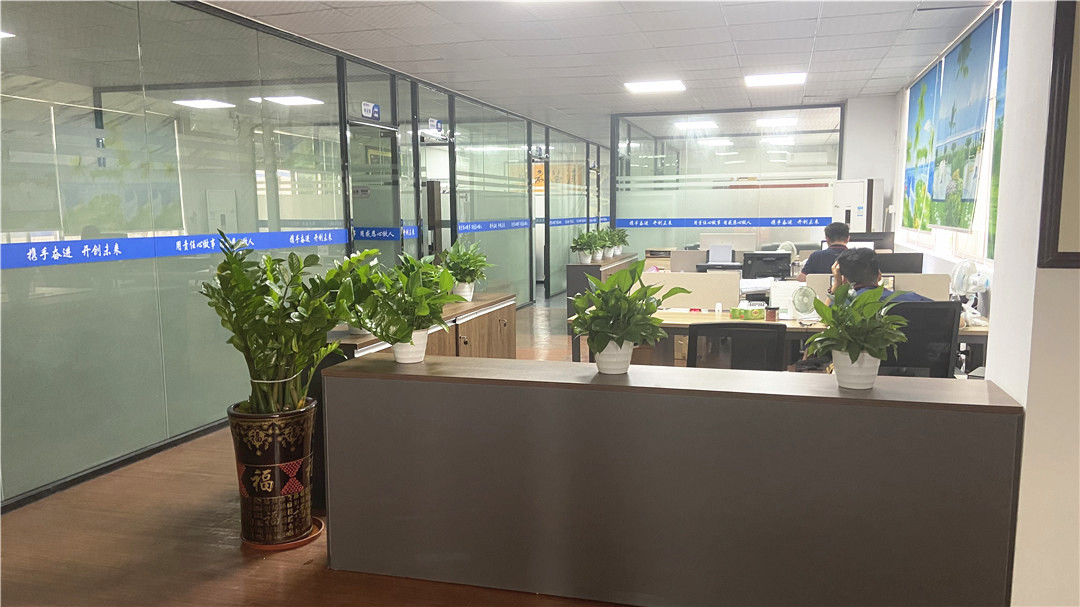
Established in February 2011, located in Songgang Street, Shenzhen—at the heart of the Guangdong-Hong Kong-Macao Greater Bay Area—Shenzhen Rongqiangbin Electronic Hardware Co., Ltd. (RQB) is an industry-leading designer and manufacturer of precision POGO PIN and spring-contact solutions.
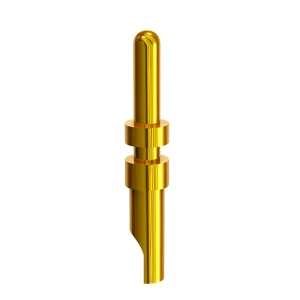
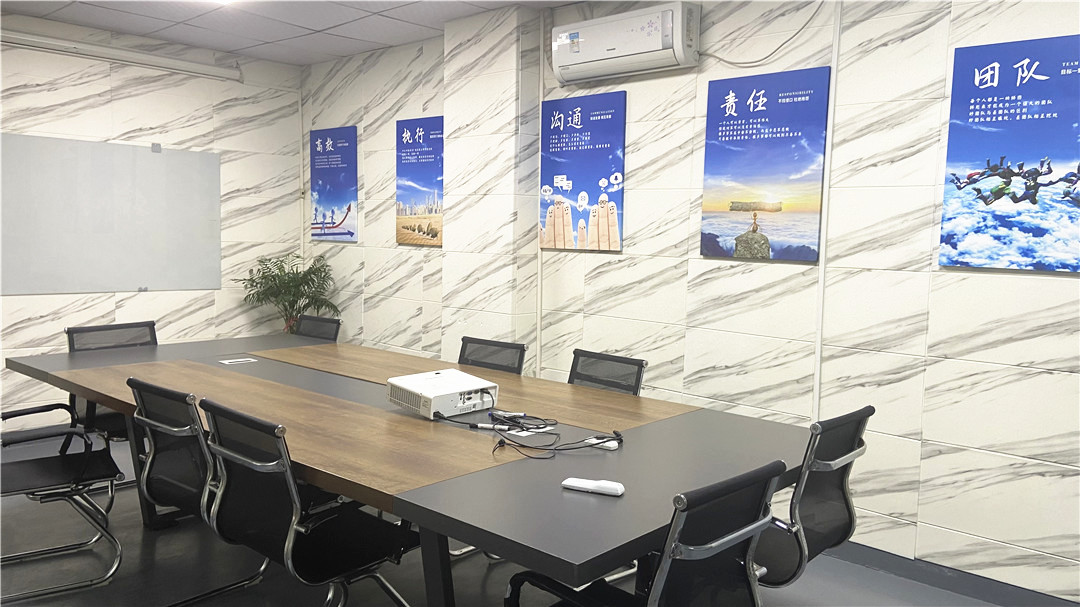
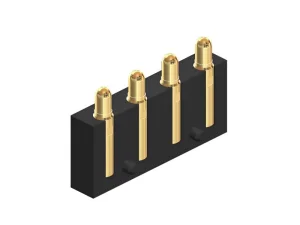
With a core focus on the development, manufacturing, and distribution of high-durability POGO PINs (also known as spring thimbles) and magnetic connectors, RQB has built a reputation for engineering excellence and cost efficiency. We operate on the principle of "Customer First, Integrity First," supported by a specialized production and engineering team.
Our facility holds the international ISO9001:2015 quality management system certification. We employ rigorous quality management and environmental protection protocols to supply products that meet global regulatory standards, including RoHS, REACH, and custom industrial specifications.
Our long-term, high-volume partnerships with global technology leaders demonstrate our capacity to deliver consistent quality at scale. Our major clients include:
Micro-contact and testing pins are critical components in modern device interfaces, test sockets, and charging adapters. Our products are engineered for high-durability performance across key industries:
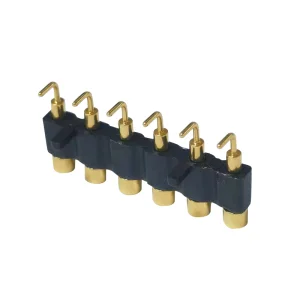
Providing compact SMT spring pins for cellular antennas, wristbands, smartwatches, and Bluetooth headsets (TWS). Designed for low-profile housings, high corrosion resistance, and perspiration protection.
Delivering high-reliability contacts for medical diagnostic monitors and aerospace avionics telemetry boards. Engineered to maintain connection stability under continuous vibration and mechanical shock.
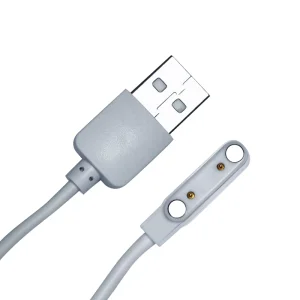
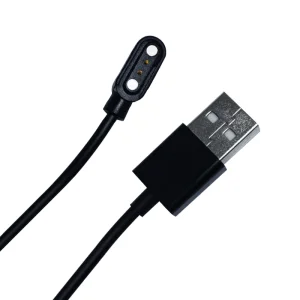
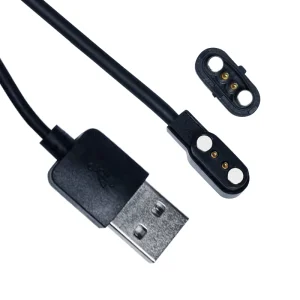
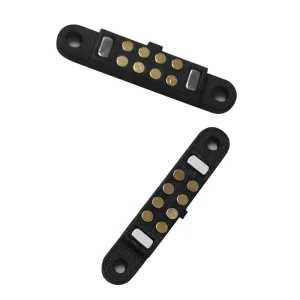
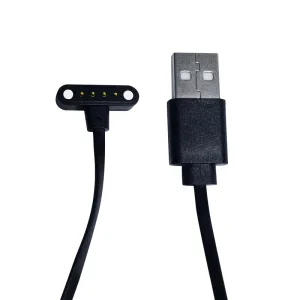
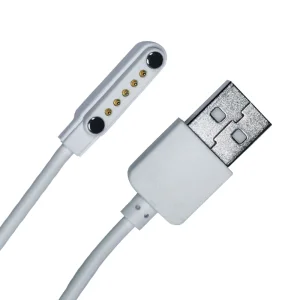
Providing customizable 2-pin to 8-pin magnetic pogo connectors and charging cables for rapid power delivery, heavy-duty electronics, and robotic charging docks.
“Since our founding, we have focused on delivering excellent quality and responsive customer service. We center our efforts on the customer to create value and earn long-term partnerships.”
As microelectronics shift toward chiplet designs, heterogenous integration, and 2D/3D packaging, physical testing demands are increasing. RQB is actively developing new technologies to meet these challenges:
1. Sub-100µm Pitch Tuning: Standard CNC tooling is reaching its physical limits. We are integrating advanced micro-discharge machining (EDM) and Swiss-type high-precision turning centers to scale down pogo pin sizes while maintaining structural resilience.
2. Co-axial High-Frequency Probing: To test 5G/6G RF transceivers, contact interfaces must support frequencies up to 40GHz and beyond. We are optimizing structural impedance matches and grounding shield layouts to minimize insertion loss.
3. Advanced Material Deposition: We are transitioning from traditional electroplating to atomic layer deposition (ALD) and advanced alloy sputtering. This provides high-uniformity barriers that resist wear during long testing cycles.
"Committed to being an excellent global POGO PIN manufacturer for both quality and cost, and leading connector technology development."
By investing in automated visual inspection systems and precision high-volume machining facilities, we strive to deliver cost-effective contact interfaces with high quality assurance.
 Rongqiangbin