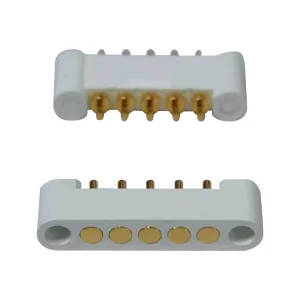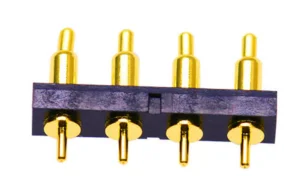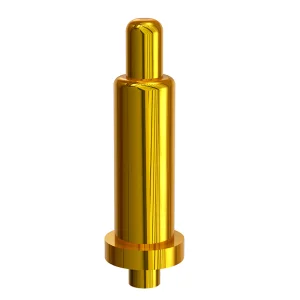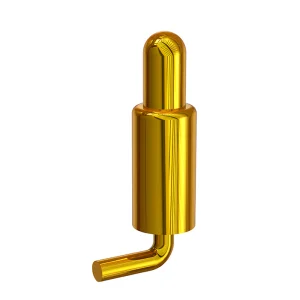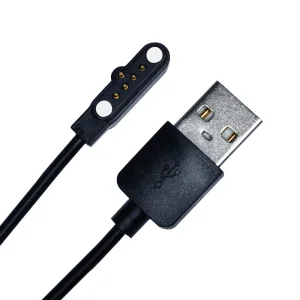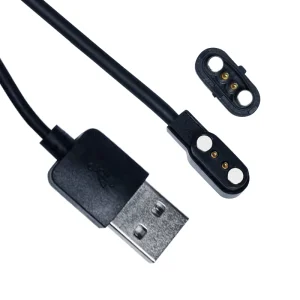
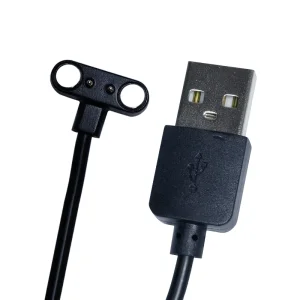
In the rapidly evolving landscape of high-performance electronics, miniaturization, and micro-electromechanical systems (MEMS), pogo pins (spring-loaded contacts) have transitioned from simple testing accessories to mission-critical board-to-board, dock-to-device, and high-frequency communication connectors. Ensuring a high-quality installation is the foundational pillar governing the lifecycle, contact resistance, electrical reliability, and structural integrity of these interconnect systems.
As electronic footprints contract and performance requirements rise, the processes involved in installing pogo pins on printed circuit boards (PCBs) require absolute precision. A variance of a few micrometers in spatial alignment, a fraction of a millimeter in stroke length, or minor thermal misalignment during reflow soldering can lead to signal loss, contact degradation, or permanent failure. This technical whitepaper explores the comprehensive design rules, assembly approaches, global market forces, and advanced production strategies that define top-tier pogo pin integration.
Successful pogo pin installation relies on selecting the appropriate mounting architecture for your electrical and mechanical requirements. Designers must choose between three primary mounting styles: Surface Mount Technology (SMT), Through-Hole Technology (THT), and Press-Fit (Solderless) mounting.
Ideal for high-density, automated SMT assembly lines. Pogo pins are designed with a flat base or custom cap for vacuum nozzle suction. Optimal solder paste volume and precise PCB land patterns are critical to prevent tilting during reflow.
Offers superior mechanical anchoring strength. Recommended for connectors subjected to heavy insertion, shearing forces, or high vibration. Ensure that the pin tail length accommodates standard PCB wave-soldering processes.
Relies on precise interference fits where pogo pin bodies are mechanically pressed into plated or non-plated board slots. Eliminates thermal stress and flux contamination risks, prioritizing easy field replacement.
When developing your integration guidelines, engineers must focus on four essential variables to prevent degradation of performance:
| Parameter | Recommended Standard Value | Critical Engineering Impact |
|---|---|---|
| Working Stroke Compression | 60% of total travel distance | Optimizes contact force while preventing plastic deformation |
| Soldering Pad Clearance | Pin Diameter + 0.20 mm | Ensures high-quality wetting and structural support fillets |
| Maximum Insertion Angle Dev. | Less than 2° deviation from vertical axis | Prevents asymmetrical wear and internal mechanical binding |
| Spring Force Window | 40g to 120g (Application specific) | Maintains low contact resistance without damaging target pads |
Shenzhen Rongqiangbin Electronic Hardware Co., Ltd. is strategically headquartered in Shenzhen, the central city of the highly integrated Guangdong-Hong Kong-Macao Greater Bay Area. Founded in February 2011 on Songgang Street, Shenzhen, the company has focused its core capabilities on the development, manufacturing, and supply of premium-grade Pogo Pin connectors.
Over more than a decade of focused engineering and development, Rongqiangbin has grown into a leading manufacturer of spring-loaded contacts. The organization manages the complete product lifecycle, including initial research and development, high-precision machining, surface finish plating, final assembly, and strict quality control protocols.
Through a commitment to engineering precision, the company serves as a strategic partner to some of the world's most recognizable brands. Our key customer base includes global leaders such as Honeywell, Samsung, SIEMENS AG, ZTE, 360, QCY, HAYLOU, Shanghai Laimu, Luxshare Group, Aoni Electronics, and the Amphenol Group.
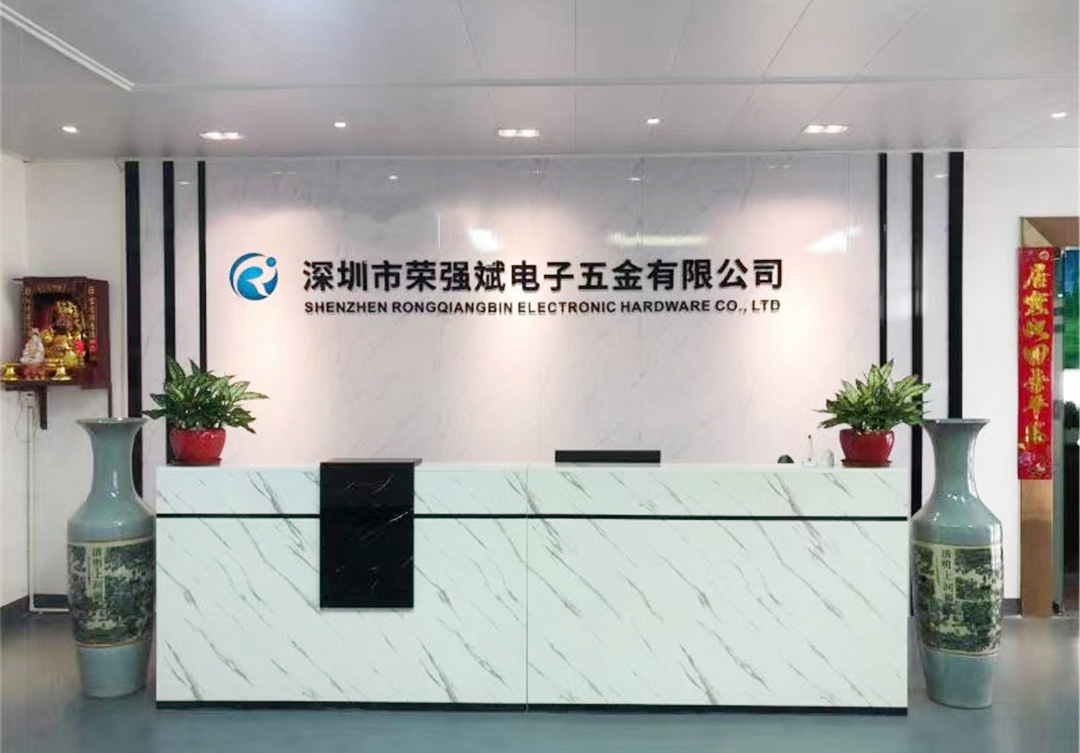
Rongqiangbin has established a state-of-the-art corporate facility featuring specialized departments to support product development and high-volume production. Below is an inside look at our facilities, which enable us to meet demanding quality requirements:

Showroom
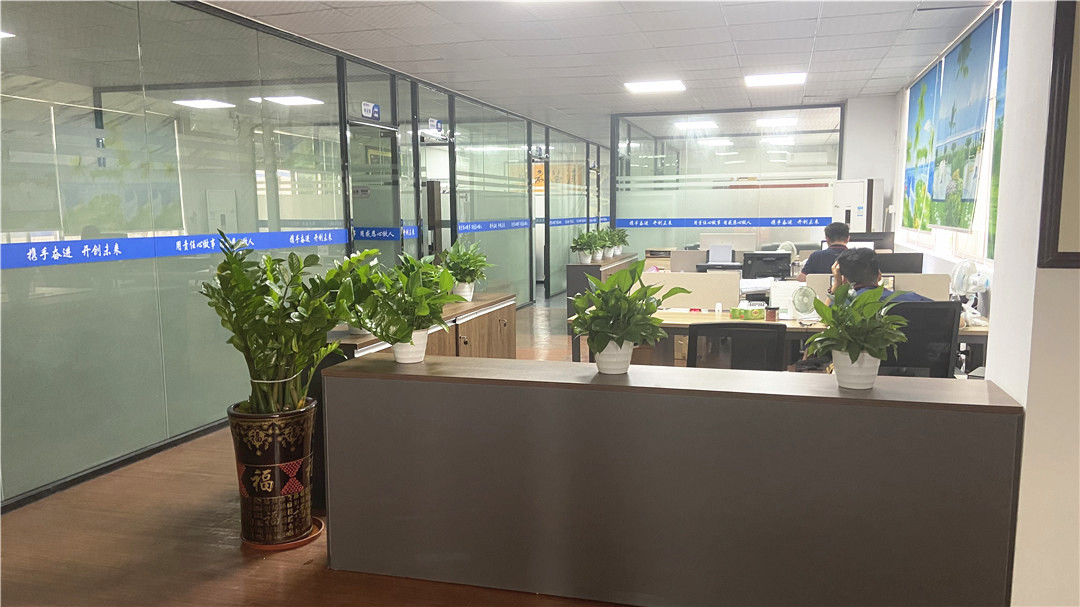
Office
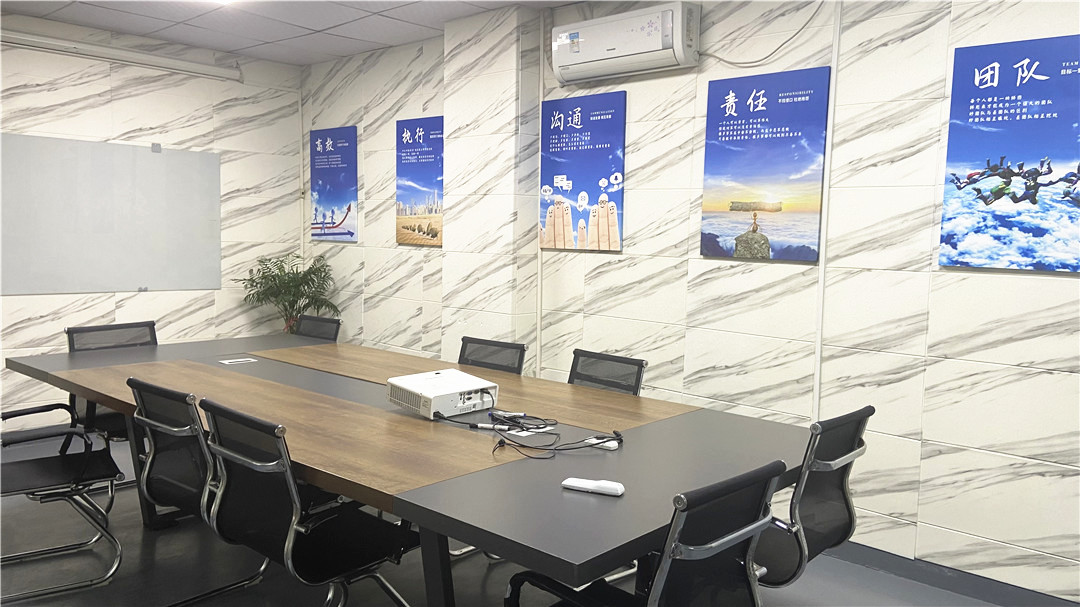
Meeting Room
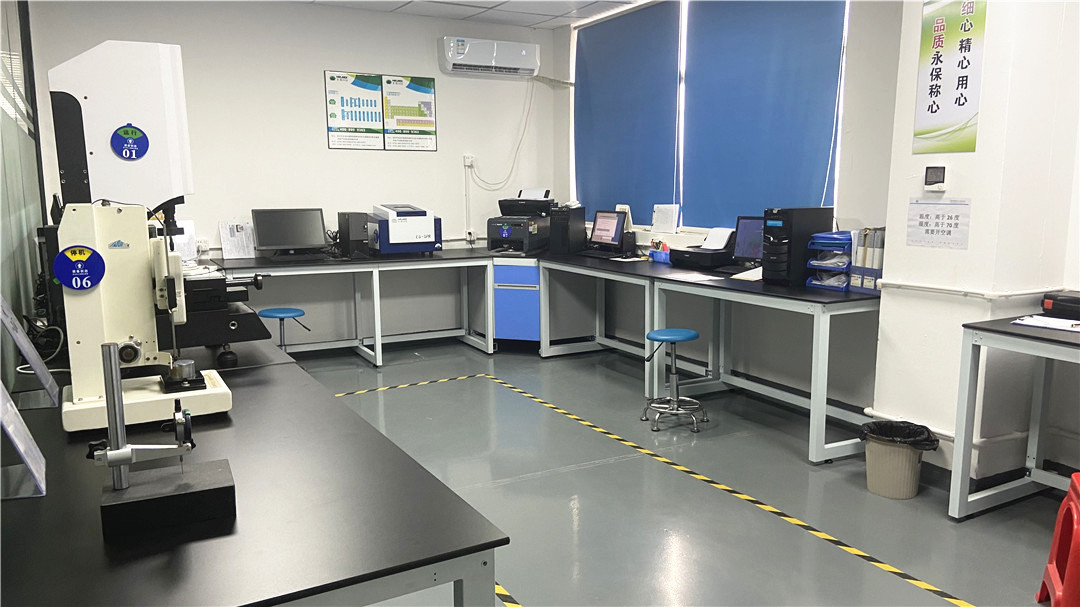
R&D Lab
The global market for electronic connectors has seen significant shifts, driven by the expansion of IoT networks, smart infrastructure, medical device integration, and the transition to electric vehicles (EVs). In this environment, pogo pins are chosen for their ease of use, space-saving design, and high cycle life.
Our pogo pin designs are used in a variety of industries, each with specific operating conditions and electrical requirements:
Used in smartwatches, fitness trackers, and TWS Bluetooth earbuds. These applications require compact footprints, corrosion resistance to sweat, and reliable waterproof performance (IPX7/IPX8).
High-power charging interfaces require larger spring-loaded pins capable of carrying sustained, high-current loads safely without excessive thermal buildup.
Used in handheld data terminals, GPS modules, aerospace communications, and medical diagnostic equipment where stable, low-resistance connections are critical.
In industrial environments, equipment frequently encounters dust, vibration, moisture, and extreme temperatures. Pogo pin assemblies are designed to adapt to these challenges. Because they are dynamic connectors, their spring action compensates for mechanical tolerances and structural movement during operation, maintaining contact under conditions where rigid connectors might fail.
The modern electronics manufacturing landscape requires suppliers who can deliver both high volume and high precision. As an ISO9001:2015 certified manufacturer, Shenzhen Rongqiangbin Electronic Hardware Co., Ltd. utilizes advanced production techniques to maintain consistency across large manufacturing runs.
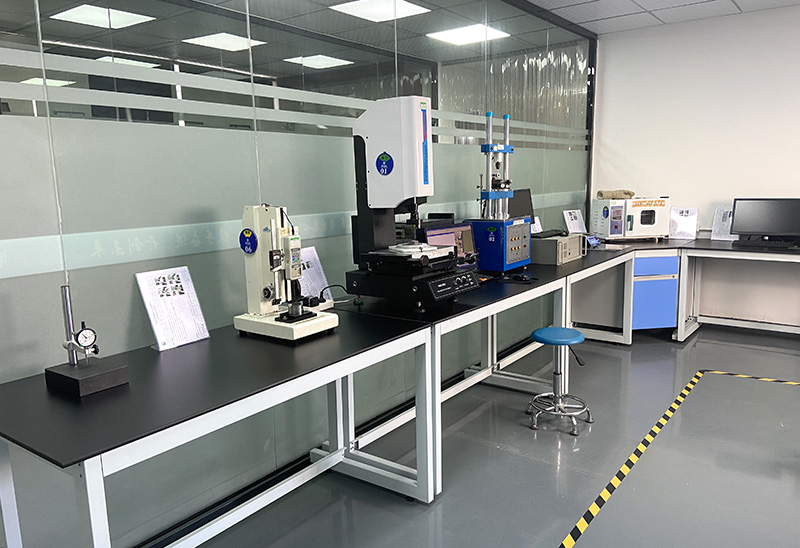
Our quality assurance framework starts with raw materials. Using high-precision Swiss-type CNC lathes, we machine brass and copper alloys to tight dimensional tolerances. We also implement environmental management systems to ensure compliance with RoHS and REACH standards for all components and surface platings.
Our production lines are supported by automated assembly and testing equipment. Each pogo pin batch is verified for electrical performance and mechanical lifecycle consistency using optical inspection systems and specialized dynamic testing tools.
Rongqiangbin maintains vertically integrated production facilities in Shenzhen. Below is an overview of the key manufacturing stages that ensure our connectors meet international standards:
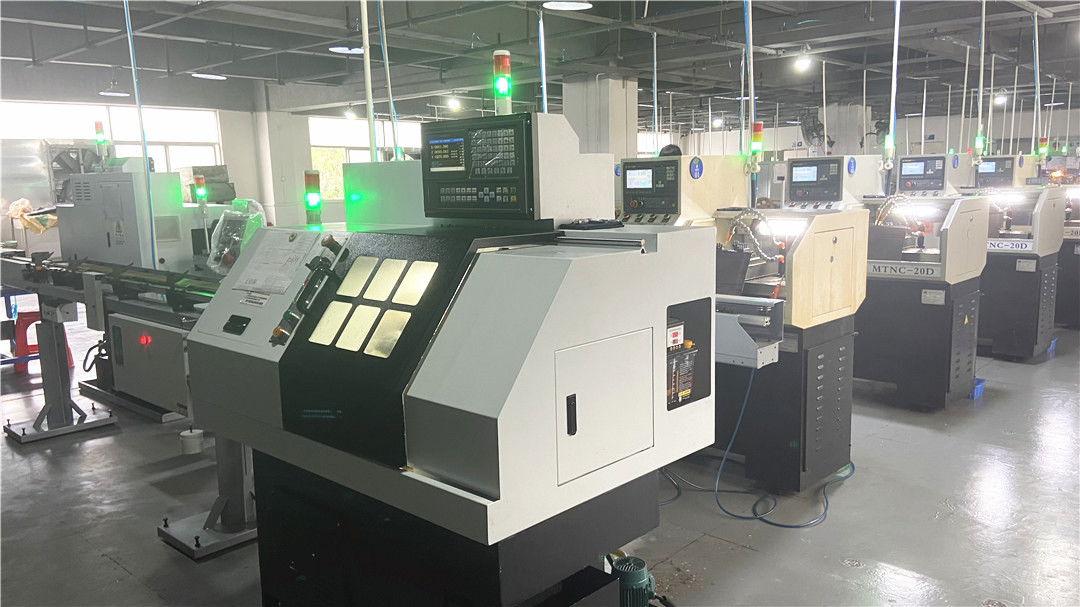
Precision Lathe Machining
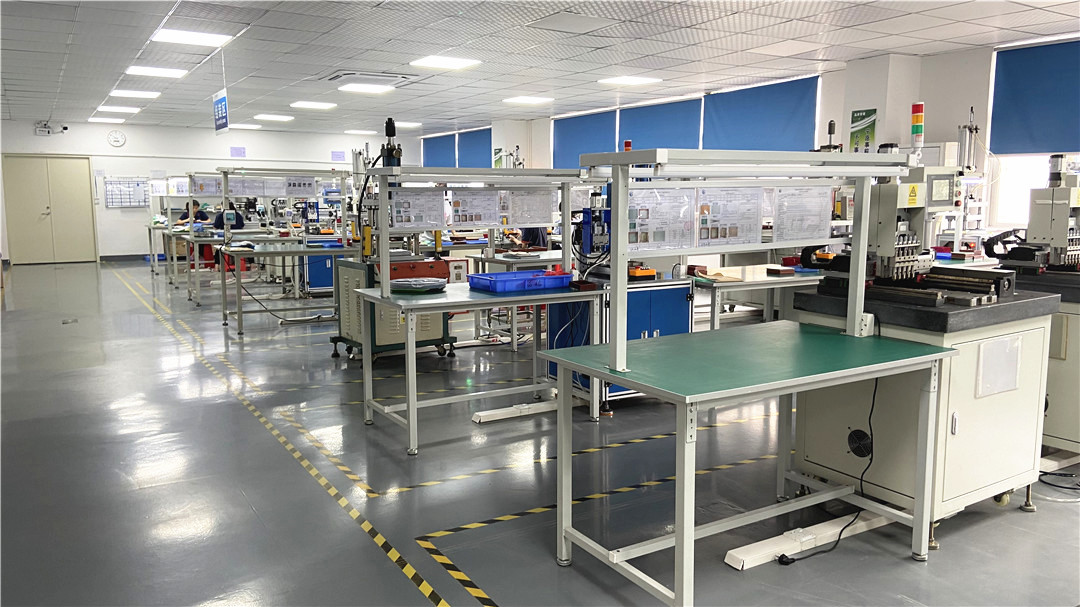
Assembly Workshop
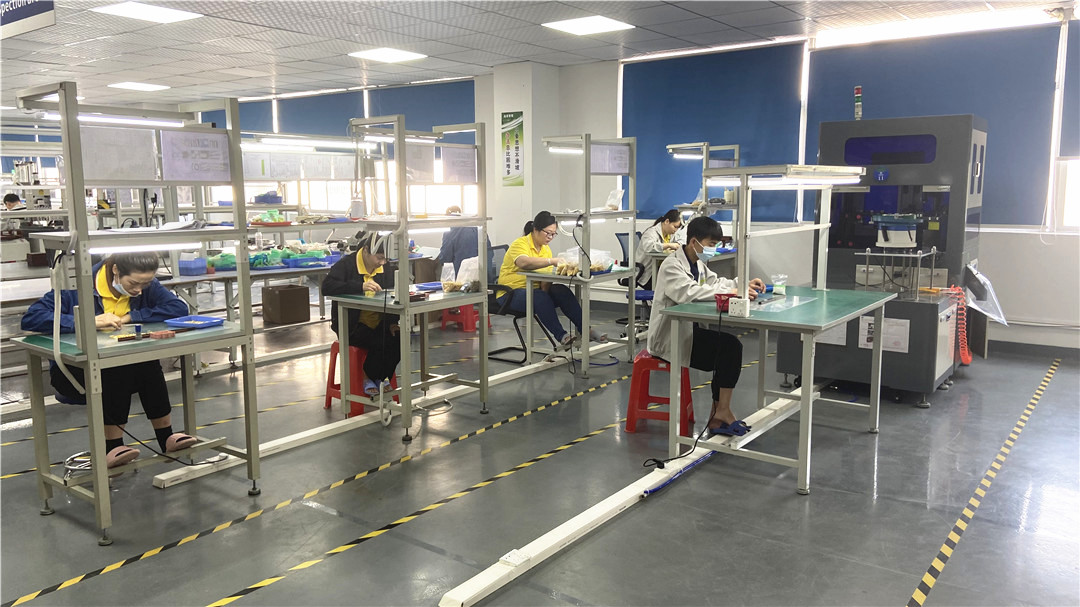
Quality Inspection Center
By keeping design, machining, plating, and testing in-house, we can adjust production schedules to match changes in demand, providing reliable lead times and maintaining supply chain resilience for our global customers.
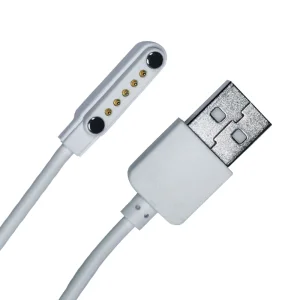
 Rongqiangbin