Engineered by Rongqiangbin for next-generation smart electronics, wearable terminals, and high-performance power routing.
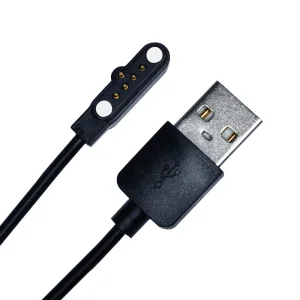
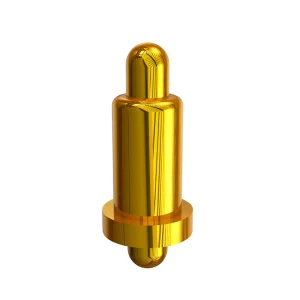
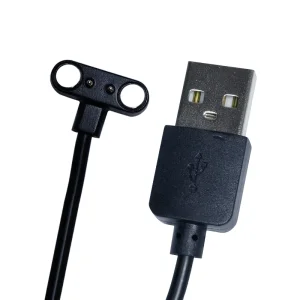
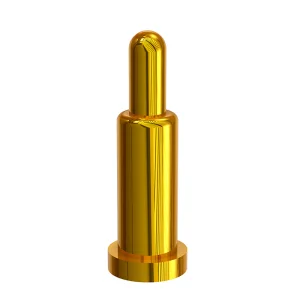
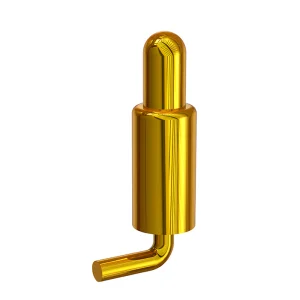
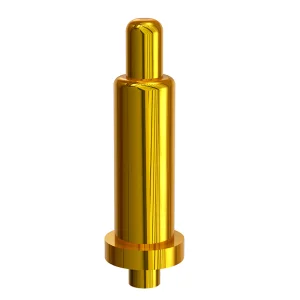
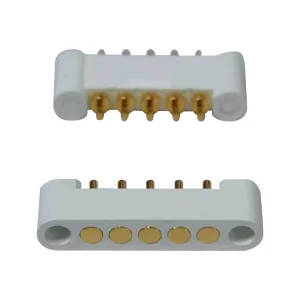
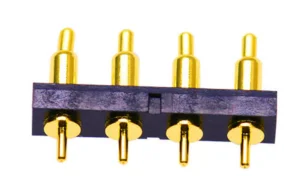
As micro-electronics move towards hyper-miniaturization, spring-loaded connectors (widely known as pogo pins) have become the default choice for power transmission and signaling interfaces. However, in automated manufacturing lines, quality control labs, and end-of-use electronics recycling, removing pogo pins from printed circuit boards (PCBs) without compromising pad integrity or thermal boundaries remains a major engineering challenge. This document provides clear, laboratory-tested methodologies for safely extracting pogo pins from various mounting systems.
Before attempting removal, you must identify the connection type. Pogo pins are typically integrated using three main methods:
For electronic manufacturing services (EMS) factories, the standard operating procedure for removing surface mount (SMT/SMD) and through-hole (DIP) pogo pins is outlined below:
Apply high-activity synthetic tacky flux (such as REL0 or ROL1) around the base of the pogo pin. This improves thermal coupling and breaks down oxide films on leaded or lead-free solder fillets.
For multi-layer PCBs (4 to 12 layers), preheat the board to 100°C–120°C using an under-board heater. This prevents board warping and thermal dissipation through internal copper ground planes.
Using a temperature-controlled soldering station set to 340°C–360°C, apply a flat chisel tip to the joint. For through-hole assemblies, use a vacuum desoldering tool to remove solder from the barrel.
Using anti-static tweezers, lift the pogo pin vertically. Do not apply lateral force, which can lift the copper pad from the epoxy glass substrate. Clean the area with isopropyl alcohol (IPA) afterwards.
Warning: Applying excessive force before the solder joint is completely molten can tear the copper pad off the board, ruining the PCB and requiring expensive repair.
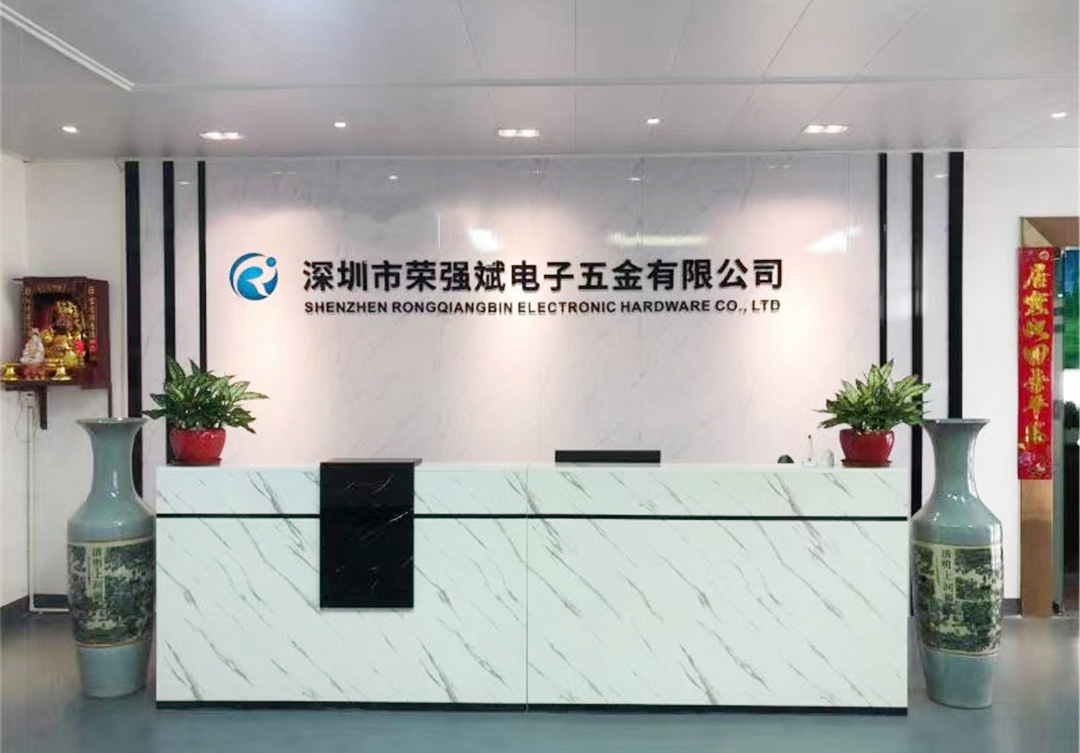
Established in February 2011, Shenzhen Rongqiangbin Electronic Hardware Co., Ltd. is located in Shenzhen, the central city of the Guangdong-Hong Kong-Macao Greater Bay Area. Over more than a decade of development and technological improvements, our factory has become a leader in the design and production of precision pogo pin connectors.
We focus on the R&D, manufacturing, and distribution of high-quality spring thimbles (POGO PIN) and magnetic charging cables. By keeping production in Shenzhen, we benefit from the local advanced manufacturing supply chain, enabling quick responses, tight tolerances, and highly competitive pricing for global buyers.
Take a virtual tour of our specialized production plant, research and development labs, and administrative center in Shenzhen.

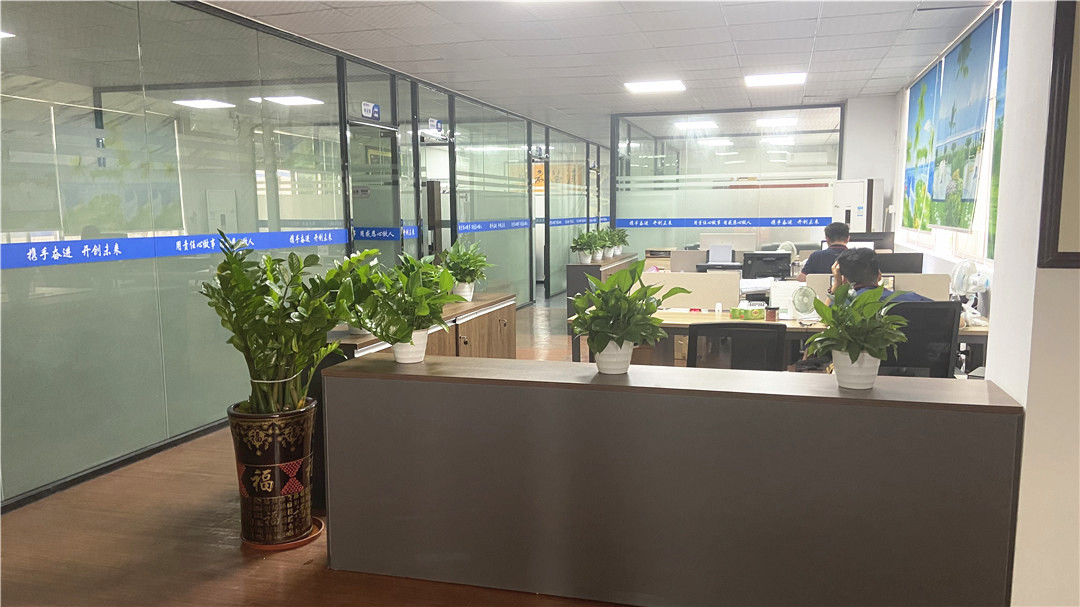
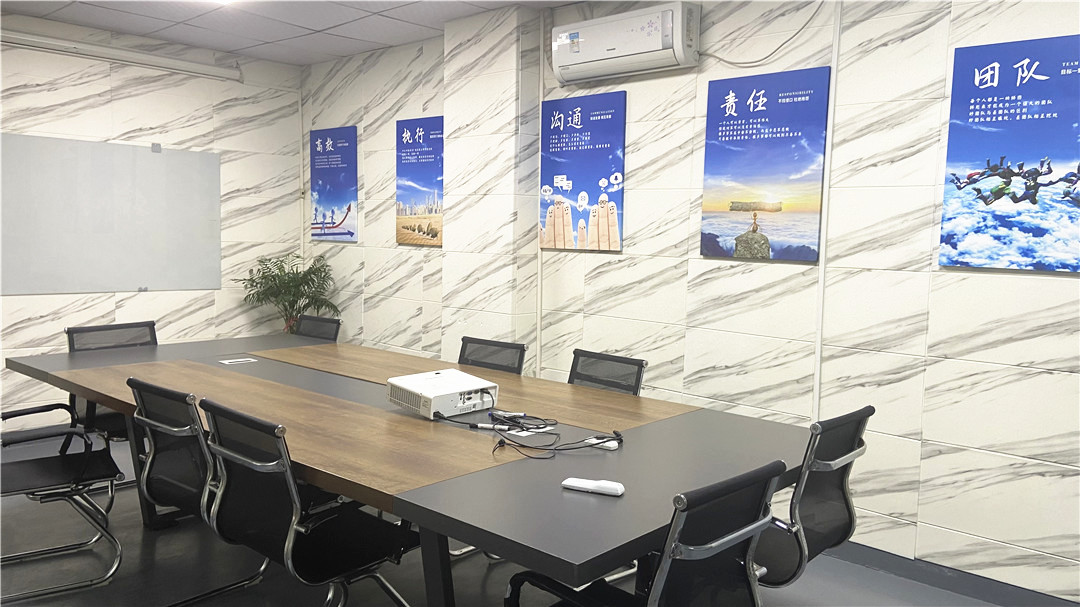
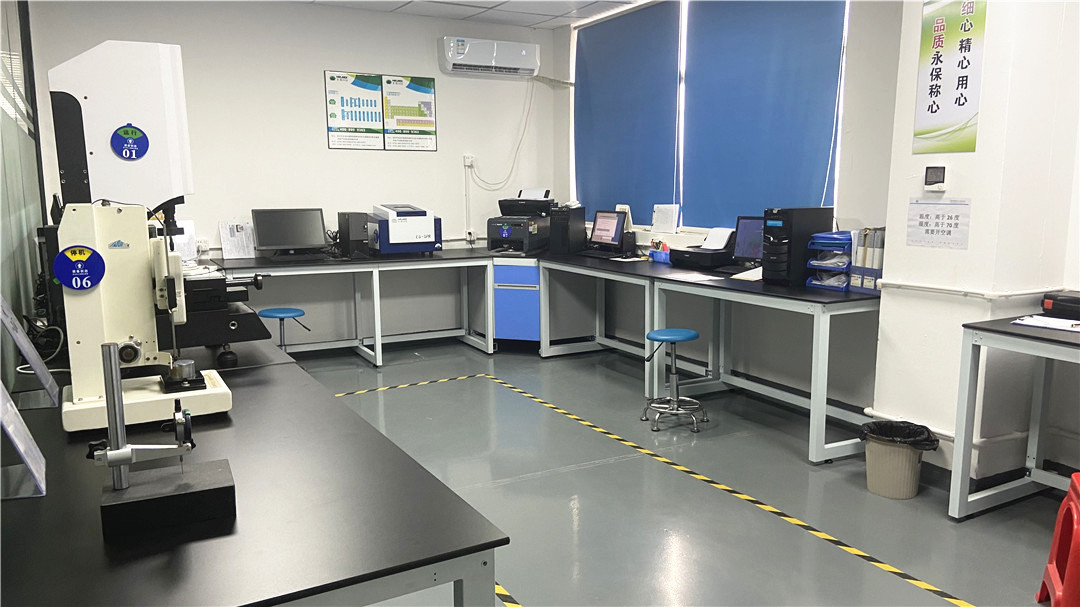
Our vision is to be an excellent pogo pin manufacturer for both quality and cost, serving domestic and international markets while leading connector technology development. We follow the principle of "customer first, integrity first," backed by a strong production engineering team.
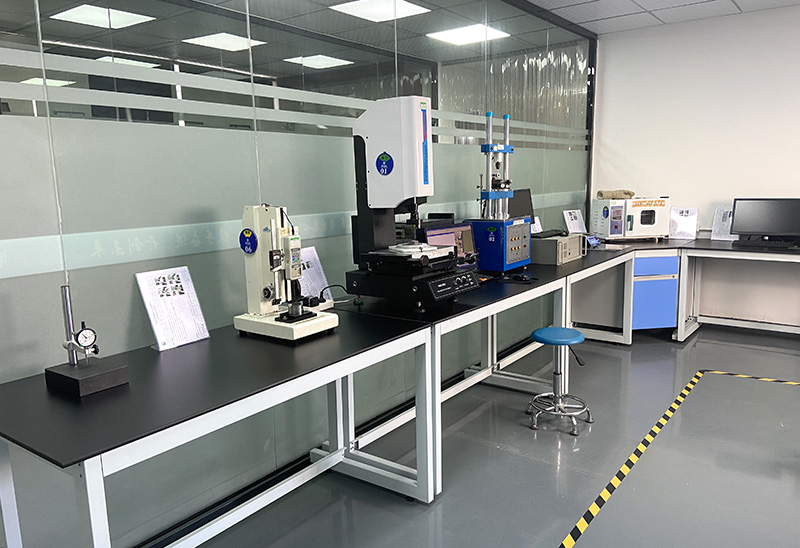

Our company is ISO9001:2015 certified, featuring a robust quality management team and strict environmental control systems to ensure all products comply with environmental regulations (including RoHS and REACH).
Our commitment to quality has earned us partnerships with global technology leaders, including Honeywell, Samsung, SIEMENS AG, ZTE, 360, QCY, HAYLOU, Shanghai Laimu, Luxshare Group, Aoni Electronics, and Amphenol Group.
Rongqiangbin connectors are widely used in a variety of industries, including:
Our plant uses Swiss-type CNC lathes and automatic testing equipment to keep structural deviations below 0.005mm.
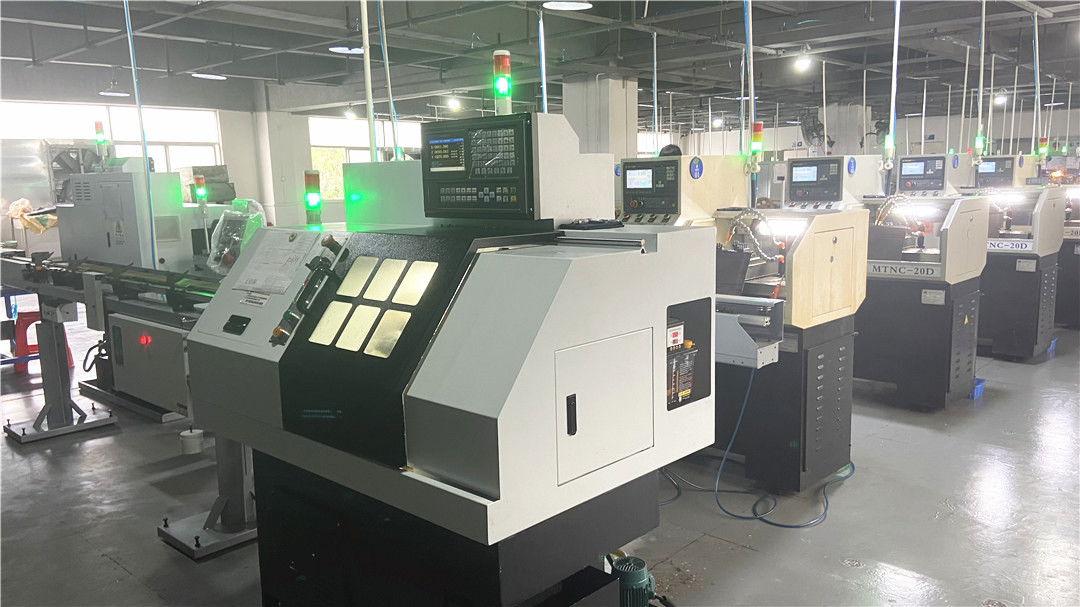
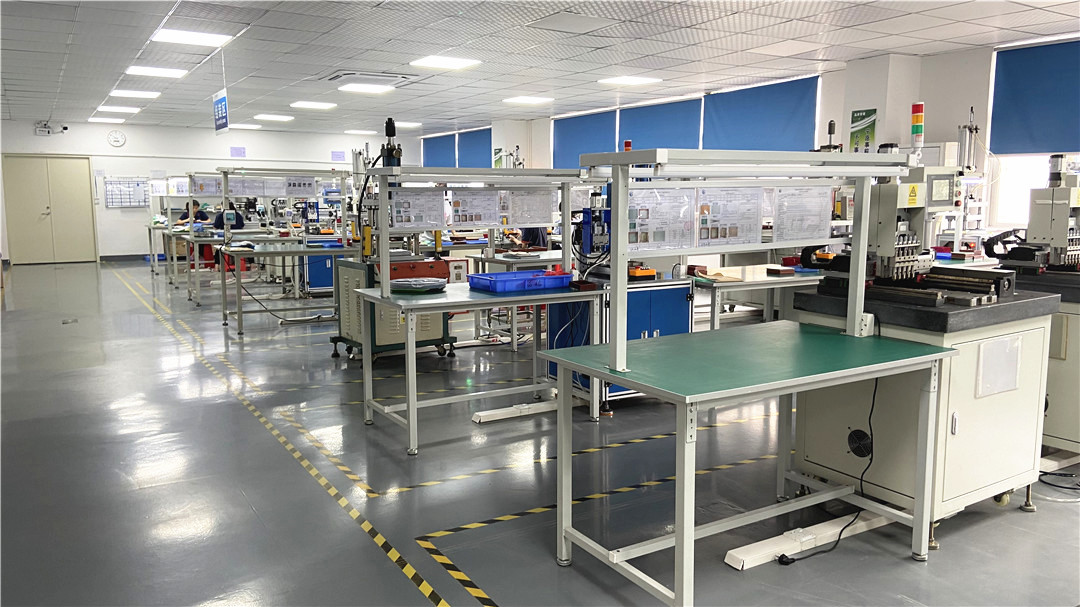
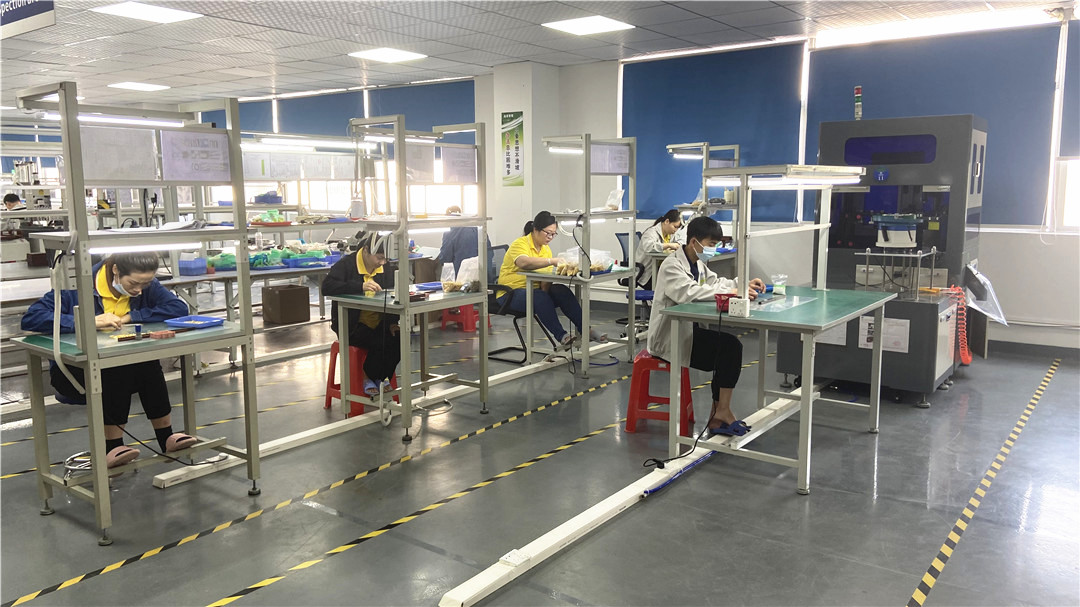
Global procurement teams focus on three main metrics when evaluating pogo pin suppliers: contact resistance stability, durability (mechanical life cycle), and rework yield rates. In high-density assemblies, pogo pins with low defects reduce manufacturing line rework. If a pin fails during in-circuit testing (ICT), using a reliable desoldering method preserves the PCB assembly and saves raw material costs.
Rongqiangbin's engineers support customers by recommending appropriate thermal limits for reworking our products. We design the internal plungers of our pogo pins to withstand reflow temperatures up to 260°C, ensuring the internal springs do not lose tension if the pins need to be desoldered and replaced.
Explore more products from our Shenzhen catalog, featuring customized designs for consumer electronics and industrial applications.
 Rongqiangbin