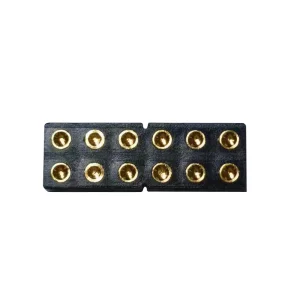
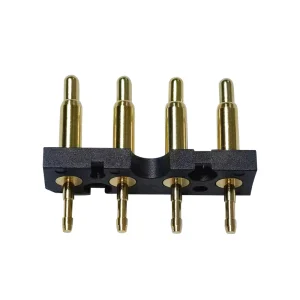
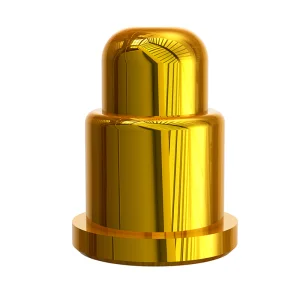
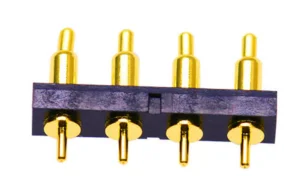
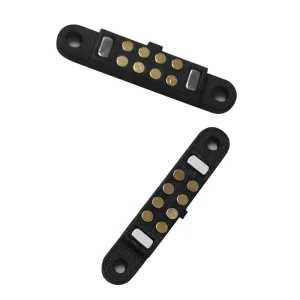
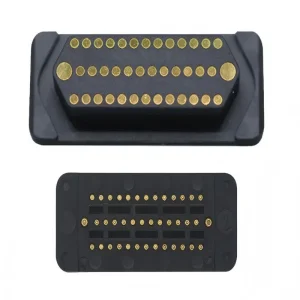
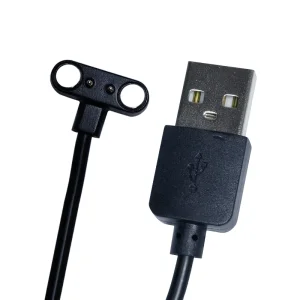
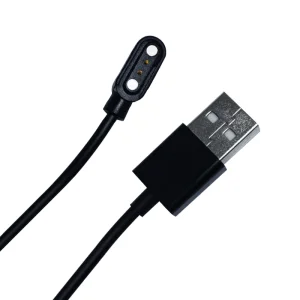
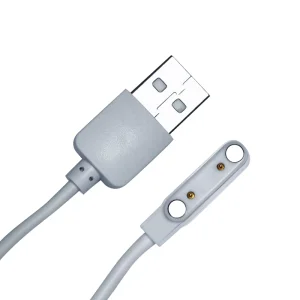
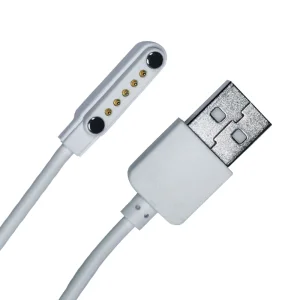
In modern electronic design, the demand for compact, rugged, and user-friendly interface interfaces has accelerated the shift from traditional micro-USB or mechanical USB-C sockets to magnetic breakaway assemblies. The Magnetic 4 Pin Connector represents the engineering sweet spot for power transmission and bidirectional data flow. Featuring four independent contacts, this geometry typically allocates pins for DC Power Input, Ground, and two differential data channels (D+ and D-), or configurations including Configuration Channel (CC) detection.
For original equipment manufacturers (OEMs), utilizing magnetic connection architectures mitigates device damage from unexpected cord tension, simplifies aligning procedures in dark or blind-mating scenarios, and dramatically improves moisture protection barriers up to IP68. Unlike legacy plug interfaces where dust and water build-up causes terminal breakdown, the flat-surface pin configuration of spring-loaded magnetic sockets allows simple cleaning, keeping communication lines clear throughout the lifecycle of the device.
Integrated Neodymium N52 permanent magnets attract and align the connector head correctly, reducing connection fatigue and mating errors to zero.
Flat face contact profiles eliminate cavities, easing hermetic sealing designs for demanding marine and medical electronics.
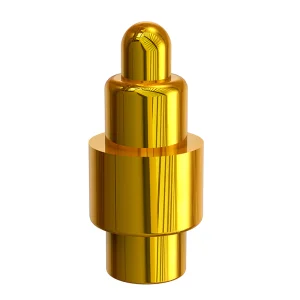
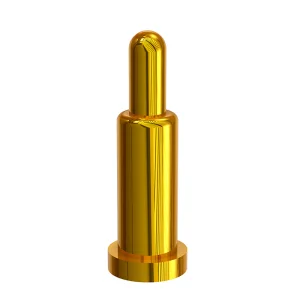
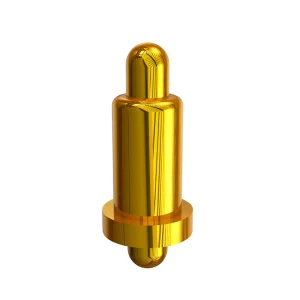
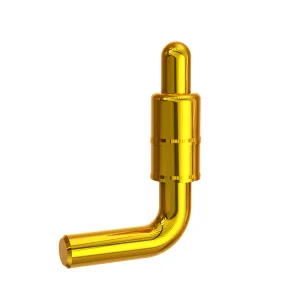
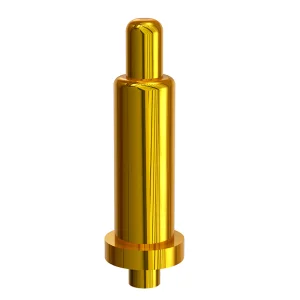
Designed with spring-loaded pogo pin structures that support over 50,000 mating operations without material stress fatigue.
Engineers sourcing components internationally look far beyond simple dimensional metrics. Strategic sourcing involves evaluating raw material composition, environmental compliance, and microstructural electrical characteristics. In a typical global tender for medical, industrial, or smart-home devices, procurement officers focus heavily on the following design validation rules:
Contact Resistance & Thermal Dissipation: A premium 4-pin contact layout must display low contact resistance (often < 30mΩ). In high-current applications where one or more pins carry up to 5A, thermal dissipation optimization is crucial to prevent structural housing deformation or magnetic degradation at high temperatures.
Advanced Corrosion Protection: With wearables exposed to sweat and chlorine, standard plating can suffer electrolysis breakdown. Reliable manufacturers recommend specialized gold (Au) plating over nickel barrier layers, with thicknesses reaching 3μ" to 30μ". Some extreme environments utilize Platinum (Pt) or Rhodium-ruthenium alloy configurations for superior defense against skin perspiration corrosion.
Strict Adherence to Environmental Guidelines: Global safety standards require materials to comply with RoHS, REACH, and Halogen-Free protocols. Shenzhen Rongqiangbin guarantees trace-element tracking for all input alloys, spring steels, and high-performance resins.
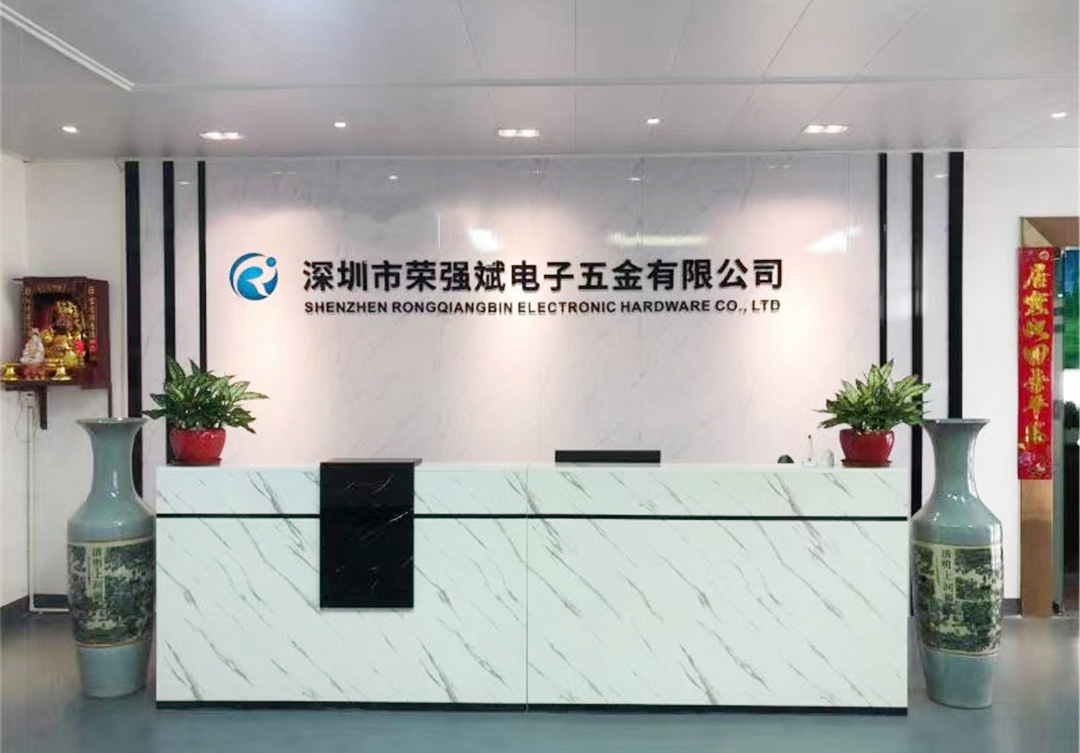

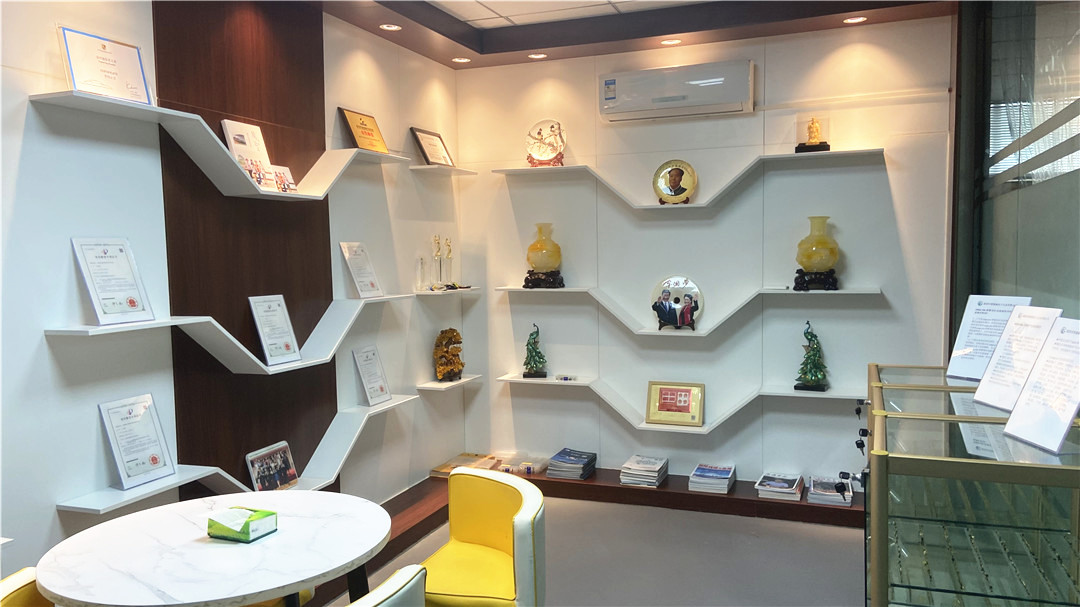
Founded in February 2011 in Songgang Street, Shenzhen, Shenzhen Rongqiangbin Electronic Hardware Co., Ltd. has established itself at the forefront of the spring-loaded connector industry in the Guangdong-Hong Kong-Macao Greater Bay Area. Over more than a decade of research, development, and high-precision manufacturing, the enterprise has grown into a key supply partner for critical connectivity technology.
Rongqiangbin focuses entirely on the R&D, fabrication, testing, and sales of high-performance POGO PIN (spring thimble) designs and specialized magnetic connector assemblies. Relying on a foundational corporate culture of "Customer First, Integrity First", the company maintains a seasoned engineering staff capable of tailoring layouts to challenging spatial, electrical, and environmental specifications.
By delivering stable quality and highly competitive cost control structures, Rongqiangbin has become a designated vendor to some of the world's most recognizable consumer technology, industrial, and telecom brands:
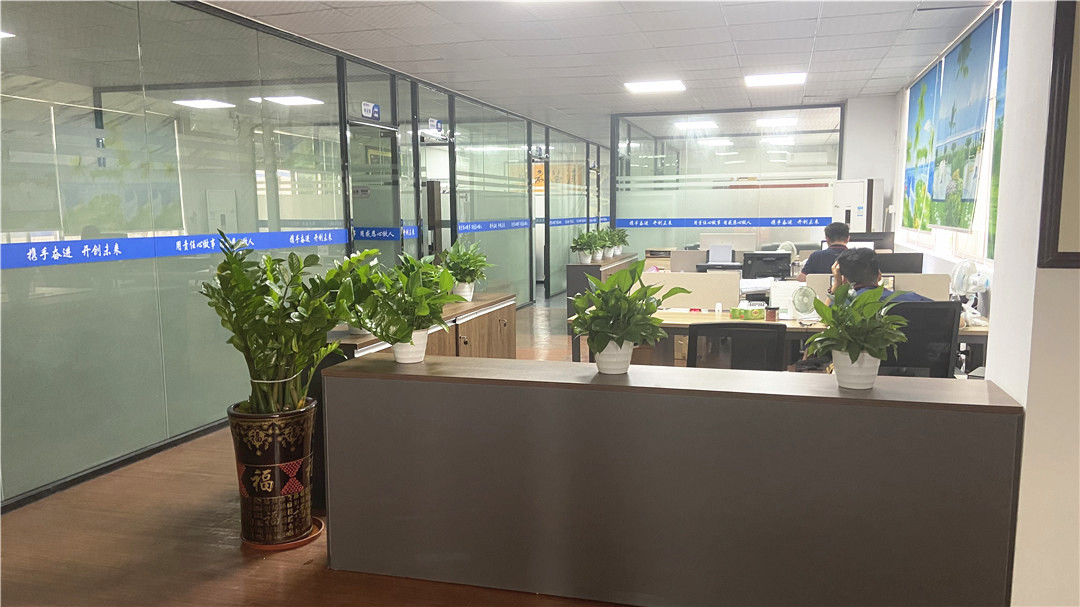
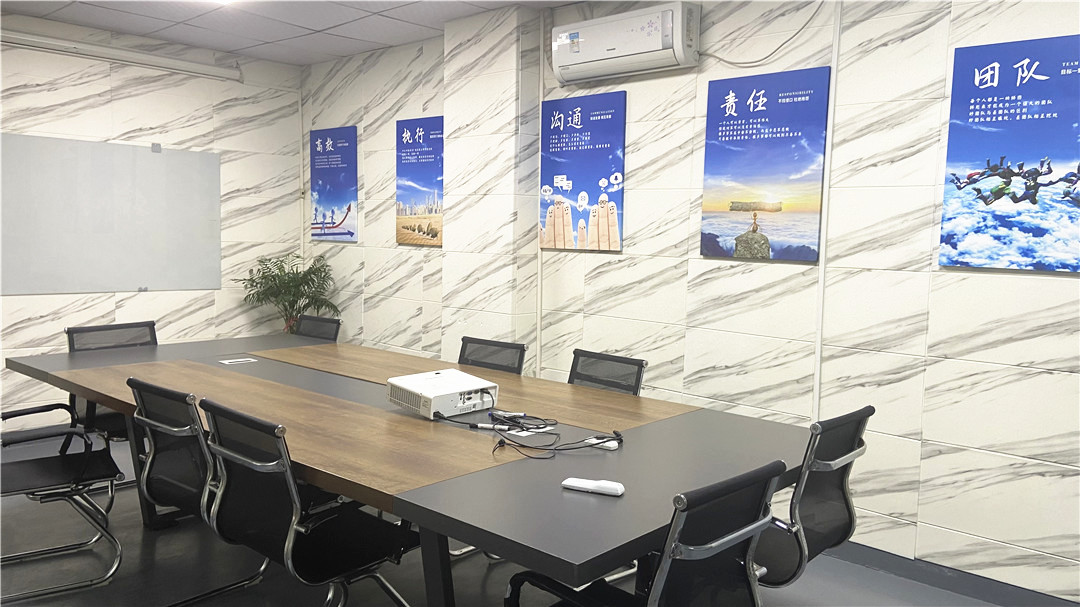
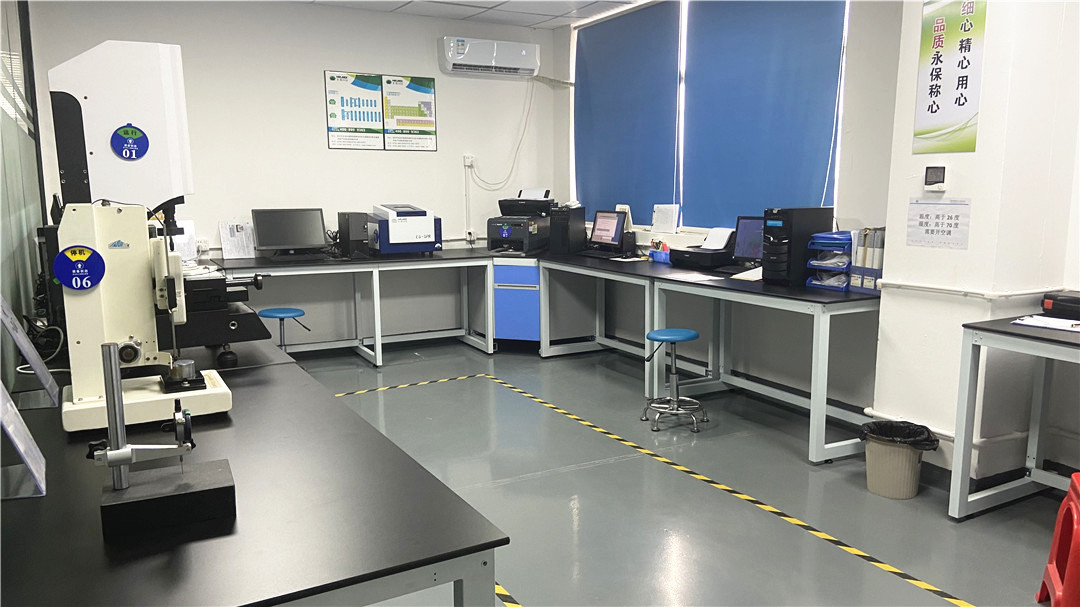
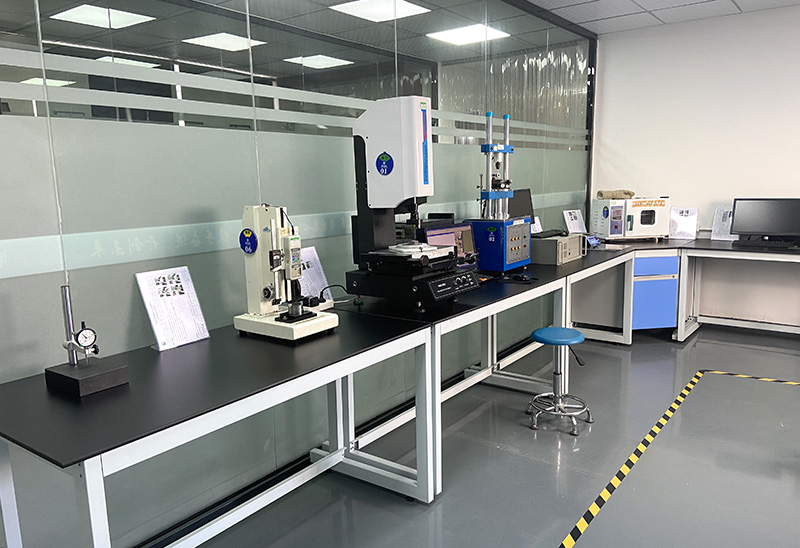
Manufacturing high-performance spring-loaded pins requires micron-level machining consistency. To ensure maximum reliability under the ISO9001:2015 quality framework, Rongqiangbin operates an integrated facility combining raw metal turning, plating control, automated assembly, and testing.
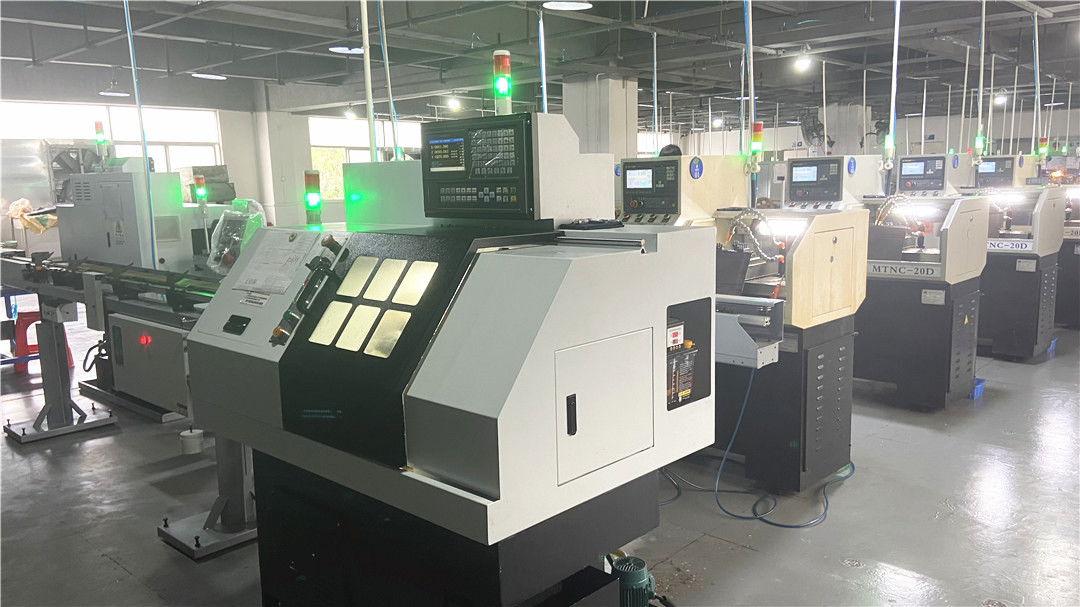
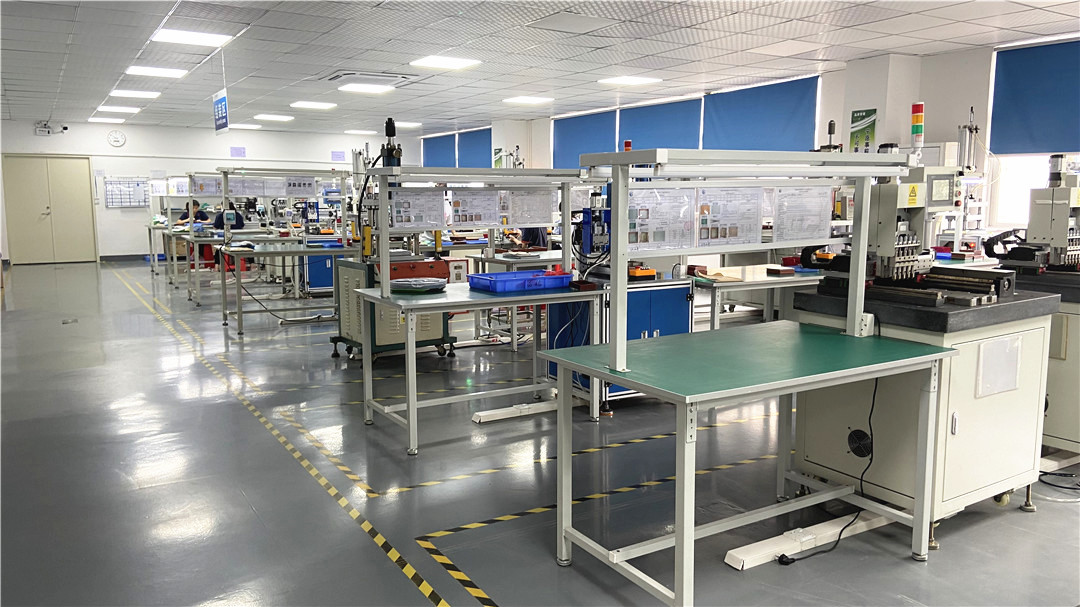
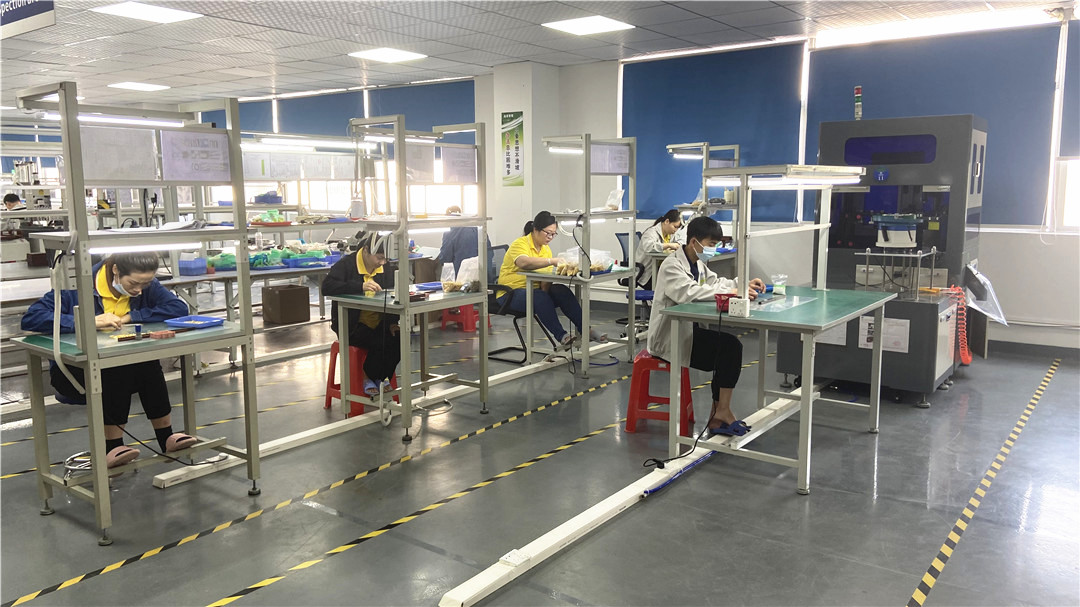
Our automated lathe facilities operate continuously, machining complex pin profiles with tolerances as tight as 0.005 mm. Standard processing includes multi-step optical inspection to filter out surface micro-scratches. The raw barrels, plungers, and inner springs are routed to cleaning and surface plating lines before being assembled in dust-free chambers.
Rongqiangbin's Quality Inspection Protocol is built around three core pillars: Dynamic Force Displacement Profiling (verifying consistent spring load characteristics at defined compression limits), Environmental Reliability Chambers (simulating severe corrosion, thermal shock, and dust challenges), and Automated Optical Sorters (verifying contact alignment, housing dimensions, and cosmetic details).
In an era of global supply chain disruptions and volatile component lead times, partnering with a Chinese supplier utilizing Factory 4.0 paradigms offers key competitive advantages:
Operating out of Songgang Street, Shenzhen, places Rongqiangbin at the center of the world's most concentrated electronics industrial ecosystem. This location provides rapid access to specialized copper alloys, high-coercivity magnets, complex mold-making shops, and international shipping channels. Lead times for custom prototypes are reduced from months to just 7 to 10 working days.
Through advanced computerized CNC machine arrays and automated robotic assembly units, Rongqiangbin can scale production capacity quickly. Our modular production layout allows us to easily switch from low-volume custom prototyping to high-volume manufacturing run rates exceeding one million units per week, maintaining consistent quality across shifts.
The physical layout of the magnetic 4-pin connector serves a wide range of application architectures. Below is a analysis of the industries utilizing this technology:
Smart wristbands, smartwatches, and Bluetooth audio sets rely on thin magnetic charging arrays. A thin profile combined with sweat-resistant plating allows compact industrial designs that easily handle daily skin exposure.
For robotic components and sensor arrays operating under constant vibration, magnetic interfaces provide secure electrical contact, while also allowing easy breakaway if cables snag, protecting expensive equipment.
Handheld diagnostic readers, monitoring equipment, and smart clinical tools require reliable, quick-mating connectors. The flat-surface contact design allows for thorough sterilization, reducing the risk of clinical cross-contamination.
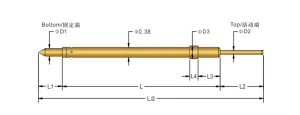
Standard designs carry 1A to 2A per pin. However, customized high-current pogo pins can be engineered to support 3A to 5A or more by modifying internal spring tension, upgrading to high-conductivity copper alloys, and optimizing pin diameters.
Standard USB-C ports are rated for approximately 10,000 insertion cycles. In comparison, high-quality spring-loaded magnetic contacts easily exceed 50,000 to 100,000 mating cycles. This is because connection relies on light mechanical contact rather than high-friction interference fits.
Electrolytic corrosion is mitigated by applying thicker noble metal plating, such as high-grade gold (Au) or platinum (Pt). Additionally, introducing a multi-layer nickel barrier prevents copper migration under high humidity or human sweat exposure.
Yes, it supports USB 2.0 transmission speeds (480 Mbps) reliably when internal trace routing, impedance matching, and plunger contact pressure are designed to preserve signal integrity.
Our housings typically utilize high-temperature thermoplastic resins like LCP, HTN, or PBT, which can withstand high SMT reflow temperatures up to 260°C without dimensional deformation.
 Rongqiangbin