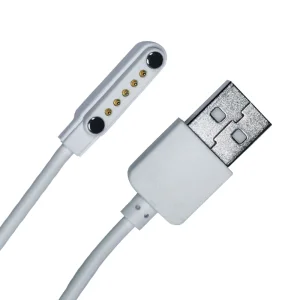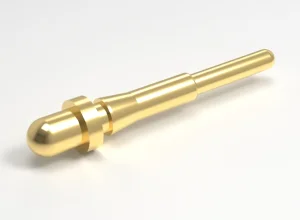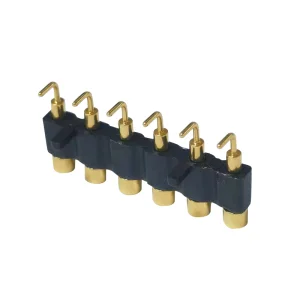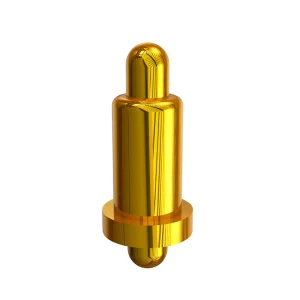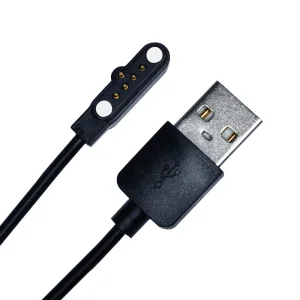
High-Quality Pogo Pin Charger For Smart Watch Suppliers & Factory

Precision Engineering, Magnetic Interconnect Technologies, and Military-Grade Durability for Global Smart Wearable Ecosystems

2011
Year Founded
ISO9001
Quality Certified
1M+
Pogo Cycles Rating
Top 500
Global OEM Partners

Addressing the Demands of Modern Smartwatch Ecosystems

An Industrial Guide to High-Quality Pogo Pin Charger Design, Engineering, and Global Sourcing

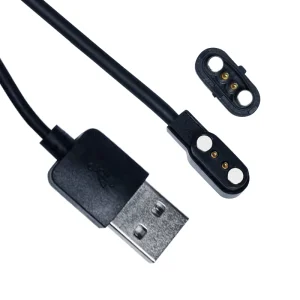
In the rapidly evolving landscape of smart wearables—dominated by smartwatches, fitness trackers, and specialized medical monitors—connectivity stands as the primary interface for both power replenishment and data exchange. Consumer expectation calls for devices that are sleek, resilient, and capable of fast charging. Meeting these parameters requires moving beyond conventional plug-in USB architectures toward micro-engineered, spring-loaded pogo pin chargers.

As a leading developer, Shenzhen Rongqiangbin Electronic Hardware Co., Ltd. (RQB) has pioneered high-density, customized pogo pin assemblies since 2011. Situated in the Songgang Street district of Shenzhen, within the heart of the Guangdong-Hong Kong-Macao Greater Bay Area, our facility functions as both a dedicated high-volume factory and a customized R&D center, addressing the technical challenges of global brands.

The Architectural Choice: Pogo Pins vs. Induction Charging

While wireless induction charging offers aesthetic benefits, it introduces thermal inefficiencies, energy losses, and space-consuming internal coil assemblies. Magnetic pogo pin chargers maintain a footprint that is up to 70% smaller, achieve up to 95% energy transfer efficiency, and minimize heat generation—a crucial factor in prolonging smartwatch battery life. By using spring force to sustain constant electrical contact, pogo pins ensure stable resistance even during movement, sweat exposure, and continuous wear.

Micro-Miniaturization

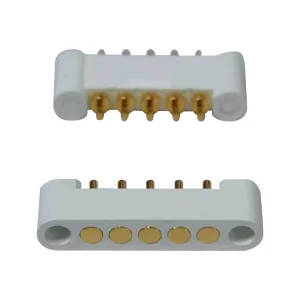
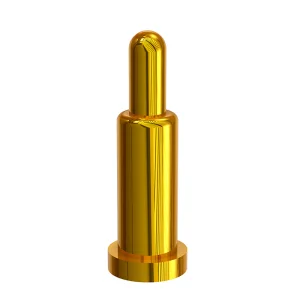
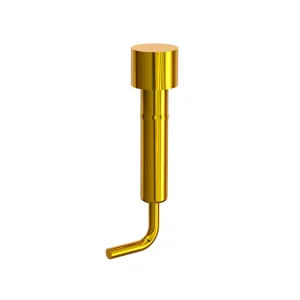
Our spring-loaded contact pins feature pitches as small as 1.0mm, allowing developers to design ultra-thin housings without sacrificing battery space.

High Current Carrying

Engineered to support currents up to 10A per pin. Essential for modern smartwatch fast-charging profiles without thermal runaway.

IPX8 Waterproof Protection

Proprietary O-ring and over-molding processes isolate internal electronics, satisfying IPX7 and IPX8 waterproof standards.
Material Science & Engineering Specifications

The reliability of a smartwatch charger depends on material composition. Wearables are exposed to corrosive elements like human sweat, lotions, seawater, and fluctuating environmental humidity. Without rigorous metallurgical control, contacts oxidize, resulting in localized resistance spikes, charging failures, and thermal risk.

Component Standard Material Options Surface Plating & Protection Mechanical/Electrical Impact
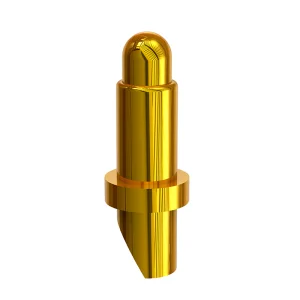
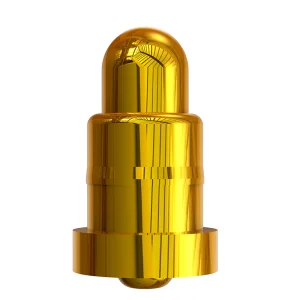
Plunger (Contact Head) Brass (C3604), Beryllium Copper (BeCu) Gold (Au) 3u" - 50u" over Nickel (Ni) Low contact resistance, high wear resistance
Barrel (Body) Brass alloy (high electrical conductivity) Gold plating, customized Pd-Ni (Palladium-Nickel) High corrosion resistance, stable electrical path
Spring Stainless Steel (SUS304 / Music Wire) Gold flash coating or bare alloy Consistent force over 100,000 to 1,000,000 cycles
Housing / Insulator LCP, HTN, PBT (Halogen-Free) High-temperature plastic injection molding High insulation, coplanarity during SMT reflow

Mitigating Sweat Electrolysis & Galvanic Corrosion

In smartwatch applications, contact pads on the skin-facing side are subject to electric potential during wear. When human sweat acts as an electrolyte, it triggers galvanic corrosion. To prevent premature pin degradation, RQB utilizes advanced plating alloys, such as Palladium-Nickel (Pd-Ni) combined with gold. This chemical barrier increases resistance to salt spray and artificial sweat by up to 5x compared to standard gold-over-nickel plating.

Shenzhen Rongqiangbin Electronic Hardware Co., Ltd.

A Trusted Development Partner in the Guangdong-Hong Kong-Macao Greater Bay Area

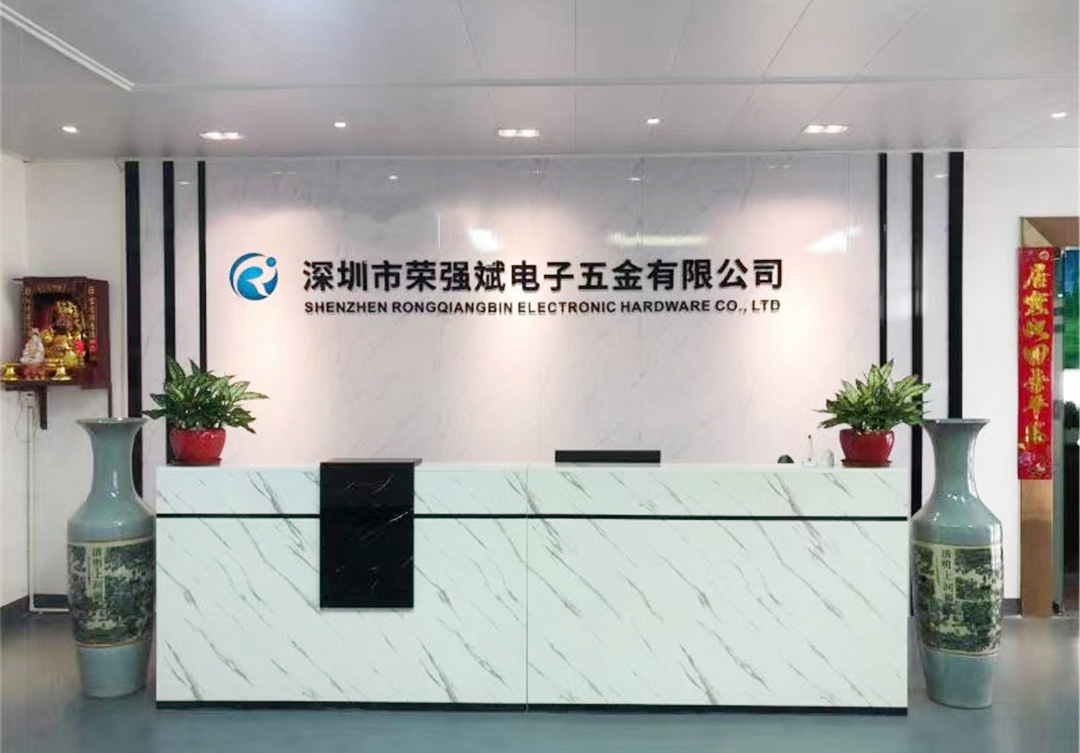
Rongqiangbin Shenzhen Factory Headquarters

Established in February 2011

Founded in Songgang Street, Shenzhen, Rongqiangbin specializing in the design, development, production, and sales of high-performance POGO PIN (spring thimble) connectors. Over more than a decade of research and development, RQB has expanded from a local workshop into a technology supplier operating dynamic production lines.

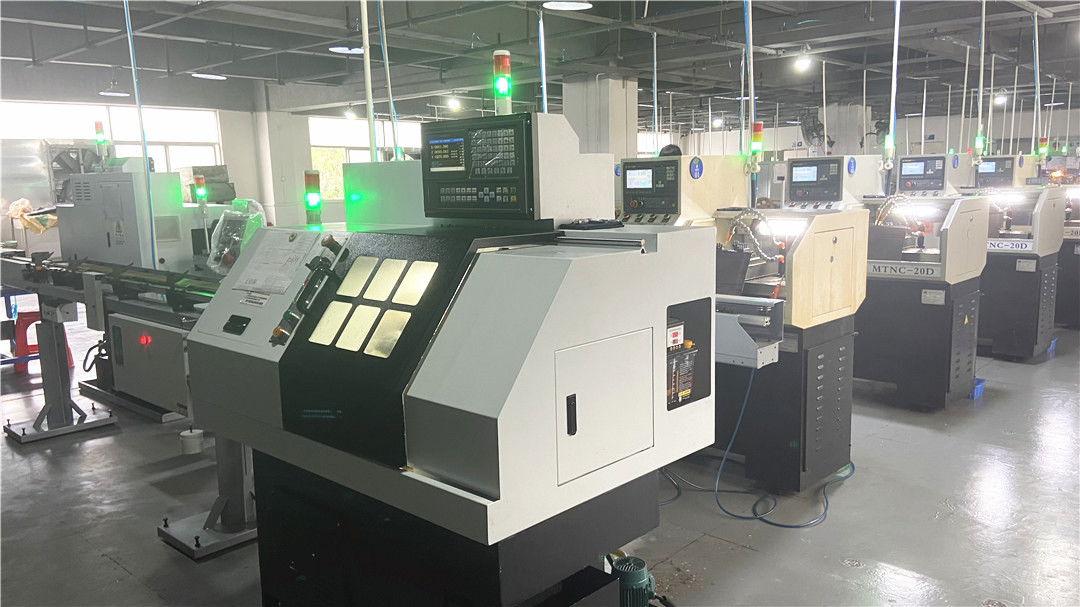
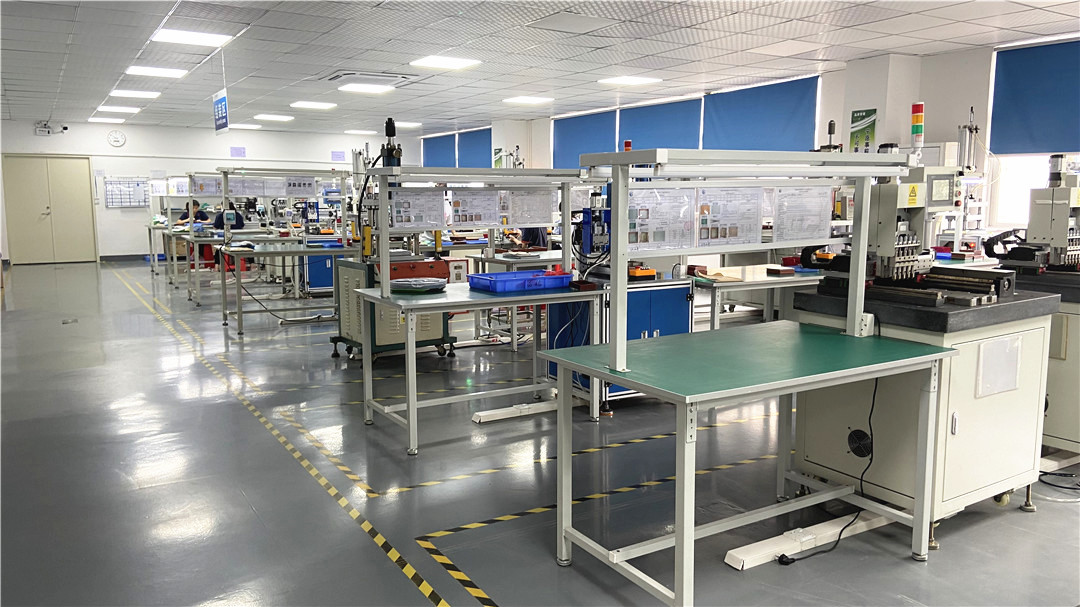
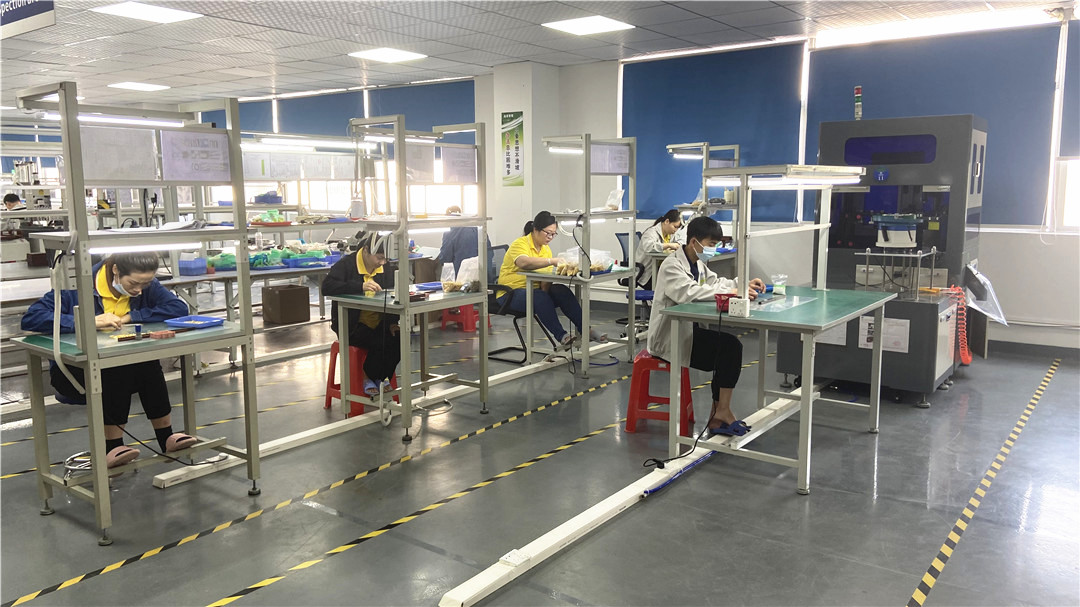
Our production facilities utilize high-precision CNC lathes, automated assembly units, and testing equipment to ensure that each batch meets international standards. RQB has achieved the ISO9001:2015 international quality management system certification, establishing a production framework centered on accountability, quality assurance, and environmental compliance.

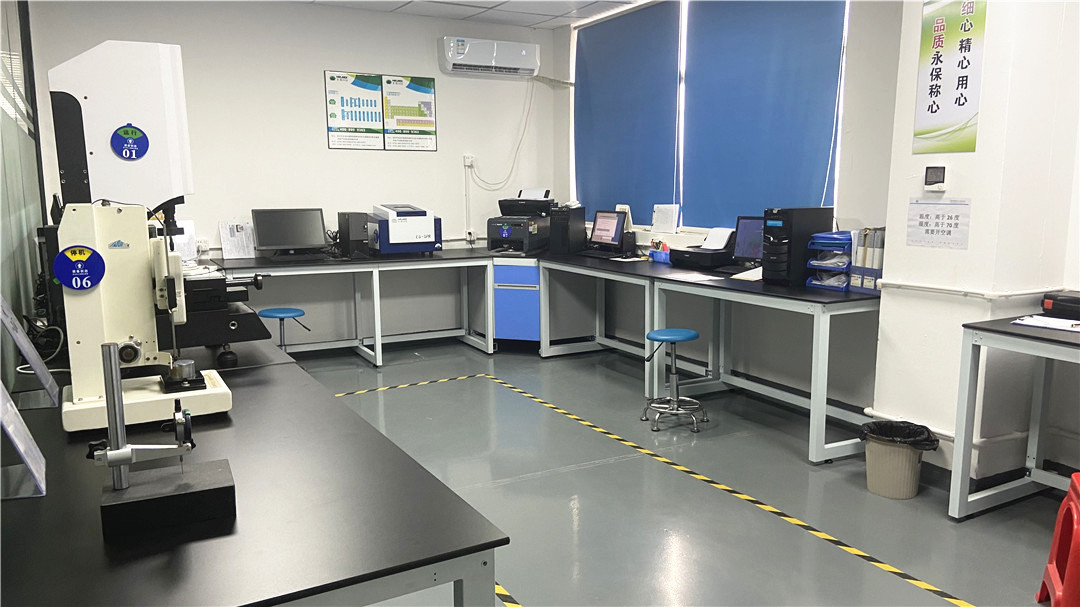
Advanced Infrastructure & Testing Laboratories

Our engineering laboratory conducts stress testing, plating validation, and electrical performance analysis under one roof.

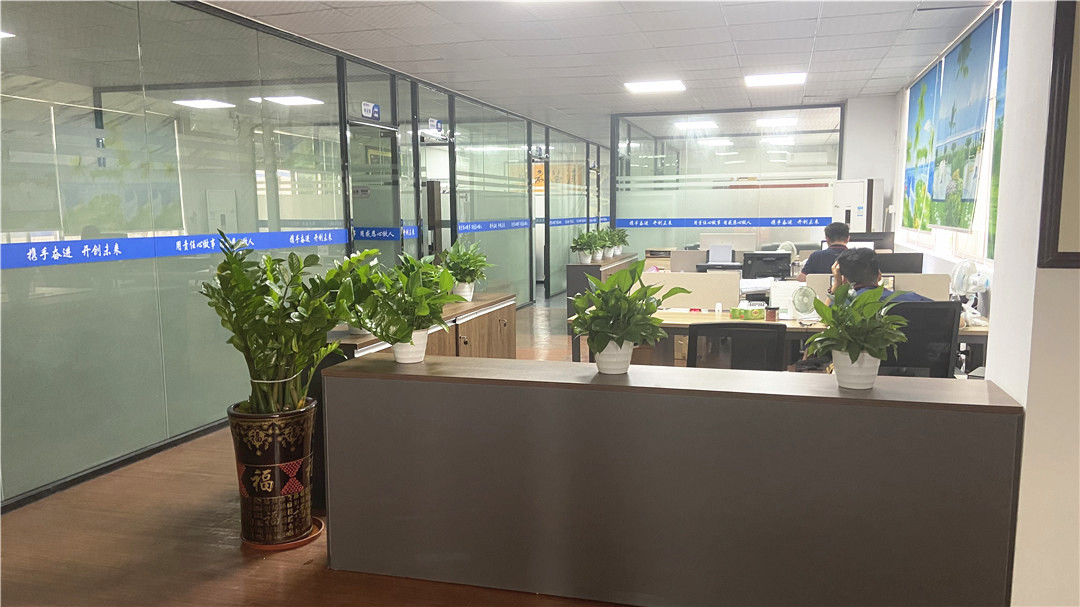
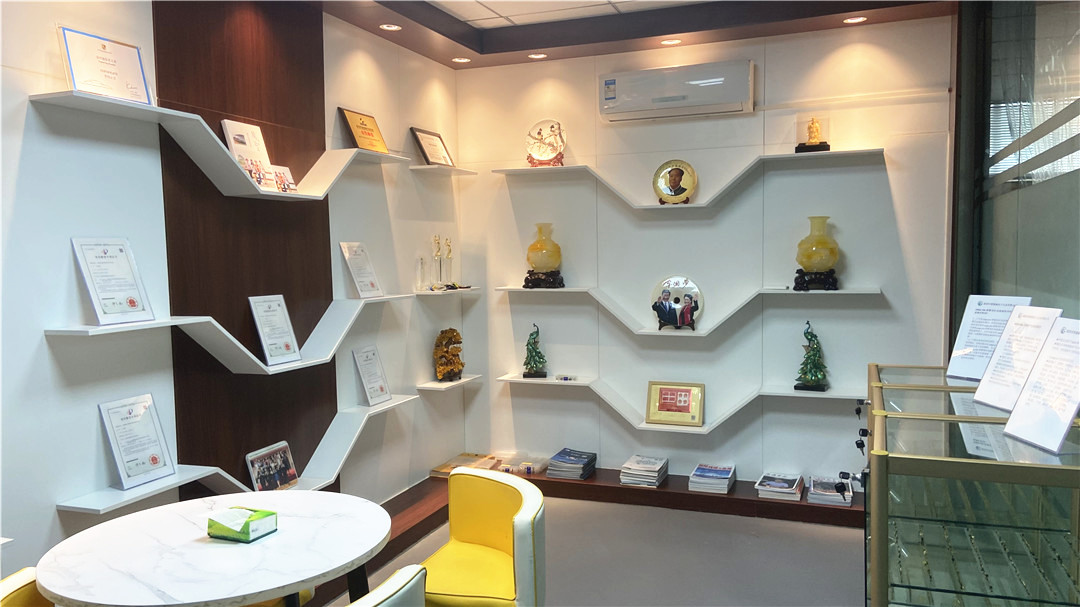
RQB Showroom

Showroom

RQB Office

Office

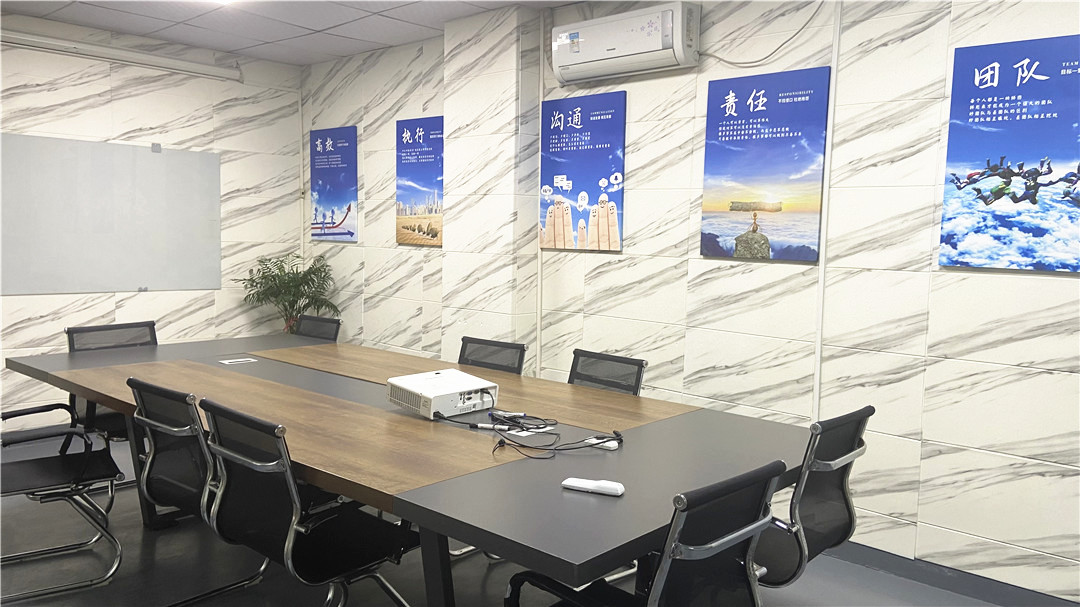
RQB Meeting Room

Meeting Room

RQB LAB

LAB Testing Center

Trusted by Global Enterprise Leaders

We partner with prominent hardware brands to design and deliver reliable connectivity solutions.

Honeywell
Samsung
SIEMENS AG
ZTE
360
QCY
HAYLOU
Shanghai Laimu
Luxshare Group
Aoni Electronics
Amphenol Group
Rongqiangbin Logo

Our Vision

"Committed to being an excellent POGO PIN manufacturer for both quality and cost on home and abroad, and leading connector technology development."

Global Procurement Priorities: Demands, Tolerances, and Scaling

Procurement teams sourcing smartwatch chargers face several common challenges, including maintaining alignment tolerances, managing fluctuating shipping lead times, and preventing field failures. When selecting a pogo pin factory, procurement managers prioritize specific key performance indicators (KPIs):

  • Mechanical Coplanarity: For surface mount technology (SMT) applications, the coplanarity of the pin bases must be maintained below 0.1mm. High coplanarity prevents soldering defects during SMT reflow.
  • Spring Force Consistency: Inconsistent spring pressure across multi-pin configurations leads to contact failure. RQB guarantees uniform force distribution, typically specified at 30g to 120g per pin, based on customer requirements.
  • Magnetic Alignment Integration: Incorporating Neodymium (NdFeB) magnets provides auto-adsorption and polarity keying, preventing incorrect connection and ensuring user convenience.

State-of-the-Art Lathe & Workshop Facilities

To support high-precision manufacturing, RQB operates a fully vertically integrated factory floor. This setup includes precision automatic lathes, CNC turning machining centers, dynamic assembly lines, and inspection equipment.

RQB Lathe Area

CNC Lathe Department

RQB Assembly Workshop

Assembly Workshop

RQB Quality Inspection

Precision Quality Inspection

Wide Application Horizon of RQB Pogo Pins

Our connector solutions serve multiple industries, providing robust contact connection solutions across several sectors:

  • Smart Wearable Products: Wristbands, activity trackers, and medical-grade smartwatches.
  • Consumer Electronics: Bluetooth headsets, digital cameras, laptops, learning machines, and portable game consoles.
  • Telecommunications & Aerospace: GPS satellite navigation systems, aerospace electronic components, and military communications hardware.
  • Industrial & Automotive: Custom EV pin charging systems, diagnostic probes, and automated test fixtures.

Technology Roadmap: The Future of Wearable Power Delivery

As smartwatch designs shift toward smaller sizes and more features, interconnect designs must evolve. RQB's engineering team focuses on three key technological areas:

1. High-Density Pitch Down to 0.4mm

To support high-resolution displays, sensors, and health monitoring arrays, we are developing high-density pogo pin blocks that reduce the space required on PCBs by 40% compared to traditional connectors.

2. High-Frequency Signal Integrity (5G / USB4)

Next-generation wearables require rapid data synchronization alongside power delivery. We are engineering coaxial and impedance-matched pogo pins that support data transfer speeds up to 10 Gbps without signal degradation.

Additionally, our team is studying non-allergenic, biocompatible platings. This research aims to eliminate skin irritation caused by nickel and other base metals during prolonged wear, providing safer options for the medical and lifestyle wearable industries.

Frequently Asked Questions

Essential answers to design considerations, manufacturing capabilities, and quality control of smartwatch pogo pin chargers.

What is the standard lifespan of an RQB smartwatch pogo pin charger?
Our standard pogo pins are designed for 50,000 to 100,000 mating cycles. For high-durability projects, we can customize the internal spring design and barrel wall thickness to support up to 1,000,000 mechanical compressions.
How does RQB protect pogo pins against sweat corrosion and oxidation?
We use specialized electroplating options, including heavy Gold (Au) up to 50u" and Palladium-Nickel (Pd-Ni) alloy layers. These finishes provide chemical resistance against human sweat, salt spray, and moisture, preventing contact resistance spikes.
Can your magnetic pogo pin cables support fast charging and data transmission?
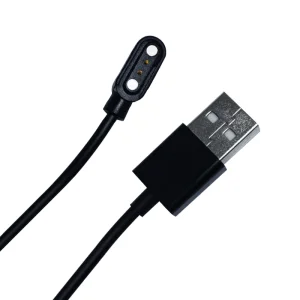
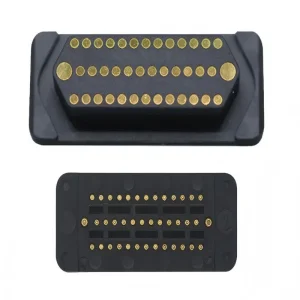
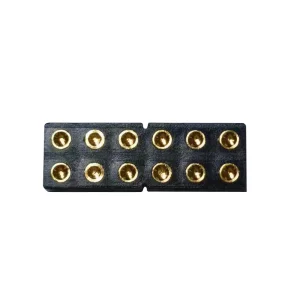
Yes. We engineer customized configurations with up to 12 pins. These configurations support fast charging profiles up to 10A and USB high-speed data transmission, making them suitable for diagnostic connections and data synchronization.
Are RQB’s materials compliant with RoHS, REACH, and Halogen-Free certifications?
Yes. All materials, including the copper alloys, spring wire, housing plastics (LCP/HTN), and plating chemicals, comply with RoHS, REACH, and Halogen-Free directives, which is verified by regular laboratory testing.
What is the standard lead time for custom pogo pin prototypes and mass production?
Custom prototypes are typically delivered within 7 to 10 working days. Once the design is approved, high-volume production runs are completed in 15 to 25 days, depending on order size and complexity.