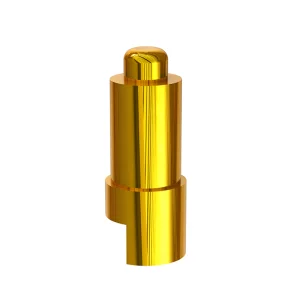
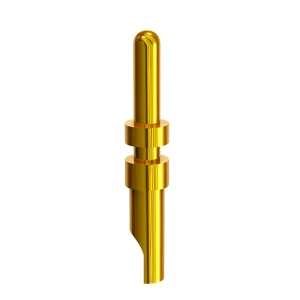
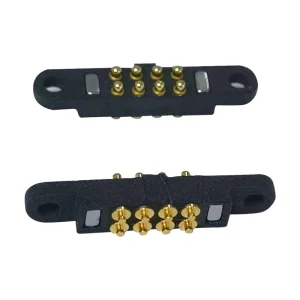
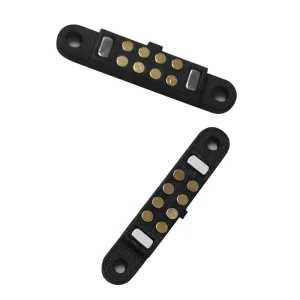
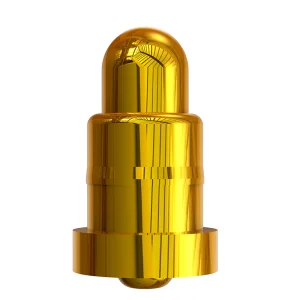
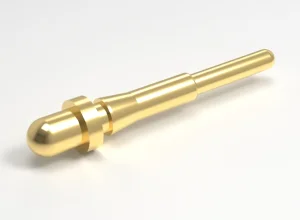
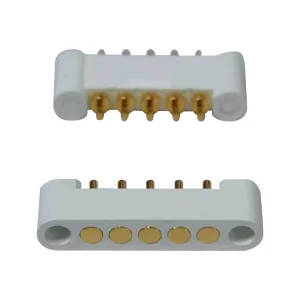
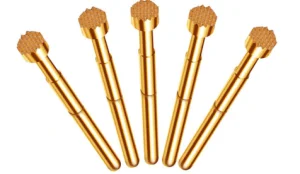
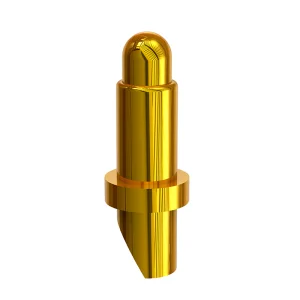
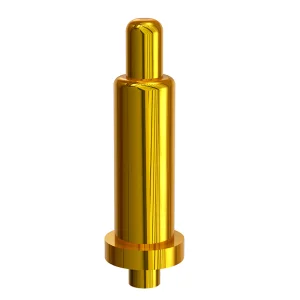
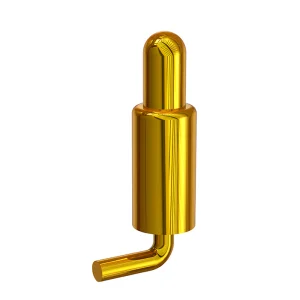
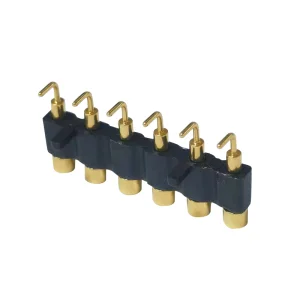
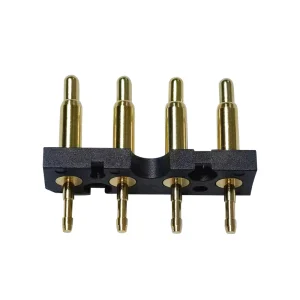
Engineered with specialty alloys, advanced temperature-resilient plating, and robust insulating materials.
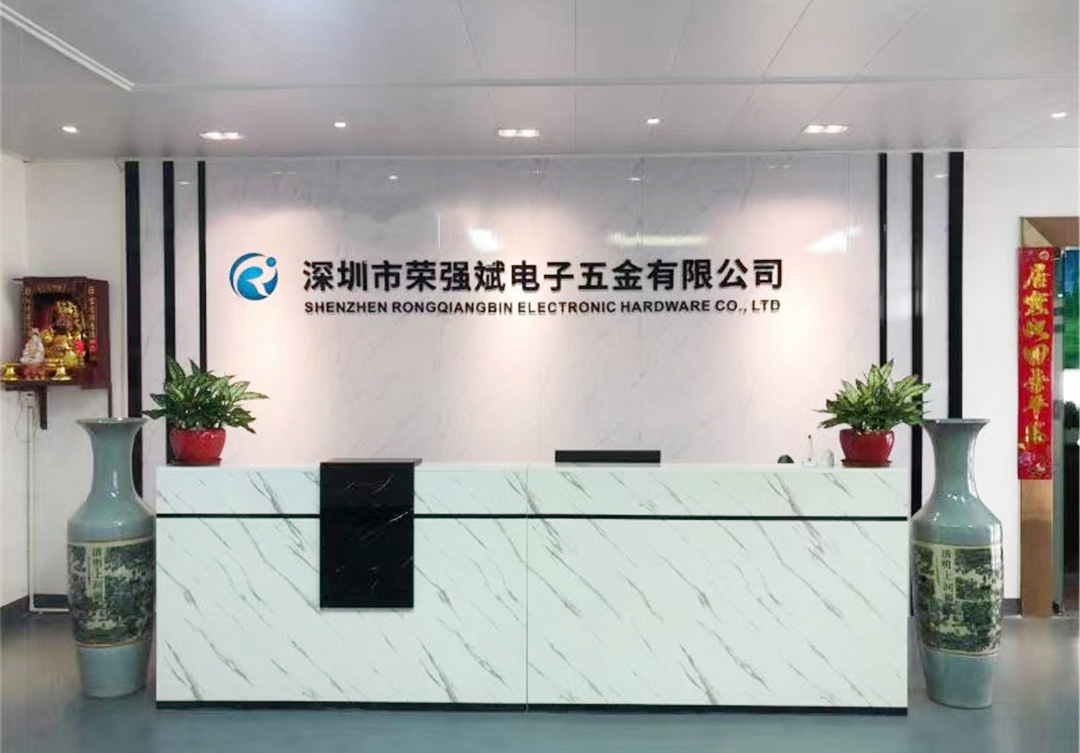
Founded in February 2011 on Songgang Street, Shenzhen, Shenzhen Rongqiangbin Electronic Hardware Co., Ltd. has established itself as an industry-leading manufacturer of high-reliability spring-loaded POGO PIN connectors. Nestled within the Guangdong-Hong Kong-Macao Greater Bay Area, our factory occupies a vital node in the world’s most advanced electronics supply chain.
Over a decade of focused R&D, rigorous quality testing, and market validation has enabled us to supply top-tier global brands, including Honeywell, Samsung, SIEMENS AG, ZTE, 360, QCY, HAYLOU, Shanghai Laimu, Luxshare Group, Aoni Electronics, and Amphenol Group. Operating under a strict ISO9001:2015 Quality Management System, we deliver solutions that bridge the gap between complex electrical engineering requirements and budget-driven commercial demands.
As industrial automation, electronic miniaturization, and high-frequency data transmission accelerate worldwide, the demand for interconnect components that can withstand extreme environmental hazards has skyrocketed. Traditional spring pins undergo thermal degradation and spring force decay when exposed to continuous high temperatures. Standard plating materials like typical gold alloys thin out or experience rapid intermetallic diffusion at temperatures exceeding 100°C, causing significant contact resistance spikes.
Modern applications in fields like Automotive ADAS, Semi-conductor burn-in testing sockets, Aerospace Telemetry, and Industrial Battery Testing require Pogo Pins designed specifically for high-thermal durability. High-temperature pogo pins are designed to maintain physical spring memory, optimal contact force (often between 30g to 120g depending on pitch), and low stable contact resistance (<20mΩ) under extended operations at 125°C up to 250°C.
Utilizing high-performance alloys such as Beryllium Copper (BeCu) and Stainless Steel (SUS304/316) for internal springs to prevent mechanical relaxation under continuous thermal loads.
Thicker Gold (Au) plating layer over a high-density Nickel (Ni) barrier or specialty Palladium-Nickel (Pd-Ni) coatings to combat thermal diffusion and surface oxidation.
Precision molding using Liquid Crystal Polymers (LCP) and Polyether Ether Ketone (PEEK) to maintain mechanical rigidity and dimensional stability without gas emissions at extreme heat.
Shenzhen represents the apex of the global electronics supply network. Operating our production facility from Songgang Street, Shenzhen, Rongqiangbin harnesses regional manufacturing efficiencies that guarantee swift scaling, strict cost-performance controls, and exceptional vertical integration.
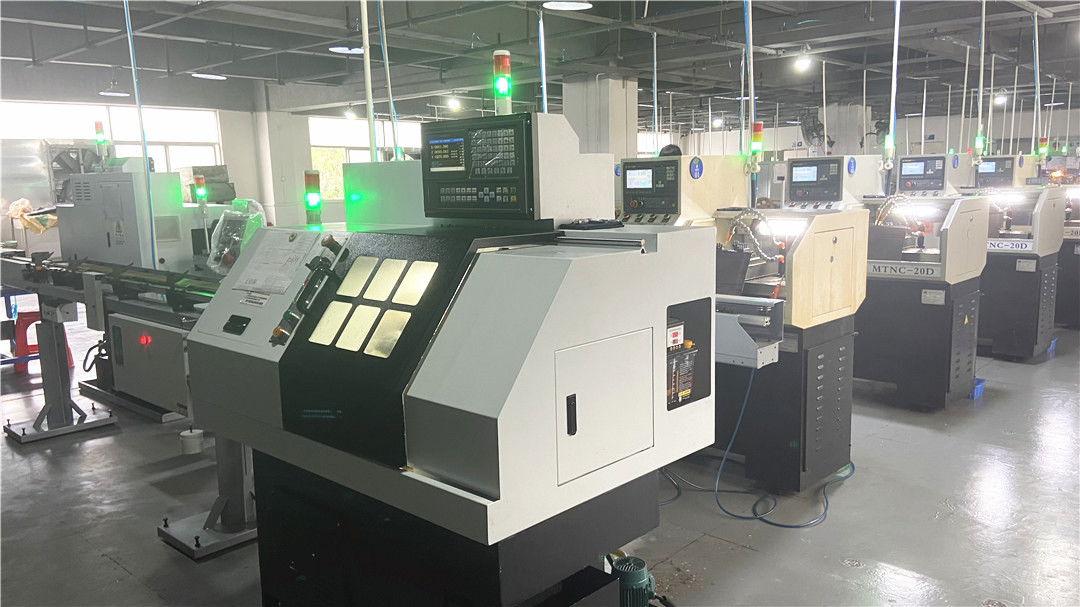
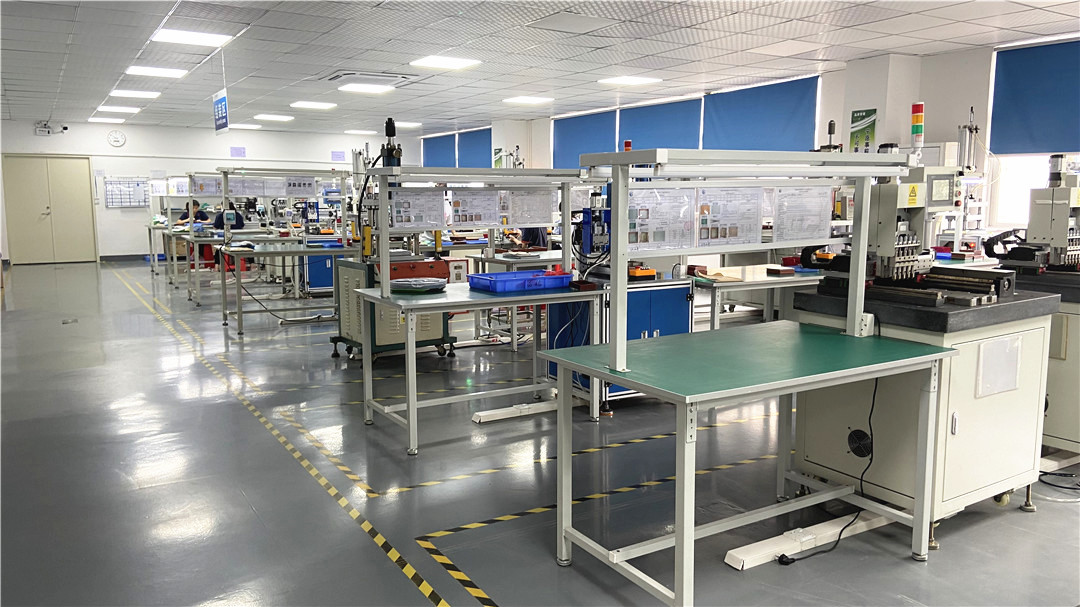
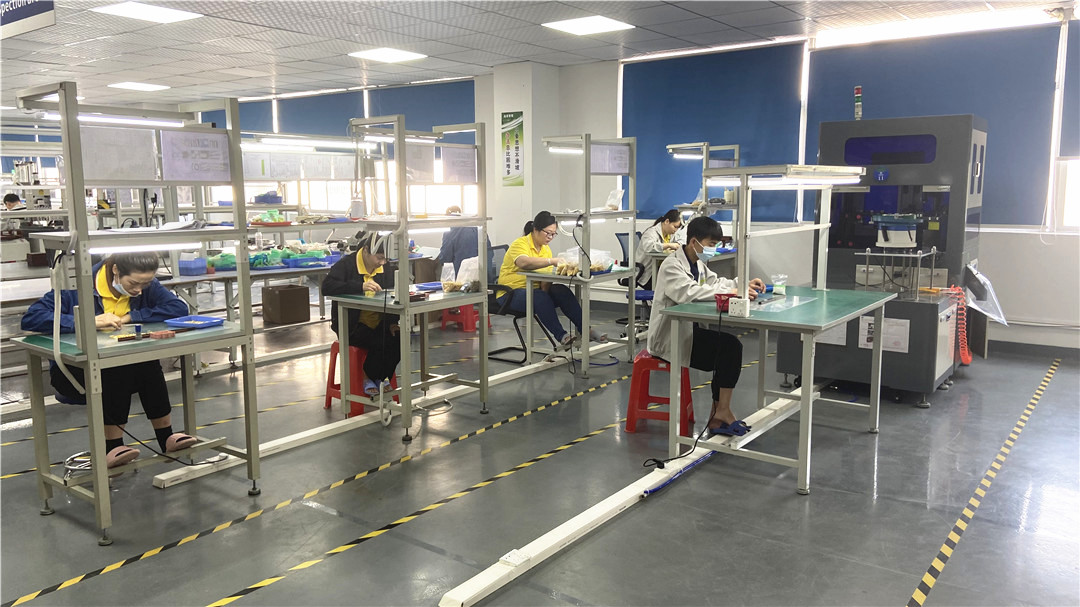
Unlike Western suppliers who depend on outsourced processes, Rongqiangbin keeps the primary production cycle in-house. Our workshop houses high-precision CNC automatic lathes, specialized spring winding machines, and automated assembly apparatus. This integrated supply chain reduces shipping lag and maintains strict quality control over every mechanical sub-component.
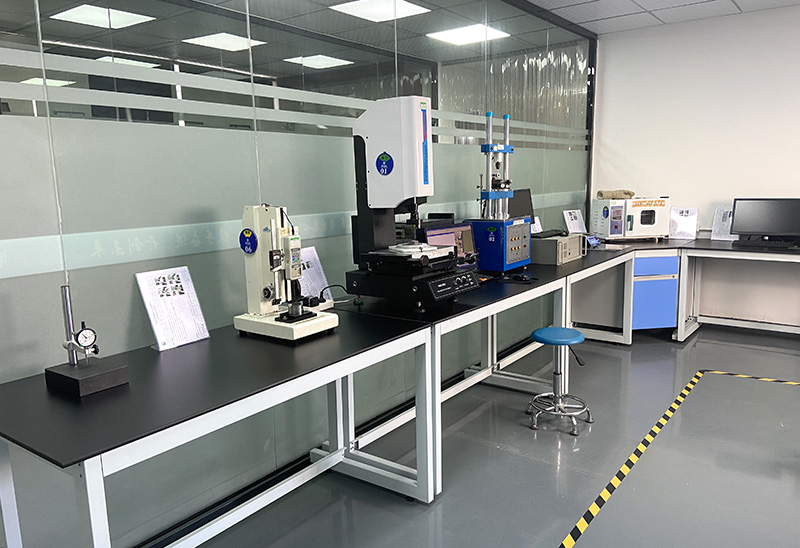
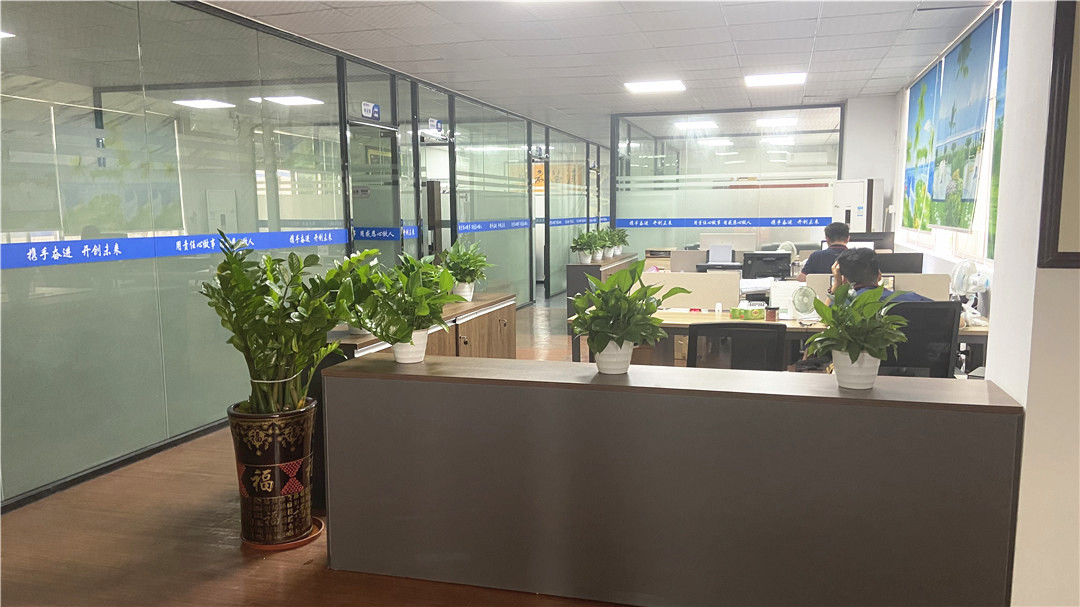
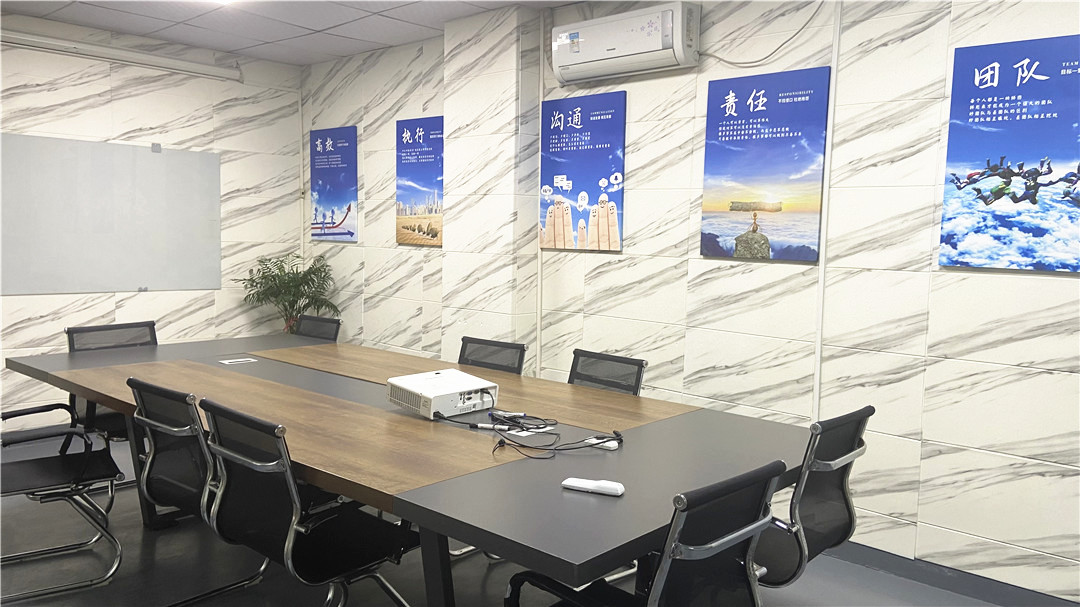
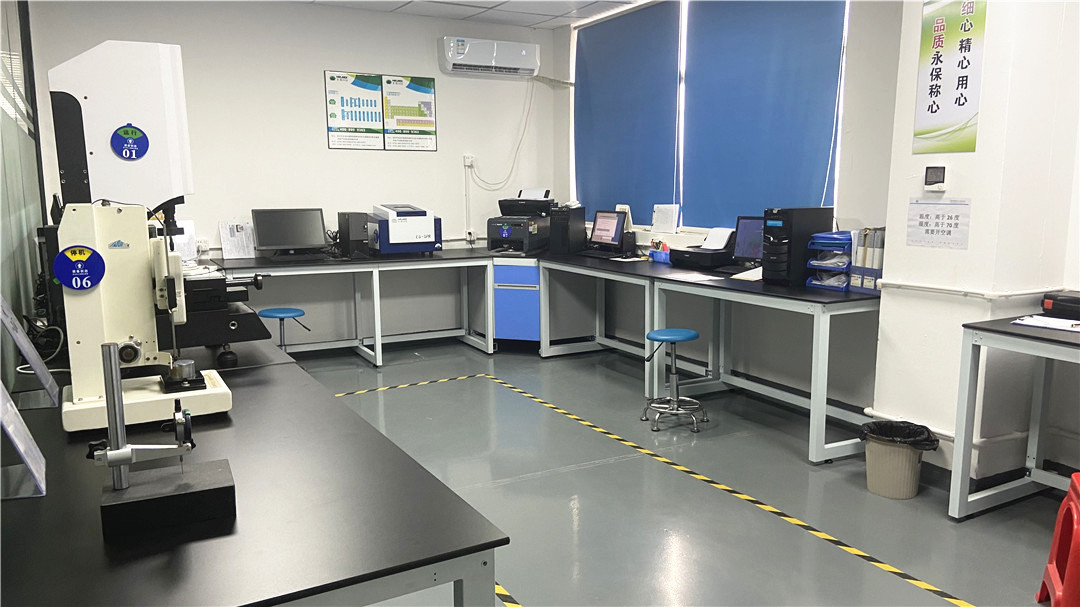
A transparent look inside our state-of-the-art facility in Songgang, Shenzhen.
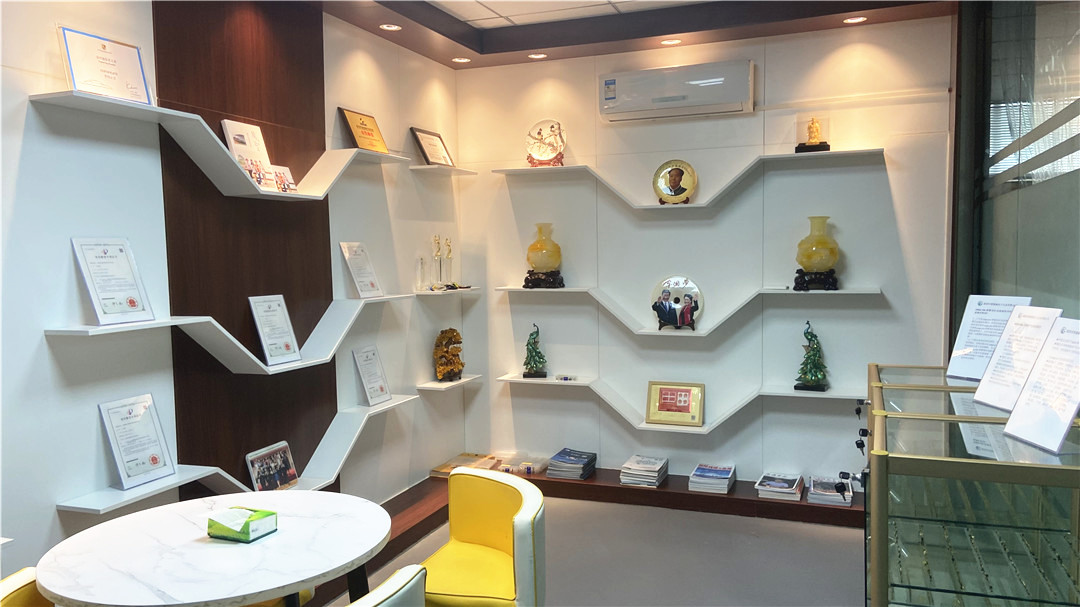

Quality Assured
Modern engineering relies on smart electronic connections. High-temperature pogo pins act as a stable conduit for data and power in harsh industrial environments. Due to their compact size, reliable vertical compression, and multi-cycle durability, they are widely integrated into several high-growth industries:
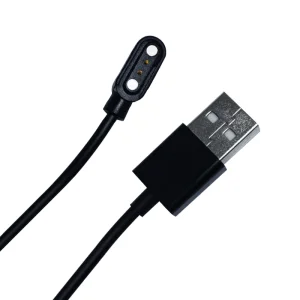
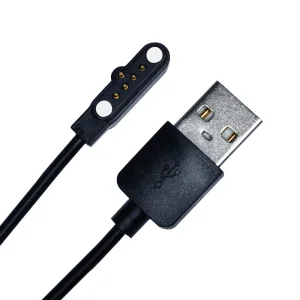
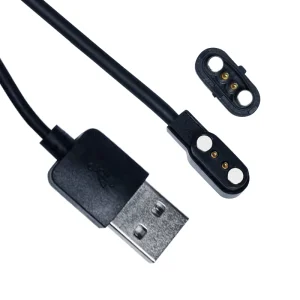
Providing water-resistant, fast-charging connections for smart wristbands, watches, and Bluetooth headsets (QCY, HAYLOU) that require biological compatibility and thermal stability during high-current charging cycles.
Powering ADAS sensors, engine management systems, GPS navigation, and electric vehicle battery arrays where high under-hood heat and road vibrations would break typical soldered wire ports.
Enabling IC testing sockets, environmental chambers, and high-frequency burn-in test boards where pins must perform millions of contact strokes under constant thermal strain.
1. Miniaturization (Ultra-fine Pitch): Modern boards are packing circuits tighter. Pogo pins are moving to ultra-fine pitches under 0.4mm, requiring ultra-thin plunger walls and specialty spring wires that can hold their shape without collapsing.
2. Elevated Power Profiles: With fast-charging and modern EV architectures, pins are handling higher currents (up to 30A per pin). This current generates internal heat, meaning the connector housing must be made of high-temperature polymers like PEEK to avoid structural failure.
3. Advanced Plating: Gold plating is standard, but demanding applications use palladium-nickel (Pd-Ni) or rhodium-ruthenium alloys. These materials resist wear, maintain low contact resistance, and stop intermetallic growth under extreme thermal cycles.
"Committed to being an excellent POGO PIN manufacturer for both quality and cost, home and abroad, and leading connector technology development."
Through strict adherence to our core value of "excellent quality, intimate service" and a "customer-centric" framework, we create measurable cost savings and engineering performance gains for all our global design and production partners.
Expert answers addressing the primary design, manufacturing, and performance hurdles in high-temperature applications.
Standard Pogo Pins are designed to operate safely between -40°C and +85°C. At higher temperatures, standard beryllium copper or music wire springs undergo physical relaxation, losing up to 50% of their spring force. This loss of force causes contact bounce and signal degradation. A high-temperature pogo pin uses specialty materials (like SUS304, SUS316, or premium high-temp beryllium copper variants), custom plating matrices, and high-performance plastics (PEEK, LCP) to operate efficiently at continuous temperatures ranging from 125°C to 250°C without mechanical failure.
Under elevated temperatures, base metals like copper can diffuse through a standard thin gold plating layer to reach the surface. This copper then oxidizes and creates a non-conductive film, causing a rapid spike in contact resistance. To prevent this, high-temperature pogo pins require a thick nickel or palladium-nickel barrier layer (typically 1.25 to 2.5 microns) topped with a thick gold layer (up to 0.75 microns or 30 micro-inches) to protect the base metal and ensure stable conductivity over thousands of thermal cycles.
High-current configurations require a specialized internal design. Since springs have higher electrical resistance, passing high currents directly through them can cause internal heating that degrades the spring. Rongqiangbin uses a ball-point or biased-plunger design. This architecture ensures the plunger maintains direct contact with the brass barrel wall, routing current through the low-resistance barrel rather than the spring. This design keeps contact resistance low (<10mΩ) and allows individual pins to safely handle currents up to 30A.
Located in the Songgang electronics hub in Shenzhen, we access raw materials, plating services, and tooling vendors within hours. This concentration allows us to complete customized prototyping in just 3 to 5 days, compared to weeks for Western suppliers. Our in-house CNC machining and automated quality control lines significantly reduce shipping times and production costs, passing those savings directly to our customers.
Yes. Every batch of pogo pins manufactured by Shenzhen Rongqiangbin is ISO9001:2015 certified and compliant with environmental standards including RoHS and REACH. We use non-hazardous lead-free brass and clean plating processes, helping our clients easily pass international import inspections and compliance reviews.
Our dedicated quality control lab is equipped with advanced testing systems. We run life-cycle durability tests inside high-temperature chambers to simulate real-world operations. Additionally, we use X-ray fluorescence (XRF) to verify plating thickness, force-displacement testers to measure spring tension, and micro-ohmmeters to confirm contact resistance, ensuring every shipment meets our high standards.
Explore our custom-engineered high-reliability components for high-temperature and harsh-environment designs.
 Rongqiangbin