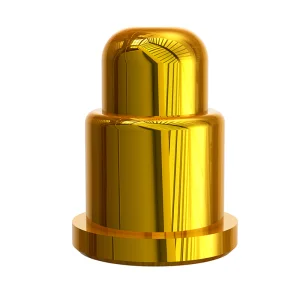
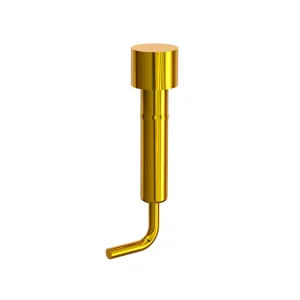
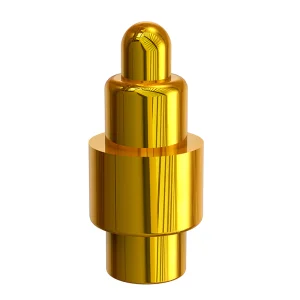
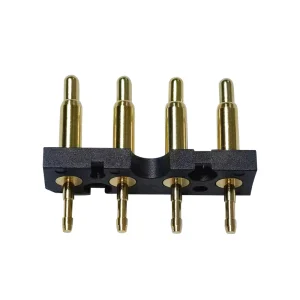
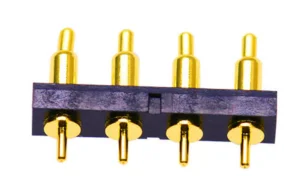
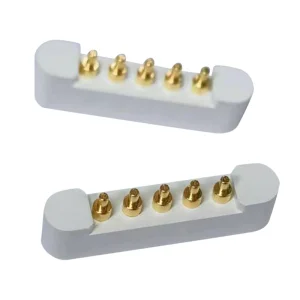
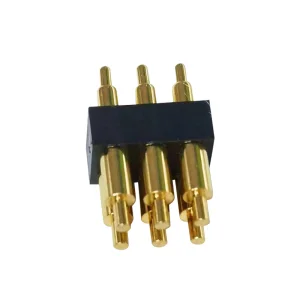
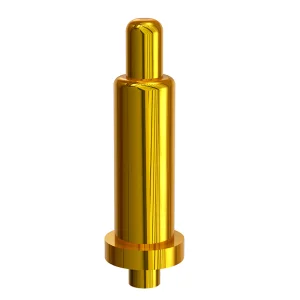
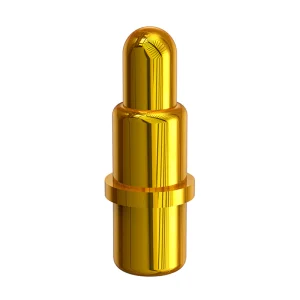
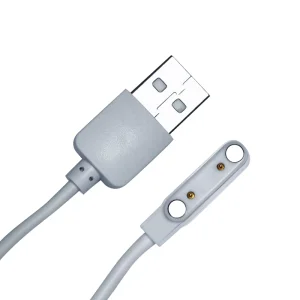
Explore our industrial-grade ODM/OEM Pogo Pin designs engineered for optimum electrical conductivity and structural resilience
Founded in February 2011 and strategically located in Songgang Street, Shenzhen, Rongqiangbin is a pioneering manufacturer specializing in high-performance POGO PIN connectors. Through continuous precision manufacturing improvements and customer-focused engineering, the company has grown into a leading benchmark supplier for domestic and international high-tech sectors.
We focus on the design, production, and worldwide distribution of comprehensive POGO PIN lines (commonly referred to as spring-loaded contacts). Our technical capability addresses custom force configuration, custom-molded housings, wire termination variants, and complex physical orientations required by modern consumer and industrial electronics.
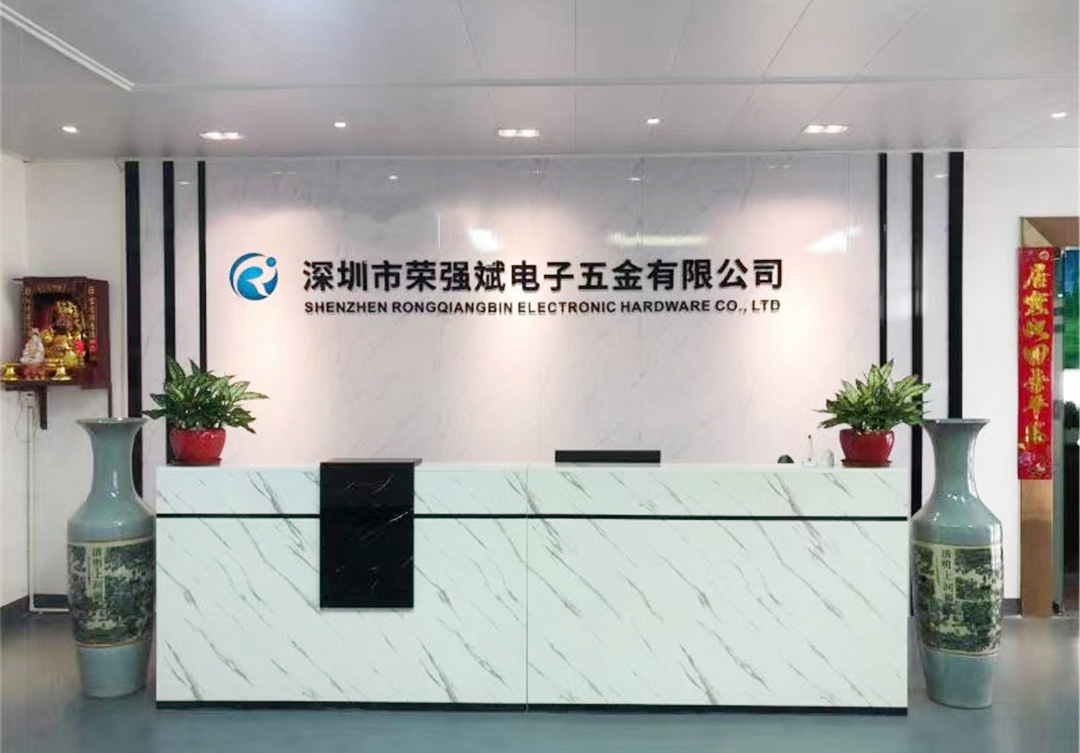
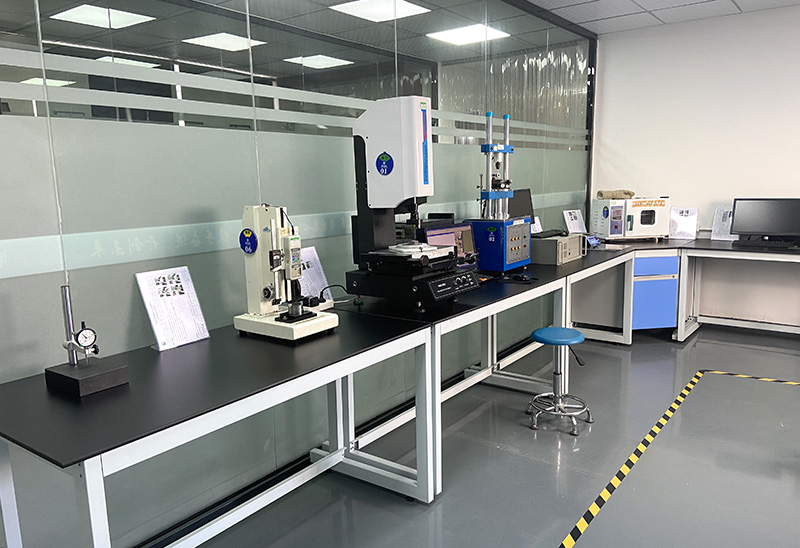
Take a closer look at our certified facilities, including our dedicated inspection laboratories and standard office layouts

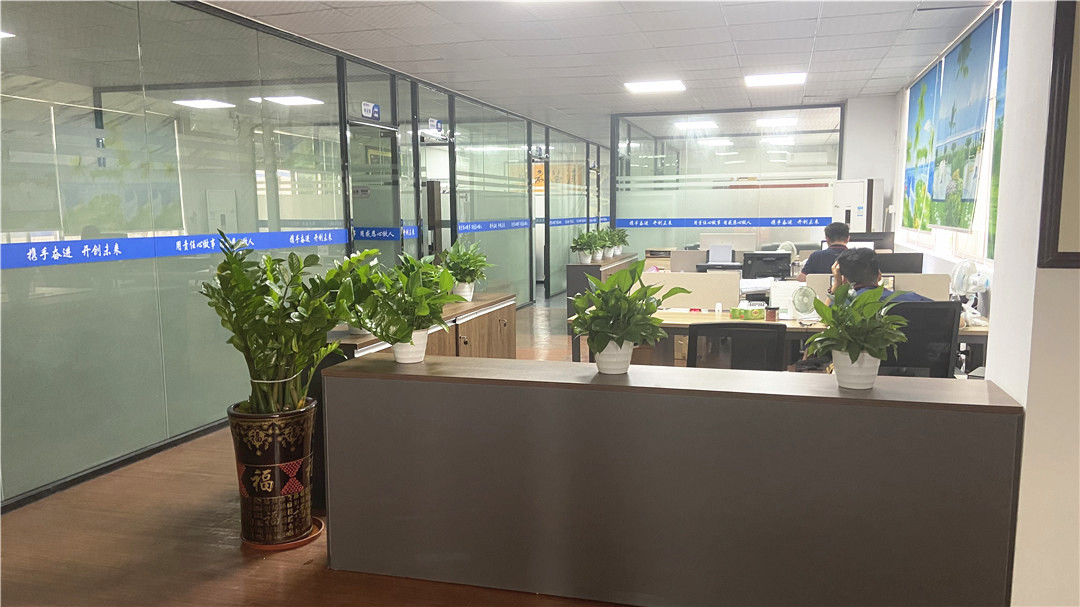
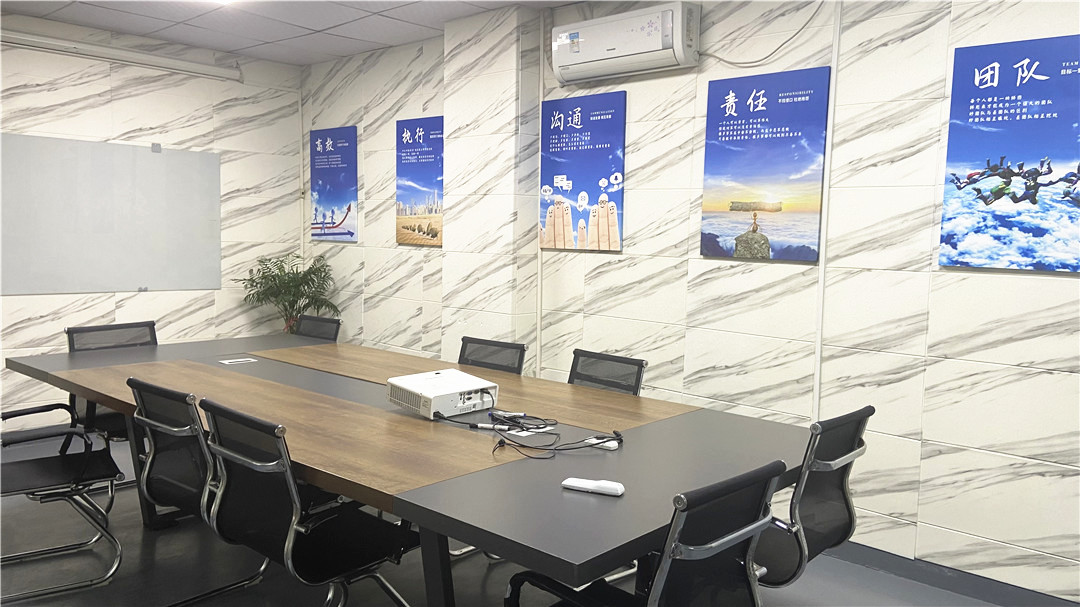
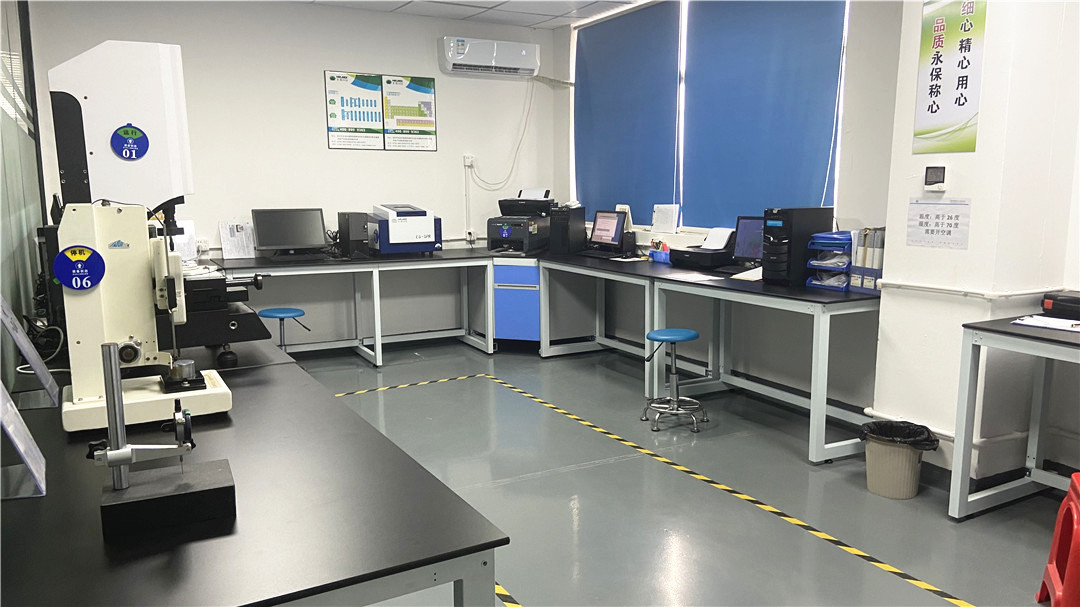

Adhering to our core philosophy of "customer first, integrity first," our company supports a veteran R&D team and skilled technical staff. We are officially certified under the ISO9001:2015 international quality management system, maintaining a robust testing facility and environment management program to deliver clean, standard-compliant components worldwide.
Our long-term business partnerships are built on reliability, supplying components to global pioneers, including Honeywell, Samsung, SIEMENS AG, ZTE, 360, QCY, HAYLOU, Shanghai Laimu, Luxshare Group, Aoni Electronics, and Amphenol Group, among other leading electronics manufacturers.
A comprehensive overview of termination methods, mechanical alignment, and soldering techniques for pogo pin assemblies
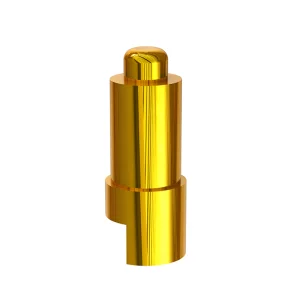
Prior to designing your wire connections, you must understand the basic structure of a spring-loaded connector. A standard Pogo Pin consists of three key components: a Plunger (contact head), a Barrel (body housing), and an internal Spring. Wiring is always executed directly onto the base of the Barrel. Depending on your configuration, selecting the proper tail structure (e.g., flat, solder cup, through-hole, right angle) is critical to maintaining electrical integrity and preventing heat-induced spring fatigue.
There are three primary methods used by engineers to terminate and wire pogo pins:
Because the spring inside the pogo pin is typically made from SWP (spring steel wire) or SUS304 (stainless steel), excessive heat during soldering can anneal the metal. This reduces spring force and causes the pin to stick or fail. When soldering wires to solder-cup pins:
1. Limit dwell time to under 3 seconds per pin using a temperature-controlled iron set to approximately 350°C.
2. Use a high-quality flux core solder to ensure rapid capillary wetting.
3. Keep pogo pin shafts stable using non-conductive plastic carrier fixtures (e.g., LCP or HTN) to prevent misaligned pins during reflow cycles.
Standard custom assemblies target under 30 mΩ contact resistance, with high-power designs carrying up to 10A current safely.
Gold-on-Nickel plated surfaces survive up to 1,000,000 compression cycles without functional degradation when properly aligned.
Our comprehensive connector engineering supports critical global technology verticals and electronic assembly designs
We supply low-profile, sweat-resistant pogo pin lines for smart bands, wristwatches, smart eyewear, and phone antenna interfaces, ensuring reliable connection within limited spatial environments.
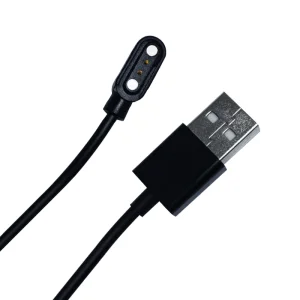
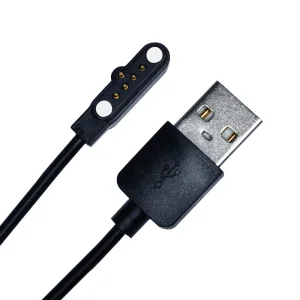
Custom multi-pin designs paired with magnetic mating assemblies are widely applied in modern TWS Bluetooth earbuds, active headsets, charging docks, and portable data connections.
High-reliability diagnostic probes, patient monitoring equipment, and non-invasive sensors rely on Rongqiangbin's stable, gold-plated contacts for error-free data transfer.
High-speed, spring-loaded docking connectors configured for laptops, handheld consoles, study machines, and professional imaging devices to withstand intense daily mating cycles.
Specialized high-frequency, vibration-resistant contacts customized with robust housings for secure satellite navigation, radio transceivers, and rugged field telemetry.
Heavy-duty, high-durability charging contacts for AGVs (Automated Guided Vehicles), automation test fixtures, sensor arrays, and modern warehouse robotics.
"Since the establishment of our company, we have maintained a philosophy of excellent quality and intimate service. Guided by our core values, we prioritize customer needs to create sustained value, earning the long-term trust of leading enterprises worldwide."
Take an inside look at the advanced machinery and rigorous verification systems that ensure high-precision Pogo Pin outputs
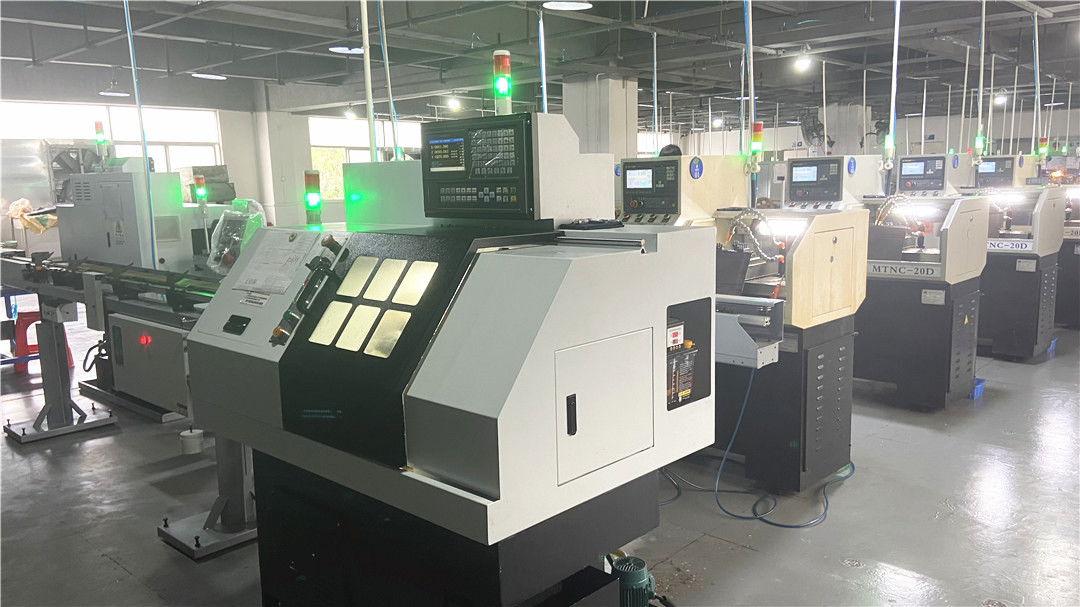
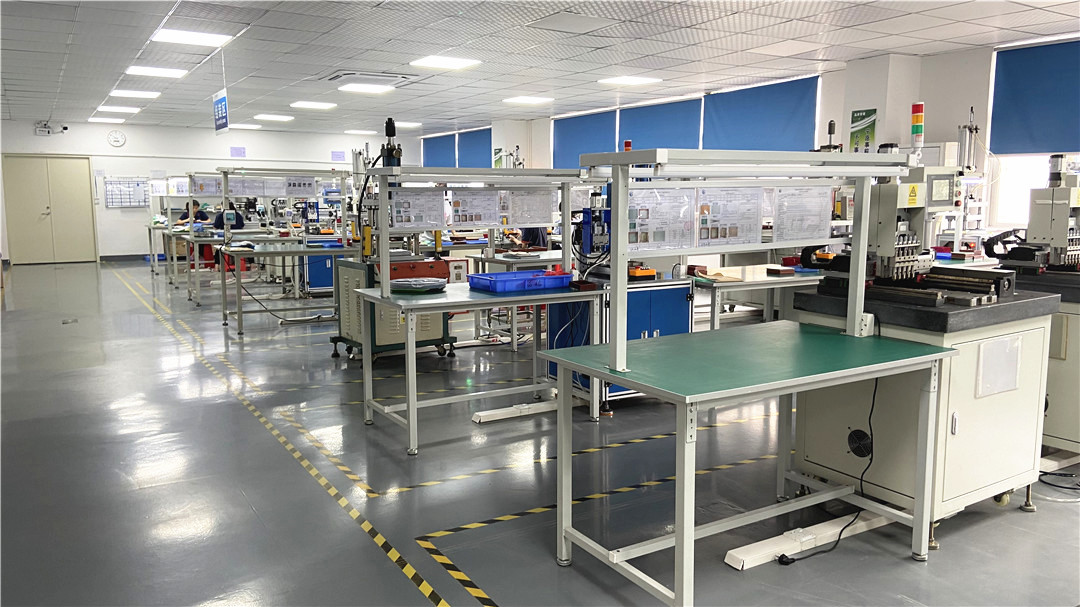
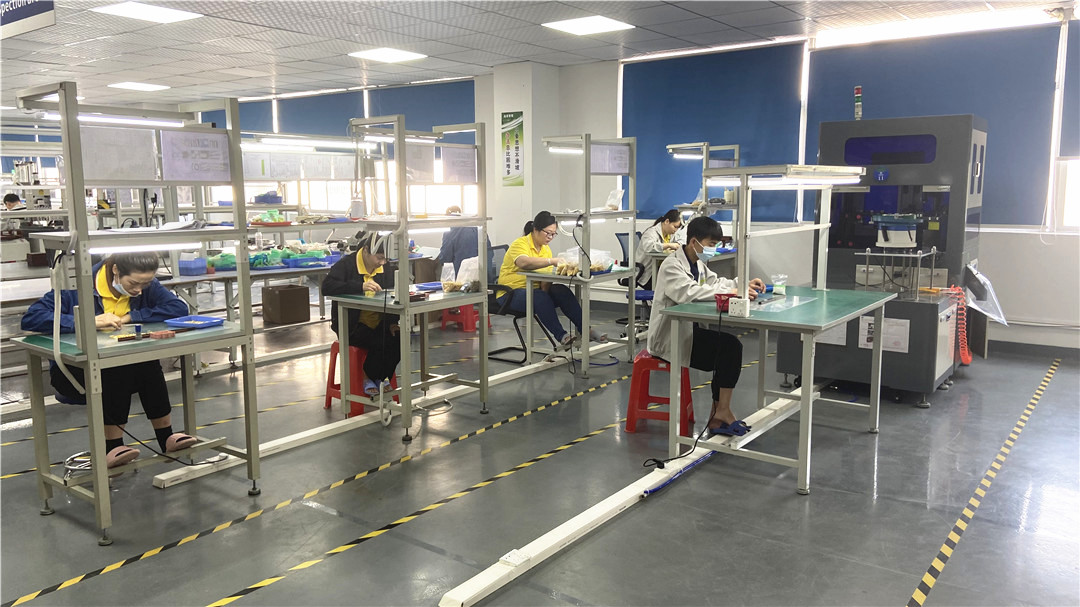
Why international technology leaders partner with Rongqiangbin in Shenzhen for high-volume custom pogo pin solutions
Rongqiangbin operates within the Songgang Street electronics cluster in Shenzhen, the heart of the Guangdong-Hong Kong-Macao Greater Bay Area. This strategic location offers unique advantages that translate directly to cost savings and faster time-to-market for our global clients:
Every component produced by Rongqiangbin complies with strict environmental standards, including RoHS, REACH, and Halogen-Free directives. Our engineering division works directly with clients to resolve high-frequency impedance mismatching, dynamic current drops, and mechanical misalignment challenges.
Au 1u" - 50u"
Up to 1M Cycles
Get answers to common technical, design, and sourcing questions about wiring and specifying pogo pins
Yes, you can solder wires directly to pogo pins, but it is critical to use pins designed with a solder cup or solder tail structure. Attempting to hand-solder wires to a flat-bottomed surface-mount (SMT) pin is difficult and run the risk of solder overflow onto the plunger. This can jam the internal spring mechanism and render the pin unusable.
To prevent the internal spring from losing its elasticity (annealing) due to high heat, you must keep manual soldering time under 3 seconds per pin at 350°C. For SMT reflow, you should follow standard lead-free profiles with peak temperatures not exceeding 260°C. Using high-grade heat-resistant housing plastics like LCP or HTN also prevents the pins from tilting or sinking during soldering.
For custom ODM orders, standard turnaround is 3 to 5 days for initial drawings and physical samples. Once the samples are approved, mass production tooling and assembly typically take 10 to 15 days, depending on the complexity of the design, the number of pins, and the housing requirements.
Standard Pogo Pins use a base copper alloy (C3604 brass) plated with nickel and gold. The nickel layer serves as a diffusion barrier, while the outer gold plating provides high electrical conductivity, excellent corrosion resistance, and a reliable surface for solder adhesion. For harsh environments, we can apply heavier gold plating or specialized alloys to extend the operating life.
Integrating magnets into the pogo pin housing enables automatic alignment, quick-release functionality, and a secure mating force. This design is widely used in wearable devices to prevent port damage from accidental cable pulls while maintaining a reliable, waterproof seal.
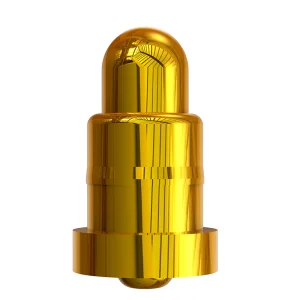
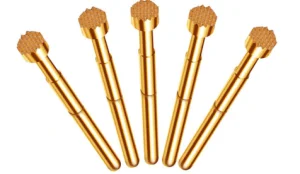
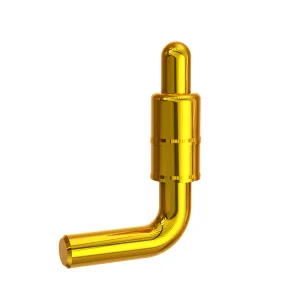
Browse our custom and standard DIP, SMT, and bending type pogo pin variations to match your application requirements
 Rongqiangbin