ODM Pogo Pin Design Manufacturer & Suppliers

Precision Engineering, Custom Micro-Connectors, and Dynamic Magnetic Charging Solutions for Aerospace, Medical, Automotive, and Smart Technology Leaders Globally.

Comprehensive Pogo Pin Design & Technology Whitepaper

An authoritative guide to mechanical structural design, dynamic electrical conductivity, and high-performance material coatings in modern hardware architectures.

The Fundamentals of Modern Spring-Loaded Pogo Pin Systems

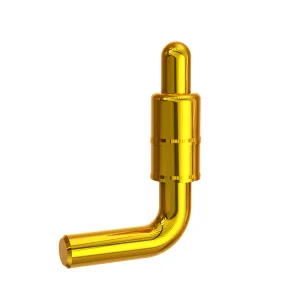
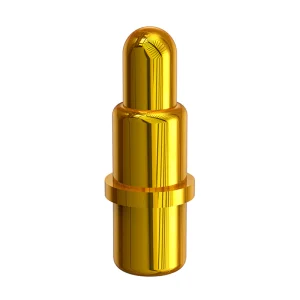
In the rapidly evolving world of electronics, interconnect technology acts as the critical bridge for signal and power flow. Pogo Pins, or spring-loaded contacts, offer unparalleled advantages over traditional leaf-spring and pin-header connections. Characterized by their compact footprint, high durability, and robust adaptability to vibration, these components are core to devices requiring frequent mating cycles. Unlike traditional connectors that deform over time, a Pogo Pin utilizes an internal precision coil spring to exert continuous contact force against the mating target, compensating for structural misalignments, manufacturing tolerances, and dynamic movements.

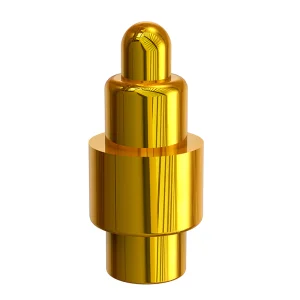
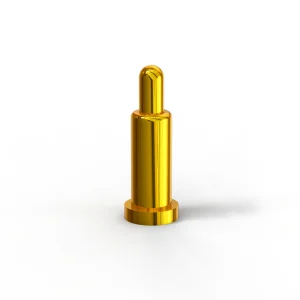
Key Engineering Metric: A standardized pogo pin consists of three core components: the Plunger, the Barrel, and the Internal Spring. In specialized high-reliability environments, additional components such as insulation beads (ball designs) are introduced to establish a highly conductive parallel path, preventing signal fluctuations during high-frequency micro-vibrations.

Anatomy of Mechanical and Structural Design Options

When selecting or developing a custom pogo pin array, engineers must analyze the internal configuration of the pin. The relationship between the plunger tip, the spring's force curve, and the barrel's inner diameter directly impacts the connector's long-term impedance profiles:

  • Back-Drill Structure: Designed to shorten the length of the plunger, allowing for compact designs. This structure leaves space inside the plunger for the spring, making it suitable for low-profile applications but limited in current-carrying capacity.
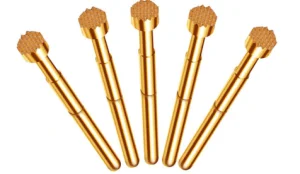
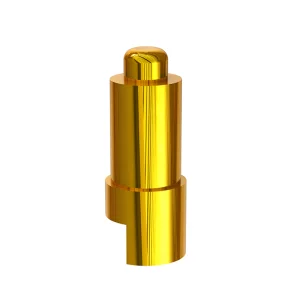
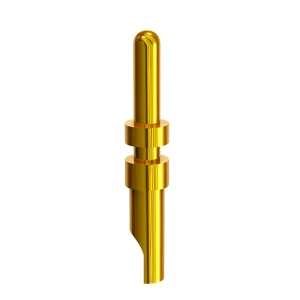
  • Bias-Cut (Slanted Plunger) Structure: The plunger's mating end is cut at an angle. This bias force ensures that the plunger maintains constant lateral contact with the internal gold-plated barrel wall, reducing contact resistance to a minimum (<20mΩ) and suppressing random electrical noise caused by vibration.
  • Ball-Inside Structure: An insulating ball or gold-plated brass ball is placed inside the barrel to sit between the spring and the plunger. This forces the current to flow through the low-resistance barrel path rather than traveling through the high-resistance steel spring, making it ideal for fast-charging and high-current power transmission (up to 15A continuous).

Bias-Cut Technology

Maximizes lateral contact with the gold-plated barrel, mitigating contact resistance drops and guaranteeing signal integrity during dynamic motion.

High-Current Ball Design

By bypassing the high-resistance spring, our custom designs allow current loads up to 15A without overheating or melting internal structures.

Ultra-Durable Plating

Multi-layer plating including nickel diffusion barriers and outer gold layers (up to 50 micro-inches) ensuring high corrosion resistance.

Manufacturing Excellence & Enterprise Infrastructure

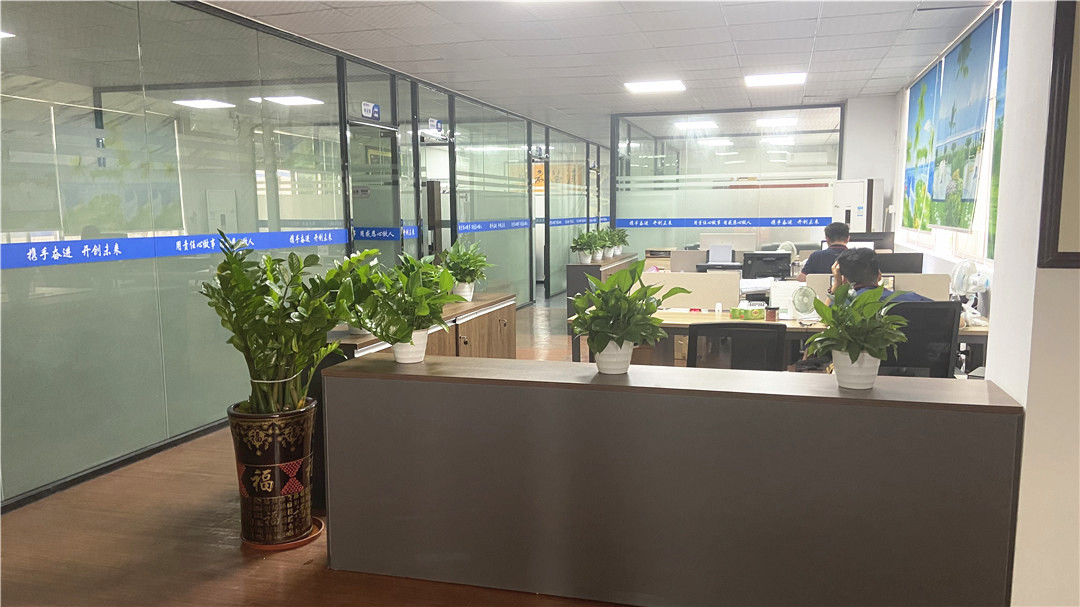
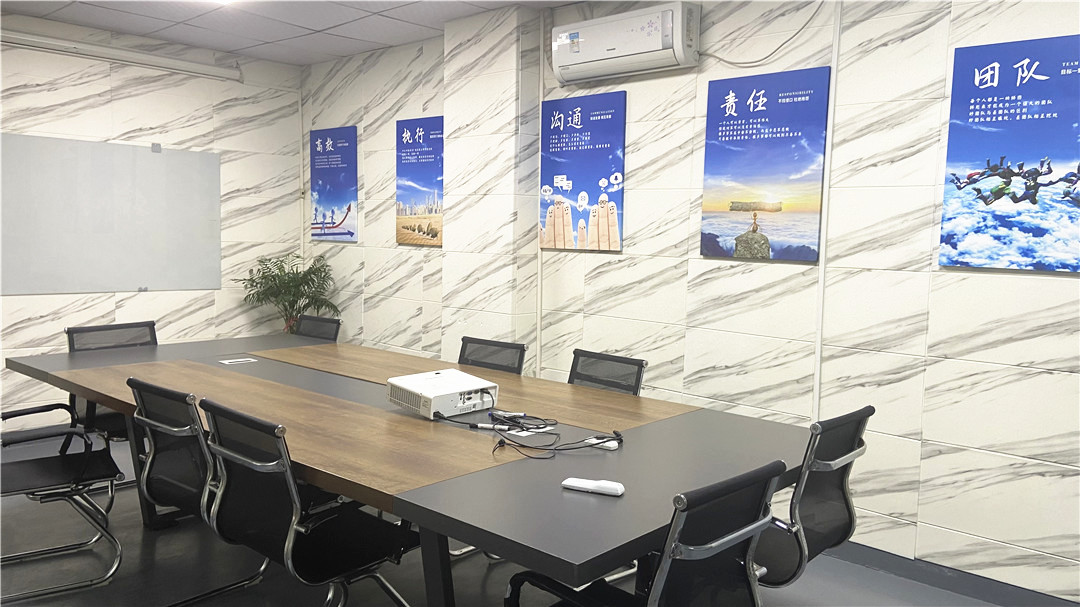
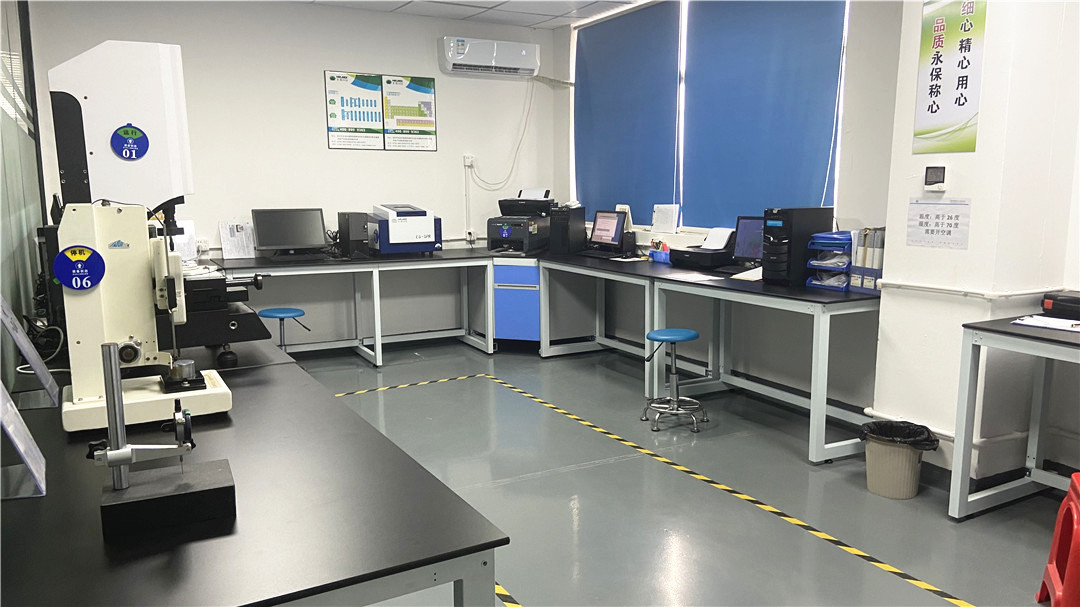
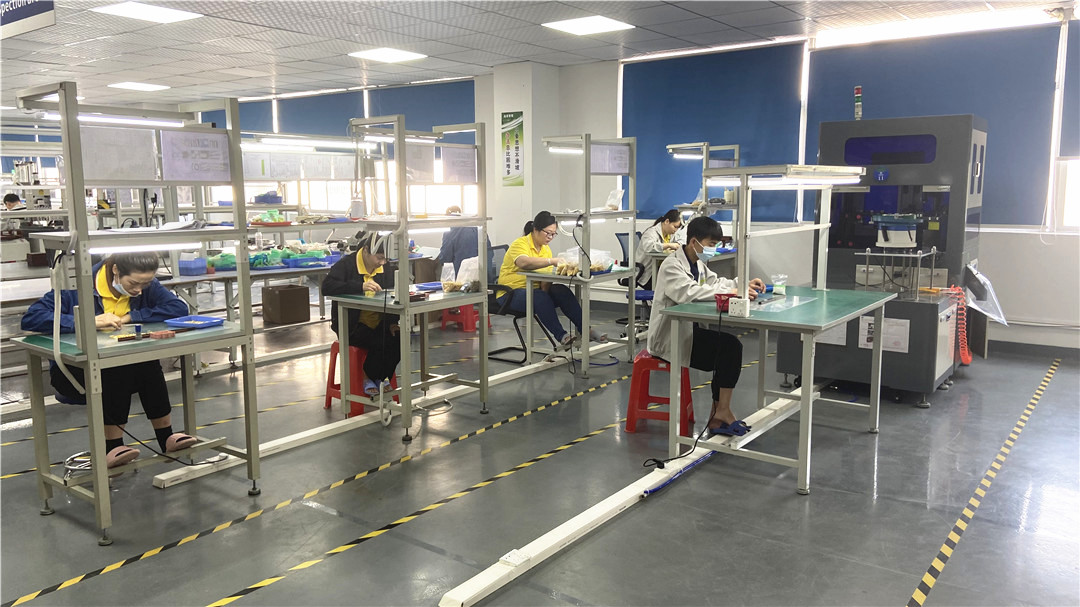
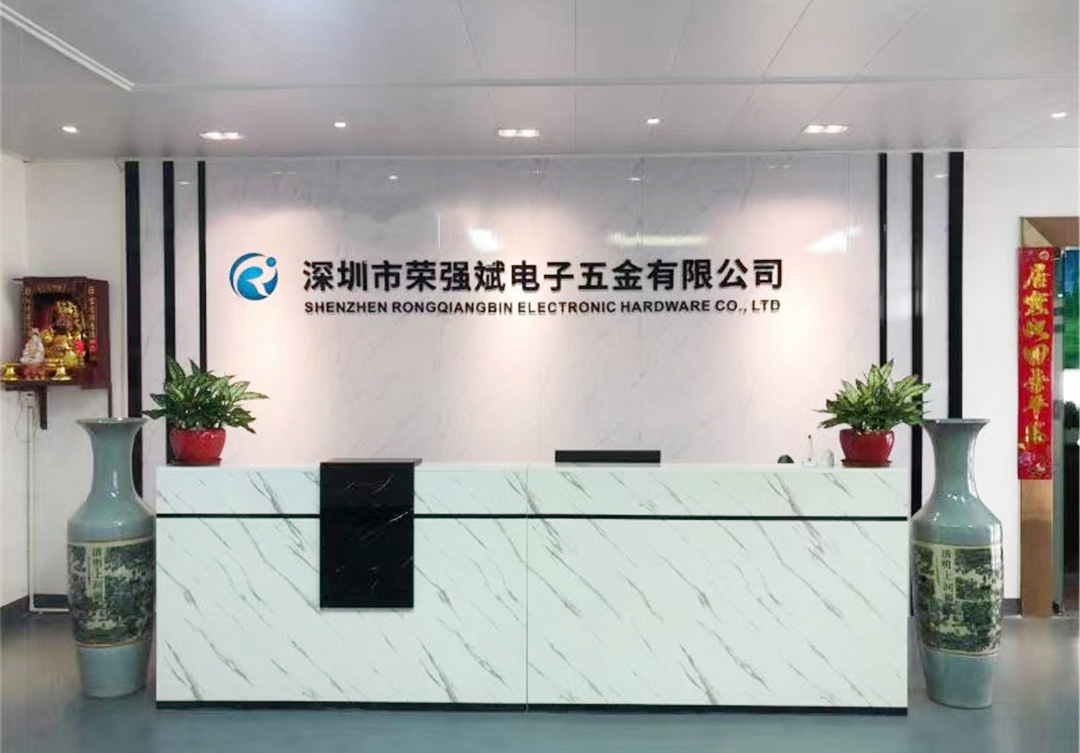
Shenzhen Rongqiangbin Electronic Hardware Co., Ltd. is a global leader in pogo pin innovation, boasting advanced facilities and strict quality management systems.

Shenzhen Rongqiangbin Electronic Hardware Co., Ltd.

Founded in February 2011, located in Songgang Street, Shenzhen—at the heart of the Guangdong-Hong Kong-Macao Greater Bay Area—our company has built over a decade of expertise in the design, development, manufacturing, and distribution of premium Pogo Pins (spring thimbles). Through continuous innovation, we have established ourselves as one of the region's premier ODM/OEM hardware manufacturers.

Operating under the core values of "customer-centric, create more value for customers" and adhering to the principle of "excellent quality, intimate service," we support global supply chains in delivering next-generation hardware. Our engineering and production departments work in unison to provide custom solutions that comply with RoHS, REACH, and strict international electrical testing standards.

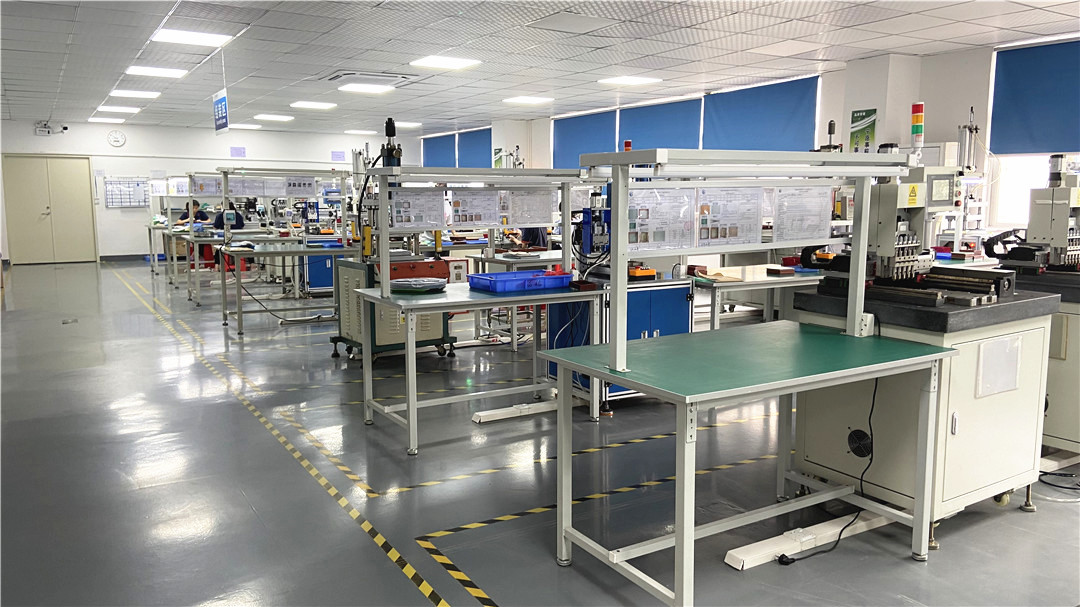
Quality Certification: We are fully certified under the ISO9001:2015 version of the international authoritative quality management system. With robust control structures spanning raw material inspection, lathe processing, plating, assembly, and automated testing, we guarantee flawless reliability.
Rongqiangbin Manufacturing Facility Office Gate
2011
Est. Year
ISO9001
Certified Quality
10M+
Monthly Output
100k+
Mating Lifespans

Global Commercial & Industrial Solutions

Deploying high-reliability spring contact systems to power mission-critical electronics in diverse global markets.

Global Market Context

Across the aerospace, medical, automotive, and high-end consumer technology sectors, micro-connectors face escalating demands. Modern architectures require higher data transfer speeds, minimal heat generation during power delivery, and tolerance against extreme vibrations. Shenzhen Rongqiangbin delivers robust customized component configurations that address these market needs. Through structural optimizations, gold-thickness variation control, and customized spring-preload calibrations, our components remain resilient against dynamic forces.

Our solutions cater directly to leading industrial clusters. We ensure compliance with certifications required in the European Union (CE, RoHS), North America (FCC, UL), and Asia (CCC). Our global presence allows us to offer tailored supply-chain scheduling, rapid custom prototyping (under 7 days), and extensive quality tracking.

Multi-Scenario Deployments & Applications

Our product portfolio is deployed across a range of fields, with custom designs tailored to meet specific application criteria:
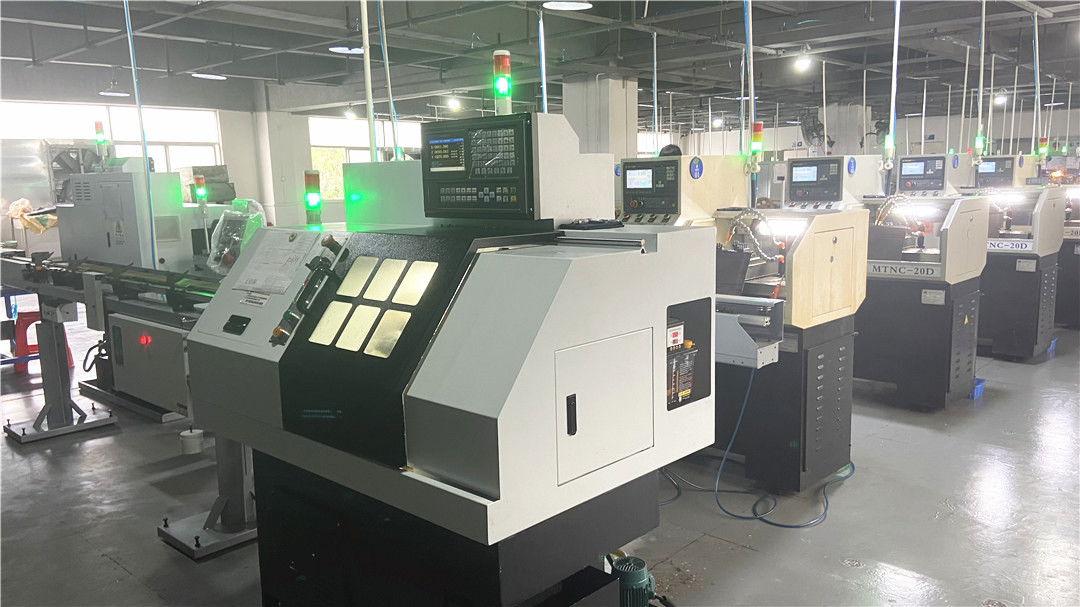
  • Smart Wearable Products (Wristbands, Smartwatches): Requiring hypoallergenic gold platings, sweat-corrosion resistance, and IPX7/IPX8 water-proof designs.
  • TWS Bluetooth Headsets & Audio: Extremely compact pogo pins with custom pin-pitch tolerances, ensuring reliable charging and audio-link connections in tiny, lightweight enclosures.
  • Medical Diagnostic Equipment: High-precision, zero-defect connections that maintain stable electrical contact to support critical health-monitoring arrays.
  • Automotive ADAS & Smart Dash Systems: Vibration-resistant assemblies designed to withstand physical shock, engine compartment temperatures, and thermal cycling.
  • Aerospace & Military Communications: Ruggedized alloy barrels and heavy-duty spring forces to prevent signal drops during high G-force maneuvers.

Technological Roadmap & Future Outlook

Pioneering tomorrow's interconnect designs with high-frequency capabilities and advanced nanotechnology surface treatments.

High-Speed Signal Integration & RF Performance

As standard data transfer protocols push past 10 Gbps (USB 3.1 Gen 2 / USB 4.0), pogo pins are transitioning from simple charging components into complex high-frequency signal pipelines. Through electromagnetic shielding simulations (HFSS) and spatial design optimization, Rongqiangbin engineers develop matched-impedance (50Ω and 90Ω) pogo pin blocks. This allows developers to integrate high-speed data transmission channels and robust DC power inside a single, hot-pluggable magnetic interface.

Advanced Nanotechnology Surface Finishes

In humid or corrosive operating environments, standard gold platings can experience micro-porosity issues, leading to substrate oxidation. Our research focuses on implementing ultra-barrier thin-film coatings. By combining multi-layer plating processes with protective physical-vapor-deposition (PVD) finishes, we improve the wear resistance of our contacts and extend their lifecycle in high-salinity and high-humidity environments.

The Trust of Global Industry Leaders

Over our decade-plus history, Rongqiangbin's engineers have collaborated with some of the world's most demanding technology and electronic manufacturing enterprises. Through these partnerships, we have refined our quality control standards and manufacturing efficiency to align with the requirements of top-tier consumer, industrial, and automotive brands, including:

Honeywell Samsung SIEMENS AG ZTE 360 QCY HAYLOU Shanghai Laimu Luxshare Group Aoni Electronics Amphenol Group

Technical Q&A: Engineering & Purchasing Guide

Expert technical insights regarding Pogo Pin performance parameters, manufacturing options, and system optimization.

Q1: What are the primary factors causing dynamic resistance fluctuations in pogo pins, and how do you prevent them?
Dynamic resistance variations are primarily caused by changes in the contact point between the plunger and the inner wall of the barrel during vibration. If the plunger lifts off the barrel wall, the current is forced to travel through the high-resistance stainless steel spring. We resolve this by using a bias-cut plunger design or inserting a conductive micro-ball. These features keep the plunger in continuous contact with the gold-plated barrel wall, stabilizing contact resistance under mechanical shock.
Q2: How does gold plating thickness influence the life cycle and cost of ODM pogo pin connectors?
Gold plating provides wear resistance, oxidation protection, and high electrical conductivity. The thicker the gold layer (typically ranging from 1 to 50 micro-inches), the higher the mechanical mating cycle limit (ranging from 10k to over 200k cycles). To optimize production costs, we can apply selective plating. This process deposits thicker gold on critical electrical contact surfaces while applying a thinner coating on the remainder of the pin.
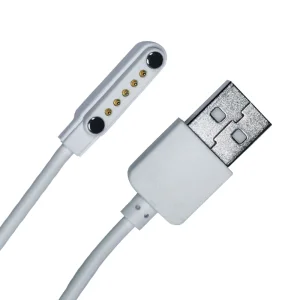
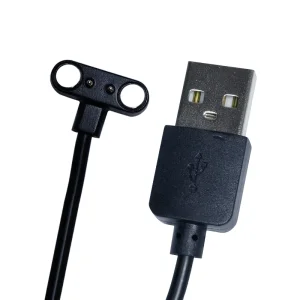
Q3: Why are custom magnetic pogo pin cables preferred for consumer wearables and medical devices?
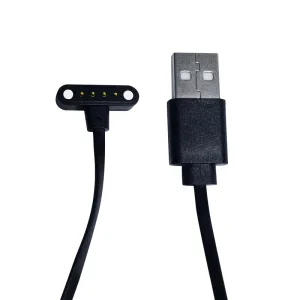
Magnetic connectors offer two main benefits: self-alignment and safety disconnects. Magnets auto-align the cable to the device's charging ports without physical mating keys, reducing wear. They also detach safely under sudden tension, preventing damage to the device. In medical contexts, the flat contact pads are easy to clean and sanitize, maintaining hygienic standards.
Q4: What is the standard lead time for prototyping custom pogo pins at Shenzhen Rongqiangbin?
Our typical turn-around for initial design validation and mechanical drawing production is 2 to 3 business days. Working prototype components can be produced in our state-of-the-art facility within 7 to 10 working days, depending on custom lathe tooling and selective plating requirements. Mass production starts immediately after prototype approval.
Q5: Can pogo pin connectors carry high-speed signals like USB 3.1 or RF signals?
Yes, they can. By structuring pogo pin configurations with ground shielding layout designs, matching signal line impedance, and optimizing cross-talk parameters, we can achieve high-speed data transmission up to 10 Gbps and RF signals up to 6 GHz.