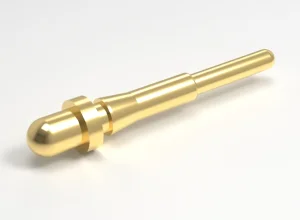
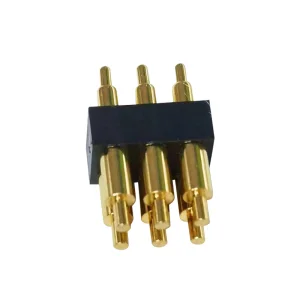
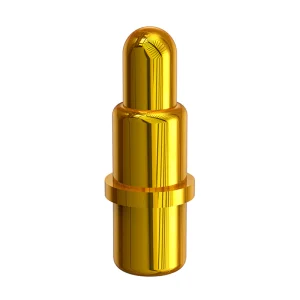
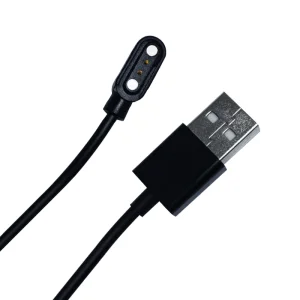
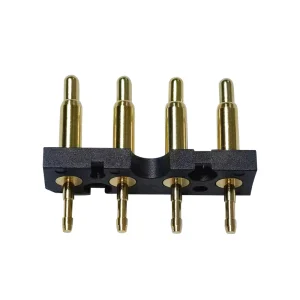
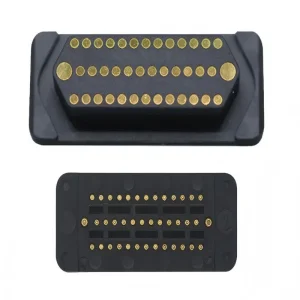
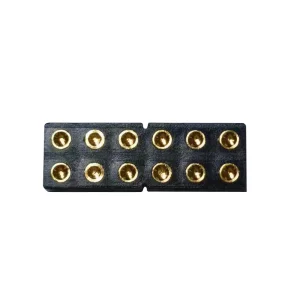
In modern microelectronics and electrical architecture, the demand for reliable, high-density contact interfaces has driven Pogo Pin sockets from simple spring-loaded configurations into highly specialized, sub-millimeter component interfaces. Unlike traditional blade or pin-and-receptacle connectors, the modern pogo pin structure relies on a dynamic, constant-force spring assembly contained within a precision-turned barrel. As high-speed signals and high-current power transmission are integrated into increasingly constrained device footprints, the mechanical, material, and electrical performance of these components has become a core engineering concern.
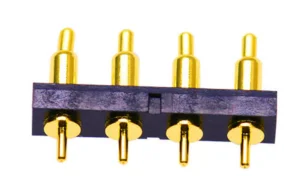
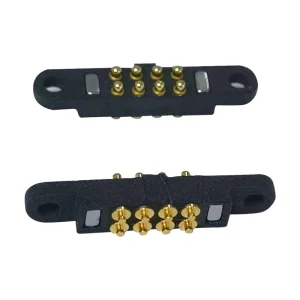
An ODM Pogo Socket serves as the primary structural link, routing multiple spring-loaded pins into customized layouts. By decoupling the mechanical retention force from the electrical contact interface, pogo sockets achieve lower, more uniform contact resistance and survive orders of magnitude more mating cycles. In high-frequency RF systems, advanced wearables, and electric vehicle charging modules, the implementation of custom pogo sockets ensures electrical integrity under intense vibration, wide thermal fluctuations, and strict space limitations.
Procurement teams within global OEMs and hardware developers look beyond unit pricing when selecting an ODM partner. Achieving operational continuity requires a deep evaluation of an ODM's engineering qualifications, compliance certifications, and material supply chain. When procuring custom spring-loaded sockets, industrial buyers systematically analyze factors that affect Total Cost of Ownership (TCO):
| Performance Parameter | Standard Consumer Grade | High-Reliability Industrial Grade | Automotive / New Energy Grade |
|---|---|---|---|
| Mating Cycles | 10,000 - 50,000 | 100,000 - 1,000,000 | Over 150,000 (Vibration Proof) |
| Rated Current (per Pin) | 1A - 3A | 5A - 15A | 20A - 150A (Continuous) |
| Contact Resistance | < 50 mΩ | < 20 mΩ | < 10 mΩ |
| Operating Temp Range | -40°C to +85°C | -55°C to +125°C | -55°C to +155°C |
| Plating Durability | 3μ" - 10μ" Gold over Nickel | 30μ" - 50μ" Gold over Nickel | Hard Gold & Specialty Alloys |
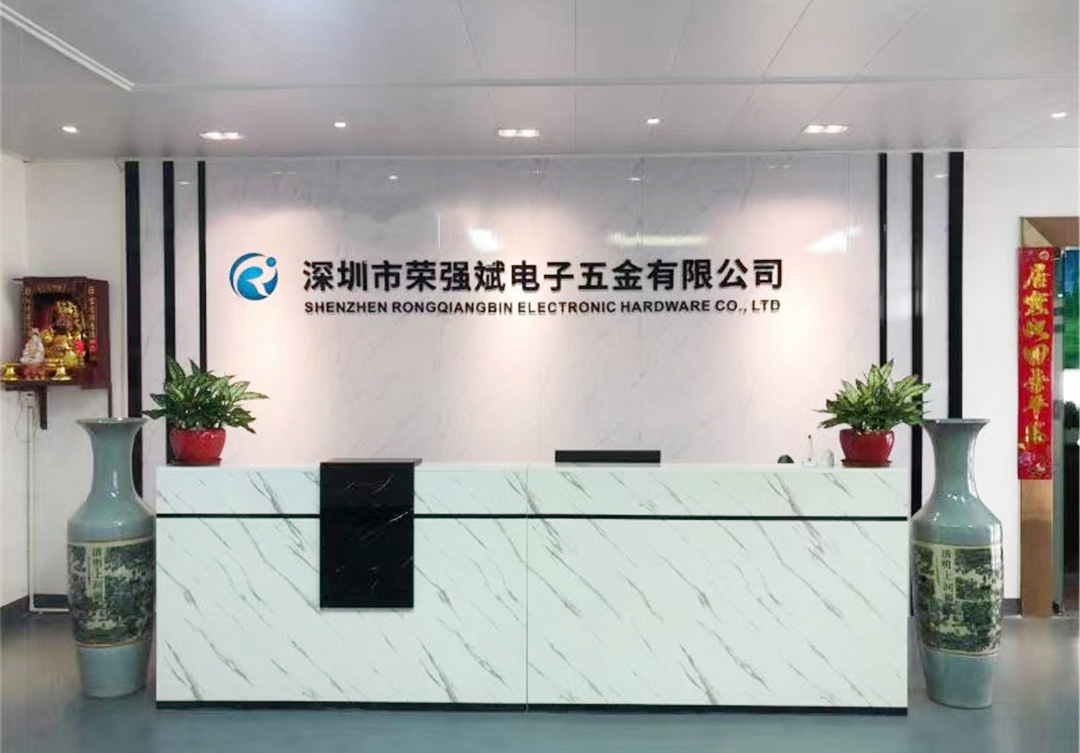
The production of sub-millimeter connector assemblies requires high-speed precision machining and automated, real-time quality control. Shenzhen Rongqiangbin Electronic Hardware Co., Ltd. (RQB) represents this industrial convergence in the Guangdong-Hong Kong-Macao Greater Bay Area. Founded in February 2011 on Songgang Street, Shenzhen, RQB specializes in the engineering, manufacturing, and global distribution of advanced Pogo Pin connectors and custom socket systems.
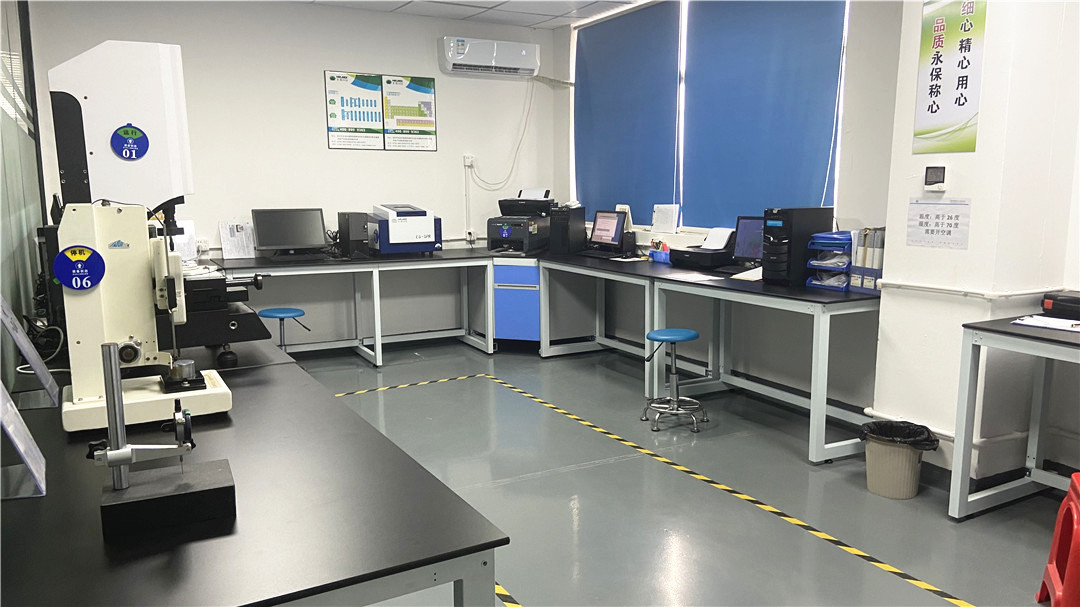
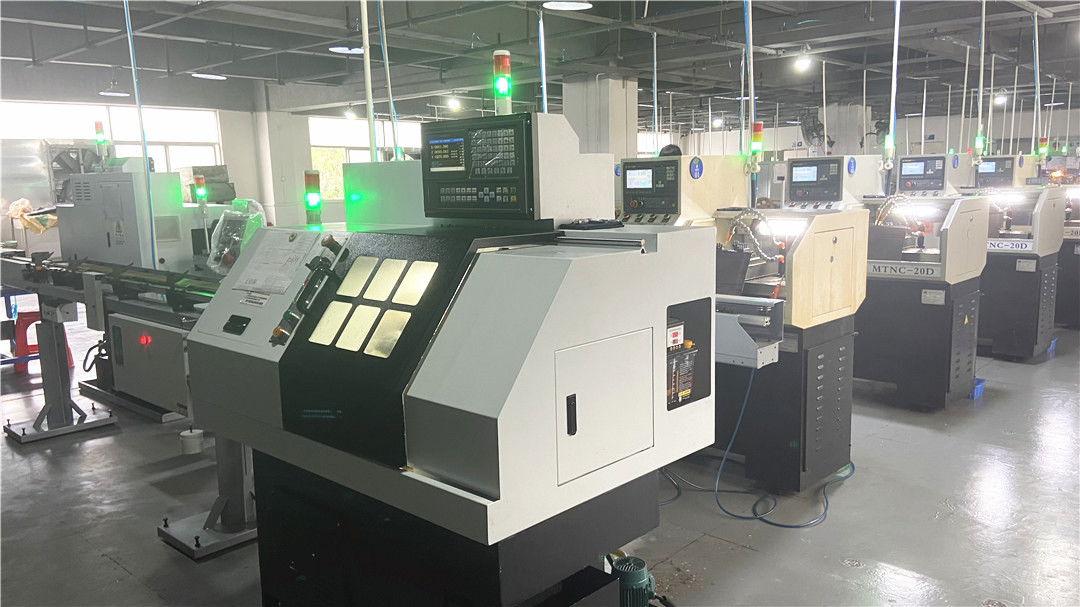
By integrating advanced Industry 4.0 automation, RQB utilizes Swiss-type precision CNC automatic lathes and automated high-speed assembly arrays. Quality monitoring is embedded at every production stage, supported by a comprehensive quality control framework and ISO9001:2015 registration. With dedicated, in-house facilities for lathe operations, assembly workshops, and high-precision testing labs, RQB delivers high-volume production with tight dimensional tolerances (down to ±0.005mm) to maintain a resilient supply chain for partners worldwide.
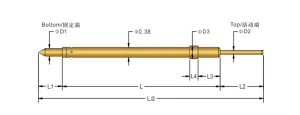
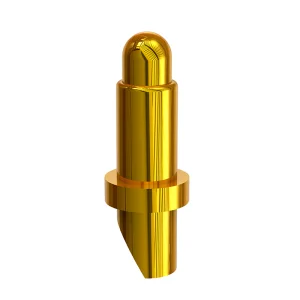
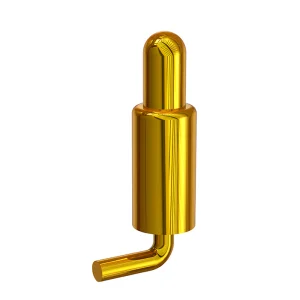
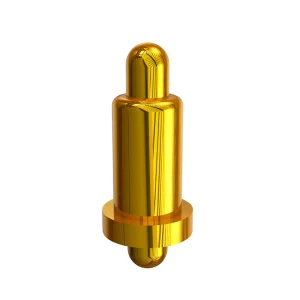
At the micro-scale, the interface behavior of a spring-loaded probe is governed by material science. The typical pogo pin consists of three core components: the Plunger, the Barrel, and the Internal Spring. Each of these components demands custom material selection based on application requirements:
Plating Engineering: Because spring thimbles are subject to friction, surface plating must resist wear while preventing oxidation. A standard plating stack features a high-density nickel diffusion barrier (50–120 microinches) topped by an engineered gold layer (3 to 50 microinches). For high-durability environments, specialized formulations like Palladium-Nickel (PdNi) alloys are applied to enhance wear resistance and resist chemical corrosion in wearable devices exposed to sweat.
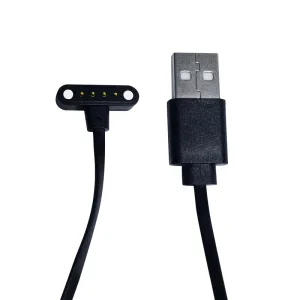
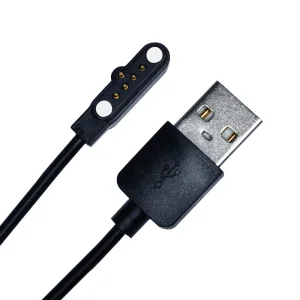
Custom ODM Pogo Sockets are deployed across a wide range of global industries, serving as high-performance interfaces for both data and power:
With this diverse application profile, Shenzhen Rongqiangbin Electronic Hardware Co., Ltd. has established long-term engineering partnerships with leading global enterprises, including Honeywell, Samsung, SIEMENS AG, ZTE, 360, QCY, HAYLOU, Shanghai Laimu, Luxshare Group, Aoni Electronics, and Amphenol Group.
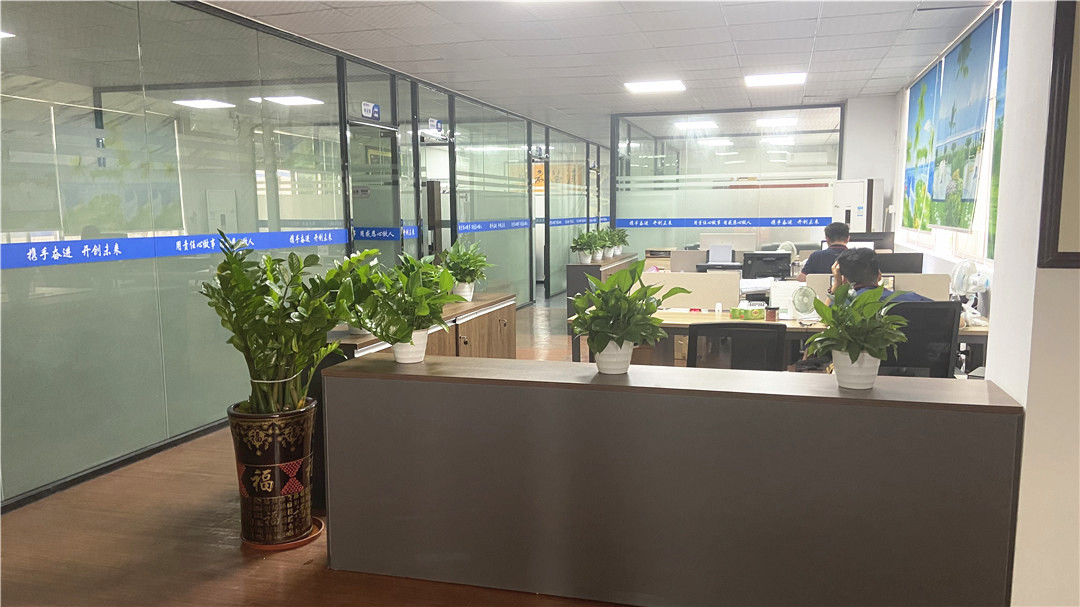
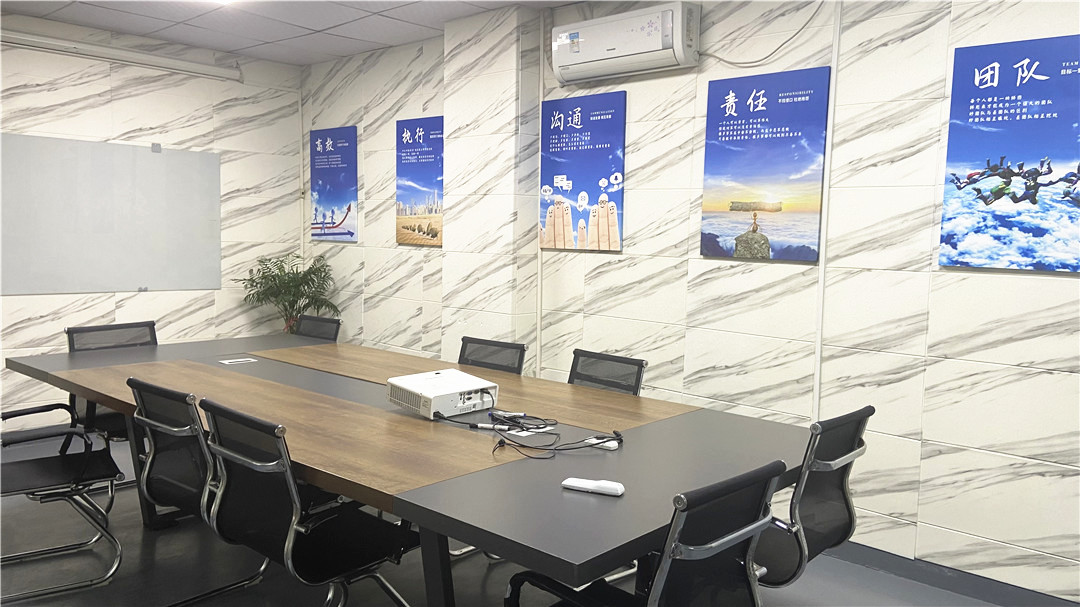
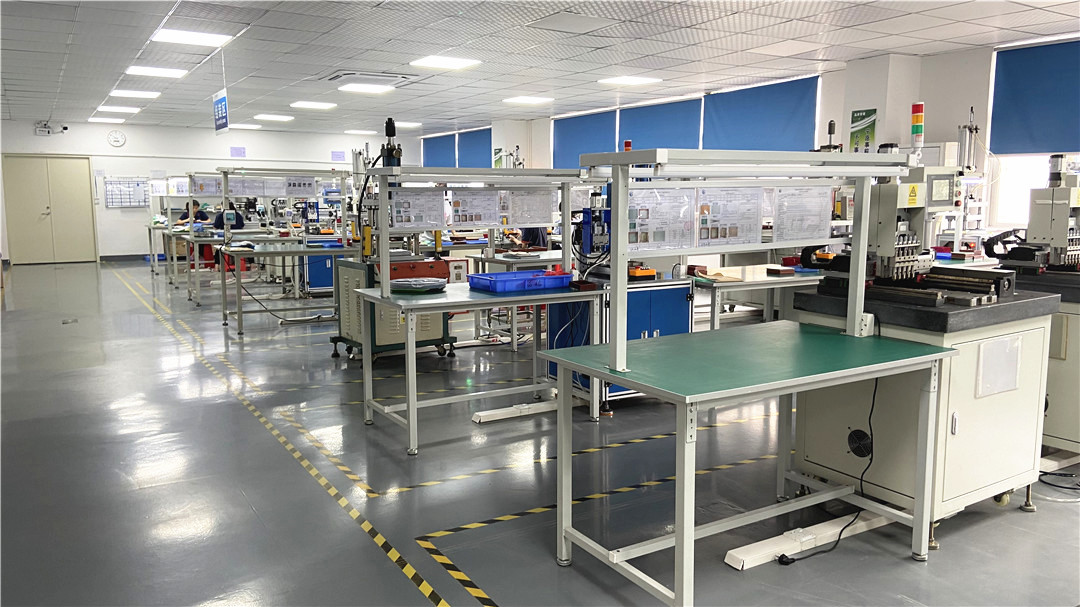
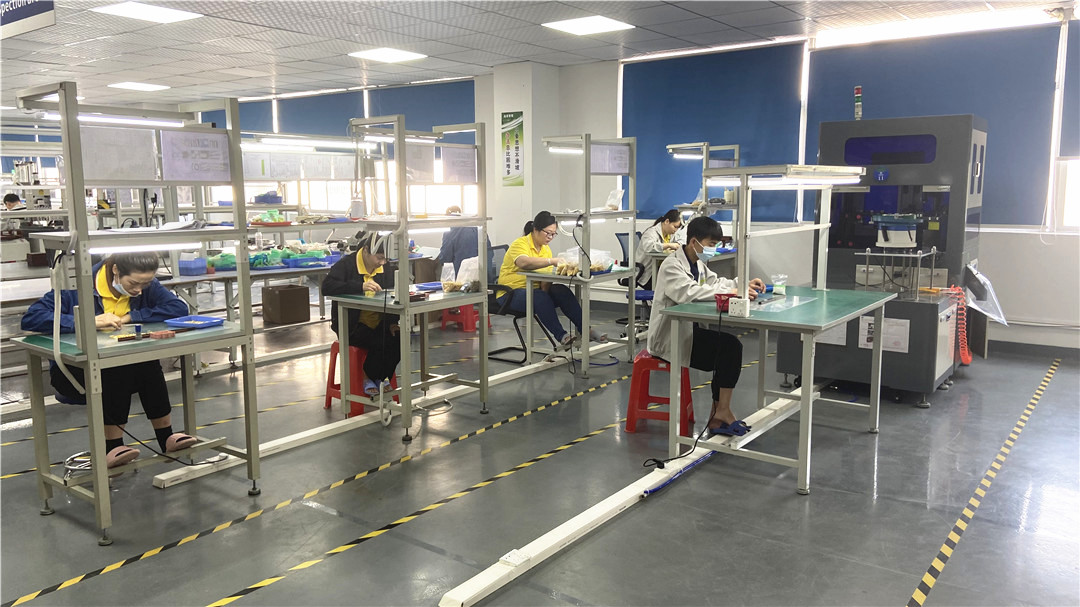
Take a look inside Shenzhen Rongqiangbin's integrated facilities, featuring precision manufacturing machinery and testing labs designed to verify mechanical and electrical performance.

 Rongqiangbin