Discover our highly optimized ODM series engineered for superior waterproof performance, high dynamic durability, and fast signal integrity.
Meeting extreme environmental protection specs while minimizing physical footprints in enterprise-level applications.
In the modern electronic manufacturing ecosystem, the demand for high-reliability waterproof pin connectors has transitioned from niche military projects to widespread commercial adoption. Today's global procurement managers look for strategic manufacturing partners capable of delivering custom original design manufacturer (ODM) solutions that guarantee electrical stability under high-stress conditions. These conditions include physical impacts, chemical exposures, extreme temperature cycling, and persistent moisture ingress.
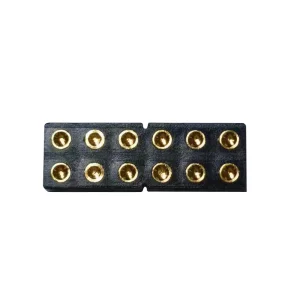
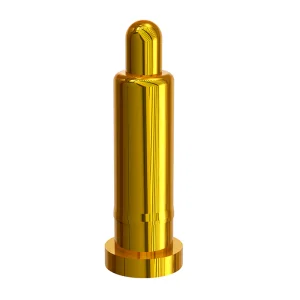
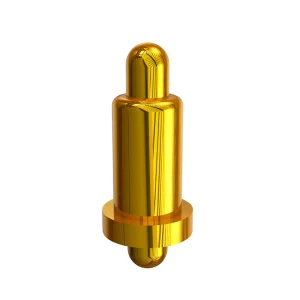
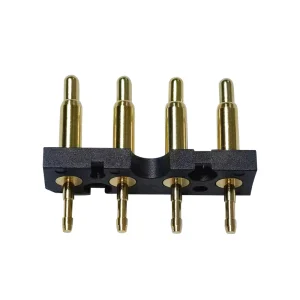
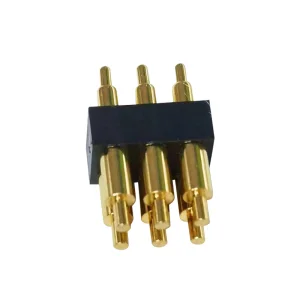
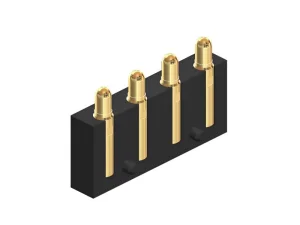
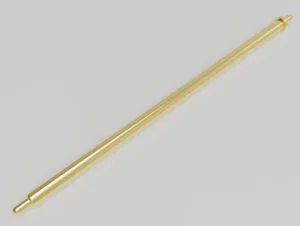
The key challenge in purchasing waterproof connectors lies in finding the balance between size, connectivity efficiency, and sealing ratings. Traditional industrial plugs are often too bulky for smart consumer devices, medical instruments, or rugged field sensors. As a result, the industry has turned heavily toward spring-loaded contact pins (Pogo Pins) integrated with magnetic latching arrays. These connectors offer high-performance density, allowing multi-pin configurations within incredibly small footprints while preserving complete structural waterproof integrity.
Procuring high-quality custom interfaces requires deep collaboration during the initial product definition stage. Companies must check specific metrics such as gold-plating thickness, nickel diffusion barriers, base metal spring force degradation over time, and elastomeric seal compatibility. When sourcing from Chinese ODM factories, checking design capability, in-house laboratory facilities, and systematic quality assurance processes is essential for securing a stable, reliable supply chain.
How custom waterproof contact pins solve structural and electrical challenges across critical industry verticals.
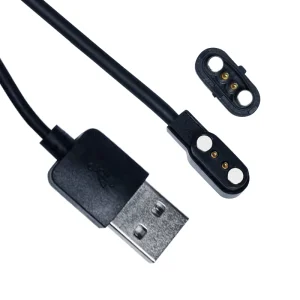
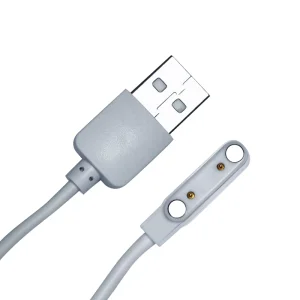
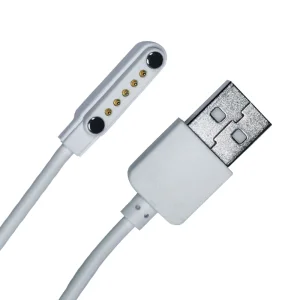
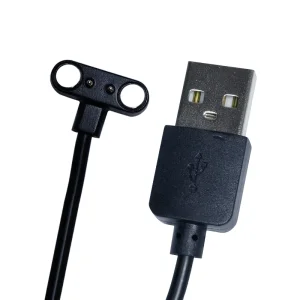
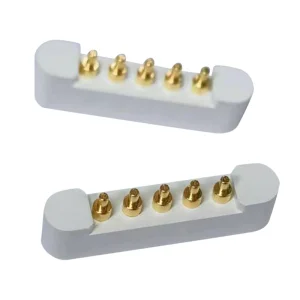
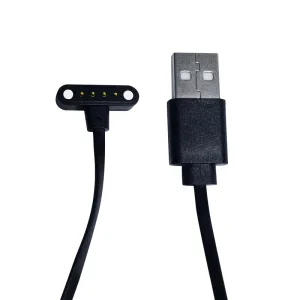
For smartwatches, fitness trackers, and TWS earbuds, waterproof components must resist sweat, body oils, and routine water exposure. Custom 2-pin to 6-pin magnetic charging cables facilitate seamless alignment, ensuring users experience simple operation while maintaining an airtight, corrosion-proof barrier inside the device casing.
Medical diagnostic tools, wearable monitors, and surgical equipment require components that withstand chemical sanitization and autoclave heat. By using biocompatible insulation plastics and dense plating structures, our connectors maintain stable parameters and reliable performance during critical medical procedures.
New Energy Vehicles (NEVs) need robust connections for ADAS sensors, battery monitoring units, and high-frequency communication modules. Our spring-loaded solutions absorb vibrations and thermal cycles, offering continuous electrical routing that standard terminal plugs cannot match in heavy vehicle setups.
Outdoors IoT gateways, flow meters, and robotic end effectors operating in humid or corrosive chemical environments rely on stable connection setups. IP67 and IP68 rated assemblies resist dust and high-pressure washdowns, preventing expensive factory downtime.
Advanced structures and material chemistry for ultra-low resistance and high-performance sealing.
To secure an IPX7 or IPX8 rating on a printed circuit board assembly (PCBA), engineers can use three primary structural waterproofing techniques:
The electrical performance and durability of a spring-loaded contact depend on its raw materials and surface treatments:
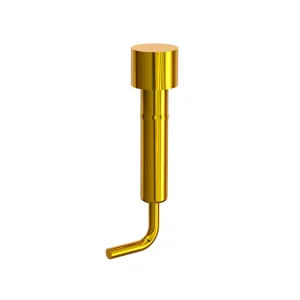
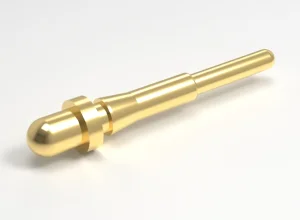
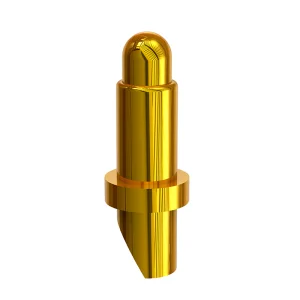
Conventional pogo pins carry about 1A to 2A of current. To support high-power charging up to 30A, we utilize specialized structures like bias-cut plungers or internal ball designs. These configurations force the plunger into constant lateral contact with the barrel wall, reducing contact resistance to less than 20 milliohms and preventing localized overheating.
A leading OEM/ODM connector manufacturer located in the heart of the Guangdong-Hong Kong-Macao Greater Bay Area.
Our company was founded in February 2011 in Songgang Street, Shenzhen, specializing in the development and manufacturing of Pogopin connector; After years of efforts and sedimentation, the company gradually became a leader in the industry.
Our company is mainly engaged in research and development, production, sales of various models of POGO PIN (also known as spring thimble) products. With a philosophy centered on customer satisfaction and operational integrity, we leverage an experienced production and technical team to support global supply chains.
We operate under a certified quality framework, having obtained the ISO9001:2015 international quality management system certification. Our strict quality and environmental controls ensure we deliver highly reliable, compliant components to global brands.
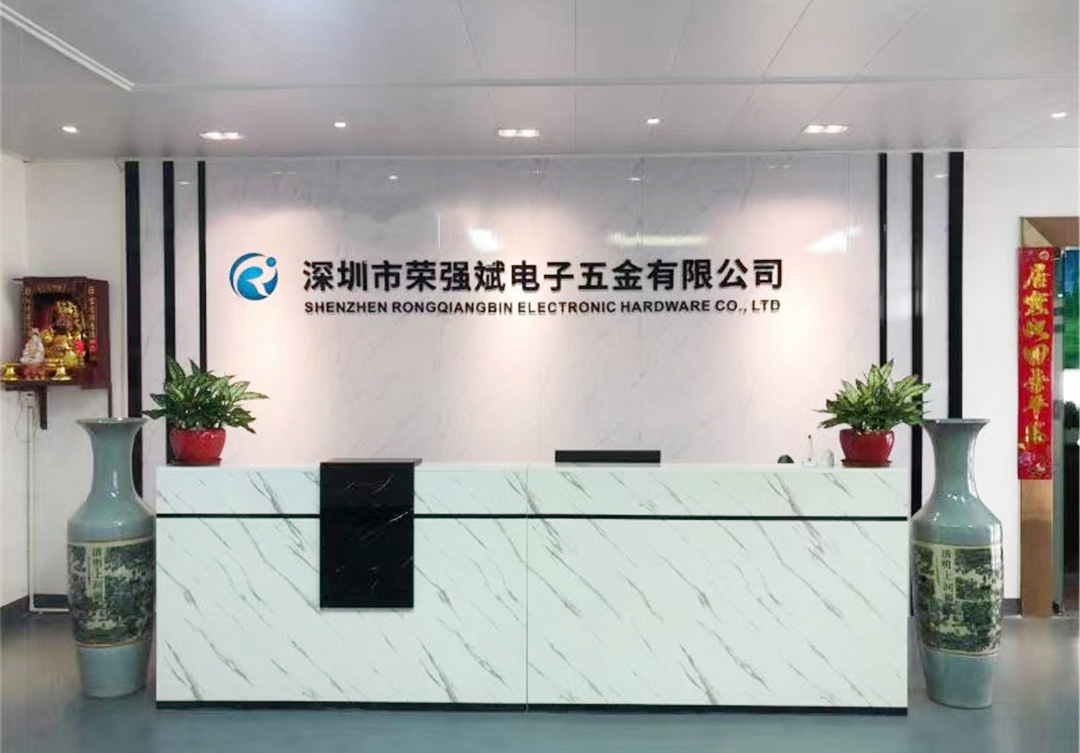
Our manufacturing floor is outfitted with high-precision automatic lathes, assembly machinery, and quality control systems that ensure stable production runs.
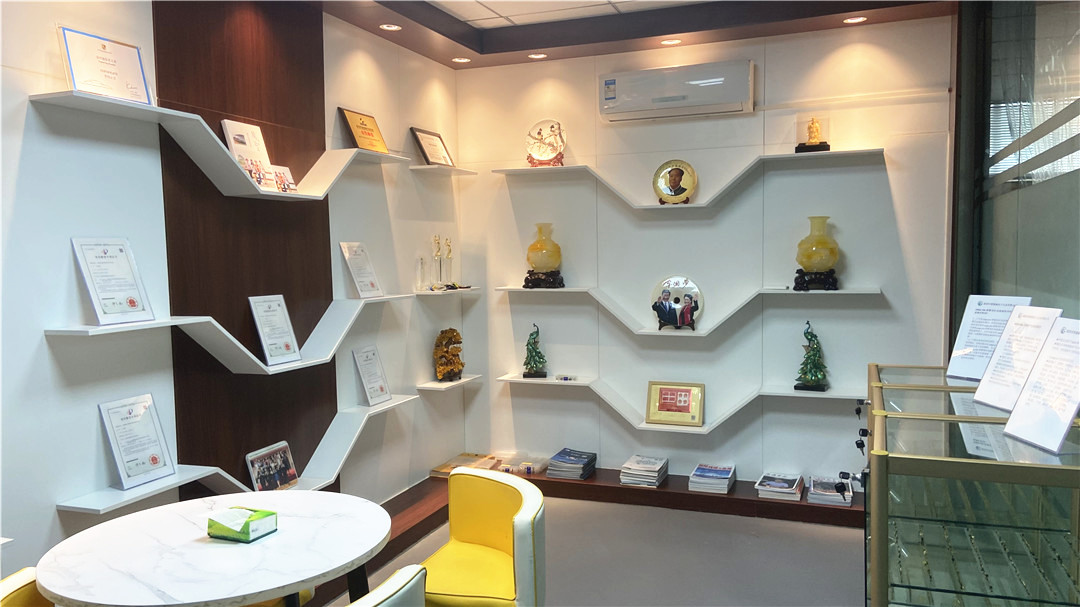
Showroom
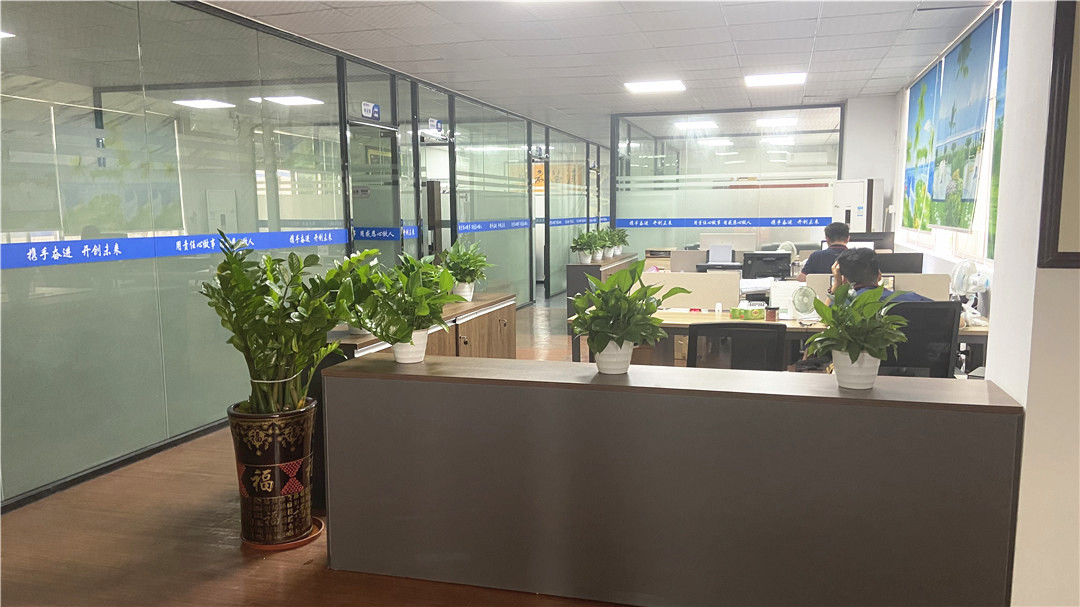
Office
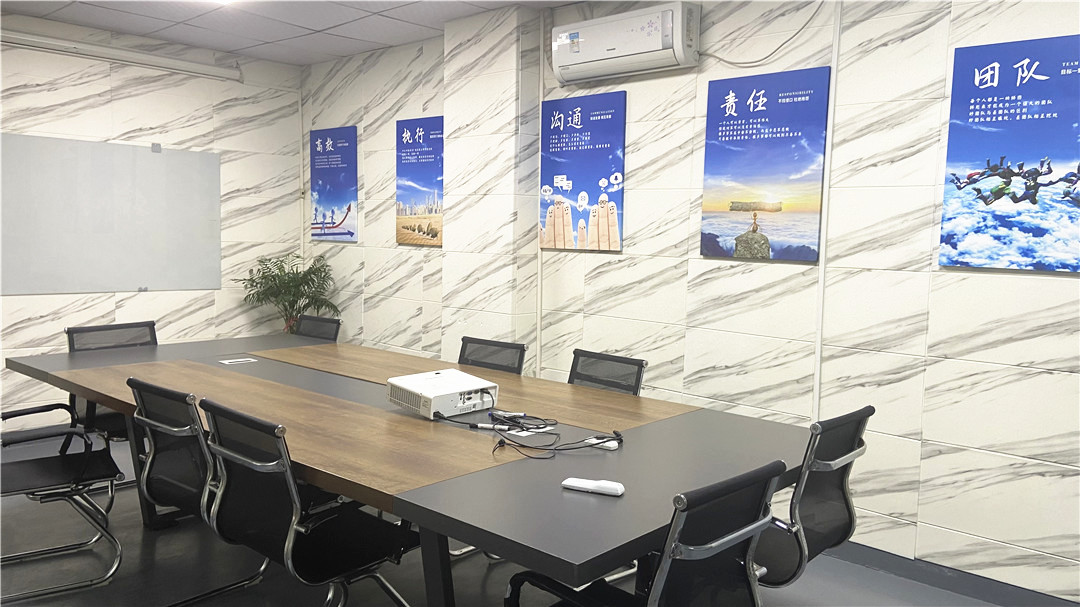
Meeting Room
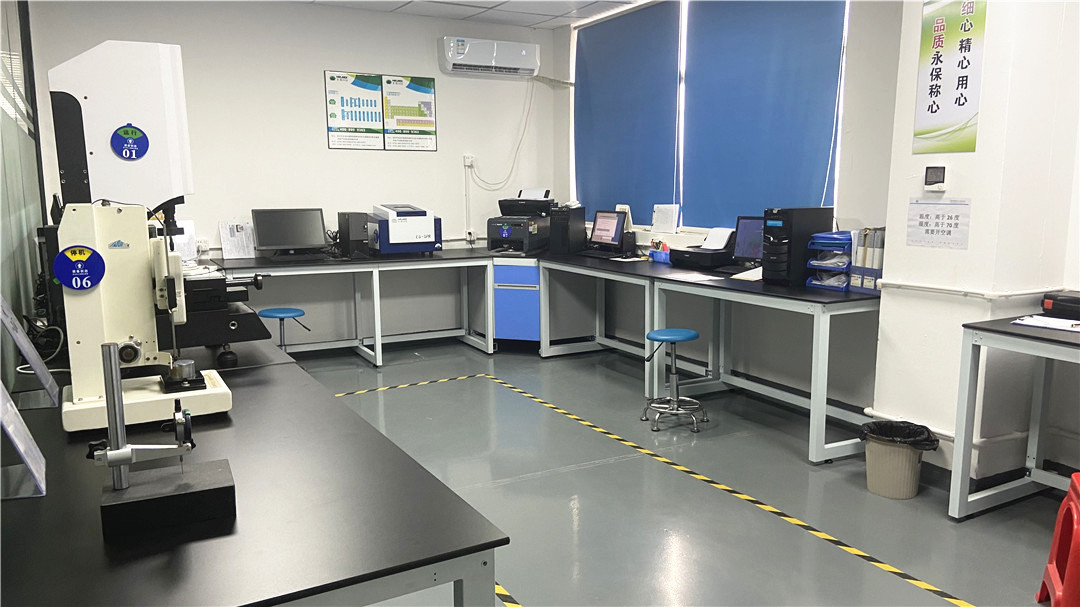
LAB
"Committed to be excellent POGO PIN manufacturers for both quality and cost on home and abroad, and leading connector technology development."
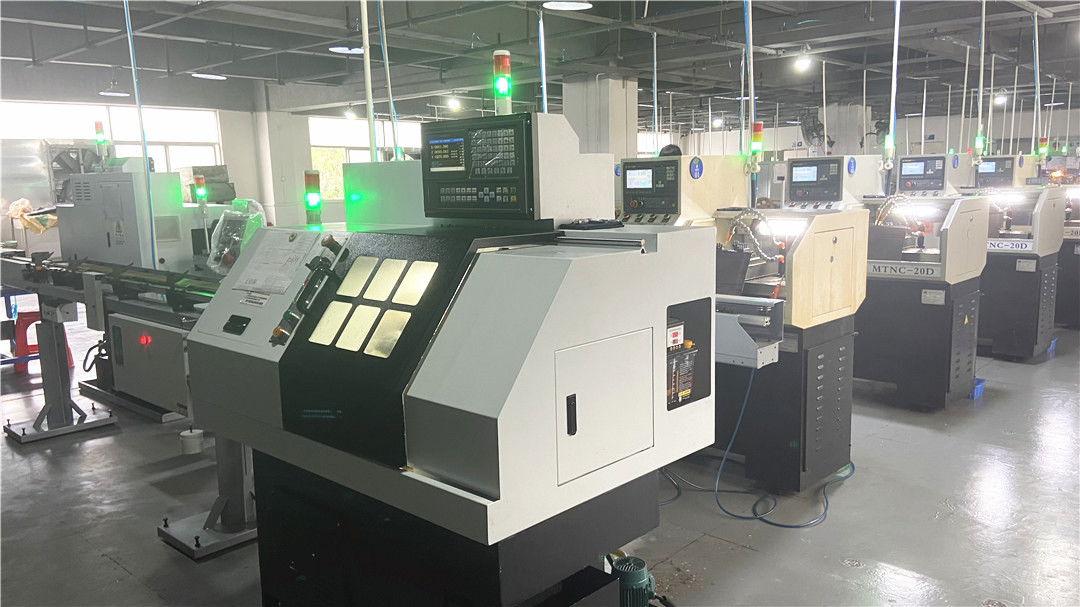
Lathe Workshop
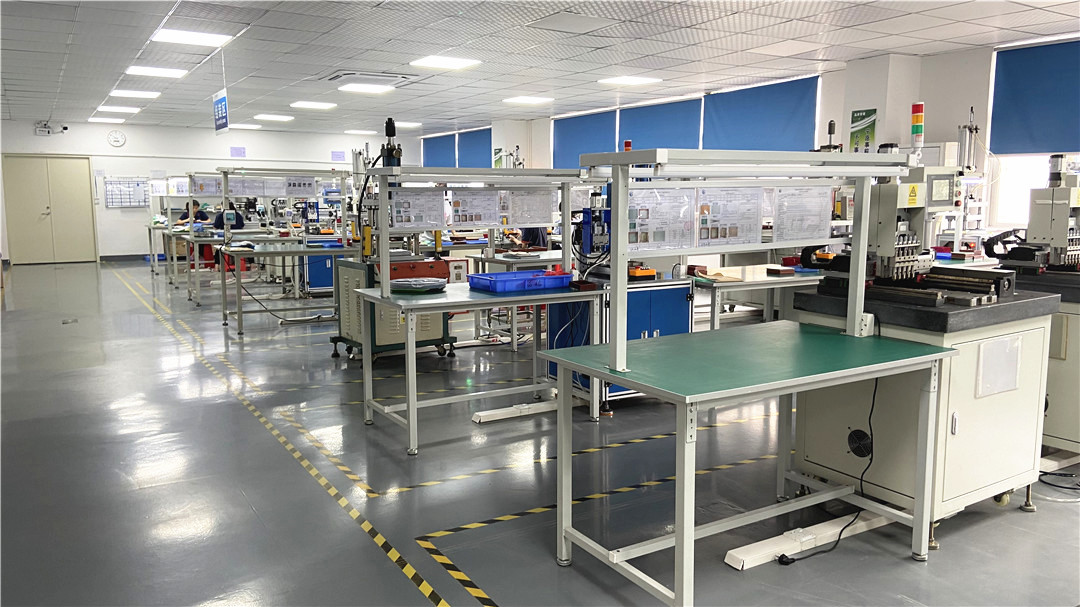
Workshop
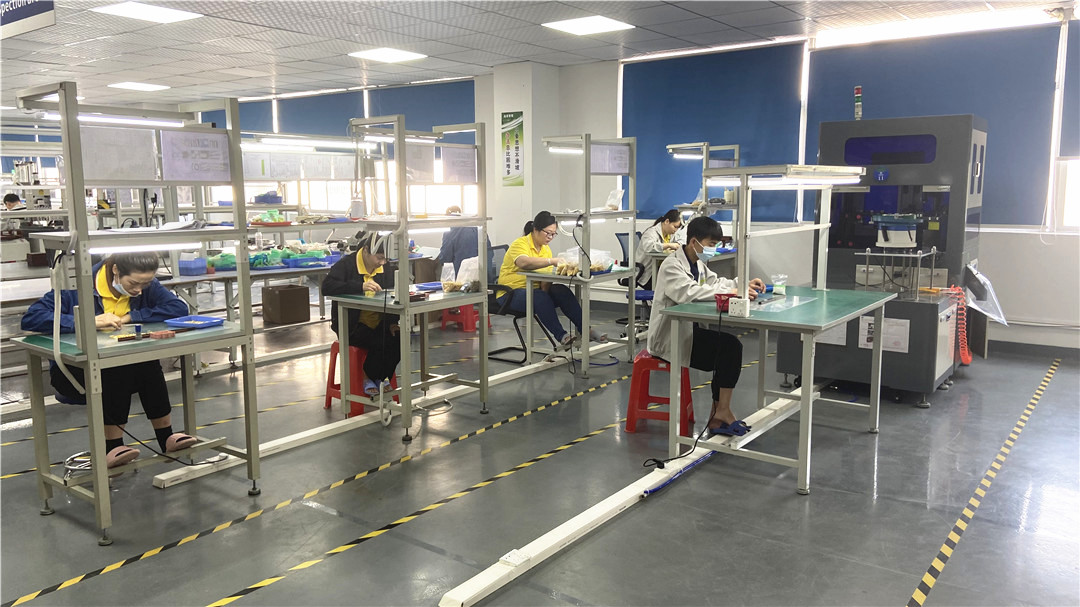
Inspection

Quality Certified
Supporting industry leaders with reliable electrical interfaces, compliant materials, and direct manufacturing services.
Over more than a decade of research, production, and service development, Rongqiangbin has formed long-term cooperative partnerships with major domestic and international companies. Our focus on quality and support makes us a trusted vendor for high-performance projects.
Honeywell, Samsung, SIEMENS AG, ZTE, 360, QCY, HAYLOU, Shanghai Laimu, Luxshare Group, Aoni Electronics, Amphenol Group.
Our components are built for a wide range of devices, ensuring durability and steady connections in diverse operating conditions.
Technical answers to common engineering questions regarding waterproof pogo pin connectors.
High-current pins, custom automotive connectors, and angled pogo-pins designed for complex layouts.
 Rongqiangbin