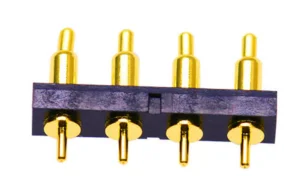
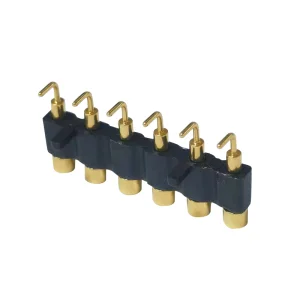
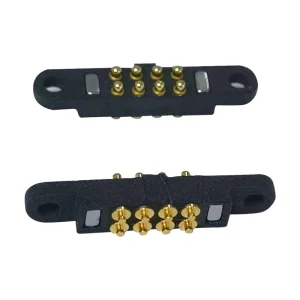
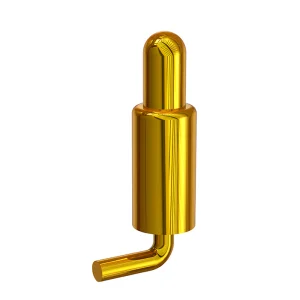
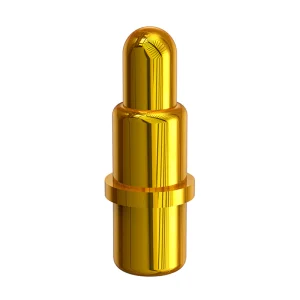
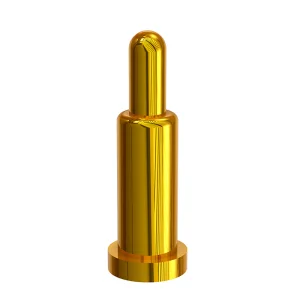
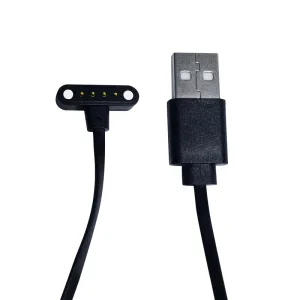
Explore our core selection of spring-loaded pogo pin configurations, robust bending pins, and high-performance custom magnetic interfaces.
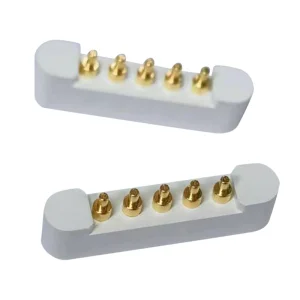
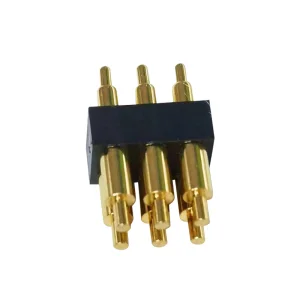
In modern industrial electronics, engineering requirements for modular connectivity are demanding higher cycles, superior environmental sealing, and fail-safe physical connections. Magnetic spring-loaded pin connectors represent the apex of this paradigm shift. Utilizing integrated Neodymium (NdFeB) magnetic systems paired with high-durability pogo pins, these interfaces achieve instantaneous electrical coupling and mechanical locking with minimal user effort.
Procurement departments and R&D engineers at enterprises such as Honeywell, Samsung, and Siemens AG look for more than just off-the-shelf components. They require long-term environmental robustness, signal integrity, and repeatable contact resistance under vibrating conditions. Traditional plug-and-socket connectors face three main points of failure:
"The shift toward modular systems in smart grid terminals, medical monitoring devices, and automotive diagnostics centers around self-aligning magnetic connectors that provide high alignment tolerances during automated operations."
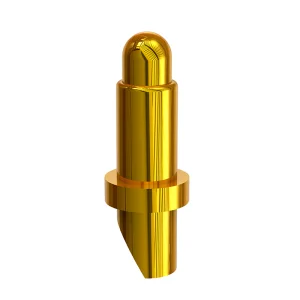
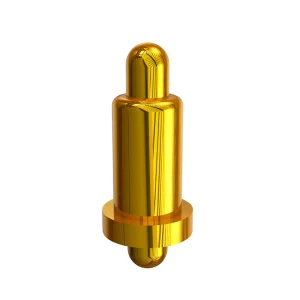
Each pogo pin contact consists of a plunger, an internal spring, and a precision-turned barrel. Under the hood of our OEM facilities, we select raw materials based on strict electrical and mechanical targets:
A Premier Manufacturer Specializing in Custom Pogo Pin & Magnetic Interconnect Solutions Since 2011.
Established in February 2011, located in Songgang Street within Shenzhen’s high-tech manufacturing corridor in the Guangdong-Hong Kong-Macao Greater Bay Area, Shenzhen Rongqiangbin Electronic Hardware Co., Ltd. (RQB) has spent over a decade perfecting spring-loaded contacts.
Our operation is focused on research, design, production, and verification of standard and bespoke POGO PIN connectors. Our facility operates strictly under the ISO9001:2015 international quality management system framework, ensuring every batch complies with RoHS, REACH, and Halogen-Free directives.
With an experienced R&D engineering team, we serve world-class brands including Honeywell, Samsung, Siemens AG, ZTE, 360, QCY, Haylou, Shanghai Laimu, Luxshare Group, Aoni Electronics, and Amphenol Group.
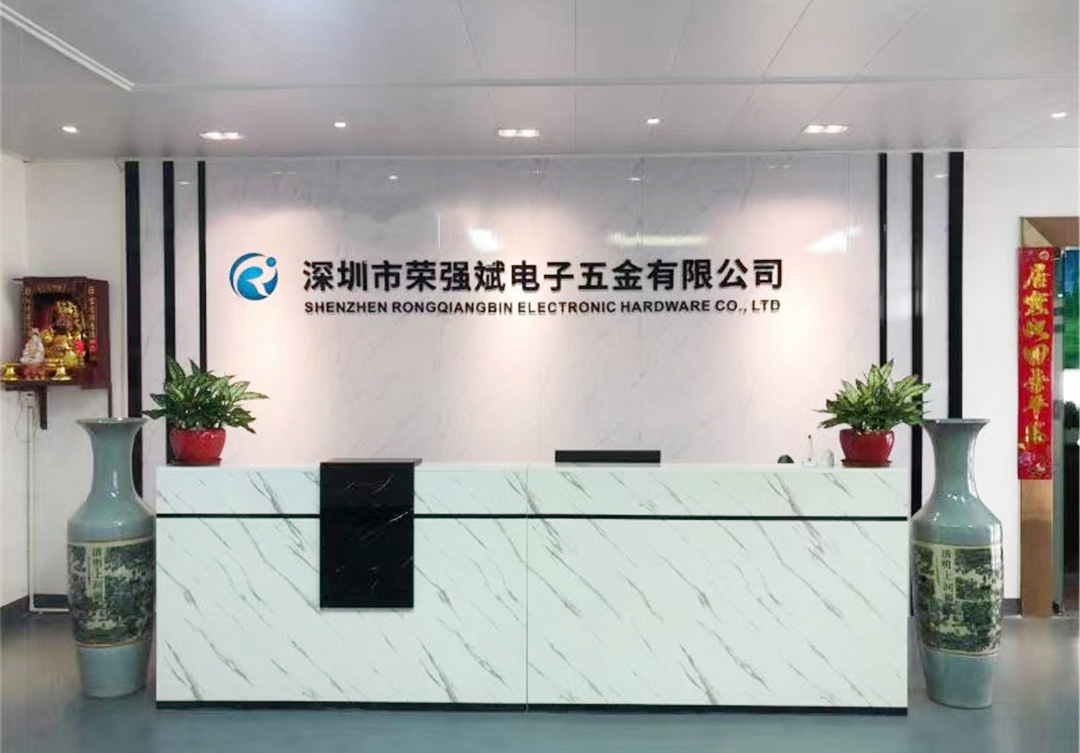
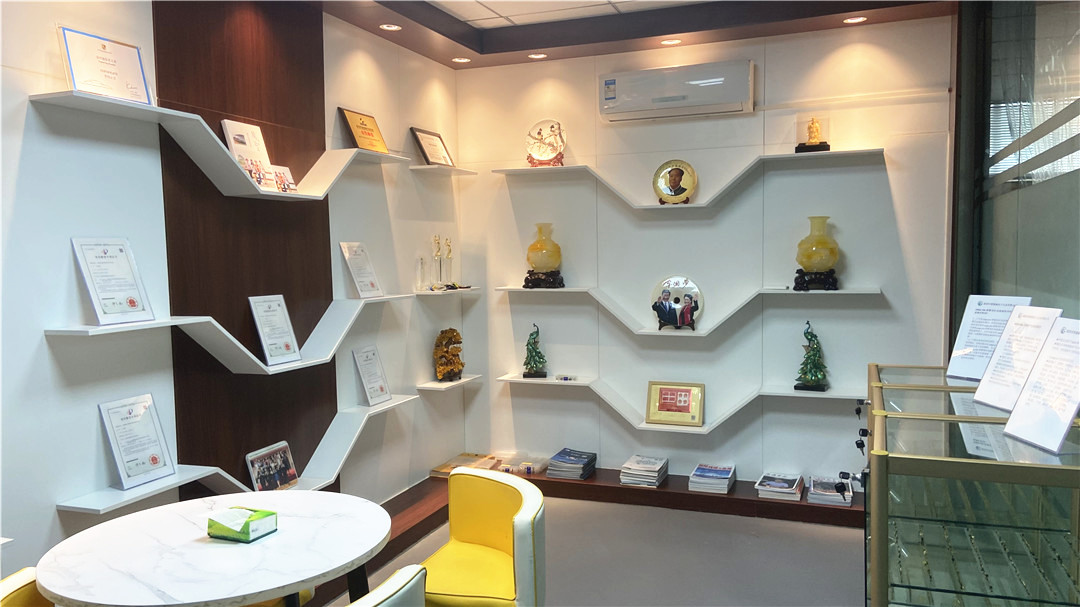
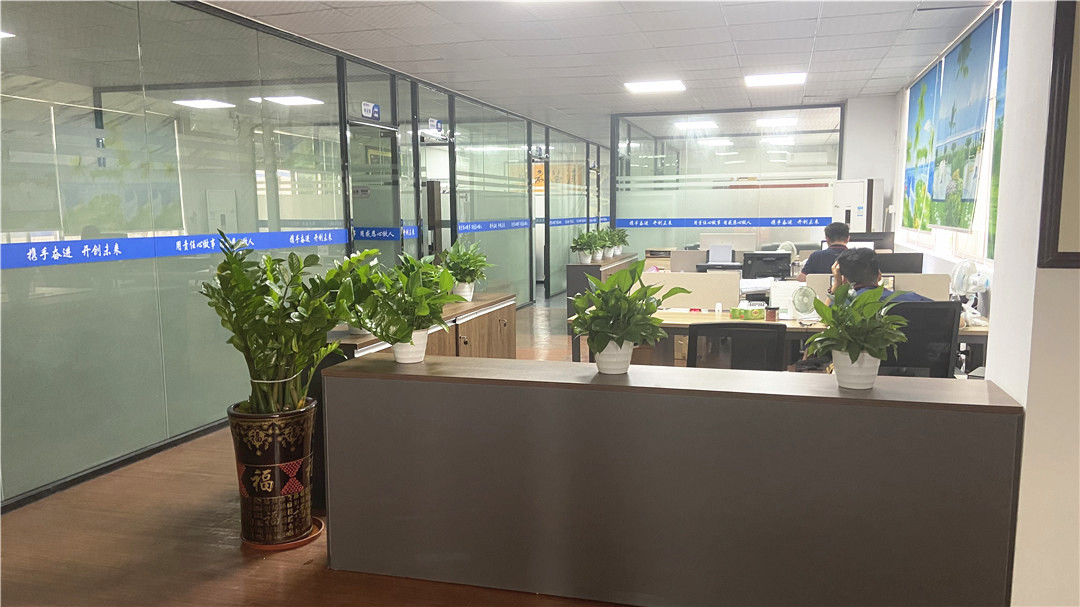
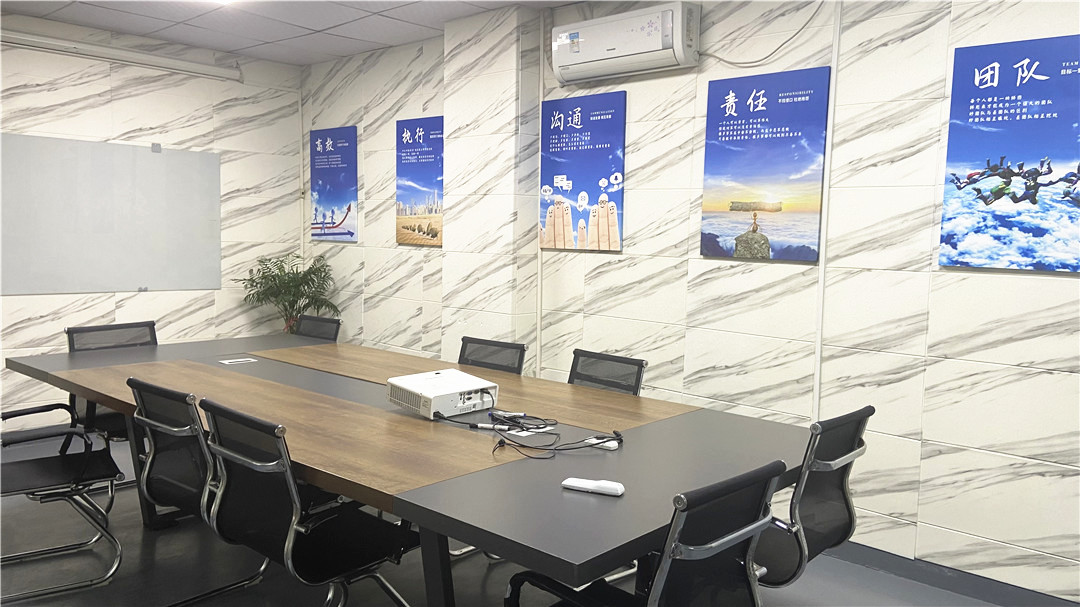
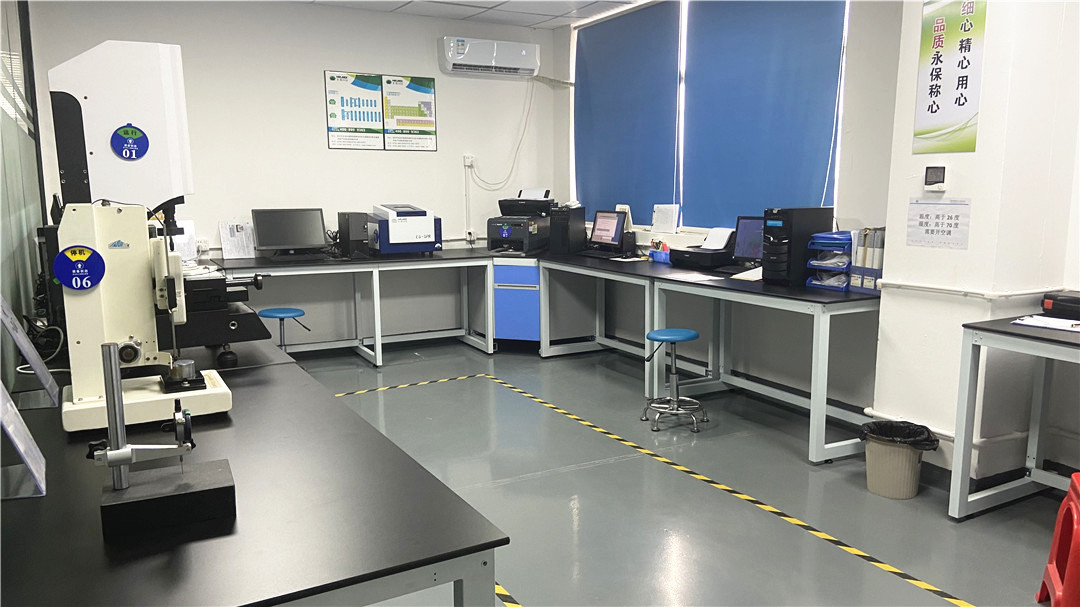
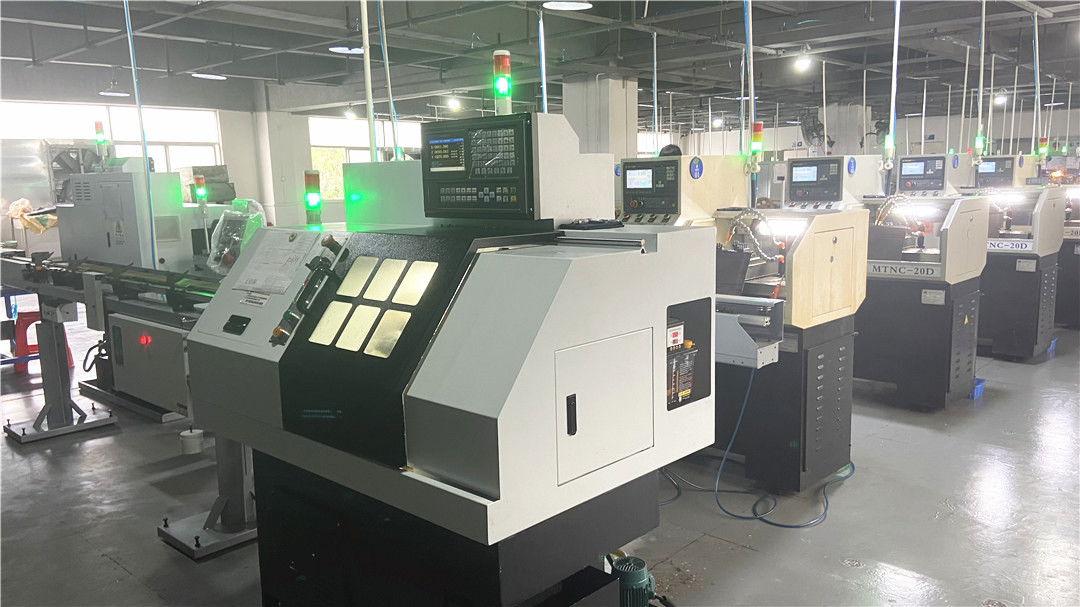
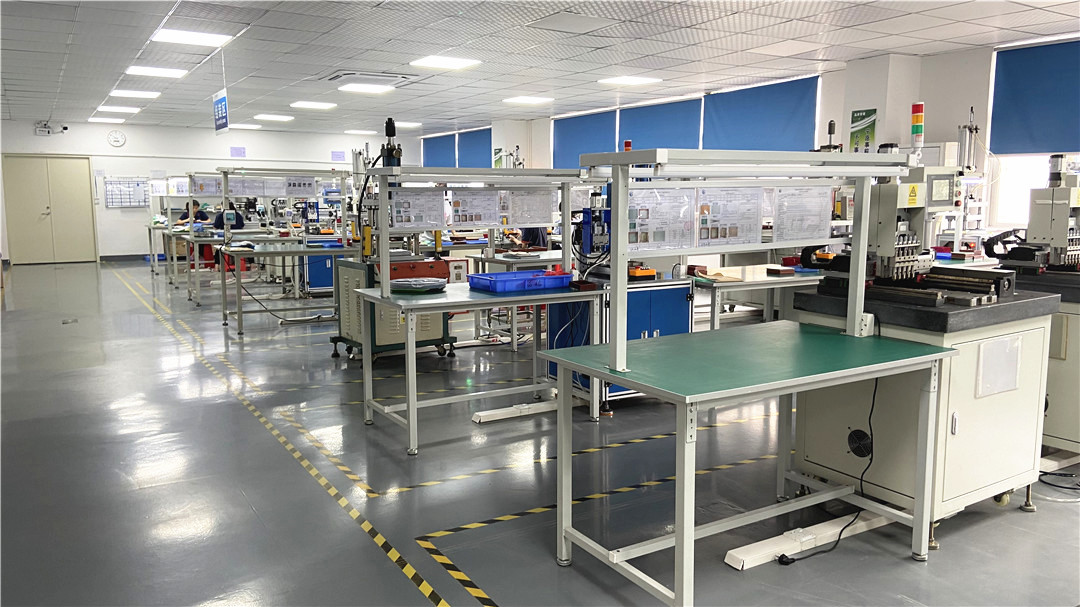
Our vision is to remain a leading global manufacturer of POGO PIN interfaces, delivering competitive pricing and reliable quality. We invest continuously in manufacturing automation, housing hundreds of high-precision CNC automatic lathes and automatic assembly machines that enable daily outputs in the millions of pin contacts.
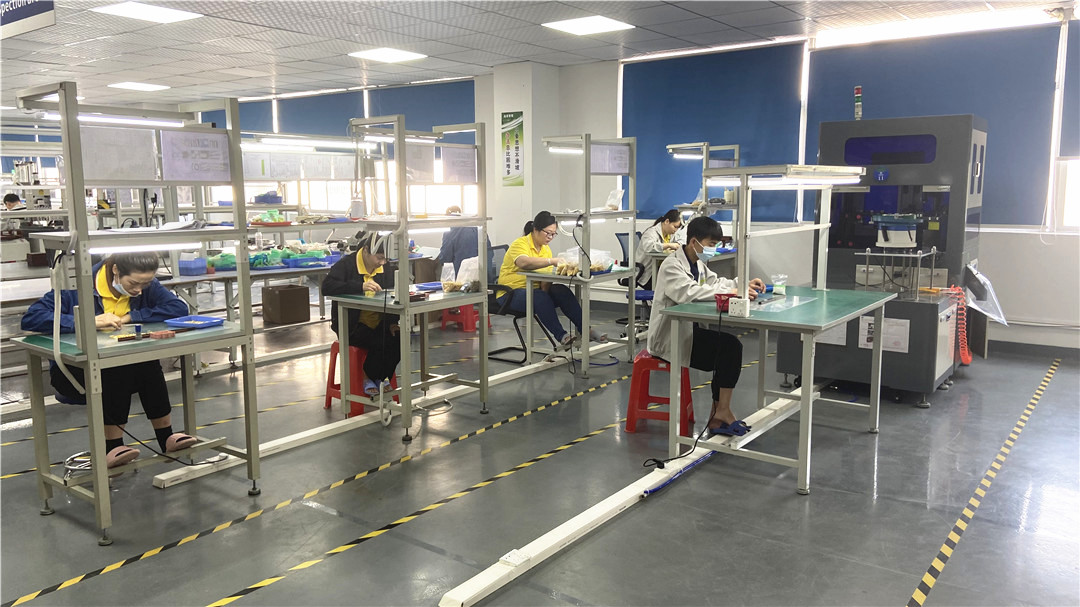

As microelectronics demand tighter packaging space and higher performance, our engineering lab is pioneering solutions that push the boundaries of classic contact design. Our technology roadmap focuses on three main developments:
Standard pogo pins suffer from high inductance and characteristic impedance mismatches. Our engineers are designing high-speed magnetic connectors with optimized coax-style shielding and matched dielectric spacers to handle high-frequency signals up to 20 Gbps (USB Type-C equivalents) for quick docking configurations.
Standard nickel-gold plating can cause skin allergies when worn long-term on smart watches or fitness trackers. We are rolling out nickel-free plating formulas using platinum, palladium, and rhodium alloys to provide superior corrosion resistance against human sweat without causing skin irritation.
Future magnetic interfaces will integrate simple EEPROMs or authentication ICs directly inside the connector mold. This enables devices to verify authorized cable connections, regulate charge speeds dynamically, and prevent safety issues from uncertified third-party hardware.
Different industries present unique engineering challenges. Our customizable magnetic charging and data systems are built to meet these varying requirements:
Providing ultra-miniature, skin-friendly pogo pins for smartwatches, Bluetooth earbuds (QCY, Haylou), and VR/AR headgear with magnetic auto-alignment housings.
Supporting clean, sterilizable flat contact plates for patient monitoring panels, handheld dental scopes, and magnetic emergency breakaway cables.
Providing high-current spring pins (up to 30A) for automated guided vehicles (AGV), smart warehouse charging bays, and drone battery swap docks.
Our components are regularly integrated into digital cameras, notebooks, learning machines, game consoles, GPS satellite navigation, aerospace controls, military field communication kits, and heavy-duty outdoor equipment.
Examine our dynamic magnetic data/charging cables, surface-mount (SMT/SMD) pogo pins, and dual-row contact solutions.
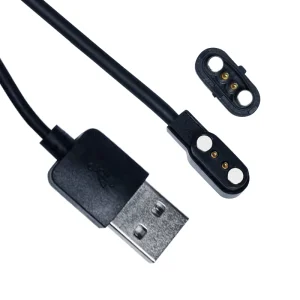
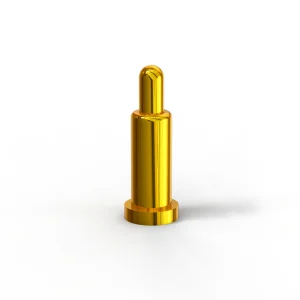
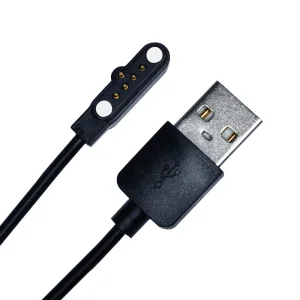
We provide full documentation and compliance checks to support your product development and engineering audits:
Our supplier network practices ethical sourcing of raw metals, providing full material trace declarations (IMDS registered) to assure compliance with the EU's conflict minerals regulations.
Answers to common technical, manufacturing, and integration questions from hardware design engineers.
Standard single-pin contacts handle 1A to 3A of continuous current. For fast-charging applications, we design high-current variations using optimized plunger geometry and high-conductivity materials that sustain up to 10A, 20A, or 30A without excessive temperature rise.
We use specialized gold plating over nickel or platinum barriers. Increasing gold plating thickness (e.g., 0.25μm to 0.5μm) and utilizing nickel-free base barriers prevents corrosion and peeling from exposure to sweat, salt spray, and moisture.
Yes. We design multi-pin magnetic connectors to match the differential microstrip impedance requirements of USB 2.0 (480 Mbps) and USB 3.1 (up to 10 Gbps) standards. This is done by controlling pin spacing and shielding structures.
We offer structural solutions including waterproof glue backfills, overmolded silicone jackets, and integrated O-rings. These methods allow our assemblies to achieve IP67, IP68, or IPX8 submersible ratings, keeping device PCBs dry.
Standard prototype cycles take 7 to 10 working days, including custom CAD designs, 3D printing checks, and initial sample lathe work. Once validated, tooling and initial production runs take 2 to 3 weeks.
 Rongqiangbin