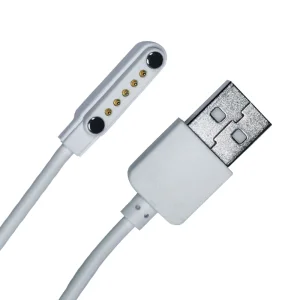
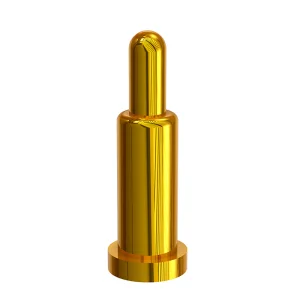
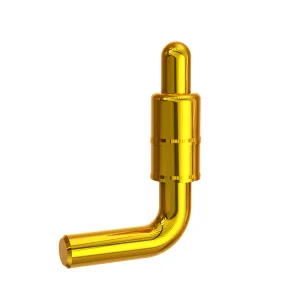
Select OEM & ODM interconnect components optimized for precise structural integration and robust electrical conductivity.
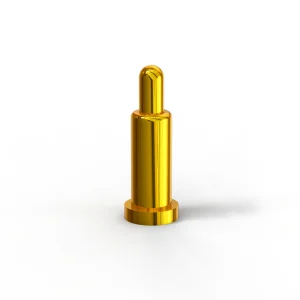
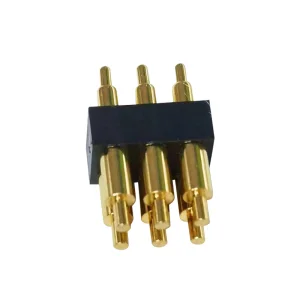
Canada’s electronics hardware ecosystem is experiencing a major transition, driven by advanced manufacturing clusters in Ontario, telecommunications growth in British Columbia, and aerospace sectors in Quebec. As industries pivot toward IoT deployments, specialized industrial sensors, and electrified transport networks, the demand for highly reliable physical interconnects is at an all-time high.
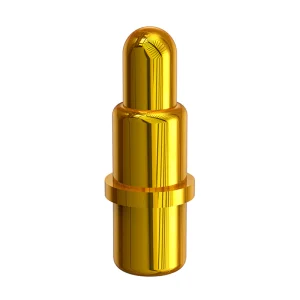
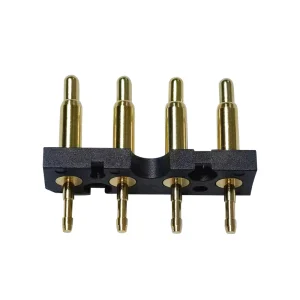
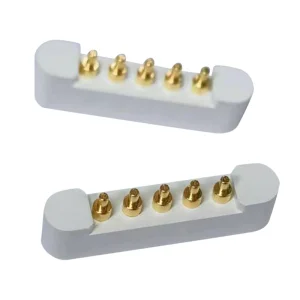
In this dynamic, DIP (Dual In-line Package) type pogo pin connectors play an irreplaceable role. Unlike SMT (Surface Mount Technology) components that rely solely on solder-joint surface tension, DIP pogo pins are mounted via through-hole pins inserted directly into the PCB. This mechanical routing provides superior structural reinforcement, allowing connectors to withstand high mating cycles, vibration stresses, and mechanical shear forces common in heavy industrial applications across Canada's harsh environments.
From rugged agricultural monitoring units in Saskatchewan to mining automation machinery in Sudbury, Canadian engineers choose DIP pogo pins for their reliability under extreme thermal fluctuations (-40°C to +85°C) and mechanical stresses.
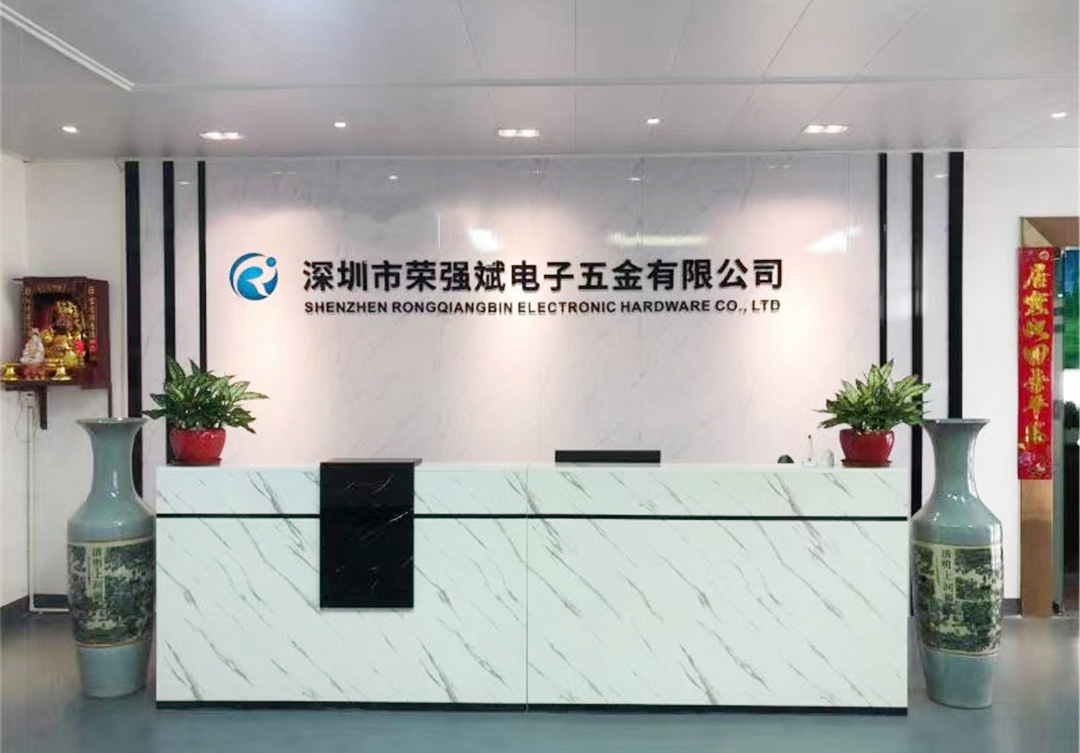
Comparing engineering parameters of surface mount vs. through-hole spring connectors in ruggedized environments.
Through-hole DIP tails act as mechanical anchor pins within the PCB matrix. This transfers mating force stresses directly into the circuit board substrate rather than concentrating load on delicate solder joints, ensuring a long operational life.
DIP pogo pins feature highly stable internal mechanical designs, accommodating continuous current flows from 2A up to 10A per pin. High-conductivity gold plating preserves electrical contact resistance below 30mΩ over 100,000+ mating cycles.
Canadian industrial environments, from logistics vehicles to mining equipment, face continuous vibrations. Precision-engineered internal springs maintain constant upward contact pressure, avoiding micro-disconnections.
| Performance Indicator | DIP (Through-Hole) Pogo Pins | SMT (Surface Mount) Pogo Pins | Typical Industry Target (Canada Market) |
|---|---|---|---|
| Mechanical Pull-out Force | Excellent (Anchored in PCB holes) | Moderate (Solder joint surface dependent) | Minimum 50N Retention force |
| Vibration & Shock Tolerance | High (MIL-STD-810G compliant) | Standard | 20g peak acceleration, 10-2000Hz |
| Electrical Contact Resistance | < 20 mΩ (Typical) | < 30 mΩ (Typical) | < 30 mΩ max under dynamic sweep |
| Board Space Consumption | Requires multi-layer routing clearance | Occupies single-side surface pad only | Optimal spacing of 2.54mm pitch |
| Application Focus | Heavy Industrial, EV Chargers, Rugged Tech | Ultra-thin Wearables, High-density PCBs | Application-specific customized configuration |
Designed with high-performance plating and robust housing options for waterproof, consumer, and heavy industrial needs.
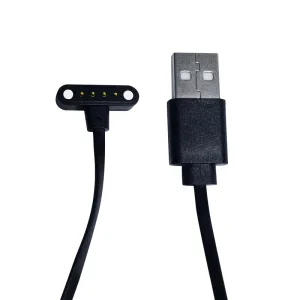
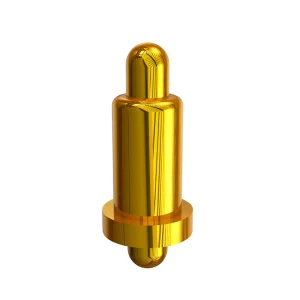
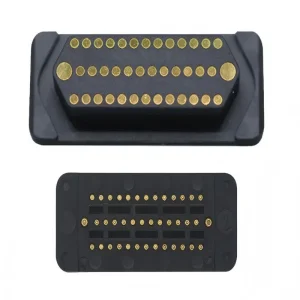
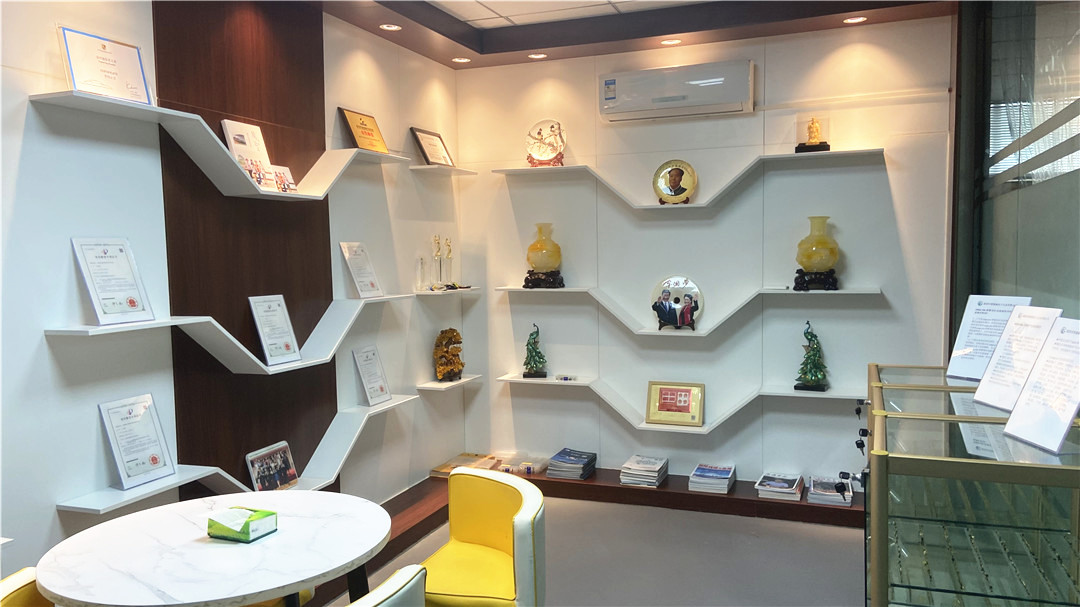
For Canadian companies scaling up physical product hardware, navigating production challenges is a key barrier to growth. Shenzhen-based manufacturers like Rongqiangbin (RQB) bridge the gap between fast prototyping and large-scale, cost-effective manufacturing.
By leveraging Shenzhen's hardware supply chain cluster in Songgang Street, we procure ultra-pure base alloys (brass, phosphor bronze, beryllium copper) and high-performance engineering plastics (LCP, PBT, Nylon) at competitive rates. Coupled with our in-house precision lathe machining centers and automatic assembly lines, this allows us to deliver high-quality components at a fraction of the cost of domestic North American manufacturers.
Furthermore, our rigorous implementation of international standards—certified under the ISO9001:2015 quality management framework—ensures that every production batch undergoes automated optical inspection (AOI), mechanical spring-force testing, and rigorous salt spray corrosion test sweeps prior to cross-border logistics shipping.
Canadian buyers receive design flexibility, fast custom engineering (within 72 hours for CAD models), and reliable sea/air transit from Shenzhen directly to hubs in Toronto, Vancouver, or Montreal.
A leading developer and manufacturer of high-reliability Pogo Pin connectors since 2011.
Founded in February 2011 in Songgang Street, Shenzhen—within the Guangdong-Hong Kong-Macao Greater Bay Area—our company specializes in developing and manufacturing Pogo Pin connectors. Through years of research, technical experience, and quality control, RQB has become a trusted name in the connector industry.
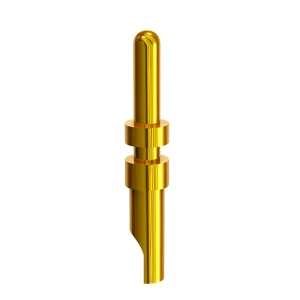
We are primarily engaged in the research, development, production, and sales of various Pogo Pin (spring thimble) configurations, offering tailored solutions for high-frequency testing, high-current charging, and secure magnetic couplings.
Guided by our core values of "customer first, integrity first" and "excellent quality, intimate service," our team works closely with global engineering divisions to create functional value, minimize lead times, and optimize component longevity.
Our commitment to precision engineering and manufacturing quality has allowed us to serve as a supplier for some of the world's most demanding enterprises. Our customer portfolio features leading industry names, including:
By using the same high-level manufacturing processes for the Canadian market, we offer engineering firms in Toronto, Montreal, Calgary, and Vancouver direct access to high-volume production of reliable connectors.

Optimizing connector layouts for critical regional market demands across Canada.
Whether in fitness trackers or medical monitoring systems used in Ontario clinics, our gold-plated pogo pins provide biocompatible skin-contact charging interfaces that resist sweat corrosion and skin acidity.
Supporting cold-weather logistics fleet tracking across Alberta and Quebec. Our DIP pogo pins provide stable board-to-board power links in GPS tracking systems and EV charging cradles that withstand vibration on icy roads.
Integrating pogo pin docks into industrial smart meters and automated testing equipment. The spring-loaded design allows for easy maintenance swaps without requiring desoldering.
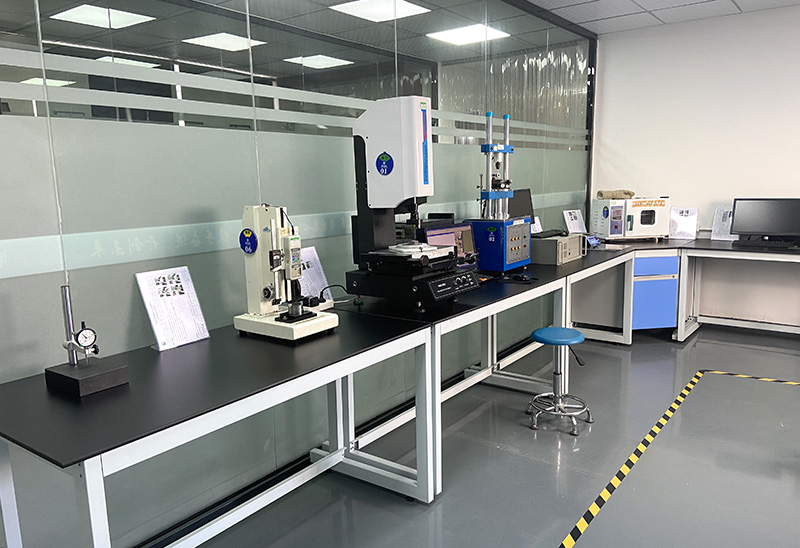
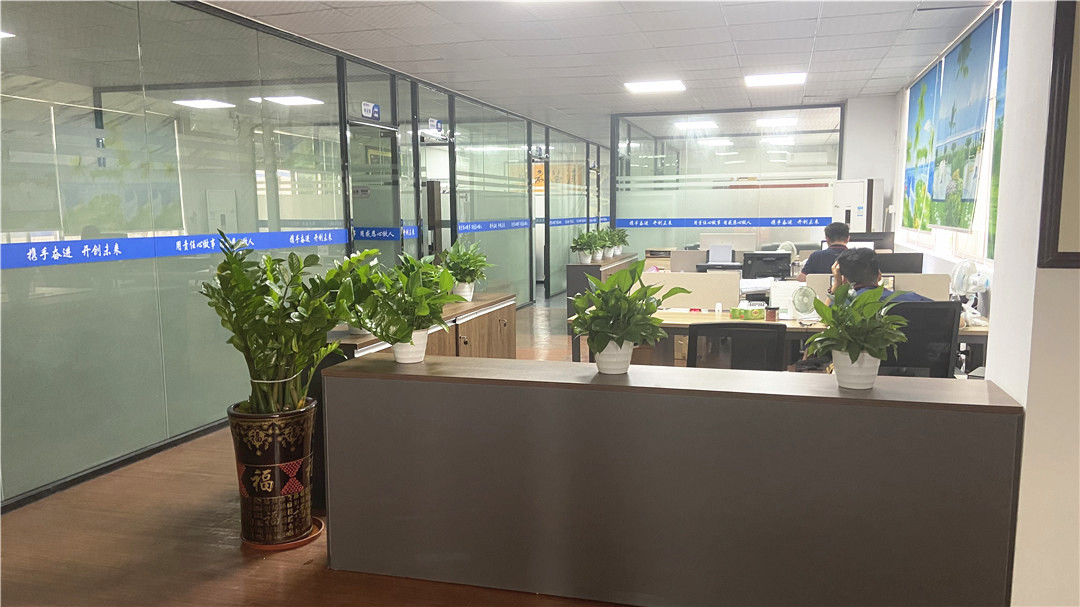
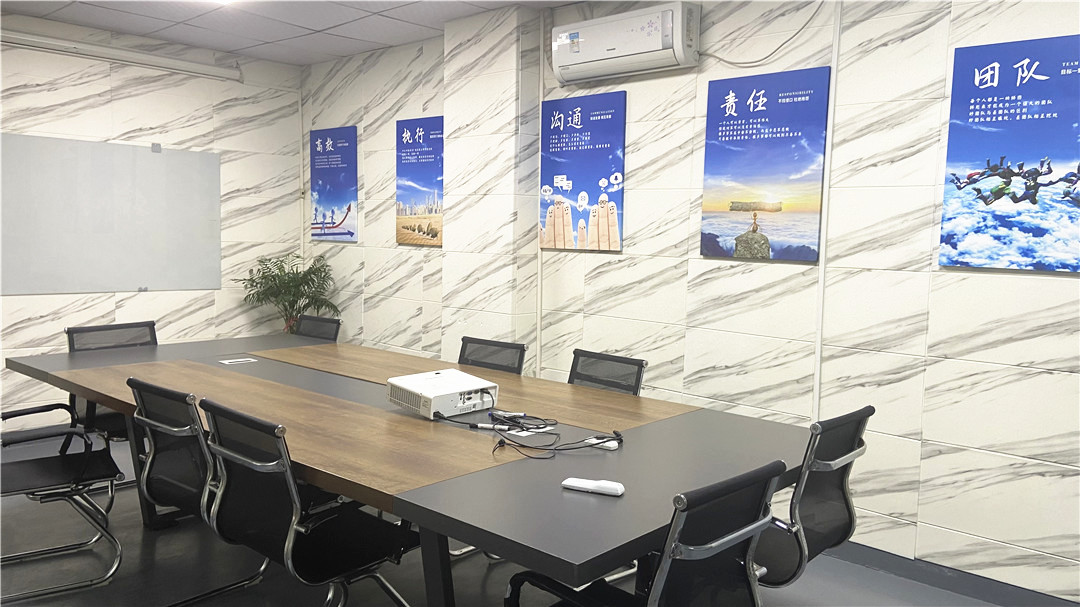
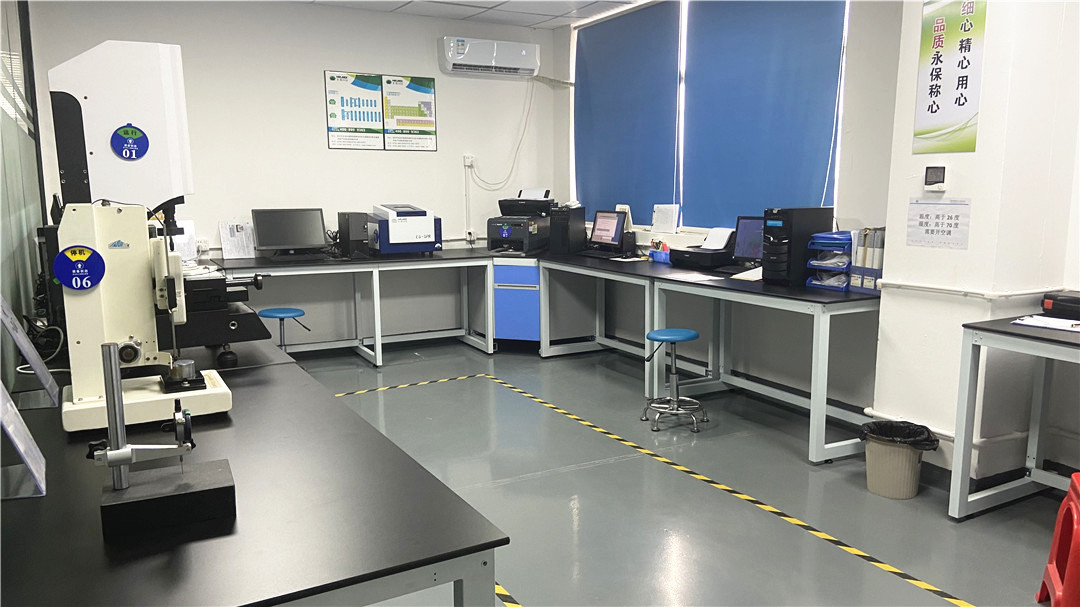
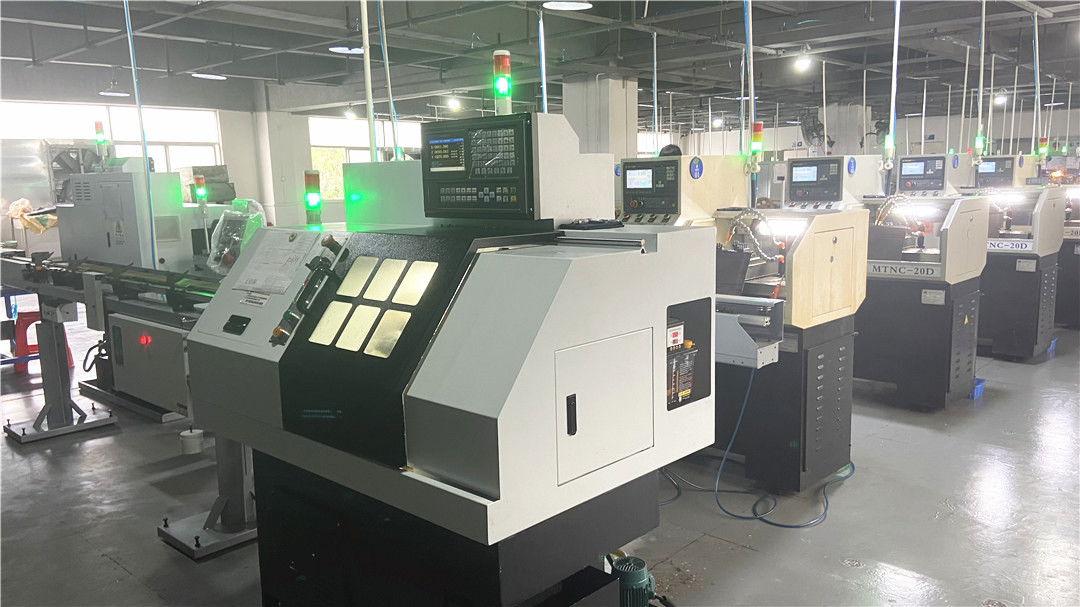
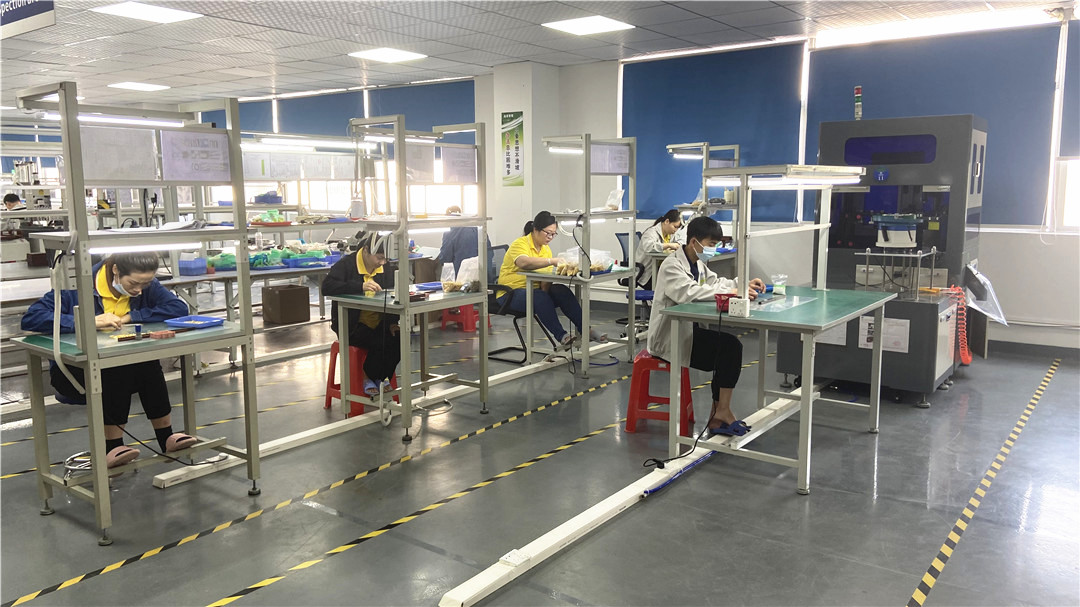
A detailed look inside Shenzhen Rongqiangbin's processing floor and high-precision testing rooms.
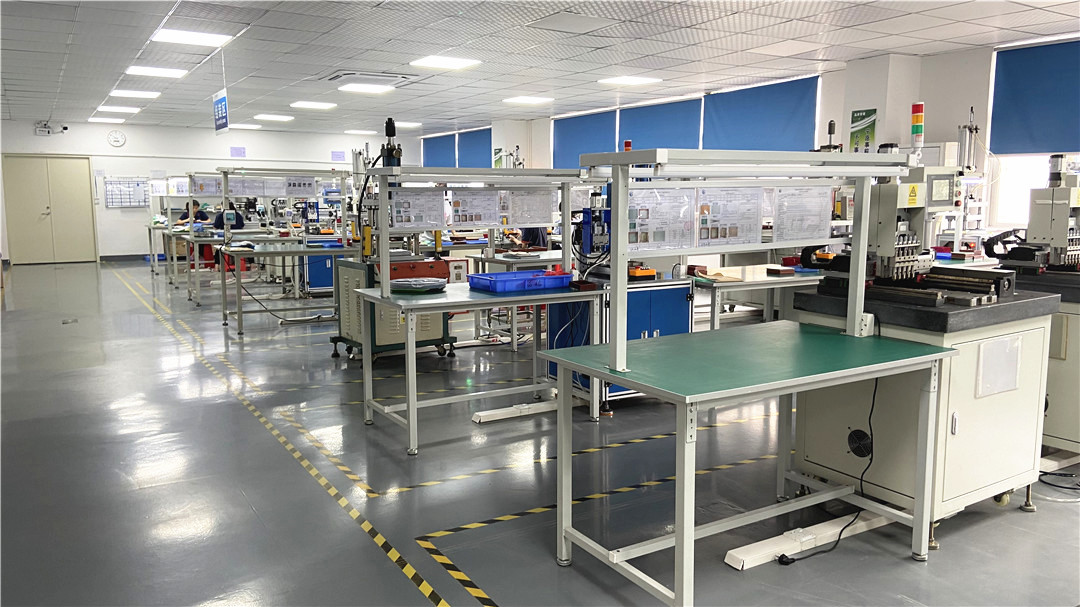
Precision is key to manufacturing high-quality spring pins. Our CNC machining department utilizes high-speed automated lathes to mill copper barrels and plungers down to tolerance limits of +/-0.01mm. This ensures consistent plunger sliding and minimizes internal electrical resistance variation.
Following assembly, our testing department performs mechanical fatigue testing, force-stroke displacement charting, and plating thickness verification using X-ray fluorescence (XRF) to ensure the gold plating meets specs (typically 3u" to 30u"). This ensures each component performs reliably under field conditions in North America.
We source our raw materials to comply with environmental regulations, including RoHS and REACH, making it easier for Canadian buyers to integrate our products into equipment bound for North American and European Union consumer markets. We also provide certified test reports on demand.
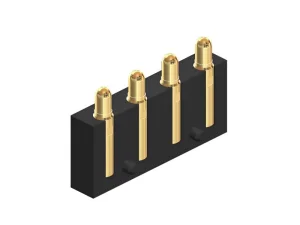
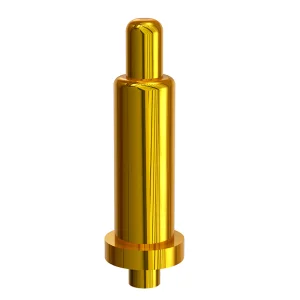
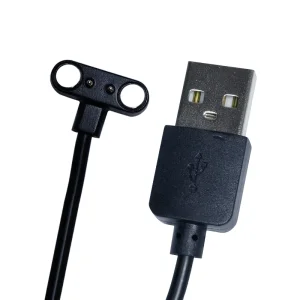
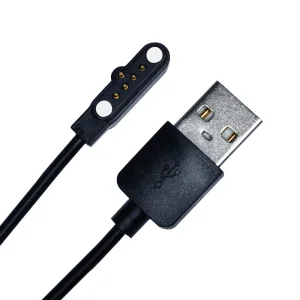
View our full range of DIP-type connectors, multi-pin docks, and magnetic cable assemblies.
Answers to common technical, logistics, and quality control questions for Canadian buyers.
DIP (Dual In-line Package) features solder pins that pass directly through drilled holes in the PCB, anchoring the connector body. This structural arrangement offers significantly higher resistance to shear forces and mating pressure than SMT configurations, making DIP ideal for industrial machinery, outdoor power terminals, and transport telematics subject to strong vibration.
Our standard specification utilizes a robust nickel underplate (1.25 to 2.5 microns) topped with an outer layer of gold plating (ranging from 0.075 to 0.75 microns / 3u" to 30u"). Gold offers low electrical contact resistance and resists oxidation in moist or cold environments, ensuring reliable connectivity across Canada's seasonal temperature swings.
For standard components, lead times are typically 1-2 weeks. Custom production runs require 15 to 20 business days after sample approval. Air freight shipments to Vancouver, Toronto, or Montreal typically arrive in 5-7 business days, while ocean freight provides a cost-effective alternative for bulk stock replenishment.
Yes. Our in-house engineering team uses custom-tensioned steel springs to achieve target contact forces (typically 60g to 150g depending on plunger stroke). We provide detailed CAD layouts (.STP format) for design verification before launching mold production.
Yes. Every batch of base alloys, internal plating elements, and LCP/PBT plastic carriers is sourced from certified mills and complies with international RoHS and REACH directives, making our parts ready for import and distribution in North America.
 Rongqiangbin