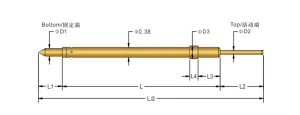
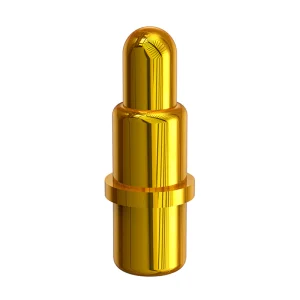
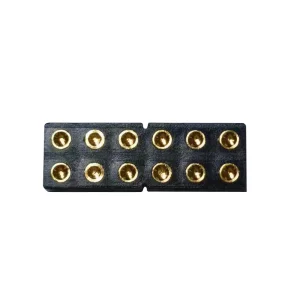
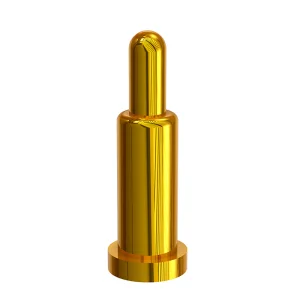
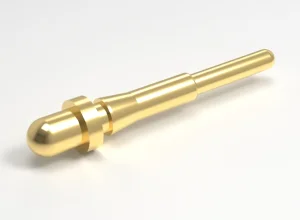
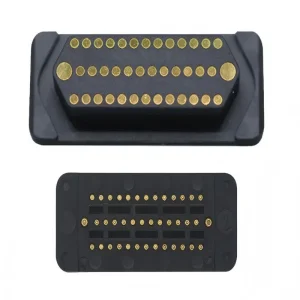
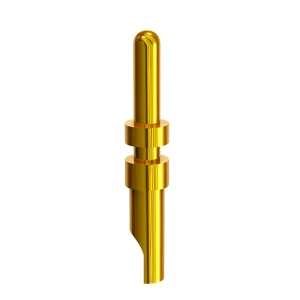
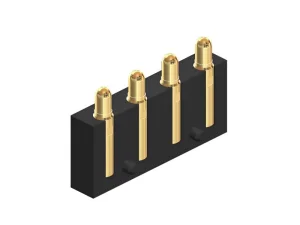
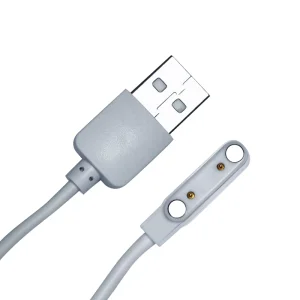
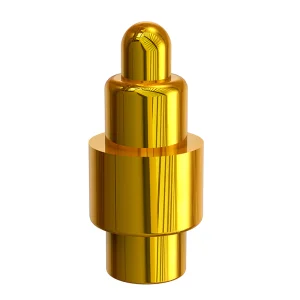
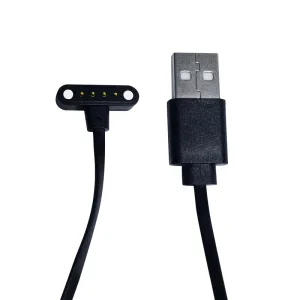
Explore our top-tier custom test pins engineered for Melbourne's advanced aerospace, automotive radar, and high-frequency IoT testing facilities.
Melbourne has rapidly transitioned into Australia's premier center for advanced electronic design, aerospace technology, and defense systems. With leading clusters in Clayton, Mulgrave, and Port Melbourne, local developers are pushing the boundaries of wireless telemetry, 5G infrastructure, and smart IoT architecture. Testing these sub-assemblies at frequencies reaching up to 40 GHz requires highly specialized high-frequency testing needles (RF contact probes).
As standard spring pins experience significant signal attenuation and impedance mismatches at gigahertz ranges, Melbourne manufacturers must source precision-engineered testing needles. Our high-frequency solutions offer low insertion loss, high reliability, and stable contact resistance, ensuring that local R&D laboratories and production plants can validate their hardware with absolute certainty.
Understanding the crucial metrics that guarantee signal purity and electrical reliability during automated test equipment (ATE) operations.
Standardized at 50 ohms nominal to ensure seamless interface matching between the test receiver and the Unit Under Test (UUT), reducing reflection distortion.
Engineered design structures with minimal barrel lengths, drastically lowering parasite self-inductance to support clean high-speed digital and RF signal paths.
Optimized for a diverse spectral range from DC up to 40 GHz, covering Bluetooth, WiFi-6E, Wi-Fi 7, military X-band radar, and millimeter-wave communication protocols.
With the rise of high-speed system-on-chips (SoCs) and dense multi-chip modules (MCMs), the test interface has become the bottleneck of semiconductor manufacturing. Traditionally, standard spring contacts were sufficient for testing peripheral board-level connectors. However, today's wafer-level testing and micro-BGA packages demand pitch dimensions well under 0.5 mm, alongside high current demands and thermal resilience.
For Melbourne engineering hubs, keeping pace with global design trends means moving towards direct coax configurations and advanced elastomer solutions. Our factory implements precision Swiss machining and micro-injection molding to control tolerances down to ±0.005 mm, offering reliability that satisfies both military contractors and volume commercial manufacturers.
Additionally, advanced coatings such as heavy gold plating over chemical nickel barrier layers prevent intermetallic oxidation, assuring consistent contact resistance (Cres) even under thermal stresses ranging from -55°C up to +150°C during test cycling.
Founded in February 2011 on Songgang Street in Shenzhen, Shenzhen Rongqiangbin Electronic Hardware Co., Ltd. has established itself as an innovative pioneer in the design and production of high-performance POGO PIN connectors and test interfaces.
As an ISO9001:2015 certified company, we support global tier-one electronics OEMs, including Honeywell, Samsung, Siemens AG, ZTE, 360, QCY, Haylou, Shanghai Laimu, Luxshare Group, Aoni Electronics, and Amphenol Group. We provide state-of-the-art contact solutions designed for harsh electrical and mechanical environments.
Our collaborative operational approach bridges high-capacity factories in China's Silicon Valley (Shenzhen) directly with fast-paced engineering teams across Melbourne. We deliver rapid customized prototypes and high-volume rollouts without compromise.
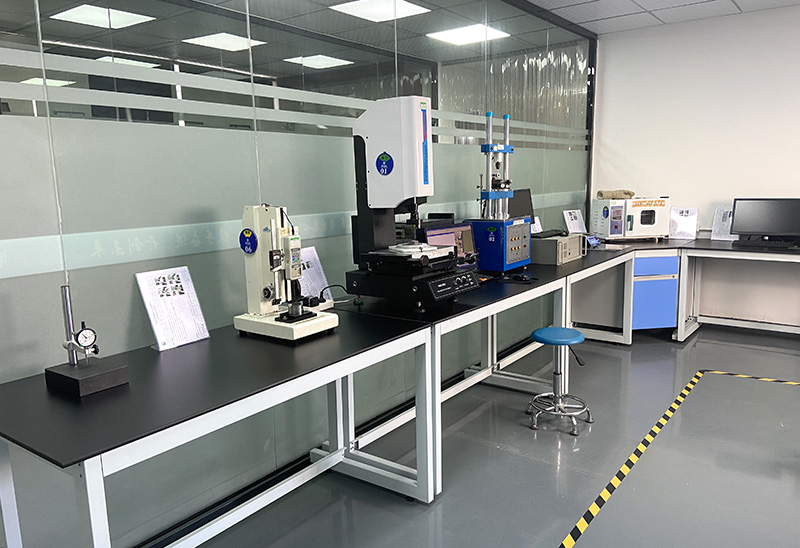
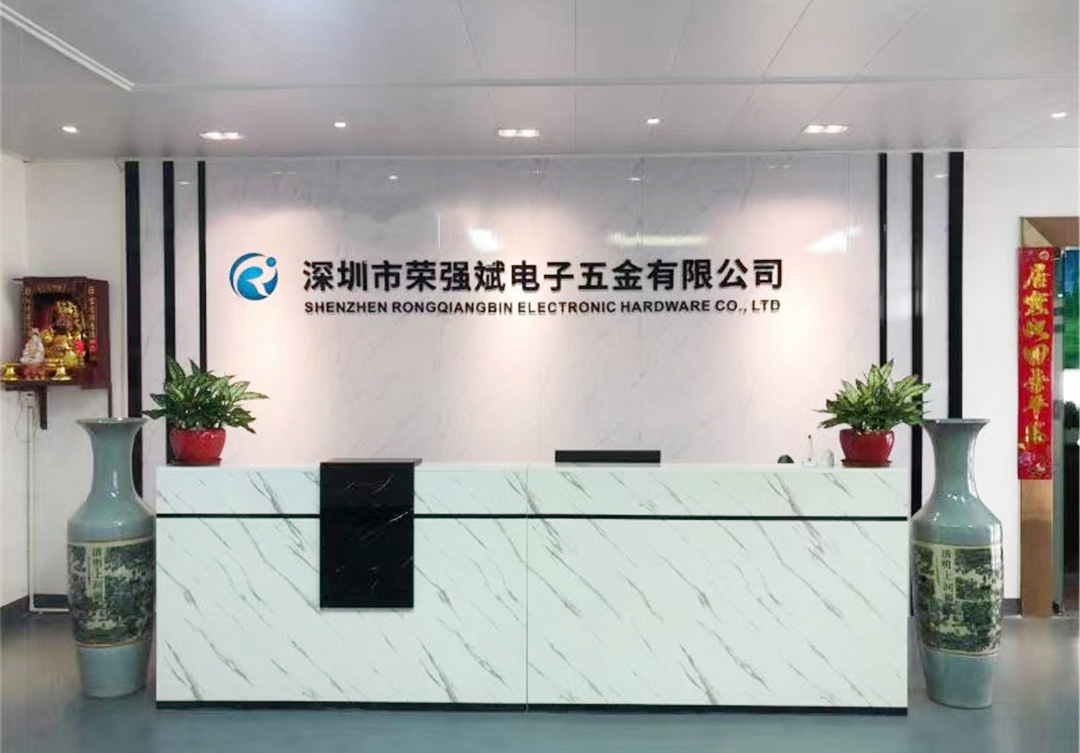
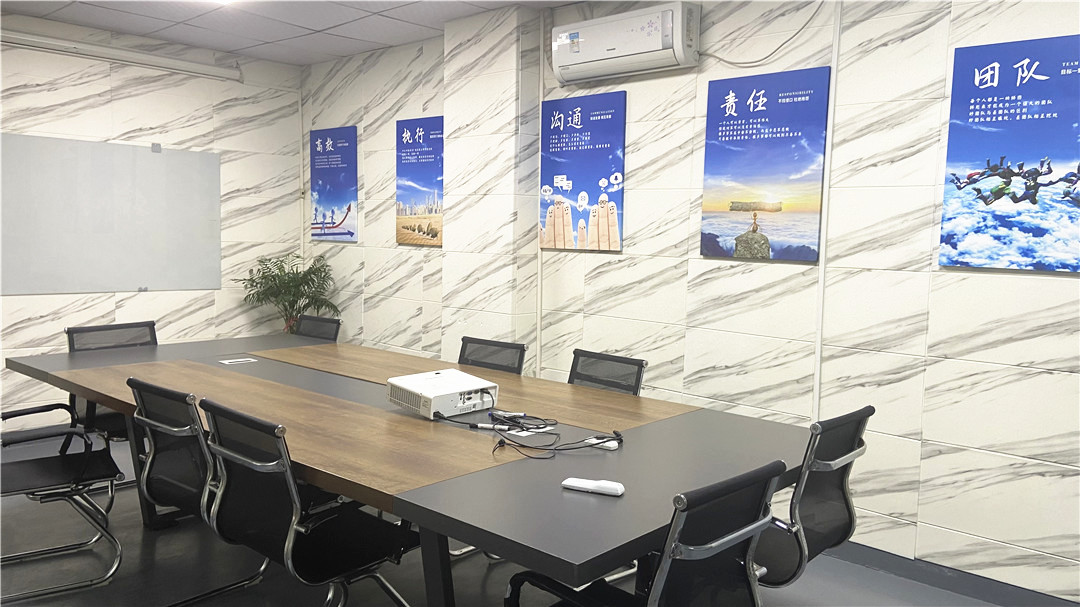
A glimpse inside our specialized laboratories, workshops, and inspection showrooms where raw materials are transformed into micrometer-level hardware.
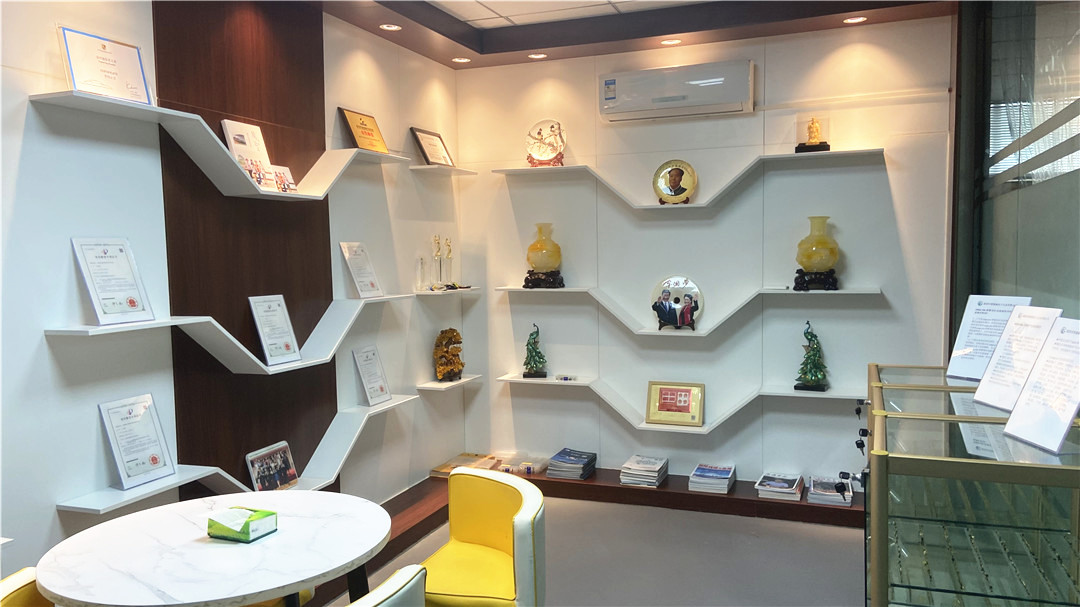
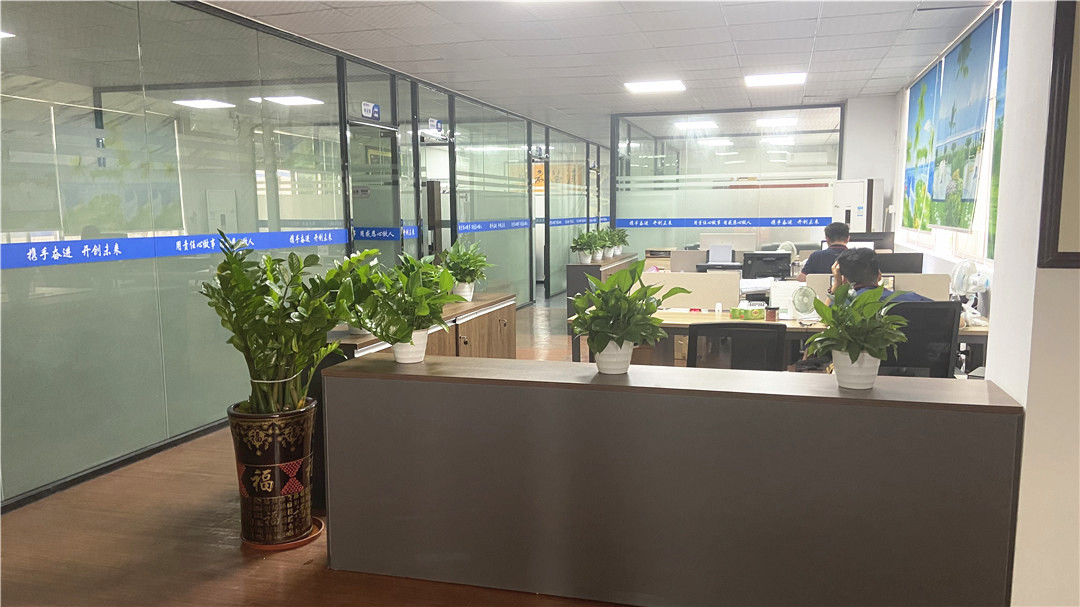
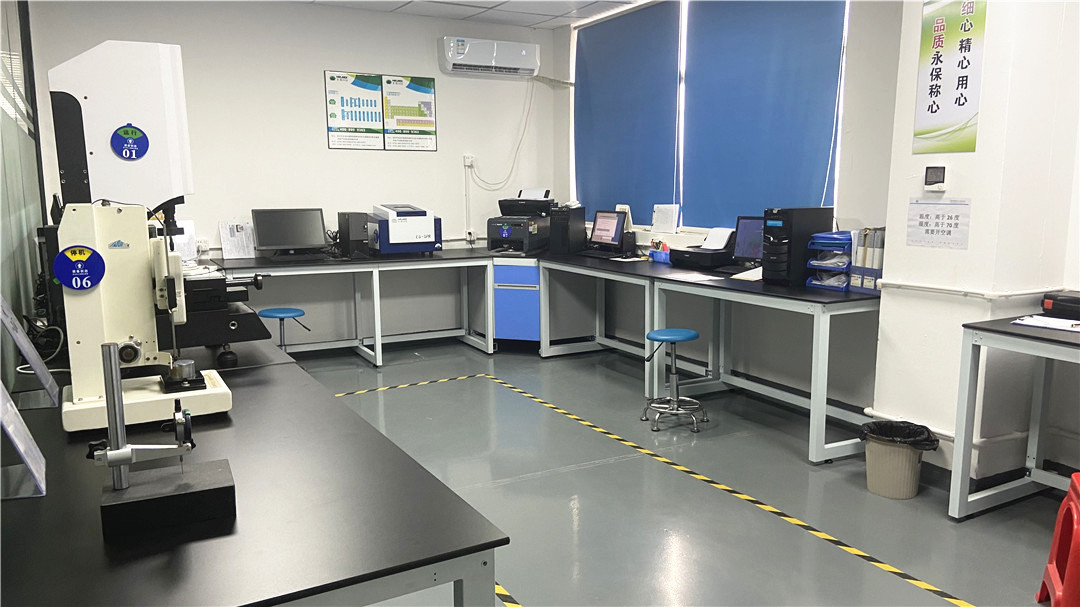
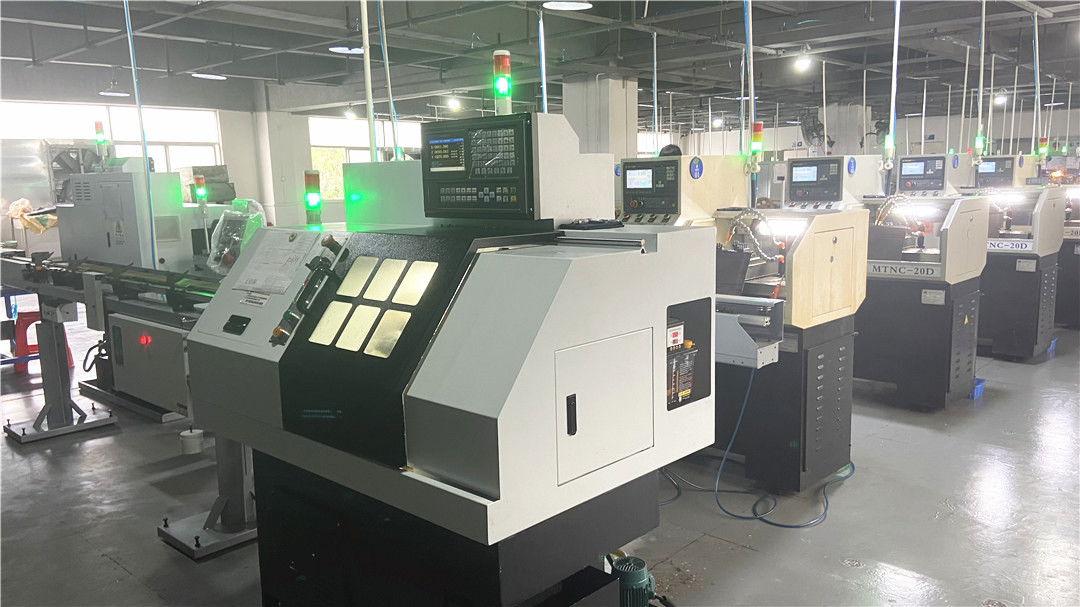
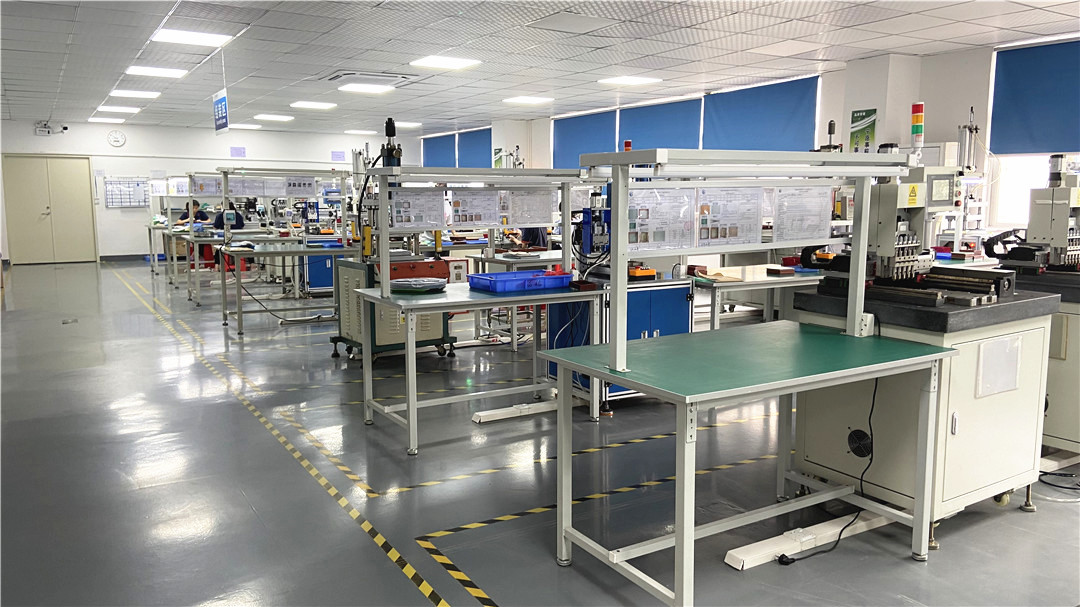
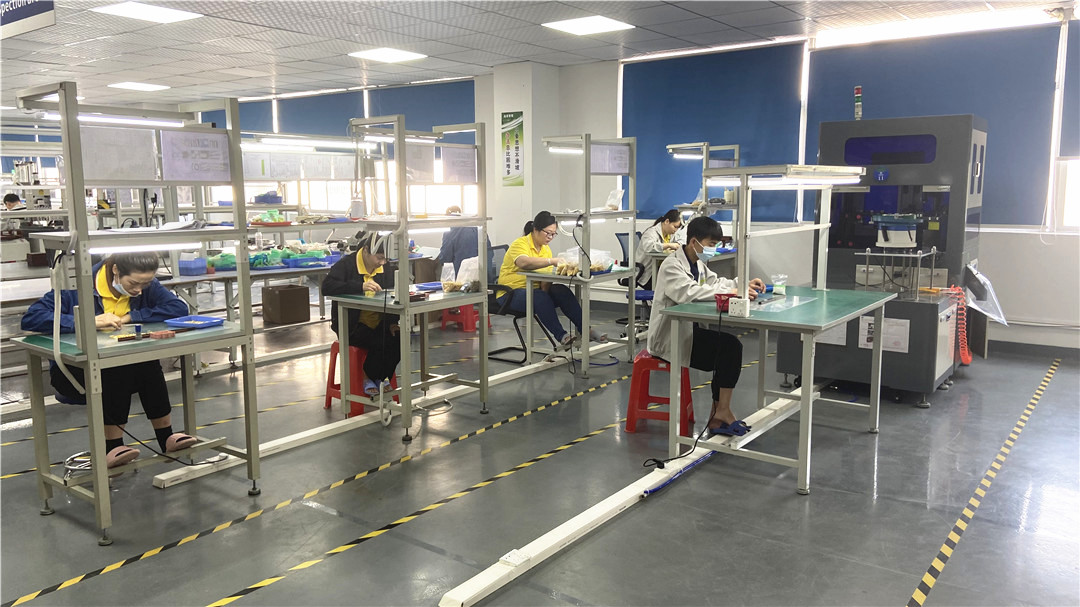
Committed to being an excellent global POGO PIN manufacturer for quality, cost, and advanced technology development.
Year Established
Quality Standard
Monthly Output
RF Test Frequency
How our customized high-frequency testing needles and connectors solve critical connection hurdles across multiple industrial fields.
Optimized charging and contact solutions for high-end smartwatch components, VR systems, and compact fitness bands requiring minimal footprint with maximum corrosion resistance.
Heavy-duty, vibration-resilient spring contacts for battery management systems (BMS), electric vehicle drivetrain sensors, and ADAS radar array testing.
High-reliability testing solutions conforming to strict environmental regulations, delivering flawless contact fidelity in satellite communications and guidance modules.
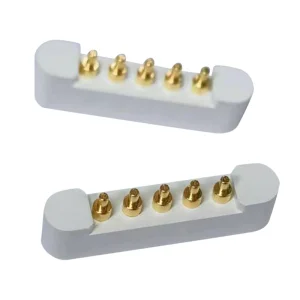
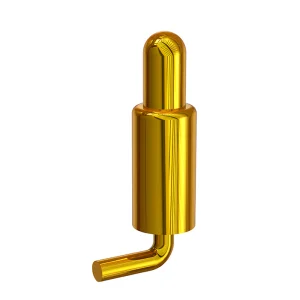
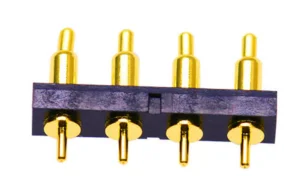
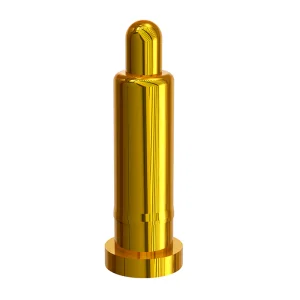
Browse our extensive list of spring contacts, pogo-pin sockets, and high-frequency connectors ready for global shipments and Melbourne localization.
Get answers to critical technical questions regarding high-frequency probes, sourcing, and customization for Melbourne industries.
Standard pogo pins are designed for DC current charging or low-speed signals, often exhibiting high parasitic capacitance and inductance that distorts signals above 1 GHz. High-frequency testing needles utilize controlled impedance designs (typically coaxial or balanced lines matching 50 or 75 ohms), shielding elements, and specialized contact geometries to transmit signals smoothly up to 40 GHz with minimal insertion and return loss.
We provide rapid design custom prototyping services and drop-ship directly to Victoria's primary industrial zones. Our sales engineers handle RF design verification in-house, aligning mechanical drawings with Melbourne client specifications before bulk manufacturing runs in our ISO9001 facility. This guarantees high quality, competitive pricing, and shortened logistics cycles.
We recommend thick gold plating over a nickel underlayer for standard setups. For high-frequency ATE applications testing lead-free solder balls (which easily contaminate test needles), we offer specialized alloys and harder coatings like Rhodium or Palladium-Cobalt to resist oxide buildup and preserve low contact resistance over extended lifecycles.
All our products are manufactured under the international ISO9001:2015 Quality Management System. We verify physical, mechanical, and environmental tolerances in our advanced testing lab. Furthermore, our raw materials and surface treatments fully comply with RoHS and REACH standards for environmental protection.
 Rongqiangbin