Engineered to meet the exact compliance and reliability standards of Cork, Galway, and Dublin's electronics ecosystems.
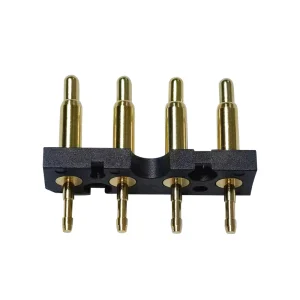
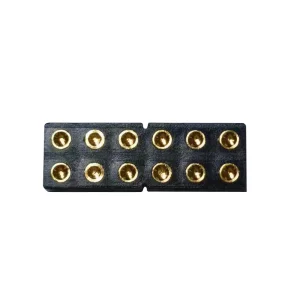
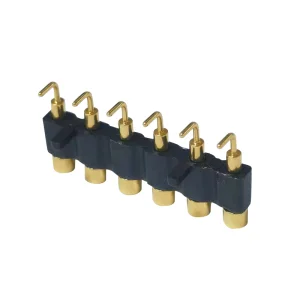
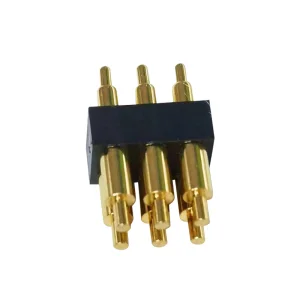
Ireland has established itself as one of Europe's primary hubs for high-value technology engineering, medical device manufacturing, and industrial IoT (Internet of Things) development. Driven by innovation clusters in Dublin, Galway, Cork, and Limerick, the requirements for miniature electromechanical components have experienced an exponential evolution. Traditional spring probes and leaf-spring contacts are rapidly being replaced by specialized Pogo Pin connectors.
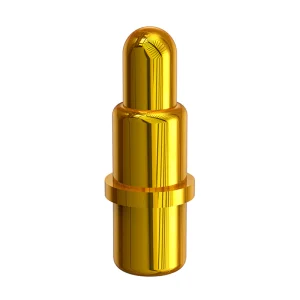
In Irish electronics manufacturing, reliability under harsh environmental conditions is non-negotiable. Pogo pin connectors—consisting of a precision-turned plunger, an internal spring, and a barrel—offer a highly stable electrical connection over hundreds of thousands of mating cycles. Unlike conventional card-edge or pin-header configurations, spring-loaded contacts accommodate planar misalignments, vertical tolerances, and mechanical vibrations. This is of critical importance to MedTech diagnostics, ruggedized marine sensors, smart grid interfaces, and electric vehicle (EV) charging telemetry modules developed across the Irish republic.
The roadmap for connector development targets three key thresholds: miniaturization, increased current-carrying capacity, and extreme durability. As Irish engineering teams design the next generation of sub-dermal sensors and smart home security controllers, pogo pin manufacturers must push structural limits.
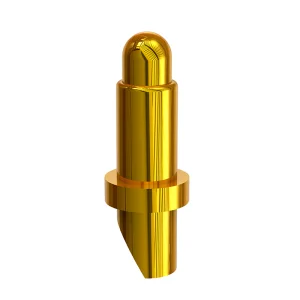
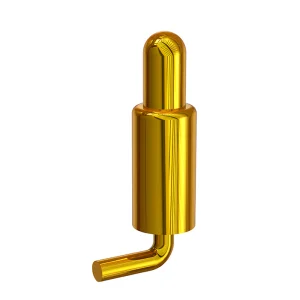
1. Biased-Cut vs. Back-Drill Plunger Structures: To prevent momentary signal dropout, we utilize advanced internal architectures. The bias-cut design features an angled bottom on the plunger, ensuring constant contact with the inner wall of the barrel. This dramatically lowers electrical contact resistance (typically <30mΩ) and stabilizes the current pathway. For designs prioritizing travel length over high current, back-drill structures hollow out the plunger to house a longer spring within a compact barrel height.
2. Plating Formulations for Salt Spray & Skin Contact: High-performance pogo pins require advanced surface chemistry. Our standard stack features a high-density nickel underplate with a top layer of pure hard gold (up to 30 micro-inches) to resist galvanic corrosion. For wearables and bio-sensor applications popular in the Galway MedTech cluster, we offer specialized hypoallergenic plating options (such as Palladium-Nickel or Gold-over-Platinum) that eliminate nickel leaching while preserving low contact resistance and high corrosion resistance under continuous sweat exposure.
RongQiangBin custom-engineers high-performance spring contact arrays tailored for diverse industrial and scientific applications across Europe:
From patient monitors to digital diagnostic cartridges, our gold-plated spring pins ensure flawless contact in sterile environments. We support custom micro-pitch configurations down to 1.0mm, allowing high-density array integration into disposable patient interfaces.
IoT modules in Irish agricultural sensors and factory floors demand IPX7/IPX8 water protection. Our waterproof pogo pin assemblies utilize custom silicone overmolding and O-ring interfaces to prevent moisture penetration through PCB mounting holes.
Automotive computing requires high-current capabilities and resistance to constant shock. Our high-current contacts (up to 15A per pin) employ specialized internal copper balls or insulation sleeves to protect springs from electrical degradation.
Entering the EU market requires strict adherence to environmental and mechanical directives. Shenzhen RongQiangBin Electronic Hardware Co., Ltd. ensures full compliance with the European RoHS Directive (2011/65/EU and amendment 2015/863/EU) and the REACH Regulation (EC No 1907/2006) for all shipped components. This is supported by our ISO 9001:2015 certified quality management system.
We work directly with Irish freight hubs in Dublin and Shannon, ensuring custom clearing runs seamlessly. By utilizing express air options and ocean consolidating networks, we bridge the distance between Shenzhen's manufacturing speed and Irish manufacturing lines. Technical documentation, including 3D CAD models (STEP/IGES), material declarations, and reliability testing reports, are delivered with every quotation cycle to shorten design validation timelines.
Located in Shenzhen, the leading city of Guangdong-Hong-Kong-Macao Greater Bay Area. Founded in 2011, Songgang Street.
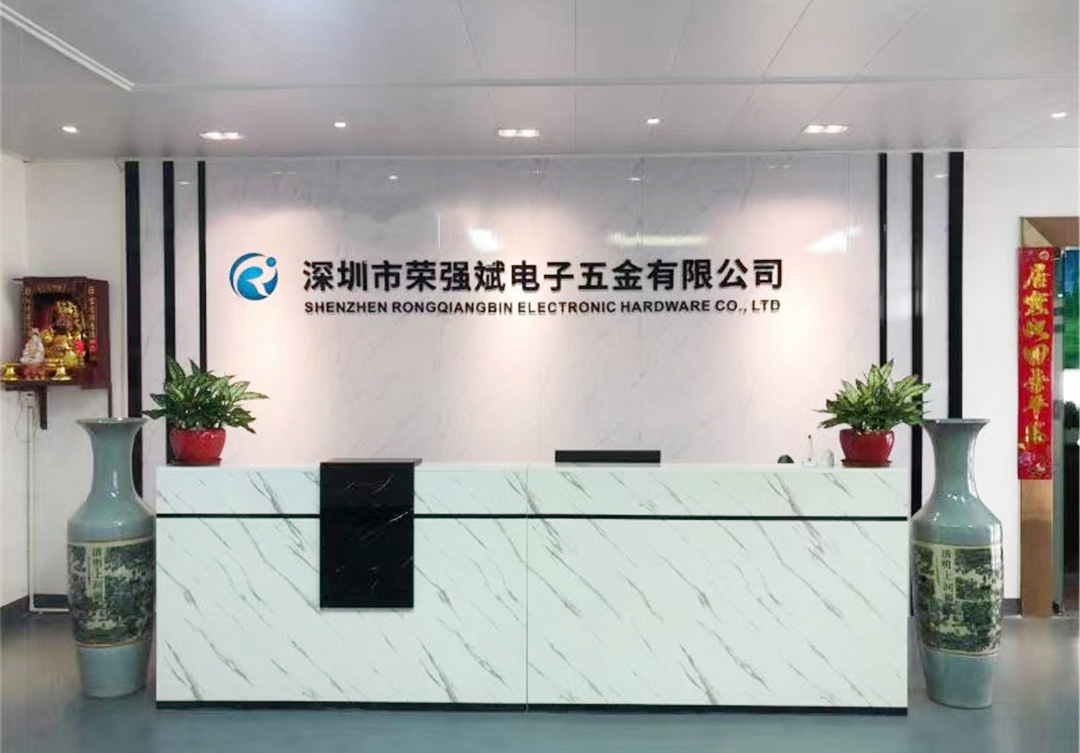
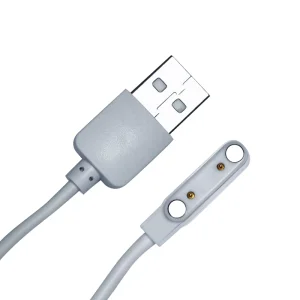
Our company specializes in the development and manufacturing of Pogopin connectors. After years of effort and dedication, we have established ourselves as a technological leader in the interconnect industry. We engage in the research, development, production, and sales of various models of POGO PIN (also known as spring thimbles) and magnetic charger connectors.
Our Vision: Committed to being an excellent POGO PIN manufacturer for both quality and cost, both domestically and abroad, leading connector technology development into new industrial domains.

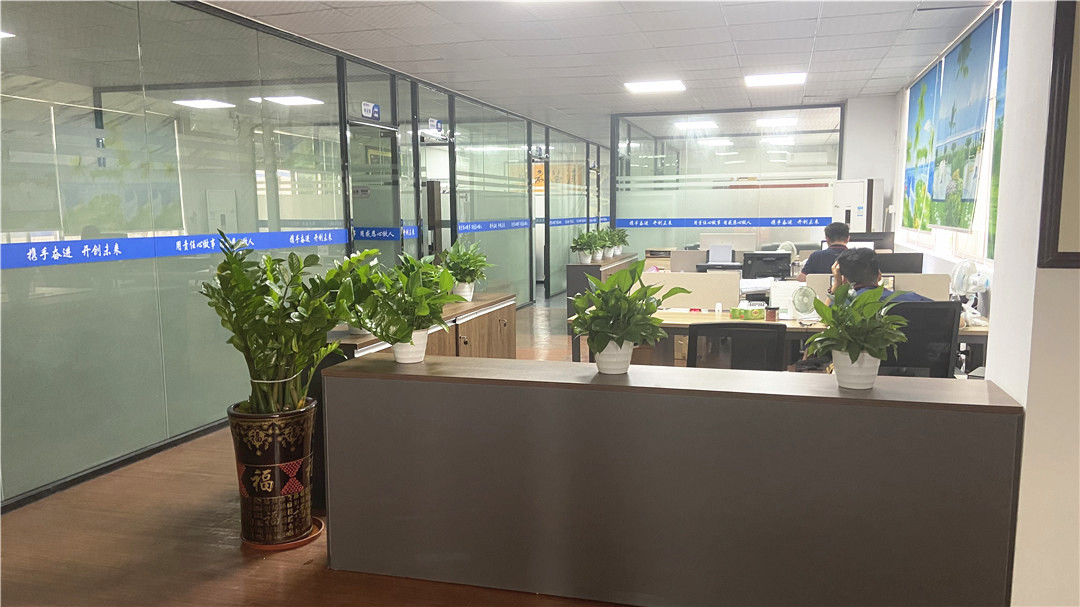
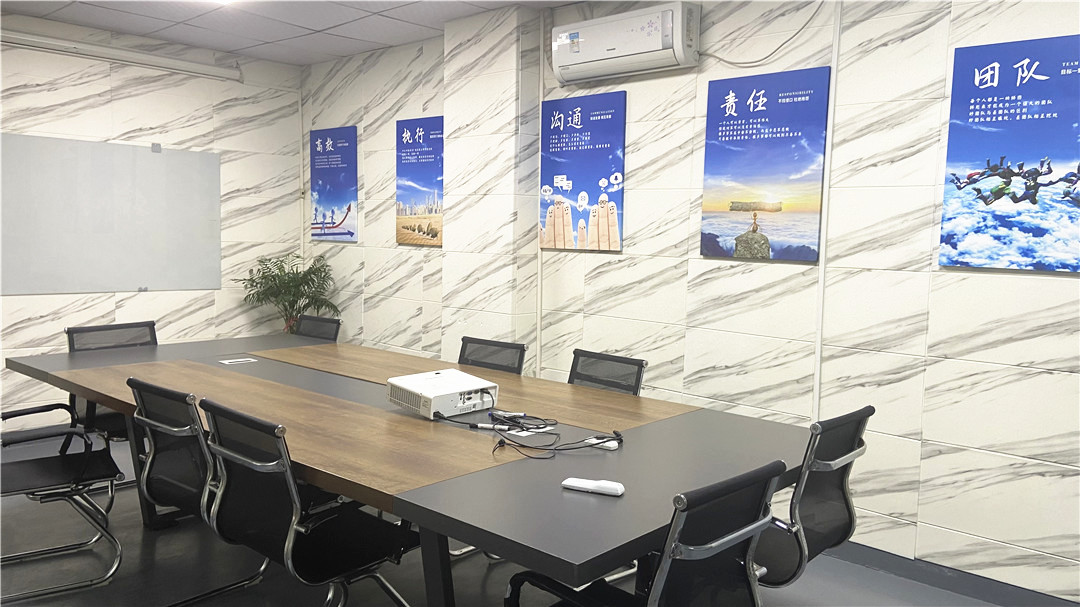
Adhering to our core spirit of "Customer First, Integrity First," our highly technical production team works closely with leading global brands. We provide design houses in Ireland and worldwide with robust environmental compliance, electrical reliability, and structural engineering flexibility.
Our Prestigious Clients:
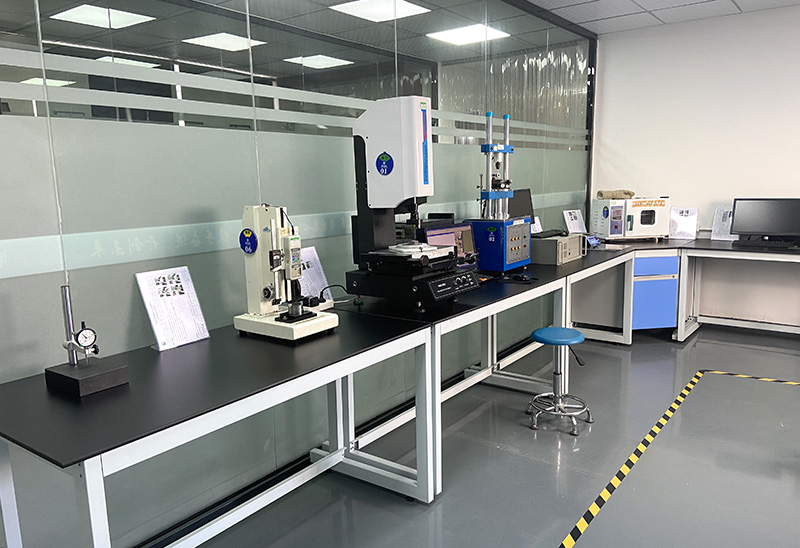

Ensuring micro-machining accuracy and mechanical consistency across millions of parts.
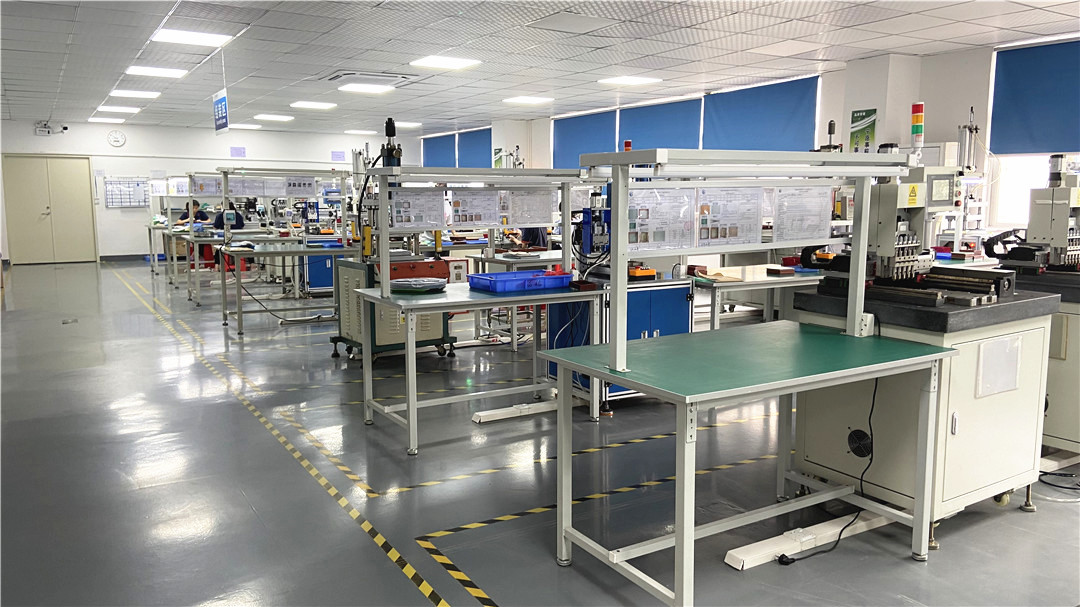
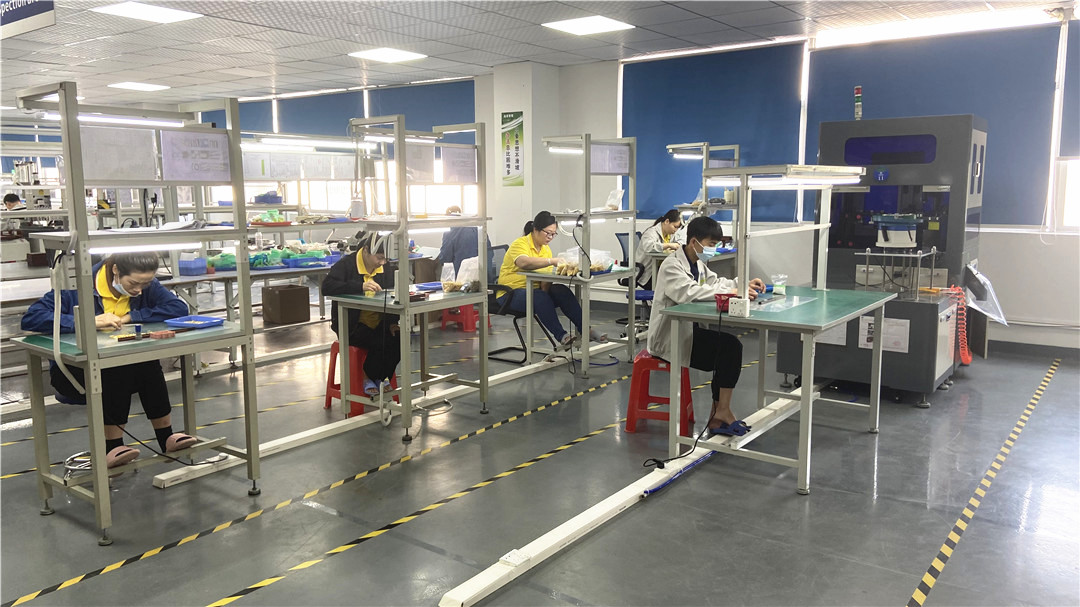
Automated Optical Inspection for absolute dimensional stability.
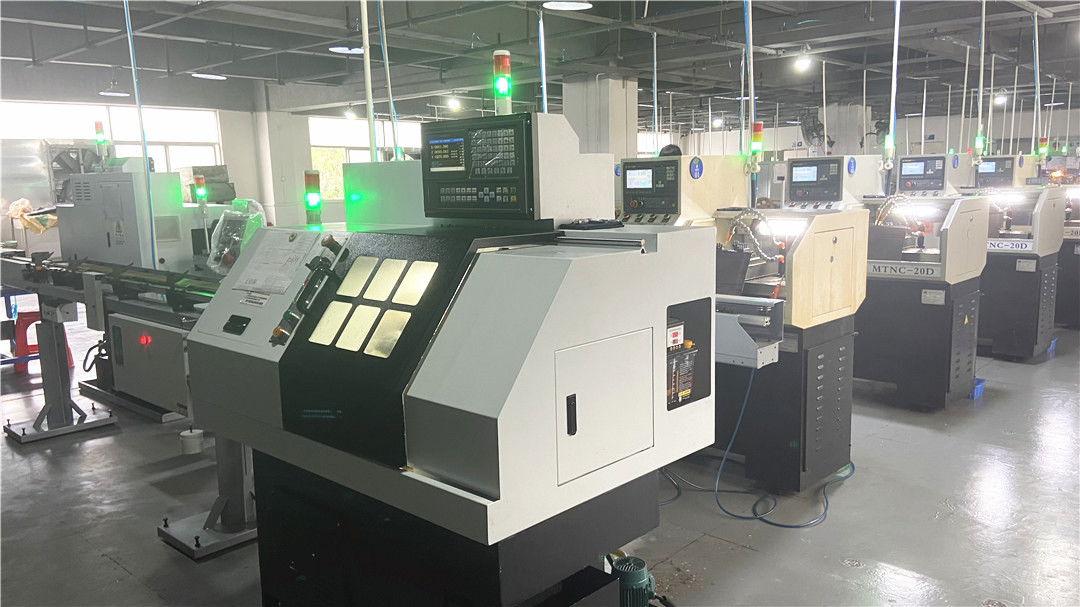
Our production facilities utilize automated manufacturing lines alongside high-speed Swiss-type CNC lathes. Pogo pin barrels and plungers must maintain precise concentricity to prevent plunger tilt, which can lead to high mechanical wear or electrical failures. Our internal tooling capabilities support machining tolerances down to 0.005mm and micro-drilling diameters down to 0.20mm.
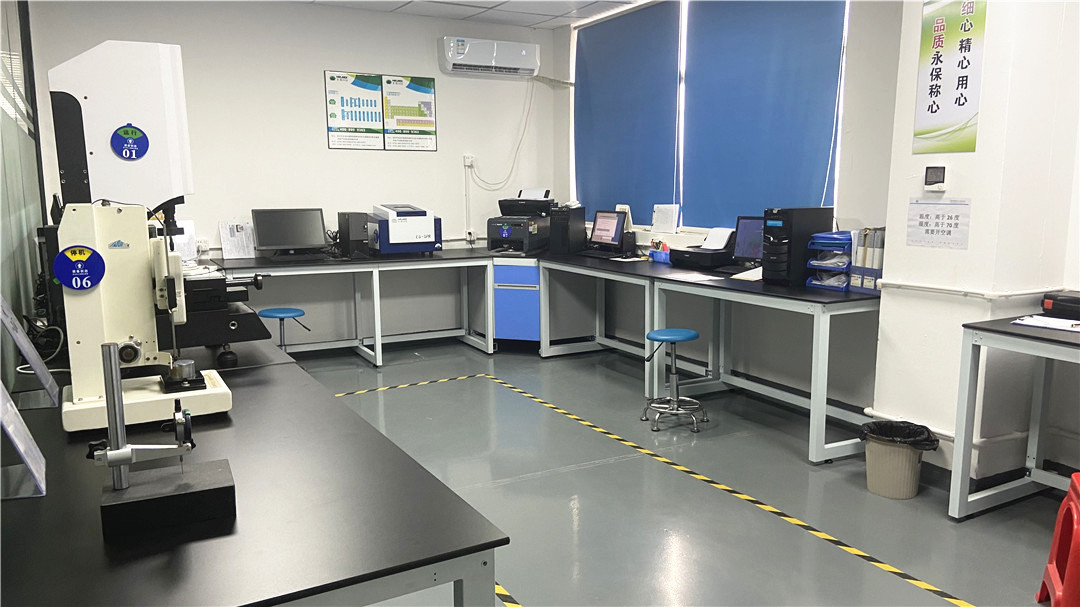
Quality control is maintained throughout every step of production. Raw brass, copper, and engineering plastics (like high-temperature LCP, Nylon, or PEEK) are analyzed before entering the lathe line. Finished pogo pins undergo automated multi-parameter testing, verifying spring force, electrical contact resistance, and mechanical height under compression. Our labs are fully equipped with X-ray fluorescence (XRF) plating thickness analyzers, micro-hardness testers, thermal cycle chambers, and salt spray test cabinets to verify environmental performance before global dispatch.
Critical answers for hardware development engineers, procurement specialists, and quality control leads.
Standard pogo pins are designed to support between 10,000 and 100,000 mating cycles. However, custom-engineered contacts utilizing high-stress spring alloys (like Beryllium Copper or music wire) combined with premium plating (such as high-thickness gold over nickel) can achieve over 1,000,000 dynamic cycles. This makes them ideal for industrial test probes and diagnostic docks.
For wearables and outdoor sensors, we apply specialized plating stacks like Gold-over-Palladium-Nickel (Au/PdNi) or Gold-over-Platinum. These barrier layers prevent base copper diffusion, reduce nickel exposure to sensitive skin, and provide excellent resistance to salt spray corrosion and galvanic corrosion.
Standard pogo pins carry between 1A and 3A. For higher electrical loads, we employ specialized internal structures (such as direct plungers, copper ball inserts, or insulating sleeves). These configurations direct the current path away from the spring and through the barrel, enabling single-pin ratings from 5A up to 15A continuous current.
Yes, all components shipped by RongQiangBin are fully RoHS and REACH compliant. We provide detailed material data sheets, environmental compliance declarations, and material certificates to streamline the quality validation process for our European customers.
Yes. We specialize in custom ODM/OEM solutions. Our engineering team can design custom plastic injection molds and automated assembly tools to fit your specific PCB layout, housing contours, and contact pitch constraints, down to 1.0mm pitch.
Custom prototypes are typically completed and shipped within 5 to 7 working days. Mass production runs usually take between 10 and 15 days, depending on quantity and order complexity. We utilize express air shipping options to deliver directly to Dublin, Cork, or Shannon within 3 to 5 business days.
We maintain controlled contact impedance (typically below 50 ohms) by optimizing the internal barrel geometry and plunger mating path. We also specify high-conductivity base metals and tight machining tolerances to prevent RF impedance mismatches up to 10 GHz.
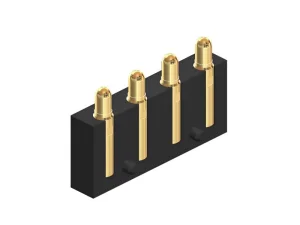
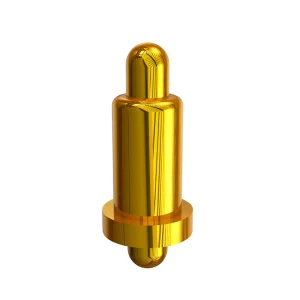
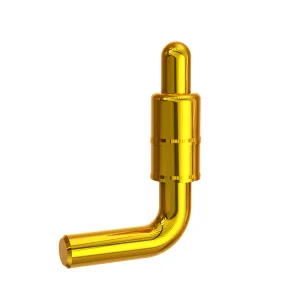
Select a model to view full technical specifications, download CAD drawings, or request custom modifications.
 Rongqiangbin