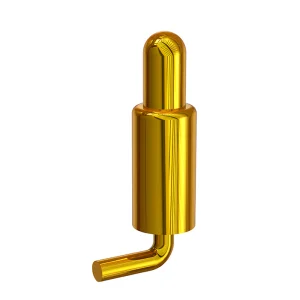
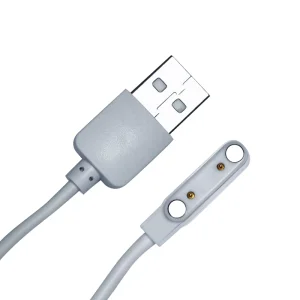
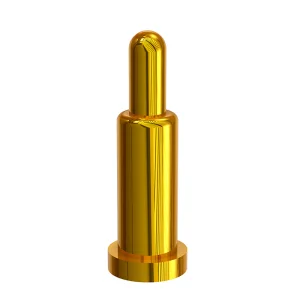
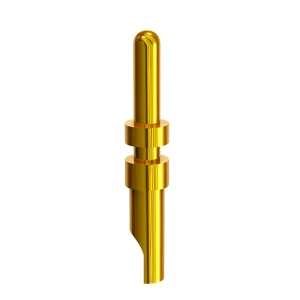
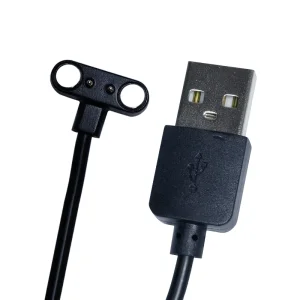
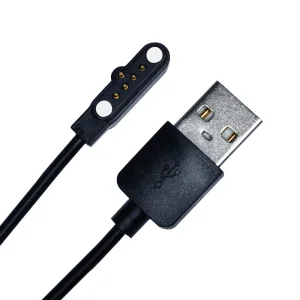
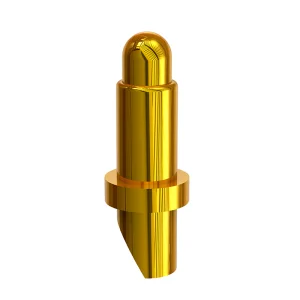
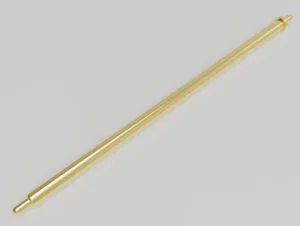
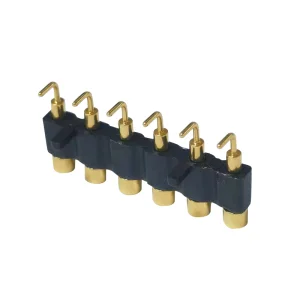
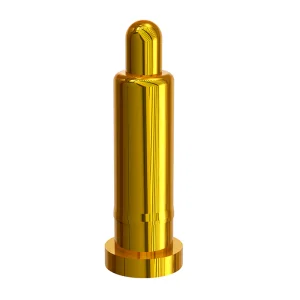
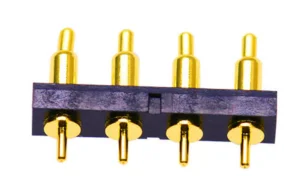
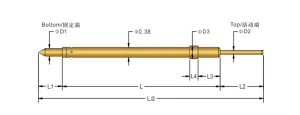
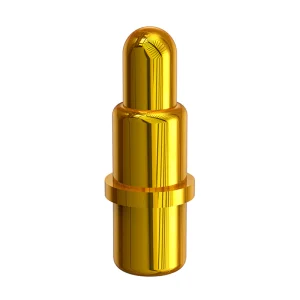
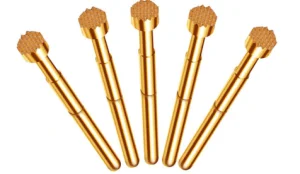
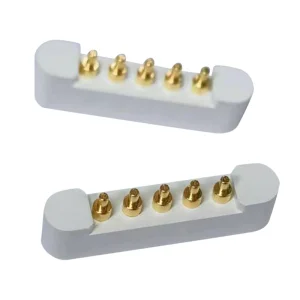
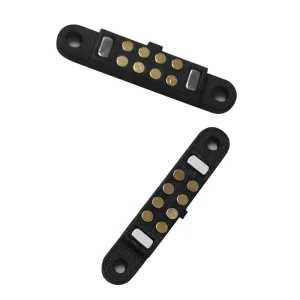
In contemporary hardware engineering, the demand for highly reliable, ergonomic, and durable interconnect solutions has skyrocketed. The 6-pin magnetic connector stands out as a critical component, seamlessly integrating high-speed data transmission with high-current charging capabilities in a robust, compact form factor. By leveraging the mechanical force of pogo pins (spring-loaded contacts) combined with precision-aligned neodymium magnets, these connectors prevent mechanical wear and tear, enable automatic self-alignment, and support IP-rated dust and water protection.
At Shenzhen Rongqiangbin Electronic Hardware Co., Ltd., we understand that sourcing "cheap" connectors should not equate to compromising quality or reliability. In industrial contexts, "cheap" refers to the optimization of manufacturing efficiency, vertical integration of production lines, and high-yield automation that drives unit costs down while elevating performance. This document provides a profound technical deep dive into the selection, specification, manufacture, and deployment of cost-optimized 6-pin magnetic pogo pin systems.
Rated for up to 50,000+ mating cycles without pogo pin spring degradation, minimizing maintenance costs.
Exceptional conductivity with contact resistance kept strictly below ≤30mΩ (milliohms).
Precision-calibrated NdFeB magnets providing 150g to 800g of detachment resistance per application requirement.
The versatility of 6-pin configurations enables developers to map out customized pinouts, separating power (VCC), ground (GND), and differential signal lanes (such as D+, D-, TX, RX, or I2C clock and data). This multi-lane layout allows the connector to perform in multiple environments:

As hardware platforms scale down in profile while scaling up in data density, the development of the 6-pin magnetic connector follows a precise evolutionary roadmap. Key advancements target the materials, electrical safety metrics, and physical footprints:
Standard pogo pins support 1A to 2A currents. Our engineering roadmap introduces specialized high-current spring pins capable of sustaining up to 10A continuously without excessive heat generation. This is achieved by thickening the plunger walls and optimizing internal gold-plating layers (up to 30u").
By designing impedance-matched layouts, we optimize the pin placement to maintain structural symmetry. Future 6-pin connectors are projected to support USB 3.1 Gen 2 transmission rates of up to 10 Gbps, featuring minimal signal attenuation and electromagnetic crosstalk.
Implementing waterproof, corrosion-resistant housings (using Liquid Crystal Polymer - LCP and high-grade silicone gaskets). This makes the 6-pin system ideal for marine electronics and rugged outdoor machinery where exposure to saltwater spray is common.
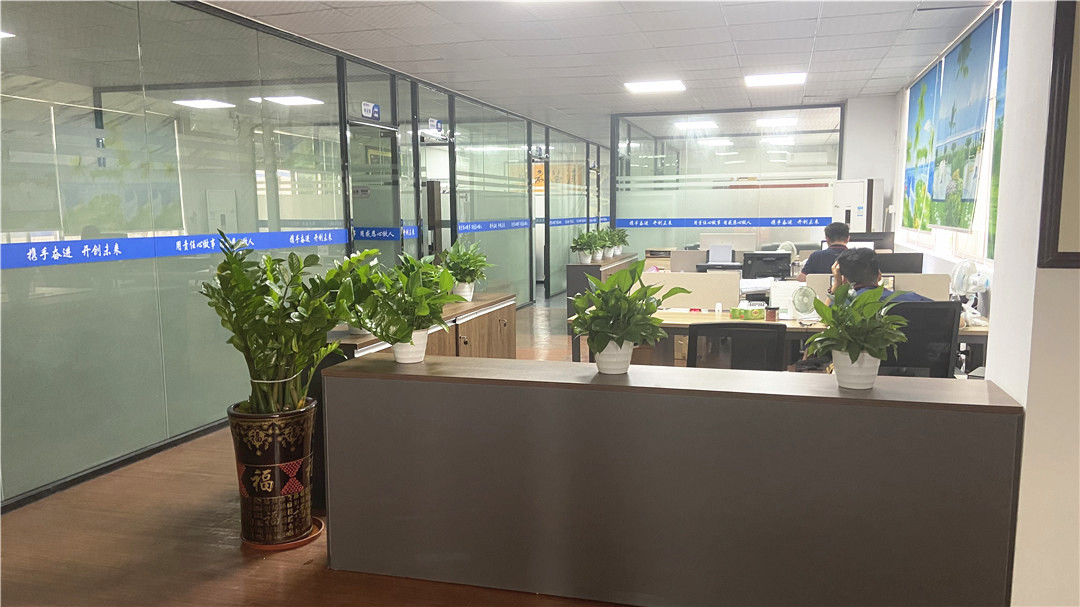
Located in Songgang Street, Shenzhen, within the heart of the Guangdong-Hong Kong-Macao Greater Bay Area, Shenzhen Rongqiangbin Electronic Hardware Co., Ltd. benefits from the most robust hardware ecosystem in the world. Our location allows us to deliver high-quality, cost-efficient connectors globally.
Our vertical integration controls every step from raw brass rods to complete magnetic cables:
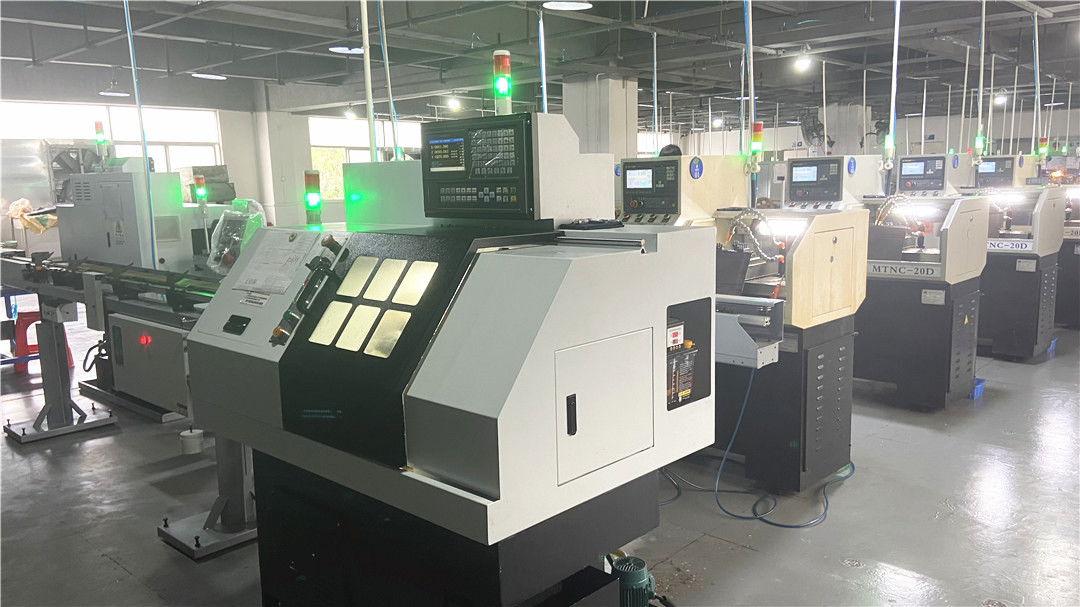
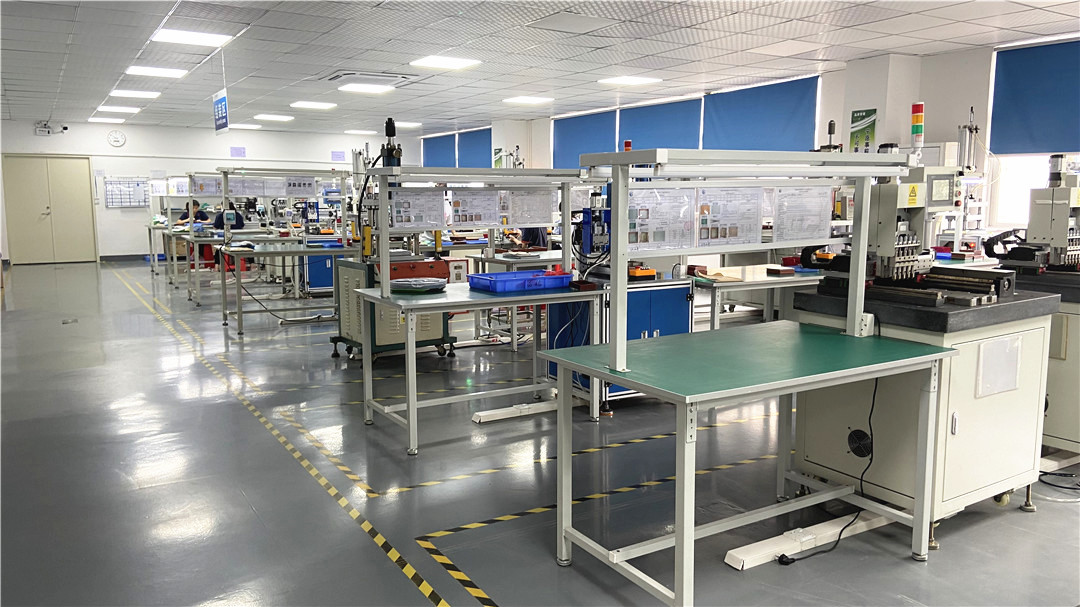
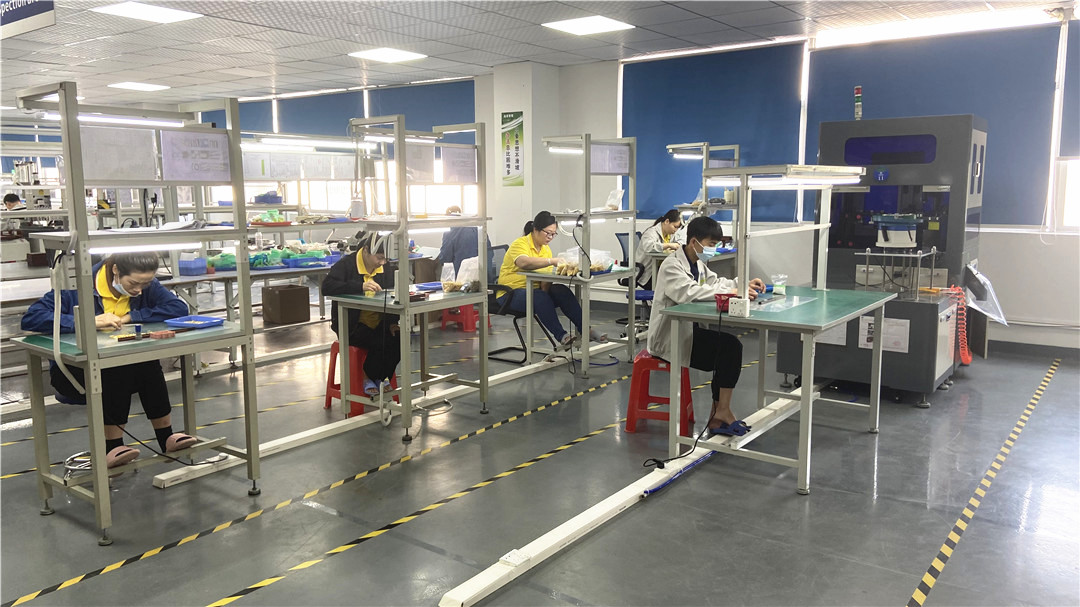
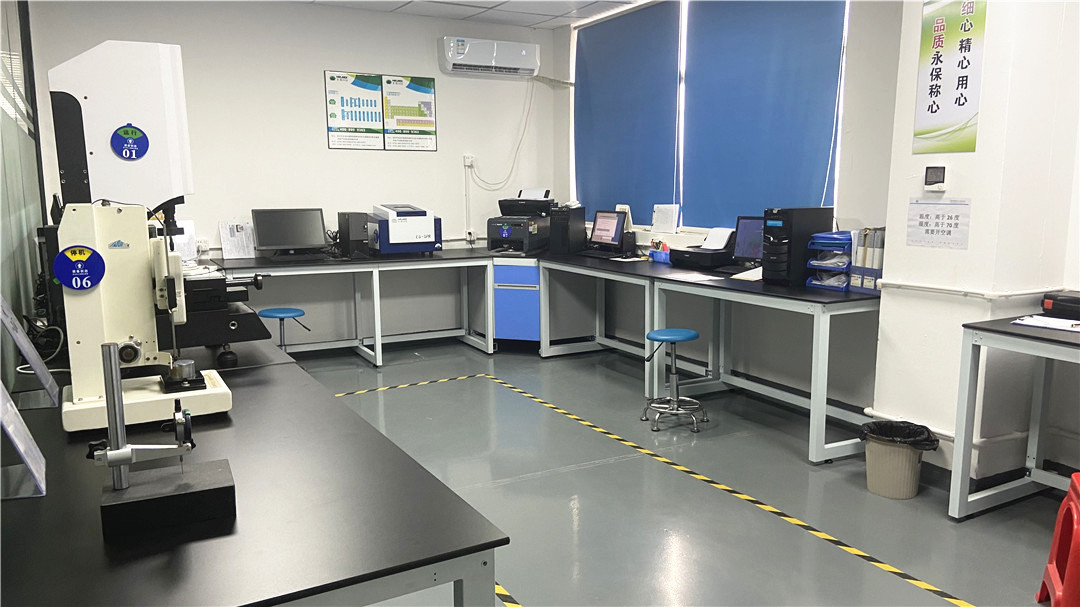
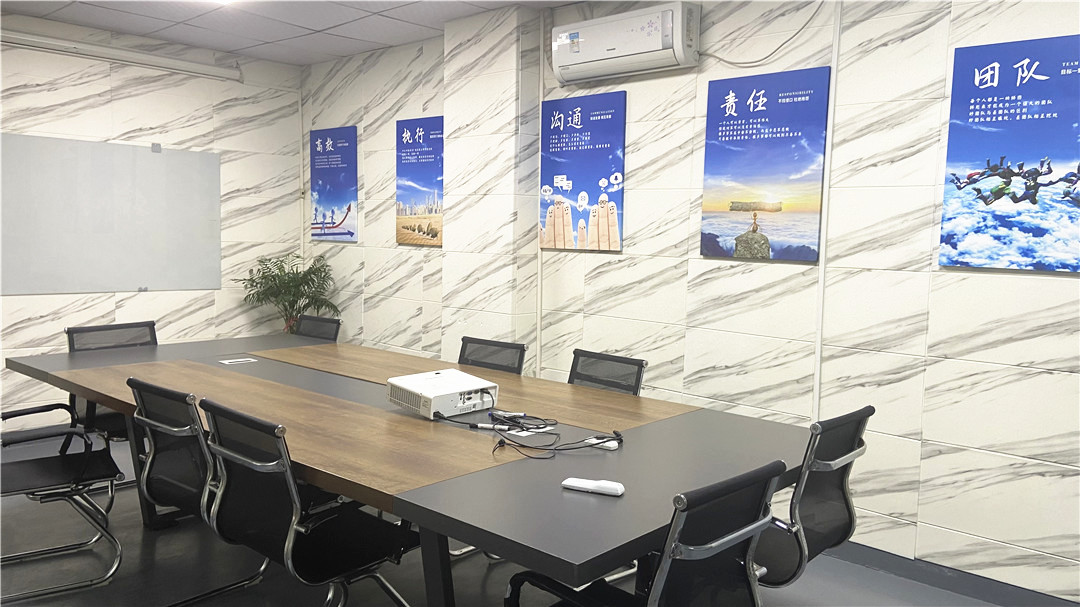
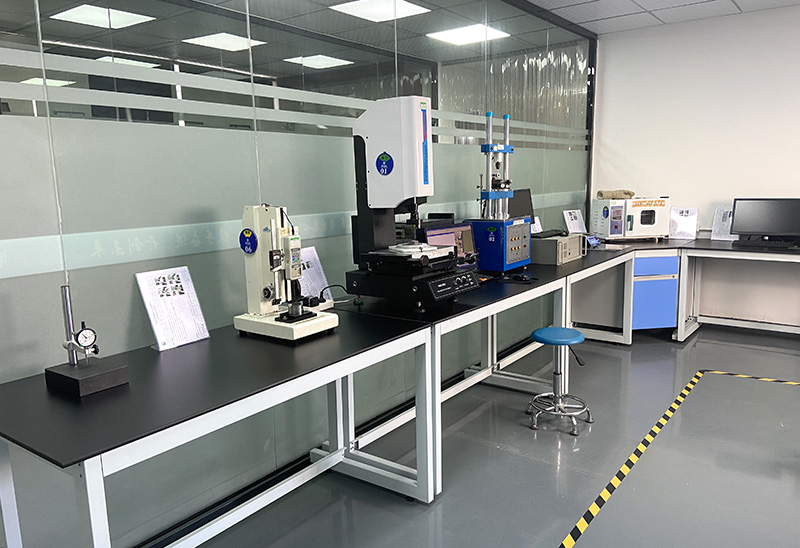
By maintaining raw material sourcing, high-speed turning lathes, automatic assembly stations, and high-level quality inspection under one roof, we eliminate intermediate distributor markups. This ensures we can provide cheap, high-yield solutions to our global partners.

To confirm our position as a reliable engineering and manufacturing partner, our operational standards are fully verified by international credentials and long-standing corporate relationships. Our brand spirit represents the principle of "Customer First, Integrity First", ensuring robust technical support and fast delivery.
Our primary clients include some of the world's most recognizable brands and high-technology manufacturers:

Answering the most critical engineering questions asked by procurement and development teams.
A 6-pin magnetic connector offers significant pinout flexibility. A 2-pin interface only supports basic charging. 4-pin variants add standard USB data lanes (D+ / D-). A 6-pin design enables the delivery of high-current power, digital signal routing (e.g., TX/RX or I2C clock and data), and sensor diagnostic lines simultaneously.
We achieve this through vertical integration. In our facility in Songgang, Shenzhen, we control the entire pogo pin production process, including automatic assembly and CNC lathe machining. This internal manufacturing pipeline avoids outsourcing markups and keeps rejection rates under 0.05%, lowering costs for clients.
Custom 3D CAD modeling and prototypes are usually finalized in 3 to 7 working days. Once tooling design and structural verification are signed off, complete volume production orders take between 12 to 18 days, depending on localized supply chain component availability.
We apply precision electroplating onto our base brass pins. Our standard specification uses a nickel underplate layer (minimum 50u") overlaid by gold plating (ranging from 3u" up to 30u" for high-reliability environments). This ensures excellent resistance against corrosion, galvanic degradation, and sweat erosion in sports wearables.
 Rongqiangbin