Are Pogo Pins Conductive?

Global OEM/ODM Custom Manufacturer & Supplier - Industrial Grade Spring-Loaded Contacts

Understanding Pogo Pin Conductivity

A technical examination of electrical performance, material configurations, and physics in spring-loaded systems.

Are Pogo Pins Conductive?

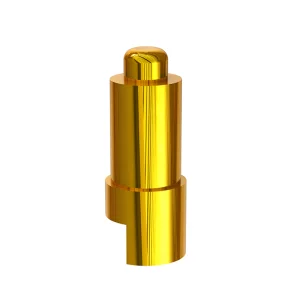
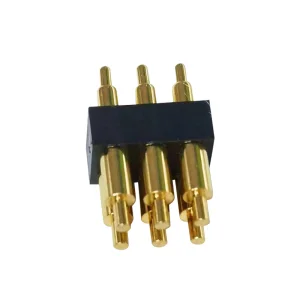
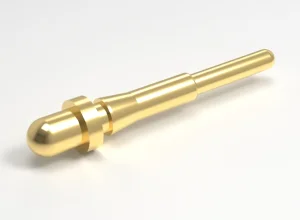
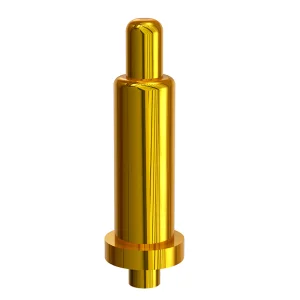
Yes, pogo pins are highly conductive electronic components. Their fundamental purpose is to establish a reliable, temporary, or permanent electrical path between two mating surfaces. Unlike static terminal pins, a pogo pin features a spring-loaded mechanism that maintains mechanical contact force under vibration, thermal expansion, or physical displacement, ensuring continuous conductivity.

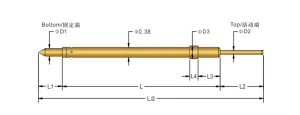
The electrical conductivity of a pogo pin is not static; it is determined by the dynamic interaction of its three core components: the plunger, the barrel, and the internal spring. Because the spring is typically made of high-tensile steel or music wire (which have poor electrical conductivity compared to copper alloys), high-performance pogo pins are designed so the current bypasses the spring, flowing directly from the plunger to the barrel wall.

Key Factors Influencing Pogo Pin Resistance

Under operational conditions, several physical parameters dictate the overall contact resistance ($R_{contact}$):

  • Base Metal Metallurgy: Plungers and barrels are usually machined from free-cutting brass (C3604) or lead-free copper alloys for high bulk conductivity.
  • Surface Finish Plating: Gold (Au) over Nickel (Ni) is standard. Gold provides excellent electrical conductivity and oxidation resistance, keeping contact resistance low (<30mΩ).
  • Spring Contact Force: Higher spring force reduces contact resistance by breaking through surface films and increasing the microscopic contact area.
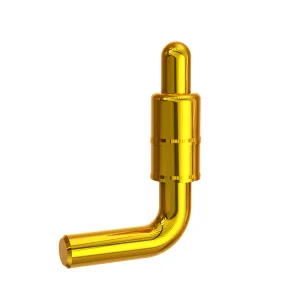
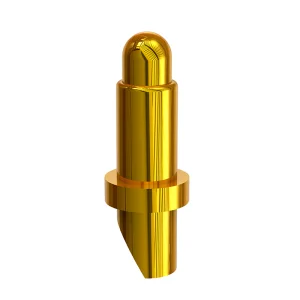
  • Current Path Engineering: Designs like bias-cut plungers or integrated insulating balls force the plunger to maintain contact with the barrel wall, avoiding current path constriction.

Critical Insight: Current Bypass and Spring Protection

If current flows through the spring steel, the high resistance causes resistive heating ($I^2R$). This heat can exceed the spring material's annealing temperature, causing it to lose its elasticity and fail mechanically. To prevent this, professional suppliers use custom plunger geometries (such as bias-tail cuts or ball-inside designs) to ensure 99% of the current flows through the low-resistance path of the gold-plated plunger and barrel.

Shenzhen Rongqiangbin Electronic Hardware Co., Ltd.

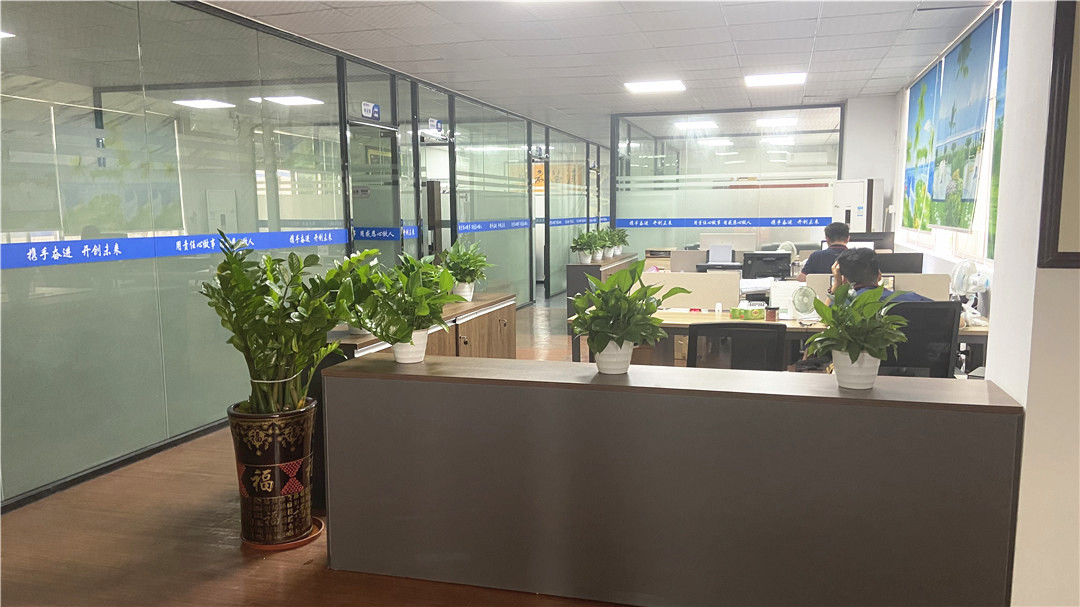
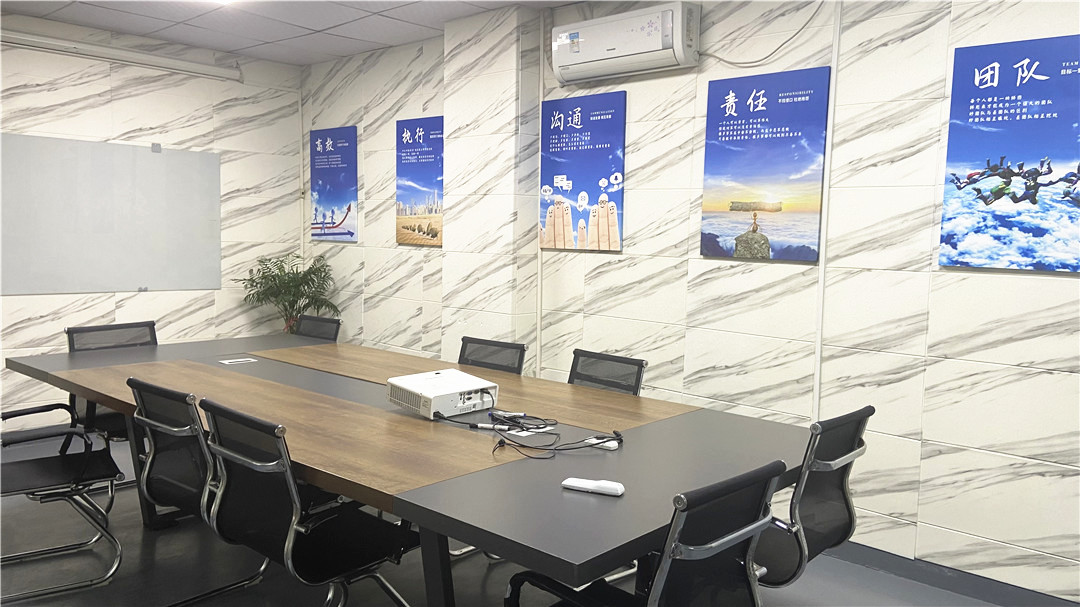
Founded in February 2011 in Songgang Street, Shenzhen, RQB specializes in the development, manufacturing, and global distribution of high-performance pogo pin connectors.

Located in the heart of the Guangdong-Hong Kong-Macao Greater Bay Area, our facility is engineered for rapid prototyping, high-volume production, and strict quality control. Over more than a decade, we have established ourselves as a leader in spring-loaded contact technology, serving some of the world's most demanding technology brands.

Our commitment to "customer first, integrity first" is supported by an experienced production and technical team. We operate under the ISO9001:2015 international quality management system, ensuring that all products meet environmental compliance and strict tolerance standards.
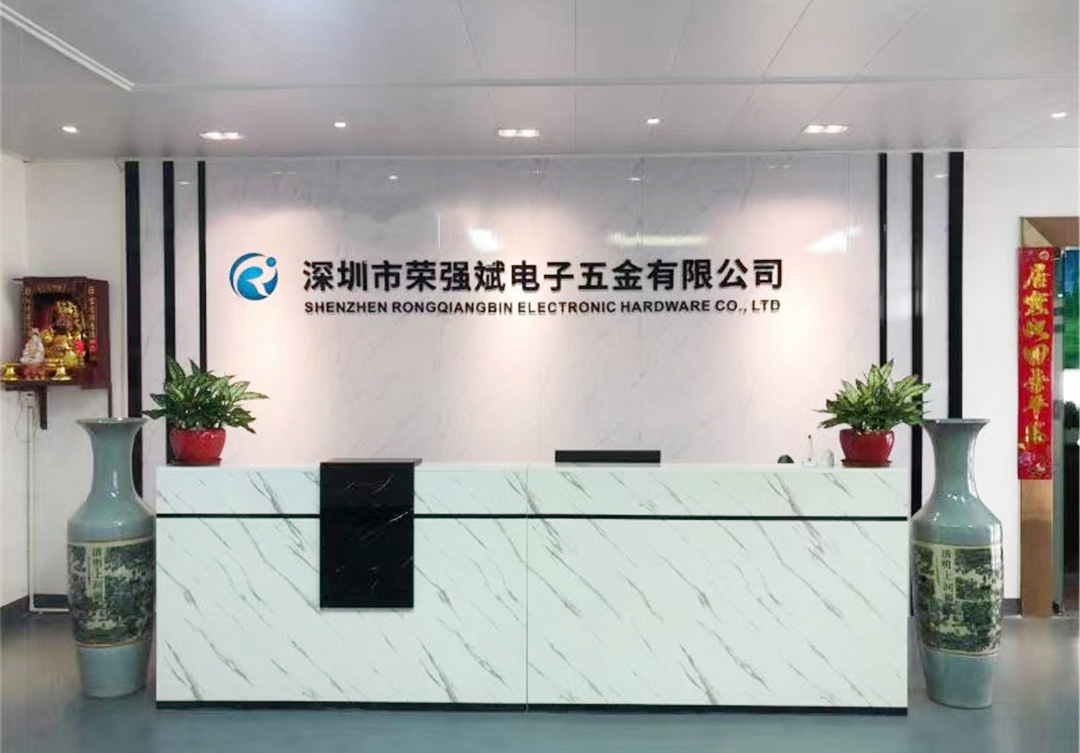

Shenzhen Rongqiangbin Factory Facility Overview
2011
Established Year
ISO9001
Quality Certified
10M+
Monthly Output
<30mΩ
Average Resistance

Inside Our Facility

Global Industry Trends & Engineering Innovations

How advancing hardware standards dictate the evolution of spring-loaded contacts across key industries.

1. High-Current Charging & Fast Data Transfer

Modern applications, including new energy vehicles, consumer laptops, and fast-charging mobile terminals, require pogo pins to carry higher currents. Historically limited to 1A or 2A, modern pogo pins can sustain 10A, 20A, or even 50A. Achieving this requires precise geometry, optimized plating thickness, and advanced engineering (such as multi-point contacts and dual-chamber internal structures) to keep temperatures low.

2. Miniaturization in Wearable Electronics

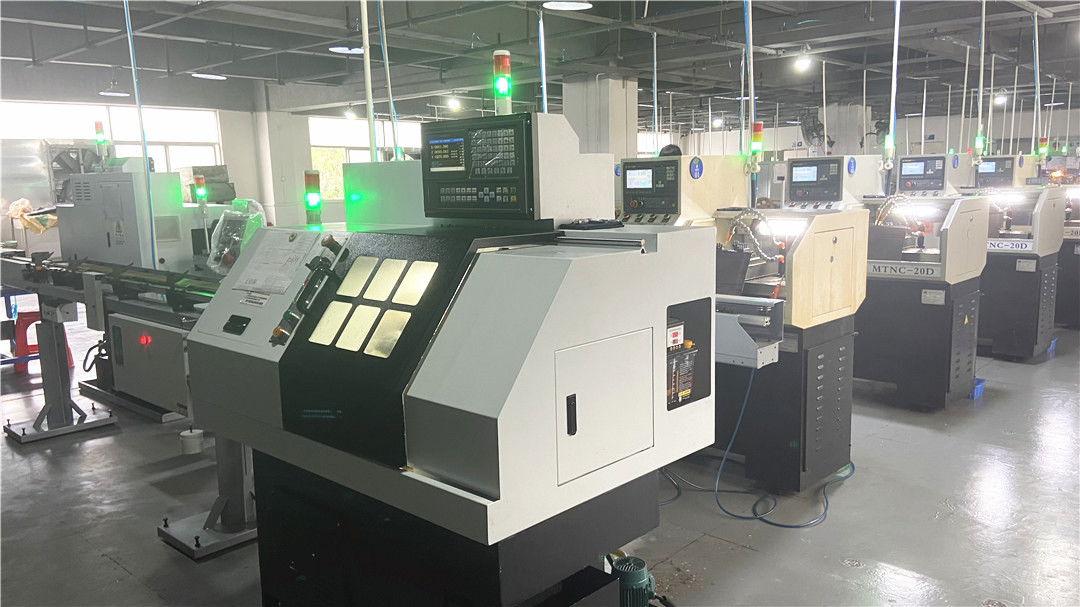
As smartwatches, TWS earbuds, and medical patches shrink, the pitch between contacts must follow. Connectors now often require pitch spacings below 1.0 mm, necessitating micro-machining tolerances within ±0.005 mm. Standard CNC lathes cannot reliably achieve these dimensions; specialized precision Swiss-type automatic lathes are required to manufacture these microscopic components.

3. Waterproofing and Environmental Resilience

From marine electronics to outdoor sensors, pogo pins must withstand harsh environments. High-quality waterproof pogo pins feature custom silicone O-rings, potting compounds, or overmolded plastics to achieve IPX7 or IPX8 ingress protection. Additionally, alloy plating (such as palladium-nickel over gold) is used to resist electrolysis, corrosion, and sweat oxidation in wearable devices.
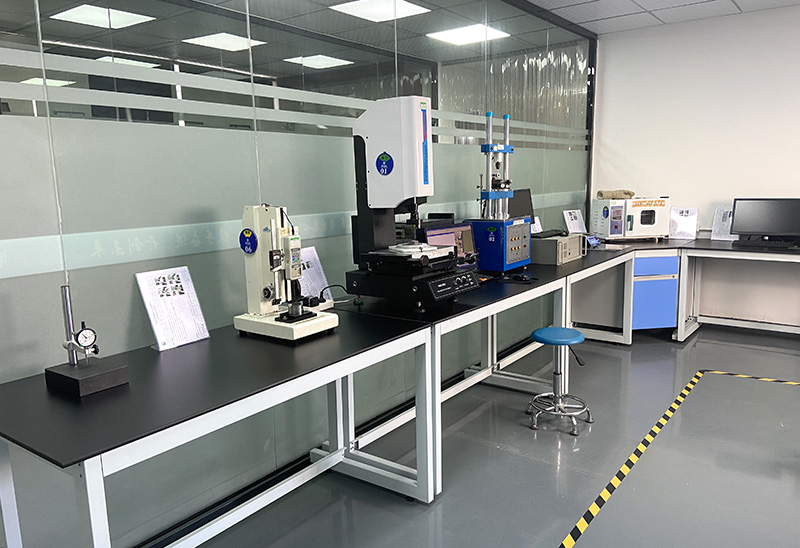
RQB Vision and Advanced Manufacturing

Global Procurement & China Factory 4.0

Global supply chains require partners that balance volume efficiency, agility, and cost-effectiveness. The Shenzhen-Dongguan electronic manufacturing corridor offers a complete supply chain for sourcing raw materials, high-speed turning, precision electroplating, and automated assembly.

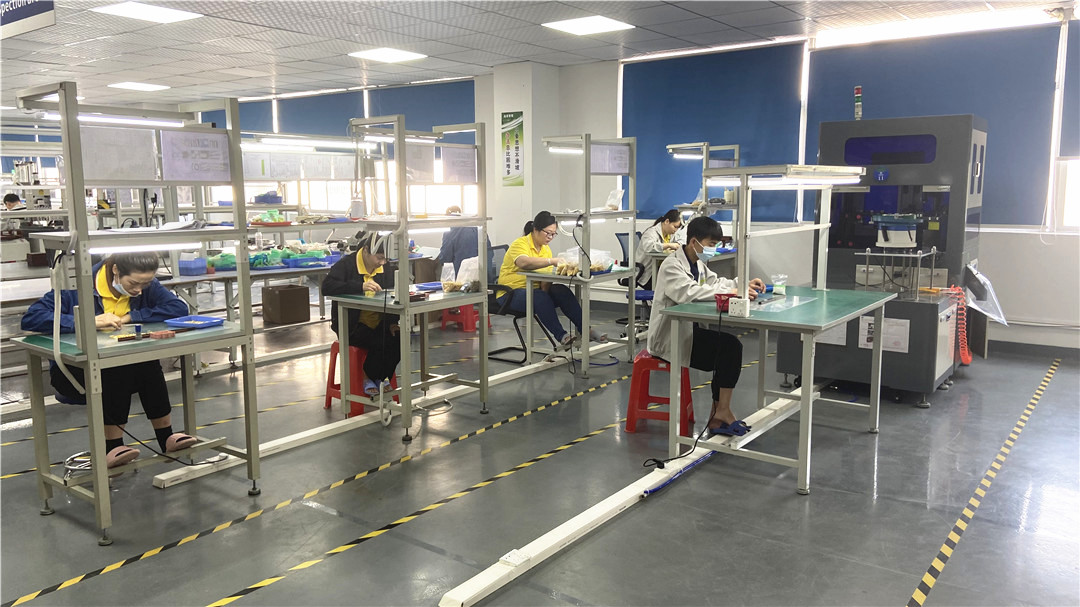
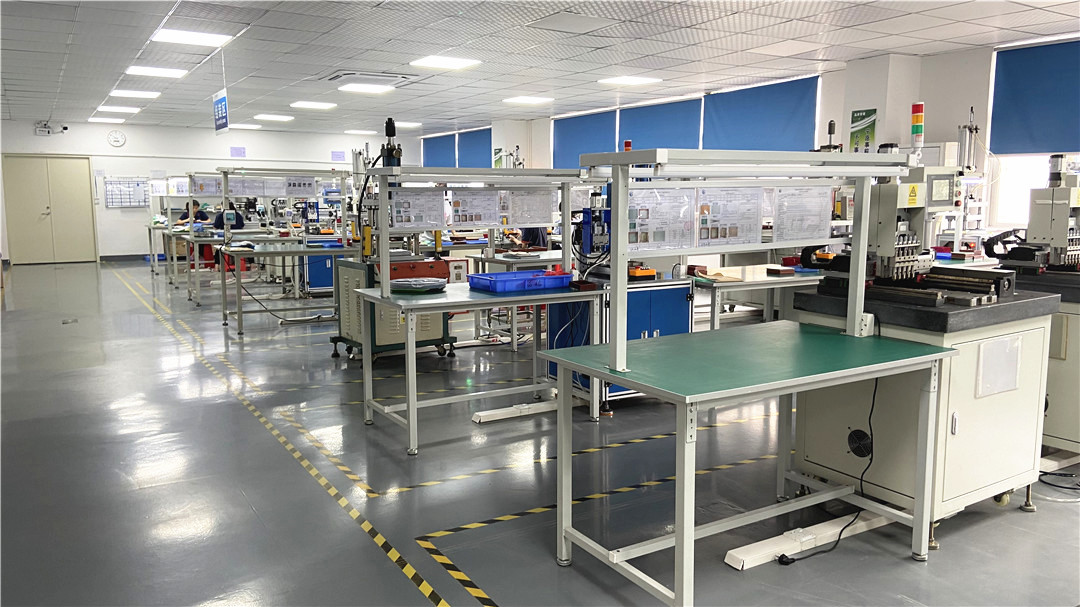
By integrating automation and automated optical inspection (AOI) into our production lines, RQB balances high quality with competitive pricing. This setup allows us to reliably meet complex OEM and ODM requirements.

Strategic Partnerships and OEM Support

RQB works closely with prominent technology brands and manufacturing partners, including:

Honeywell
Samsung
SIEMENS AG
ZTE
Luxshare Group
Amphenol Group

Precision Manufacturing Capacity

From raw brass rod machining to high-speed optical inspection, we monitor every step of the process.
Technical B2B FAQ

Answers to technical and commercial questions about pogo pin conductivity, selection, and manufacturing.

1. How do you maintain high conductivity in cheap or cost-optimized pogo pins?
Cost-optimized manufacturing relies on high-speed automated lathes and optimized plating profiles. We save cost by utilizing highly efficient manufacturing layouts and minimizing material waste rather than reducing copper content or compromising plating quality. Ensuring a minimum gold layer thickness of 3 to 5 micro-inches provides excellent conductivity while keeping production costs low.
2. What is the typical contact resistance ($R_{contact}$) of an industrial-grade pogo pin?
For standard signals, typical contact resistance ranges between 15mΩ and 30mΩ. In high-power charging applications, customized designs can achieve resistance values below 10mΩ. This is made possible by selecting low-resistance base metals, using high-force internal springs, and shaping the plunger tip to maximize mechanical surface contact.
3. Why is gold (Au) the standard finish for pogo pin plating?
Gold provides a combination of electrical conductivity and chemical inertness. It does not form oxide films when exposed to air, ensuring a low, stable contact resistance over thousands of mating cycles. Beneath the gold layer, we apply a nickel barrier layer to prevent the copper base metal from diffusing into the gold.
4. Can pogo pins carry high currents in fast-charging applications?
Yes. Modern pogo pin connectors can support high-current paths. To do this, we use designs with internal copper sleeves, ball-inside configurations, or direct plunger-to-barrel contact. These features allow pogo pins to carry continuous currents of up to 10A or 20A without overheating.
5. What design features prevent current from flowing through the internal spring?
We use two primary configurations:
Bias-Tail Design: The end of the plunger is cut at an angle. When compressed, the lateral force pushes the plunger side against the barrel wall, establishing a low-resistance path that bypasses the spring.
Ball-Inside Design: A small conductive ball is placed between the plunger and the spring, ensuring contact between the plunger and the barrel wall.
6. How does mechanical wear affect a pogo pin's conductivity over time?
As a pogo pin cycles, friction can wear away the external gold plating, exposing the underlying nickel or brass. This exposure can lead to oxidation and higher contact resistance. RQB pogo pins are designed for durability, using thick plating configurations that maintain electrical performance for 10,000 to over 100,000 mating cycles.
7. What inspection steps does RQB take to ensure quality?
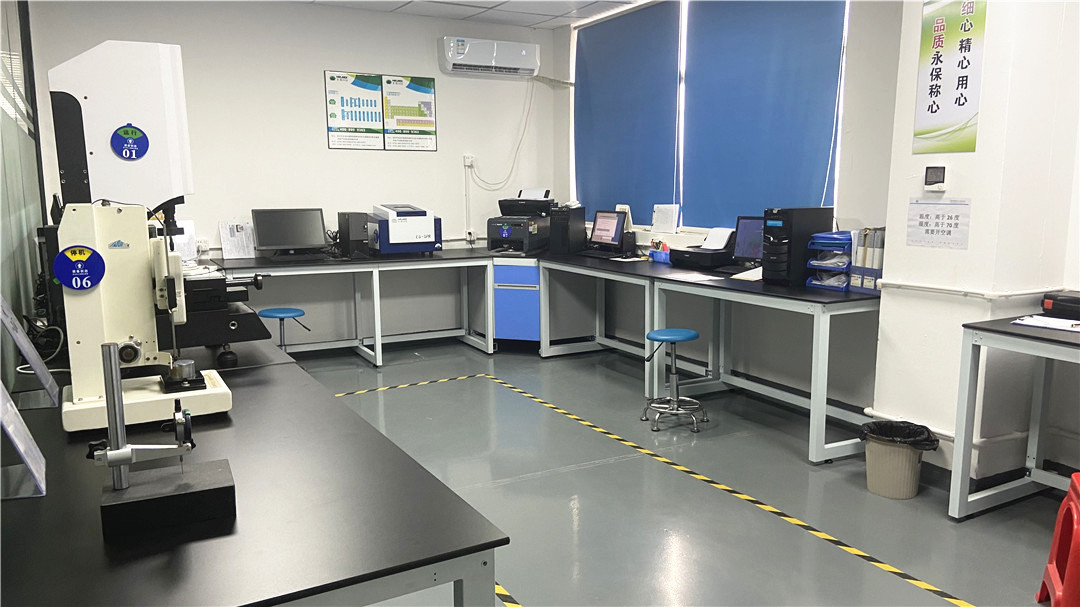
We use automated optical inspection (AOI) to check physical dimensions, X-ray fluorescence (XRF) to verify plating thickness, and dedicated electrical testing units to measure spring force and contact resistance. These steps ensure every batch meets target conductivity and mechanical performance standards.
8. What is the typical lead time for custom OEM or ODM pogo pins?
Custom tooling design and prototype sampling typically take 7 to 10 days. Once the design is approved, mass production can be completed in 2 to 3 weeks, depending on the volume. Our Shenzhen location allows us to coordinate logistics and deliver orders quickly.
9. Are RQB pogo pins RoHS and REACH compliant?
Yes. All RQB spring-loaded connectors and materials comply with RoHS 2.0 and REACH regulations. We use lead-free copper alloys and environmentally friendly electroplating processes to meet global import and regulatory standards.
10. Can RQB supply complete custom magnetic cable assemblies?
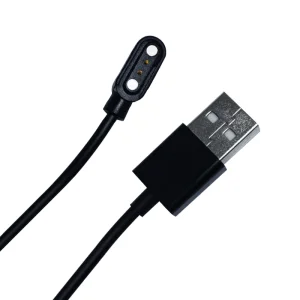
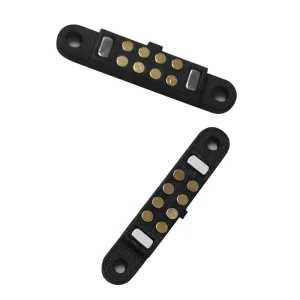
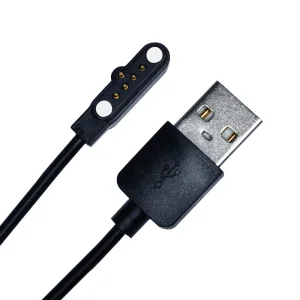
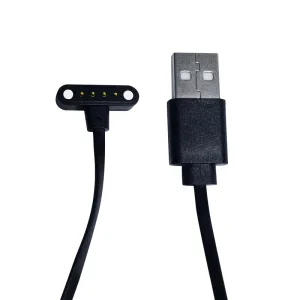
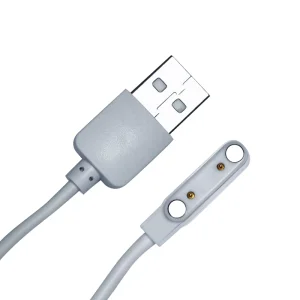
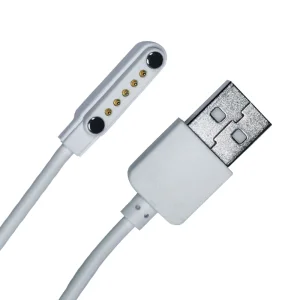
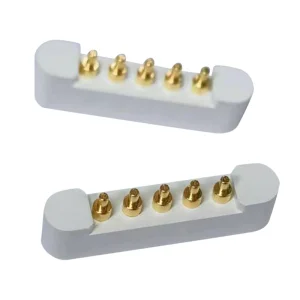
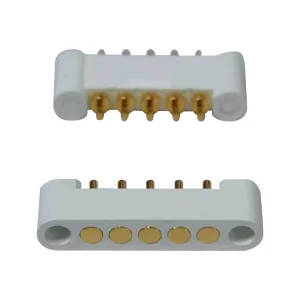
Yes. We design and manufacture integrated magnetic connector systems, including custom cable assemblies. We combine pogo pin design, neodymium magnet alignment, and plastic overmolding to provide ready-to-use plug-and-play charging interfaces.