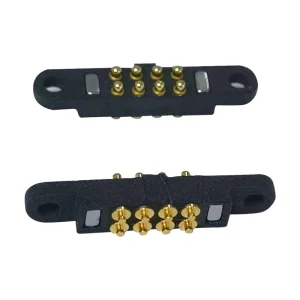
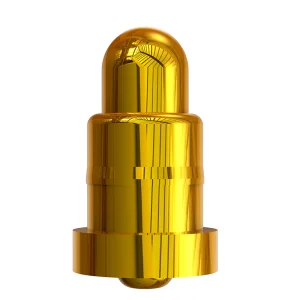
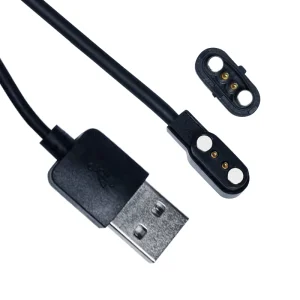
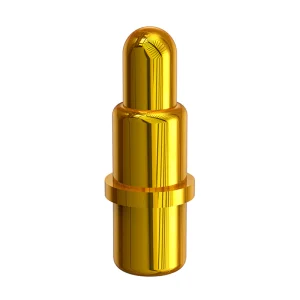
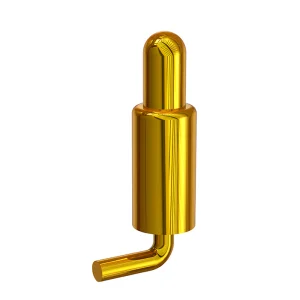
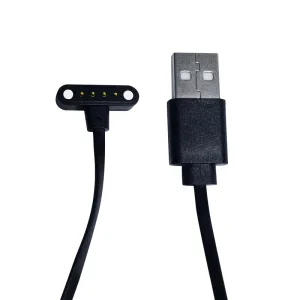
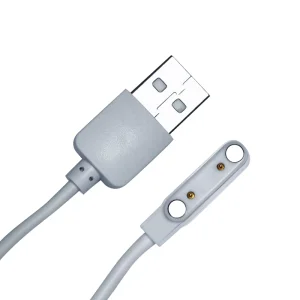
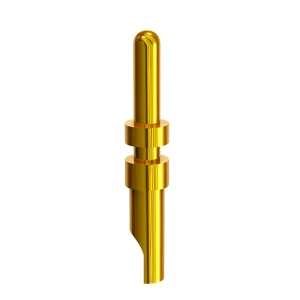
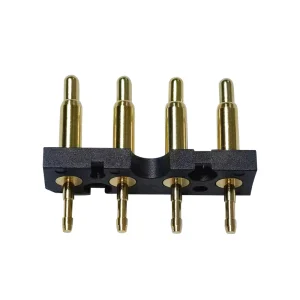
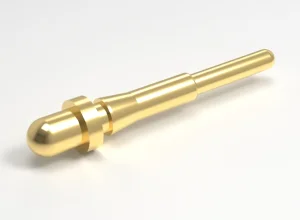
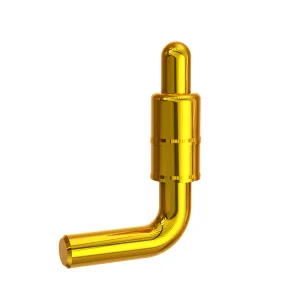
Explore our primary array of high-grade spring-loaded pins, charging cables, and customized connectors manufactured directly from our ISO9001:2015 facility in Shenzhen.
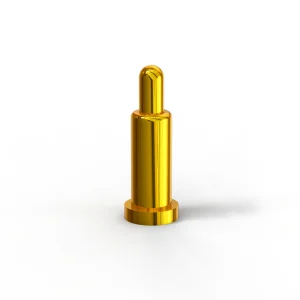
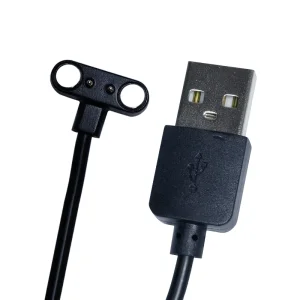
Founded in February 2011 on Songgang Street in Shenzhen, the leading technology hub of the Guangdong-Hong Kong-Macao Greater Bay Area, our company specializes in the development, manufacturing, and global supply of premium-grade POGO PIN connectors (spring thimbles). Through continuous technical iteration, we have secured our position as an industry leader.
Our core operational ethos is driven by "customer first, integrity first." Armed with a robust quality and environmental management structure, we have attained the internationally recognized ISO9001:2015 quality certification, ensuring all products comply with rigorous mechanical, electrical, and environmental specifications.
We are trusted by prominent OEMs, electronics brands, and defense contractors across the globe. Our customer footprint includes industry leaders such as:
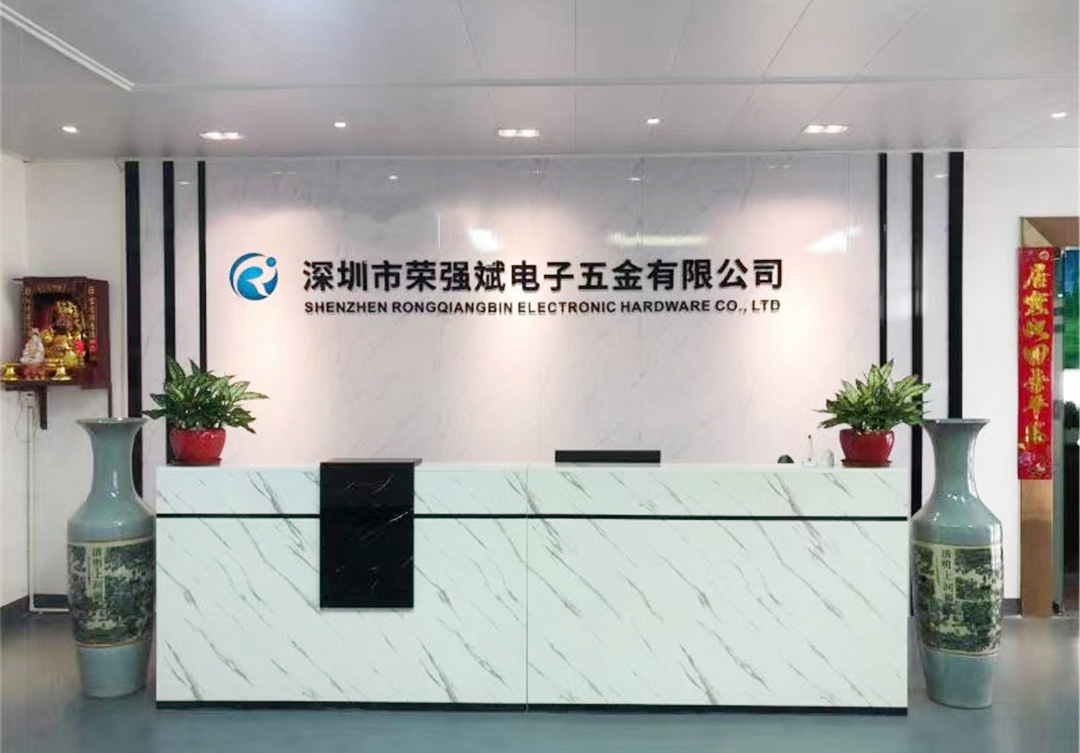

"Committed to being an excellent POGO PIN manufacturer for both outstanding quality and optimized cost structures domestically and abroad, while continually steering the development of advanced connector technologies."
Test probe pins are critical to semiconductor testing, circuit board diagnostics, and temporary component interfaces. To the uninitiated, they are simply spring-loaded contacts. To design engineers, they are complex electromechanical assemblies where material choices, plating depths, and mechanical characteristics dictate the reliability of millions of operations.
Standard probe plungers utilize Beryllium Copper (BeCu) or High-Leaded Brass, heat-treated to ensure elasticity and hardness. Beryllium Copper boasts high wear resistance and low bulk resistivity, making it the material of choice for high-frequency testing environments.
Proper electroplating prevents premature wear and electrochemical corrosion. Our factory applies a base plating of Nickel (Ni) (typically 50-120 microinches) topped with a layer of Hard Gold (Au) (ranging from 3 to 30 microinches depending on cycle limits) to maintain optimal contact resistance below 30mΩ.
Spring force is carefully calculated in grams force (gf). Wearable devices require soft, non-marking contact forces (approx. 30g-60g), while high-vibration applications or thick oxidation layer penetration might necessitate probe pins with 100g to 250g spring forces.
Many international buyers searching for "cheap" test probe pins often worry about a trade-off in quality. However, at our Shenzhen facility, cost optimization does not come at the expense of performance metrics. We achieve competitive pricing through structural and regional supply chain efficiencies:
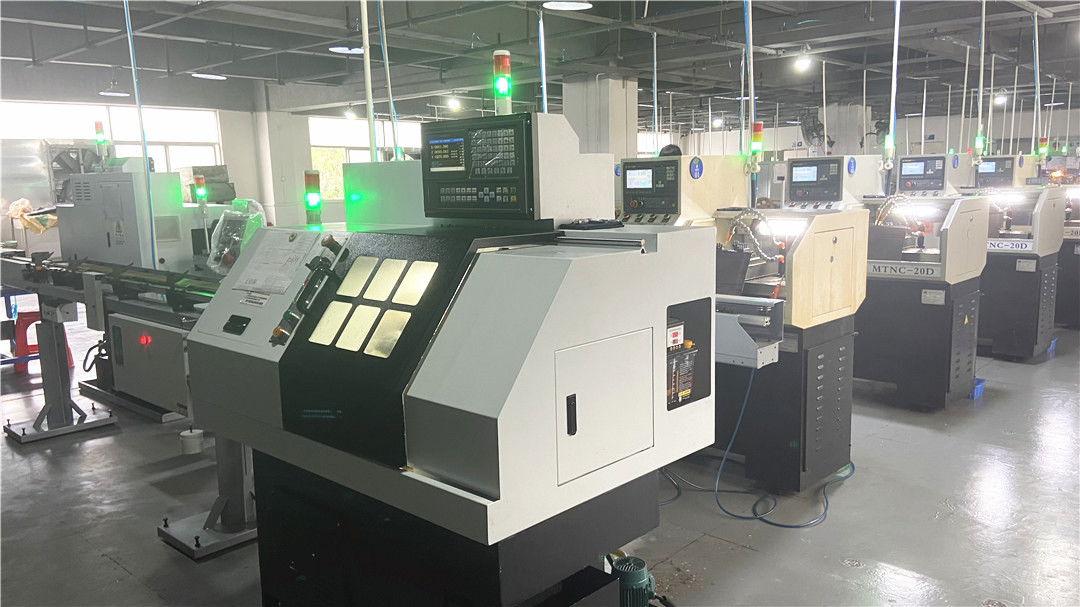
High-Speed Precision Lathe
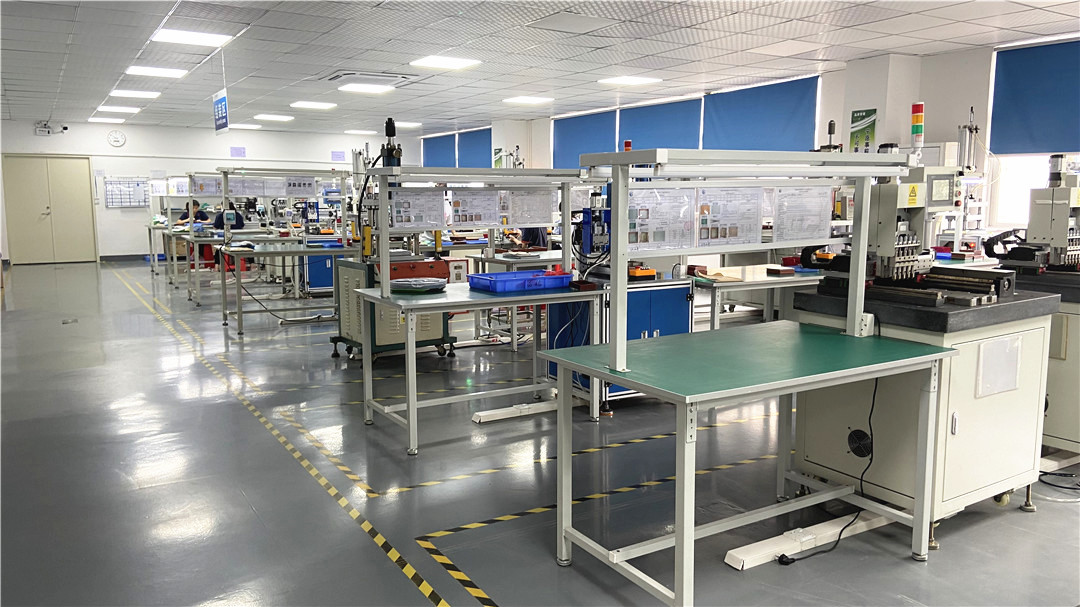
Automatic Assembly Workshop
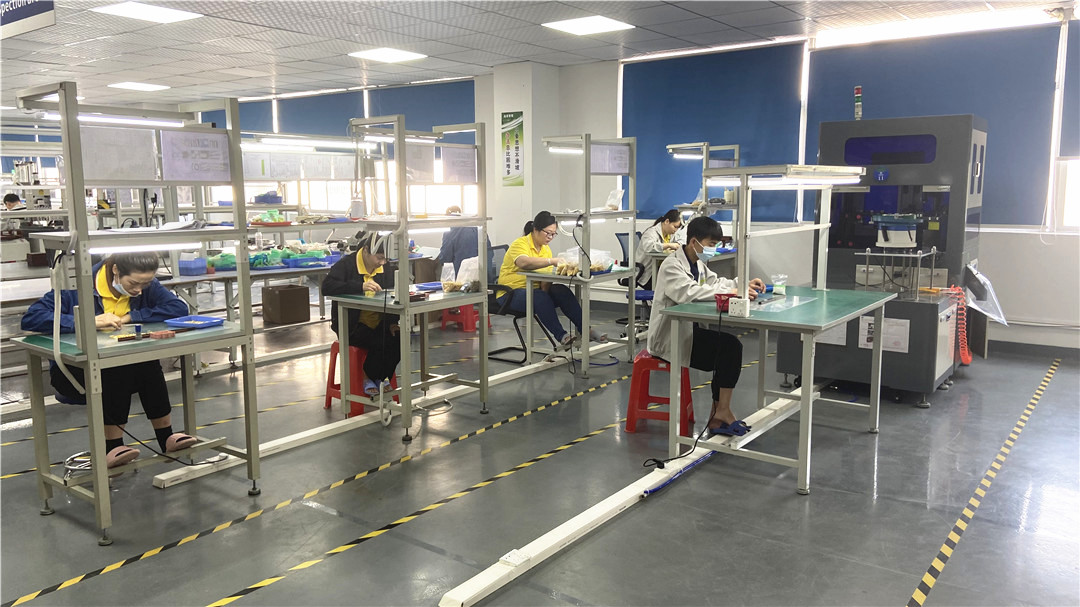
Rigorous QA Inspection
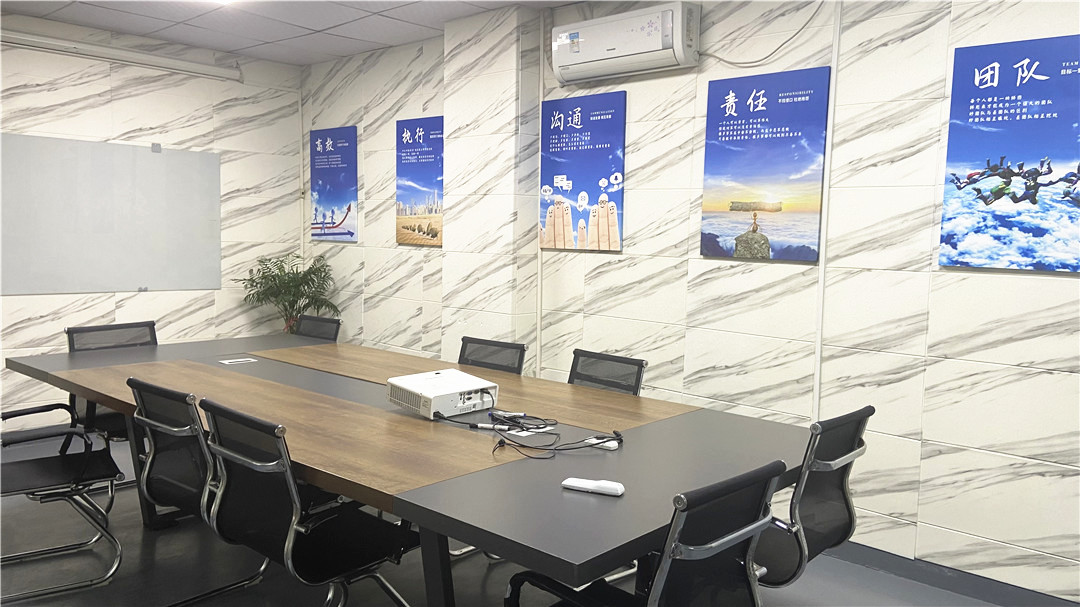
Corporate Operations
Transparent processes and rigorous testing systems underpin our commitment to E-E-A-T principles. Here is an inside look at our facilities.
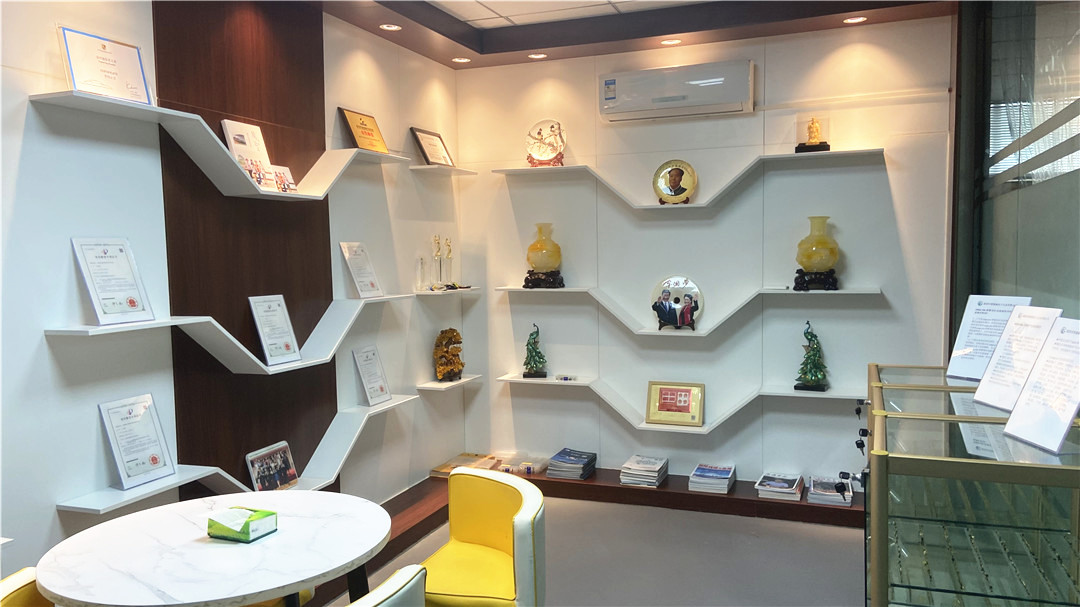
Product Showroom
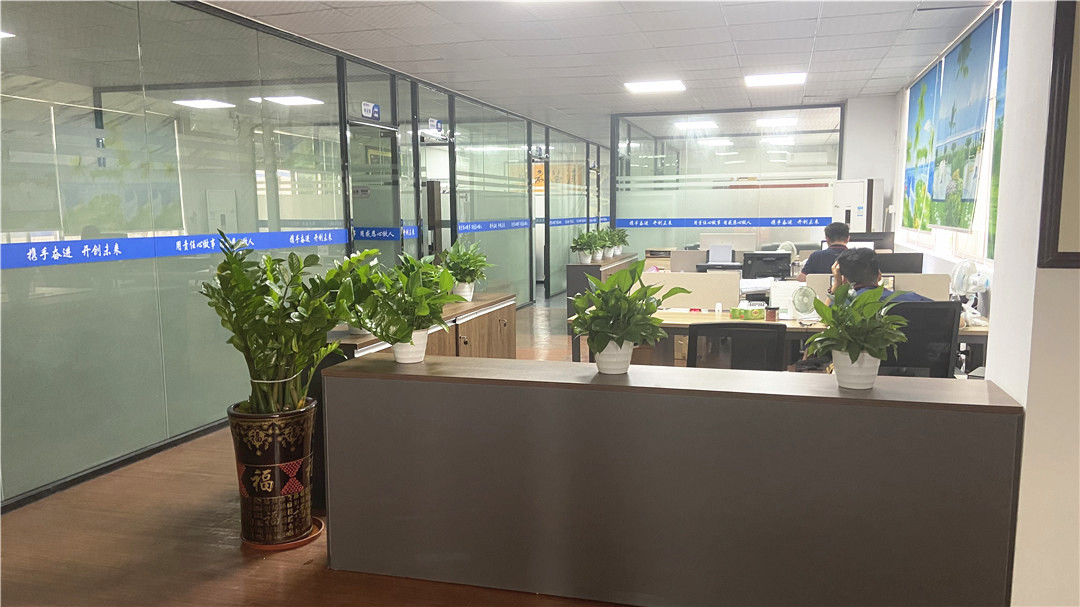
Engineering Office
Corporate Strategy Room
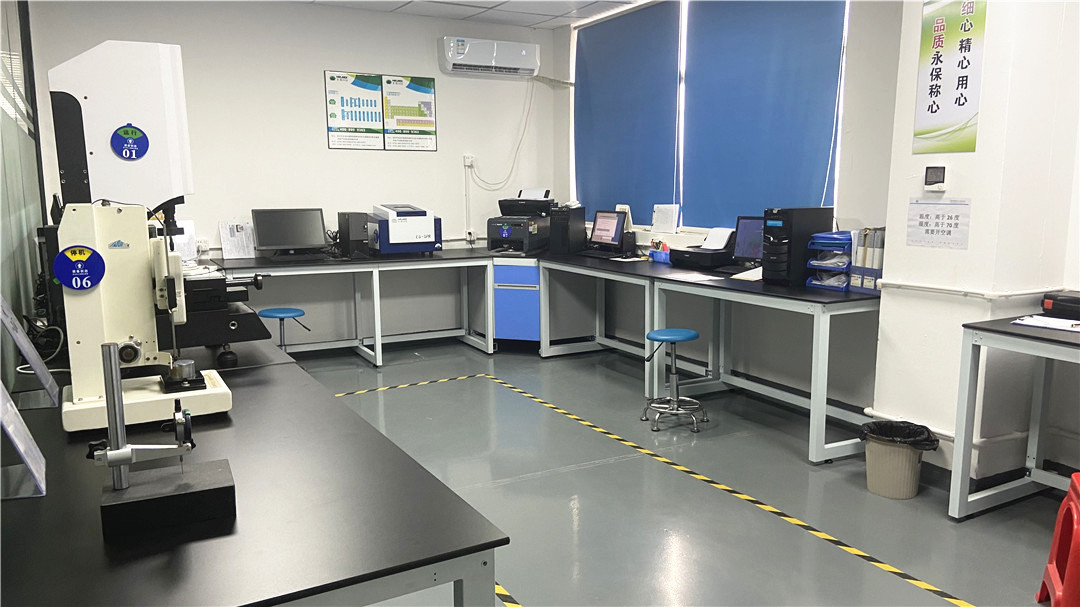
Testing Laboratory (LAB)
Exporting custom electronics hardware from China to North America, the European Union, and broader Asian markets requires strict adherence to regulatory standards. We support international procurement teams with a range of specialized services:
All pogo pin components and custom cables undergo rigorous certification audits. We supply full documentation to guarantee compliance with RoHS 2.0, REACH, and Halogen-Free (HF) mandates, ensuring safe passage through customs and seamless integration into consumer electronics.
For custom pin lengths, pitches, and magnetic configurations, our design engineers generate detailed 3D CAD files (STEP, IGES) within 48 hours. Prototype samples can be prepared for functional testing in under 10 business days.
We work closely with major logistics providers to offering flexible shipping options, including FCA, FOB, CIF, and DDP terms, along with consolidated customs clearance services to simplify international logistics.
Spring-loaded connectors and probe pins are vital components in a wide range of modern technological industries. Our products are widely used in:
As consumer electronics shrink and vehicle electrification scales up, test probe pin manufacturers are investing heavily in new production technologies to keep pace with changing market demands:
Engineers are moving below 0.4mm pitches. Machining micro-plungers with high dimensional consistency requires specialized Swiss nano-lathes and microscopic inspection systems.
Driven by fast-charging mobile devices and electric vehicles, modern pogo pins are designed to support continuous currents of 10A to 40A by optimizing internal contact design.
Answers to common design and procurement questions regarding spring-loaded contacts and test probe pins.
Standard pogo pins route current through the internal spring, which has high electrical resistance. For applications above 2A, we use a biased plunger design (where the end of the plunger is cut at an angle) or insert a conductive ball inside. This forces direct contact between the plunger and the barrel wall, lowering contact resistance and preventing the spring from overheating.
Human sweat contains salts and acids that can corrode brass substrates, leading to contact failure. To prevent this, we offer custom plating finishes like Nickel-Free Gold, Palladium-Nickel (Pd-Ni), and Rhodium. These alloys resist galvanic corrosion and withstand salt spray testing for up to 96 hours.
SMT/SMD pins are designed with a flat base for automated pick-and-place assembly on PCBs. DIP (through-hole) features a tail that passes through the board for high-strength wave soldering. Wire solder pins feature cup-shaped tails, allowing manual wire assembly for remote installations.
Contact resistance fluctuations are typically caused by particle contamination, oxidation, or insufficient contact force. Using a gold-plated interface, maintaining a stable spring pre-load, and designing a pointed tip that cuts through surface oxide layers can help keep dynamic resistance stable, even under mechanical vibration.
We run life cycle tests using automated mechanical testing equipment. By selecting premium Japanese spring wire (SUS304 or Music Wire), polishing the internal barrel walls, and maintaining tight control over plating thickness, we produce pogo pins rated for 50,000 to 1,000,000 compressions.
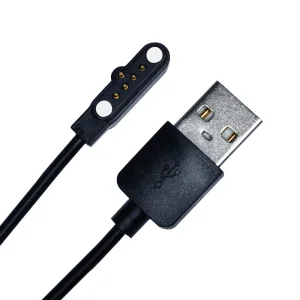
Choose from our specialized selection of custom cables, waterproof pogo pins, and high-speed multi-pin connectors.
 Rongqiangbin