Custom Spring-Loaded Contacts & Pogo Pin Connectors

A Comprehensive Engineering & Strategic Sourcing Guide for Industrial, Medical, and High-Reliability Electronics Manufacturers

Precision Engineered Pogo Pin Interfaces

Explore our specialized, high-durability contact mechanisms custom designed for severe environments, charging applications, and board-to-board interconnects.
What Is A Pogo Pin? The Core Engineering Foundations

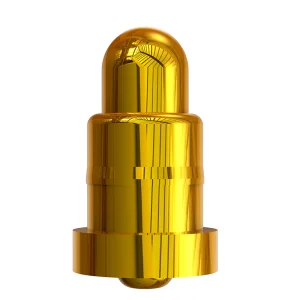
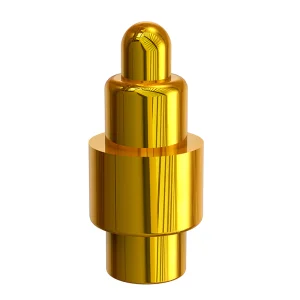
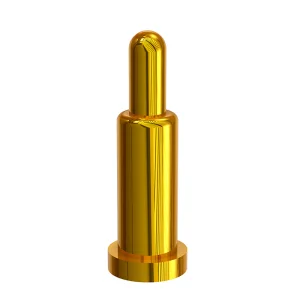
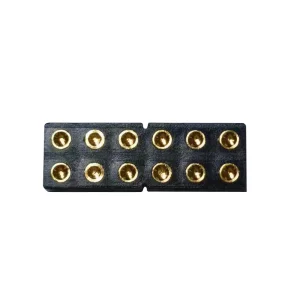
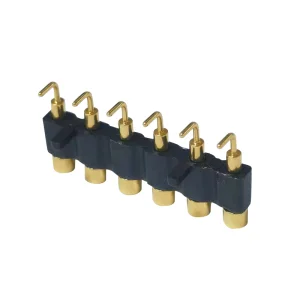
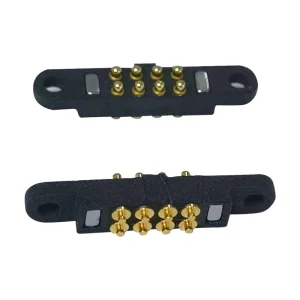
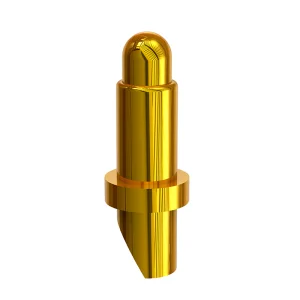
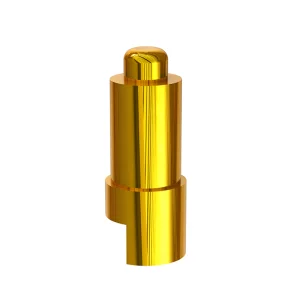
A pogo pin (also designated as a spring-loaded contact) is a precision-machined electrical connector interface designed to maintain constant conductivity under continuous shock, vibration, and thermal fluctuations. By integrating a helical coil spring into a cylindrical housing barrel, the pogo pin provides a compliant contact system that compensates for mechanical tolerances, non-coplanar surfaces, and variable mating heights.

Unlike traditional leaf-spring or stamped-metal contacts, pogo pins feature a highly durable construction consisting of three primary component elements:

  • The Plunger: The mobile contact point that mates with the target pad. Usually crafted from copper alloys (brass or beryllium copper) and plated with noble metals (gold over nickel) to prevent corrosion and minimize contact resistance.
  • The Internal Spring: The helical compression component that delivers the required normal force. Typically wound from stainless steel or music wire to sustain spring constants across millions of mating cycles.
  • The External Barrel: The outer protective sleeve that guides the plunger and serves as the primary mechanical and electrical anchor points on circuit boards (PCBs).

“The fundamental value of a spring-loaded contact lies in its compliance. Standard connectors require precise mechanical alignment. Pogo pins solve this tolerance stack-up by absorbing axial misalignment, ensuring zero-gap connections even in high-vibration consumer and industrial environments.”

Macro-Industry Solutions & Global Industrial Applications

As microelectronics scale downward in size and upward in operational frequency, connection interfaces face severe structural constraints. Pogo pin technology has evolved from standard PCB test probes into crucial interconnect solutions across multiple high-growth global industries:

Smart Wearables & Medical Tech

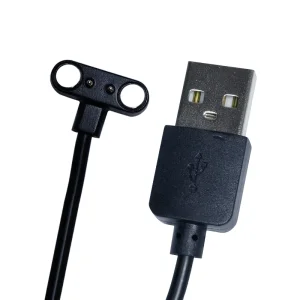
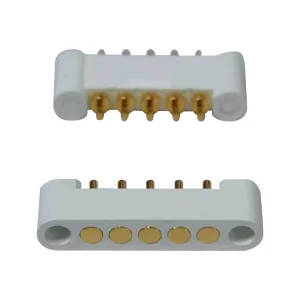
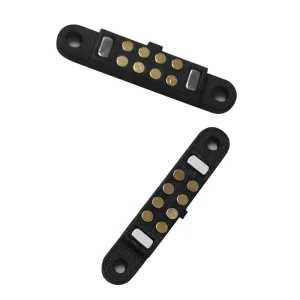
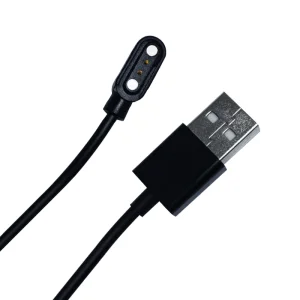
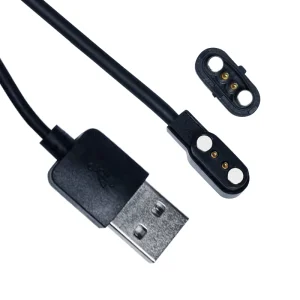
Sealed, low-profile magnetic pogo pin interfaces provide waterproof charging and sensor data transfer for smartwatches, fitness trackers, and skin-adherent medical diagnostic patches.

Automotive & ADAS Systems

Autonomous vehicle control units, lidars, and camera modules utilize heavy-duty spring-loaded pins to absorb road vibrations while transmitting high-speed high-definition feeds.

Military & Aerospace Comm

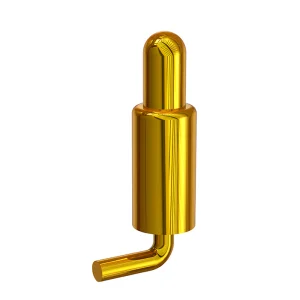
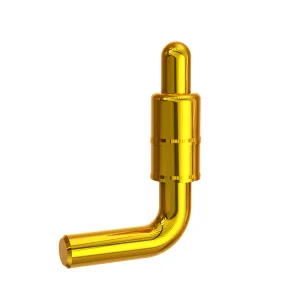
For modular military radios, drone bays, and orbital subsystems, custom-bending pogo pins secure field connections under massive temperature changes and mechanical shocks.

Sourcing Optimization: Balancing "Cheap" with Uncompromised E-E-A-T

For volume manufacturing, sourcing "cheap" components must not imply compromised materials or poor tolerances. In the connector landscape, cost-effectiveness is driven by production scale, manufacturing automation, and vertical integration. High-reliability pogo pins require tolerances measured in micrometers (±0.01mm) to prevent internal electrical resistance spikes and mechanical binding.

A strategic partner optimizes costs through:

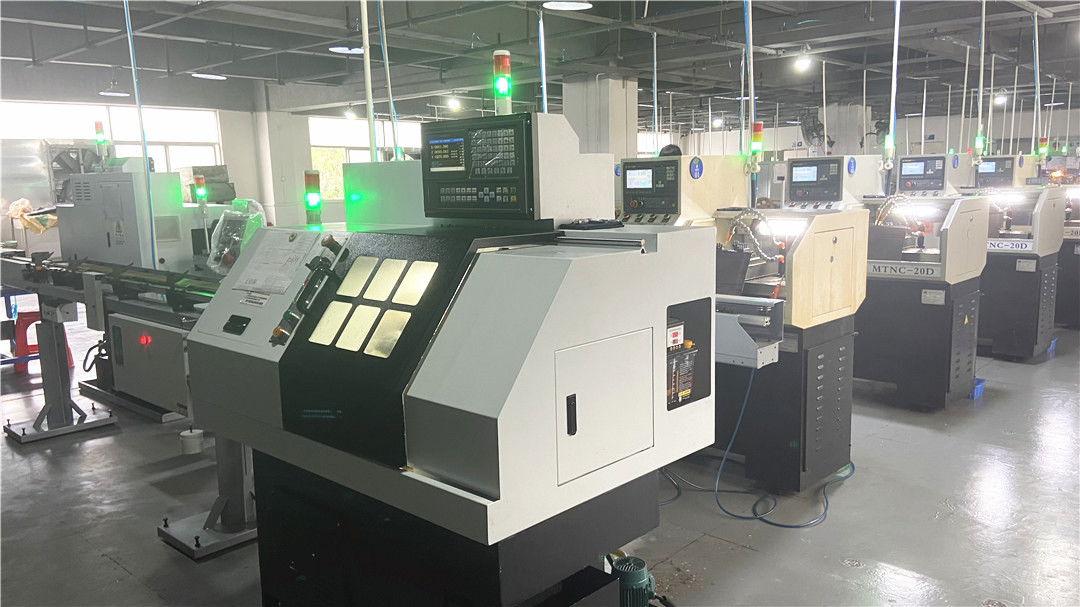
  • High-Speed Swiss Lathes: Automating the precision turning of plungers and barrels to reduce tool wear and per-piece processing time.
  • In-house Plating Control: Managing gold and nickel electroplating thickness precisely to balance target insertion loss with raw metal cost savings.
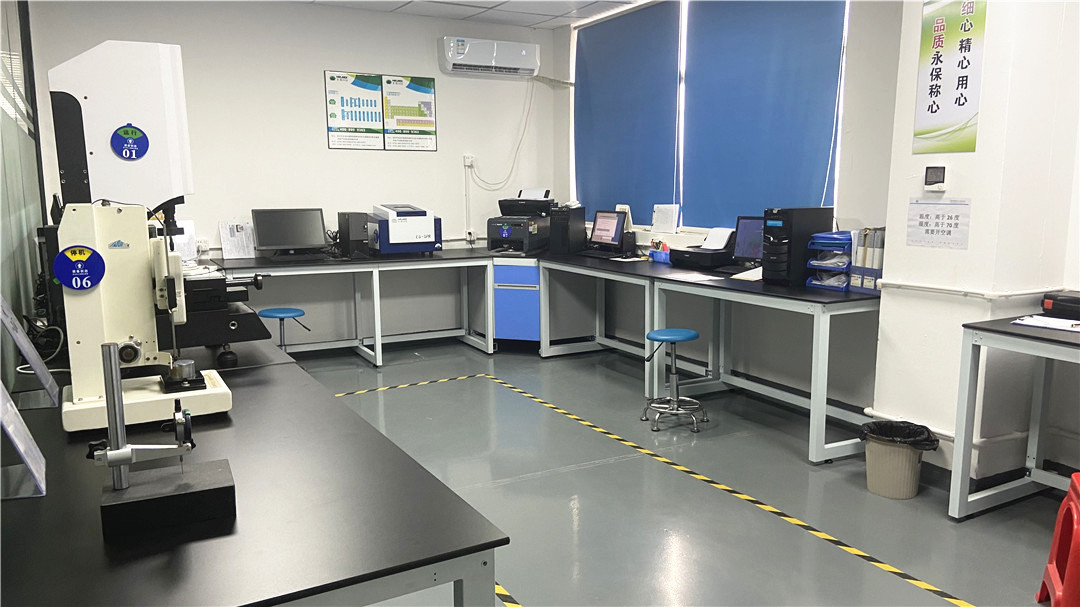
  • Automated Vision Inspection: Eliminating manual inspection errors, maintaining a low PPM (Parts Per Million) defect rate, and reducing scrap overheads.

100k+
Mating Cycles Lifespan
<20mΩ
Contact Resistance
0.01mm
Machining Tolerance
100%
Quality Inspected

Shenzhen Rongqiangbin Electronic Hardware Co., Ltd.

A deep dive into our advanced manufacturing hub, delivering high-performance, cost-effective spring-loaded contacts globally.

Pioneering Pogo Pin Technology Since 2011

Founded in February 2011, located in Songgang Street, Shenzhen—the core industrial belt of the Guangdong-Hong Kong-Macao Greater Bay Area—Shenzhen Rongqiangbin Electronic Hardware Co., Ltd. (RQB) has grown from a specialized tooling shop into an integrated research, design, production, and sales leader of pogo pin connector systems.

Over more than a decade of focused technical accumulation, we have established robust Quality and Environmental Management Systems. Registered under the international ISO9001:2015 quality framework, RQB maintains a zero-defect production methodology. We work directly with leading global brands to engineered custom-mating interfaces for harsh, high-current, and ultra-miniaturized electronic deployments.
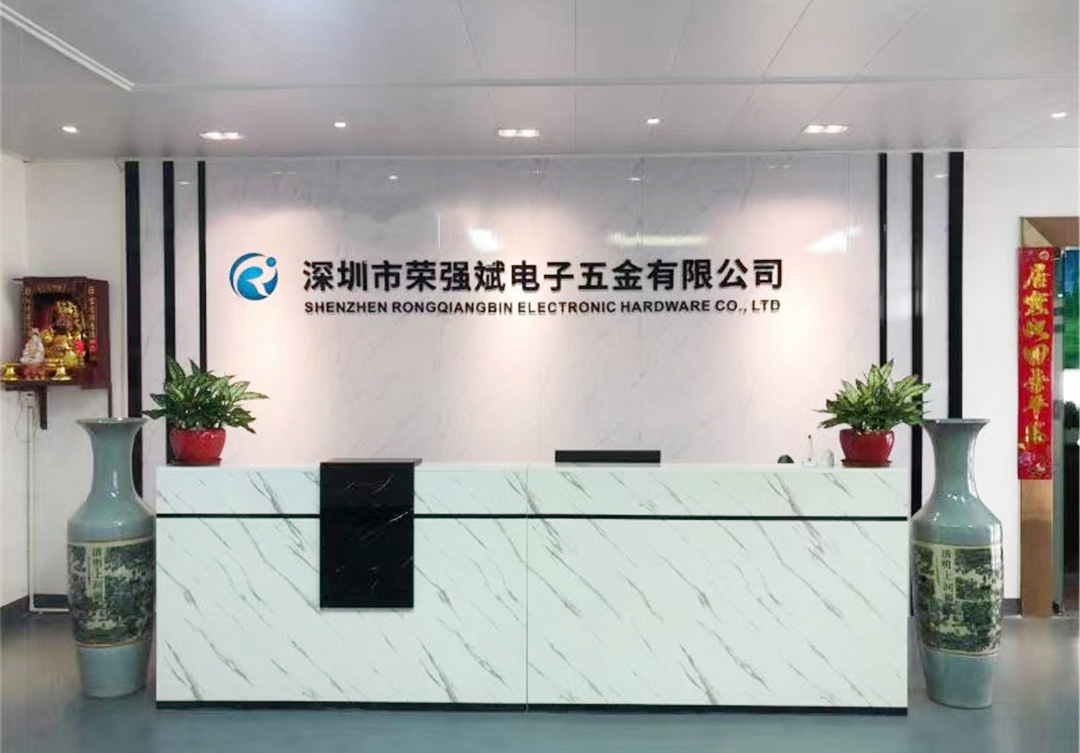

Our Vision: Committed to being excellent POGO PIN manufacturers for both quality and cost at home and abroad, and leading connector technology development.
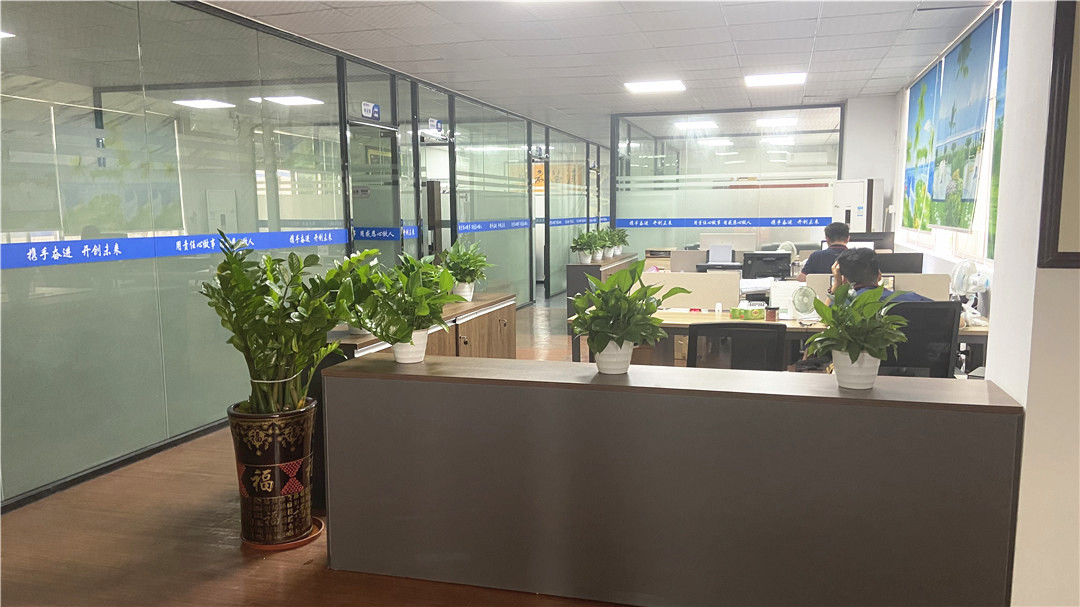
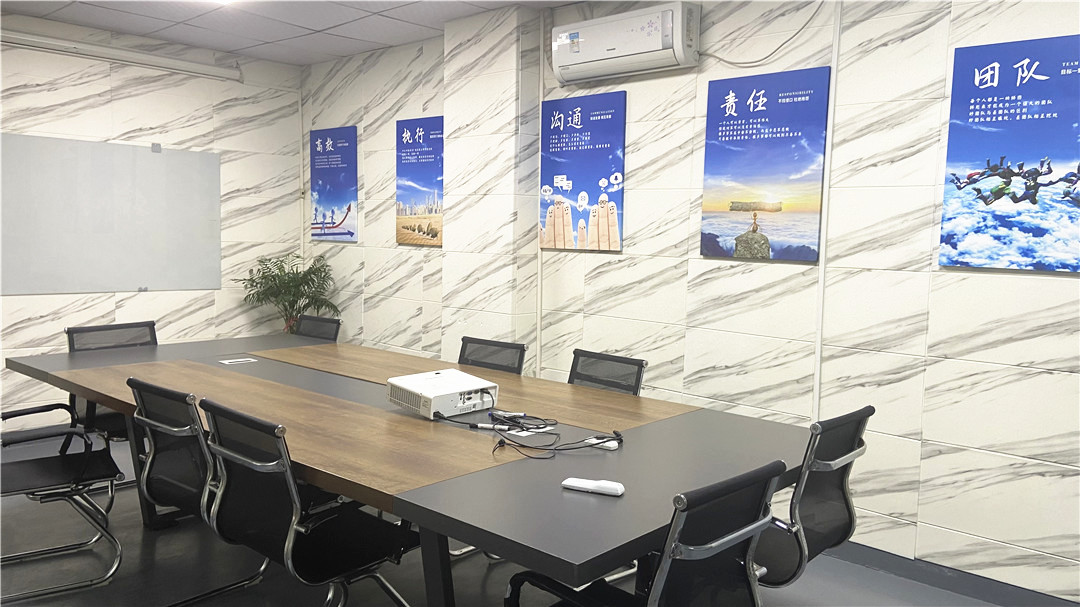
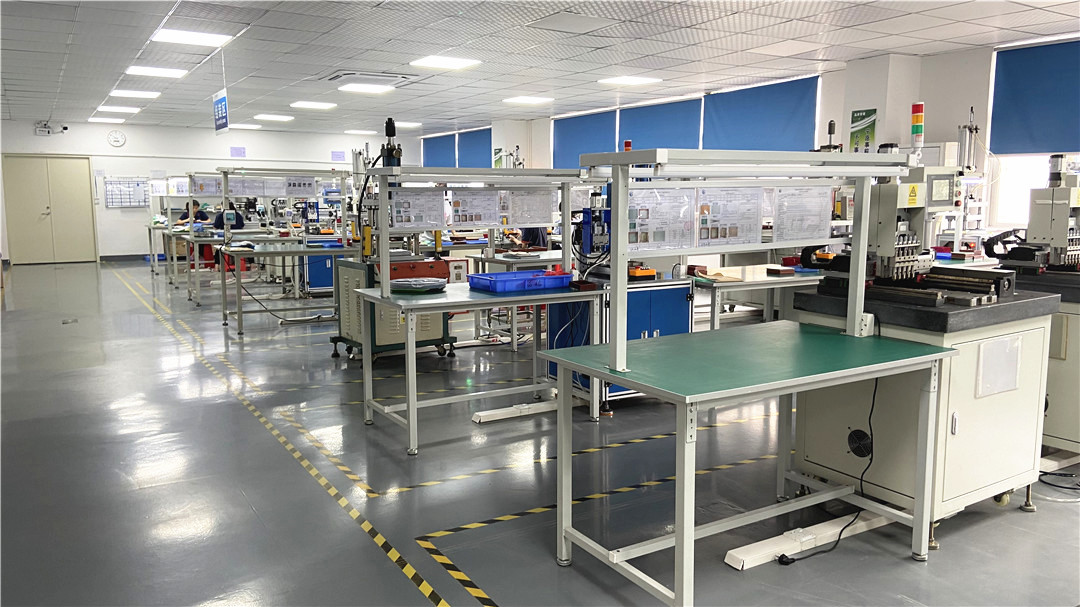
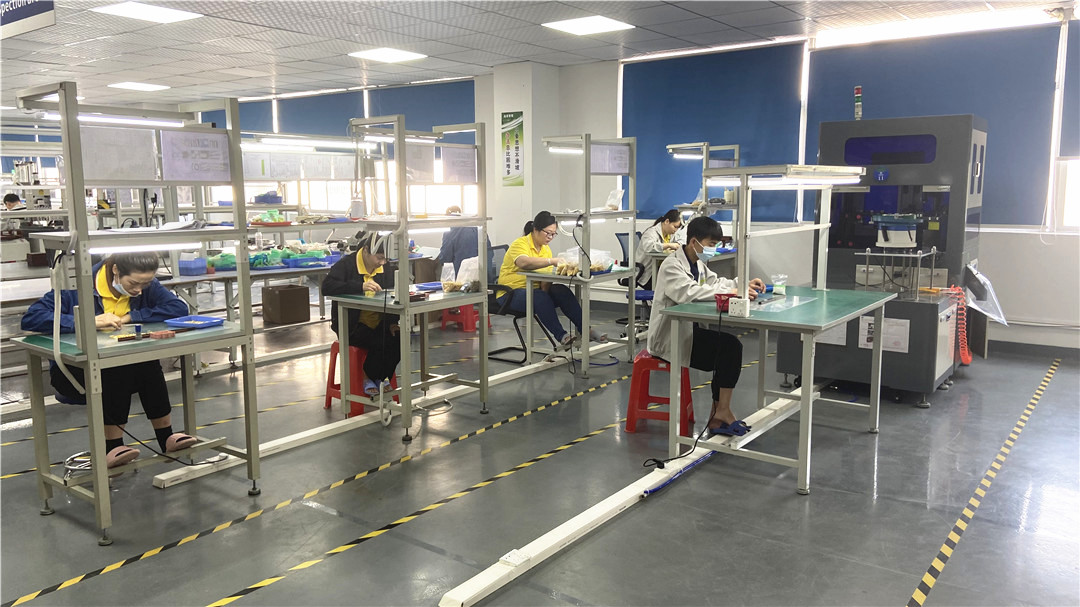
Rongqiangbin Manufacturing Facility

Our Production Infrastructure & Technical Spaces

Global Strategic Partnerships & Supply Chain Trust

True quality is verified by the caliber of global supply chains. At Shenzhen Rongqiangbin, our customer-centric ethos and stringent compliance frameworks have allowed us to serve as a designated strategic supplier for some of the world's most demanding enterprises. Our components are successfully integrated into systems manufactured by:

Honeywell
Samsung
SIEMENS AG
ZTE
360
QCY
HAYLOU
Shanghai Laimu
Luxshare Group
Aoni Electronics
Amphenol Group

Future Technology Roadmap: Next-Generation Pogo Pins

The trajectory of high-frequency communications, high-voltage vehicle charging, and sub-millimeter medical diagnostics requires the continuous evolution of pogo pin architecture. RQB's R&D engineering divisions are actively designing, validating, and ramping production on three core fronts:

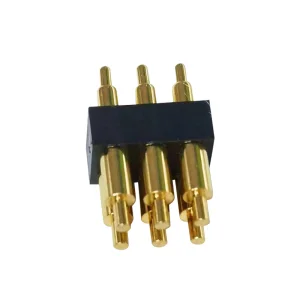
  • High-Speed Signal Transmission (RF/5G/6G): Integrating internal dielectric spacers and custom pin arrangements to enable impedance-matched pogo pins that support frequencies beyond 10 GHz with minimal return loss.
  • Ultra-High Current Solutions (Up to 30A): Transitioning from standard single-point contact designs to multi-contact point architectures (such as ball-biased structures), allowing safe, rapid charging in electric vehicles, automated guided vehicles (AGVs), and smart home appliances without localized thermal buildup.
  • Advanced Surface Engineering (Biocompatibility): Formulating custom plating alternatives (e.g., Platinum-Iridium, Ruthenium, and Titanium layers) to satisfy regulatory requirements in skin-contact consumer electronics and invasive medical diagnostics while avoiding nickel allergies.

Technical FAQ & Design Guidance

Direct answers from our engineering team regarding implementation, custom development, and manufacturing thresholds.

Q1: What materials are standard for high-durability pogo pins?
Plungers and barrels are usually turned from lead-free brass (C3604) or beryllium copper (C17300) to ensure high conductivity and structural strength. Springs are typically wound from SUS304 stainless steel or music wire (SWP). Standard platings include nickel underplating (1–3 μm) followed by gold plating (0.1–1.0 μm) to minimize oxidation and maintain low electrical resistance.
Q2: How do you achieve waterproof ratings (e.g., IP67/IP68) with pogo pin assemblies?
To achieve waterproof integration, we overmold the pogo pin array directly with high-performance plastics (like LCP or PA9T) or apply custom elastomeric silicone O-rings or epoxy potting sealants. This stops liquid ingress around the pins and through the housing into the device interior.
Q3: Why is a "biased" design necessary for reliable pogo pin performance?
In standard designs, the plunger can lose contact with the barrel during movement, forcing the current to pass through the high-resistance spring, which can lead to signal noise or melting. A biased design (like a ball-biased or slant-cut plunger base) forces the plunger into continuous contact with the inner barrel wall, ensuring a stable, low-resistance path.
Q4: What is the typical lead time for custom pogo pin configurations?
Standard design evaluations and mechanical drawings take 24–48 hours. Rapid prototyping tooling and custom pin samples are usually shipped within 7 to 10 days. Mass production begins shortly after design approval, typically scaling up in 2 to 3 weeks depending on the order size.
Q5: Can pogo pins support high-speed USB 3.1 or HDMI data transmission?
Yes. By managing pin pitch, internal dielectric properties, and grounding schemes, we can design custom impedance-matched high-frequency pins. These assemblies support high-speed data transmission protocols, including USB 3.1 (up to 10 Gbps) and RF signals up to 12 GHz.