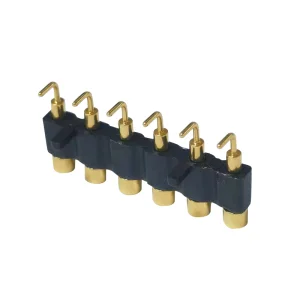
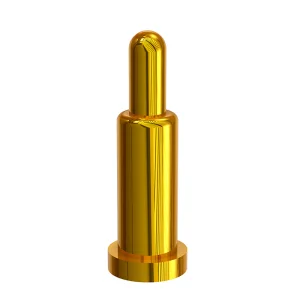
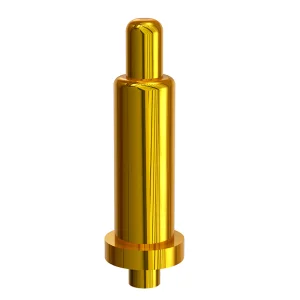
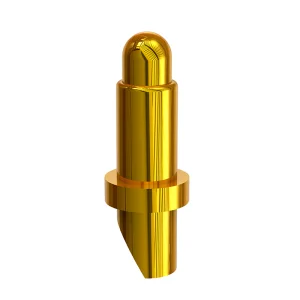
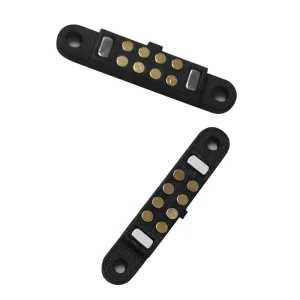
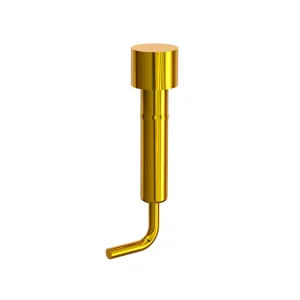
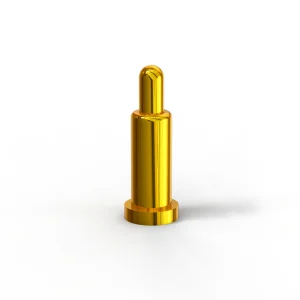
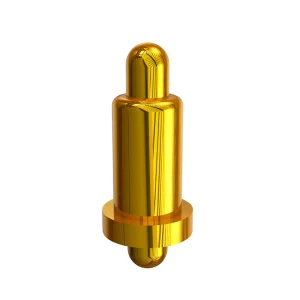
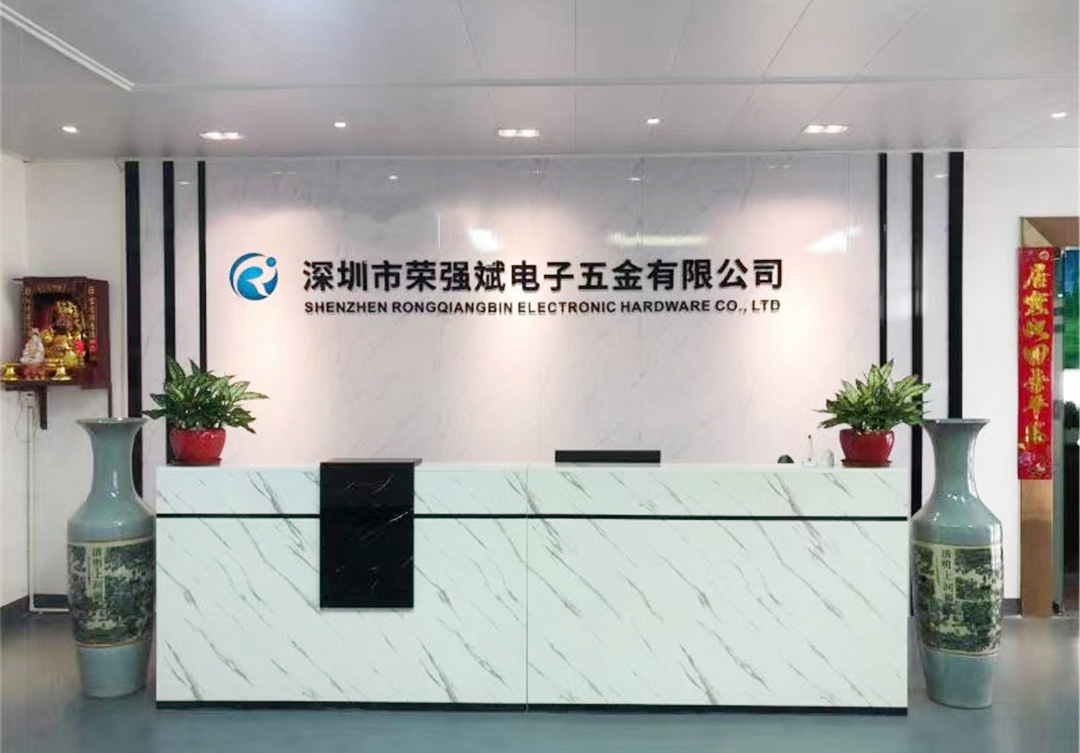
Modern electrical testing demands solutions that can sustain heavy electrical loads without experiencing signal integrity degradation or thermal runaways. As a prominent Custom High Current Test Suppliers & Factory, Shenzhen Rongqiangbin Electronic Hardware Co., Ltd. (established in 2011 in Songgang Street, Shenzhen) has spent over a decade refining spring-loaded contact interfaces (Pogo Pins) to support next-generation validation systems.
Traditional connectors fail under high-current thermal stress due to localized contact resistance. Our proprietary material selection, advanced mechanical geometry, and specialized internal structures (such as bias-cut plungers and ball-assisted internal contacts) dramatically reduce resistance. This optimizes electrical flow, ensuring that even under severe operating currents, temperatures remain well below thermal breakdown limits.
Global supply chain procurement directors face complex engineering hurdles in semiconductor verification, automotive electronics, and heavy-duty industrial charging interfaces. Standard off-the-shelf components cannot survive the custom pitches, extreme current profiles, and high-frequency testing requirements of today's systems.
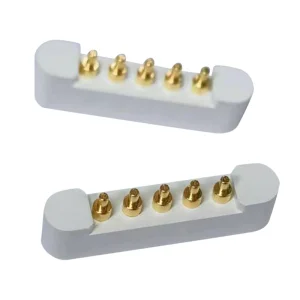
Standard Pogo Pins often do not match the geometric layouts of complex testing boards. Custom configurations of stroke length, spring force, and pitch sizes down to 0.4mm allow high-density multi-channel test interfaces to fit customized fixtures flawlessly.
Testing modern devices requires simultaneous transmission of high-current power lines and delicate RF/high-frequency signals. Custom internal shielding structures prevent cross-talk and maintain clean signal return paths during testing cycles.
Industrial validation cycles demand components that remain functional up to 1,000,000 actuations. Specialized plating options such as palladium-nickel (PdNi) or rhodium (Rh) maintain surface structure, preventing micro-wear and premature oxidation.
We align our manufacturing systems with the demands of highly regulated sectors to ensure maximum reliability, precision, and compliance across critical industries.
With the EV industry pivoting to 800V architectures and ultra-fast charging capabilities, testing battery management systems (BMS) and charger modules requires connections that handle persistent high currents. Our custom pins provide contact resistance values of less than 5mΩ to mitigate heat build-up under high loads.
For silicon validation and packaging validation (SoC, GPU, Memory), our high-current probes are designed for high-density vertical testing. They ensure stable contact force without scratching delicate contact pads or causing high-frequency impedance mismatch issues.
Operating in extreme vibration, high humidity, and shifting atmospheric conditions, military-grade testing demands high contact forces. Our spring pins use rugged brass and beryllium copper bodies, coupled with medical-grade stainless steel springs, to prevent failure under physical shock.
Shenzhen Rongqiangbin Electronic Hardware Co., Ltd. is located in Songgang Street, Shenzhen, within the highly connected Guangdong-Hong Kong-Macao Greater Bay Area. Founded in February 2011, the company has grown from a specialized workshop into a market-leading high-tech enterprise focusing on the research, development, custom manufacturing, and sales of high-performance POGO PIN (spring thimble) connectors.
Adhering to our core philosophy of "customer first, integrity first," our dedicated technical and production teams establish long-term collaborative partnerships with global industry giants. We have secured the ISO9001:2015 international quality management system certification, guaranteeing strict quality control and environmental compliance throughout the lifecycle of every product.
Our primary customer base includes world-renowned brands and global industry leaders such as Honeywell, Samsung, Siemens AG, ZTE, 360, QCY, Haylou, Shanghai Laimu, Luxshare Group, Aoni Electronics, and the Amphenol Group.
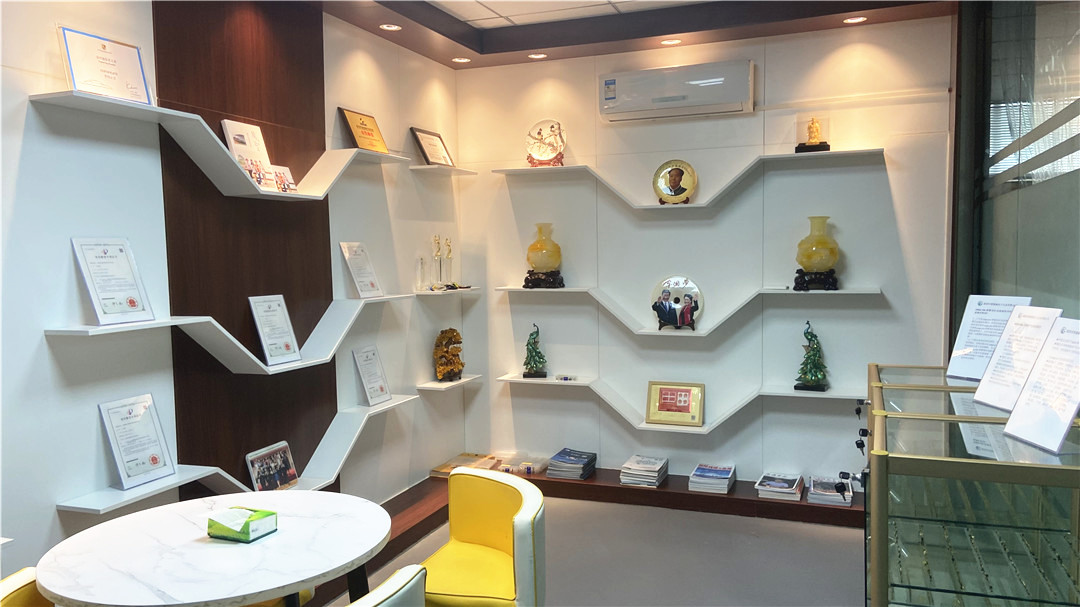
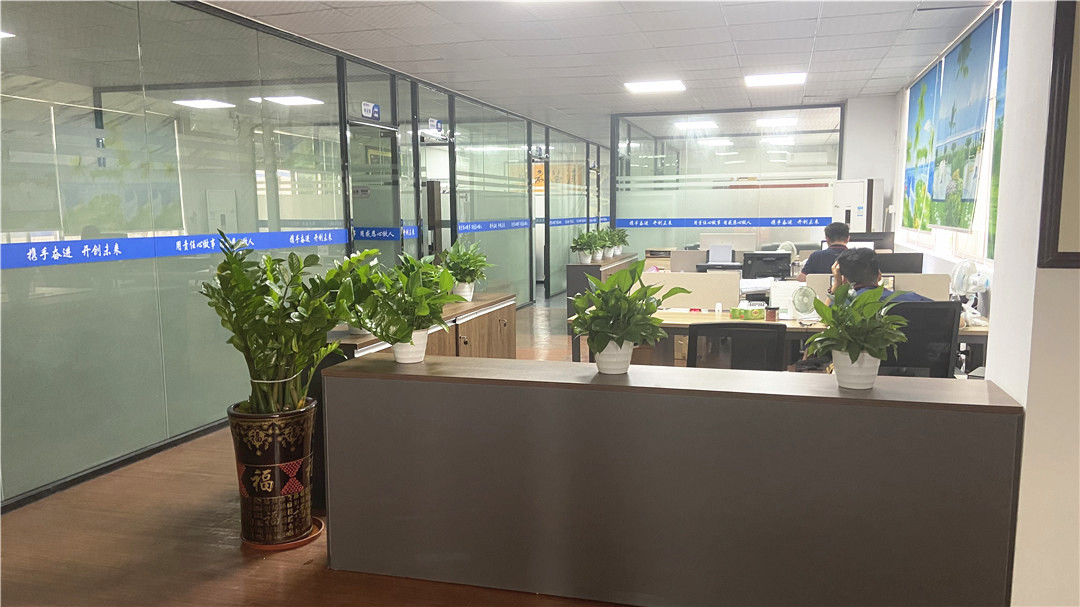
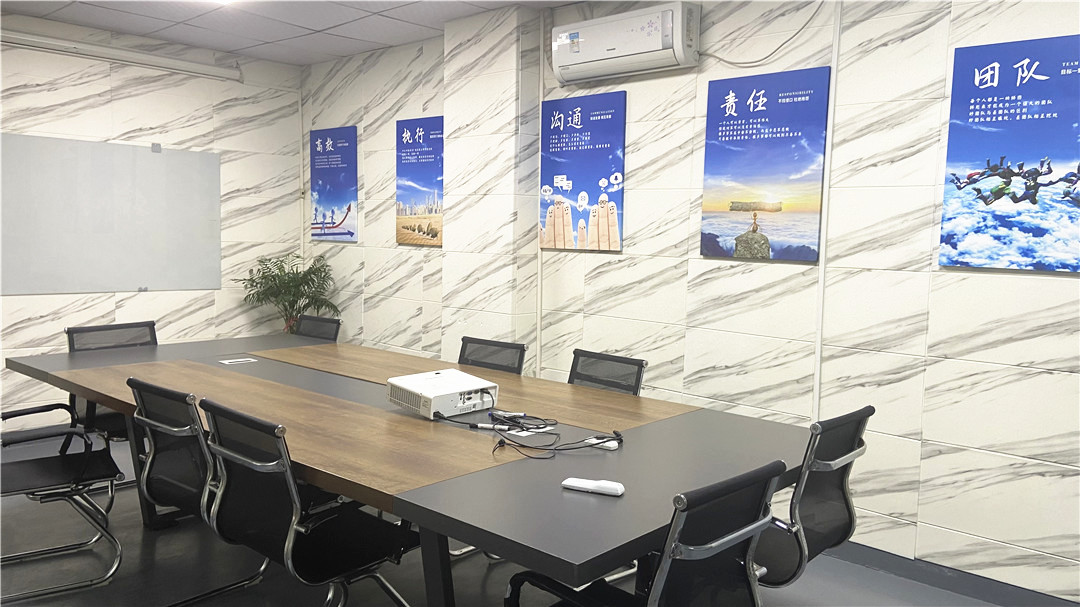
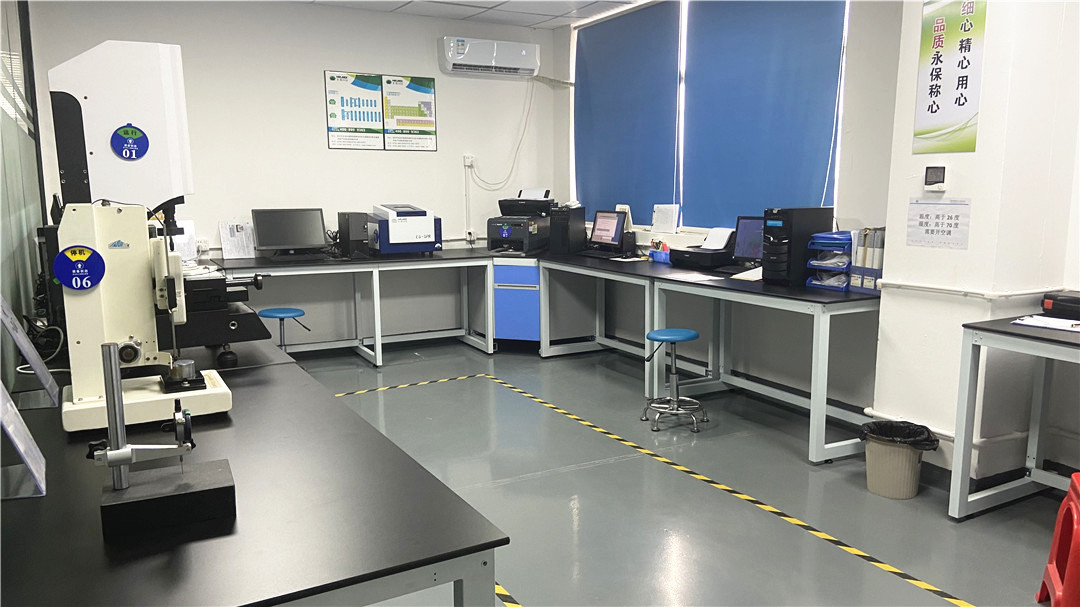
"Committed to being an excellent POGO PIN manufacturer for both quality and cost, at home and abroad, leading connector technology development." We strive to advance spring-loaded contact technologies while maintaining competitive, cost-effective industrial manufacturing processes.
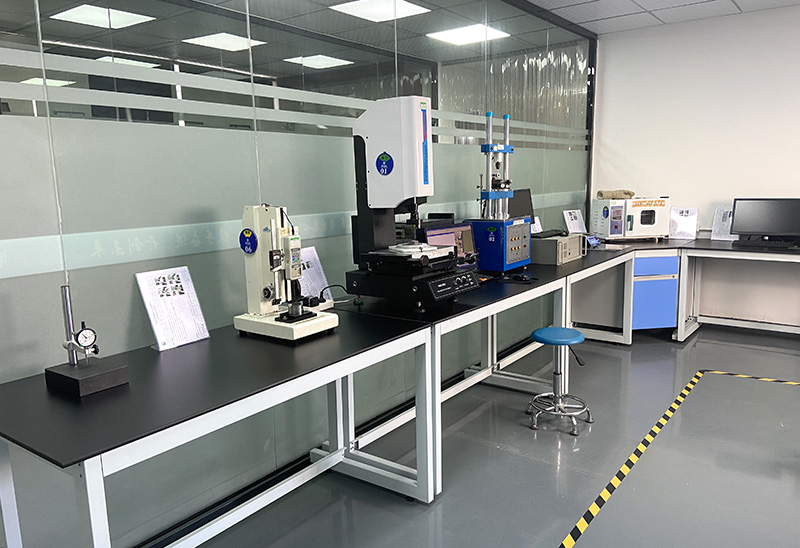

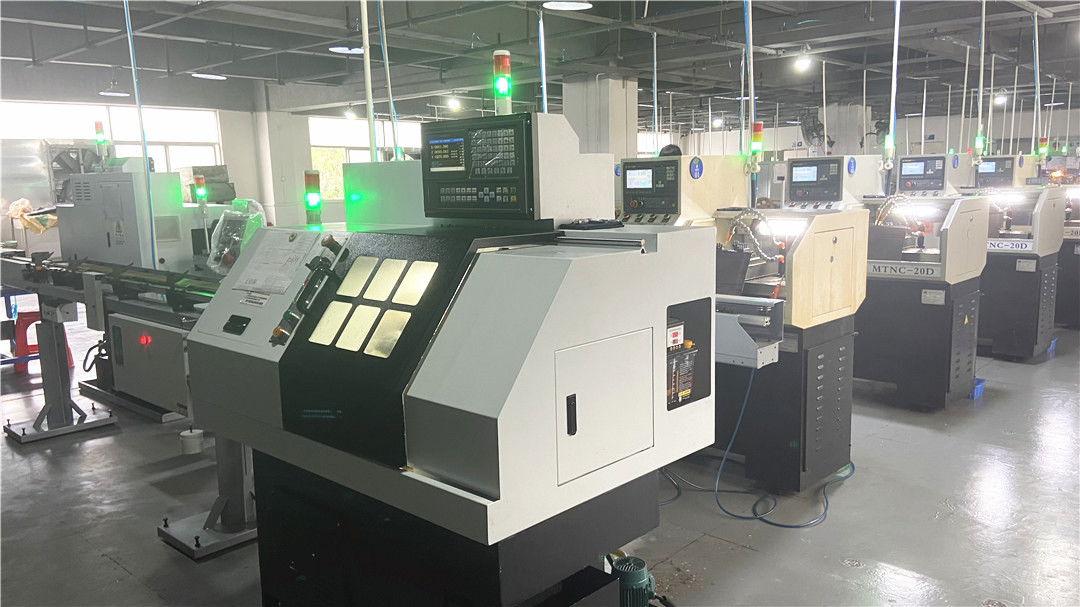
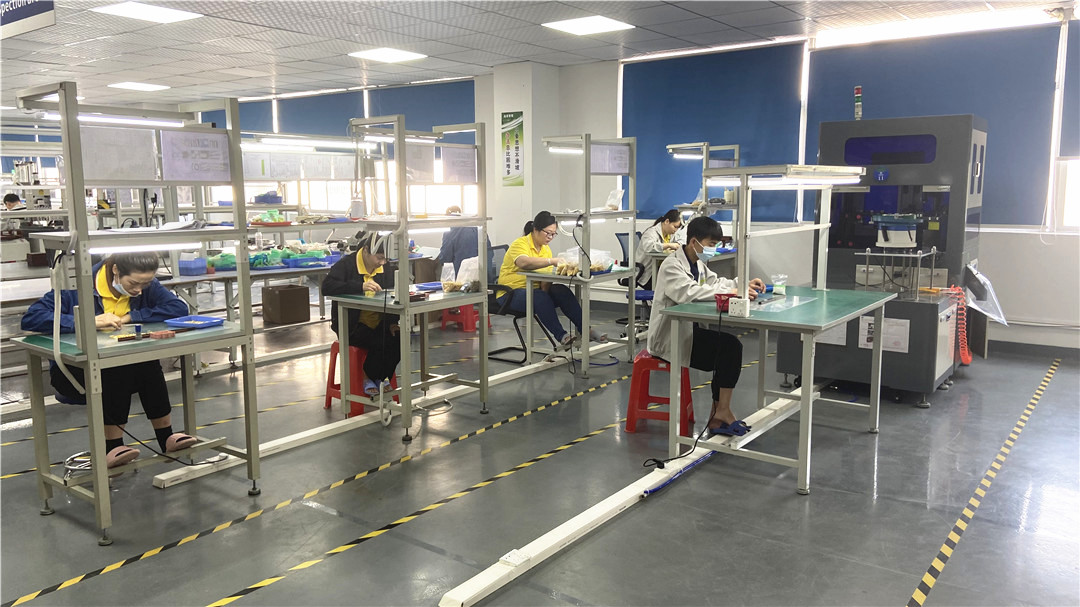
Precision components start with raw mechanical engineering and rigorous testing validation. We run advanced CNC machines and automatic precision lathes to produce components within a ±0.005mm tolerance margin.
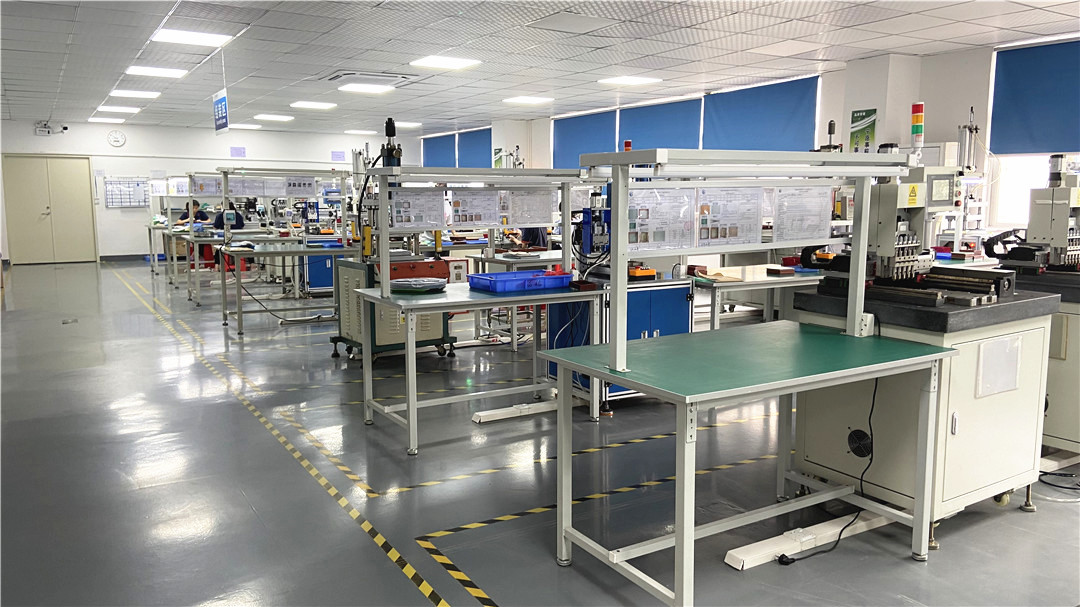
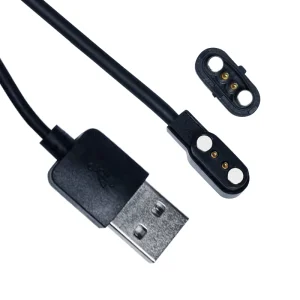
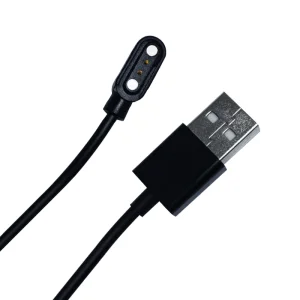
Our premium electrical contact components are highly versatile and widely integrated across diverse industrial and consumer markets, including: Smart wearable devices (wristbands, smart watches), mobile phones (antenna modules), digital cameras, laptops, Bluetooth headsets, learning machines, portable gaming devices, handheld consoles, GPS satellite navigation systems, aerospace instrumentation, advanced medical devices, military communications hardware, toys, and custom portable electronics.
To design spring probes capable of carrying sustained electrical currents (often exceeding 10A, 30A, or even 100A), our R&D teams focus on three primary design features:
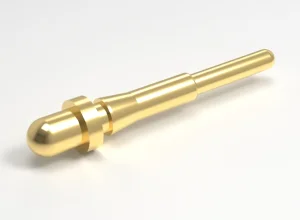
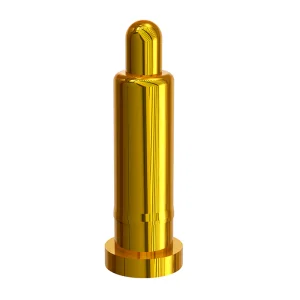
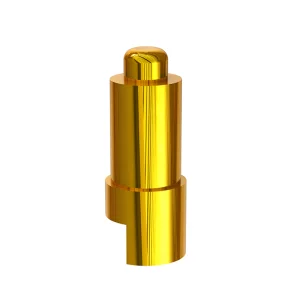
We use bias-cut plunger designs inside high-current pins. By cutting the plunger base at an angle, the spring forces the side of the plunger to remain in constant lateral contact with the barrel wall. This reduces contact resistance compared to standard hollow-tip designs, providing a direct electrical path and minimizing high-resistance zones.
Standard nickel-gold plating can degrade under persistent electrical current loads. We offer heavy gold plating (up to 50μ” Au) over customized barrier layers to prevent atomic diffusion. For abrasive testing environments, we use palladium-cobalt (PdCo) or direct hard gold options to prolong the connector's operating life.
Under high currents, localized heat can cause steel spring materials to relax. We address this by using beryllium copper (BeCu) and music wire springs treated with high-temperature tempering cycles. This ensures the spring retains its mechanical properties even when exposed to high operational heat.
We support global electronics companies with full compliance and quality assurance programs:
When evaluating a high-current test supplier, engineers should verify:
Generally, any spring-loaded probe capable of continuously carrying more than 5A without exceeding a 30°C temperature rise is classified as high-current. Specialized probes can carry up to 150A continuous load for battery module validation.
By implementing bias-cut plunger designs or incorporating a miniature ball inside the barrel. These features redirect the electrical current through the barrel wall rather than through the high-resistance spring, protecting it from thermal fatigue.
Depending on the environmental conditions and mechanical stroke, our custom spring pins are rated between 100,000 to 1,000,000 compressions. Plating optimization plays a key role in extending this lifespan.
Yes. Our engineering department can generate detailed 2D/3D CAD models within 48 hours based on your parameters (pitch, height, stroke, force, and current load requirements).
Absolutely. We use compliant brass, beryllium copper, stainless steel, and lead-free plating materials. We provide compliance declarations for all custom production runs.
 Rongqiangbin