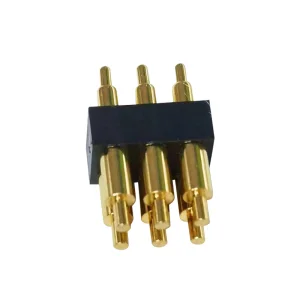
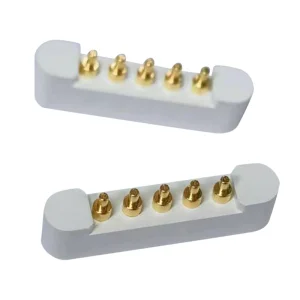
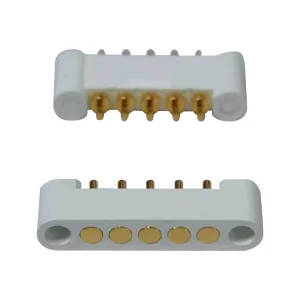
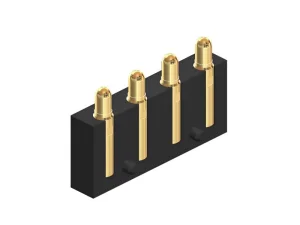
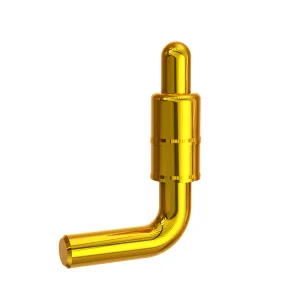
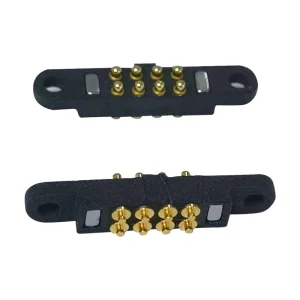
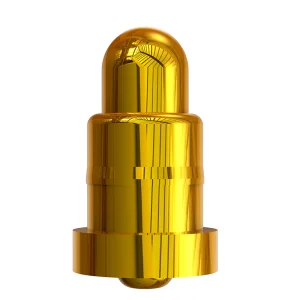
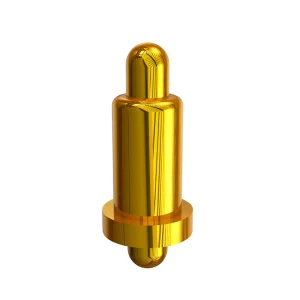
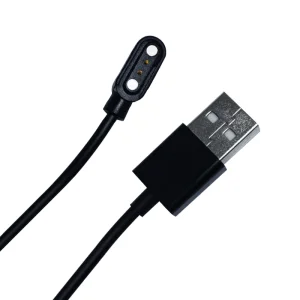
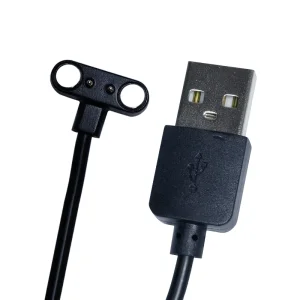
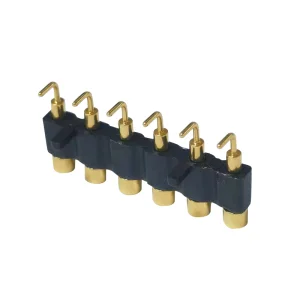
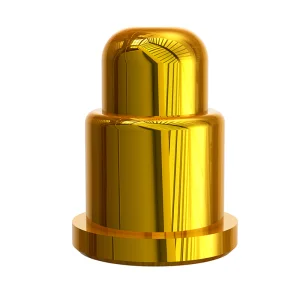
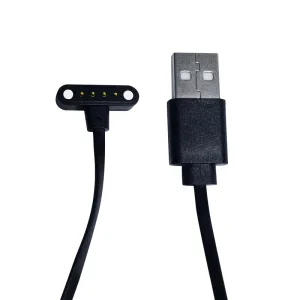
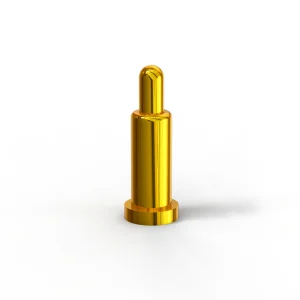
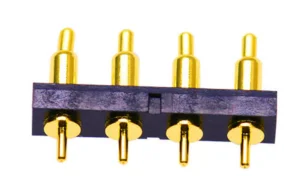
Explore our highly-durable spring-loaded sockets, connectors, and magnetic charging interfaces engineered to precise tolerances.
Industrial analysis on how high-performance spring-loaded test interfaces drive automation, quality control, and yield in modern electronics manufacturing.
In the highly competitive landscape of global electronics manufacturing, precision, throughput speed, and reliability are the metrics that define success. As sub-assemblies and integrated PCBs grow increasingly complex—driven by the rapid integration of high-density interconnects, 5G RF chipsets, and compact IoT sensors—the demand for robust electrical test systems has skyrocketed. At the heart of these test validation systems lies the Custom Pogo Pin Fixture. Unlike standard off-the-shelf testing blocks, custom pogo pin fixtures are tailored mechanical and electrical assemblies engineered to align perfectly with the target unit under test (UUT). They utilize precise arrays of spring-loaded test probes to establish transient electrical connections without causing structural wear or mechanical damage to the PCB contact pads or solder bumps.
Modern electrical test engineers look beyond basic connectivity specs. The search for a "Custom Pogo Pin Fixture Manufacturer" represents a intent to solve complex hardware engineering challenges: reducing contact resistance variability (often targeted below 30mΩ), achieving reliable cycle lives of 500,000+ compressions, ensuring coplanarity across hundreds of target test points, and preventing signal cross-talk in high-speed, RF, or high-current power transfer applications.
From a global market perspective, the Pogo Pin and Test Fixture industry is experiencing a massive evolution. In North America and Europe, strict requirements for medical-grade electronics and automotive ADAS (Advanced Driver Assistance Systems) demand exceptionally reliable, documented test fixtures with traceability. Meanwhile, the Asia-Pacific region—anchored by major hardware ecosystems like Shenzhen, Shanghai, Taipei, and Seoul—functions as the powerhouse for high-volume development and rapid iteration. Designers and OEMs seek partnerships with vertically integrated manufacturers who can take a CAD design of a complex PCB, calculate the correct probe forces, specify proper plating thickness (such as heavy gold plating over nickel), and fabricate a completed fixture block in days rather than weeks.
This rapid hardware iteration model requires manufacturers to have in-house precision turning capabilities, advanced SMT lines, cleanroom test labs, and mechanical CNC machining equipment. High-end pogo pin fixtures must solve real-world problems: accommodating board warp, protecting delicate components from crushing force, providing RF shielding, and allowing thermal management (for long-duration burn-in testing). As the industry shifts toward automation and Industry 4.0, pogo pin fixtures are increasingly integrated into smart robotic testers, requiring built-in sensors, wear tracking, and quick-change modular assemblies.
A leading force in design, development, and manufacturing of custom Pogo Pins and precision spring thimble products.
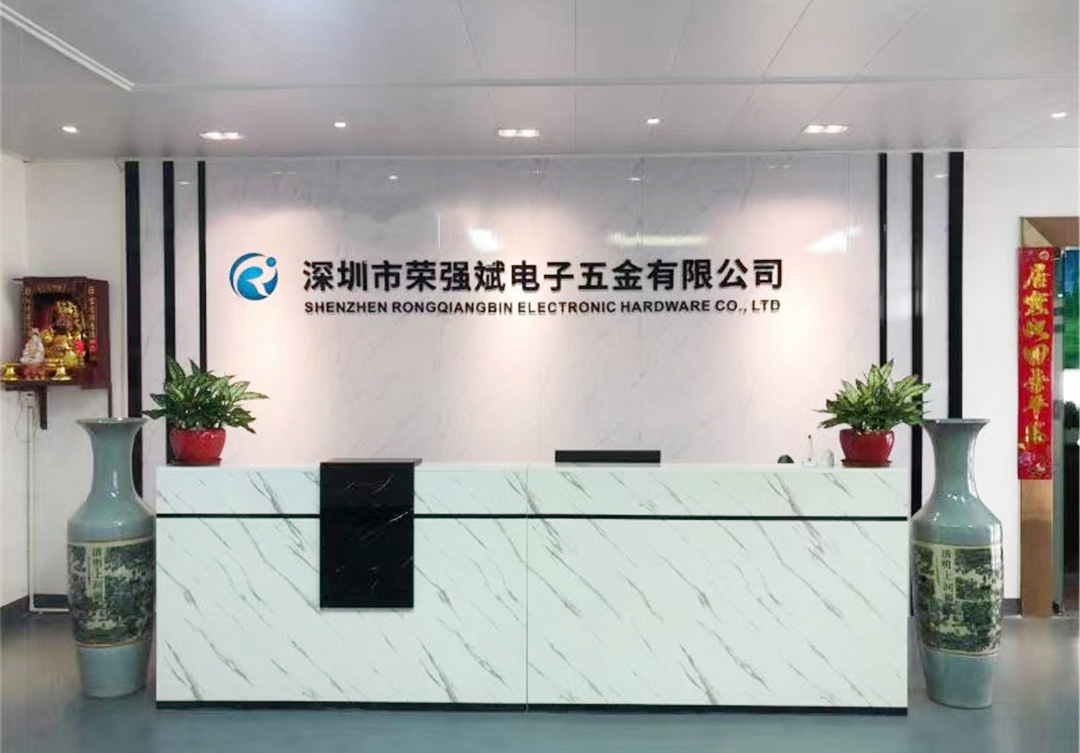
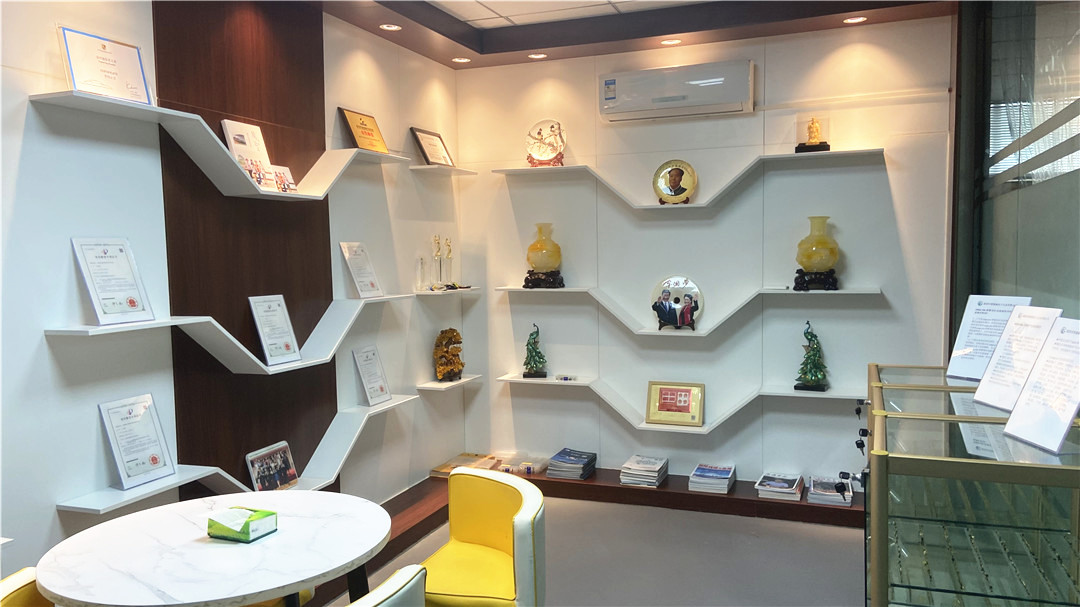
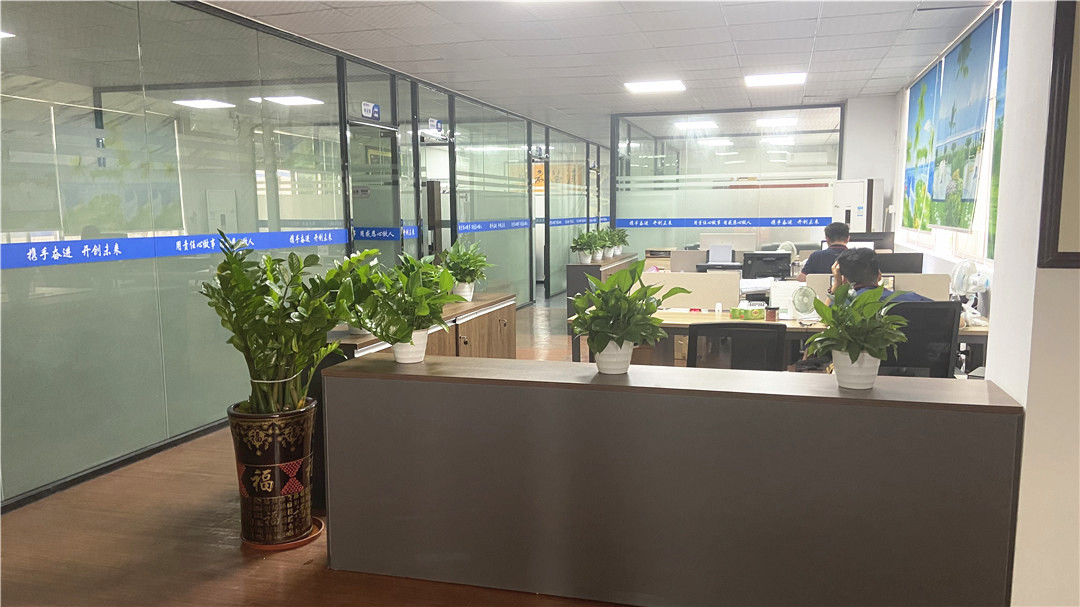
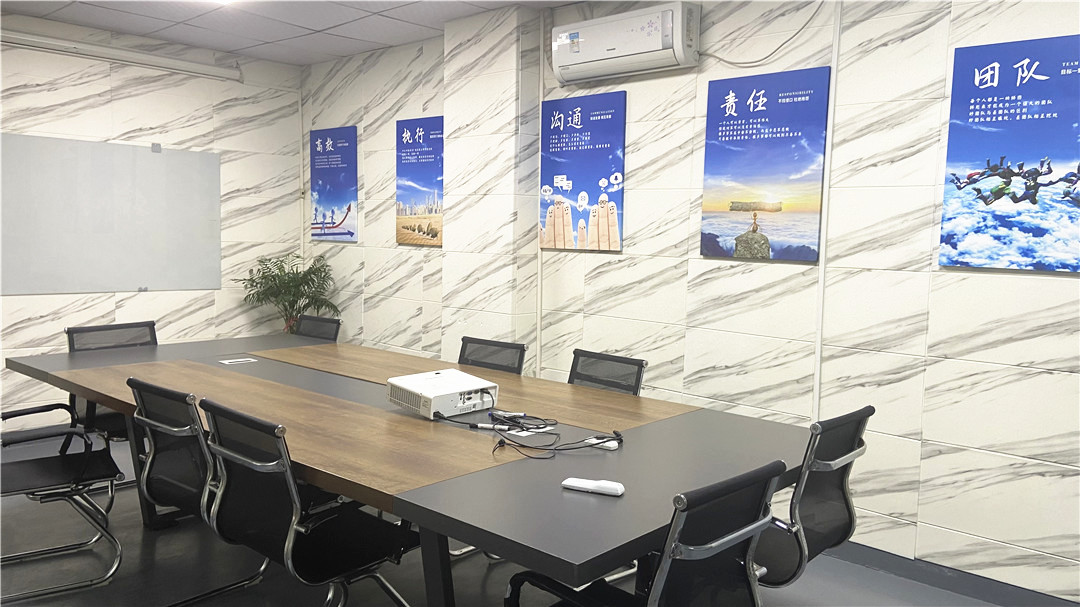
Shenzhen Rongqiangbin Electronic Hardware Co., Ltd. is located in Shenzhen, the leading city of Guangdong-Hong Kong-Macao Greater Bay Area. Our company was founded in February 2011 in Songgang Street, Shenzhen, specializing in the development and manufacturing of Pogopin connector; After years of efforts and sedimentation, the company gradually became a leader in the industry.
Our company is mainly engaged in research and development, production, sales of various models of POGO PIN (also known as spring thimble) products. Driven by the philosophy of "excellent quality, intimate service" and the core values of "customer-centric, create more value for customers," we have earned the trust and loyalty of top-tier enterprises worldwide.
Adhering strictly to the principle of "customer first, integrity first", we boast a robust and highly technical POGO PIN production and engineering team. To guarantee reliability and regulatory compliance, our operations have obtained the ISO9001:2015 international quality management system certification, backed by a strong quality control infrastructure and eco-friendly manufacturing compliance guidelines.
Our strong engineering capability and production consistency have allowed us to build long-term strategic cooperative relationships with industry leaders. Our main customers include: Honeywell, Samsung, SIEMENS AG, ZTE, 360, QCY, HAYLOU, Shanghai Laimu, Luxshare Group, Aoni Electronics, Amphenol Group and other well-known global enterprises.
 RONGQIANGBIN
"Committed to be excellent POGO PIN manufacturers for both quality and cost on home and abroad, and leading connector technology development."
Insight into our precision lathe turning, assembly technology, and stringent quality control protocols.
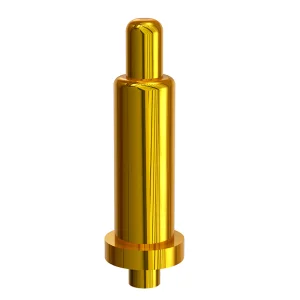
To manufacture pogo pin test fixtures that offer micro-milliohm stability over hundreds of thousands of operations, vertical control over production processes is mandatory. At Rongqiangbin, we manage every step from CAD layout design, mechanical machining, spring coiling, electroplating parameters, to final assembly testing. Pogo pins are composed of three key elements: a precision plunger (which contacts the test point), a spring (to maintain force), and a barrel (acting as the housing). To optimize electrical conductivity and mechanical wear resistance, we utilize premium raw materials such as Beryllium Copper (BeCu), Brass, and Stainless Steel, coated with thick industrial gold over a sub-plating of nickel.
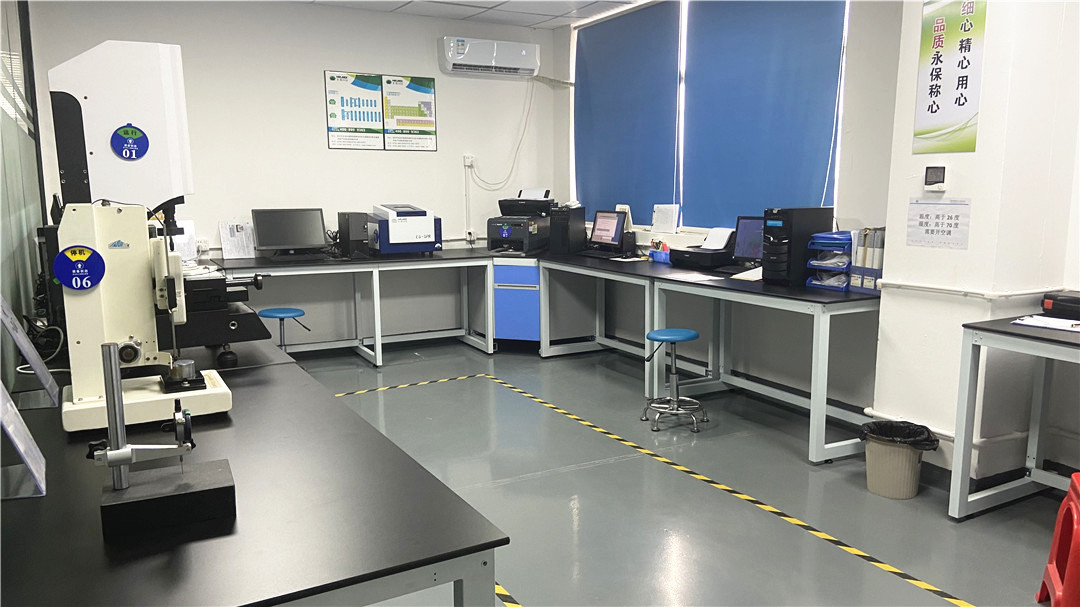
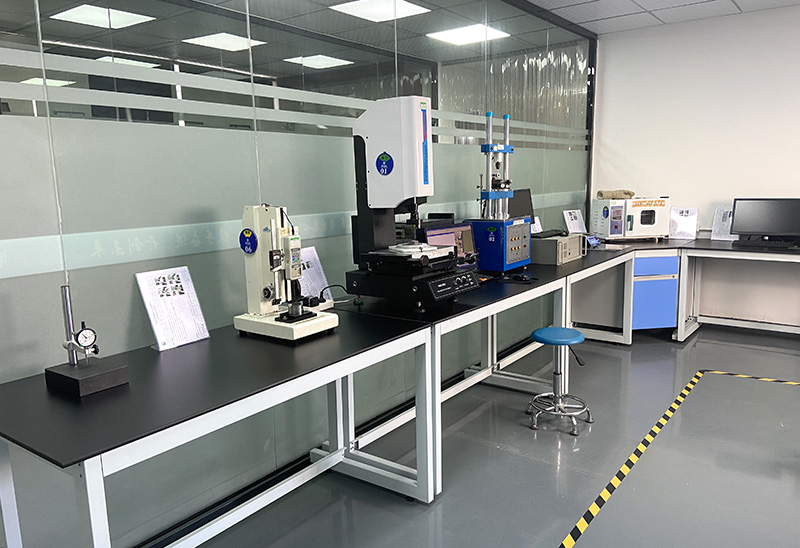
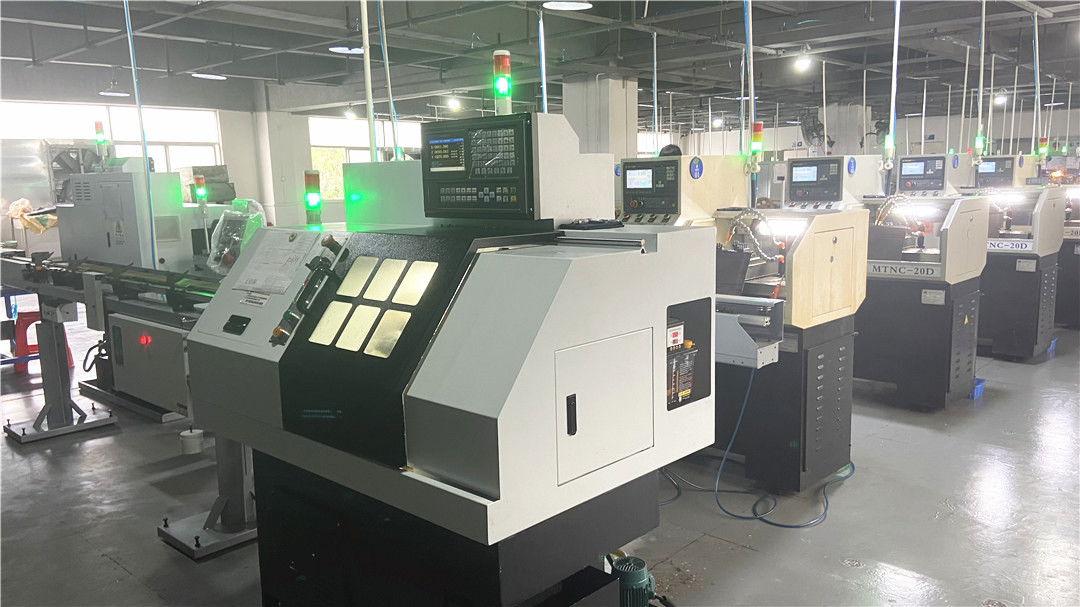
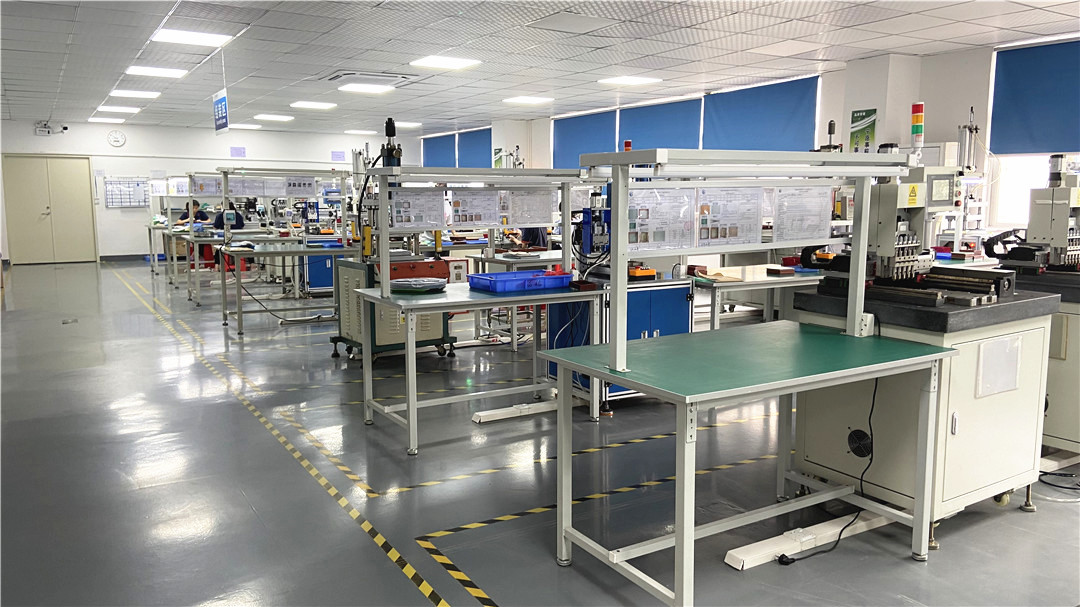
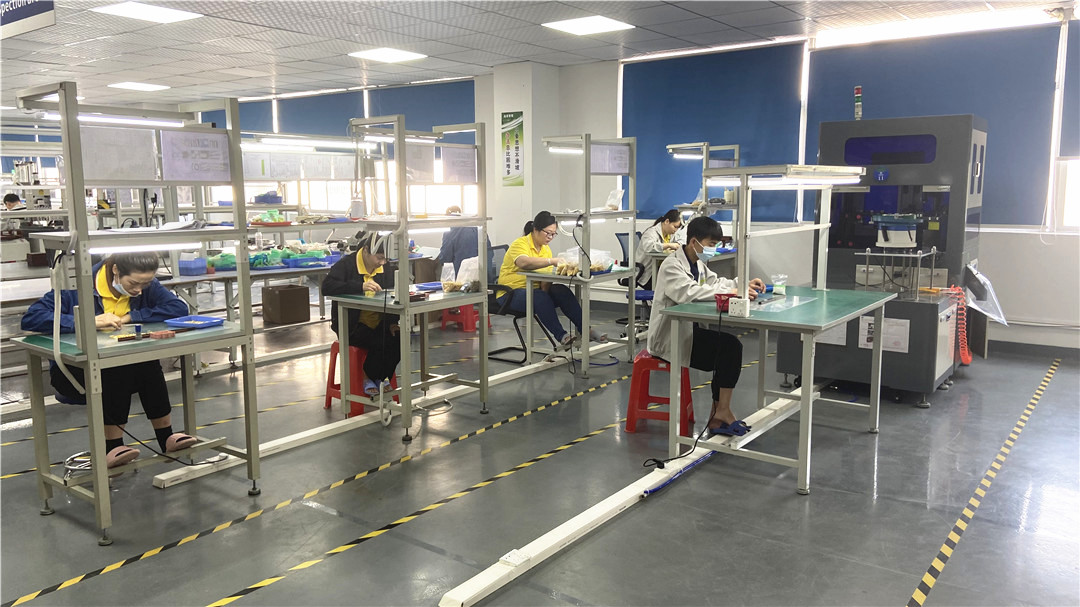
Our workshop is outfitted with ultra-precise CNC turning machines, high-speed automated lathes, and coordinate measuring machines. These tools allow us to achieve tight dimensional tolerances within ±0.005mm. During testing operations, we utilize advanced automated inspection stations to verify spring force curves, contact resistance, coplanarity, and stroke profiles for each custom assembly before shipment.
| Parametric Specification | Standard Capability | Advanced / Custom Capabilities | Testing Standards / Methodologies |
|---|---|---|---|
| Center Pitch Limits | ≥ 1.27 mm | 0.30 mm to 0.50 mm | In-line Optical Comparator Inspection |
| Contact Resistance | ≤ 30 mΩ | ≤ 15 mΩ (Ultra-low Bias Designs) | Four-Wire Kelvin Contact Sensing System |
| Rated Current Capacity | 1.0A - 3.0A | Up to 30A (High-Current Coaxial Probes) | Continuous Load Thermal Rise Profiling |
| Spring Force Range | 30g to 120g | Custom engineered (15g to 350g) | Dynamic Load-Stroke Force Curve Profiling |
| Plunger Plating Options | 10u" Gold over Nickel | Up to 50u" Hard Gold (Au) or Rhodium-Cobalt | X-Ray Fluorescence (XRF) Thickness Analysis |
| Mechanical Lifespan | 100,000 Cycles | 500,000 to 1,500,000 Cycles | Automated Mechanical Cycle Stress Testers |
A breakdown of how custom pogo pin fixtures and contact interfaces enable high-speed testing across consumer, industrial, and medical industries.
Different application verticals present unique physical constraints and electrical demands. As an experienced pogo pin manufacturer, Rongqiangbin supports a wide range of hardware test domains:
Our solutions span consumer electronics to defense systems: Smart wearable products (wristbands, watches), mobile phones (mobile antenna), digital cameras, laptops, Bluetooth headsets, learning machines, games products, handheld game consoles, GPS satellite navigation, aerospace electronics, medical equipment, military communications, toys, portable electronic products. We engineer every product line to help you reduce testing cycle times, improve diagnostics, and increase yield rates.
A look at the key technologies and research directions driving high-performance test interfaces over the next decade.
The electronics industry continues to push the limits of speed and component density, requiring newer, more advanced testing contact interfaces. As a forward-looking manufacturer, Rongqiangbin is actively investing in several next-generation research areas:
We are developing advanced micro-manufacturing techniques to produce high-durability pins for fine-pitch wafer-level testing and micro-BGA packages.
To support 5G, 6G, and high-speed PCIe validation, our designs focus on internal impedance matching, shielding, and minimizing signal return loss.
We are researching advanced alloy coatings, including rhodium-ruthenium, to minimize solder transfer and extend probe life during high-volume testing.
Integrating these technologies into our manufacturing workflow helps electronic OEMs lower their total cost of test (TCOT) while maintaining high testing yields. We are committed to refining our designs to meet the evolving demands of tomorrow's electronic hardware.
Expert answers to common engineering questions regarding pogo pin mechanical design, electrical performance, and custom testing setups.
Explore our specialized range of magnetic cables, spring loaded charging pins, and waterproof connector designs.
 Rongqiangbin