Explore our core engineering capabilities in custom spring-loaded connections, hybrid interfaces, and high-durability assemblies.
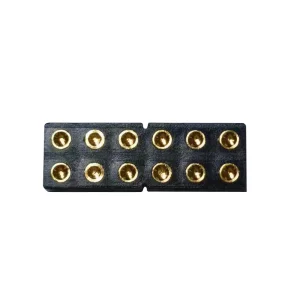
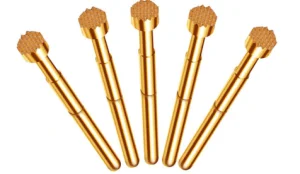
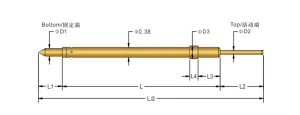
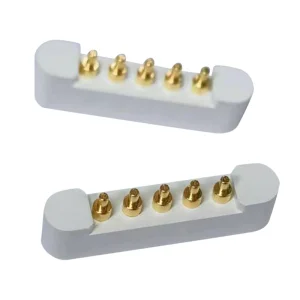
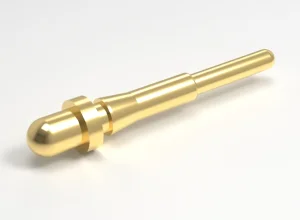
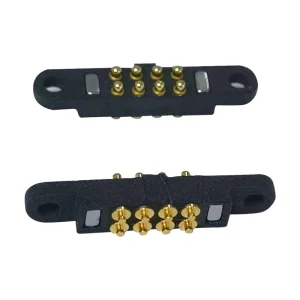
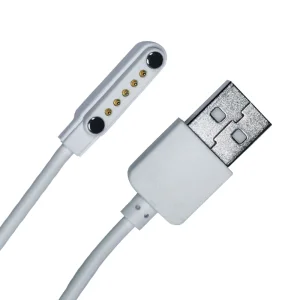
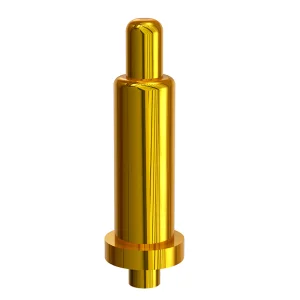
In the modern landscape of consumer electronics, medical diagnostics, and rugged industrial IoT equipment, the convergence of USB Type-C protocols with mechanical pogo pin (spring-loaded probe) connectivity represents a paradigm shift. Product design engineers often face a critical bottleneck: how to combine the high-speed data transmission and high-power delivery capabilities of USB-C with the zero-force, high-mating-cycle mechanical convenience of spring-loaded contact pins.
A custom USB-C to Pogo Pin interface bridges this gap. By mapping standard USB 3.1 or 2.0 pin configurations (VBUS, GND, CC1/CC2, D+/D-, and high-speed RX/TX pairs) onto a custom-engineered pogo pin header array, hardware manufacturers achieve seamless power charging and data syncing. This is completed without the wear-and-tear associated with traditional plug-and-receptacle mating ports, achieving operating lifespans that frequently exceed 50,000 to 1,000,000 cycles.
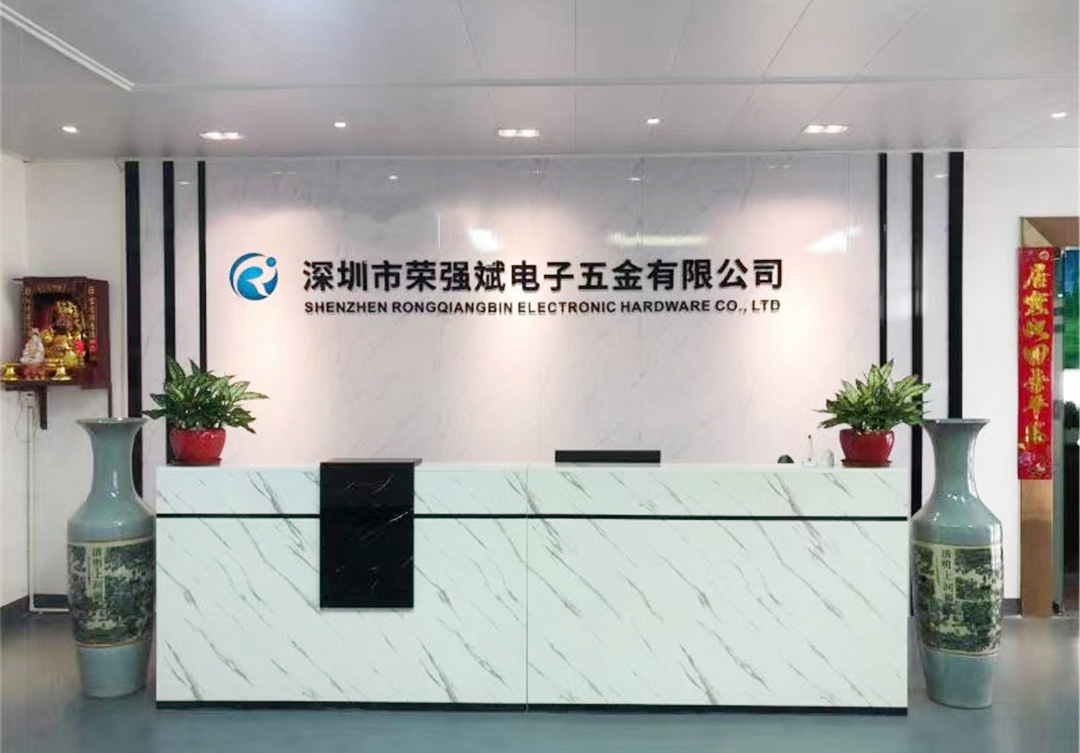
At Shenzhen Rongqiangbin Electronic Hardware Co., Ltd., we provide customized design, lathe machining, and automated assembly solutions to resolve impedance matching, signal reflection, and dynamic contact resistance variations. This ensures stable power throughput and reliable signal integrity even under extreme mechanical vibration or moisture exposure.
A detailed breakdown of how standard USB-C signals are optimized and translated into spring-loaded physical channels.
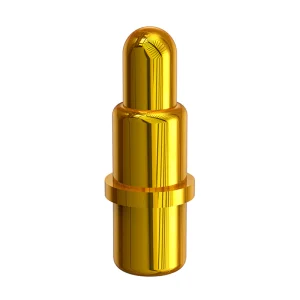
Our design utilizes custom CNC-turned barrels, plungers, and high-resiliency music wire or stainless steel (SUS) springs. The plunger stroke is configured to provide consistent contact force (normally 60g to 120g) to prevent intermittent disconnects during drop tests or movement.
To combat galvanic corrosion, electrolysis from skin sweat, and insertion degradation, we offer premium gold (Au) plating up to 30u" over a high-barrier nickel (Ni) or palladium-nickel (Pd-Ni) base layer. This ensures contact resistance remains below 30mΩ throughout the product life.
High-speed data (such as USB 2.0 D+/D- or USB 3.1 Gen 1 signals) requires precise impedance control of 90Ω differential. We customize the ground pin layout around data pins to provide effective coaxial shielding, minimizing signal attenuation and crosstalk.
| Component Parameter | Standard Specification | Rongqiangbin Custom Capability | Key Engineering Benefit |
|---|---|---|---|
| Rated Current | 1.0A - 2.0A | Up to 15.0A Continuous (Custom High-Current Pin) | Supports USB Power Delivery (PD) fast charging up to 100W+ |
| Contact Resistance | < 50 mΩ | < 20 mΩ (Static State) | Low heat dissipation, high power efficiency, minimal voltage drop |
| Spring Force | 60g - 90g | 30g - 250g (Customizable per application) | Optimized mating force matching magnetic pull, preventing housing wear |
| Life Cycle Durability | 10,000 Cycles | 50,000 to 1,000,000 Mating Cycles | Extends product longevity in consumer wearables & medical equipment |
| Ingress Protection | IP54 / IP64 | IP67, IP68, and Dynamic IP68 Waterproof Solutions | Hermetic sealing with structural potting, O-ring, or overmolding |
How different industrial clusters and global regions utilize Custom USB-C to Pogo Pin solutions to solve modern connectivity pain points.
In Western markets where FDA compliance, bio-compatibility, and sterilization are critical, custom pogo pin interfaces provide flat, easy-to-sanitize surfaces. Without deep connector recesses that trap dust and bacteria, medical devices can be wiped clean with isopropyl alcohol while maintaining stable connections.
Logistics terminals, warehousing scanners, and military communication terminals require frequent docking throughout the day. USB-C to Pogo Pin docking cradles enable blind-mate quick-connect charging. This prevents physical port failures caused by repeated cable plugging under harsh environmental conditions.
From Bluetooth headphones, smart bracelets, and VR headsets to micromobility LEVs (Light Electric Vehicles), magnetic pogo pin cables align themselves automatically. This reduces safety risks by breaking away cleanly if the cable is accidentally snagged.

Located in Songgang Street, Shenzhen—the epicenter of the Guangdong-Hong Kong-Macao Greater Bay Area—Shenzhen Rongqiangbin Electronic Hardware Co., Ltd. has established a highly integrated supply chain. We maintain raw material reserves, run in-house high-precision Swiss CNC lathe machines, and operate fully automated spring-loaded pin assembly lines.
This geographic placement enables us to prototype custom designs in as little as 3-5 days, scale to millions of units in mass production, and maintain strict cost control. Backed by ISO9001:2015 version quality management system certification, every batch of Pogo Pins undergoes strict optical sort inspection, force-deflection testing, and salt-spray testing.
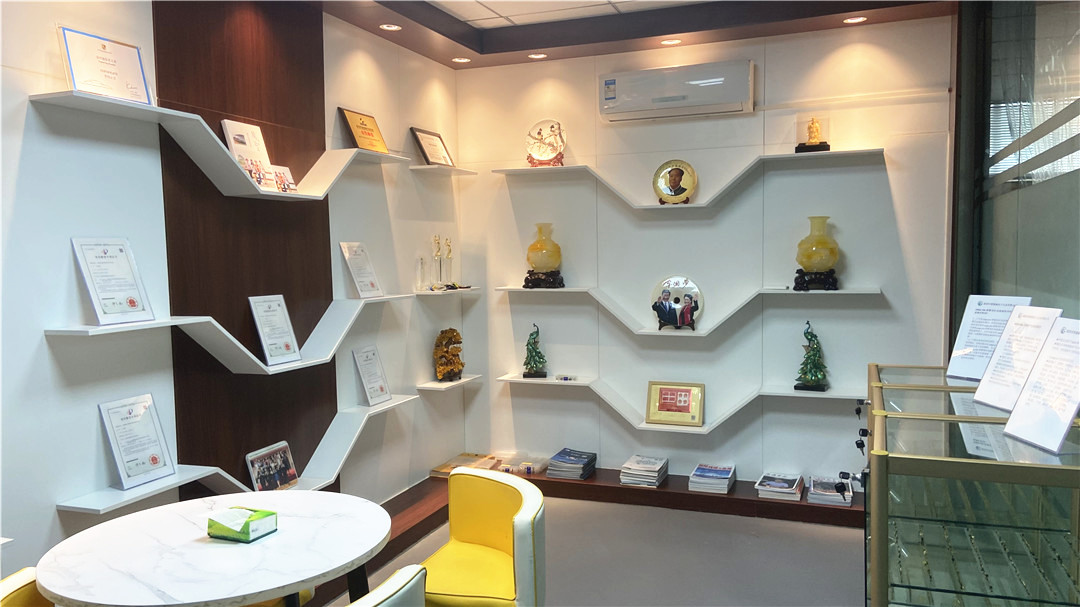
Showroom
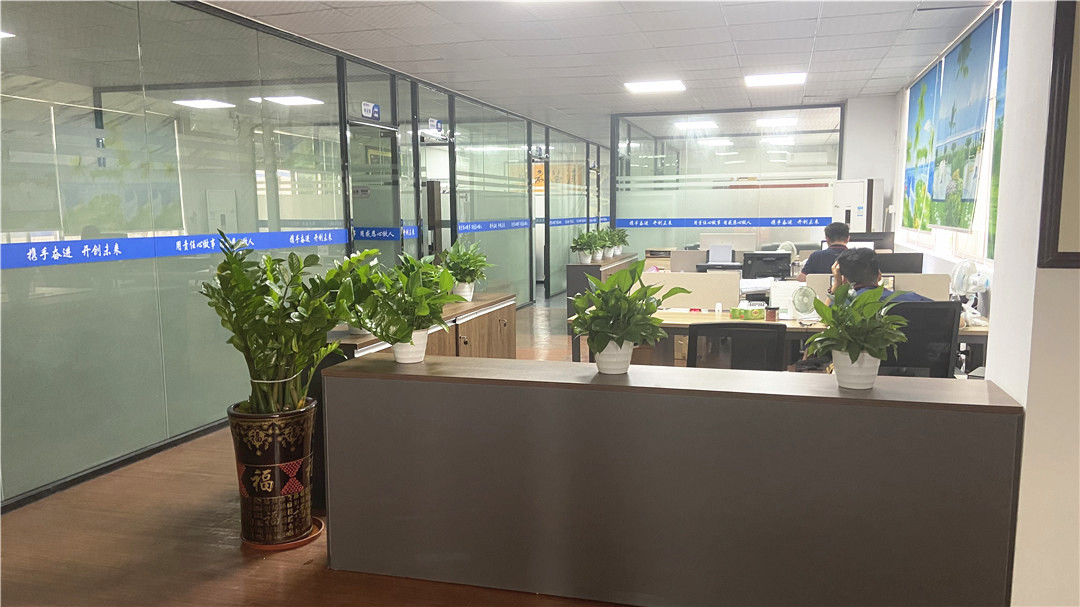
Office
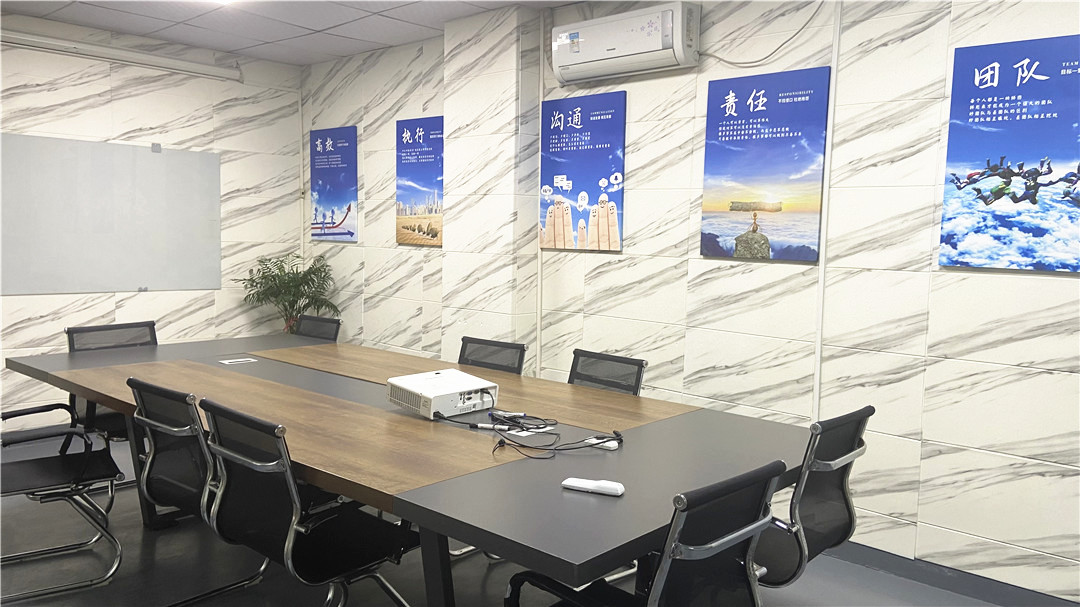
Meeting Room
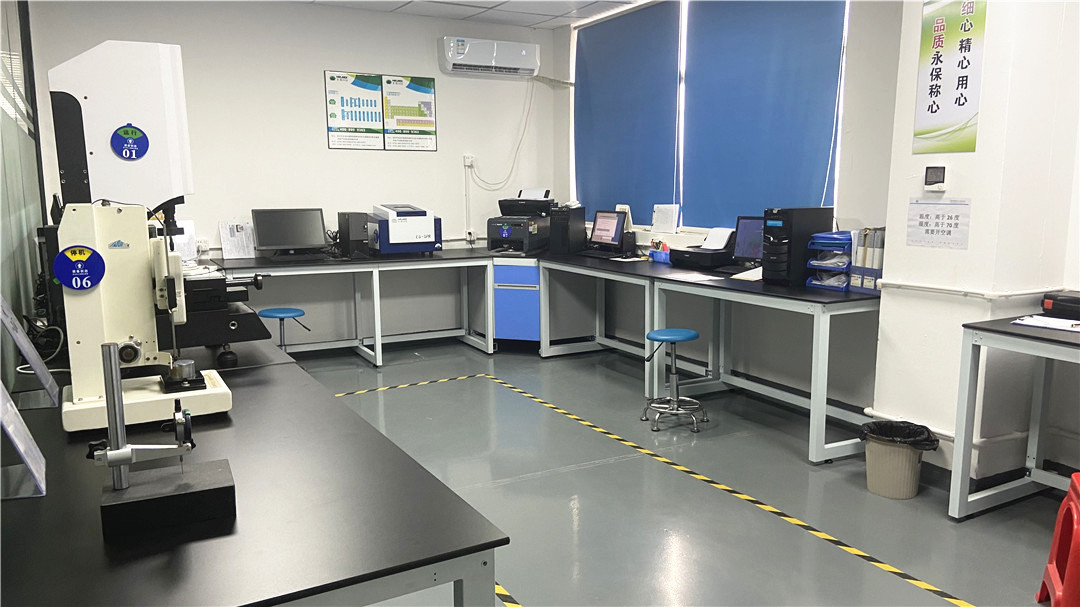
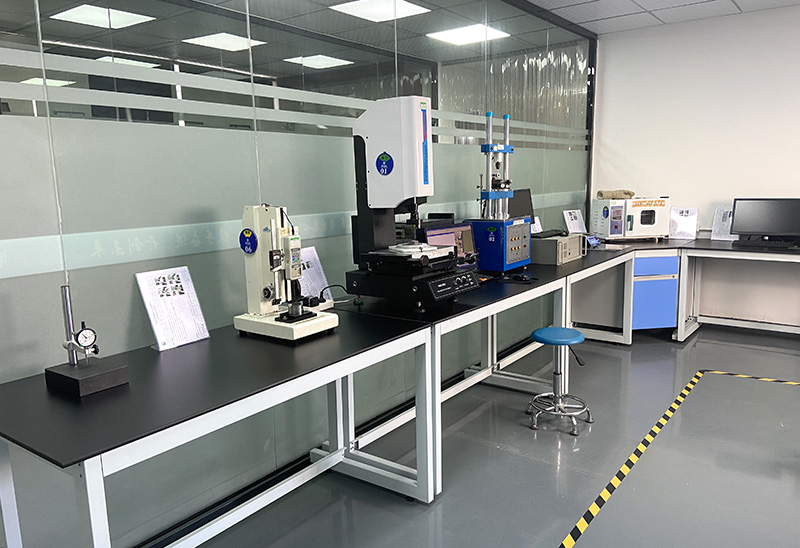
LAB
Built on quality and technological development since 2011.
"Committed to be an excellent POGO PIN manufacturer for both quality and cost at home and abroad, leading connector technology development."
Founded in February 2011 in Songgang Street, Shenzhen, Rongqiangbin has focused on spring-loaded connectivity for over a decade. Guided by our core principles of "customer first, integrity first", we serve global OEMs in consumer electronics, automotive, medical, and aerospace industries. We have established long-term engineering partnerships with leading brands, including Honeywell, Samsung, SIEMENS AG, ZTE, 360, QCY, HAYLOU, Shanghai Laimu, Luxshare Group, Aoni Electronics, and Amphenol Group.
Adapting to high-speed interfaces, space savings, and dynamic durability standards.
Traditional pogo pin systems were limited to USB 2.0 speeds (480 Mbps). Our research laboratory is developing high-isolation coax pogo pins that control return loss and signal attenuation at 5GHz and higher. This setup allows custom contact arrays to support USB 3.2 Gen 2 (10 Gbps) and early-phase USB 4 capabilities.
To address the rising demand for fast charging, we are introducing nickel-free plating formulas. These coatings eliminate skin allergies, reduce galvanic corrosion when exposed to human sweat, and maintain low contact resistance over long-term use.
By integrating liquid silicone rubber (LSR) molding directly onto our pin carrier blocks, we achieve high waterproof sealing levels. This enables consumer devices to meet IPX8 and underwater dive ratings while retaining a slim design footprint.
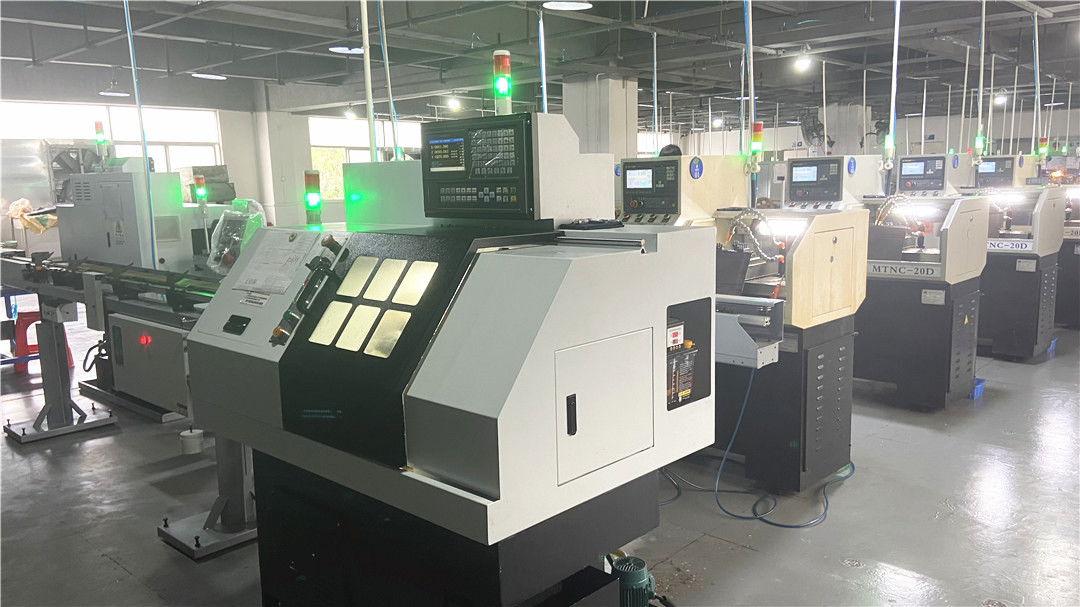
Precision Lathe
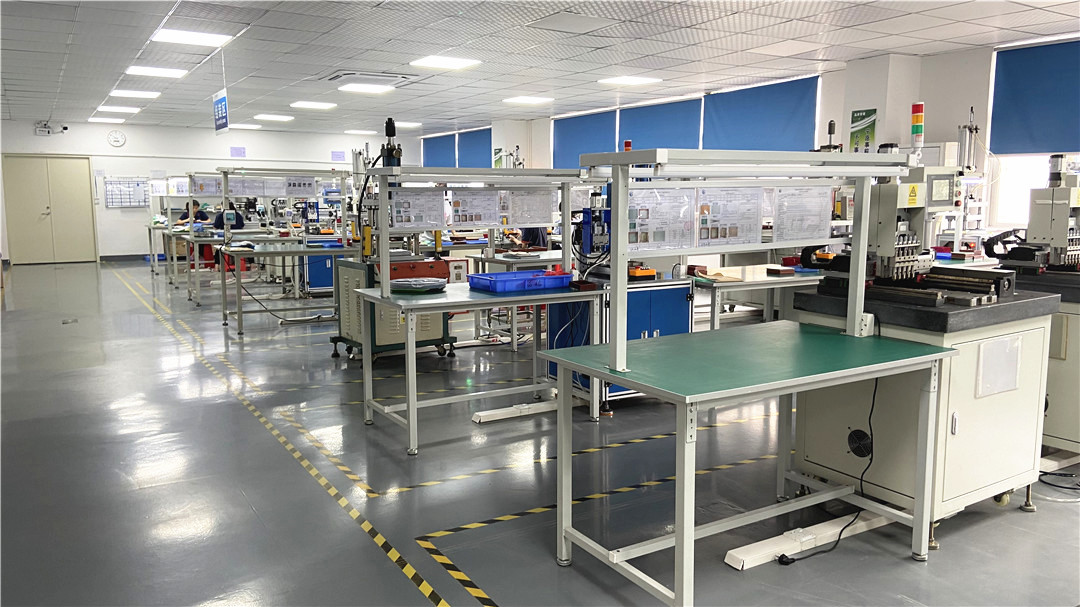
Workshop
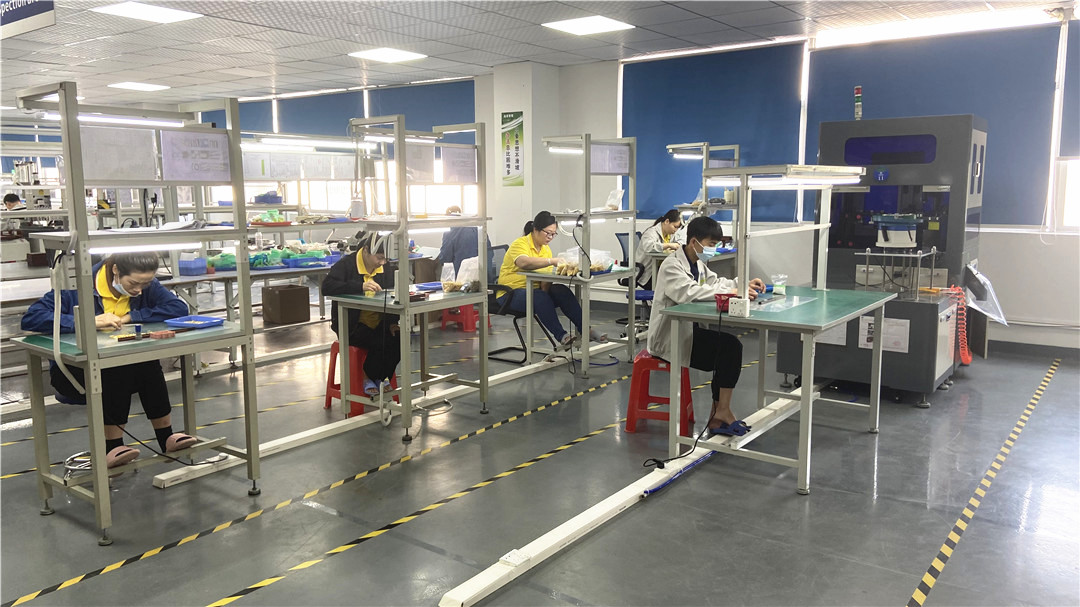
Strict Inspection Area
Ensuring global market access, supply reliability, and green manufacturing standards.
All custom components comply with RoHS 3.0 and REACH environmental guidelines. We maintain trace certification records for raw brass, beryllium copper, and plating chemicals to ensure materials are conflict-free.
We provide direct communication with our design-in engineering team. By sharing detailed 3D step files, layout recommendations, and tolerance analysis, we help global hardware development teams avoid integration issues before production.
Our products support various fields, including: Smart wearable devices, smartwatches, smartphones, digital cameras, laptops, Bluetooth headsets, handheld game consoles, GPS satellite navigation, aerospace electronics, medical equipment, and military communication systems.
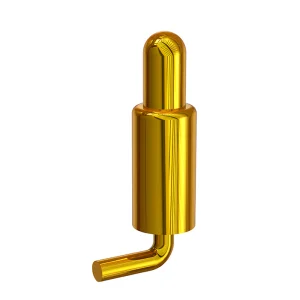
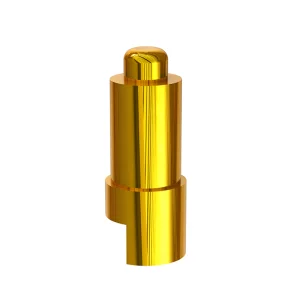
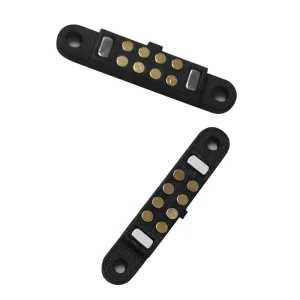
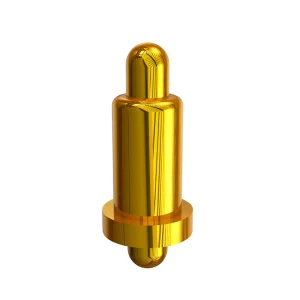
Our full range of spring contact loaded sockets, custom gold-plated pins, and waterproof connector variants.
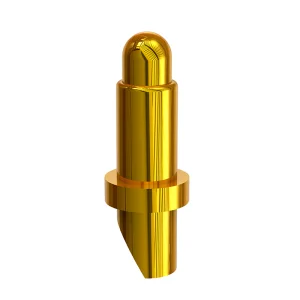
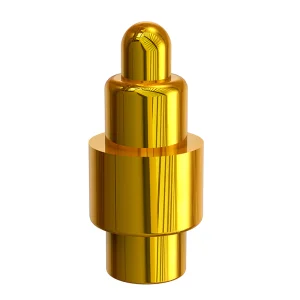
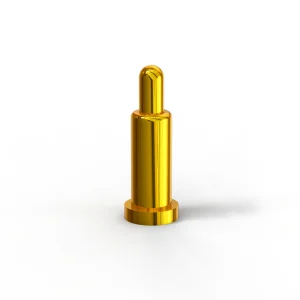
Technical answers to key implementation challenges, design tolerances, and materials sourcing.
A: Impedance is maintained by controlling the pin-to-pin pitch, insulator dielectric constant, and pin sizing. We run simulations to arrange ground pins adjacent to the D+/D- signal lines, creating a co-planar waveguide effect that keeps signal attenuation to a minimum.
A: Electrolysis and carbon deposition occur when pins are mated while carrying active current. To address this, we optimize the plating structure with a palladium-nickel (Pd-Ni) layer underneath a gold coating. We also suggest adding load-switch circuitry that turns on the power line only after full magnetic alignment is confirmed.
A: We seal the interface using dynamic silicone O-rings, epoxy potting around the rear tail of the pins, or direct insert injection molding (overmolding). This prevents water, moisture, and dust from entering the internal device housing.
A: Standard USB-C ports can wear out after 10,000 insertion cycles and are prone to gathering lint and moisture. A magnetic pogo pin assembly enables blind-mating, breaks away cleanly if snagged, and supports over 50,000 mating cycles. This makes it ideal for medical, wearable, and industrial applications.
A: 3D design files and proposals are typically finished in 24-48 hours. Quick-turn prototypes are delivered in 5 to 7 days, and tooling for mass production runs takes about 14 working days. We utilize automatic assembly machinery at our Shenzhen plant to quickly scale to high-volume production.
 Rongqiangbin