Explore our top range of high-performance spring pogo pins, custom adapters, and magnetic test components built for strict compliance and maximum cycle life.
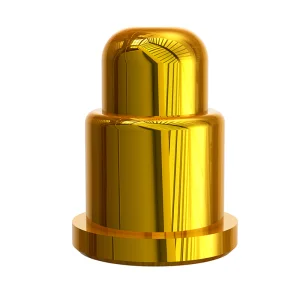
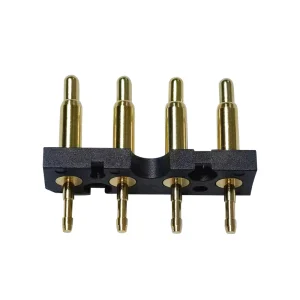
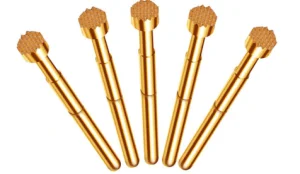
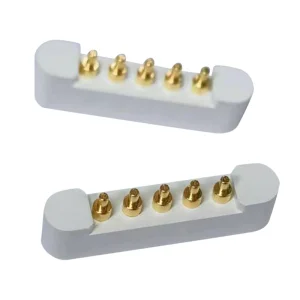
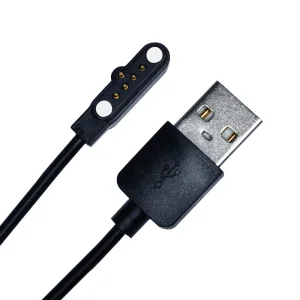
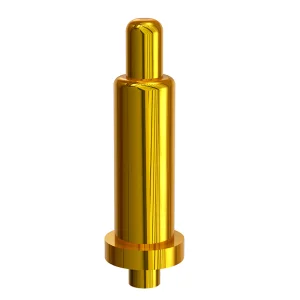
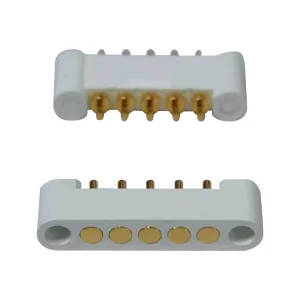
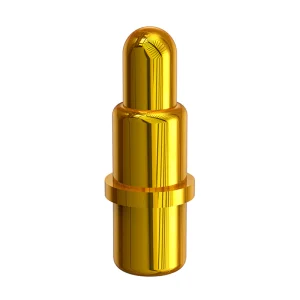
Founded in February 2011 in Songgang Street, Shenzhen—the core of the Guangdong-Hong Kong-Macao Greater Bay Area—Shenzhen Rongqiangbin Electronic Hardware Co., Ltd. has evolved over more than a decade of research, iteration, and industrial expansion. Today, we stand as an authoritative manufacturer and designer of high-precision POGO PIN connectors and spring contact test assemblies.
Our operation covers the entire life cycle of high-precision connector development. This spans mechanical simulation and material formulation to the final precision turning on advanced lathes and full-automated optical inspections. Our vision remains firm: to become a leading, cost-optimized POGO PIN manufacturer worldwide, paving the way in connector technology development.
"Committed to being the premier POGO PIN manufacturer globally, setting benchmarks in quality, cost-effectiveness, and technical breakthrough."
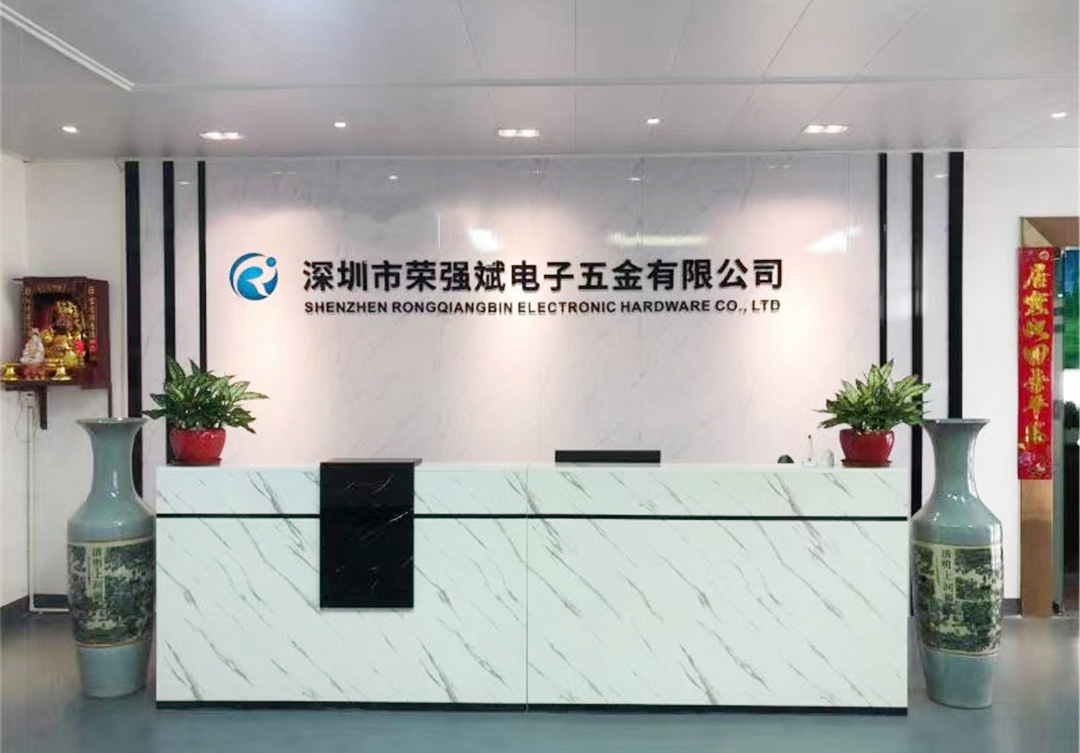
Over a decade of manufacturing stability backed by certified laboratory testing and international management systems.
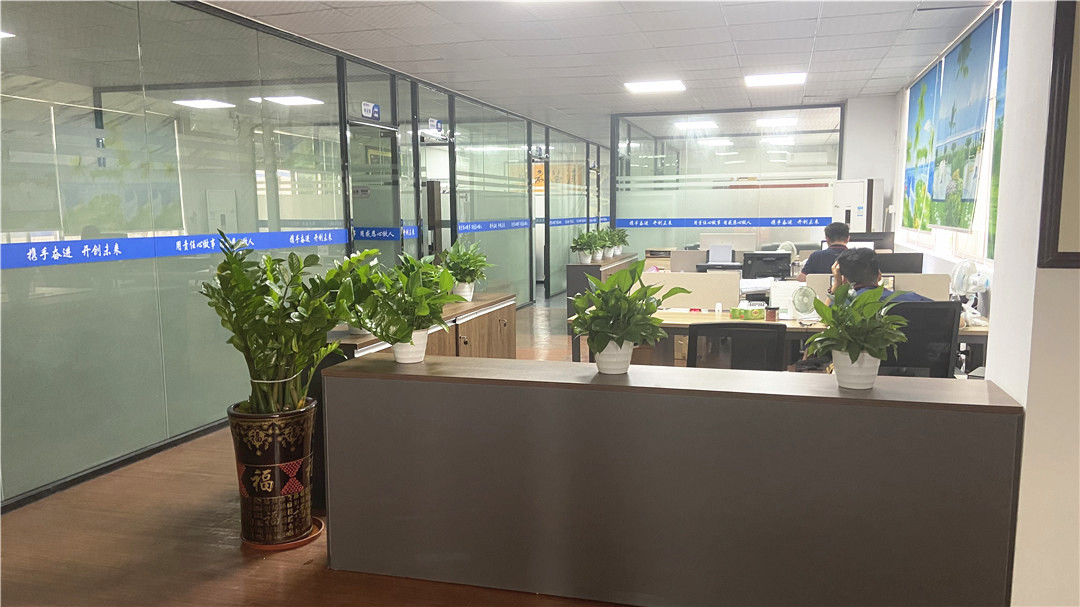
Our facility integrates state-of-the-art automatic lathes, high-precision inspection tools, and dedicated clean testing areas to assure error-free execution.
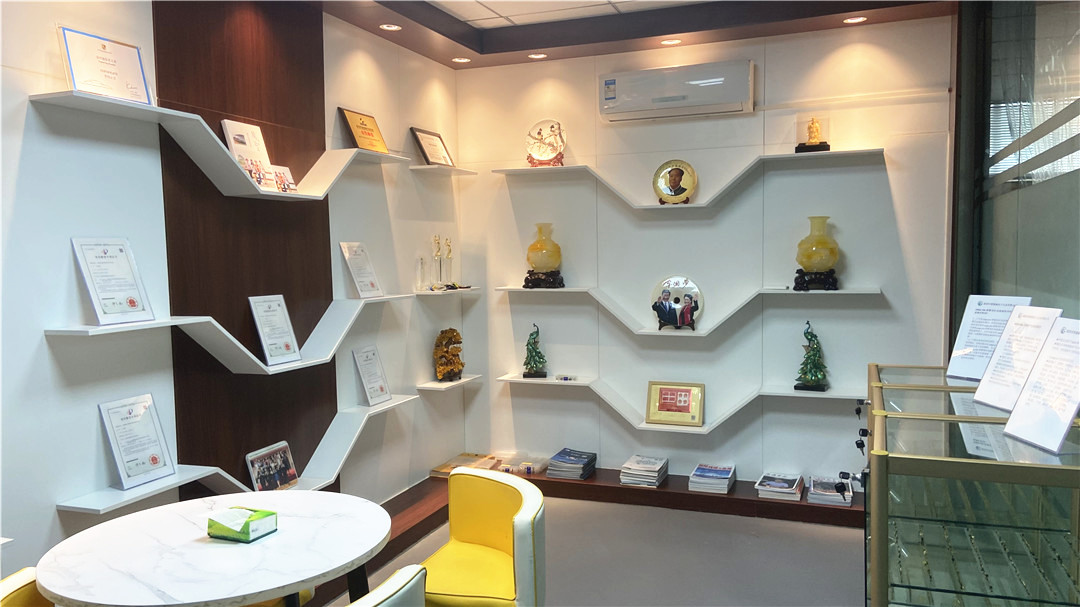
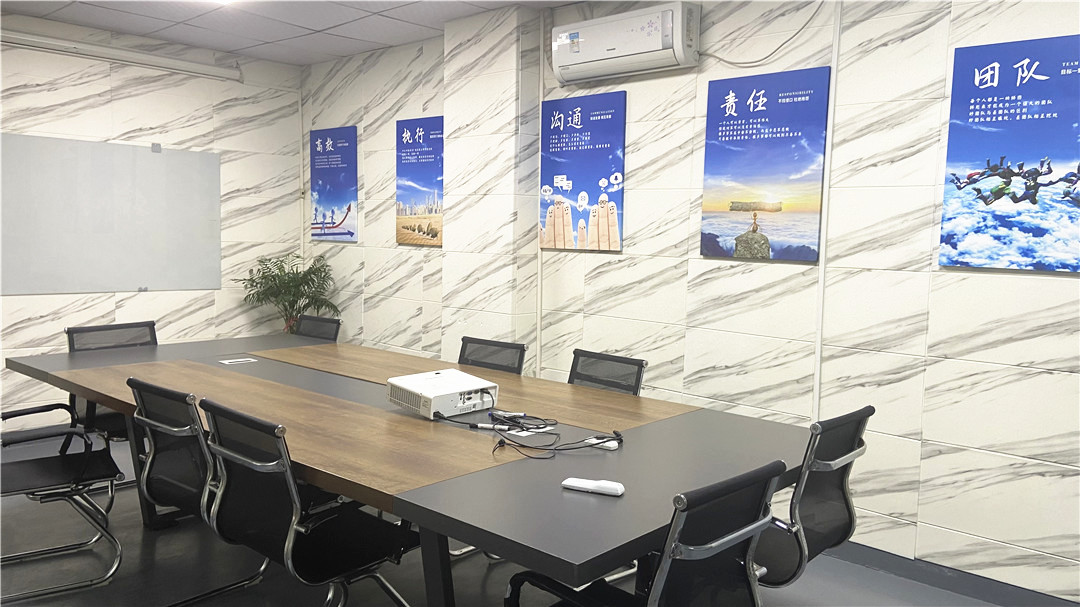
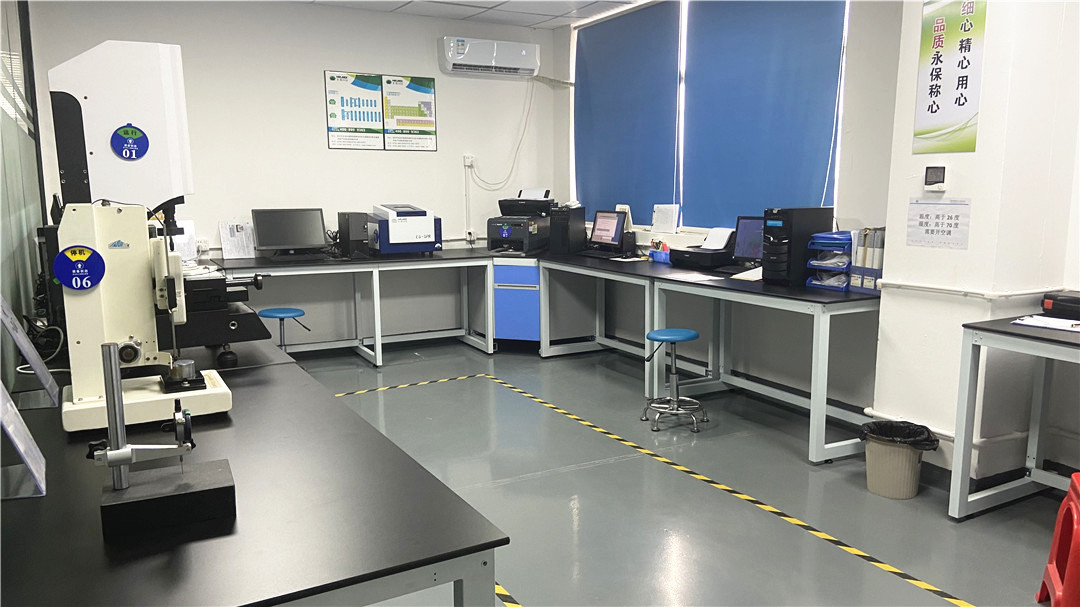
A detailed analysis of high-frequency transmission, electrical reliability, and structural endurance in modern electronics manufacturing.
As 5G/6G deployments, millimeter-wave technologies, and automotive radar systems proliferate, the need for impedance-matched test connectors is paramount. Our testing infrastructure employs advanced simulators to analyze return loss and insertion loss, assuring high-speed signal integrity during high-frequency cycles.
Modern battery designs and fast-charging interfaces demand contact systems capable of managing substantial current loads without significant temperature rises. Our engineers use proprietary plating techniques to lower contact resistance, preventing thermal deterioration during active cycles up to 15A.
Wearable IoT devices, smart medical implants, and defense systems call for extremely tight contact pitches. We specialize in producing custom micro-pogo pins with pitches down to 0.4mm. These components maintain spring performance and structural strength in high-density multi-point test environments.
Precision turning, cleanroom assembly, and validation guarantee that our connectors meet strict performance specifications.
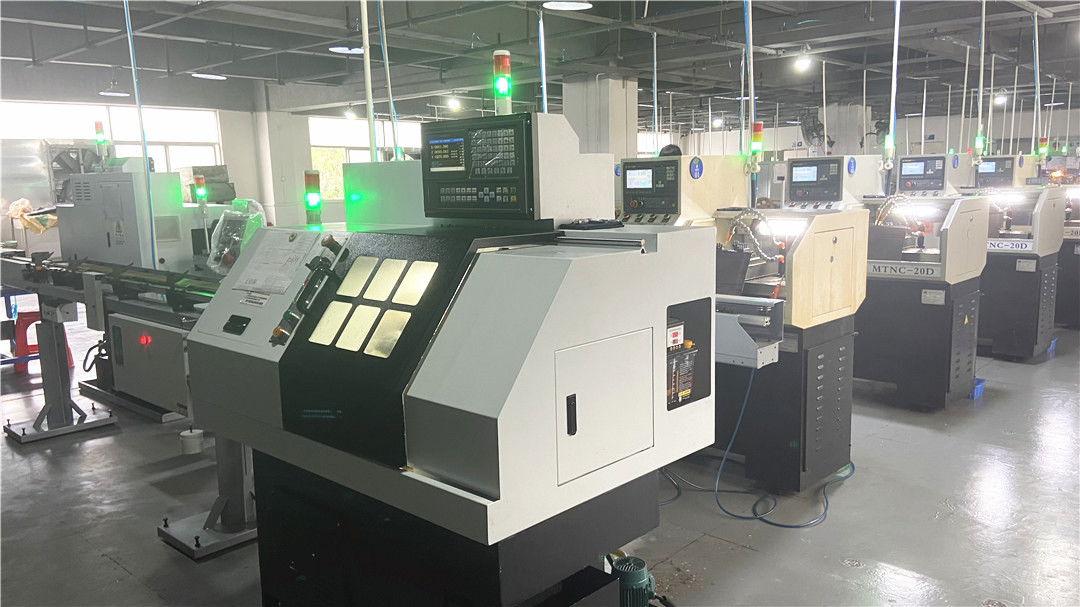
High-precision turning centers to cut barrel, plunger, and base geometries with tolerances within ±0.005mm.
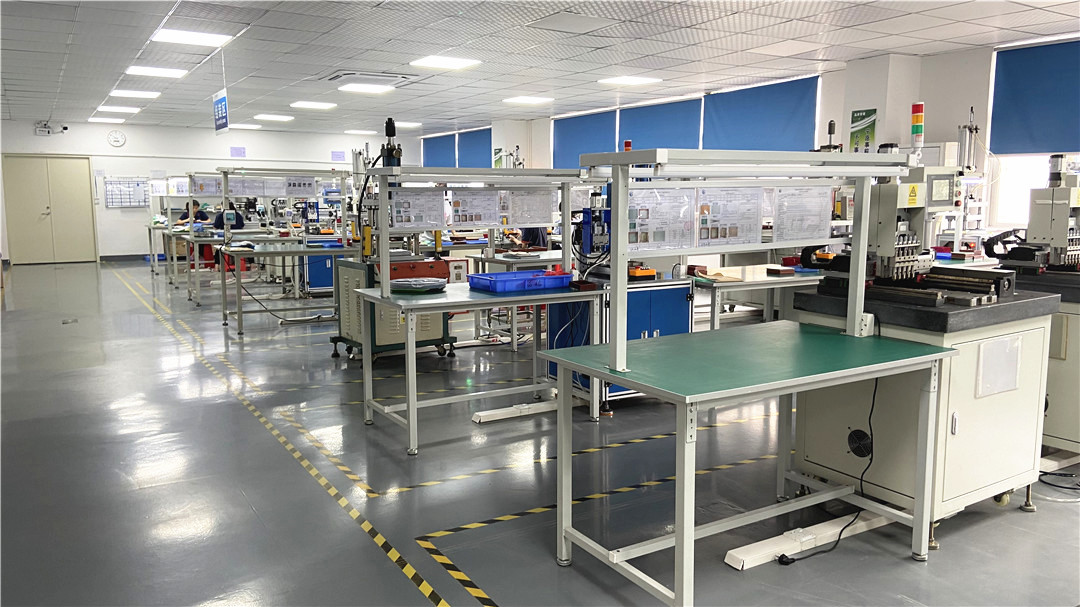
Automated spring loading and capping arrays ensure balanced force characteristics across large manufacturing runs.
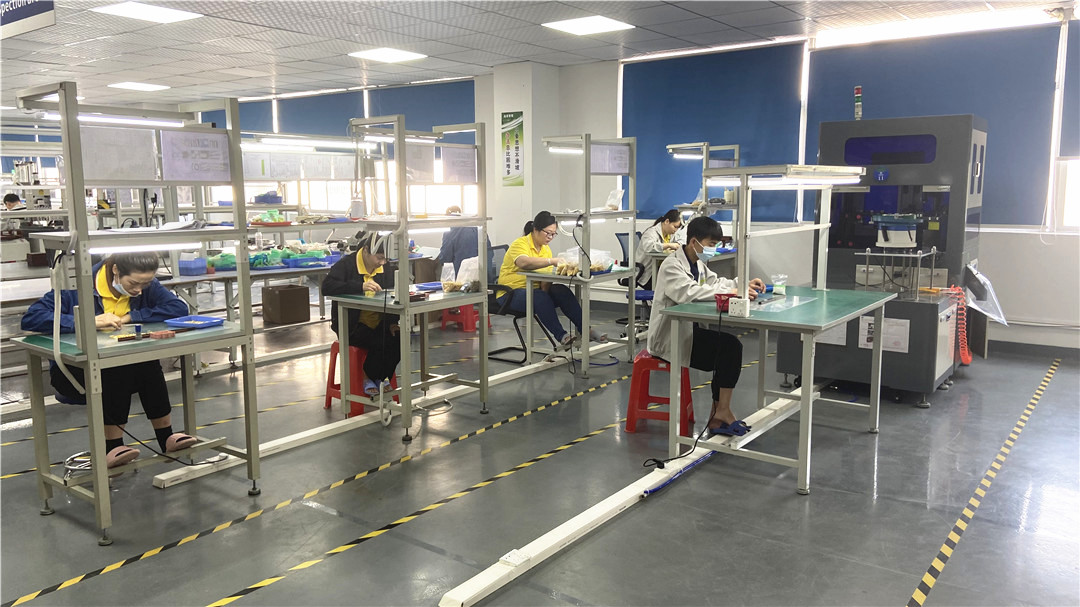
Strict screening for contact resistance, retention force, and plating thickness to prevent field failures.
Large-scale technology operations require reliability, transparency, and strict supply chain compliance. At Rongqiangbin, we align our operations with top-tier international suppliers and manufacturing partners to support global supply networks.
We work with leading global organizations including Honeywell, Samsung, SIEMENS AG, ZTE, 360, QCY, HAYLOU, Shanghai Laimu, Luxshare Group, Aoni Electronics, and the Amphenol Group. Our engineering teams provide direct support from design optimization and materials validation to raw manufacturing and testing, ensuring seamless project execution.

Trusted by global industry leaders to supply critical charging, signal, and high-frequency test components.
Our spring-loaded contacts and custom test interfaces are built to perform across demanding physical and electrical environments.
Designing components for wristbands, smartwatches, and Bluetooth headphones. We deliver corrosion-resistant, gold-plated contacts that withstand sweat, dust, and continuous daily wear.
Providing bio-compatible, low-resistance connections for diagnostic sensors, portable monitors, and clinical instrumentation that require stable signal translation under critical circumstances.
Supplying vibration-resistant spring contact systems for vehicle sensors, onboard infotainment, and robotic control modules that operate under extreme temperatures and mechanical shock.
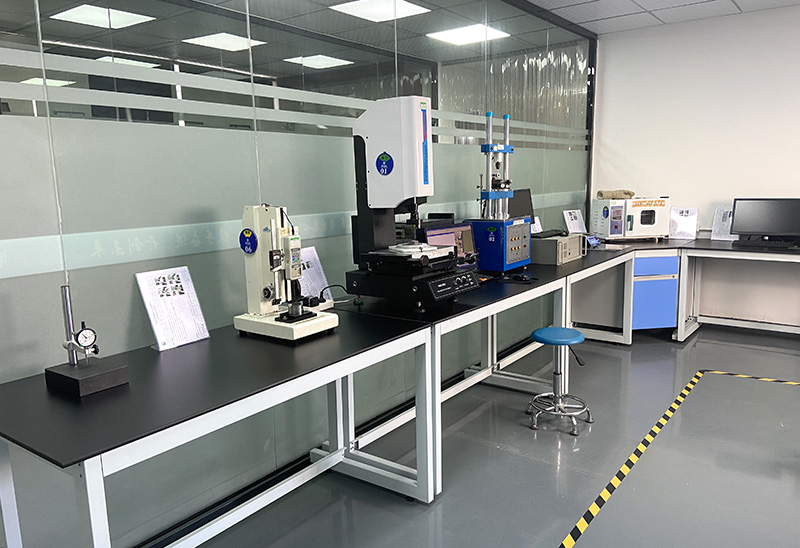
Our ISO9001:2015 certified production processes emphasize trace accountability, testing validation, and green operations. We work to prevent field errors and ensure that our shipments comply with RoHS, REACH, and custom hazardous-substance guidelines.
How we evolve materials, simulation workflows, and manufacturing technologies to support next-generation designs.
Transitioning to composite plating layers like Palladium-Nickel (Pd-Ni) and Diamond-Like Carbon (DLC) to reduce wear, prevent metal migration, and extend contact life in tough charging environments.
Using electromagnetic and stress modeling to predict impedance matching and mechanical behavior before cutting tools hit the metal, reducing project development cycles.
Integrating AI-powered optical systems to capture 100% of dimensional features in real-time, removing manual sorting variations from large production runs.
Quick answers to common questions about materials, customization, electrical ratings, and shipping operations.
We use high-purity brass alloys as our standard barrel base material due to their excellent machining characteristics and electrical conductivity. Plungers are made from brass or Beryllium Copper (BeCu) depending on mechanical requirements. BeCu is selected for micro-probes and high-wear situations due to its high fatigue resistance and structural toughness.
Gold (Au) layers over Nickel (Ni) barriers prevent environmental oxidation and maintain low electrical contact resistance. For smart wearables exposed to sweat and moisture, we recommend custom gold plating configurations up to 20 or 30 micro-inches. This thickness helps prevent contact pitting, degradation, and mechanical failure over thousands of cycles.
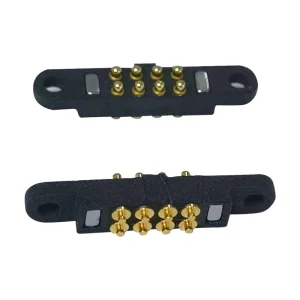
Yes. We offer design support for 2-pin to 10-pin magnetic connector systems. Our service covers housing geometries, magnet field strengths (N35, N52, etc.), polar alignments, and cable structures (including USB-C terminations, shielding levels, and custom overmolding options).
Standard prototype runs using existing stock components take about 5 to 7 business days. For fully customized Pogo pin geometries requiring dedicated lathe setup and tooling, lead times typically run 10 to 15 business days, including basic mechanical analysis and quality validation.
We use automated assembly lines equipped with high-resolution vision systems to verify pin presence, projection heights, and housing alignments in real time. Combined with regular manual inspection checks, this process helps prevent shipment anomalies and ensures consistent production quality.
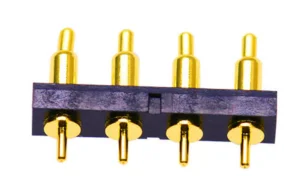
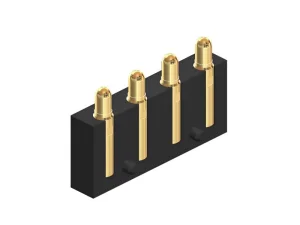
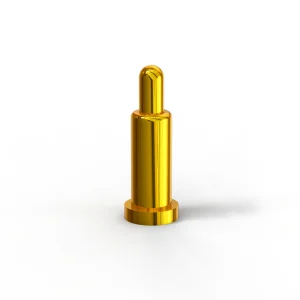
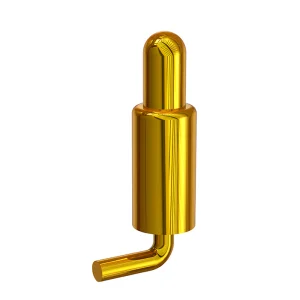
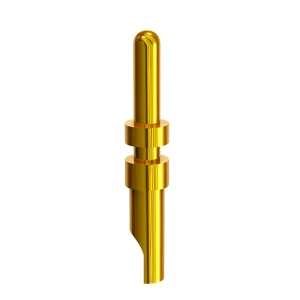
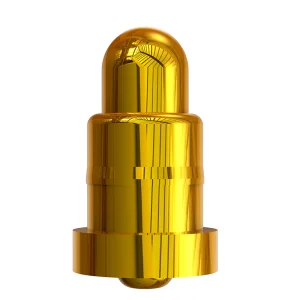
Explore our specialty line of magnetic assemblies, angled contacts, socket connections, and custom wire-solder pogo connectors.
 Rongqiangbin