Explore our diverse capabilities in designing high-integrity custom charging and data interfaces, built on advanced spring-loaded engineering.
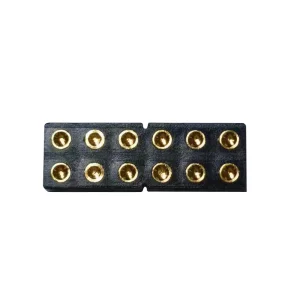
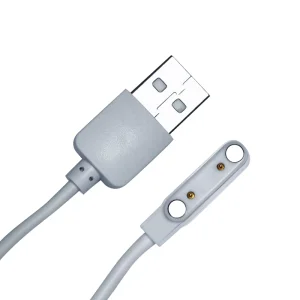
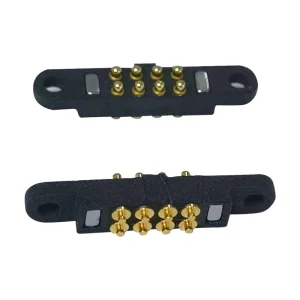
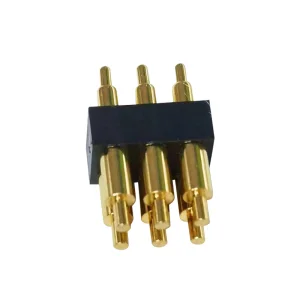
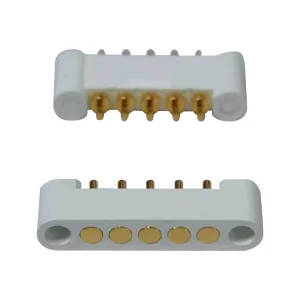
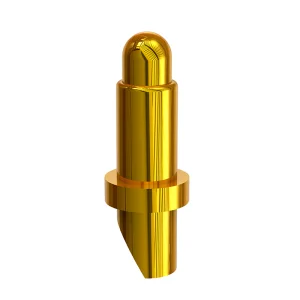
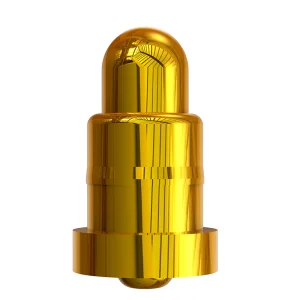
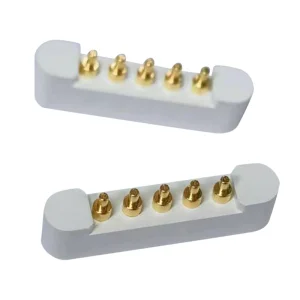
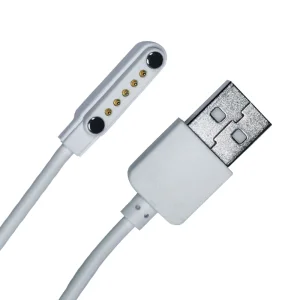
In modern electronic design, the hardware interface acts as the fundamental bridge between device intelligence and physical power delivery. A 5-pin magnetic connector leverages an engineered configuration of neodymium magnets combined with spring-loaded contact pins (pogo pins) to establish secure electrical interfaces without the mechanical wear common to standard USB, micro-USB, or USB-C receptacles.
The five distinct contact channels are typically allocated for VBUS (Power Input), GND (Ground), D+ (Data Positive), D- (Data Negative), and an additional CC (Configuration Channel) or ID/Detection pin. This precise configuration enables intelligent power negotiation, device handshake handshakes, high-speed data synchronization, and fast charging up to 5A or higher, depending on the internal spring tension and spring sleeve metallurgy.
The strategic value of magnetic docking systems lies in their zero-force self-alignment capability and their inherent breakaway safety mechanism. When an external force or strain is applied to the cable, the magnetic coupling releases smoothly, avoiding mechanical stress on internal printed circuit boards (PCBs) or hazardous device drops. For critical consumer, medical, and industrial devices, this translates directly to prolonged service life and enhanced UX (User Experience).
As a premier ODM 5pin magnetic connector supplier, our engineering department prioritizes optimized metallurgy and plating chemistries. Under heavy charging loads or exposure to physiological sweat (pH value variation), poor connectors suffer from rapid contact degradation.
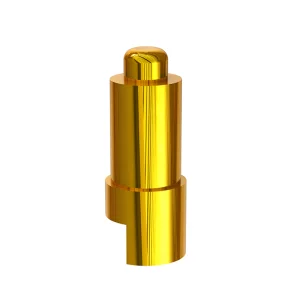
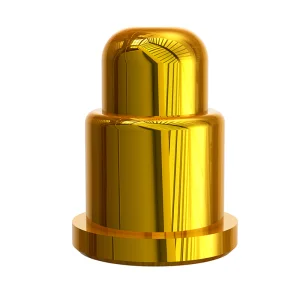
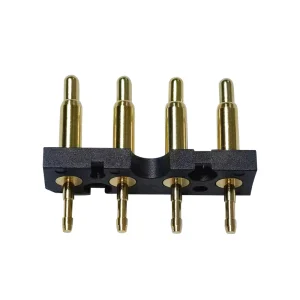
Standard configurations feature a base copper or brass alloy pin core, electroplated with nickel barrier layers, finished with high-purity gold (minimum 3u" to 50u" for harsh environments). This ensures excellent conductivity and prevents galvanic oxidation.
The internal spring must withstand continuous compression without losing spring constant (k). We utilize high-fatigue music wire or stainless steel (SUS304/SUS316) to deliver consistent 40-120g actuation force over hundreds of thousands of cycles.
We deploy high-remanence Neodymium (NdFeB) permanent magnets, graded at N52. To prevent corrosion and deterioration under environmental stress, they are enclosed with multi-layered nickel-copper-nickel (Ni-Cu-Ni) and epoxy finishes.
Traditional gold-plated pogo pins are susceptible to copper diffusion under standard skin-contact humidity. At Shenzhen Rongqiangbin, we offer advanced composite coatings utilizing Ruthenium (Ru) or Platinum (Pt) surface layers over the gold deposit. This drastically mitigates pitting corrosion and the degradation of the pin head, which is crucial for wearables exposed to human sweat, rain, or high-humidity environments.
Because of their highly adaptable nature, 5-pin magnetic interfaces support both power delivery and high-fidelity signal loops. This versatility makes them highly sought-after across several specialized engineering verticals globally:
A premier manufacturer based in the core of the Guangdong-Hong Kong-Macao Greater Bay Area, driving precision connector engineering since 2011.
Founded in February 2011 in Songgang Street, Shenzhen, Shenzhen Rongqiangbin Electronic Hardware Co., Ltd. specializes in the comprehensive development, manufacturing, and global distribution of Pogopin connectors. Through more than a decade of technical refinement, precision engineering investments, and rigorous manufacturing standards, we have positioned ourselves as an industry leader in China's high-precision connector market.
We focus extensively on high-reliability POGO PIN (also known as spring thimble) products. Adhering strictly to the business philosophy of "customer first, integrity first," we provide custom electrical interface architectures to leading names globally.
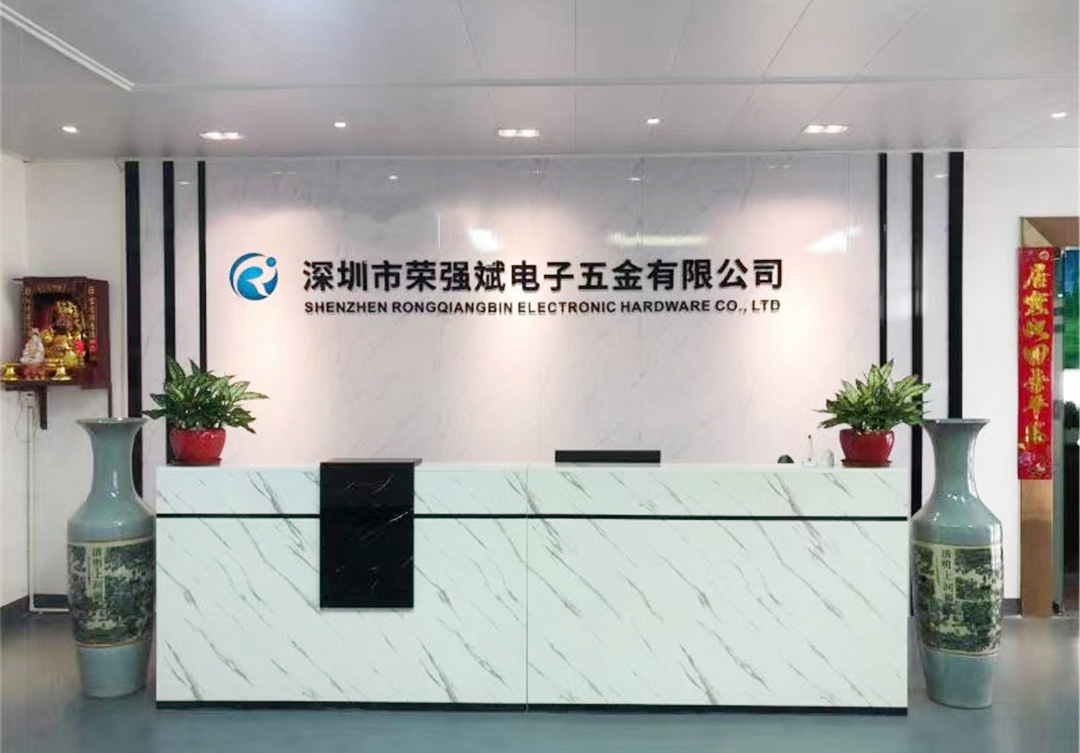


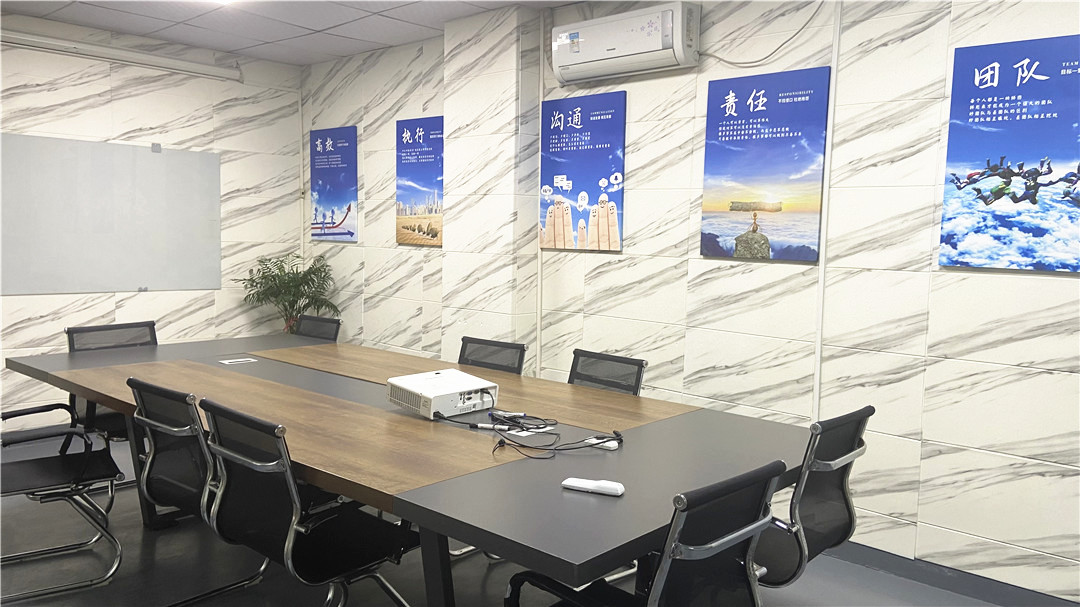
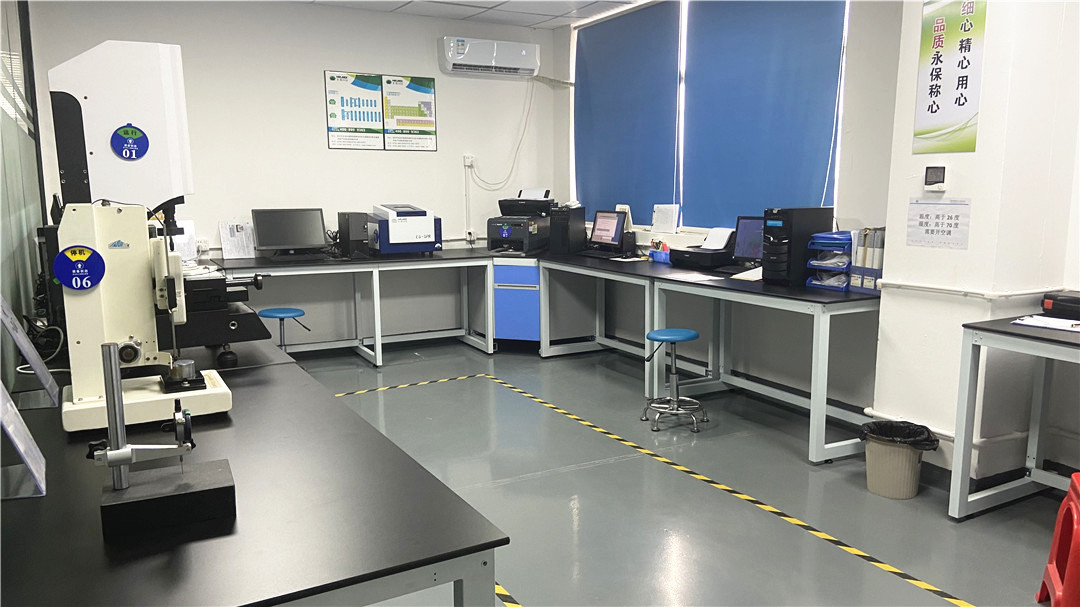
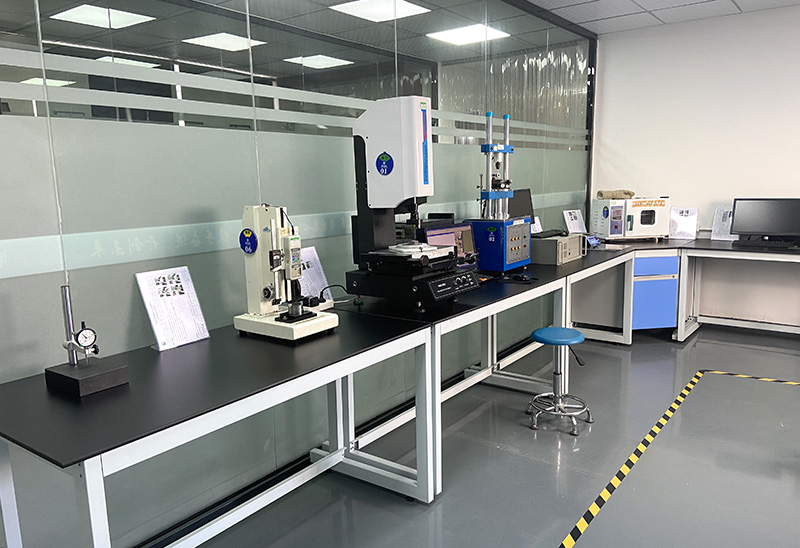

"Committed to being an excellent POGO PIN manufacturer for both quality and cost on home and abroad, and leading connector technology development."
Through rigorous quality inspection frameworks, we have established long-term cooperative partnerships with an array of industry leaders. Our key client partnerships include renowned electronics and engineering corporations such as:
Manufacturing precision magnetic connector architectures requires a balanced local supply ecosystem that spans raw material processing, high-speed micro-turning, precision molding, and fully automated optical inspection (AOI). Our location in Shenzhen's Greater Bay Area places us at the heart of the world's most robust electronics manufacturing network.
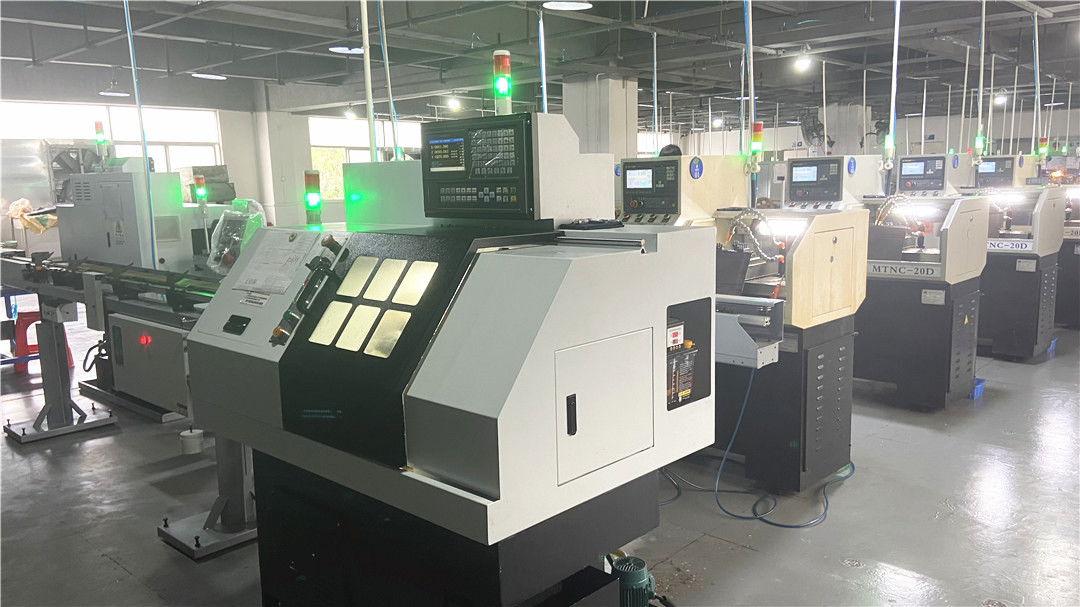
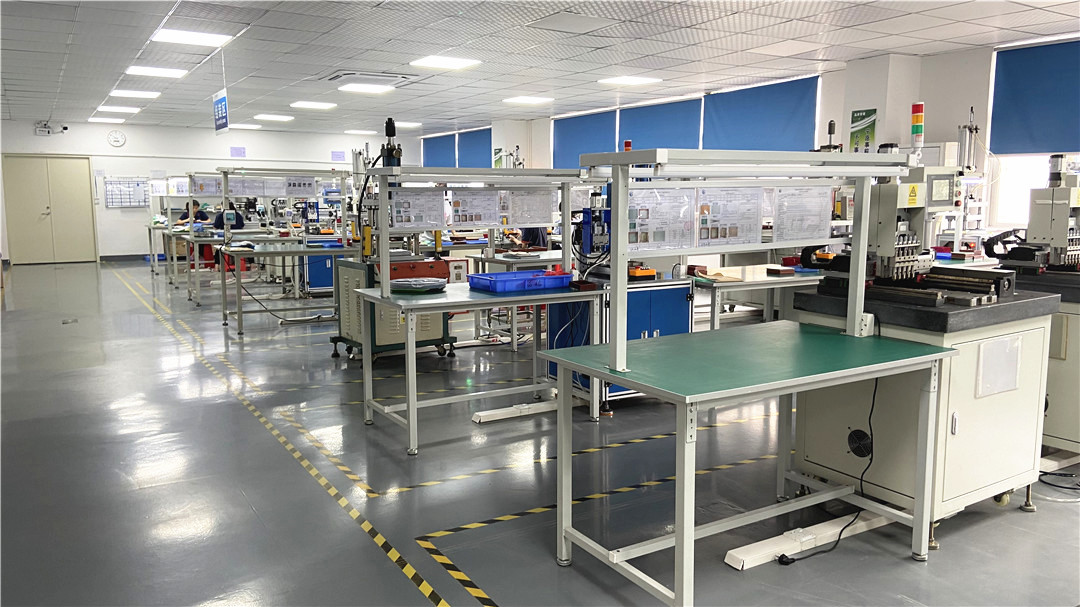
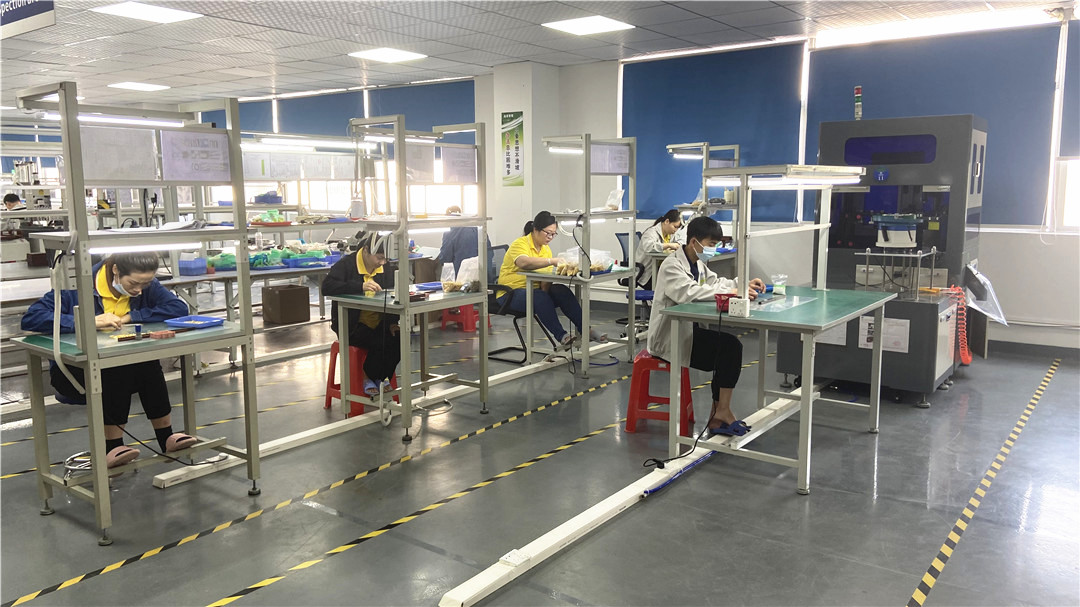
Operating in-house CNC machining networks permits micro-tolerances down to ±0.005mm. The integration of high-speed automatic lathe departments, custom injection molding machines, and automated assembly stations ensures high throughput without compromising accuracy. By centralizing key manufacturing processes, we minimize supply chain vulnerabilities and insulate our clients against lead-time shocks.
As IoT architectures shrink and data throughput requirements scale up, the design paradigms of pogo pin magnetic assemblies must evolve. The next phase of development centers on three main technological pillars:
Developing custom pin layouts that maintain 50Ω single-ended impedance and 100Ω differential impedance matching. This enables high-speed data transmission speeds exceeding 10Gbps across dynamic magnetic docking interfaces.
Shrinking standard pitch configurations to accommodate next-gen smart eyewear and medical diagnostic implants. This requires advanced micro-machining capabilities and ultra-thin, high-insulation liquid crystal polymer (LCP) plastics.
Integrating intelligent power IC modules into the connector housing. This supports advanced PD (Power Delivery) protocols, enabling 20V/5A power transmission with minimal temperature rise.
Securing a spot in international hardware manufacturing pipelines requires strict adherence to global engineering compliance frameworks. For high-reliability environments, magnetic connectors must meet strict environmental directives and pass testing protocols such as:
Our global engineering support group collaborates with product designers at every stage of the design cycle. From initial 3D CAD modeling and magnetic force simulations (FEA) to pilot runs and mass manufacturing, we ensure that performance criteria are met.
Detailed answers to critical engineering design questions regarding 5-pin magnetic and pogo-pin interfaces.
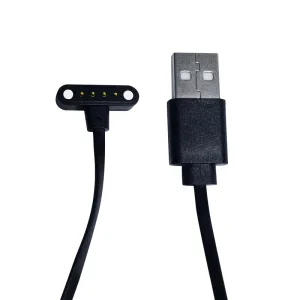
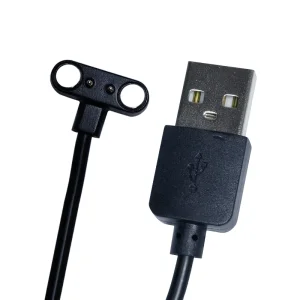
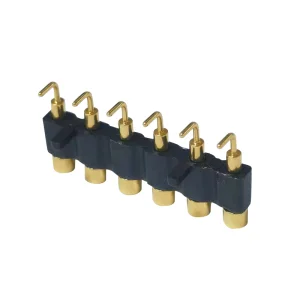
Browse our wide range of custom assemblies, PCB mounting hardware, and magnetic charging cables built to client specifications.
 Rongqiangbin