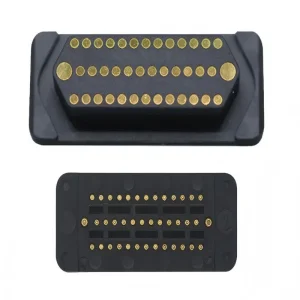
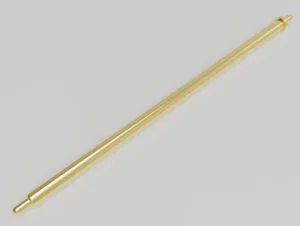
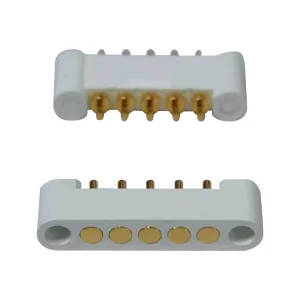
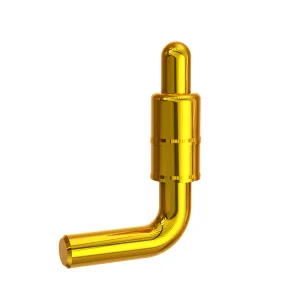
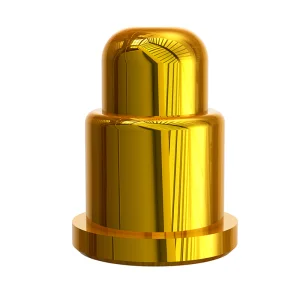
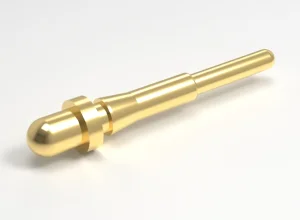
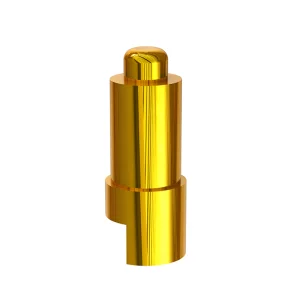
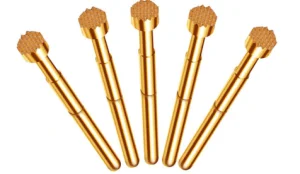
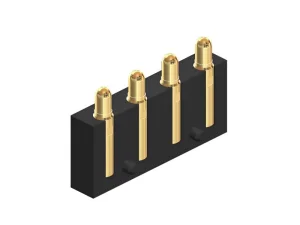
Explore our premium grade custom spring-loaded connections, precision-manufactured for critical contact performance.
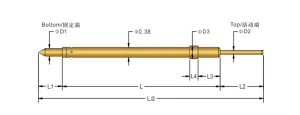
Pogo pin contacts, often referred to as spring-loaded probes or spring thimbles, represent a pinnacle of micro-mechanical interconnect technology. Unlike conventional leaf-spring or stamp-molded connectors, a pogo pin contact employs a three-part configuration containing a plunger, internal spring, and barrel. This architecture delivers consistent contact force and electrical continuity even under intense vibration, structural misalignment, and continuous mating cycles.
As a leading ODM Pogo Pin Contacts Manufacturer & Factory, our manufacturing tolerances are maintained within ±0.01mm. This extreme precision ensures minimal contact resistance, which is vital for high-speed signal integrity and low-loss power distribution.
"By implementing advanced manufacturing processes like precision Swiss-type CNC turning, we eliminate internal burrs, optimizing electrical conductivity and preventing signal drops."
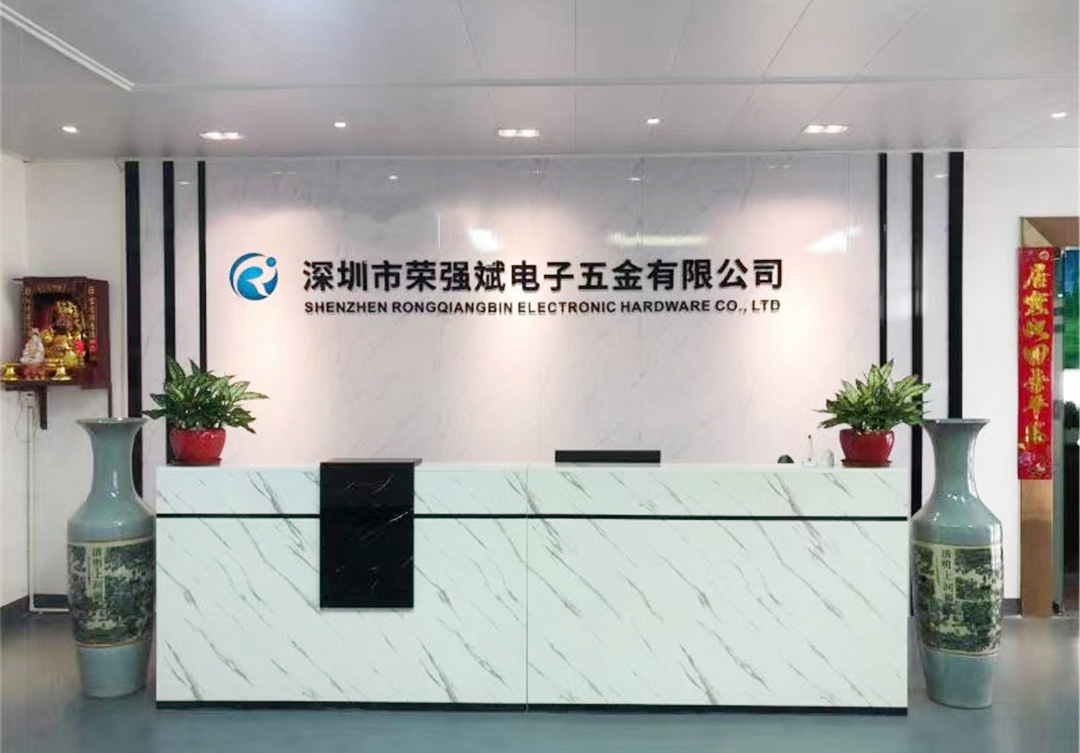
A Premier Industrial Landmark in the Greater Bay Area Connecting Global Innovation.
Founded in February 2011, located in Songgang Street, Shenzhen, Shenzhen Rongqiangbin Electronic Hardware Co., Ltd. has established itself as an industry leader in pogo pin technology. Positioned at the core of the Guangdong-Hong Kong-Macao Greater Bay Area, our strategic location allows us to leverage cutting-edge supply chains and world-class shipping portals to serve top-tier electronics brands globally.
We specialize in the research, development, production, and sales of various pogo pin structures and high-current spring-loaded solutions. Driven by a philosophy of "customer first, integrity first," our dedicated design and manufacturing teams work closely with R&D engineering clients to transform complex specifications into high-performance connectivity components.

Established 2011 | Songgang, Shenzhen
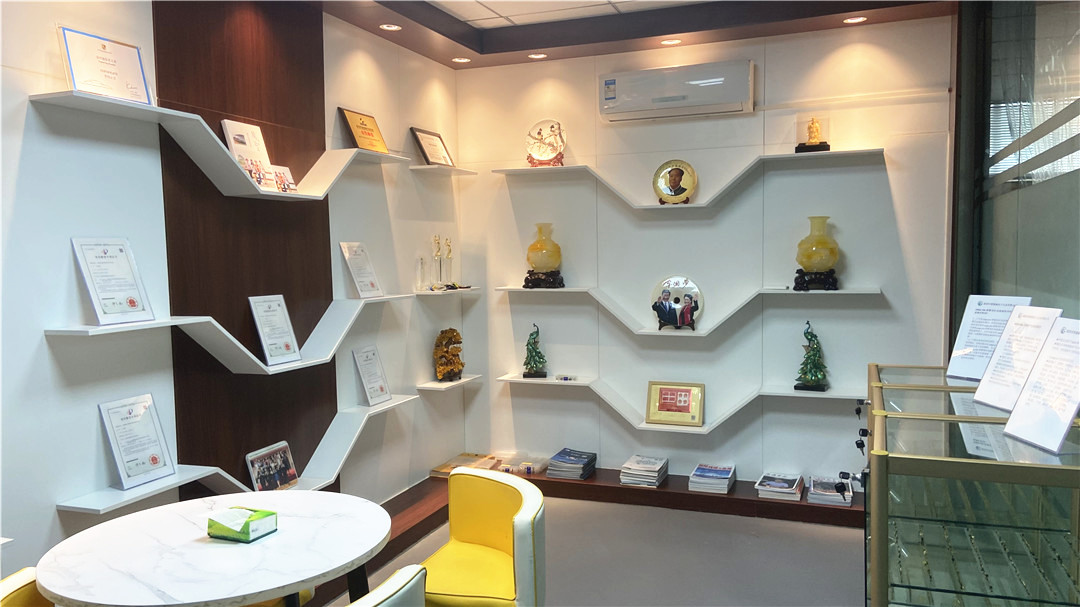
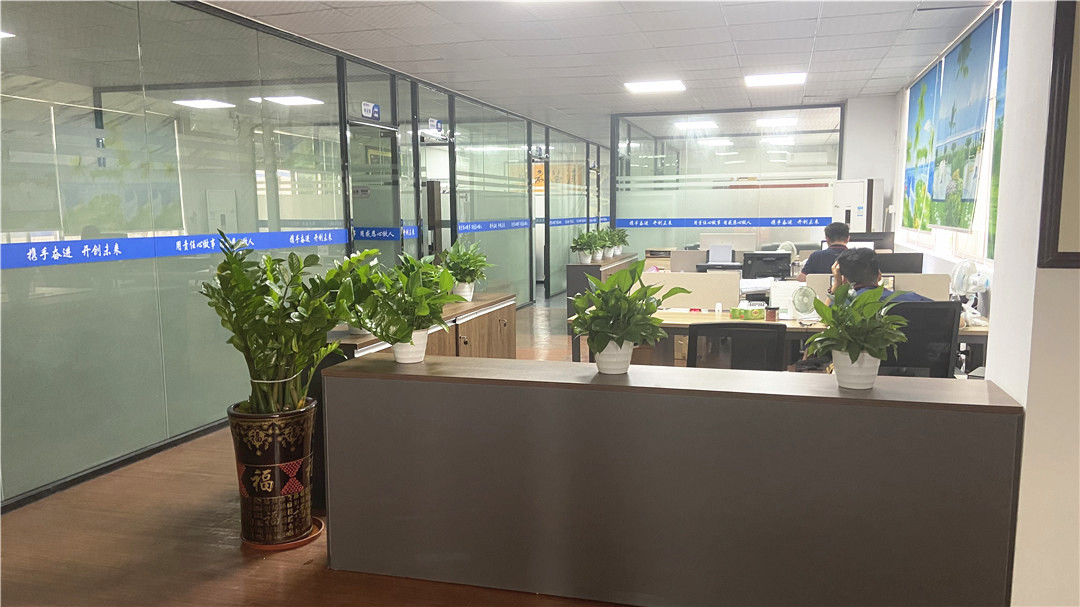
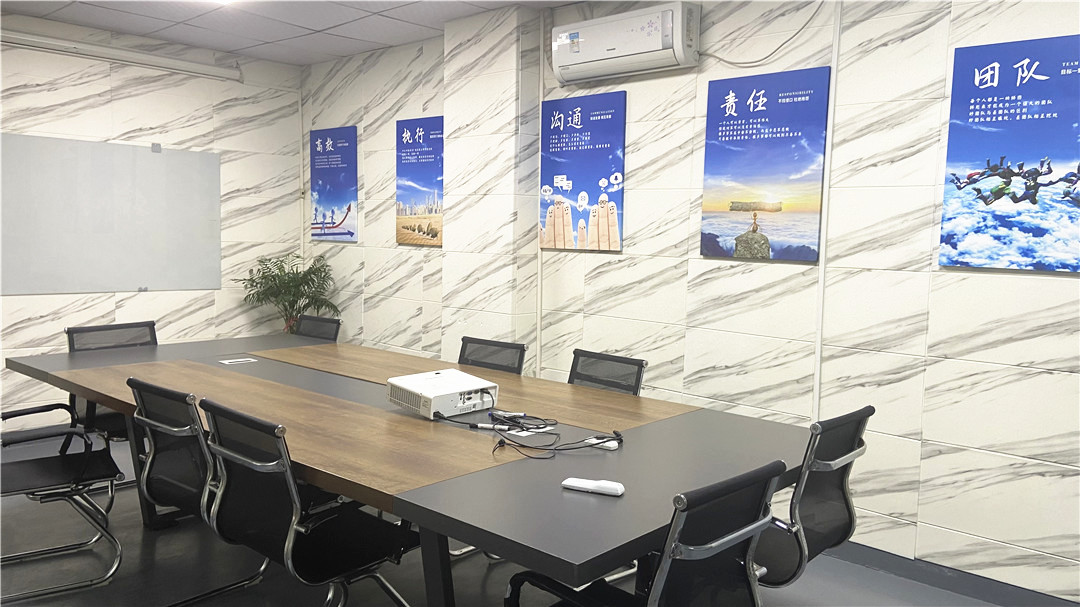
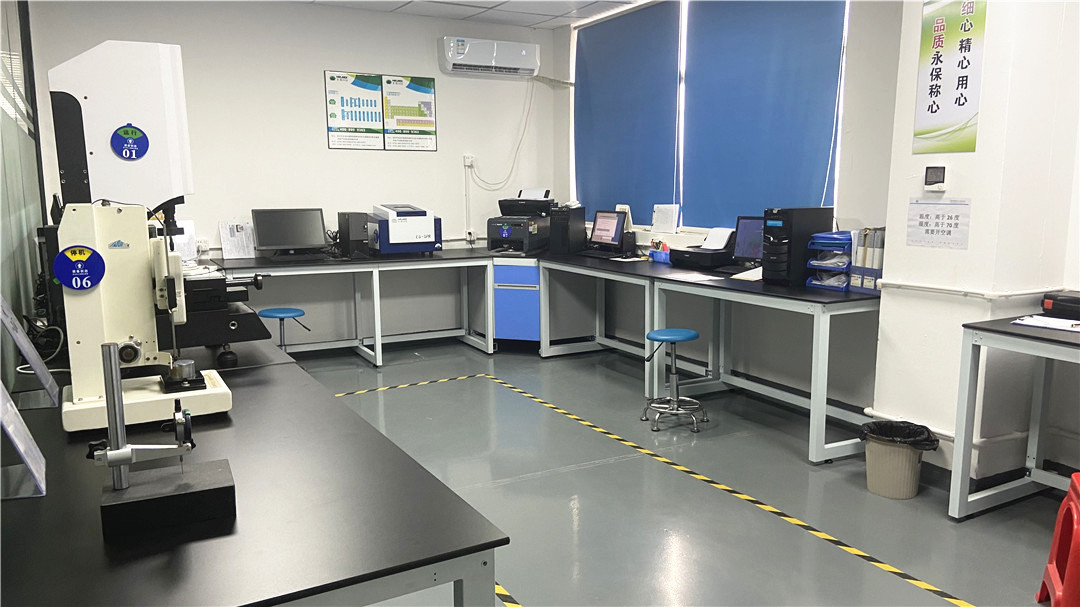
Year of Establishment
Certified Management System
Daily CNC Lathe Capacity
Typical Contact Resistance
Choosing the correct internal plunger and mating structure is vital to achieving stable connectivity under dynamic conditions.
Typically used for general signals with longer pin spaces where the plunger length is sufficient. Provides a cost-effective design with straightforward mechanical kinematics, although not recommended for high-vibration applications.
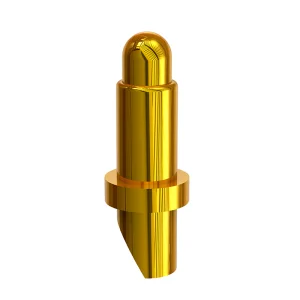
By cutting a bevel edge (slant cut) at the plunger tail, the plunger is pushed against the inner wall of the barrel during compression. This establishes a stable lateral force and drops contact resistance to a minimum, rendering it highly resistant to micro-vibrations.
For applications where space is extremely constrained, back-drilled structures increase plunger stroke depth. The addition of an internal insulating ball stabilizes the electrical current flow and protects the spring from carrying excessive load, which prevents thermal degradation.
| Architecture Type | Current Tolerance | Vibration Resistance | Typical Contact Resistance | Target Applications |
|---|---|---|---|---|
| Flat Bottom Plunger | 1A – 2A Max | Moderate (Low Stability) | < 50 mΩ | General digital signal lines, basic battery charging, toys |
| Biased Cut (Slant Plunger) | 3A – 15A | High (Constant wall contact) | < 20 mΩ | Mobile phones, consumer smart wearables, dynamic data connections |
| Reverse Back-Drill / Insulating Ball | 5A – 40A | Ultra-High (Severe dynamic shock) | < 10 mΩ | New energy vehicle components, military, medical charging adapters |
"Committed to being an excellent POGO PIN manufacturer for both quality and cost on home and abroad, leading connector technology development into new boundaries."
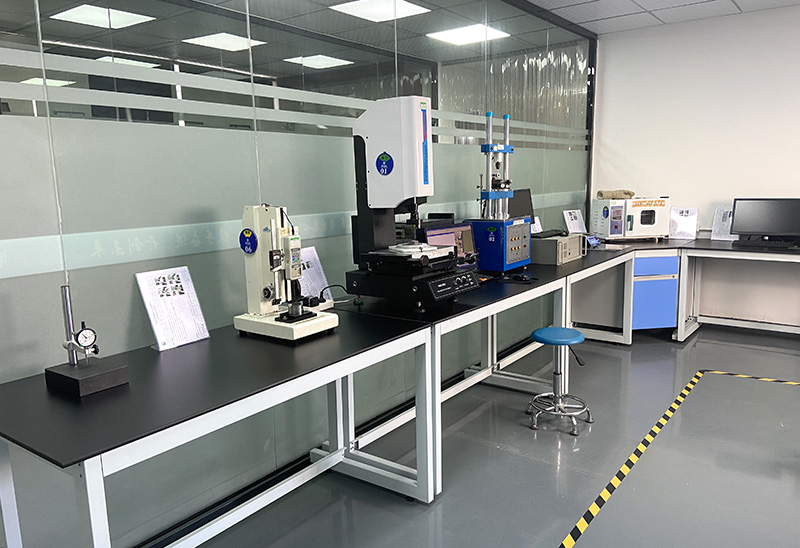
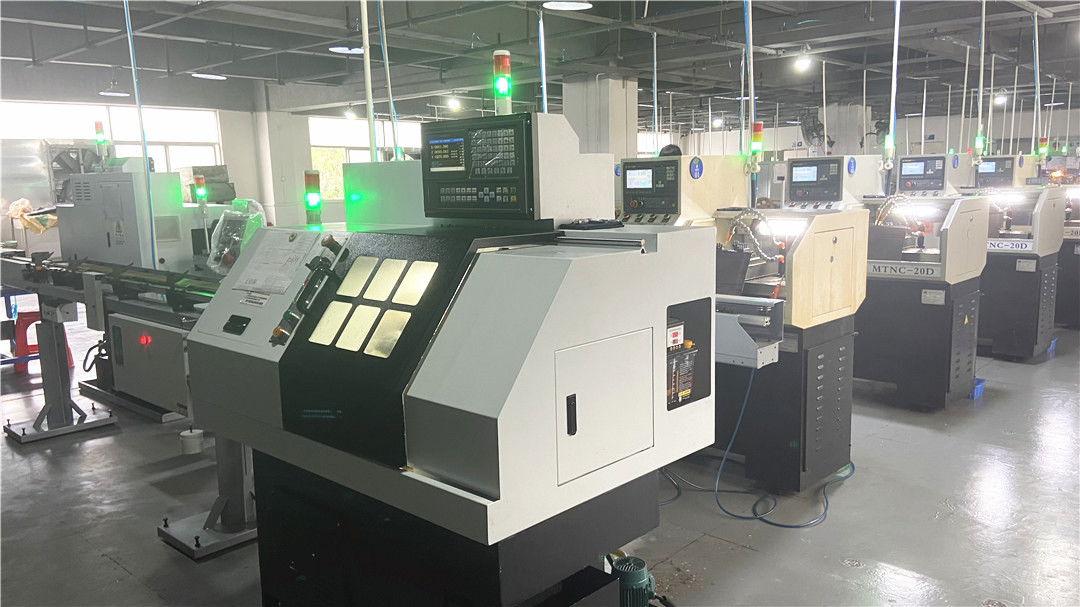
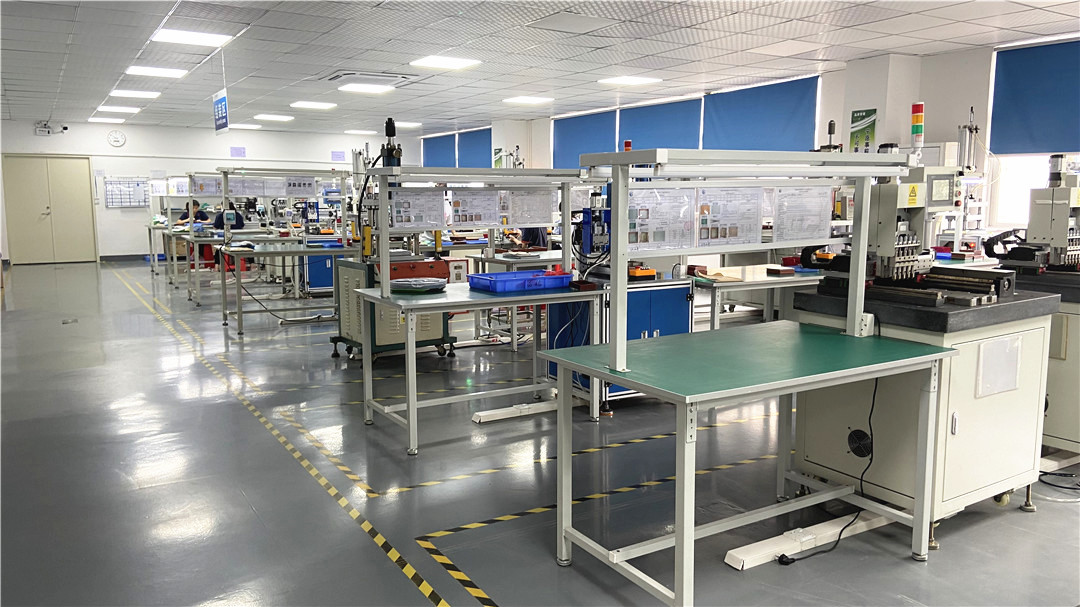
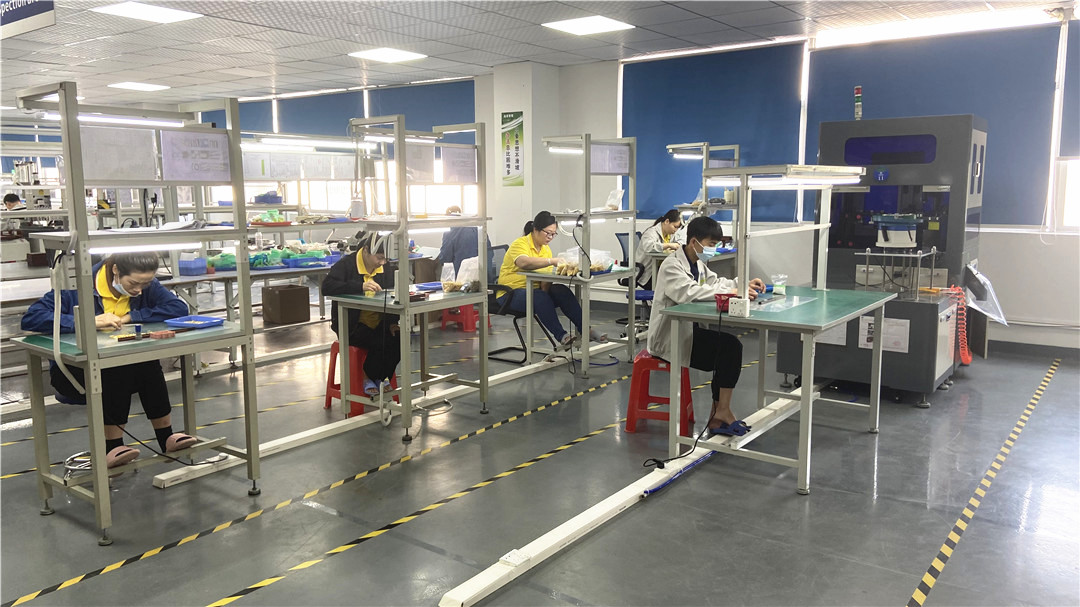
Inside our Shenzhen facility, combining advanced Swiss lathes, robotic assembly, and meticulous inspection.
Quality begins on the production floor. Our CNC lathe department features state-of-the-art machinery capable of processing high-precision base metals including brass alloys, tellurium copper, and stainless steel (SUS303/SUS304). By machining plungers and barrels in-house, we achieve strict dimensional stability that makes downstream automatic assembly smooth and predictable.
Rongqiangbin operates under a comprehensive ISO9001:2015 quality management system. To ensure absolute compliance with the environmental and performance directives of major clients like Honeywell, Samsung, and Siemens, our testing lab runs dynamic contact resistance, salt spray exposure, mechanical life-cycle simulation, and X-ray coating thickness tests on every production batch.
Our custom spring-loaded connections are deployed across critical technology sectors globally.
Providing corrosion-resistant (Au/Pd-Ni plating), sweat-resistant charging interfaces for smartwatches, fitness bands, and TWS Bluetooth headsets (QCY, HAYLOU).
Delivering high-current board-to-board battery interfaces, charging sockets, and signal sensors engineered to absorb road vibration without power interruptions.
Providing magnetic docking lines and spring interfaces for ultra-thin laptops, high-speed 5G network routers, tablet docks, and smart home appliances.
Supplying robust probes for aerospace electronics, satellite communication systems, high-durability handheld computers, and precision medical monitors.
Our main customer portfolio includes globally respected corporations: Honeywell, Samsung, Siemens AG, ZTE, 360, QCY, HAYLOU, Shanghai Laimu, Luxshare Group, Aoni Electronics, Amphenol Group, and other leading brands.
The interface between a pogo pin contact and the target pad is prone to degradation through oxidation, friction, and galvanic corrosion. Selecting the correct plating composition is vital for long-term field reliability.
| Plating Layer | Thickness Range | Key Benefits |
|---|---|---|
| Gold (Au) over Nickel (Ni) | 1 u" to 50 u" | Lowest resistance, classic oxide prevention |
| Palladium-Nickel (Pd-Ni) | 10 u" to 30 u" | High hardness, wear resistance, prevents corrosion from sweat |
| Platinum (Pt) Coating | 3 u" to 15 u" | High-end corrosion immunity, biocompatible |
How we are preparing to meet the challenges of 5G/6G frequencies, extreme miniaturization, and green energy.
Modern mobile antennas require pogo pin configurations that can carry multi-gigahertz signals with minimal return loss. Our design lab uses computer-aided simulation to design impedance-matched pogo pins that function reliably up to 20 GHz.
We are currently validating carbon-based nano-coatings and advanced composite platings to extend the wear life of spring-loaded probes beyond 1,000,000 cycles without increasing electrical resistance.
Aligned with RoHS and REACH regulations, we are transitioning our entire plating supply chain to eco-friendly, nickel-free processes, ensuring safe wearability and minimal environmental footprint.
Get professional answers to key technical questions commonly asked by global procurement and design engineers.
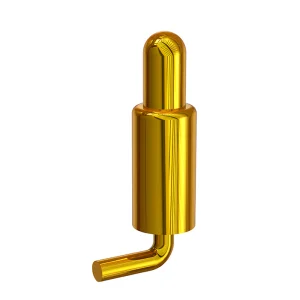
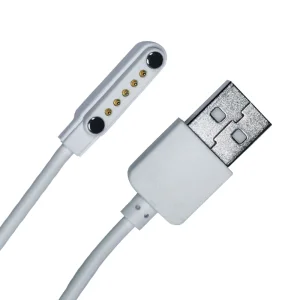
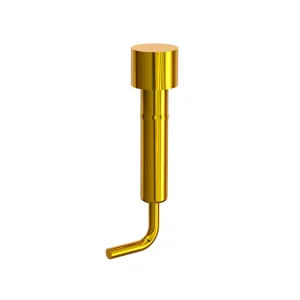
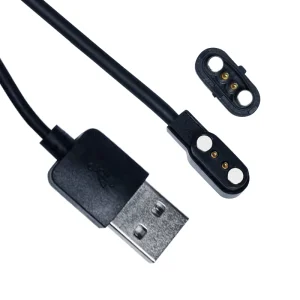
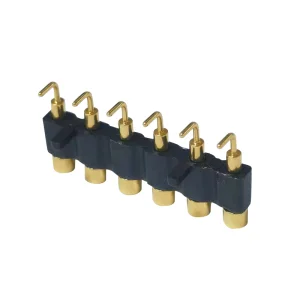
Explore our engineering capabilities across customized pins, bending types, and magnetic charging cables.
 Rongqiangbin