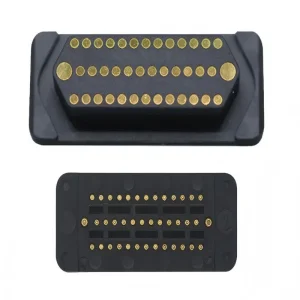
In the contemporary hyper-connected era, the global electronics industry is witnessing a structural shift towards high-frequency signal transmission, rapid power delivery, and ultra-miniaturized system integration. At the core of these structural advancements is the pogo pin connector—a mechanical contact technology favored for its superior longevity, low contact resistance, and tolerance for angular misalignment. Once relegated to simple battery contact configurations, modern pogo pins serve as critical electrical interfaces in consumer electronics, automotive sensor systems, telecommunications, aerospace systems, and automated test equipment (ATE).
The integration of artificial intelligence (AI) in edge computing devices and the growth of wearable tech have driven the need for high-density, multi-pin connector solutions. Globally, custom pogo pin configurations are replacing conventional board-to-board connectors due to their resilience to shock, vibration, and thermal cycling. Hardware engineers now require specialized custom suppliers that can deliver components meeting specific force curves, electrical current profiles, and dimensional constraints.
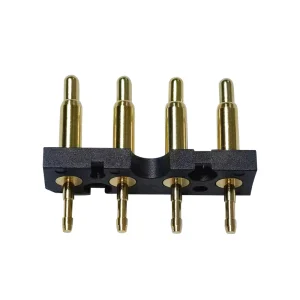
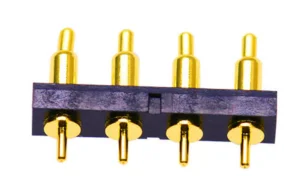
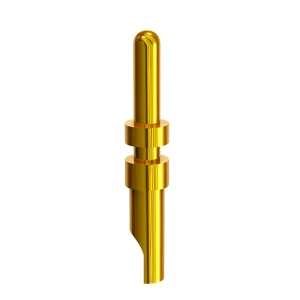
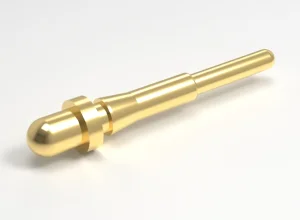
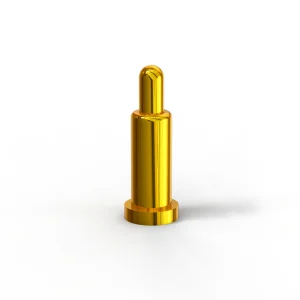
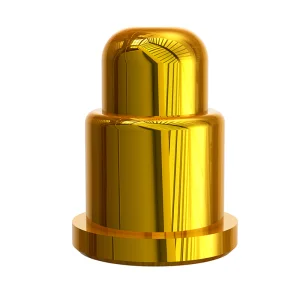
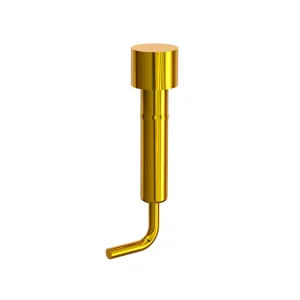
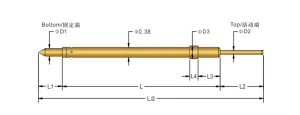
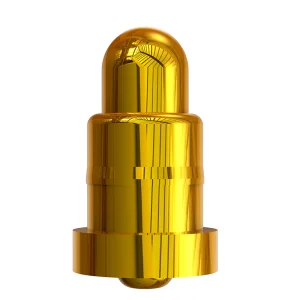
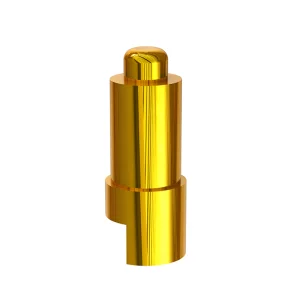
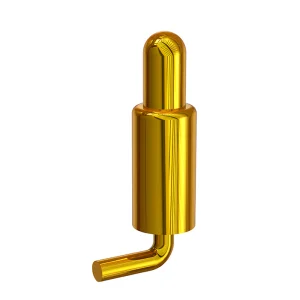
Custom pogo pin design requires careful calibration of material science, surface chemistry, and mechanical engineering. A standard pogo pin consists of three primary components: a plunger (moving tip), a barrel (outer tube), and an internal spring. Each component must be engineered to withstand the mechanical and environmental stresses of its target application.
Plungers & Barrels: Generally machined from lead-free brass or high-conductivity beryllium copper (BeCu) alloys. BeCu is utilized in high-performance applications due to its mechanical tensile strength and electrical conductivity.
To resist galvanic corrosion and oxidation, barrels and plungers undergo electroplating. Plating typically uses gold (Au) over a nickel (Ni) barrier layer. Gold provides a noble interface with low contact resistance and high corrosion resistance.
Springs are fabricated from music wire (high tensile strength steel), stainless steel (SUS304/SUS316), or beryllium copper. The spring force must be engineered to ensure constant electrical contact without causing mechanical damage.
Established in February 2011, located in Songgang Street, Shenzhen—within the Guangdong-Hong Kong-Macao Greater Bay Area—Shenzhen Rongqiangbin Electronic Hardware Co., Ltd. is a manufacturer specializing in the development, production, and sale of high-reliability POGO PIN (spring thimble) connectors.
Guided by our principles of "customer first, integrity first," we have built a specialized pogo pin engineering and production team. We maintain long-term cooperative partnerships with key enterprises across various sectors. The company is certified to the ISO9001:2015 international quality management system standard. We employ quality control protocols and environmental management systems to supply products that comply with RoHS, REACH, and other environmental directives.
Our core values focus on delivering quality and customer service, aiming to create value for our clients. Through precision manufacturing, we serve major industry players, including Honeywell, Samsung, Siemens AG, ZTE, 360, QCY, Haylou, Shanghai Laimu, Luxshare Group, Aoni Electronics, and Amphenol Group.
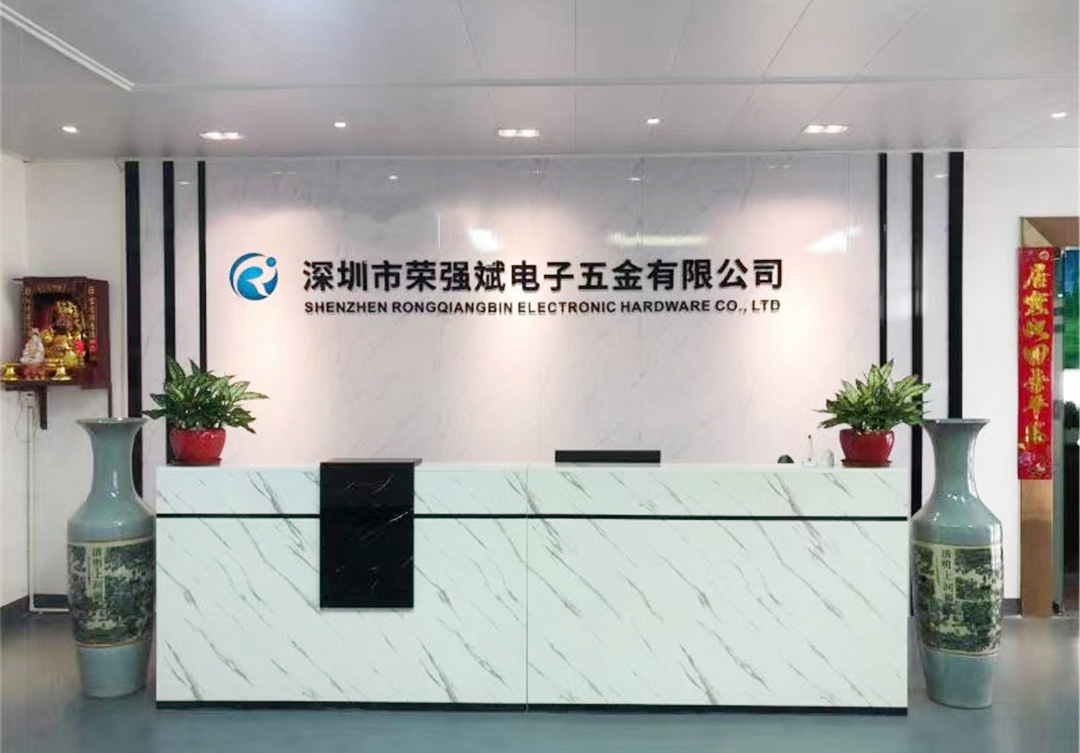

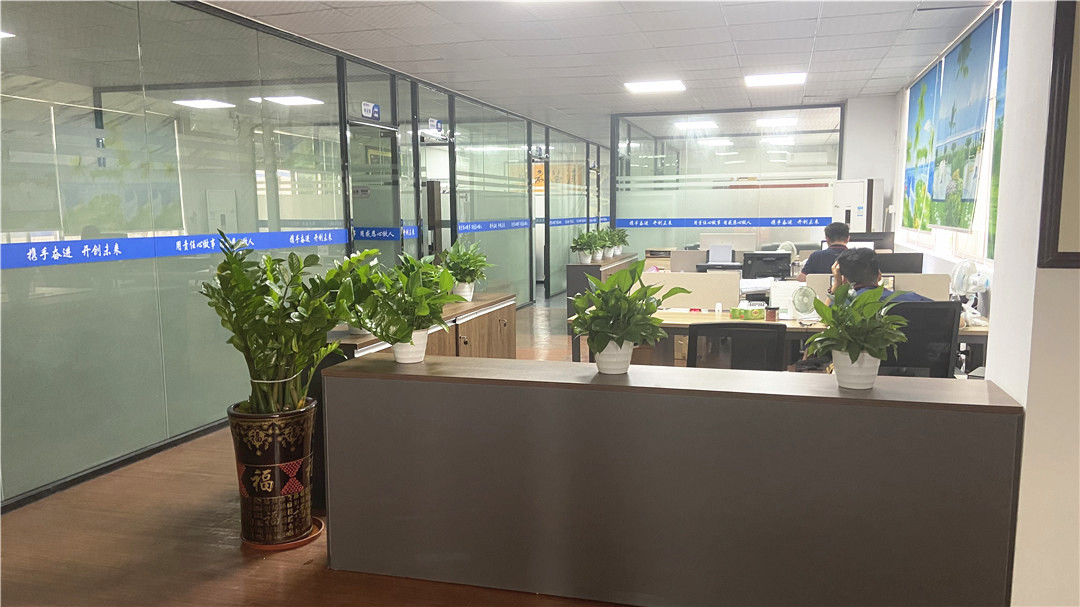
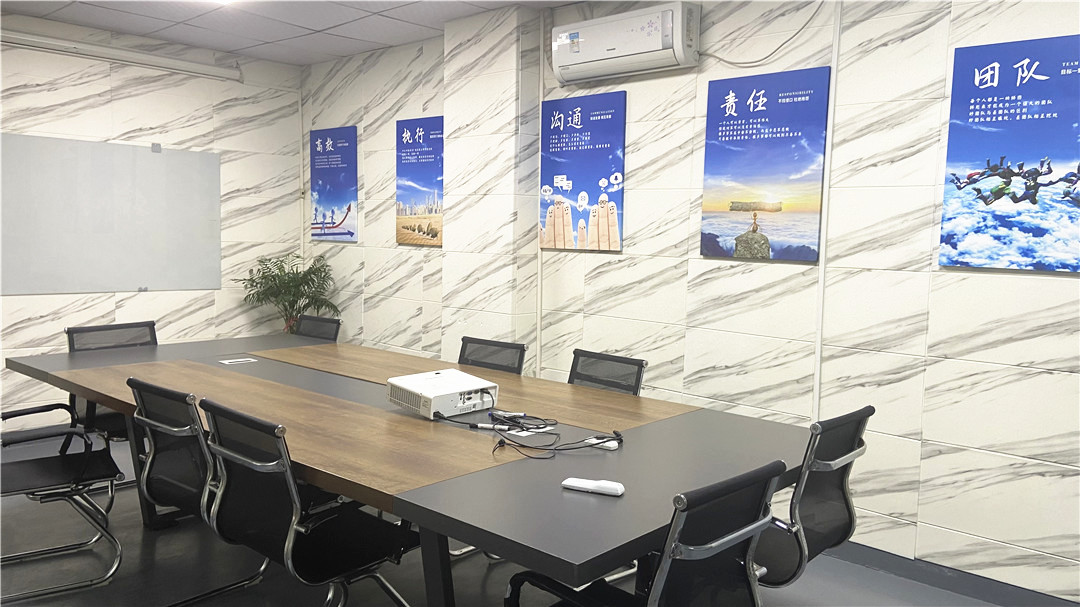
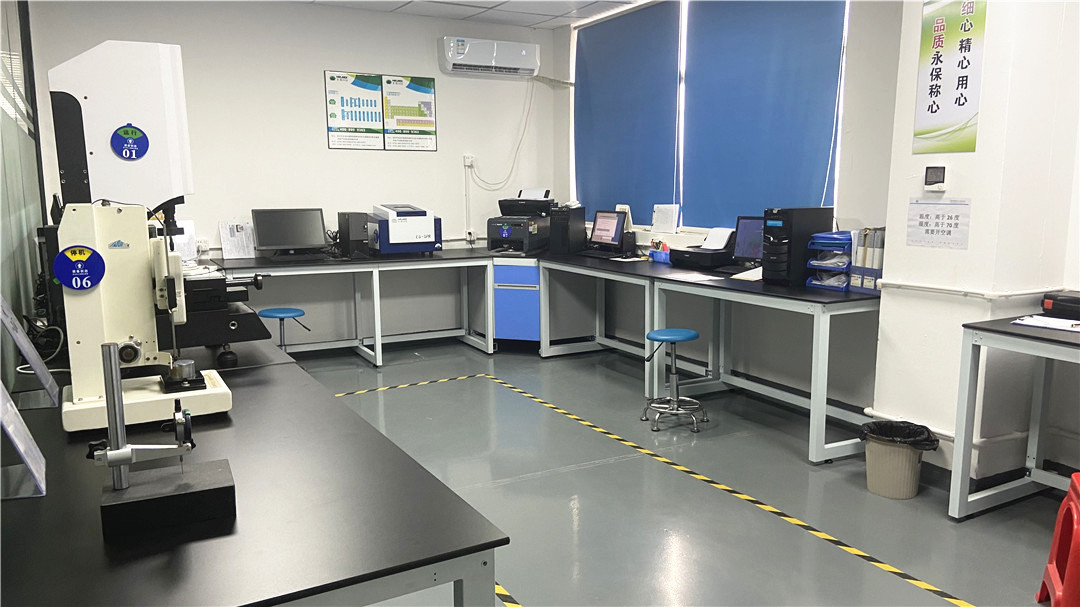

"Committed to being an excellent POGO PIN manufacturer for both quality and cost domestically and abroad, and leading connector technology development."
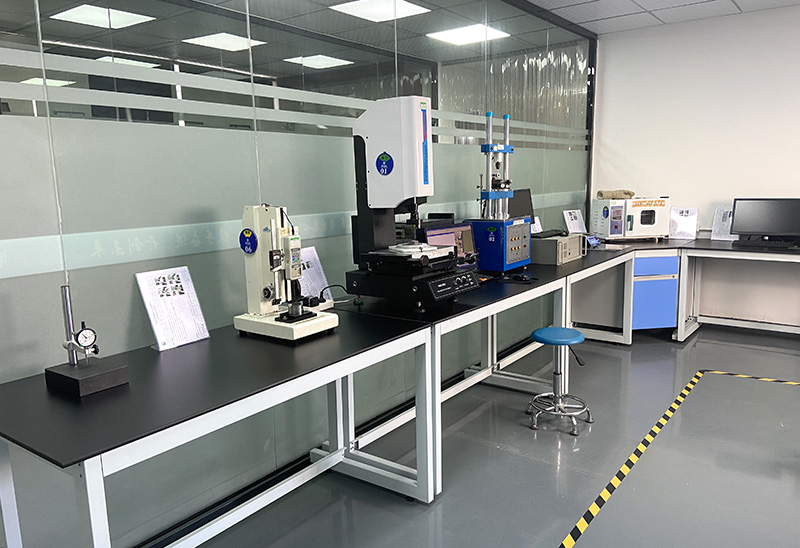
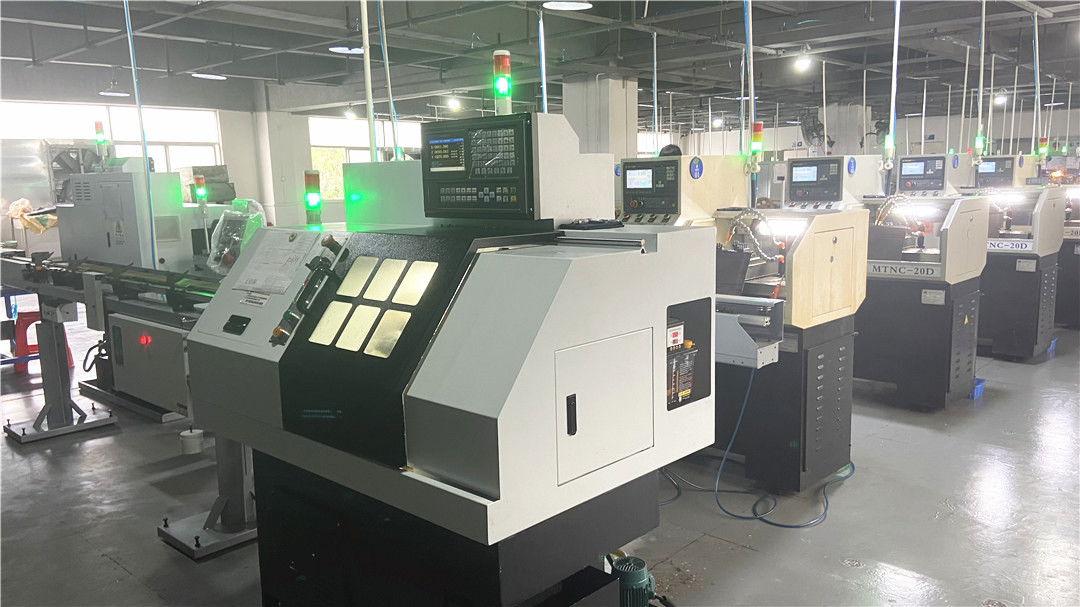
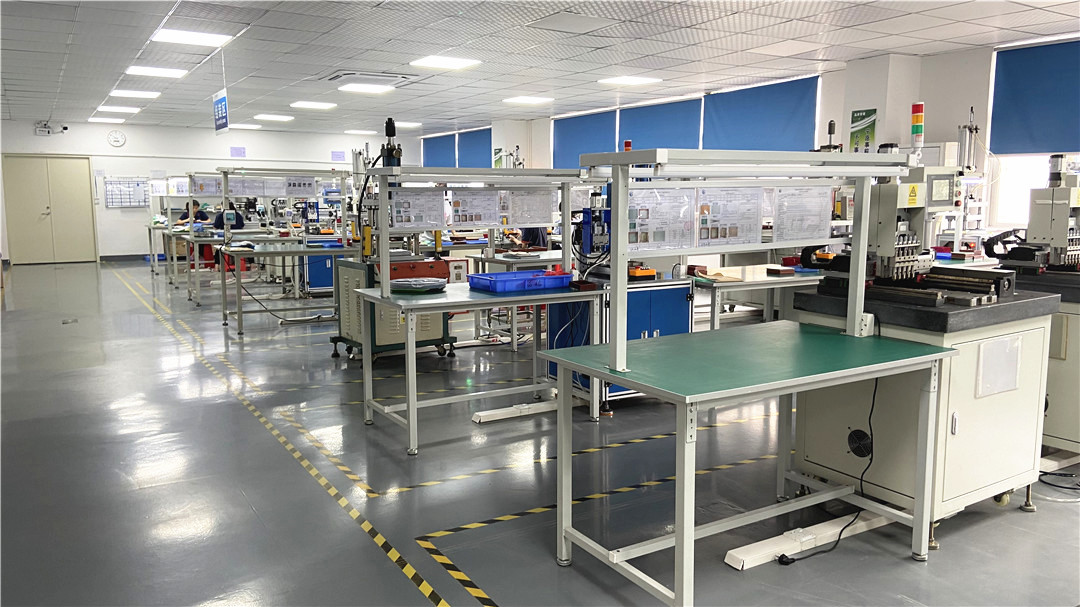
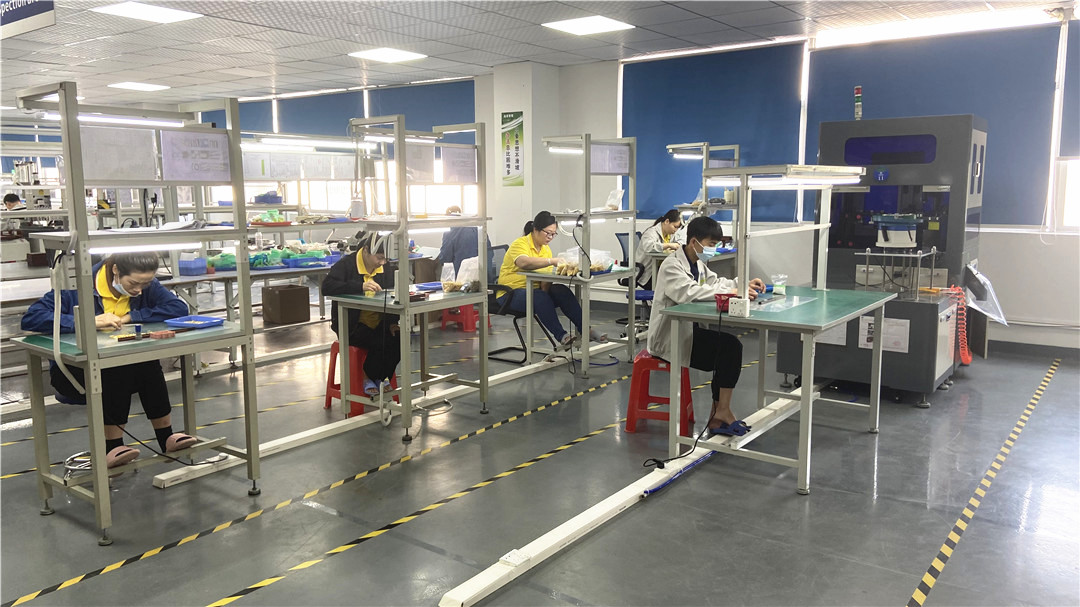
Rongqiangbin maintains quality and cost standards through integrated vertical manufacturing. With in-house turning, plating, assembly, and automated testing, we provide customers with high environmental compliance and reliability.
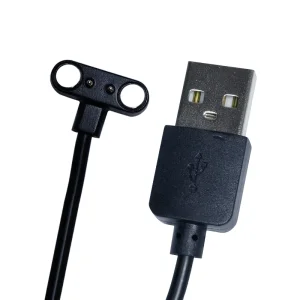
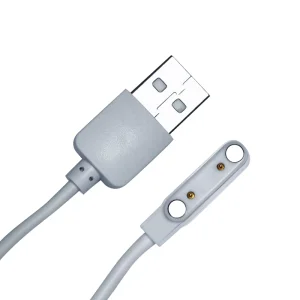
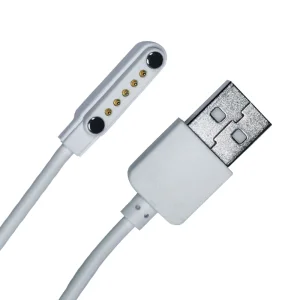
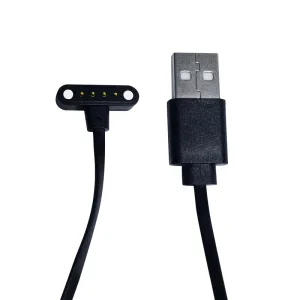
Rongqiangbin custom pogo pins and magnetic connectors are designed for various industrial and consumer sectors:
Smart wearable devices (fitness bands, smartwatches), wireless Bluetooth headsets, tablet computers, learning systems, handheld game controllers, digital cameras, and mobile antennas.
Used in high-current charging ports, battery monitoring systems (BMS), board-to-board power links, and diagnostic equipment requiring reliable contact under vibration.
Applied in medical monitoring probes, military communication devices, aerospace instrumentation, GPS navigation modules, and automated testing fixtures.
Achieving stable electrical contact requires selecting the appropriate internal mechanical structure for the pogo pin plunger:
Designed for low-current applications with limited space. The hollowed-out plunger accommodates a longer spring, providing consistent contact force within a small package size. However, contact resistance may fluctuate slightly during movement.
The bottom of the plunger is cut at an angle. The lateral force component forces the plunger into continuous contact with the inner wall of the barrel. This reduces contact resistance fluctuations and ensures stable current transmission.
An insulated ball is placed inside the barrel between the plunger and the spring. The ball diverts current through the barrel wall rather than the spring, enabling high-current transmission (5A to 30A+) and protection against spring burn-out.
For current exceeding 3A, we recommend using a bias-cut or ball-in-cylinder internal structure. The ball structure prevents current from flowing through the spring, which has high resistance and can fail due to excessive heat. Thick gold plating (up to 30 micro-inches) on the barrel and plunger is also utilized to minimize contact resistance.
Our standard pogo pins are designed to withstand 10,000 to 50,000 cycles. Under custom configurations utilizing high-grade stainless steel or music wire springs, coupled with optimized plating thickness, we can engineer solutions that exceed 100,000 to 500,000 mechanical compression cycles.
Exposure to sweat, humidity, and salt spray can cause corrosion in low-quality plating. We address this by applying specialized barrier layers—such as palladium-nickel (Pd-Ni) or rhodium-ruthenium plating—over the base layers to improve corrosion resistance. Additionally, our housings are designed for IPX7 or IPX8 ingress protection ratings.
Yes. By optimizing the pitch, characteristic impedance, and trace routing on the PCB interface, custom pogo pin arrays can support high-speed differential signal standards, including USB 3.1 Gen 2 (10 Gbps) and HDMI 2.0.
 Rongqiangbin