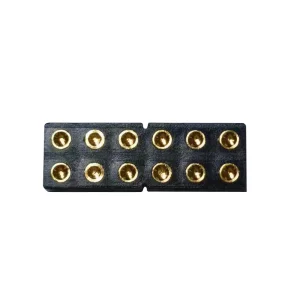
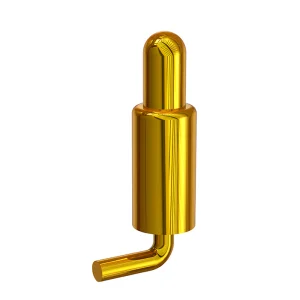
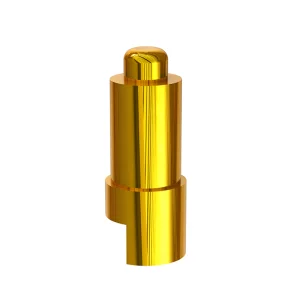
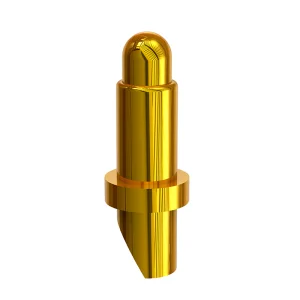
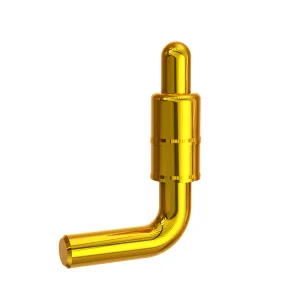
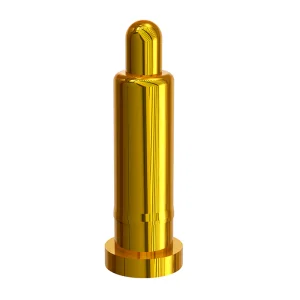
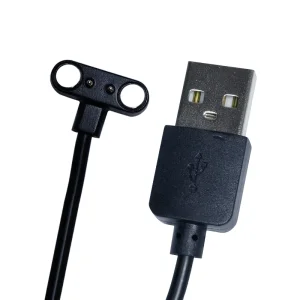
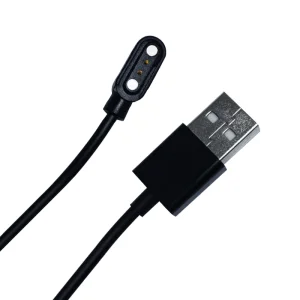
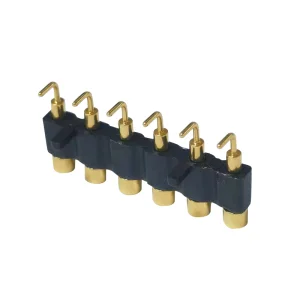
Explore our surface-mount, high-current, and magnetic connectivity configurations engineered to perform in the most demanding electronic assemblies.
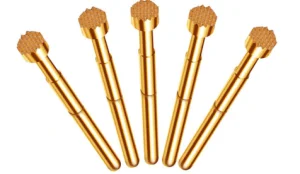
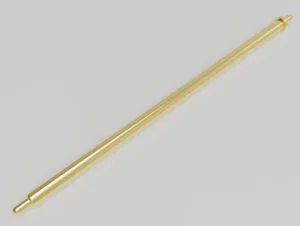
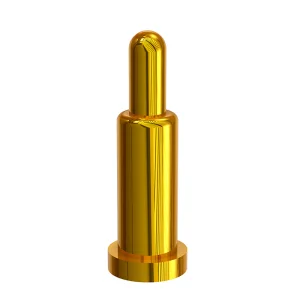
The demand for high-reliability micro-miniaturized interconnects has escalated dramatically with the rise of modern industrial design standards. SMT (Surface Mount Technology) and SMD (Surface Mount Device) pogo pins have successfully transitioned from niche board-to-board solutions to core mechanical design components for thousands of smart electronic systems.
As global commercial hubs integrate IoT sensors, wearable healthcare modules, and high-frequency telecom nodes, traditional wire-to-board connectors present layout space bottlenecks. SMD pogo pins bypass these barriers by soldering directly onto PCB traces, offering consistent mechanical force profile and electrical path containment within vertical spaces under 2mm.
Whether dealing with the rigorous impedance tolerances required in 5G wireless modules, the IP67/IP68 ingress limits of true wireless stereo (TWS) headphones, or the extreme thermal cycling of automotive control blocks, SMT spring contacts prove their engineering resilience. They accommodate manufacturing coplanarity variations, simplify automatic pick-and-place assembly, and reduce structural connection failure pathways.
How our component materials and layer structures prevent electrochemical corrosion and physical wear under repeated compressions.
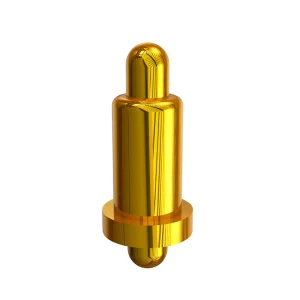
Plungers are precision turned from highly conductive, lead-free brass (C3604) or beryllium copper (BeCu) alloys. Springs are coiled from high-tensile music wire (SWP) or corrosion-resistant SUS304 stainless steel to ensure linear force feedback across the lifecycle.
We apply a heavy nickel diffusion barrier under-plating (1.27–2.54μm) followed by premium gold (Au) contact layers ranging from 1μ" to 50μ" depending on application severity. This prevents surface oxidation and reduces galvanic corrosion during sweat exposure in wearables.
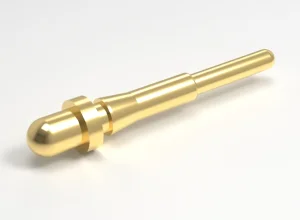
Available in flat, pointed, concave, and multi-point tips, with inner bias-cut or ball designs. The ball insertion design ensures 100% sliding contact against the inner barrel wall, effectively eliminating micro-arcing and reducing impedance fluctuations.
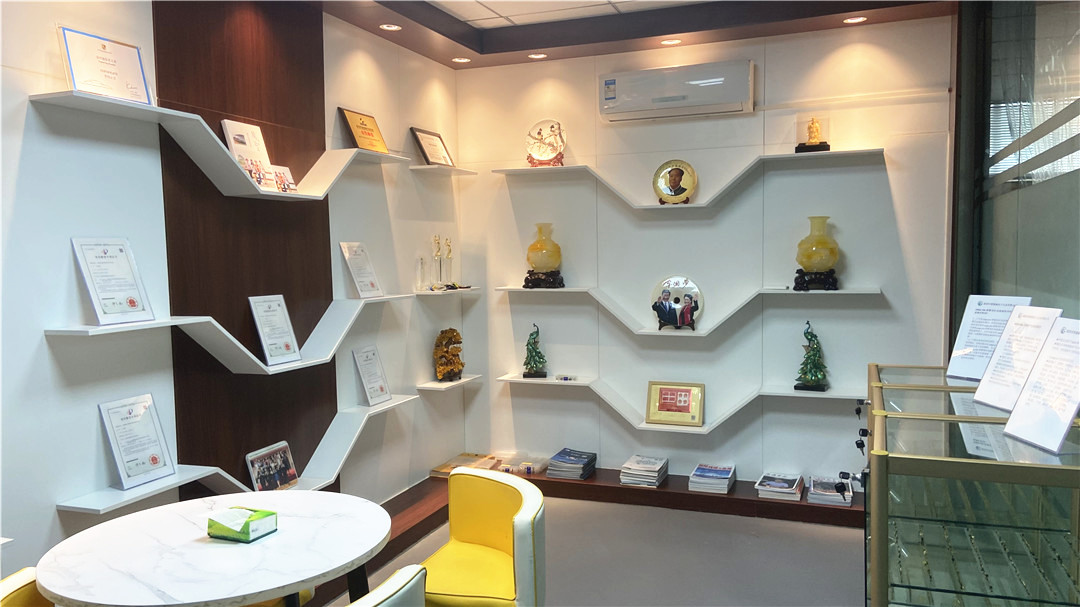
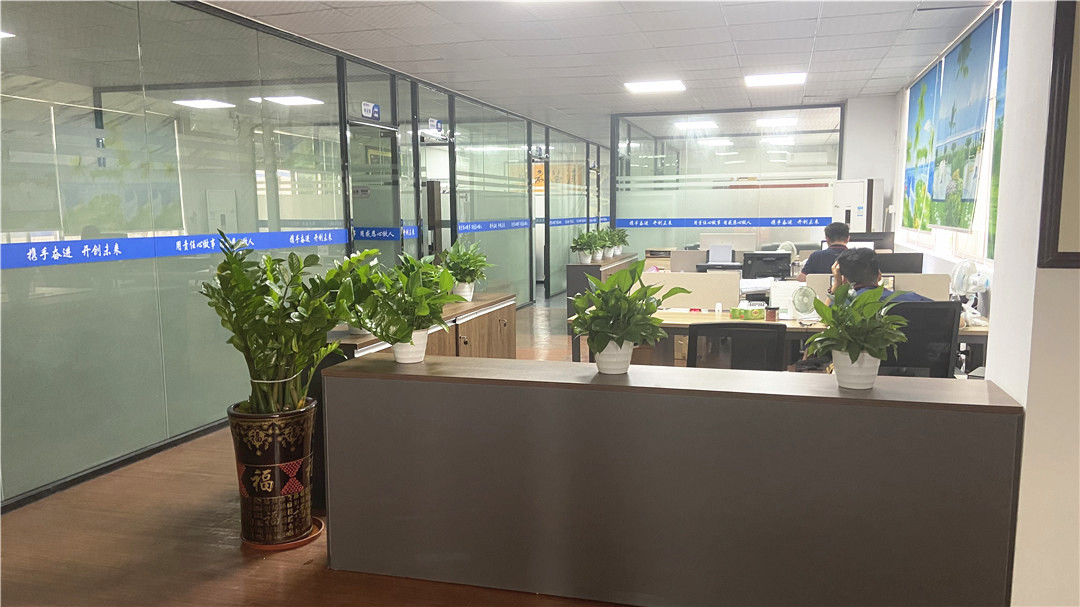
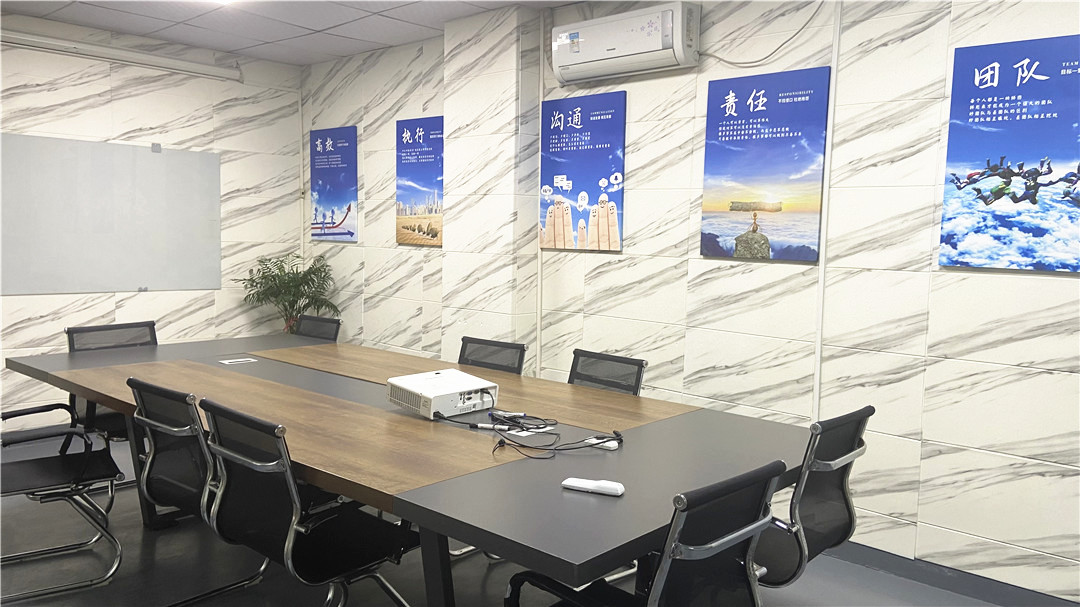
Founded in February 2011 in Songgang Street, Shenzhen, Rongqiangbin has grown into a dominant leader in the design, engineering, and mass production of POGO PIN (spring-loaded thimble) connectors. Located within the heart of the Guangdong-Hong Kong-Macao Greater Bay Area (GBA), we leverage a highly mature industrial supply chain to distribute high-performance connectors worldwide.
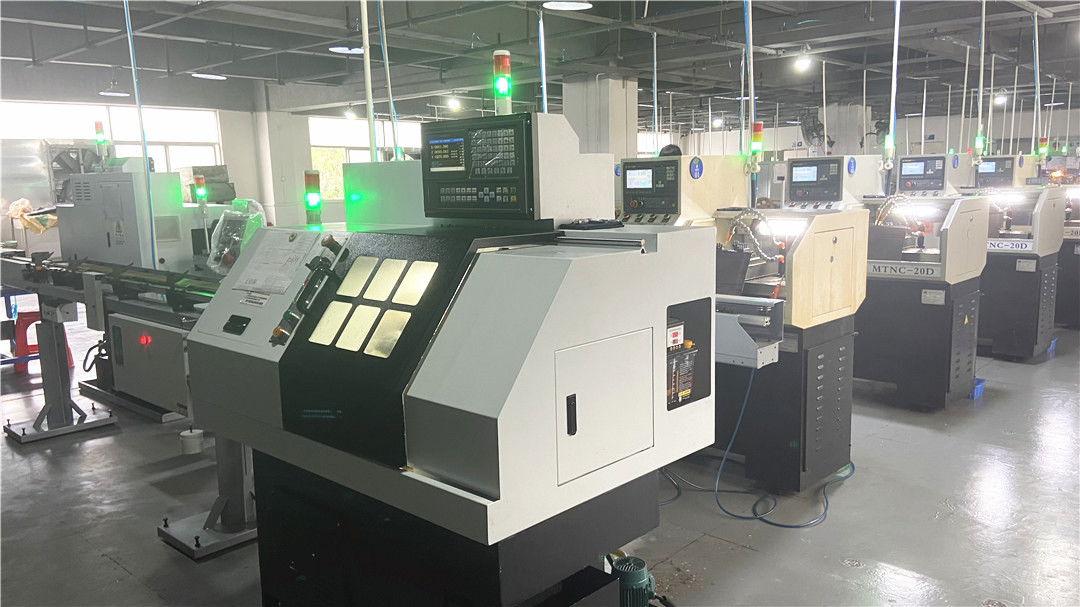
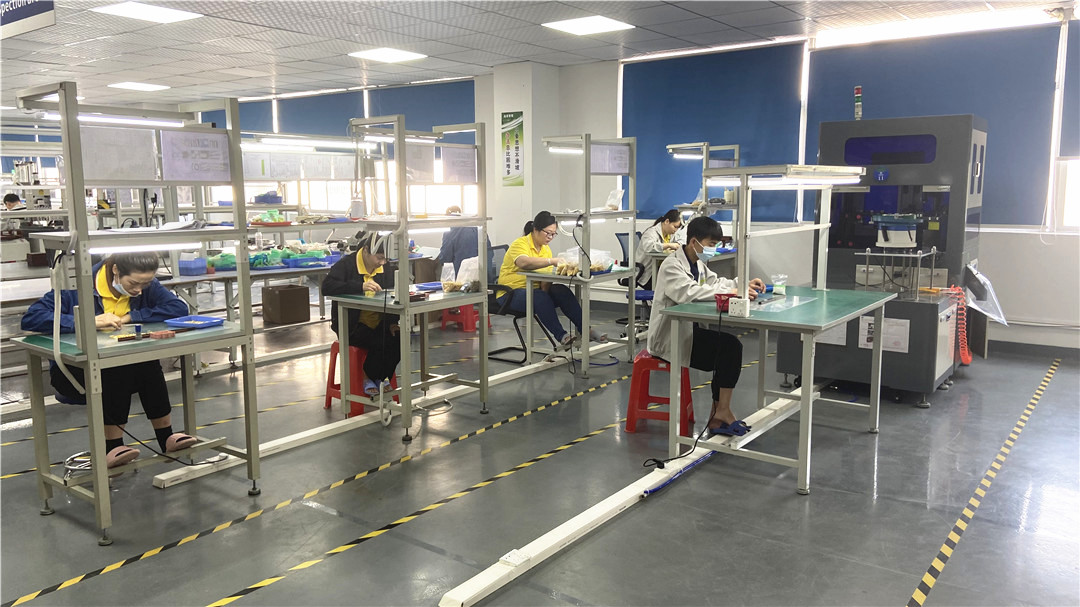
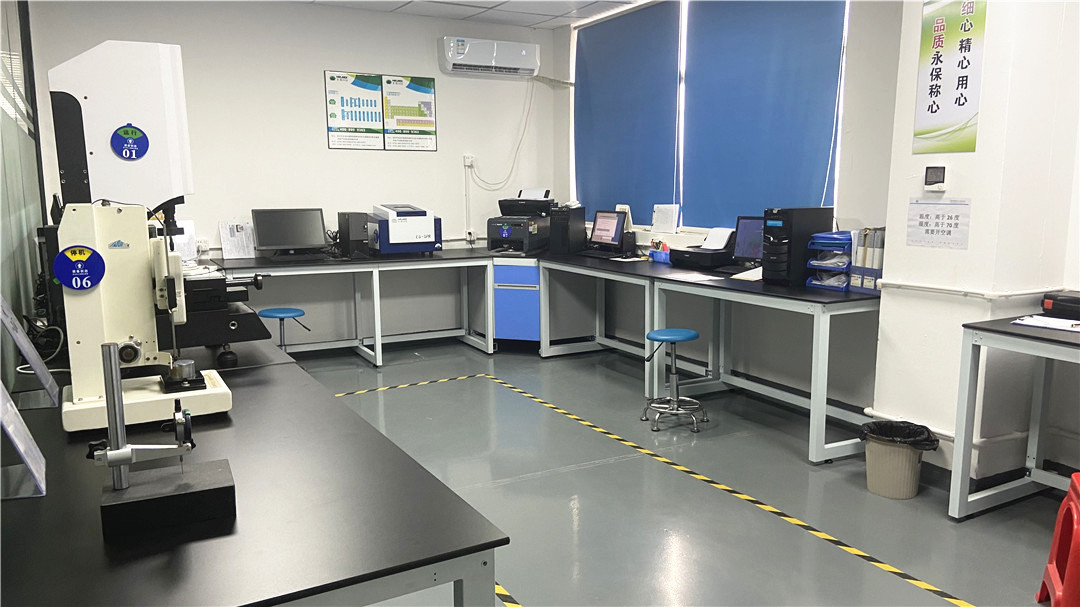
With a strict commitment to "Customer First, Quality Foremost," we have implemented a comprehensive Quality Management System (QMS) certified under ISO9001:2015. Our modern manufacturing setup integrates automated high-speed Swiss-type CNC lathes, automated sorting machines, and high-frequency environmental testing labs.
Our reputation for reliability is backed by partnerships with global electronic giants, including Samsung, Honeywell, Siemens AG, ZTE, 360, QCY, Haylou, Shanghai Laimu, Luxshare Group, Aoni Electronics, and the Amphenol Group.

Benchmark data for mechanical, electrical, and physical limits used in standard SMT and SMD layout considerations.
| Performance Dimension | Standard Specification Limits | Ultra-High Precision Capabilities (Custom ODM) | Test Methods & Regulatory Standards |
|---|---|---|---|
| Rated Current | 1.0A – 3.0A per contact | Up to 30.0A per contact (High-current designs) | Temperature Rise Limit (< 30°C rise) |
| Rated Voltage | 12V DC – 36V DC | Up to 150V DC | EIA-364-20 Dielectric Withstanding Voltage |
| Contact Resistance | < 30 mΩ (at working stroke) | < 15 mΩ | EIA-364-23 Low Level Contact Resistance |
| Spring Force Profile | 60g – 150g ± 20g at working height | 20g – 500g (custom tuned per pin) | Force-Stroke curve profile analyzer tests |
| Working Stroke/Travel | 0.5mm – 2.5mm travel | Custom layout up to 5.0mm | Mechanical cycling & wear displacement limits |
| Product Durability | 10,000 mating cycles | Up to 1,000,000 mating cycles (High durability) | Life cycles tested under pneumatic stroke loaders |
| Insulator Material | LCP, HTN, PA9T, PPA (Black, High Temp) | Custom glass-reinforced thermo-plastics | UL 94 V-0 Flammability, Reflow Resistance 260°C |
| Plating Layers | Ni under-plate 50μ" + Au flash 3μ" | Up to Au 50μ", Pd-Ni or Pt over Ni | X-Ray Fluorescence Plating Thickness Analyzer |
How we maintain low dimensional variations across millions of components via in-house Swiss machining, assembly, and testing.
Our raw rod stocks undergo micro-turning on multi-axis CNC machines, ensuring plunger and barrel dimensions stay within ±0.01mm concentricity limits.
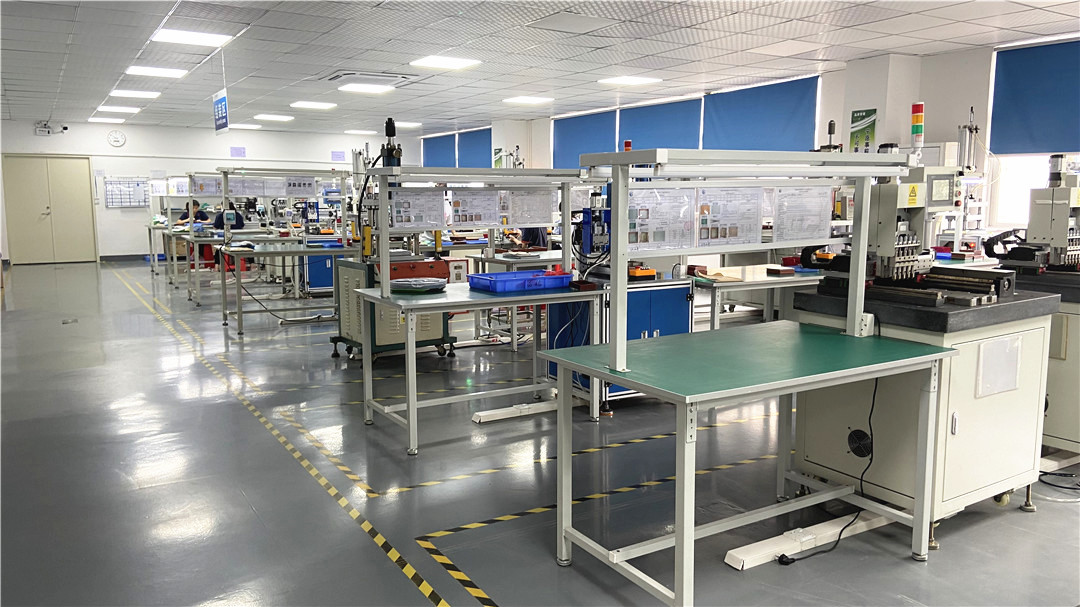
Automated workstations slide springs into place, press plunger components together, and test spring travel limits in-line to avoid mechanical sticking.
For multi-pin configurations, custom optical sorting platforms scan contact coordinates to ensure maximum co-planarity variance under 0.1mm before tape-and-reel packing.
How our spring-loaded contacts solve connectivity challenges across consumer, automotive, and industrial domains.
In smartwatches and Bluetooth earbuds (such as QCY and Haylou), our pogo pins enable space-saving charging terminals. Sweat-proof plating prevents corrosion under acidic moisture exposure, while low compression forces protect thin PCB sub-structures.
High-current spring contacts play a vital role in EV battery management boards, diagnostic connections, and interior control arrays. Robust spring tensions withstand constant vibrations, maintaining stable signal lines even in rough driving environments.
Handheld scanners, modular POS docks, and medical diagnostic instruments require reliable, repetitive plug-and-unplug interfaces. Our multi-pin spring configurations facilitate quick, error-free blind mating, reducing port wear compared to standard micro-USB interfaces.
Evaluating custom component suppliers requires careful verification of quality systems, factory capacity, and raw material safety standards. For global procurement officers, ensuring structural consistency of components requires tracking four key parameters:
At Rongqiangbin, we address these challenges by providing full inspection documentation, transparent material declarations, and flexible production options (from low-volume custom prototyping to high-volume manufacturing).
We offer direct engineering support, matching your mechanical, electrical, and environmental design targets.
Custom designs can be simulated, turned, and finished in as little as 3 to 5 business days.
In-house life-testing, salt spray chambers, force analyzers, and reflow simulation ovens.
Convenient shipping options from Shenzhen, Hong Kong, and Guangzhou ports to any global industrial hub.
Technical recommendations for engineering, designing, and optimizing spring-loaded pogo pin configurations.
SMT (Surface Mount Technology) refers to the manufacturing assembly methodology used to place components directly onto soldering pads on PCBs. SMD (Surface Mount Device) refers to the individual component designed for this packaging method. In spring contacts, they refer to pins designed to be automatically picked from tape-and-reel packaging and reflow-soldered to copper traces without requiring plated through-holes.
TWS earbuds are constantly exposed to human sweat, skin oils, and environmental moisture, which can accelerate galvanic corrosion when charging current is applied. Heavy gold (Au) plating over a dense nickel barrier layer prevents raw copper corrosion. In ruggedized designs, specialized coatings like Palladium-Nickel (Pd-Ni) or Platinum (Pt) are applied to further prevent pitting and electrolysis.
In a standard flat-cut plunger design, the plunger can lose contact with the barrel wall under movement, forcing current through the high-resistance spring and causing signal dropouts. A bias-cut plunger tip features an angled end that forces the plunger sideways against the inner barrel wall during compression, ensuring a low-resistance path through the conductive barrel.
Yes. While early pogo pins were primarily used for power and low-frequency signals, modern RF-optimized spring pins can support high-speed data protocols (including USB 3.1 Gen2, HDMI, and high-frequency RF signals). This is achieved by tuning pin spacing, impedance, and internal structures to match specific high-frequency transmission line requirements.
Pogo pin sticking is typically caused by internal surface contaminants, copper burrs, or weak springs. We prevent this by using precision machining to eliminate interior burrs, employing high-quality musical wire (SWP) for long-term spring force consistency, and using automated optical sorting systems to verify that all finished pins compress smoothly before packaging.
For custom ODM projects, design drawings are typically finalized in 24 to 48 hours. Quick-turn prototypes are delivered within 3 to 5 business days, and mass production runs are completed in 10 to 15 business days depending on order volume and plating specifications.
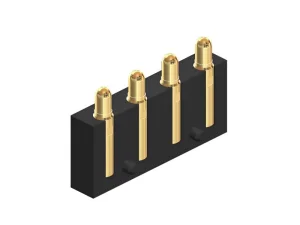
Multi-pin pogo connectors require precise height alignment across all pins to ensure simultaneous contact. We enforce strict assembly tolerances, use high-precision plastic injection molds, and utilize automated vision inspection systems to verify that height variations across all contacts do not exceed 0.1mm.
Our standard housings are made from high-temperature plastics like LCP or PA9T. These materials are chosen to withstand lead-free reflow soldering profiles with peak temperatures of 260°C without warping, melting, or degrading structural integrity.
Yes, we provide waterproof spring-loaded pins for marine, medical, and outdoor gear. Waterproofing is achieved by using O-ring seals, custom over-molded plastic bodies, or potting adhesives, ensuring that the connector interface can achieve IP67 or IP68 ratings.
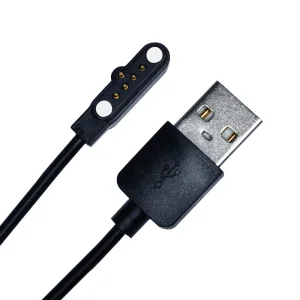
Magnetic connectors feature integrated magnets that align and hold the connector in place. This design enables quick, blind alignment while allowing the cable to detach safely if pulled, preventing damage to the device's internal PCB.
Explore specialized connector designs, including right-angle, high-density, magnetic, and bending contacts.
 Rongqiangbin