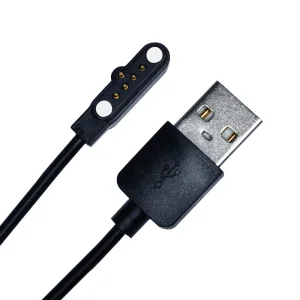
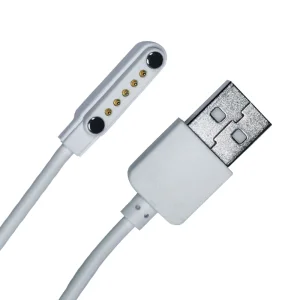
OEM 2 Pin Magnetic Connector Manufacturers & Factory

Precision Pogo Pin Engineering, Magnetic Coupling Optimization, and Custom Connectivity Solutions for Global Industrial and Medical OEM/ODM Deployments.

2011
Established Year
ISO9001
Quality Certified
100K+
Mating Cycles Rated
12+
Global Brand Partners

Global Industrial Landscape of 2 Pin Magnetic Connectors

Analysis of high-frequency coupling systems, electrical performance requirements, and commercial evolution.

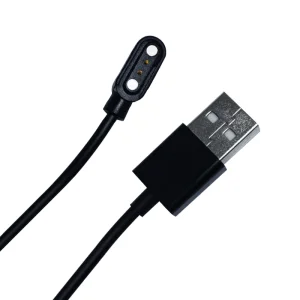
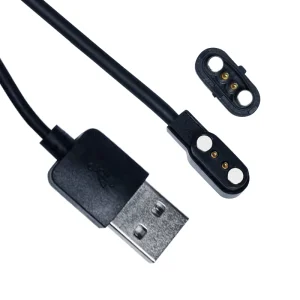
The industrial landscape for 2-pin magnetic connectors has grown significantly as consumer and medical device OEMs seek reliable, break-away power linkages. Unlike traditional USB or micro-USB plugs, a 2-pin magnetic interface relies on high-grade neodymium magnets (usually N52 or N35) for alignment and retention. This design offers a low contact resistance pathway via spring-loaded pogo pins. This configuration prevents physical device damage from cable snagging and improves ingress protection (IP) ratings by eliminating deep mechanical cavities.

Today, sectors ranging from smart IoT field sensors to clinical patient monitoring devices rely on 2-pin magnetic connectivity as a primary standard. By establishing a zero-force mating interface, manufacturers can guarantee over 100,000 mating cycles, whereas traditional plug sockets show wear and material degradation after 5,000 cycles. As key manufacturers in Shenzhen's technology corridor, our facilities optimize pogo-pin dynamic contact resistance (typically < 30mΩ) to manage high-efficiency current delivery without localized thermal spikes.

Grid Alignment Tech

Intelligent polarization magnets prevent reverse polarity connections, protecting downstream integrated circuits and power delivery regulators.

Corrosion Barrier Plating

Proprietary plating technologies, including palladium-nickel and platinum-gold overcoats, prevent salt spray corrosion and body oil degradation.

Zero-Wear Mechanical Mating

Magnetic latching mechanisms minimize physical friction between the pogo pin plunger and the target contact land, prolonging product lifespans.

Technical Roadmap & Future Outlook (2025–2030)

The evolution of custom magnetic connector engineering from micro-current charging to high-power data transmission.

2025 - High Current & Fast Charge Adaptability
Transitioning from 2A to 10A Charging Profiles
Development of optimized thermal-dissipation copper alloy plungers and heavy gold plating layers to support fast charging without localized heat generation.
2027 - Advanced Environmental Hermetic Sealing
Continuous IPX8 and Underwater Hot-Mating
Integrating liquid silicone rubber (LSR) injection molding processes directly around the magnetic shell, allowing permanent submersion and corrosion protection.
2030 - High-Speed Signal Integrations
Coaxial Magnetic 2-Pin Combinations
Enabling GHz-range high-frequency signal transmission alongside power distribution within a single, unified 2-pin circular geometry.

Senior Director's Engineering Insights

When selecting a 2-pin magnetic connector, contact force planning is critical. If spring preload is too low, mechanical vibration can break the circuit; if it is too high, it will wear the plating layer, exposing the brass underneath to moisture and corrosion. We balance magnetic pull force (1.5N to 4.5N) against pin contact forces to ensure stability and wear resistance.

Macro Industry Solutions

Where 2 Pin Magnetic Connectors solve physical design constraints and operational vulnerabilities.

Medical Device Integration

Self-aligning connectors for portable home care equipment, patient monitors, and sterilization-friendly charging ports that resist chemical washes.

IoT & Field Telematics

Rugged connectors for agricultural and oceanic sensors, utilizing hermetic seals to protect internal circuits from moisture and dust intrusion.

Consumer Wearables

Slim-profile charging interfaces for smartwatches, fitness trackers, and TWS earbud cases, prioritizing human skin contact safety and hypoallergenic materials.

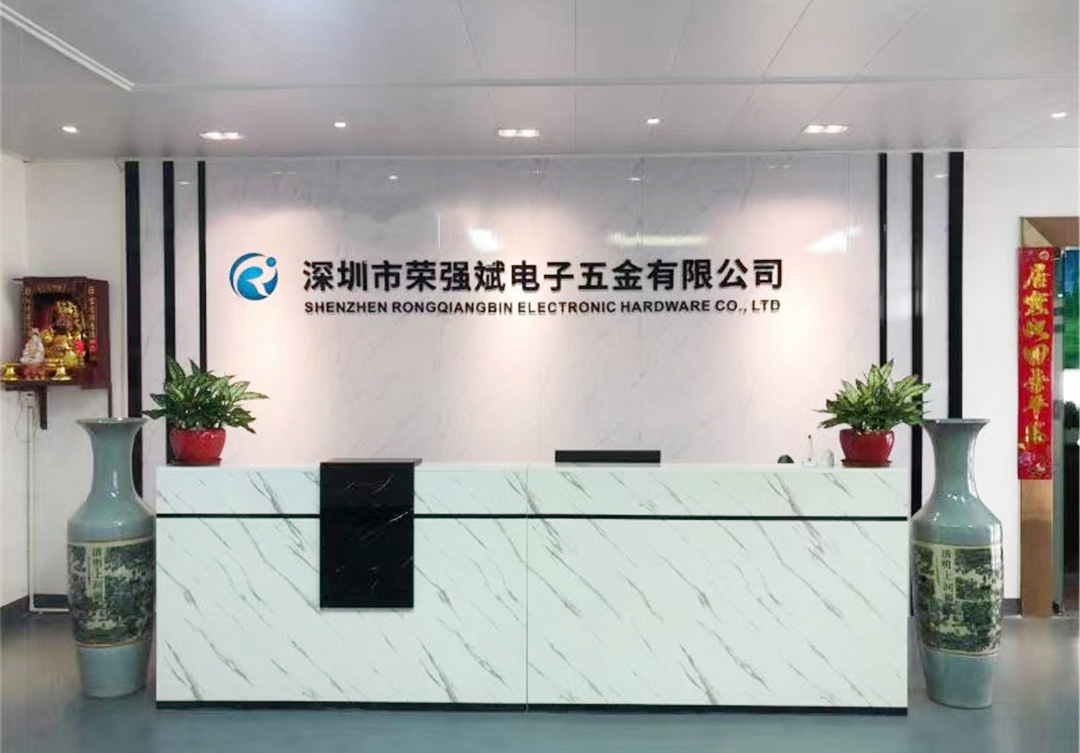
Shenzhen Rongqiangbin Electronic Hardware Co., Ltd.

Manufacturer profile, technical milestones, and long-term production capabilities based in Shenzhen.

Located in Shenzhen: The Leading City of the Greater Bay Area

Our company was founded in February 2011 in Songgang Street, Shenzhen, specializing in the development and manufacturing of Pogopin connectors. After years of efforts and sedimentation, the company gradually became a leader in the industry.

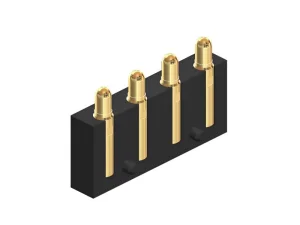
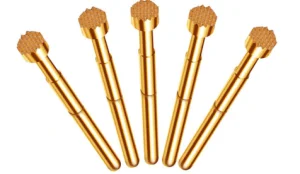
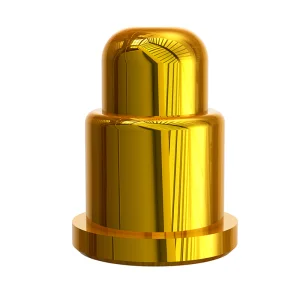
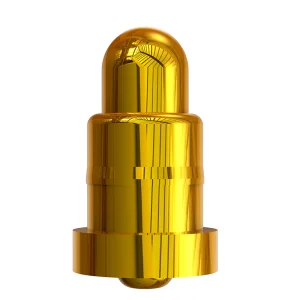
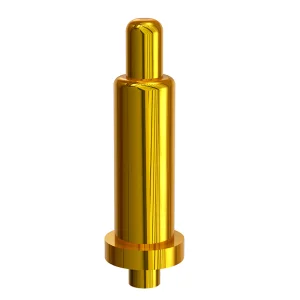
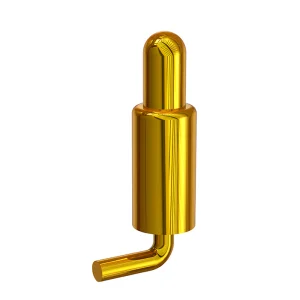
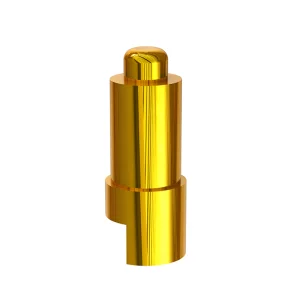
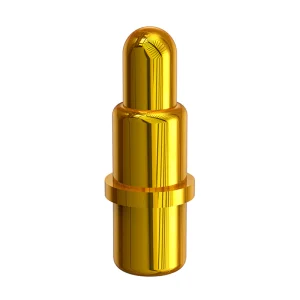
Our company is mainly engaged in the research, development, production, and sales of various models of POGO PIN (also known as spring thimble) products. We utilize high-speed precision lathe machinery to ensure the strict tolerances required by modern consumer and industrial electronics.

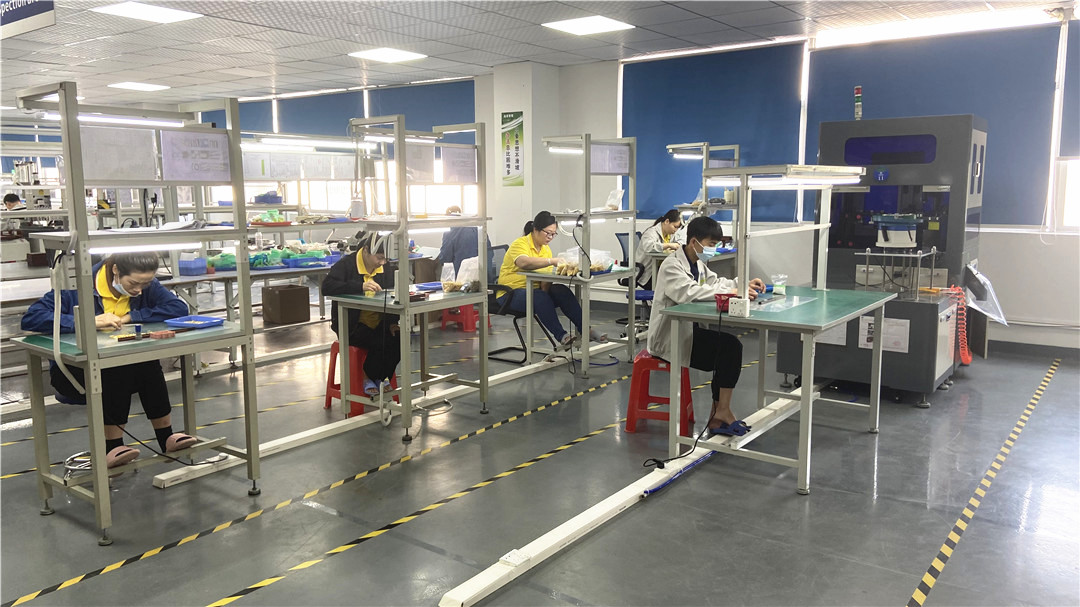
Rongqiangbin Factory Production Line

Our Vision

"Committed to be an excellent POGO PIN manufacturer for both quality and cost at home and abroad, leading connector technology development."

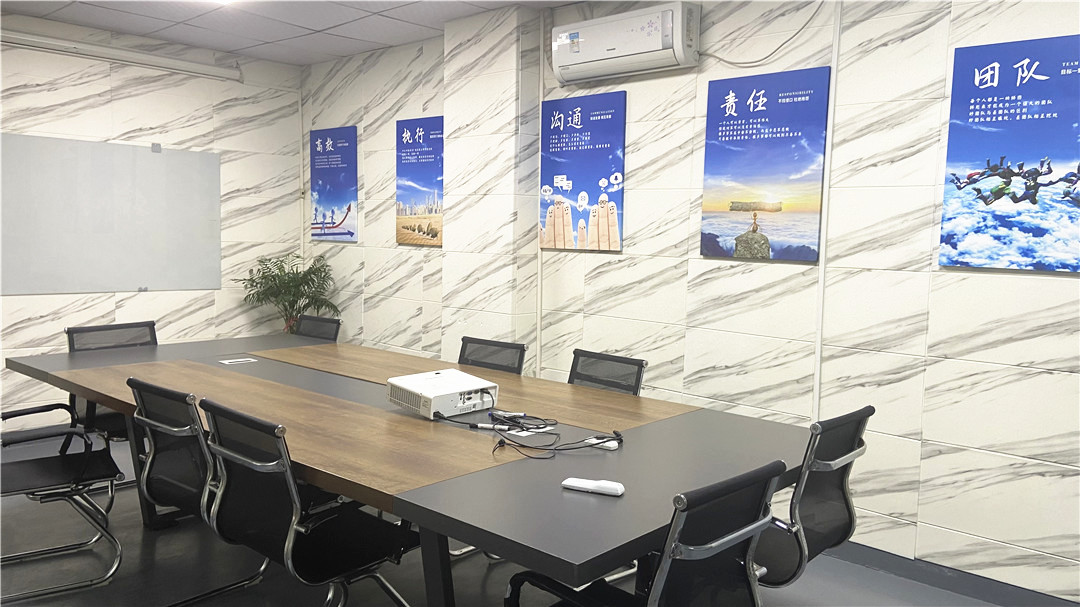
Factory Operations & Showroom Facilities

Shenzhen Rongqiangbin Quality Assurance
Rongqiangbin Brand Logo RONGQIANGBIN

Strict ISO9001:2015 International Quality Management System

Our company’s spirit of "customer first, integrity first" principle has built a strong POGO PIN industry technology production team, establishing long-term cooperative relationships with multiple enterprises. Our company has obtained the ISO9001:2015 version of the international quality management system certification. We maintain a quality management team and environmental management system to supply environmentally compliant, durable products to global customers.

Our main customers include: Honeywell, Samsung, SIEMENS AG, ZTE, 360, QCY, HAYLOU, Shanghai Laimu, Luxshare Group, Aoni Electronics, Amphenol Group, and other well-known enterprises.
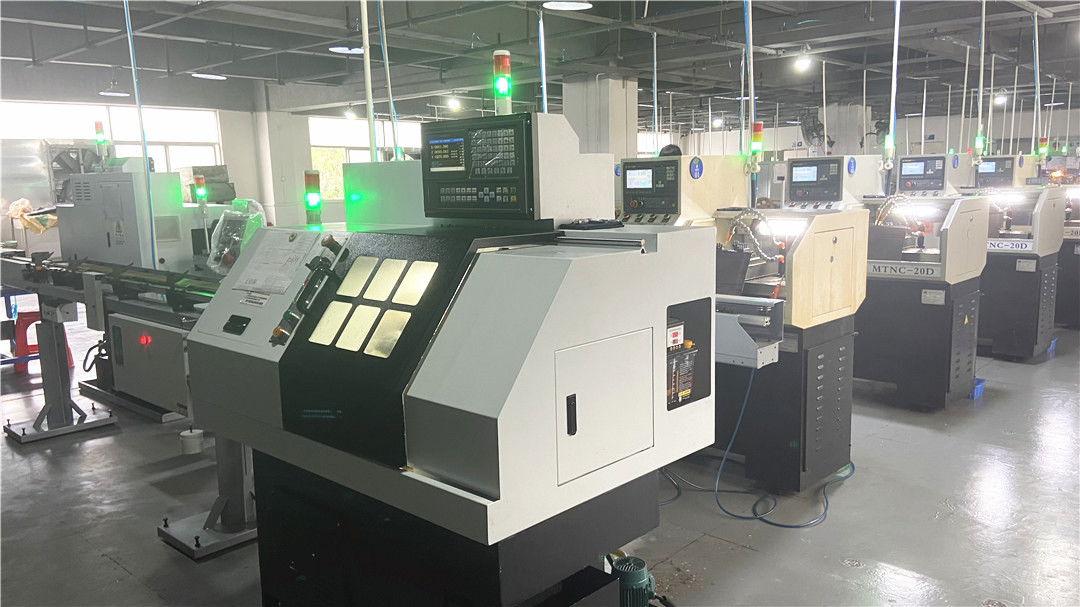
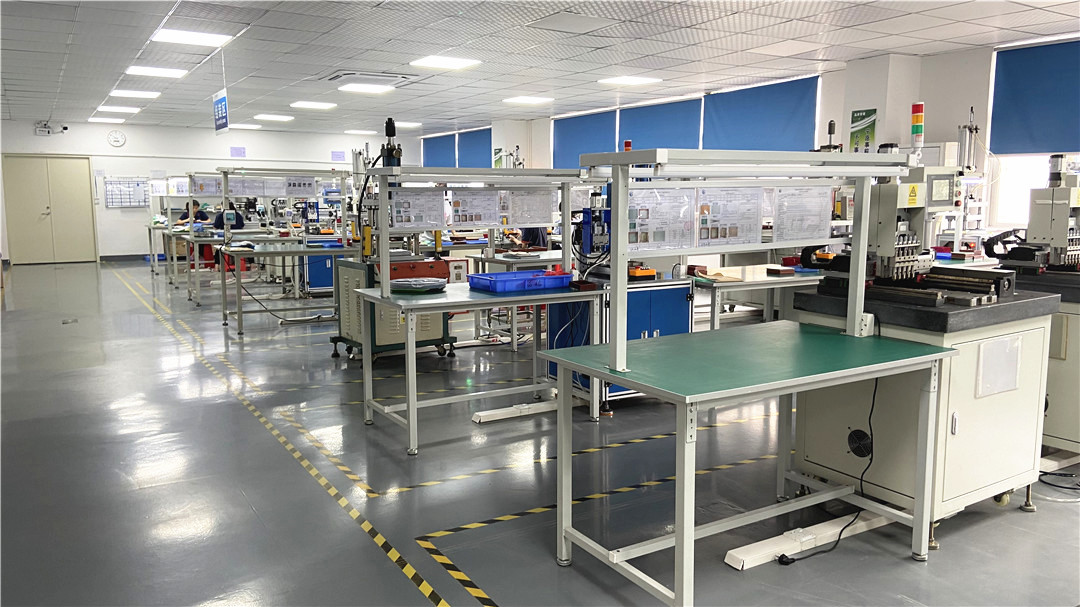
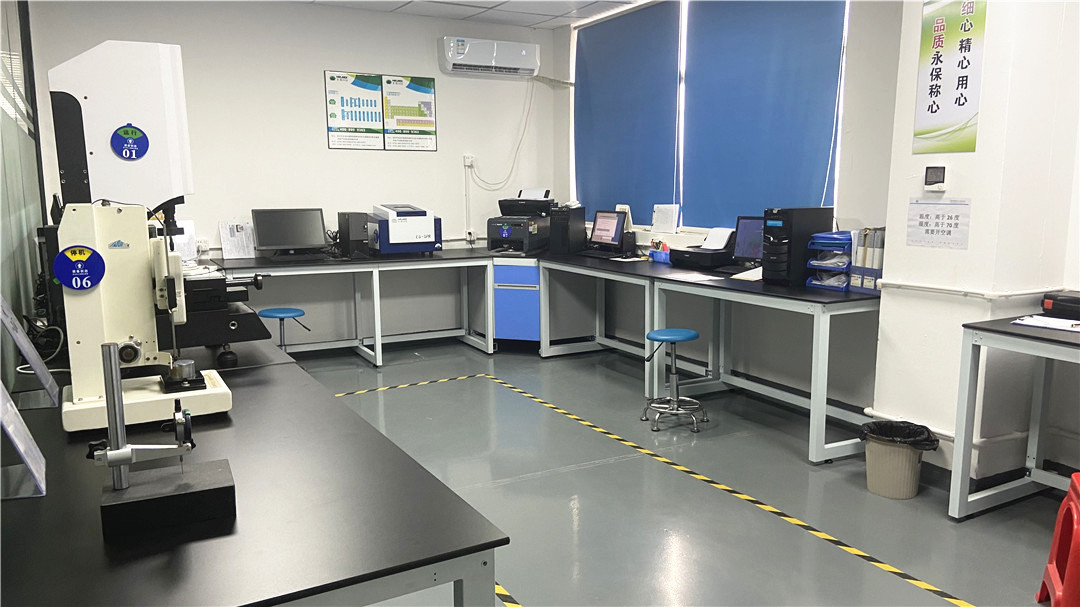
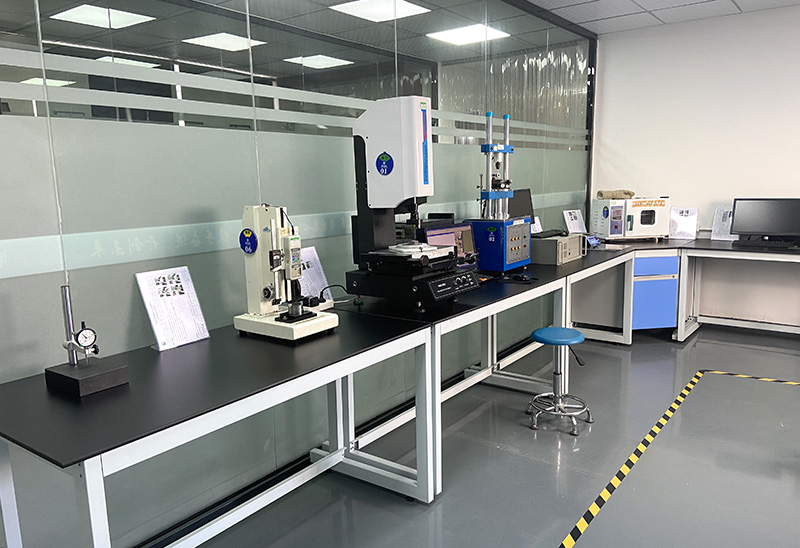
Production Workshops & Inspection Processes

Products & Application Areas

Smart wearable products (wristbands, watches), mobile phones (mobile antenna), digital cameras, laptops, Bluetooth headsets, learning machines, game products, handheld game consoles, GPS satellite navigation, aerospace electronics, medical equipment, military communications, toys, and portable electronic products.

"Since the establishment of our company, our spirit of 'excellent quality, intimate service' and 'customer-centric, create more value for customers' core values have helped us win the trust of the majority of our customers."

OEM 2 Pin Magnetic Connector FAQ

Crucial engineering and sourcing answers for design engineers and supply chain managers.

How do you guarantee magnetic pole alignment and prevent polarity reversal?
Our OEM 2-pin magnetic connectors are designed using targeted magnetic polarization. By configuring the internal NdFeB magnets with opposite, complementary poles (North/South orientation on opposite sides), the cable can only mate in the correct direction. If an end-user attempts to connect it in reverse, the magnetic forces repel the connector, preventing physical contact and electrical short-circuits.
What platings are used to protect the pogo pins from human sweat and ambient salt spray?
Standard pogo pins use gold plating over nickel. However, for wearable applications exposed to sweat and high humidity, we offer advanced plating structures, including Palladium-Nickel (Pd-Ni) or Platinum (Pt) overcoats. These coatings pass 24-hour artificial sweat resistance testing and 48-hour to 96-hour neutral salt spray (NSS) corrosion testing.
Can a 2-pin magnetic connector support high current transmission above 2A?
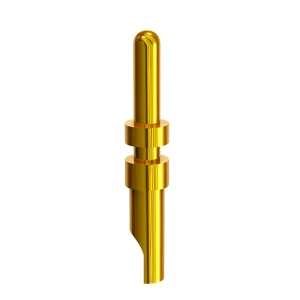
Yes. While standard 2-pin cables handle 1A to 2A, we customize the internal spring-loaded pins with thicker brass walls, high-conductivity beryllium copper plungers, and specialized internal designs (such as bias-cut or ball-point pins). This enables stable operation up to 5A or even 10A while keeping contact resistance below 30mΩ.
How is waterproof sealing integrated into the connector assembly?
We achieve IP67 and IP68 waterproof ratings using three methods: O-ring compression seals, structural epoxy potting over the tail terminals, and overmolding with liquid silicone rubber (LSR). These techniques isolate electrical pins and internal magnets from external fluid ingress.