Explore our foundational precision pogo pins and customized magnetic connection solutions engineered for modern microelectronics.
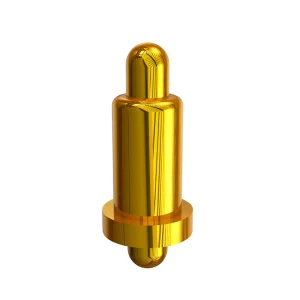
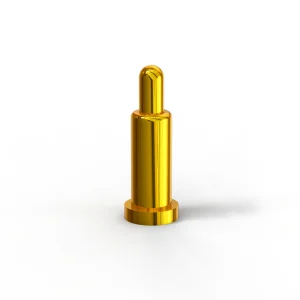
Evaluating the crucial role of spring probes and precision interconnect interfaces in modern microelectronics verification.
In the era of Heterogeneous Integration, Chiplets, and high-frequency communication protocols (5G/6G, PCIe Gen 6, and beyond), semiconductor testing is no longer a peripheral step—it is a critical determinant of product yield and time-to-market. The device-under-test (DUT) must interface with high-throughput Automated Test Equipment (ATE) seamlessly. Here, the physical contact point, represented by micro-fabricated IC test socket pins and spring probes, faces extraordinary electrical and mechanical requirements.
As microchip packaging scales down to WLCSP (Wafer Level Chip Scale Packaging) and ultra-fine pitch arrays (sub-0.3mm spacing), the mechanical tolerances of OEM components must adapt. Standard electrical contact elements encounter issues like signal degradation, high loop inductance, and mechanical fatigue. A dedicated IC test manufacturer must optimize metallurgy, mechanical engineering, and signal integrity simulations to maintain low contact resistance ($R_c < 20 \text{ m}\Omega$) across millions of cycles.
Advanced chips require multi-site testing architectures to control processing costs. This paradigm demands interface solutions that balance minimal spring preload with sufficient force to pierce oxidized contact layers on chip pads (solder balls or copper pillars). Plating techniques like Palladium alloy, Hard Gold, or Rhodium-Ruthenium over Nickel barriers are systematically designed to mitigate tip wear, optimize conductivity, and resist material transfer (such as solder migration) during burn-in and functional validation tests.
We provide spring probe components capable of routing signals on configurations as narrow as 0.3mm pitch, keeping parasitic inductance low and signal-to-noise ratio high.
Specially customized pins for power supply modules and PMIC testing, capable of carrying sustained peak currents up to 10A without thermal runaways.
Engineered with premium internal coils and fatigue-resistant barrels, reducing socket down-time and cutting the total cost of testing (TCOT).
Founded in February 2011, Rongqiangbin (RQB) established its primary R&D and production facilities in Songgang Street, Shenzhen, within the highly integrated manufacturing hub of the Guangdong-Hong Kong-Macao Greater Bay Area.
For more than a decade, the company has focused on the independent research, development, custom manufacturing, and sales of high-performance POGO PIN connectors and critical semiconductor spring test components. Driven by a commitment to quality and engineering excellence, RQB has expanded from a specialized component vendor into an industry leader, delivering robust engineering interfaces to global tech leaders.
Our operation is certified to the rigorous ISO9001:2015 international standard, establishing a robust quality assurance program that covers metal alloy verification, CNC precision machining, electroplating consistency, and mechanical endurance analysis.
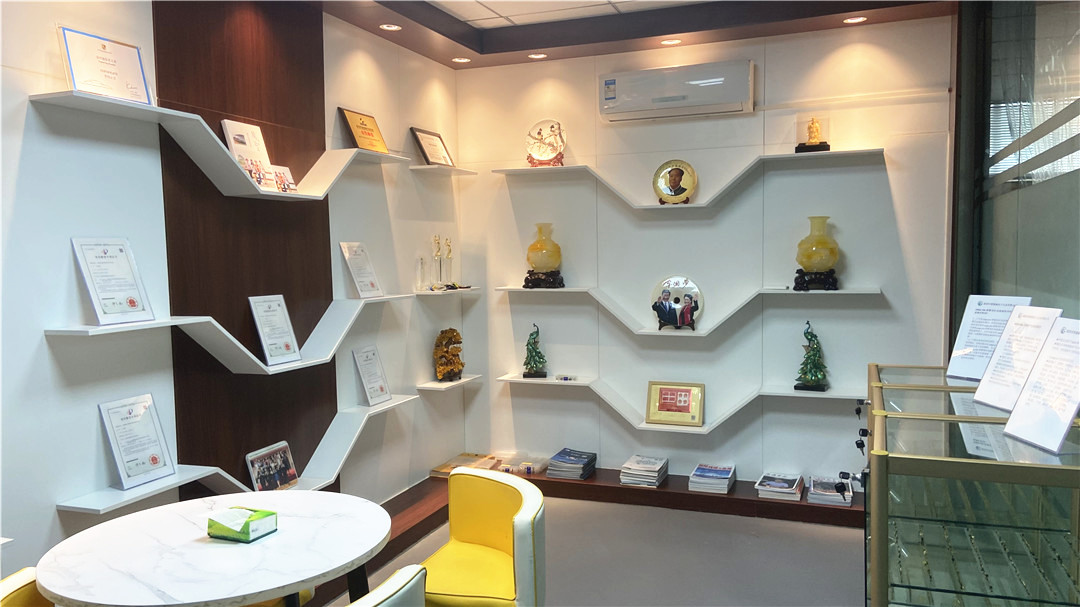
A closer look at our vertically integrated manufacturing facility in Shenzhen, from precision automatic lathes to rigorous physical testing labs.
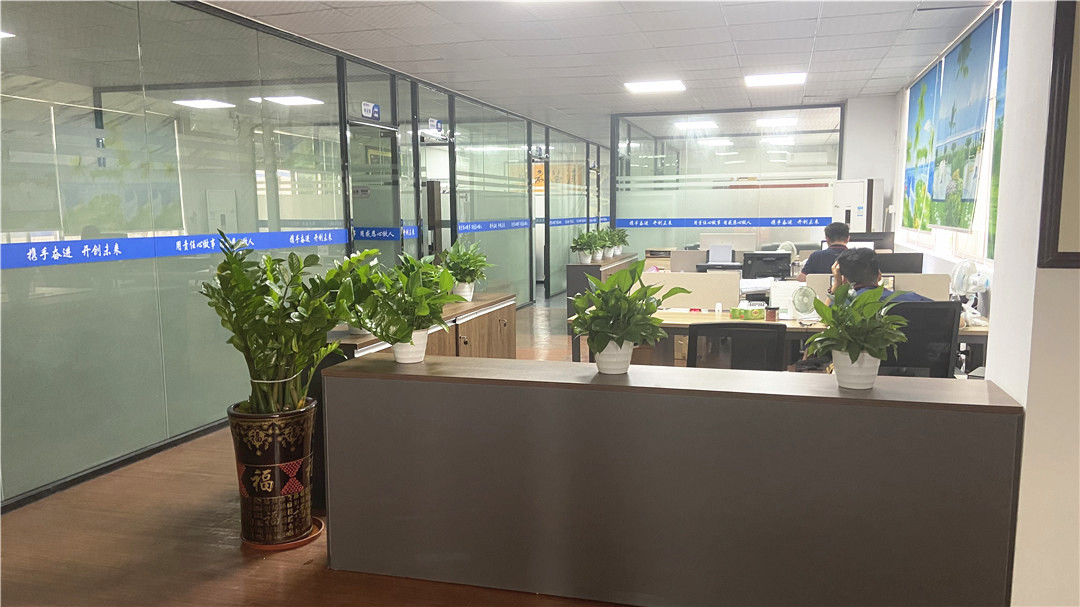
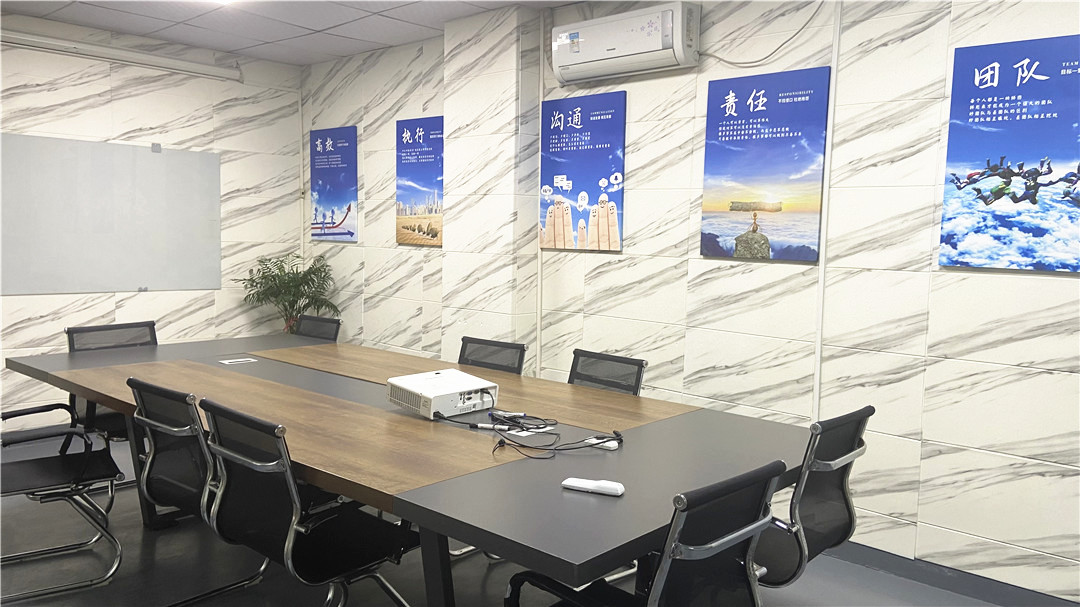
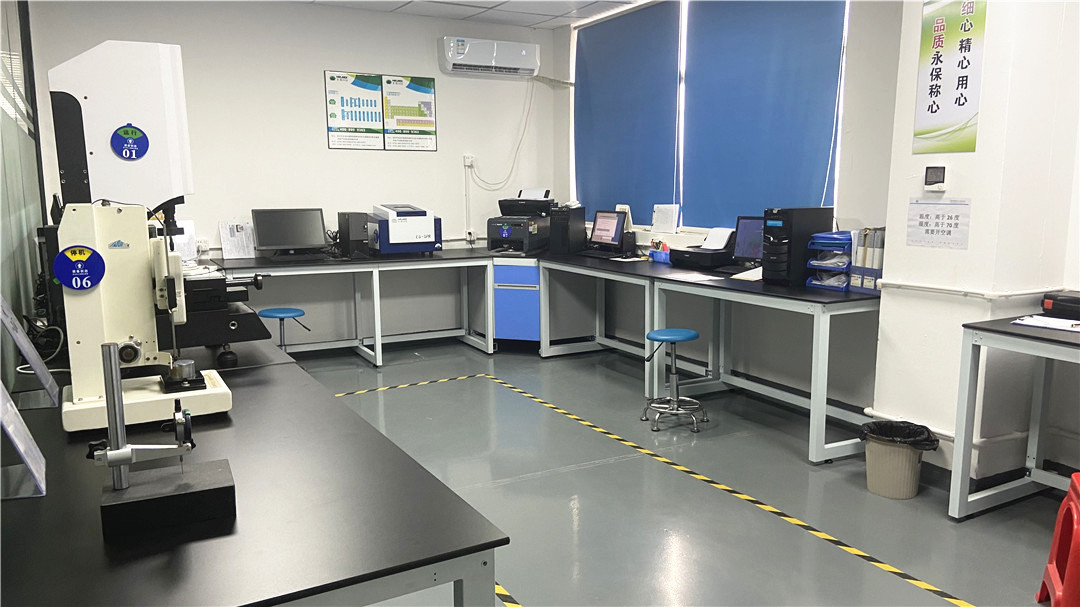
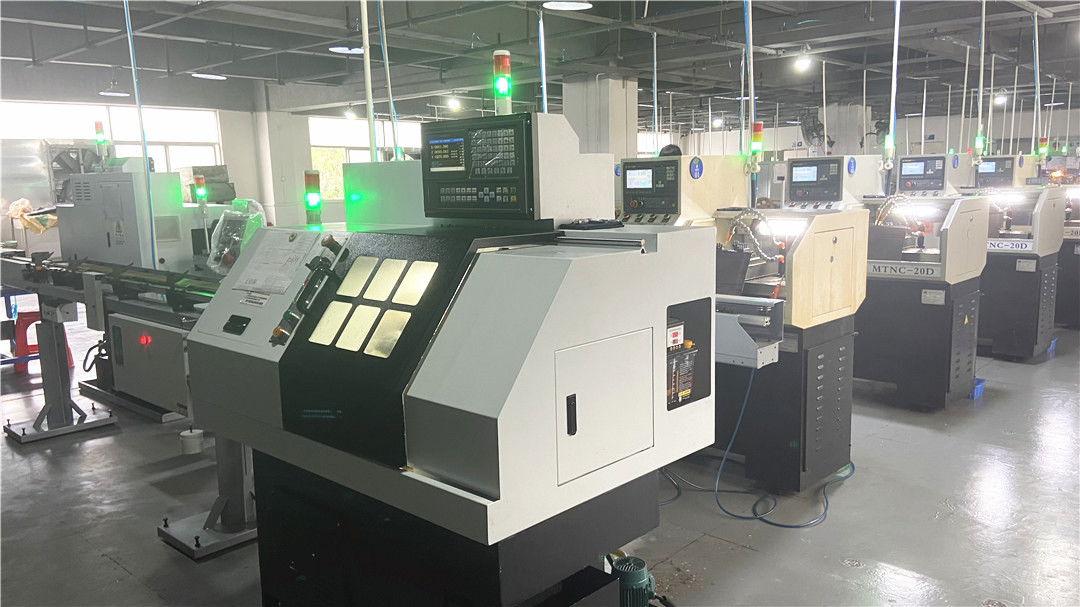
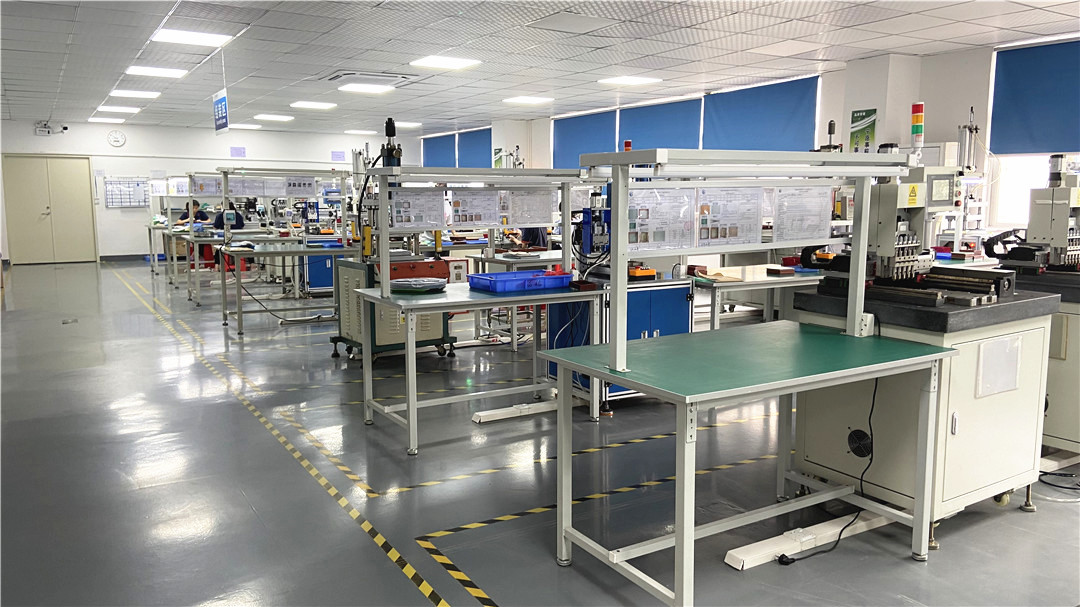
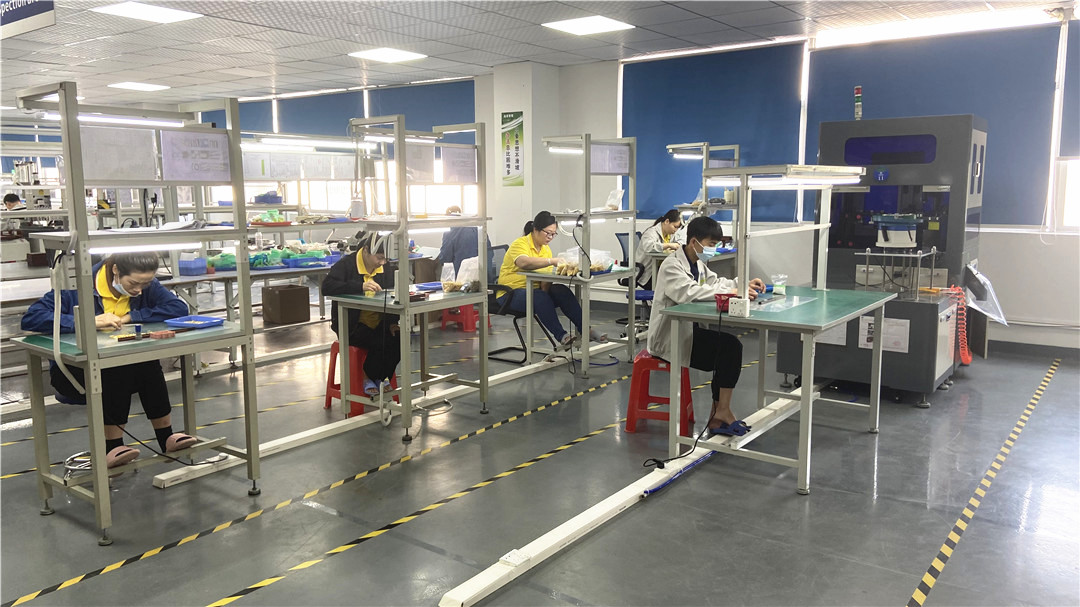
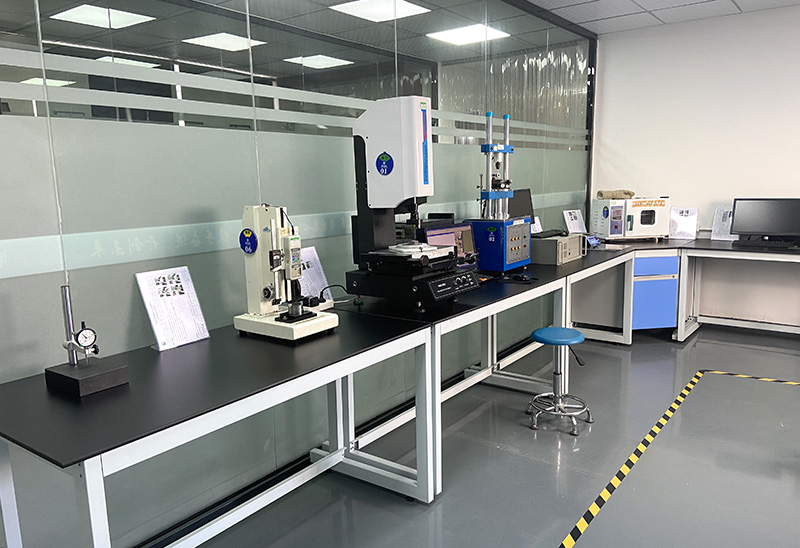
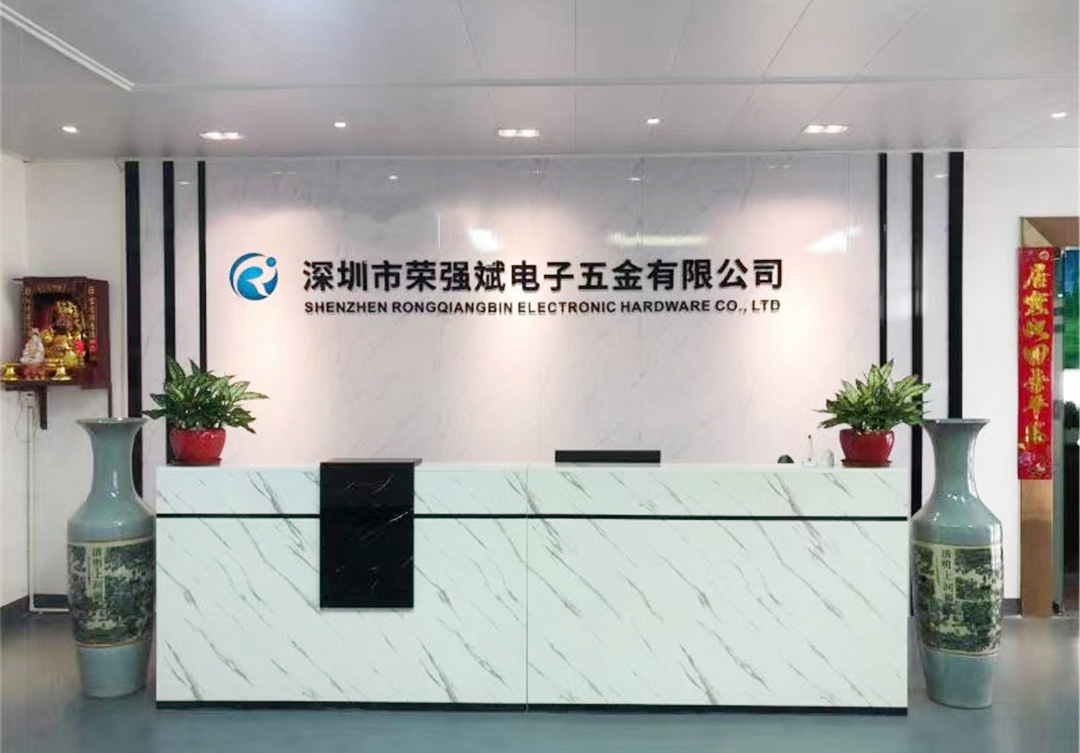
"Committed to being an excellent global POGO PIN manufacturer for both quality and cost, leading connector technology development."
We are driven by the core principle of "customer first, integrity first." By maintaining an elite technical production team and investing continuously in automated manufacturing and testing infrastructure, we deliver high-performance, cost-effective interconnect systems to the international market.
Our rigorous environmental management protocols ensure that all manufactured components satisfy environmental requirements, including RoHS and REACH compliance, making them suitable for green-tech applications worldwide.

Our solutions are deployed across complex supply chains for prominent brands and multi-national enterprises:
How our precision spring-loaded interfaces address challenges across various computing, commercial, and industrial domains.
Rongqiangbin designs connection systems tailored for specific operating environments, guaranteeing compatibility and electrical stability in the following areas:
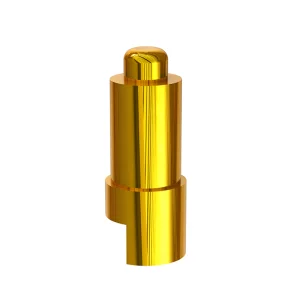
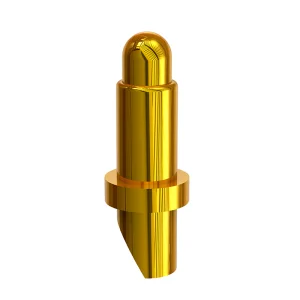
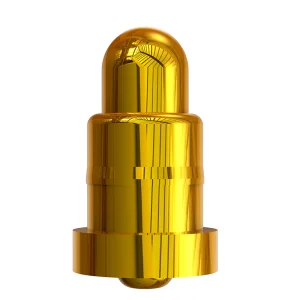
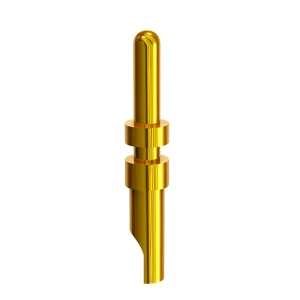
Every pogo pin consists of three basic components: a plunger, a barrel, and an internal spring. The plunger tip profile is customized (flat, pointed, multi-point, or cup) based on the contact shape of the target pad. Advanced CNC Swiss-type lathes enable precise mechanical tolerances within $\pm 0.005\text{ mm}$. Plating properties are controlled through X-ray fluorescence measurement, ensuring consistent gold layers that optimize signal path conductivity.
A look at how we are adapting our product engineering to support the next generation of semiconductor packaging and interconnects.
We are advancing our micro-injection and micro-machining capabilities to manufacture next-generation probes tailored for WLCSP and flip-chip high-density testing applications.
Developing matched-impedance coaxial pogo pin assemblies capable of managing bandwidths up to 40 GHz for microwave and millimeter-wave RF testing.
Introducing lead-free copper alloys and highly efficient plating processes that minimize environmental impact while maintaining structural and mechanical integrity.
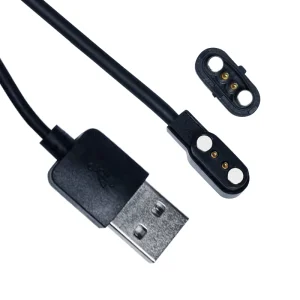
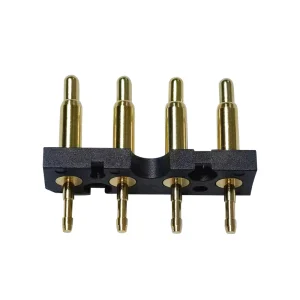
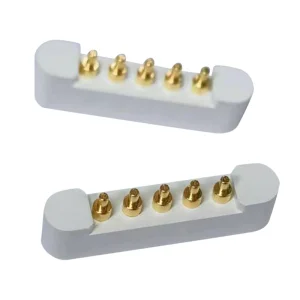
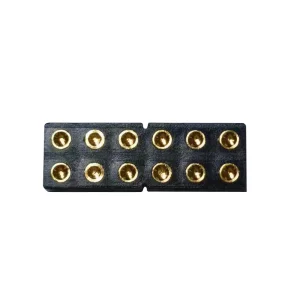
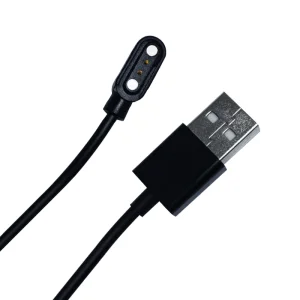
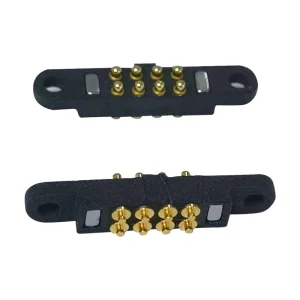
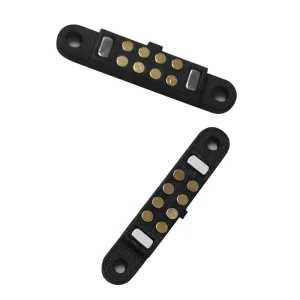
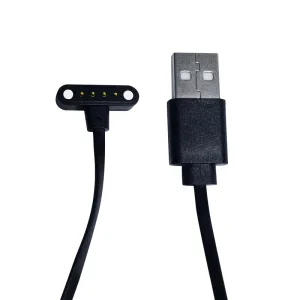
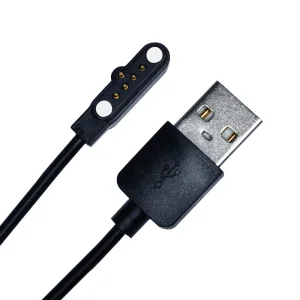
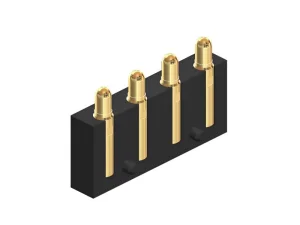
Browse our selection of specialized high-durability charging cables, magnetic connectors, and surface-mount pogo pins.
Addressing the common questions raised by quality assurance engineers, device designers, and supply chain managers.
Contact resistance is primarily determined by plating material selection, contact surface cleanliness, spring force, and surface oxidation. Over time, environmental oxidation and the migration of target pad materials (like tin or solder flux residue) can accumulate on the probe tip. We address this by applying hard gold or palladium-nickel coatings over nickel barriers, maintaining reliable contact force throughout the lifespan of the connector.
Our facilities utilize precision Swiss-style CNC automatic lathes alongside automated assembly equipment. We perform optical measurements and quality inspections throughout the fabrication process to maintain component tolerances within $\pm 0.005\text{ mm}$, supporting consistency across high-volume production runs.
Yes. We offer fully customized pogo pin geometries (including crown, pointed, flat, and cup-style plungers) to match specific substrate interfaces. Our engineering team can adjust internal spring materials, wire diameters, and coil configurations to achieve target contact forces at specified working heights, helping to minimize insertion and return loss in high-frequency applications.
Our manufacturing center operates under the ISO9001:2015 quality management system. All raw materials and finished products are selected and processed to meet international RoHS and REACH requirements, ensuring suitability for global consumer electronics, medical, and automotive applications.
 Rongqiangbin