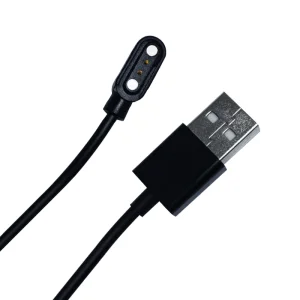
High-Precision Spring-Loaded Magnetic Connector Engineering, Custom Solutions, and Advanced Electronics Manufacturing for Global Industries
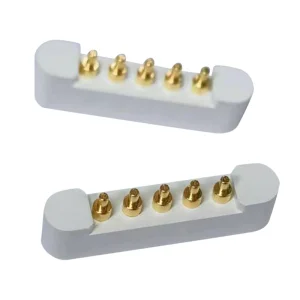
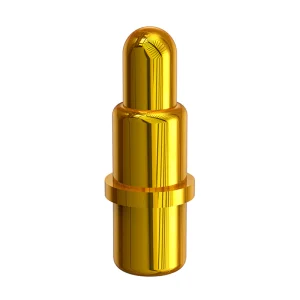
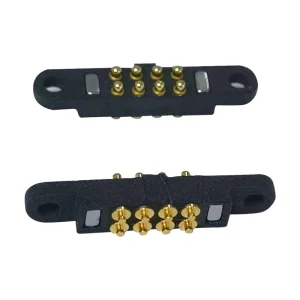
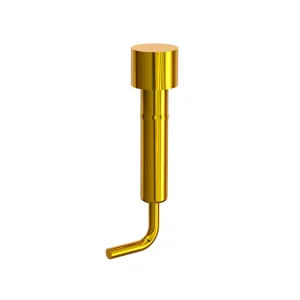
Browse our engineered selection of precision-machined magnetic charging cables, custom bending pogo pins, and high-density PCB contact solutions.
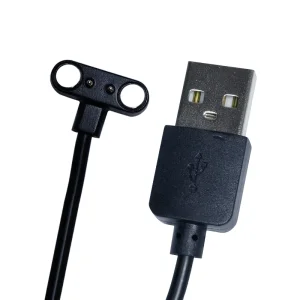
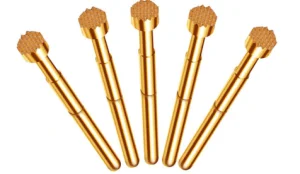
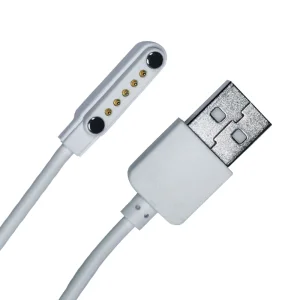
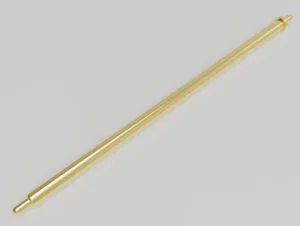
Understanding the critical electrical, mechanical, and magnetic parameters that drive reliability in extreme-mating-cycle interfaces.
The performance of a spring-loaded connector is defined by its Dynamic Contact Resistance (ECR). A top-tier OEM Magnetic Pogo Pin Factory utilizes highly controlled electroplating setups. By applying a base layer of Nickel and a high-purity Gold (Au) outer layer (up to 30 micro-inches), we reduce resistance values to under 30mΩ while preventing oxidation, copper migration, and galvanic corrosion over thousands of compressions.
Our engineering department relies on advanced Finite Element Analysis (FEA) to model internal spring tension. Spring materials such as Stainless Steel (SUS304) or Music Wire (SWP) are custom calibrated to match desired plunger travel rates (typically 1.0mm to 3.0mm) and custom contact forces (from 30g up to 150g). This guarantees stable connections, even under severe vibrational and high-impact conditions.
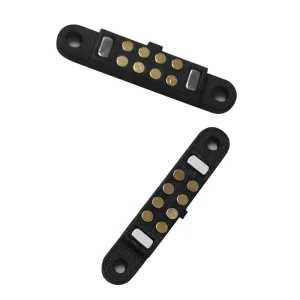
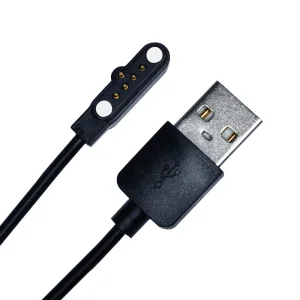
Magnetic pogo pin connectors provide dual functions: electrical transmission and mechanical self-alignment. By integrating high-energy Neodymium magnets (typically N52 grade), we configure magnetic forces to deliver reliable self-locating alignment, blind-mating features, and an automatic breakaway mechanism that prevents device damage from cable tugging.
Located in Shenzhen, the leading city of the Guangdong-Hong Kong-Macao Greater Bay Area, our company was founded in February 2011 in Songgang Street, Shenzhen, specializing in the development and manufacturing of Pogopin connectors. After years of efforts and technical accumulation, the company has grown into an established leader in the interconnect components sector.
Our company is mainly engaged in the research, development, production, and sales of various models of POGO PIN (also known as spring thimble) products. Driven by the philosophy of "customer first, integrity first," we maintain a specialized POGO PIN industry technology production team and have established long-term cooperative relationships with multiple global enterprises.
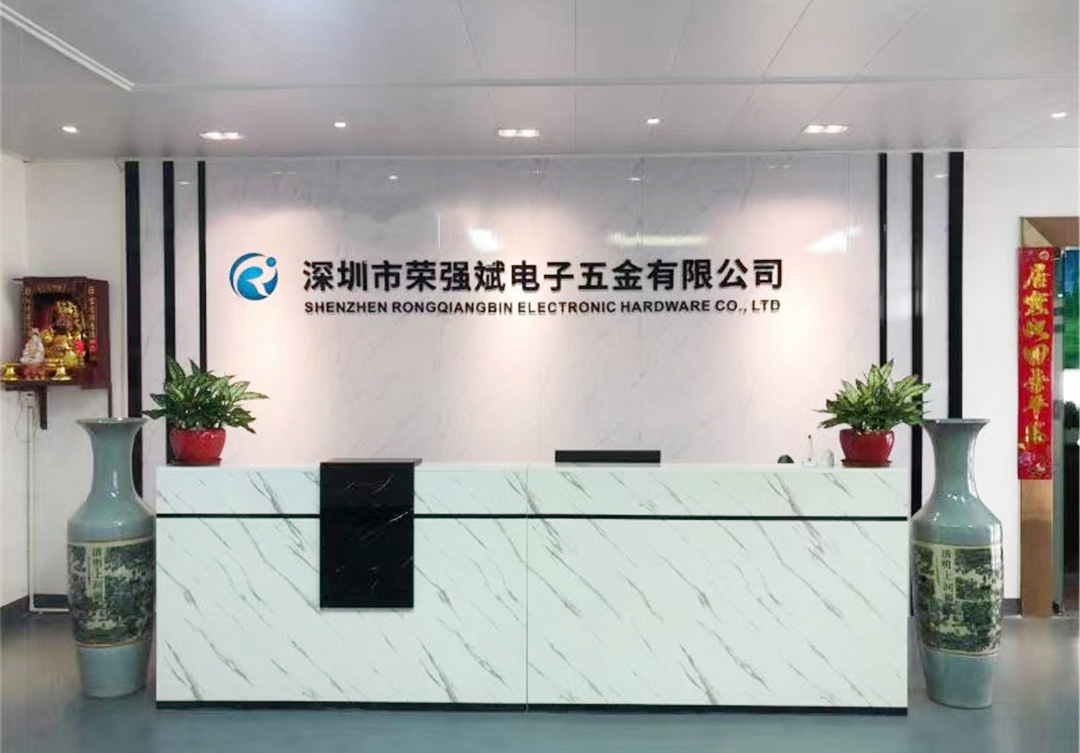

Operating an in-house development and quality verification workflow, from high-speed turning to reliability laboratories.


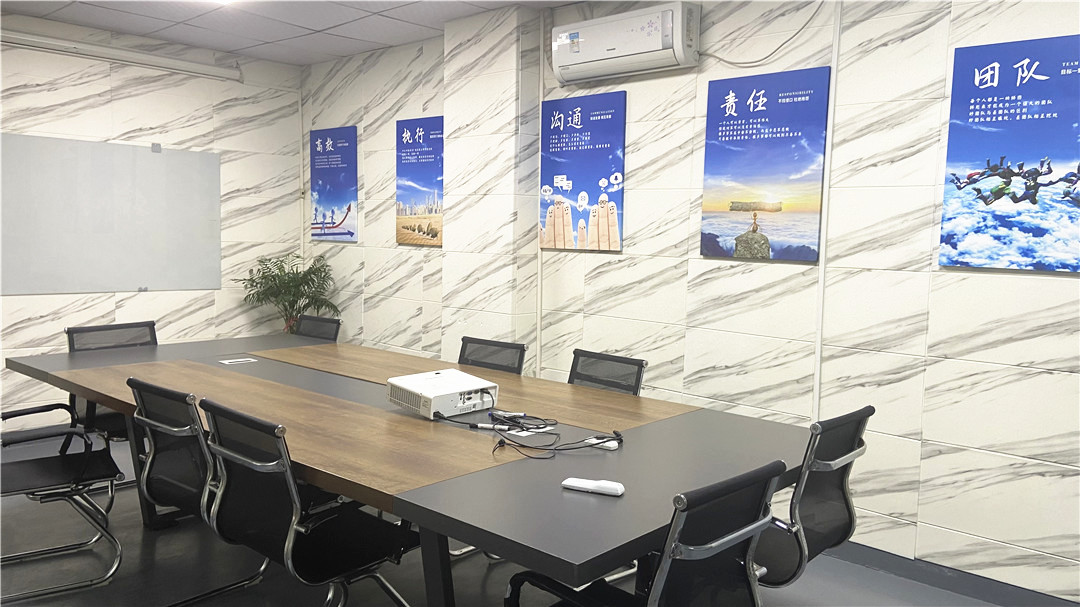
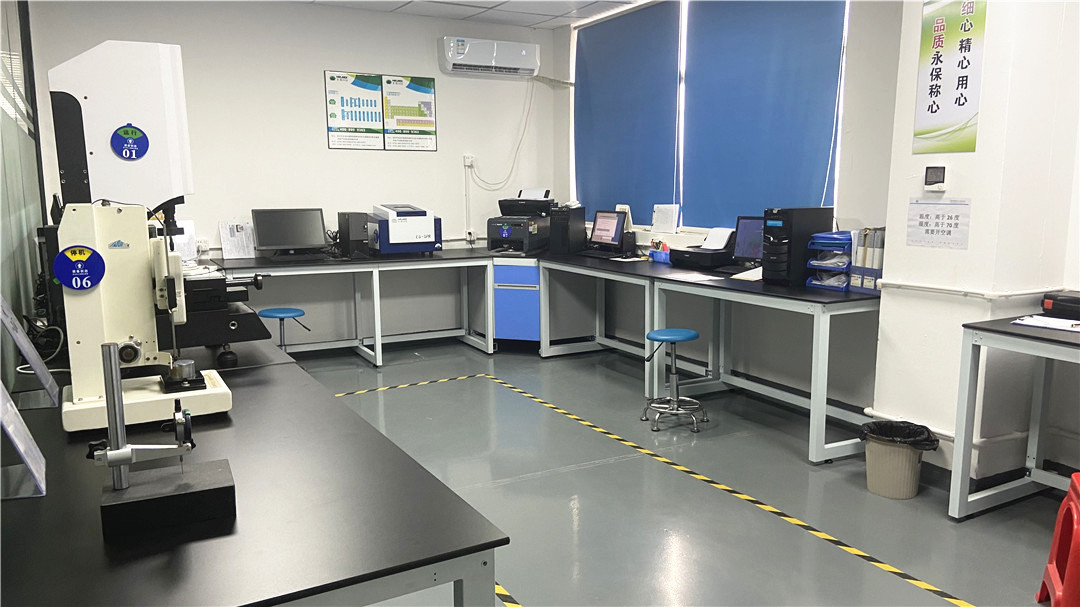
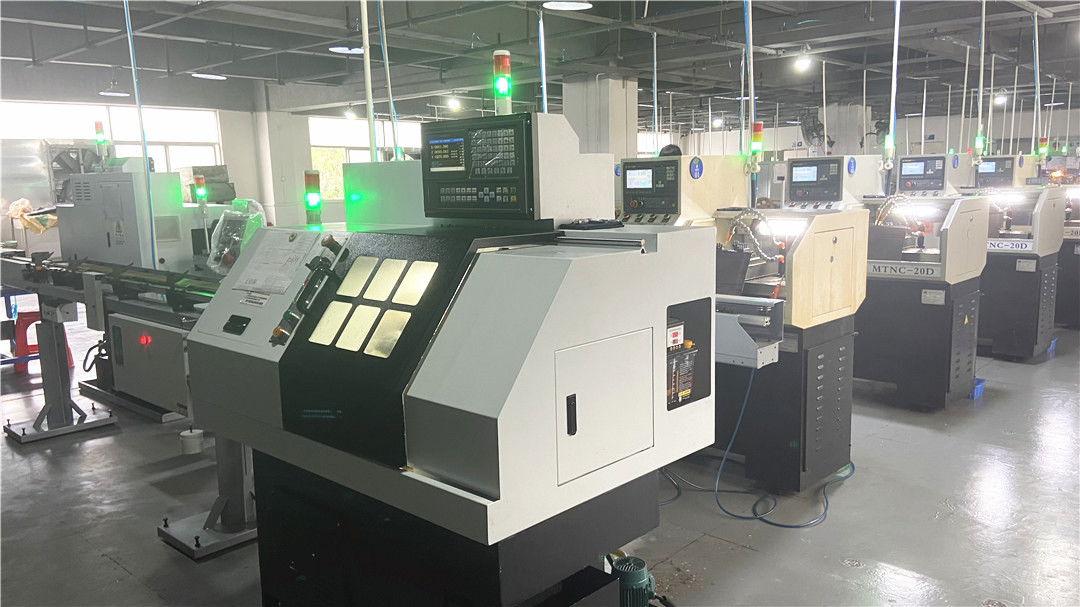
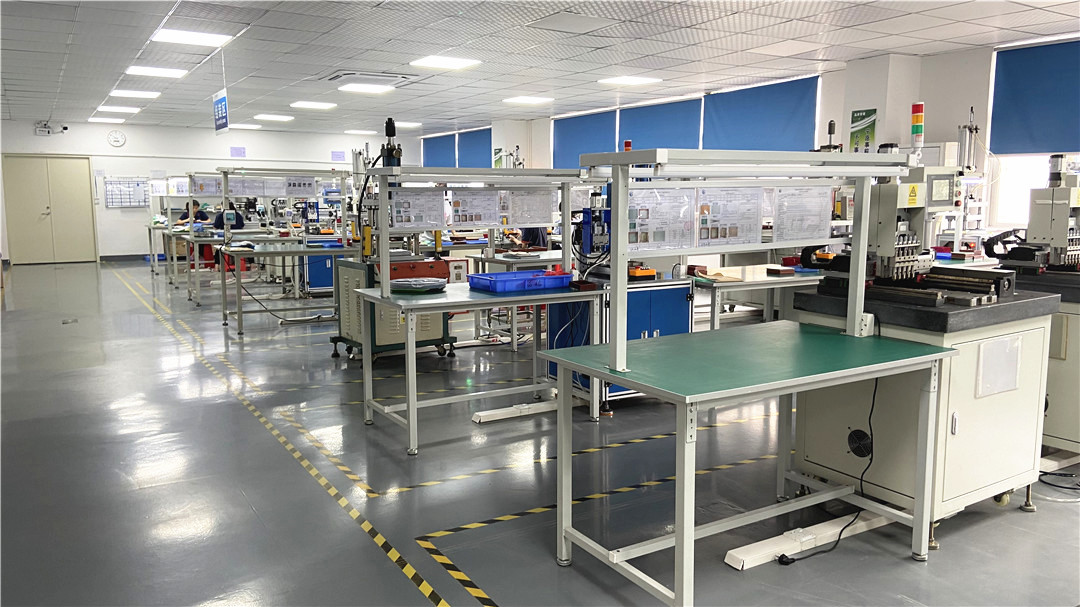
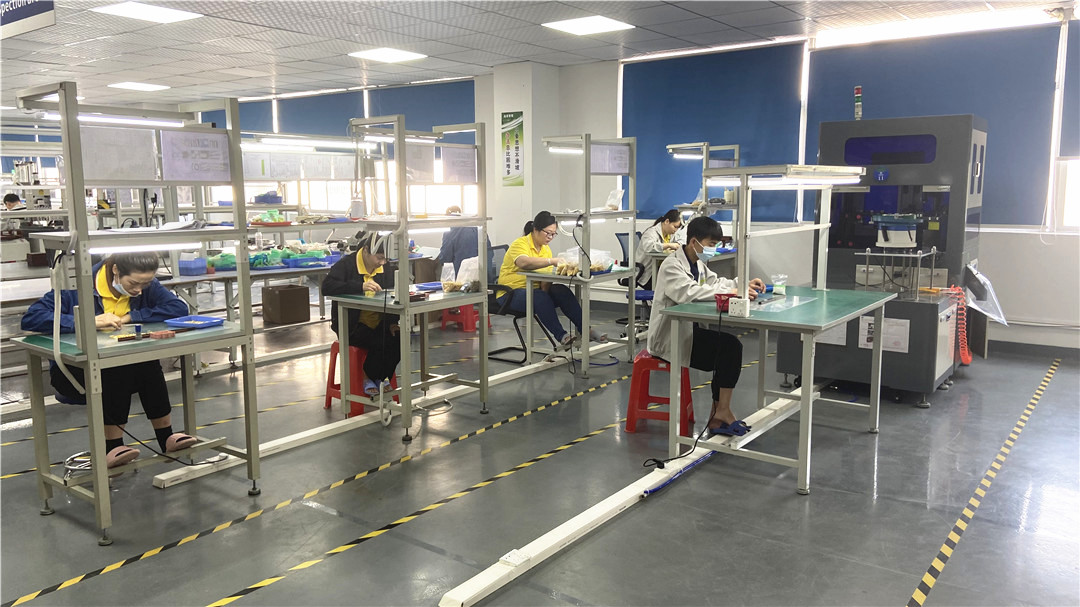
Committed to being an excellent POGO PIN manufacturer for both quality and cost on home and abroad, and leading connector technology development.
How leading OEMs integrate our magnetic connector technology across distinct environments and application fields.
In high-density products like smartwatches, fitness trackers, smart rings, and Bluetooth headsets, spatial constraints are critical. Our ultra-miniature magnetic pogo pin assemblies enable reliable power and data synchronization interfaces with IP67/IP68 waterproof compliance, preventing oxidation issues from human sweat exposure.
In environments requiring frequent sanitation, standard USB ports can accumulate biological contaminants. Our magnetic pogo pin connectors provide a flat, easy-to-sanitize mating plane, making them highly suitable for portable monitoring devices, handheld ultrasound probes, and patient diagnostic systems.
For harsh industrial applications, in-vehicle telematics, and heavy-machinery diagnostics, connections must withstand continuous vibration. Our spring-loaded pogo pins compensate for mechanical alignment tolerances, providing continuous contact force and stable power delivery under dynamic shock profiles.
How our location in the Greater Bay Area enables rapid prototyping, cost control, and high-volume production output.
Our facility brings together raw metal processing, precision high-speed turning, injection molding, electroplating, and automated optical inspection (AOI) under one organizational system. This level of integration reduces logistics time and allows us to transition from client CAD files to physical, functional samples within 3 to 5 business days.
Being located in Shenzhen's hardware ecosystem allows us to source certified raw materials (such as environment-friendly Brass, Phosphor Bronze, and custom high-purity Neodymium magnets) with minimal transit times, keeping projects on tight development schedules.
Our workshop operates continuous automatic assembly lines capable of producing over 500,000 pogo pin assemblies per day. By automating spring winding, insertion, and visual checks, we minimize human error and ensure compliance with ISO9001:2015 quality standards.
Every production batch undergoes comprehensive testing, including salt spray testing (up to 480 hours for specialized components), contact resistance profiling, insertion force testing, and spring life cycle analysis to ensure compliance before shipment.
Innovating next-generation connector designs for upcoming hardware cycles and technical requirements.
Standard pogo pins typically support 1A-2A currents. Our technical roadmap focuses on developing advanced internal ball/biasing structural designs to support up to 40A continuous current. This makes them suitable for light electric vehicles (LEVs), drone docks, and rapid charging stations.
As hardware systems demand faster data transfer, we are optimizing magnetic pin layouts to handle USB 3.1 Gen 2 and Type-C data transfer speeds (up to 10Gbps). This is achieved through controlled characteristic impedance and electromagnetic shielding analysis.
To address skin sensitivity and nickel allergy concerns in smart wearables, we are introducing alternative plating methodologies. These include Platinum-Gold alloys and Rhodium-Ruthenium coatings, which provide hypoallergenic contact surfaces and improved corrosion resistance.
Helping global engineering teams meet environmental, safety, and operational standards.
All raw materials used in our factory undergo chemical screening. We guarantee that all OEM and ODM products are fully compliant with RoHS, REACH, and Halogen-Free requirements, ensuring trouble-free export to European, North American, and Asia-Pacific markets.
Our Field Application Engineers (FAE) provide design-in support for your development teams. We provide full 3D CAD modeling, tolerance analysis, and simulation data to verify electrical and mechanical performance before initiating tool production.
Direct answers to common engineering questions regarding magnetic pogo pin connector design and manufacturing.
Our standard spring-loaded pogo pins are designed to withstand 10,000 to 50,000 mating cycles. However, by optimizing the internal spring material, utilizing precision-guided plungers, and applying advanced wear-resistant coatings (like gold-cobalt alloys), we can engineer customized configurations rated for up to 100,000 or even 200,000 compression cycles.
Outdoor environments are prone to moisture and salt mist, which can lead to electrochemical corrosion when a current is applied. We address this issue by using high-thickness gold platings (up to 30 micro-inches over a sulfamate nickel barrier). For marine or wearable devices, we offer advanced coatings like Platinum (Pt) or Rhodium-Ruthenium, which resist chemical attack and electrochemical erosion during charging.
Yes. We customize magnetic retention forces by selecting different grades of Neodymium magnets (e.g., N35 to N52) and altering the spatial arrangement of the magnetic poles (North/South orientation). This allows us to calibrate the exact pull force required to meet your device's insertion force and detach force specifications.
We select high-temperature engineering plastics like Liquid Crystal Polymer (LCP), Nylon 9T, or PBT. LCP is highly recommended for SMT (Surface Mount Technology) processes because it withstands lead-free reflow soldering temperatures (up to 260°C) without dimensional distortion, ensuring precise pin alignment.
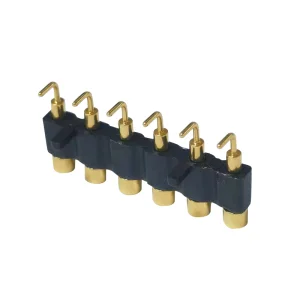
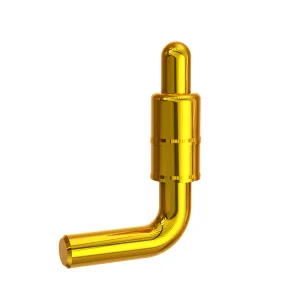
We offer multiple mounting configurations to fit your PCB layout: Surface Mount Technology (SMT / SMD) for automated pick-and-place lines, Dual In-line Package (DIP) through-hole pins for increased mechanical retention strength, and right-angle bending types for space-constrained edge-mounting requirements.
Our magnetic connectors utilize polarity keying. By arranging the magnet polarities (placing North magnets next to South magnets on the opposing sides), the connector rejects reverse orientation. The poles physically repel each other if the cable is inverted, ensuring the pins align only in the correct configuration.
Explore our collection of custom interfaces, high-durability contact points, and charging adapters.
 Rongqiangbin